
بروتوكول محولات الإرسال والاستقبال عن بعد القابلة للعنونة على الطرق السريعة
بروتوكول الاتصال HART (المحول البعيد القابل للعنونة عبر الشبكة) هو بروتوكول مفتوح هجين يجمع بين التناظري والرقمي في أنظمة الأتمتة الصناعية. وتتمثل ميزته الأبرز في قدرته على الاتصال عبر حلقات التيار التناظرية القديمة (4-20 مللي أمبير)، حيث يتشارك زوج الأسلاك المستخدم في الأنظمة المضيفة التناظرية فقط. يُستخدم HART على نطاق واسع في أنظمة العمليات والأجهزة، بدءًا من تطبيقات الأتمتة الصغيرة وصولًا إلى التطبيقات الصناعية بالغة التعقيد.
استنادًا إلى نموذج OSI ، يقع بروتوكول HART في الطبقة السابعة، وهي طبقة التطبيقات. أما الطبقات من الثالثة إلى السادسة فلا تُستخدم. [ 1 ] عند إرسال البيانات عبر تيار يتراوح بين 4 و20 مللي أمبير، فإنه يستخدم شريحة Bell 202 للطبقة الأولى. ولكن غالبًا ما يتم تحويله إلى RS485 أو RS232.
بحسب إيمرسون، [ 2 ] ونظرًا لانتشار أنظمة 4-20 مللي أمبير على نطاق واسع في جميع أنحاء العالم، يُعدّ بروتوكول HART أحد أكثر البروتوكولات الصناعية شيوعًا اليوم. وقد شكّل بروتوكول HART خيارًا مناسبًا للمستخدمين الذين يرغبون في استخدام إشارات 4-20 مللي أمبير التقليدية، ولكنهم يريدون تطبيق بروتوكول "ذكي".
تاريخ
طُوّر هذا البروتوكول من قِبل شركة روزماونت ، استنادًا إلى معيار الاتصالات المبكر بيل 202، في منتصف ثمانينيات القرن الماضي كبروتوكول اتصالات رقمي خاص بأجهزة القياس الميدانية الذكية. وسرعان ما تطور إلى بروتوكول هارت، وفي عام 1986 أصبح بروتوكولًا مفتوح المصدر . ومنذ ذلك الحين، جرى تحسين قدرات البروتوكول من خلال مراجعات متتالية للمواصفات.
الأوضاع
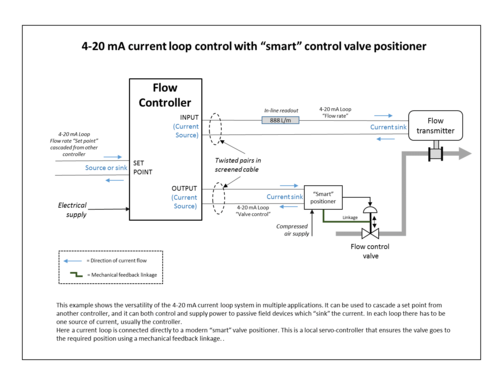
يوجد نمطان تشغيليان رئيسيان لأجهزة HART: نمط نقطة إلى نقطة (تناظري/رقمي)، ونمط النقاط المتعددة.
نقطة إلى نقطة
في وضع الاتصال المباشر، تُضاف الإشارات الرقمية إلى تيار الحلقة 4-20 مللي أمبير . يُعد كل من تيار 4-20 مللي أمبير والإشارة الرقمية بروتوكولات إشارة صالحة بين وحدة التحكم وجهاز القياس أو عنصر التحكم النهائي.
يُضبط عنوان استطلاع الجهاز على "0". لا يمكن توصيل سوى جهاز واحد بكل زوج من إشارات كابلات الأجهزة. تُحدد إشارة واحدة، عادةً من قِبل المستخدم، لتكون إشارة 4-20 مللي أمبير. تُرسل الإشارات الأخرى رقميًا فوق إشارة 4-20 مللي أمبير. على سبيل المثال، يمكن إرسال الضغط كإشارة 4-20 مللي أمبير، لتمثيل نطاق من الضغوط، ويمكن إرسال درجة الحرارة رقميًا عبر نفس الأسلاك. في وضع الاتصال من نقطة إلى نقطة، يمكن اعتبار الجزء الرقمي من بروتوكول HART بمثابة واجهة حلقة تيار رقمية .
نقاط متعددة
In multi-drop mode the analog loop current is fixed at 4 mA and it is possible to have more than one instrument on a signal loop.
HART revisions 3 through 5 allowed polling addresses of the instruments to be in the range 1–15. HART revision 6 allowed addresses 1 to 63; HART revision 7 allows addresses 0 to 63. Each instrument must have a unique address.
Packet structure
The request HART packet has the following structure:
| Field Name | Length (in bytes) | Purpose |
|---|---|---|
| Preamble | 5–20 | Synchronization and Carrier Detect |
| Address | 1 or 5 | defined by bit 7 in Delimiter. Specifies slave, Specifies Master and Indicates Burst Mode |
| Expansion | 0–3 | This field is 0–3 bytes long and its length is indicated in the Delimiter (Start byte) |
| Command | 1 | Numerical Value for the command to be executed |
| Number of data bytes | 1 | Indicates the size of the Data Field |
| Data | 0–255 | Data associated with the command. BACK and ACK must contain at least two data bytes. |
| Checksum | 1 | XOR of all bytes from Start Byte to Last Byte of Data |
Preamble
Currently all the newer devices implement five byte preamble, since anything greater reduces the communication speed. However, masters are responsible for backwards support. Master communication to a new device starts with the maximum preamble length (20 bytes) and is later reduced once the preamble size for the current device is determined.
Preamble is: "ff" "ff" "ff" "ff" "ff" (5 times ff)
Start delimiter
This byte contains the Master number and specifies that the communication packet is starting.
| Bit | 7 | 6 | 5 | 4 | 3 | 2 | 1 | 0 |
|---|---|---|---|---|---|---|---|---|
| Desc | Address size | Number of Expansion bytes | Physical layer type | Frame type | ||||
- bit 7, if high use Unique (5 byte) address, else use Polling (1 Byte) addresses.
- bit 6 and 5, Number of Expansion bytes
- normally it set if Expansion field is used, normally 0.
- bit 4 and 3, Physical layer type
- 0=Asynchronous, 1=Synchronous
- bit 2, 1 and 0, Frame type
- 1=BACK Burst Acknowledge send by Burst-mode Device 2=STX Master to Field Devices. 6=Slave Acknowledge to STX frame.
Address
Specifies the destination address as implemented in one of the HART schemes. The original addressing scheme used only four bits to specify the device address, which limited the number of devices to 16 including the master.
The newer scheme utilizes 38 bits to specify the device address. This address is requested from the device using either Command 0, or Command 11.
Command
This is a one byte numerical value representing which command is to be executed. Command 0 and Command 11 are used to request the device number.
Number of data bytes
Specifies the number of communication data bytes to follow.
Status
The status field is absent for the master and is two bytes for the slave. This field is used by the slave to inform the master whether it completed the task and what its current health status is.
Data
Data contained in this field depends on the command to be executed.
Checksum
يتكون المجموع الاختباري من عملية XOR لجميع البايتات بدءًا من بايت البداية وانتهاءً بالبايت الأخير من حقل البيانات، بما في ذلك تلك البايتات.
رموز الشركات المصنعة
يُخصص لكل مصنّع مشارك في اتفاقية HART رقم تعريف. ويتم إرسال هذا الرقم كجزء من أمر تعريف الجهاز الأساسي المستخدم عند الاتصال بالجهاز لأول مرة.
مراجع
- ↑ أدوات العزف https://instrumentationtools.com/hart-communication-tutorial-part-3/
- ↑ إيمرسون https://web.archive.org/web/20181107104043/https://www.automation.com/automation-news/industry/emerson-proves-advancements-in-eddl-electronic-device-description-language-technology ، مراجعة بتاريخ 14 أبريل 2005
روابط خارجية
- مجموعة الاتصالات الميدانية
- مشروع .NET مفتوح المصدر، مؤرشف بتاريخ 23 ديسمبر 2017 على موقع Wayback Machine.
- بروتوكولات الشبكة
- الحوسبة الصناعية
- الحافلات التسلسلية
- الأتمتة الصناعية