
Shadia Habbal
Shadia Rifa'i Habbal (Arabic: شادية رفاعي حبال) is a Syrian-American astronomer and physicist specialized in Space physics. A professor of Solar physics, her research is centered on Solar wind and Solar eclipse.
Life and education
She was born as Shadia Na'im Rifa'i in the city of Homs where she finished secondary education, she enrolled in the University of Damascus where she received her bachelor in physics and math. She received a master in physics from the American University of Beirut before receiving her PhD from the University of Cincinnati.[1]
Career
She completed a one-year ASP term at the National Center for Atmospheric Research (1977–1978) and joined the Center for Astrophysics | Harvard & Smithsonian in 1978 where she established a research group in solar-terrestrial physics, a position she kept until 2000. Habbal was also appointed as a professor of solar terrestrial physics at the Institute of Mathematical and Physical Sciences at the University of Wales, Aberystwyth.[2] Between (1995–2000) she was a lecturer at Harvard University.[3]
In 2002 she was appointed editor in the Journal of Geophysical Research, Space Physics Section. Prof Habbal is a member of many professional bodies including the American Astronomical Society, the International Astronomical Union, the Hawaii Institute for Astronomy as well as being a fellow of the Royal Astronomical Society.[2]
Research
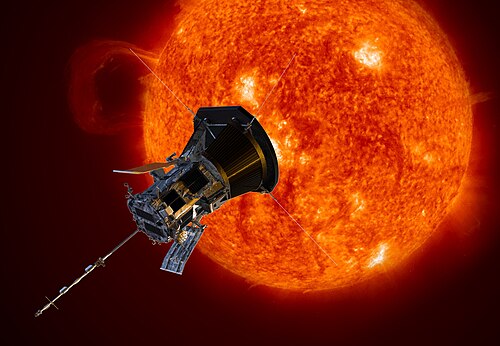
تركز البروفيسورة حبال على أصل وتطور الرياح الشمسية، والحقول المغناطيسية الشمسية، ورصد استقطاب الكسوف. [ 4 ] قادت أكثر من اثنتي عشرة رحلة استكشافية لكسوف الشمس، زارت خلالها أماكن مثل الهند (1995)، وغوادلوب (1998)، [ 5 ] والصين (2008)، وبولينيزيا الفرنسية (2010)، والولايات المتحدة (2017)، وأستراليا (2023)، والولايات المتحدة (2024)، برعاية مؤسسة العلوم الوطنية ووكالة ناسا. [ 3 ] قادت حبال فريقًا من معهد هاواي لعلم الفلك شارك في رصد هالة الشمس أثناء الكسوف بالتعاون مع وكالة ناسا في أعوام 2006 و2008 و2009، [ 6 ] كما لعبت دورًا محوريًا في إنشاء مسبار باركر الشمسي التابع لوكالة ناسا ، والذي أُطلق عام 2018، وكان أول مركبة فضائية تدخل هالة الشمس. [ 7 ] طوّرت البروفيسورة حبال طرقًا مبتكرة لرصد الكسوف، بما في ذلك نظام تثبيت على متن السفن لكسوف أنتاركتيكا عام 2021 (بتمويل من مؤسسة العلوم الوطنية الأمريكية)، ومنصة تعتمد على الطائرات الورقية تم اختبارها لأول مرة خلال كسوف أستراليا عام 2023 (بتمويل من وكالة ناسا). وهي تقود حملة لرصد كسوف الولايات المتحدة عام 2024، والتي ستشمل عمليات رصد أرضية، وعبر الطائرات الورقية، ومن الجو باستخدام طائرة الأبحاث WB-57 التابعة لوكالة ناسا.
التكريمات
- رائد، مؤسسة الفكر العربي، ديسمبر 2004. [ 4 ]
- شهادة أستاذ زائر من جامعة العلوم والتكنولوجيا الصينية، خفي، 4 سبتمبر 2001. [ 4 ]
- جائزة إنجاز المجموعة من ناسا ، فريق سبارتان 201 لتصوير الكورونوغراف بالضوء الأبيض، واشنطن العاصمة، 14 أغسطس 2000. [ 4 ]
- جائزة سلسلة محاضرات النساء المغامرات، لجنة برنامج النساء بمركز هارفارد-سميثسونيان للفيزياء الفلكية، 8 يونيو 1998. [ 4 ]
- شهادة تقدير للخدمة والدعم المتميزين - مركز هارفارد سميثسونيان للفيزياء الفلكية، 19 ديسمبر 1997. [ 4 ]
- شهادة تقدير للخدمة المتميزة - المجلس الوطني للبحوث، مجلس علوم الغلاف الجوي والمناخ، 1996. [ 4 ]
- شهادة تقدير للإنجاز الخاص الذي يعكس مستوى عالٍ من الإنجاز، مؤسسة سميثسونيان، 25 يوليو 1993. [ 4 ]
منشورات مختارة
- زدينيك هرازديرا؛ ميلوسلاف دروكمولر؛ شادية حبال (23 ديسمبر 2020). "قياس الدوران التفاضلي الشمسي باستخدام طريقة الارتباط الطوري التكراري" . سلسلة ملاحق المجلة الفيزيائية الفلكية . 252 (1): 6. Bibcode : 2021ApJS..252....6H . doi : 10.3847/1538-4365/ABC702 . ISSN 0067-0049 . Wikidata Q106192162 .
- بنيامين بو؛ شادية حبال ؛ ميلوسلاف دروكمولر (3 يونيو 2020). "طوبولوجيا المجال المغناطيسي الإكليلي من رصد كسوف الشمس الكلي" . المجلة الفيزيائية الفلكية . 895 (2): 123. arXiv : 2004.08970 . Bibcode : 2020ApJ...895..123B . doi : 10.3847/1538-4357/AB8AE6 . ISSN 0004-637X . Wikidata Q106192173 .
- زدينيك هرازديرا؛ ميلوسلاف دروكمولر؛ شادية حبال (20 فبراير 2020). "خوارزمية ارتباط الطور التكراري لتسجيل الصور بدقة عالية دون البكسل" . سلسلة ملاحق المجلة الفيزيائية الفلكية . 247 (1): 8. Bibcode : 2020ApJS..247....8H . doi : 10.3847/1538-4365/AB63D7 . ISSN 0067-0049 . Wikidata Q106192174 .
- بنيامين بو؛ شادية حبال ؛ ميلوسلاف دروكمولر؛ أدالبرت دينغ؛ جانا هوديروفا؛ بافيل شتارها (14 يناير 2020). "التغيرات الديناميكية الحرارية في الهالة الشمسية الناتجة عن الانبعاثات الكتلية الإكليلية، كما استُنتجت من رصد انبعاثات Fe XI وFe XIV خلال كسوف الشمس الكلي في 21 أغسطس 2017" . المجلة الفيزيائية الفلكية . 888 (2): 100. arXiv : 1911.11222 . Bibcode : 2020ApJ...888..100B . doi : 10.3847/1538-4357/AB5E34 . ISSN 0004-637X . Wikidata Q106192175 .
- Fred Sigernes; Pål Gunnar Ellingsen; Noora Partamies; et al. (13 January 2017). "Video cascade accumulation of the total solar eclipse on Svalbard 2015". Geoscientific Instrumentation, Methods and Data Systems. 6 (1): 9–14. doi:10.5194/GI-6-9-2017. ISSN 2193-0856. Wikidata Q57893542.
References
- ↑"علماء الفيزياء المسلمون في العصر الحديث"[Muslim physicists in the modern era]. uqu.edu.sa (in Arabic). Shadia Habba. Archived from the original on 2014-04-19.
- 12"Sun expert in line for top award". BBC News. 11 May 2004.
- 12"Shadia Habbal entry". National Center for Atmospheric Research. Archived from the original on 2014-04-23.
- 12345678"Shadia R. Habbal entry". hawaii university.
- ↑"CfA EXPEDITION TO GUADELOUPE HOPES TO CATCH ECLIPSE". cfa.harvard.edu. Archived from the original on 2012-05-19.
- ↑"NASA observation of solar corona". Archived from the original on 2018-12-22. Retrieved 2014-07-16.
- ↑"Shadia Rifa'i Habbal". SIUE STEM. Archived from the original on 2021-06-24. Retrieved 2021-06-18.
External links
- Living people
- Syrian astronomers
- Syrian physicists
- 21st-century Syrian women scientists
- Women astronomers
- Syrian emigrants to the United States
- NASA people
- People from Homs
- Damascus University alumni
- American University of Beirut alumni
- University of Cincinnati alumni
- 21st-century Syrian scientists