
استخدام العكازات

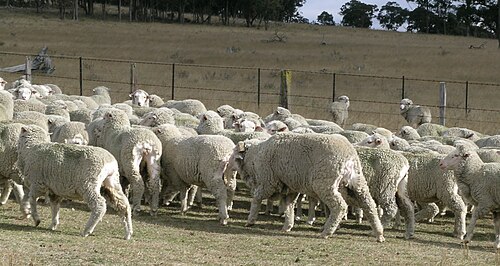
يشير مصطلح "التنظيف" إلى إزالة الصوف من حول ذيل الخروف وبين ساقيه الخلفيتين لأغراض النظافة. وقد يشير أيضاً إلى إزالة الصوف من رأس الخروف ( التنظيف بالصوف أو إزالة الصوف من العين ). ولا يشمل هذا المصطلح عملية "القص الصوفي " - وهي عملية مثيرة للجدل تتضمن إزالة شرائح من الجلد المغطى بالصوف من منطقة الأرداف (المؤخرة) للخروف.
تحفيز
بفضل قرون من التربية الانتقائية، وآخرها التلقيح الاصطناعي ، أصبح لدى الأغنام المستأنسة صوف أكثر كثافة وطولاً من أسلافها البرية، مما قد يتطلب تدخلاً بشرياً للحفاظ عليه. غالباً ما تظهر بقع أو وبر كثيف على مؤخرات الأغنام ذات الصوف الكثيف نتيجة الروث . وفي النعاج، قد يتسبب البول أيضاً في تلطيخ الصوف. ولتجنب إزعاج الأغنام وتلف الصوف، يقوم الرعاة بإزالة الصوف (وأي وبر متبقٍ) منها.
قد يؤدي البول والبراز المائي الناتج عن تناول أعشاب الربيع إلى الإصابة بالدودة الحلزونية (داء النغف)، الذي يحدث عندما تضع الذباب بيضها في الصوف الدافئ والرطب، فتنمو يرقات الذباب وتتغذى على صوف الأغنام. يُعدّ قصّ الصوف من المنطقة المصابة وسيلة فعّالة للمساعدة في الوقاية من ذلك؛ ففي بعض المناطق، يُجرى قصّ الصوف في بداية موسم الذباب (الذي يعتمد على الظروف المناخية المحلية)، وقد يلزم تكراره على فترات تتراوح بين 6 و8 أسابيع في المناطق التي ترتفع فيها مخاطر الذباب.
قد يتم أيضًا ربط الكباش والخراف المخصية (ربطها) على البطن حول القضيب (الأعضاء التناسلية) لمنع الإصابة بالذباب هناك.
تُجرى عملية إزالة الصوف من رأس الأغنام لمنعها من الإصابة بـ"عمى الصوف"، حيث يُغطي الصوف عيونها. كما تمنع هذه العملية تراكم بذور الأعشاب والأشواك في الصوف حول رأس الأغنام أثناء الرعي. وتزداد حدة هاتين المشكلتين في السلالات ذات الصوف الكثيف، مثل أغنام المارينو .
بالإضافة إلى ذلك، يتم عادةً تقليم صوف النعاج قبل الولادة إذا لم تكن قد خضعت لعملية جز الصوف مؤخرًا، وذلك لتوفير منطقة رضاعة أنظف للحمل حديث الولادة.
إجراء
Crutching is generally carried out in shearing sheds, using shearers and the same tools as for shearing the entire fleece, as crutching is simply shearing only a portion of the animal. Blade shears may be used, especially where an individual sheep is particularly dirty, or flystruck. Generally, whole flocks are treated together. A mechanical shearing handpiece is used, and the graziers sit the sheep between their legs and shear the required portion of the sheep, leaving the main fleece to continue growing. There are also many varieties of crutching cradles which allow the sheep to be crutched with less physical strain to the operator.[1]
For small flocks, a grazier might do the work single-handedly. For large flocks and stud sheep, graziers will hire shearers, or use a contractor who provides professional shearing teams to do the required work. The grazier would decide on the extent of crutching: the rear of the sheep is almost always shorn, whereas wool around the face, ears, underside and pizzle may also be removed depending on the circumstances such as the weather, length of fleece, and amount of seed or other impurities present in the fleece and the underlying reason for crutching (preventive of fly-strike, or to reduce the likelihood of stain in the fleece wool).[2] Super fine wool Merino flocks are often given a light crutch, known as a New England crutch that removes less of the valuable fleece.
When a single or small number of sheep need crutching, graziers will often work in the paddock using dagging (or blade) shears or portable powered shearing gear instead of driving the sheep into the shearing shed and back.
Related procedures
Docking (shortening or outright removing) sheep's tails has much the same benefits for the sheep as crutching. While this procedure may reduce the care needed to keep wool clean, regular crutching may still required for the reasons outlined above.
Mulesing is a process where parts of the skin around the buttocks are outright removed and scarred. Mulesed sheep require much less crutching, as the scar tissue reduces the amount of wool grown on the region. It is the excess wool which gets most soiled from urination and faeces, and which can be perceived to be particularly dirty due to green feeding, rapid changes in feed, or from problems such as internal parasites.
See also
References
روابط خارجية
- الإدارة الأساسية للأغنام الأليفة من الحكومة الأسترالية (أرشيف الويب)
- معلومات عن تقليم صوف الأغنام لدى منظمة الأغذية والزراعة
- غنم