
Inherent vice
Inherent vice is the tendency in physical objects to deteriorate because of the fundamental instability of the components of which they are made, as opposed to deterioration caused by external forces.[1][2] All objects have some kind of inherent vice as a result of the baseline law of entropy.
Preservation issues
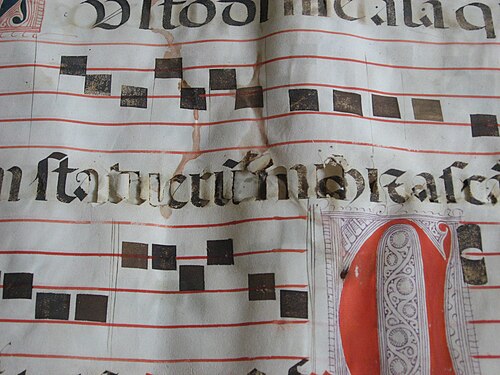
The term is broadly used in archival practice to recognize the material constraints of preservation activities. For example, many kinds of paper have acid in them that makes them chemically unstable. Over time, the acid will eat away the text on the page and cause paper to turn yellow or brown and become brittle. As the acid continues to break down the cellulose fibers, the paper disintegrates.[3] In the world of philately, the adhesive on the back of stamps is both an inherent vice—any exposure to moisture will compromise their ability to be preserved—as well as the purpose for which the stamps were made.[3] In the case of film, an example of inherent vice is the innate chemical instability of cellulose acetate film, which can result in the degradation known as "vinegar syndrome" due to the distinctive vinegar odor it produces.[4]
Slowing this tendency of objects to self-destruct requires an understanding of how materials interact. This includes not just an understanding of the intrinsic qualities of the materials themselves, but also the way that they affect and are affected by the other materials that they come into contact with.[5] For example, leather and metal are two materials which are frequently used in combination with each other, but react to each other over time to cause corrosion on the metal.[3]
The presence of deteriorating agents is a problem which can be tempered by selecting archival quality materials, such as acid free paper.[5] However, frequently the objective of manufacturers is to make a process (i.e. papermaking, book binding, etc.) faster and easier; the longevity of the items they produce is not their primary concern.[2]
Legal definition
يُستخدم مصطلح "العيب المتأصل" في القانون، وكذلك في علم المكتبات والأرشيف. أحد التعريفات القانونية للعيب المتأصل هو "استثناء موجود في معظم وثائق التأمين على الممتلكات، يُلغي التغطية عن الخسائر الناجمة عن صفة في الممتلكات تتسبب في تلفها أو تدميرها ذاتيًا". [ 6 ]
يمكن استخدام العيب المتأصل كمبرر لرفض التأمين على سلعة ما، حيث أن طبيعتها المدمرة لذاتها قد تجعلها خطراً غير مقبول بالنسبة لشركة النقل أو شركة التأمين. [ 7 ]
مراجع
- ↑ بيرس-موسى، ريتشارد (2012). مسرد مصطلحات الأرشيف والسجلات، مدخل العيب المتأصل . جمعية الأرشيفيين الأمريكيين . تم الاطلاع عليه بتاريخ 18 أكتوبر 2012 .
- ١ ٢ "الجلسة ٢: العيوب الكامنة: المواد" . أساسيات الحفظ: أساسيات حفظ مجموعات الورق والوسائط . مركز شمال شرق لحفظ الوثائق. مؤرشف من الأصل في ٢٤ يوليو ٢٠١٢. تم الاطلاع عليه في ١٩ أكتوبر ٢٠١٢ .
- 1 2 3 "الرذيلة المتأصلة" . المتحف الوطني للبريد . مؤسسة سميثسونيان. مؤرشف من الأصل في 25 أكتوبر 2014. تم الاطلاع عليه في 18 أكتوبر 2012 .
- ↑ "الجلسة 3: العيوب الكامنة: دعامات الأفلام" . أساسيات الحفظ: أساسيات حفظ مجموعات الورق والوسائط . مركز شمال شرق لحفظ الوثائق. مؤرشف من الأصل في 20 يونيو 2011. تم الاطلاع عليه في 19 أكتوبر 2012 .
- 1 2 جيل سنايدر (27 نوفمبر 2001). العناية بفنك: دليل للفنانين وهواة جمع الأعمال الفنية والمعارض والمؤسسات الفنية . دار سكاي هورس للنشر. الصفحات 7–. ISBN 978-1-58115-200-5تم الاطلاع عليه بتاريخ 18 أكتوبر 2012 .
- ↑ معجم مصطلحات التأمين الصادر عن المعهد الدولي لإدارة المخاطر، http://www.irmi.com/online/insurance-glossary/terms/i/inherent-vice.aspx
- ↑ "الرذيلة المتأصلة" . BusinessDictionary.com . WebFinance, Inc. مؤرشف من الأصل في 18 يوليو 2012. تم الاطلاع عليه في 19 أكتوبر 2012 .
روابط خارجية
 تعريف القاموس للرذيلة المتأصلة في ويكشنري
- الحفظ (علم المكتبات والأرشيف)