
Phasianinae
The Phasianinae (Horsfield, 1821) are a subfamily under the familyPhasianidae of the orderGalliformes. This subfamily notably includes the true pheasants, tragopans, tetraonids, Coturnicini, Pavonini, amongst other members.[1]
Although this placement was once considered monophyletic and separate from the partridges, francolins and Old World quail (now-defunct Perdicinae) until the early 1990s,[1][2]molecular phylogenies have shown that this subfamily is paraphyletic. For instance, certain genera like Lophophorus and Meleagris, as well as members of the genus Perdix, are cladistically more closely related to grouse and true pheasants, whereas other genera like Tetraogallus, Coturnix, and members in the genus Alectoris, share a much closer kinship to peafowl and junglefowl.[3][4] There are two clades in this subfamily: the erectile clade and the non-erectile clade, referring to erectile tissue in the bare, non-feathered parts of the face. Both clades are believed to have diverged during the early Oligocene, about 30 million years ago.[5]
The Phasianinae are characterized by strong sexual dimorphism, with males being highly ornate not limited to distinct coloration and patterning, as well as adornments such as combs, wattles, air sacs, tufts, crests, and long modified uppertail coverts (trains) and rectrices. Males are typically larger and heavier than females. Males play little to no part in rearing their offspring except a few species like the willow ptarmigan.[6]
Their diet generally consists of seeds, grains, greens, and some invertebrates, with several being seasonally-specialized herbivores like grouse.[7]
Genera in taxonomic order
رُتِّبت هذه القائمة لإظهار العلاقات المفترضة بين الأنواع. وتستند أسماء القبائل والفصائل الفرعية إلى الطبعة الرابعة من قائمة هوارد ومور الكاملة لطيور العالم . أما الأجناس التي لا تنتمي إلى قبيلة، فتُعتبر منتمية إلى قبيلة غير محددة التصنيف . [ 8 ] [ 9 ]
"السلالة الانتصابية"
| صورة | قبيلة | الأجناس |
|---|---|---|
 | incertae sedis |
|
 | incertae sedis |
|
 | لوفوفوريني |
|
 | incertae sedis |
|
 | تيتراونيني |
|
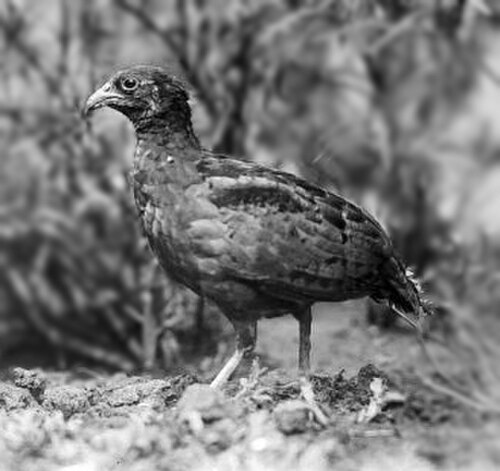 | incertae sedis |
|
 | incertae sedis |
|
 | فاسيانيني |
|
"مجموعة غير قادرة على الانتصاب"
| صورة | قبيلة | الأجناس |
|---|---|---|
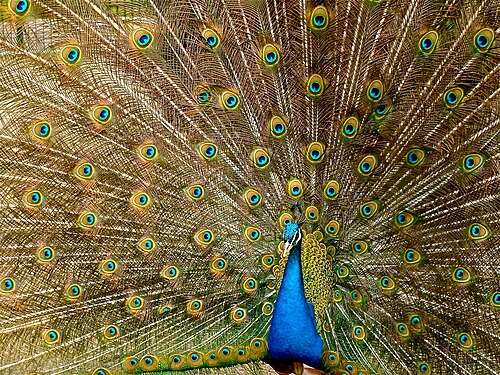 | بافونيني |
|
 | incertae sedis |
|
 | incertae sedis |
|
 | incertae sedis | |
 | incertae sedis |
|
 | غاليني |
|
 | كوتورنيسيني |
|
مراجع
- 1 2 جونزجارد، ب.أ. (1986). طيور التدرج في العالم . أكسفورد، المملكة المتحدة: مطبعة جامعة أكسفورد.
- ↑ جونزجارد، ب.أ. (1988). السمان والحجل والفرنكولين في العالم . أكسفورد، المملكة المتحدة: مطبعة جامعة أكسفورد.
- ↑ كيمبال، آر تي؛ براون، إي إل؛ زوارتجيس، بي دبليو؛ كرو، تي إم؛ ليجون، جيه دي (1999). "دراسة التطور الجزيئي للطيور من فصيلة التدرج والحجل تشير إلى أن هذه السلالات ليست أحادية الأصل". علم الوراثة الجزيئية والتطور . 11 (1): 38-54 . Bibcode : 1999MolPE..11...38K . doi : 10.1006/mpev.1998.0562 . PMID 10082609 .
- ↑ كيمبال، ريبيكا ت.؛ براون، إدوارد ل. (2014). "هل تُحسّن بيانات التسلسل الإضافية تقديرات التطور السلالي للدجاجيات؟ تحليلات لتشعّب سريع باستخدام مصفوفة بيانات كاملة" . PeerJ . 2 e361 . doi : 10.7717/peerj.361 . PMC 4006227. PMID 24795852 .
- ↑ "Galliformes" . علم تطور الطيور (بالألمانية) . تم الاسترجاع في 1 أغسطس 2021 .
- ↑ مارتن، كاثي؛ كوك، فريد (1987-04-01). "الرعاية الأبوية المشتركة لدى طائر التدرج الصفصافي: رفاهية؟" . سلوك الحيوان . 35 (2): 369-379 . doi : 10.1016/S0003-3472(87)80260-9 . ISSN 0003-3472 .
- ↑ ميلر، ماثيو ل. (16 يناير 2014). "طائر الطيهوج في الشتاء" . كول جرين ساينس . تم الاسترجاع في 24 نوفمبر 2025 .
- ↑ كيمبال، ريبيكا ت.؛ هوسنر، بيتر أ.؛ براون، إدوارد ل. (2021-05-01). "مصفوفة جينومية فائقة لطيور الدجاجيات (الطيور البرية) تكشف عن أطوال فروع متحيزة" . علم الوراثة الجزيئية والتطور . 158 107091. Bibcode : 2021MolPE.15807091K . doi : 10.1016/j.ympev.2021.107091 . ISSN 1055-7903 . PMID 33545275. S2CID 231963063 .
- ↑ "قائمة مراجعة H&M4 عائلة تلو الأخرى - مؤسسة تصنيف الطيور" . www.aviansystematics.org . تم الاطلاع بتاريخ 4 أغسطس 2022 .
- فاسيانيناي
- فصائل الطيور الفرعية