
ثعبان البحر القناص
ثعابين الشنقب هي عائلة من الثعابين ، تُعرف باسم Nemichthyidae ، وتضم تسعة أنواع ضمن ثلاثة أجناس. وهي أسماك سطحية تعيش في جميع المحيطات، غالباً على أعماق تتراوح بين 300 و600 متر (980-1970 قدماً) ، وأحياناً تصل إلى 4000 متر (13000 قدم) . يبلغ طول البالغين منها، بحسب النوع، من متر إلى مترين (39-79 بوصة ) ، بينما لا يتجاوز وزنها 80-400 غرام (2.8-14.1 أونصة) . تتميز هذه الثعابين بفكيها النحيلين جداً اللذين ينفصلان عند الأطراف مع انحناء الفك العلوي للأعلى، ويشبهان منقار طائر الشنقب. ثعابين الشنقب بيوضة ، أما صغارها، التي تُسمى Leptocephali (وتعني الرأس الصغير)، فلا تشبه البالغين، بل لها أجسام بيضاوية شفافة تشبه أوراق الشجر. تختلف أنواع ثعابين الشنقب في أشكالها وأحجامها وألوانها. أما ثعبان الشنقب قصير الذيل، الذي يحمل اسماً مشابهاً ، فهو في الواقع ينتمي إلى عائلة مختلفة، ويمثله نوعان: ثعبان الشنقب الأسود ( Cyema atrum) وثعبان الشنقب الأحمر الزاهي (Neocyema erythrosoma ).
الأجناس والأنواع
يوجد تسعة أنواع في ثلاثة أجناس: [ 2 ]
| ثعابين الشنقب (عائلة Nemichthyidae) | ||||||||||||
|---|---|---|---|---|---|---|---|---|---|---|---|---|
| جنس | صورة | الاسم العلمي | الاسم الشائع | أقصى طول (سم) | الحد الأقصى للوزن (كجم) | الحد الأقصى للعمر (بالسنوات) | الأشعة الظهرية | أشعة الشرج | العمق (م) | قاعدة السمك | إنها | حالة الاتحاد الدولي لحفظ الطبيعة |
| أفوستينا |  | Avocettina acuticeps (Regan, 1916) | ثعبان البحر الجنوبي | 77 | 325–436 | 280–368 | حتى عام 2000 | [ 3 ] | [ 4 ] | لم يتم التقييم | ||
| Avocettina bowersii (Garman, 1899) | 92–641 | [ 5 ] | [ 6 ] | لم يتم التقييم | ||||||||
| أطفال أفوسيتينا (غونتر، 1878) | ثعبان البحر أبو منجل | 80 | إلى 350 | 265–270 | 0–4580 | [ 7 ] | [ 8 ] | لم يتم التقييم | ||||
| أفوسيتينا باوسيبورا نيلسن وسميث، 1978 | 55 | 254–297 | 218–257 | [ 9 ] | [ 10 ] | لم يتم التقييم | ||||||
| لابيكثيس |  | Labichthys carinatus Gill & Ryder, 1883 | 80 | 0–2000 | [ 11 ] | [ 12 ] | لم يتم التقييم | |||||
| Labichthys yanoi (Mead & Rubinoff, 1966) | ثعبان البحر يانو | [ 13 ] | [ 14 ] | لم يتم التقييم | ||||||||
| نيميكثيس |  | نيميكثيس كورفيروسستريس (سترومان، 1896) | ثعبان البحر الملاكم | 143 | 0–2000 | [ 15 ] | [ 16 ] | لم يتم التقييم | ||||
| نيميتشتيس لارسيني نيلسن وسميث، 1978 | 161 | 173–222 | 164–208 | 170–1280 | [17] | [18] | Not assessed | |||||
| Nemichthys scolopaceusRichardson, 1848 | Slender snipe eel | 130 | ~350 | ~320 | 258–4337 | [19] | [20] | Least Concern | ||||
Characteristics
Snipe eels have the long, slender body typical of eels. They are distinguished by their very slender jaws that separate toward the tips as the upper jaw curves upward and which appear similar to the beak of the bird called the snipe. The vent may be near the throat (as in N. scolopaceus) or further back on the body (as in A. gilli and A. infans). Depending on the species, adults may reach 30–60 inches long, and weigh only a few ounces to a pound. The dorsal fins show wide variation, too. For example, A. gilli has fewer than 280 rays in its dorsal fin, while A. infans has more than 320.

The only food items actually found in the stomachs of snipe eels have been shrimp-like crustaceans, though ichthyologists believe they should be capable of catching and eating small fish and cephalopods also. Since predatory fish often feed on eel larvae, it is presumed by scientists and ichthyologists that they feed on snipe eel larvae as well. It is also thought that larger fish eat adult snipe eels though there is not much direct evidence for this.
Distribution
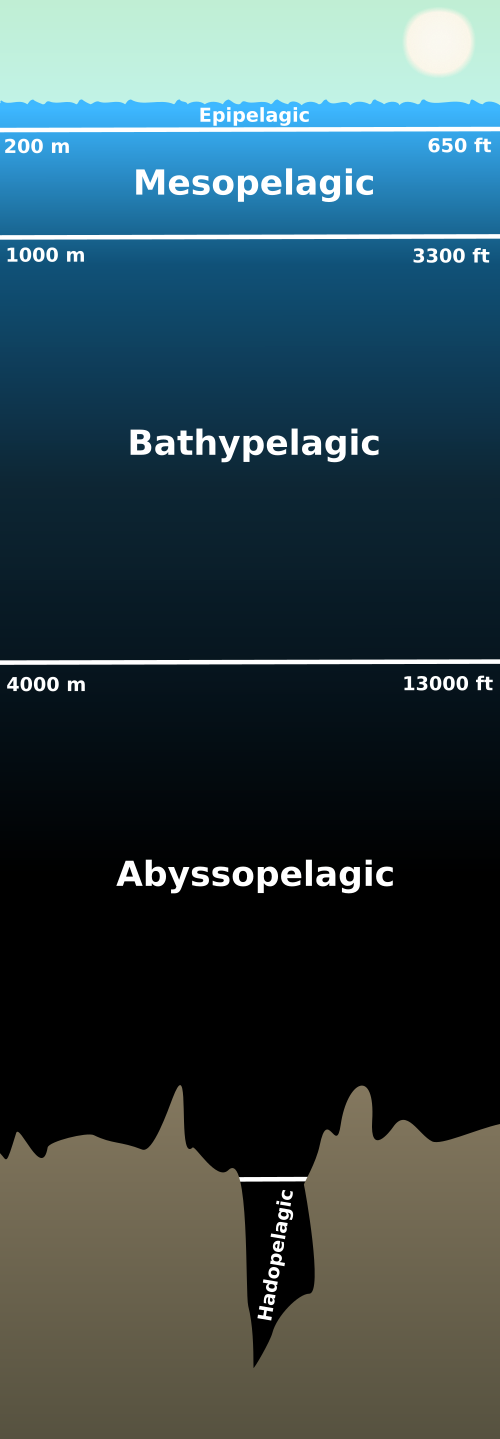
Snipe eels are found in every ocean and generally occupy depths of 300–600 m, though specimens have been caught nearer the surface at night, and storms occasionally result in individuals being stranded on the shore.[21] Larval snipe eels occupy more shallow regions of 60–70 m before descending to metamorphose into adult form.
Reproduction
Based on studies of several species of snipe eel in the Sargasso Sea and off the coast of California, it seems that snipe eels spawn mainly in the spring, but also into early summer. The juvenile forms of eels are generally called leptocephali (meaning "small head") and do not look like their adult forms. They are flat and transparent, taking forms that may be elongated or closer to the shape of a leaf. They remain in the larval form and near the surface (upper 200 m) for several months before descending to metamorphose. This is similar to other eel species but much longer than most other fish.[22]
Similar fish
The bobtail snipe eels are two species of deep-sea fishes in the family Cyematidae, one only in each of two genera. They are small elongate fishes, growing up to 16 centimeters (6.3 inches) long. They are bathypelagic (deep-water ocean-dwellers) and have been found down to 5,000 meters (16,000 feet). They are found in all oceans. Cyema atrum is black, while Neocyema erythrosoma is bright red.[23]
Sawtooth eels are a family, Serrivomeridae, of eels found in temperate and tropical seas worldwide. Sawtooth eels get their name from the saw-like arrangement of inward-slanting teeth attached to the vomer bone in the roof of the mouth.[23] They are deep water pelagic fish.[24] There are eleven species of sawtooth eels in two genera:[25]
 Snipe eels are so named because their jaws resemble the beak of the bird called the snipe
 Most of what is known about snipe eels come from specimens caught by research vessels trawling at midwater depths.
 The sawtooth eel is so named because of the saw-like arrangement of its teeth.
References
- ↑Van Der Laan, Richard; Eschmeyer, William N.; Fricke, Ronald (11 November 2014). "Family-group names of Recent fishes". Zootaxa. 3882 (1): 1–230. doi:10.11646/zootaxa.3882.1.1. PMID 25543675.
- ↑Froese, Rainer; Pauly, Daniel (eds.). "Family Nemichthyidae". FishBase. June 2011 version.
- ↑Froese, Rainer; Pauly, Daniel (eds.). "Avocettina acuticeps". FishBase. March 2015 version.
- ↑"Avocettina acuticeps". Integrated Taxonomic Information System. Retrieved 1 March 2015.
- ↑Froese, Rainer; Pauly, Daniel (eds.). "Avocettina bowersii". FishBase. March 2015 version.
- ↑"Avocettina bowersii". Integrated Taxonomic Information System. Retrieved 1 March 2015.
- ↑Froese, Rainer; Pauly, Daniel (eds.). "Avocettina infans". FishBase. March 2015 version.
- ↑"Avocettina infans". Integrated Taxonomic Information System. Retrieved 1 March 2015.
- ↑Froese, Rainer; Pauly, Daniel (eds.). "Avocettina paucipora". FishBase. March 2015 version.
- ↑"Avocettina paucipora". Integrated Taxonomic Information System. Retrieved 1 March 2015.
- ↑Froese, Rainer; Pauly, Daniel (eds.). "Labichthys carinatus". FishBase. March 2015 version.
- ↑"Labichthys carinatus". Integrated Taxonomic Information System. Retrieved 1 March 2015.
- ↑Froese, Rainer; Pauly, Daniel (eds.). "Labichthys yanoi". FishBase. March 2015 version.
- ↑"Labichthys yanoi". Integrated Taxonomic Information System. Retrieved 1 March 2015.
- ↑Froese, Rainer; Pauly, Daniel (eds.). "Nemichthys curvirostris". FishBase. March 2015 version.
- ↑"Nemichthys curvirostris". Integrated Taxonomic Information System. Retrieved 1 March 2015.
- ↑Froese, Rainer; Pauly, Daniel (eds.). "Nemichthys larseni". FishBase. March 2015 version.
- ↑"Nemichthys larseni". Integrated Taxonomic Information System. Retrieved 1 March 2015.
- ↑Froese, Rainer; Pauly, Daniel (eds.). "Nemichthys scolopaceus". FishBase. March 2015 version.
- ↑"Nemichthys scolopaceus". Integrated Taxonomic Information System. Retrieved 1 March 2015.
- ↑ جون سي. بريغز (1960) أسماك التوزيع العالمي (حول المناطق الاستوائية) كوبيا رقم 3، 1960: 171-180؛ جوكوغلو م، جوفين أ، بالجي ب أ، كولاك هـ، جولاني د. أول تسجيلات لسمكتي نيميكثيس سكولوباسيوس ونيميبتيروس راندالي، وثاني تسجيل لسمكة أبتريشثوس سيكوس من خليج أنطاليا، جنوب تركيا. سجلات التنوع البيولوجي البحري، 2:e29، مطبعة جامعة كامبريدج، 2009
- ↑ ويبيلهاوزر جي إس، ميلر إم جيه، مكليف جي دي. دليل على التكاثر وتوزيع اليرقات لثعابين الشنقب (عائلة نيميكثيداي) في بحر سارجاسو. نشرة العلوم البحرية، 59(2):298-309، 1996
- 1 2 فيتش، جيه إي، لافنبرغ آر جيه. أسماك المياه العميقة في كاليفورنيا، مطبعة جامعة كاليفورنيا، بيركلي ولوس أنجلوس، كاليفورنيا، رقم مكتبة الكونغرس 68-64172، الصفحات 61-65، 1968
- ↑ مكوسكر، جون ف. (1998). باكسون، جيه آر؛ إيشماير، دبليو إن (محرران). موسوعة الأسماك . سان دييغو: أكاديميك برس. ص 90. ISBN 0-12-547665-5.
- ↑ فرويز، راينر ؛ باولي، دانيال (محرران). "عائلة سيريفوميريداي" . قاعدة بيانات الأسماك . إصدار يناير 2009.
- عائلة نيميكثييدي
- أنجيلويدي
- أسماك المحيط الأطلسي
- أسماك المحيط الهادئ
- أسماك المحيط الهندي