
معركة بلوفيتسه
وقعت معركة بلوفيتسه في 27 سبتمبر 1331 بين مملكة بولندا وفرسان تيوتون . [ 2 ]
خلفية
كانت خطة التوتونيين دعم يوحنا ملك بوهيميا في غزو سيليزيا. كان فلاديسلاف الأول، الملقب بـ"طويل الكوع"، قد ادعى السيادة على سيليزيا، لكن يوحنا اعتقد أن له حقًا مشروعًا فيها. زحف ملك بوهيميا بجيش واحتل سيليزيا. اعتقد لوثر فون براونشفايغ أن فلاديسلاف سيغضب بشدة من هذه الخطوة، وسيحشد كل القوات البولندية لطرد يوحنا من سيليزيا، تاركًا الألمان أحرارًا في غزو ساموجيتيا دون تدخل بولندي.
لزيادة فرص يوحنا في الاستيلاء على سيليزيا، ساند براونشفايغ الجيش البوهيمي بقواته الخاصة وأي قوة أخرى استطاع حشدها. انطلق جيش كبير نسبياً، مؤلف من البوهيميين (التشيك)، وفرسان من النظام التيوتوني، ونبلاء بولنديين متمردين رغبوا في الوقوف في وجه فلاديسلاف، ومرتزقة من الإمبراطورية الرومانية المقدسة ، وبعض الصليبيين الإنجليز، نحو بولندا. سارع فلاديسلاف إلى تجميع القوات البولندية، إلى جانب جنود من ليتوانيا والمجر، ووضعها في مواقعها. فوّض فلاديسلاف، وهو في سن متقدمة، جزءاً كبيراً من القيادة إلى ابنه كازيمير الثالث ملك بولندا . لم يكن العديد من الجنود البولنديين واثقين من قدرات كازيمير العسكرية، وحدثت حالات فرار واسعة النطاق عندما اتخذ فلاديسلاف إجراءات لتعزيز سلطة كازيمير. لم يبد كازيمير مقاومة كبيرة لغزو بولندا من قبل فرسان التيوتون، وكاد أن يقع في قبضة فرسان التيوتون قبل أن يهرب بصعوبة إلى غابة قريبة.
قاد فلاديسلاف ما تبقى من القوات البولندية جنوبًا نحو الجيش البوهيمي. وصل الجيش التيوتوني إلى سيليزيا بنجاح والتقى بالبوهيميين. أدرك فلاديسلاف أن قواته غير كافية لصد الغزاة، فنصب يوحنا البوهيمي نفسه حاكمًا لسيليزيا. ثم توجه يوحنا إلى إيطاليا بينما كانت لا تزال هناك بؤرة مقاومة في سيليزيا. صمدت القلاع البولندية المحصنة جيدًا في المنطقة، ولم يكن من الممكن الاستيلاء عليها. دفع هذا براونشفايغ إلى الاعتقاد بأن بولندا ستظل تشكل تهديدًا كبيرًا، وأن قواته لن تتمكن من التصرف كما تشاء في منطقة البلطيق. فأرسل براونشفايغ رسالة إلى يوحنا يُعلن فيها رغبته في شن غزو ثانٍ لبولندا، على أمل أن يكون أكثر حسمًا من الغزو السابق.
معركة
The plan for the Teutonic army, led by Marshal Dietrich von Altenburg, was to pull back from Poland. Władysław I the Elbow-high, who by this time was suffering from poor health, led the Polish forces. Though his troops outnumbered the Teutons, they were not equipped as well as their enemy. The Polish king followed the Teutonic army and found an opportunity when Marshal Dietrich von Altenburg split his forces into three sections. Władysław decided to attack the weakest of these three sections, which had descended upon the small village of Płowce.
A heavy fog had descended over the area when Altenburg gathered his forces and divided them into five divisions. They Polish were also grouped into five divisions. A lengthy, hard-fought battle ensued that lasted from sunrise until 3:00 p.m. the same day. The armies were fairly evenly matched, and the deadlock was only broken when a horse carrying the marshal's banner was pierced by a spear and the Teutonic army saw the banner fall, assuming that their leader had fallen, and began to flee the battle.
The Polish forces took advantage of the fleeing Teutons and struck hard, turning the tide of the battle in their favor. By the end of the battle, Władysław and his son Casimir III of Poland had 56 Teutonic knights in their custody, along with Altenburg however Teutons managed to take back most of the captives.
An army of Teutonic knights was dispatched from Prussia to relieve the forces at Płowce and were fast approaching the battle. The exhausted Polish troops engaged in another hard-fought battle, continuing until nightfall, when King Łokietek ordered the withdraw from the battlefield. Altenburg was released after he was found chained to a wagon. After the battle, the Teutonic Knights kept 56 of the most valuable Polish prisoners alive, murdering the rest. According to the chronicler Wigand from Marburg, Bishop Maciej from Gołańcza ordered to count the dead before the burial after the battle, and it was found that 4,187 fighters on both sides were killed, most of whom were Teutonic Knights.
Aftermath
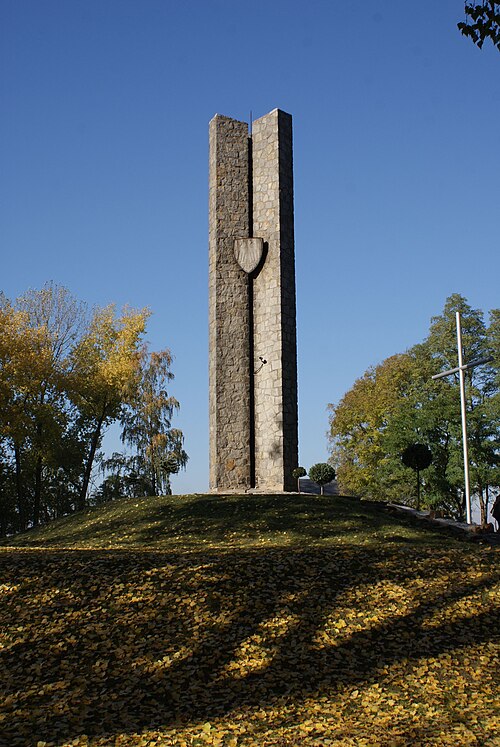
The Chełmno Commander Otto von Lutterberg, despite repelling the attack of the Polish army, decided to stop the march to Brześć Kujawski and, under the cover of darkness, to immediately retreat to Toruń without burying his own fallen. The decision to withdraw the Teutonic forces also meant that the entire campaign in Poland was interrupted, and therefore this battle can be considered a strategic success of Władysław Łokietek. The battle also prevented the Teutonic army from joining the Czech troops of John of Luxembourg, whose cooperation could lead to the collapse of the recently reunited Kingdom of Poland.
بعد المعركة، سعى كلا الجانبين إلى استغلال انتصاراتهما لأغراض دعائية. فقد عززت المعركة معنويات القوات البولندية بشكل كبير، وتركت أثراً بالغاً في المجتمع البولندي في القرن الرابع عشر. وتأكدت قناعة انتصار الجيش البولندي بدخول فلاديسلاف لوكيتيك إلى كراكوف في موكب احتفالي برفقة القائد الأسير هنريك رويس فون بلاوين وأربعين أسيراً آخر. كما يشهد على انتصار بولندا في المعركة تقريرٌ صادرٌ عن فرسان التيوتون عام ١٣٣٥ إلى المدعي العام للتيوتون في المحكمة البابوية في أفينيون.
مراجع
- ↑ روجرز، كليفورد ج. (2010). موسوعة أكسفورد للحرب والتكنولوجيا العسكرية في العصور الوسطى . مطبعة جامعة أكسفورد. ص 131. ISBN 978-0-19-533403-6.
- ↑ تاريخ كامبريدج لبولندا . دار أوكتاغون للنشر. 1978. رقم ISBN 978-0-374-91250-5.
- 1331 في أوروبا
- القرن الرابع عشر في بولندا
- القرن الرابع عشر في دولة النظام التوتوني
- المعارك التي شاركت فيها بولندا
- المعارك التي شاركت فيها فرسان تيوتون
- 1331 نزاعًا