
Ciampi government
The Ciampi government, led by Carlo Azeglio Ciampi (the former governor of the Bank of Italy), was the 50th cabinet (Council of Ministers) of the Italian Republic,[2] and the second and final cabinet of the XI Legislature. It held office from 29 April 1993 until 11 May 1994, a total of 378 days, or 1 year and 12 days. Referred to as a governo di scopo ("purpose government" or "limited-purpose government"), it was a transitional government and was also similar to a technocratic government, although it mainly included ministers from political parties.[3][4]

In what was a sort of national unity government, the Ciampi government was the first government of the Italian Republic led by a non-parliamentarian and the last government led by Christian Democracy (DC). Former Italian Communist Party (PCI) members joined the government for the first time since 1947;[5] however, they left the government after a few days.[3]
On 4 May 1993, a few days later the settlement of the government and at the height of Tangentopoli, the Democratic Party of the Left (PDS) and the Federation of the Greens (FdV) withdrew their ministers in protest against the failed authorization to proceed against Italian Socialist Party (PSI) leader Bettino Craxi by the Chamber of Deputies.[6]
The PDS ministers were replaced with independent politicians or experts, and the cabinet obtained the confidence in the Chamber of Deputies on 7 May 1993, with 309 votes in favour, 60 against and 182 abstentions, and in the Senate of the Republic on 12 May 1993, with 162 votes in favour, 36 against and 50 abstentions.[7] The PDS, the Northern League (LN), the Italian Republican Party (PR), and the FdV refrained from voting for confidence in the government. The government resigned on 13 January 1994.[8]
Party breakdown
The government was initially composed of the members of the following parties:
- Independents: Prime Minister, 8 ministers
- Christian Democracy (DC): 8 ministers and 20 undersecretaries
- الحزب الاشتراكي الإيطالي (PSI): 5 وزراء و10 وكلاء وزارات
- الحزب الليبرالي الإيطالي (PLI): وزير واحد وثلاثة وكلاء وزارة
- الحزب الاشتراكي الديمقراطي الإيطالي (PSDI): وزير واحد وثلاثة وكلاء وزارة
- الحزب الجمهوري الإيطالي (PRI): وكيل وزارة واحد
وحتى 4 مايو 1993، كانت الحكومة تتألف أيضاً من أعضاء الأحزاب التالية:
- الحزب الديمقراطي اليساري (PDS): 3 وزراء
- اتحاد الخضر (FdV): وزير واحد
تعبير


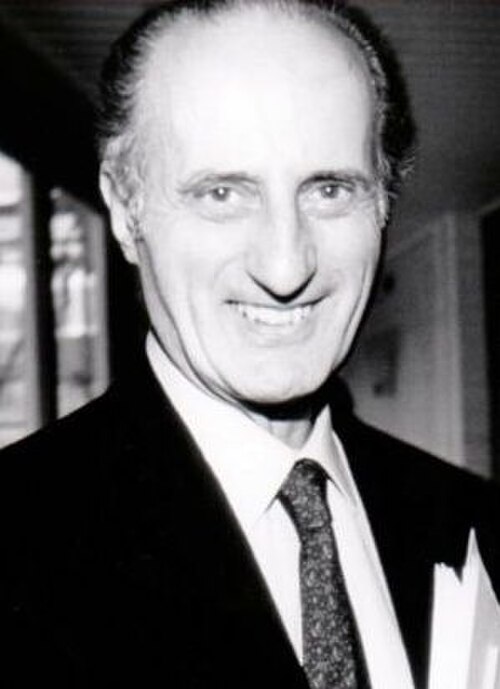

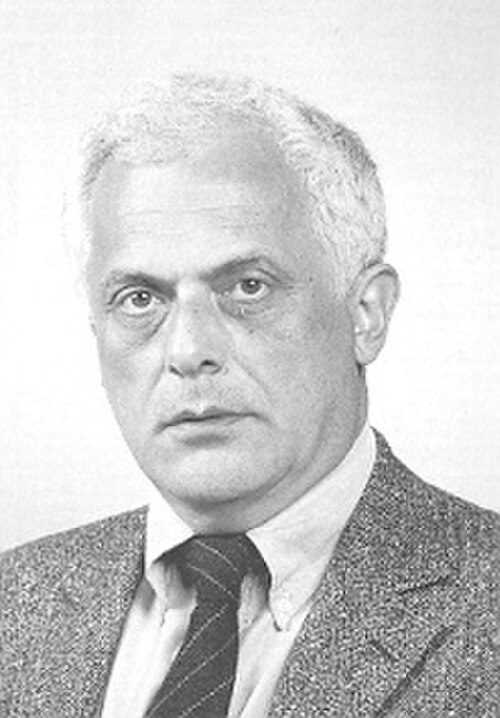
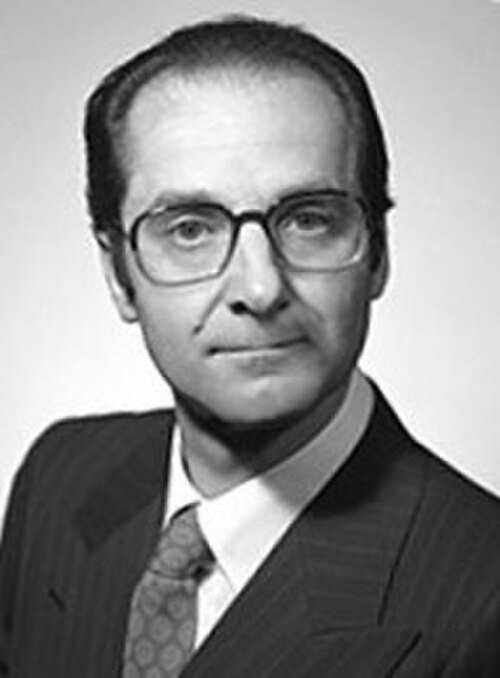

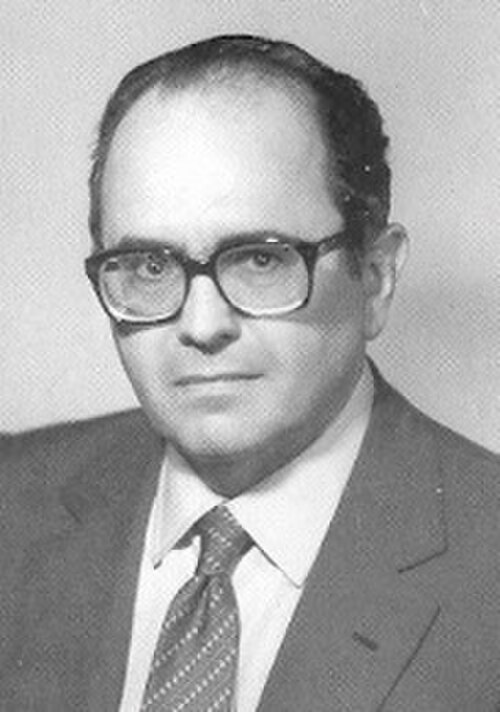


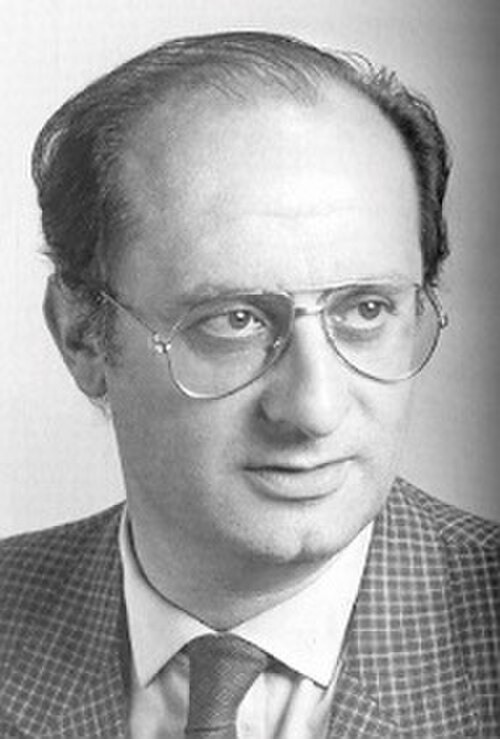

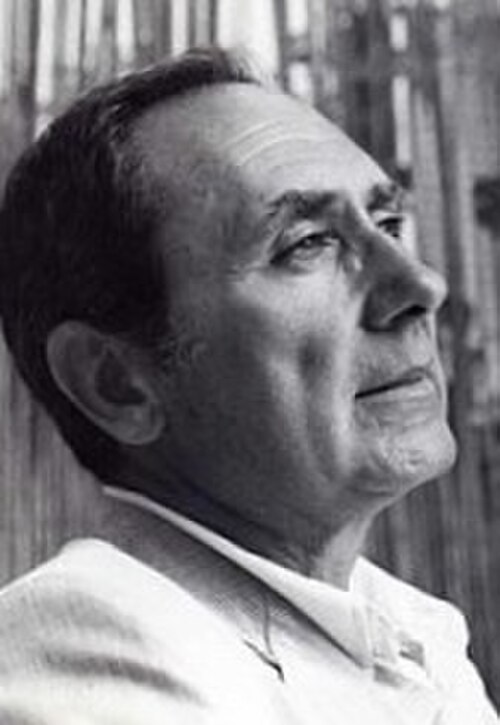
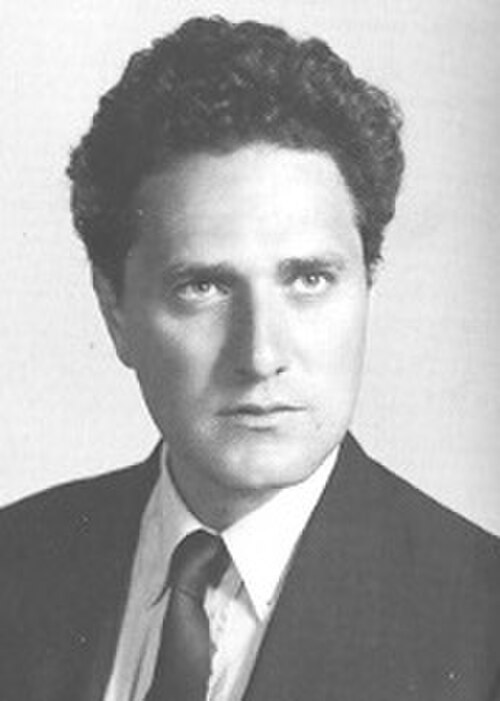
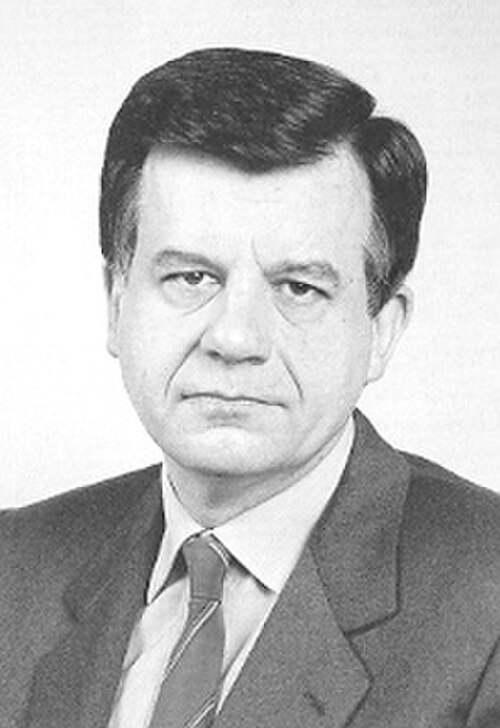

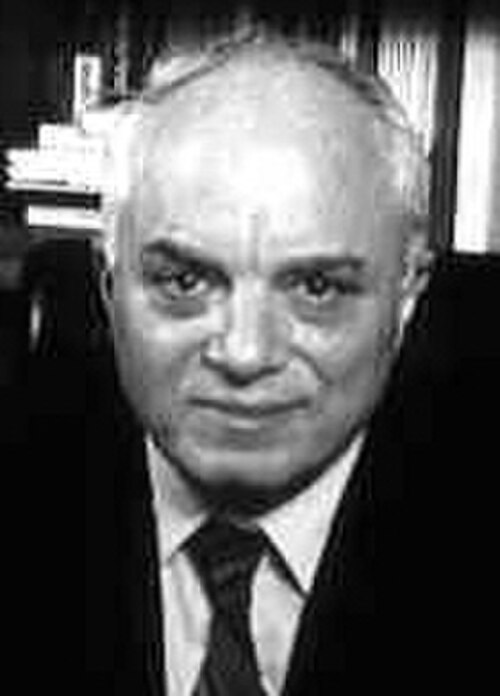
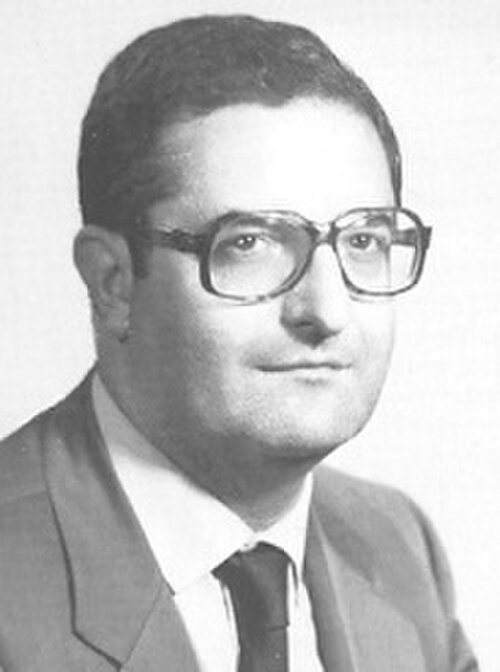
- ↑ سكرتير مجلس الوزراء
- ↑ مُفوَّض إلى الحماية المدنية
انظر أيضاً
مراجع
- ↑ لوكا فيرزيشيلي؛ ماوريتسيو كوتا (يوليو 2012). "الفنيون، والحكومة الفنية، والوزراء غير الحزبيين: التجربة الإيطالية" (ملف PDF) . سيركاب . مؤرشف من الأصل (ملف PDF) في 4 يناير 2014. تم الاطلاع عليه في 4 يناير 2014 .
- ↑ بيغي بولك (29 أبريل 1993). "شخصية غير سياسية تضع إيطاليا على مسار جديد" . شيكاغو تريبيون . تم الاطلاع عليه في 4 يناير 2014 .
- 12Amabile, Flavia (17 November 2011). "Perché si parla di governo tecnico?". La Stampa. Archived from the original on 23 November 2011. Retrieved 5 April 2026.
- ↑Novelli, Silverio (2014). "Post-it con i nomi del governo - Treccani". Treccani (in Italian). Archived from the original on 8 August 2014. Retrieved 5 April 2026.
- ↑Patricia Clough (29 April 1993). "Ex-Communists join Italy's reform government". The Independent. Rome. Retrieved 26 August 2013.
- ↑Pds e Verdi abbandonano Ciampi. Fuori i ministri
- ↑XI Legislatura - 23 aprile 1992-14 aprile 1994
- ↑Camera dei Deputati - XI Legislatura - Seduta n. 297Archived 2012-04-06 at the Wayback Machine
- 1993 establishments in Italy
- 1994 disestablishments in Italy
- Cabinets established in 1993
- Cabinets disestablished in 1994
- Governments of Italy