
Kamisaka Sekka

Kamisaka Sekka (神坂 雪佳; 1866–1942) was an important artistic figure in early twentieth-century Japan. Born in Kyoto to a samurai family, his talents for art and design were recognized early.[1] He eventually allied himself with the traditional Rinpa school of art. He is considered the last great proponent of this artistic tradition.[2] Sekka also worked in lacquer and in a variety of other media.
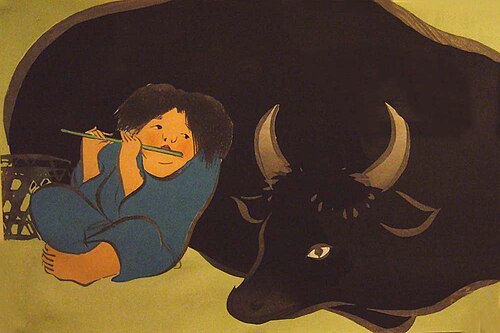
As traditional Japanese styles became unfashionable (such as Rinpa style), Japan implemented policies to promote the country's unique artistic style by upgrading the status of traditional artists who infused their craft with a dose of modernism. In 1901, Sekka was sent by the Japanese government to Glasgow where he was heavily influenced by Art Nouveau.[3] He sought to learn more about the Western attraction to Japonism, and which elements or facets of Japanese art would be more attractive to the West. Returning to Japan, he taught at the newly opened Kyoto Municipal School of Arts and Crafts, experimented with Western tastes, styles, and methods, and incorporated them into his otherwise traditional Japanese-style works.[3] While he sticks to traditional Japanese subject matter, and some elements of Rinpa painting, the overall effect is very Western and modern. He uses bright colors in large swaths, his images seeming on the verge of being patterns rather than proper pictures of a subject; the colors and patterns seem almost to "pop", giving the paintings an almost three-dimensional quality.
Momoyogusa

تُعتبر "مومويوغوسا" (عالم الأشياء) تحفة سيكا الفنية في فن الطباعة الخشبية. وقد كُلّفت دار النشر "أونسودو" في كيوتو بإصدار هذه المجموعة المكونة من ثلاثة مجلدات بين عامي 1909 و1910. [ 2 ] ويمكن العثور على الاسم الياباني لهذه السلسلة لأول مرة في النص الشعري " مجموعة عشرة آلاف ورقة " ( مانيوشو ) الذي يعود إلى القرن الثامن، والذي يشير إلى عشبة خريفية متعددة الأوراق ( مومويوغوسا )، ربما تكون من الأقحوان أو الشيح. [ 3 ] وتعرض هذه الأعمال الفنية، المؤلفة من ستين صورة، مجموعة متنوعة من المناظر الطبيعية والشخصيات والمواضيع الكلاسيكية والمواضيع المبتكرة، مُجسّدة في مساحة صغيرة. وتُظهر هذه الأعمال إتقان سيكا التام لأسلوب ريمبا التقليدي، بالإضافة إلى مزجه بين أسلوبه الخاص وفهمه للابتكارات التي أثرت في اليابان آنذاك. [ 2 ]
انظر أيضاً
- كتيب معرض كاميساكا (22/9/2007) (ملف PDF)
مراجع
- ↑ كاربنتر، جون ت.؛ متحف متروبوليتان للفنون (نيويورك (2012). تصميم الطبيعة: جمالية رينبا في الفن الياباني . متحف متروبوليتان للفنون. ص 36. ISBN 978-1-58839-471-2.
- 1 2 3 متحف برمنغهام للفنون (2010). متحف برمنغهام للفنون: دليل المجموعة . لندن، المملكة المتحدة: جايلز. ص 50. ISBN 978-1-904832-77-5أُرشف من المصدر الأصلي بتاريخ 10 سبتمبر 2011. تم الاطلاع عليه بتاريخ 9 يونيو 2011 .
- ١ ٢ ٣ "عالم من الأشياء لكاميسكا سيكا" . معهد شيكاغو للفنون. ١٤ أبريل - ١ يوليو ٢٠٠٧. مؤرشف من الأصل في ١٢ أكتوبر ٢٠٠٨. تم الاطلاع عليه بتاريخ ٩ يونيو ٢٠١١ .
روابط خارجية
- "طيور وأزهار وأشكال على مراوح متناثرة"مجموعة معرض الفنون في نيو ساوث ويلز.
- مواليد عام 1866
- وفيات عام 1942
- فنانون يابانيون من القرن التاسع عشر
- الرسامون اليابانيون في القرن التاسع عشر
- الرسامون اليابانيون في القرن العشرين
- فنانون من كيوتو
- شعوب عصر ميجي
- مدرسة رينبا
- رسامو فن الآرت نوفو
- الرسامون الذكور اليابانيون في القرن التاسع عشر
- الرسامون الذكور اليابانيون في القرن العشرين