
مختبرات تسينغ
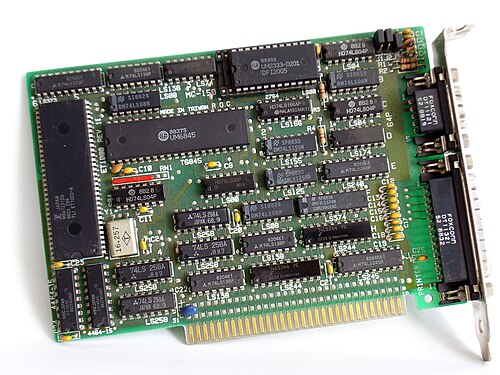
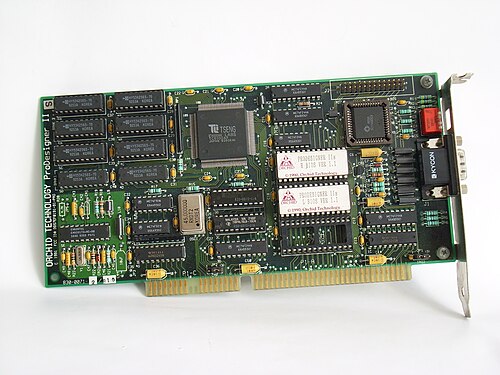
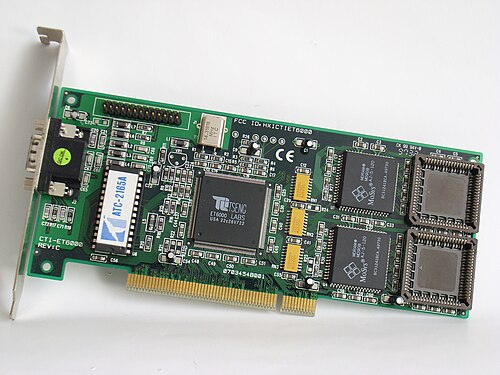
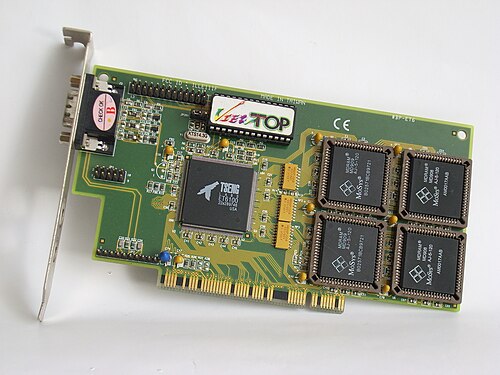
كانت شركة Tseng Laboratories, Inc. (المعروفة أيضًا باسم Tseng Labs أو TLI ) شركة مصنعة لرقائق الرسومات ووحدات التحكم لأجهزة الكمبيوتر المتوافقة مع IBM PC ، ومقرها في نيوتاون، بنسلفانيا ، وأسسها جاك هسياو نان تسينغ.
تاريخ
1983–1995
تأسست شركة Tseng Labs عام 1983، وكان أول منتج لها بطاقة Z80 SoftCard مصممة لتمكين أجهزة IBM PC من تشغيل نظام التشغيل CP/M . بعد إلغاء صفقة تصنيع المعدات الأصلية (OEM) لهذا المنتج، طرحت TLI بطاقة Ultrapak ، وهي بطاقة متعددة الوظائف ورسومية، تعمل على ترقية أجهزة IBM PC وأجهزة الكمبيوتر المتوافقة مع XT ببعض ميزات IBM AT. [ 1 ] كما بشّرت Ultrapak بميل Tseng Labs لتحسين الرسومات، من خلال توفير توافق مع محول عرض IBM أحادي اللون (MDA) وبطاقة رسومات Hercules (HGC)، بالإضافة إلى أوضاع نصية خاصة بها تدعم 132 عمودًا. وقد ساهمت هذه الأوضاع النصية الموسعة في خلق مكانة مميزة لشركة TLI، حيث شاع استخدام هذه البطاقات من قبل الشركات لأجهزة الكمبيوتر الشخصية التي تحاكي أيضًا محطات الحواسيب المركزية التي تعرض 132 عمودًا. كان UltraPAK Short (وهو إصدار مخصص للرسومات فقط من UltraPAK) هو التصميم الأساسي لبطاقة DFI MG-150 ، والتي أفيد بأنها البطاقة الأكثر مبيعًا على الإطلاق المتوافقة مع MDA/HGC.
واصلت منتجات تسينغ المستقبلية تجاوز مجرد التوافق مع IBM. فقد قدم منتج ColorPAK ، المتوافق مع CGA ، رسومات عالية الدقة (400 خط) في عام 1985. وكانت منتجات EVA و EVA/480 في عام 1986 أولى الأمثلة المسجلة لشركة تصنيع رقائق رسومات توسع نطاق مجموعة سجلات IBM . وقد أتاحت منتجات EVA عرض 130 خطًا إضافيًا من الرسومات (640×480) مقارنةً بـ IBM EGA ، بالإضافة إلى ميزات متقدمة مثل تسريع عرض النوافذ والتحريك والتكبير/التصغير بواسطة الأجهزة.
انتقلت شركة تسينغ من مورد لوحات الدوائر المطبوعة للبيع بالتجزئة/التجارية إلى مبيعات رقائقها للمصنعين الأصليين. وفي نهاية المطاف، وُجدت وحدات تحكم VGA من تسينغ لابز في أجهزة الكمبيوتر الشخصية من كبرى شركات الأنظمة واللوحات، بما في ذلك كومباك ، وديل ، وآي بي إم ، وإن إي سي ، وإس تي بي سيستمز ، ودايموند ملتيميديا ، والعديد من العلامات التجارية التايوانية الرائدة في مجال ملحقات الأجهزة.
Tseng's best-known products were the Tseng Labs ET3000, Tseng Labs ET4000 and Tseng Labs ET6000 VGA-compatible graphics chips, which were highly popular between 1990 and 1995 (the era of Windows 3.x). The company's ET4000 family was noteworthy for unusually fast host-interface (ISA) throughput, despite a conventional DRAMframebuffer.[2]
TLI was responsible for many breakthroughs in graphics common in today’s mainstream including extended register sets, packed pixel 8, 15, 16, and 24-bit color modes, the first local bus graphics designs, the first integrated local bus controller, and Image Memory Access (IMA)- a high-speed asynchronous input for video or graphics into the display buffer.
Using IMA bus, Tseng created the category of mainstream motion video accelerator with a series of video image processing circuits, branded VIPeR. VIPeR chips provided relatively high quality live and computer generated video. The chips were used in on high-end video solutions from companies like Matrox and Jazz Multimedia. Competitors integrated less elegant algorithms inside their mainstream graphics controllers - a trend Tseng followed with its latter generation of chips.
1995–1998
Tseng was a victim of the graphics card shakeout of the mid-1990s, losing market share to S3 Graphics and ATI Technologies. Tseng was especially late to integrate a RAMDAC into its product-line, not succeeding until the ET6000. In the later years of the ET4000's lifetime, the lack of an integrated RAMDAC severely hurt Tseng's competitiveness.
Struggling to source adequate supplies of memory for its updated cards, and lacking the funds to complete development of a modern integrated 3D engine (the ET6300), the board decided to abandon plans to ship a next generation part, and chose instead to preserve the cash pile, and seek a buyout instead.
This strategy eventually resulted in the company’s engineers and graphics expertise being purchased by ATI (now a part of AMD) in December 1997.[3] Tseng's management chose to use the proceeds of the sale, along with the existing cash reserves, to invest in a start-up, and merged the company with pharmaceutical company Cell Pathways in 1998.[4] The latter was acquired by OSI Pharmaceuticals in 2003.[5]
References
- ↑ سي إن إن موني 1989 * شركات تستحق المتابعة - مختبرات تسينغ
- ↑ بزنس واير، أكتوبر 1996 * شريحة الرسومات ET6000 من مختبرات تسينغ هي أسرع شريحة رسومات تم اختبارها على الإطلاق
- ↑ أخبار سي نت، ١٦ ديسمبر ١٩٩٧ * شركة إيه تي آي تكنولوجيز تستحوذ على شركة تسينغ لابز
- ↑ صحيفة فيلادلفيا بيزنس جورنال * سيل باثويز وتسنج لابز تتحدان
- ↑ ماركت ووتش * شركتا سيل باثويز وأو إس آي تعلنان عن اندماجهما
روابط خارجية
- الموقع الرسمي على موقع Wayback Machine (تمت أرشفته في 7 أكتوبر 1997)
- الشركات الأمريكية التي تأسست عام 1983
- تم حل الشركات الأمريكية في عام 1998
- شركات الكمبيوتر التي تأسست عام 1983
- تم حل شركات الكمبيوتر في عام 1998
- شركات الكمبيوتر المفلسة في الولايات المتحدة
- شركات أجهزة الكمبيوتر المتوقفة عن العمل
- شركات أشباه الموصلات المفلسة في الولايات المتحدة
- شركات تصنيع أجهزة الرسومات