
Useless Parliament
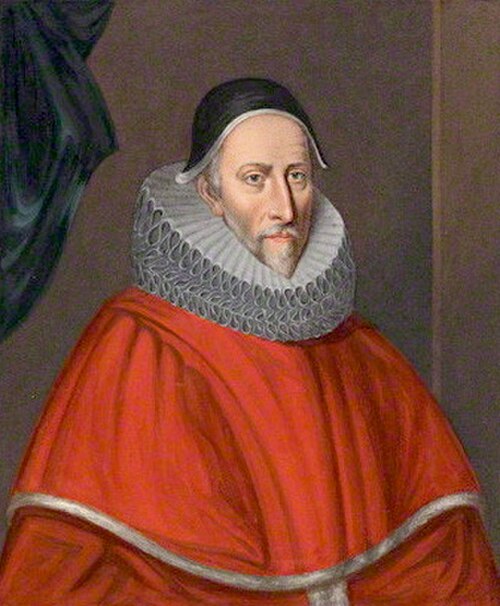
The Useless Parliament was the first Parliament of England of the reign of King Charles I, sitting only from June until August 1625. It gained its name because it transacted no significant business, making it 'useless' from the king's point of view. Parliament adjourned to Oxford on 1 August, and was dissolved on 12 August, having offended the king.[1][2]
Events
Charles acceded to the Throne upon the death of his father, James VI and I, on 27 March 1625. Parliament was summoned by the king on 2 April and convened at Westminster on 18 June, first meeting only a month after Charles's marriage to Henrietta Maria, a daughter of King Henry IV of France.[3]
Thomas Crewe was again elected as Speaker of the House of Commons, having served in that office previously, but this led Sir John Eliot to refer to the position as "frequently filled by nullities, men selected for mere Court convenience".[4]
Charles had asked the parliament to vote him the duties of tonnage and poundage for life, as had been customary at the beginning of each monarch's reign since 1414, but the House of Commons broke with tradition and voted to grant the king these important duties for one year only,[5] together with £140,000 for war with Spain,[6] apparently intending to force him to come back to ask them to vote him money in every future year.[7] The king was greatly troubled and provoked by this, as tonnage and poundage had long provided the Crown's main source of income. Some parliamentarians were anxious about the king's wish to send forces to take part in the Thirty Years' War on the continent of Europe and also about his reputation for extravagance,[7] but it is now argued that their collective intention was to review such duties generally, giving the king tonnage and poundage for a year pending negotiations on reform.[5]
في نهاية يوليو، أدى تفاقم وباء الطاعون الدبلي في لندن إلى نقل البلاط الملكي والبرلمان مؤقتًا إلى أكسفورد . [ 3 ] [ 8 ] ورغم أن مجلس العموم كان قد أقر مشروع قانون يمنح تشارلز الصلاحيات التي أرادها لمدة عام، إلا أن دوق باكنغهام وآخرين نجحوا في عرقلة ذلك في مجلس اللوردات ، ما حرم الملك الجديد من أي حقوق في حمولة السفن أو رسومها. [ 7 ] وبالتزامن مع محاولات عزل باكنغهام، أدى ذلك إلى قيام الملك بحل البرلمان بشكل قاطع في 12 أغسطس. [ 7 ] وقد اعتُبر لاحقًا أن محاولة تقييد صلاحيات الملك قد فشلت فشلًا ذريعًا. [ 9 ]
التداعيات
بعد حلّ البرلمان، شجّع المقربون من الملك اعتقاده بحقه الإلهي في حكم ممالكه كما يشاء، وحثّوه على الاستغناء عن الوسائل الدستورية لجمع الإيرادات، واللجوء بدلاً من ذلك إلى تدابير تعسفية كانت في بعض الحالات غير مكتملة الشرعية. وقد فعل تشارلز ذلك، مما أدى لاحقاً إلى احتجاجات ضد استيلائه على رسوم الحمولة والوزن دون تفويض من البرلمان. انعقد البرلمان التالي في فبراير 1626، وأعلن أن الملك قد تصرف بشكل غير قانوني، مع أنه كان مستعداً لتعويضه . [ 10 ] [ 5 ]
القوانين البارزة التي أقرها البرلمان
انظر أيضاً
مراجع
- ↑ توماس بينفيلد هاربوتل، قاموس الإشارات التاريخية (2009)، ص 266
- ↑ هنريتا جيرويج (محررة)، دليل كرويل للقراء والكتاب (1925)، ص 493
- 1 2 هيويل ويليامز، التسلسل الزمني لكاسيل لتاريخ العالم (لندن: وايدنفيلد ونيكلسون، 2005، ISBN 0-304-35730-8) الصفحات 248–253
- ↑ بول سيوارد ، المتحدثون ورئاسة المجالس: رؤساء المجالس وإدارة الأعمال من العصور الوسطى إلى القرن الحادي والعشرين (2010)، ص 90، متاح على الإنترنت على books.google.com
- 1 2 3 مايكل ج. براديك ، أعصاب الدولة: الضرائب وتمويل الدولة الإنجليزية، 1558-1714، ص 52 ( متاح على الإنترنت)
- ↑Peter N. Stearns, The Encyclopedia of world history: ancient, medieval, and modern, p. 288
- 1234'Tonnage and poundage' in Encyclopædia Britannica (15th edition)
- ↑J. F. D. Shrewsbury, A History of Bubonic Plague in the British Isles (Cambridge University Press, 1970), p. 318
- ↑Mark Charles Fissel, War and government in Britain, 1598-1650 (1991), p. 134
- ↑William B. Bidwell, Maija Jansson, Proceedings in Parliament, 1626: House of Commons (1997), p. 203
- 1625 in England
- Political history of England
- Parliaments of Charles I of England
- 1625 in politics
- George Villiers, 1st Duke of Buckingham