
تاريخ سكان أمريكا الوسطى في لوس أنجلوس
تضم مدينة لوس أنجلوس جالية كبيرة من أمريكا الوسطى . ففي عام 2010، كانت هذه الجالية ثاني أكبر مجموعة عرقية لاتينية وإسبانية في لوس أنجلوس بعد الأمريكيين من أصل مكسيكي . [ 1 ] وكانت أكبر مجموعات أمريكا الوسطى هي الغواتيماليون والهندوراسيون والسلفادوريون . [ 2 ]
تاريخ
وصل أول مهاجرين من أمريكا الوسطى في أربعينيات القرن العشرين. [ 1 ] وفي سبعينيات القرن العشرين، كان عدد سكان أمريكا الوسطى موزعًا بالتساوي بين أصولهم الوطنية، وكان عددهم قليلًا نسبيًا. وذكر ديفيد إي. لوبيز، وإريك بوبكين، وإدوارد تيليس، مؤلفو كتاب "سكان أمريكا الوسطى: في القاع: الكفاح من أجل التقدم"، أن مجموعتي الغواتيماليين والسلفادوريين شهدتا نموًا متسارعًا. وبحلول عام 1980، كانت مجموعتا الغواتيماليين والسلفادوريين أكبر مجموعتين من سكان أمريكا الوسطى في لوس أنجلوس الكبرى . وبين عامي 1980 و1990، ازداد عدد هاتين المجموعتين بنحو خمسة أضعاف. [ 3 ] وكان العديد من السلفادوريين يفرون من الحرب الأهلية السلفادورية . [ 4 ]
في عام 2008 كتبت إزميرالدا بيرموديز من صحيفة لوس أنجلوس تايمز أنه بحلول ذلك الوقت كانت هناك علاقات قوية بين الجالية السلفادورية والجالية المكسيكية، مشيرة إلى أنهم "اختلطوا في العمل والمدرسة والكنيسة لما يقرب من ثلاثة عقود؛ لقد تزوجوا من بعضهم البعض، وعمدوا أطفال بعضهم البعض، وبكوا في جنازات بعضهم البعض". [ 4 ]
اعتبارًا من عام 2010، كان معظم سكان لوس أنجلوس من أمريكا الوسطى قد وصلوا خلال أواخر السبعينيات وأواخر الثمانينيات. وبسبب الحروب الأهلية والاضطهاد السياسي، وصل العديد من الغواتيماليين والسلفادوريين في الثمانينيات. [ 1 ]
الاقتصاد
اعتبارًا من عام 1996، كانت الوظائف السائدة للمجموعات الغواتيمالية والسلفادورية في لوس أنجلوس هي وظائف التصنيع والخدمات ذات الأجور المنخفضة. [ 2 ]
اعتبارًا من عام 1996، كان متوسط دخل الأسر الغواتيمالية والسلفادورية في لوس أنجلوس حوالي 60% من متوسط دخل المجموعات غير المنتمية إلى أمريكا الوسطى. [ 5 ]
عندما وصل العديد من السلفادوريين إلى لوس أنجلوس في ثمانينيات القرن الماضي، سعوا للحصول على وظائف في شركات مملوكة للمكسيكيين لعدم وجود جالية سلفادورية كبيرة قائمة مسبقاً. وقد وضع هذا ضغطاً على السلفادوريين لتبني الثقافة والعادات المكسيكية. [ 4 ]
التركيبة السكانية


As of 2009 up to 560,000 Central Americans lived in Greater Los Angeles.[6] "As many as 560,000 Central Americans live in the Los Angeles area." As of 2008 over 350,000 ethnic Salvadorans lived in Los Angeles County. Most of them lived around MacArthur Park.[4]
As of the 1990 U.S. Census there were 580,000 Central Americans in Greater Los Angeles.[7] This includes 302,000 Salvadorans, 159,000 Guatemalans, 44,000 Nicaraguans, and 75,000 from other Central American countries.[3] The total number of Central Americans makes up 44% of all Central Americans in the entire United States, and 12% of the Latino population.[7]
As of 1996 the family size of Central American households is, according to Lopez, Popkin, and Telles, "considerably" above average.[5]
As of 1996 the poverty rates of Guatemalan and Salvadoran households in Los Angeles is 2.5 times greater than the rate of non-Central American households. The per capita income of Guatemalans and Salvadoran Americans is fewer than 40% of the per capita income of non-Central Americans. The disparity in earning between Central Americans and non-Central Americans is more severe than the median income disparity, but Lopez, Popkin, and Telles wrote that the larger than average number of wage earners per household "somewhat" compensates for the earning disparity.[5]
Geography

Rosamaria Segura, the author of Central Americans in Los Angeles, wrote that the Pico-Union area has the "most conspicuous" presence of Central Americans in Los Angeles.[1] In August 2012, the City of Los Angeles designated a portion of Vermont Avenue in Pico-Union as the "El Salvador Community Corridor."[8]
Languages
As of 1996 the Central American groups continue to speak their native languages.[2]
As of 2008 many Salvadoran immigrants began adopting Mexican Spanish due to contact with the Mexican community and in order to better fit into the Mexican community, along with adopting aspects of Mexican culture. Some Salvadorans in Los Angeles insist on using Salvadoran Spanish.[4]
Education
The Oscar Romero Charter Middle School opened in 2007. The school, named after Óscar Romero, teaches Salvadoran children about their heritage.[4]
Culture and recreation
Salvadoran Day is celebrated in Los Angeles each summer. Many pupusa restaurants operate in Los Angeles.[4]


Notable Central Americans from Los Angeles
 Dustin Corea (soccer player)
 Richard Menjívar (soccer player)
 Somaya Reece (singer)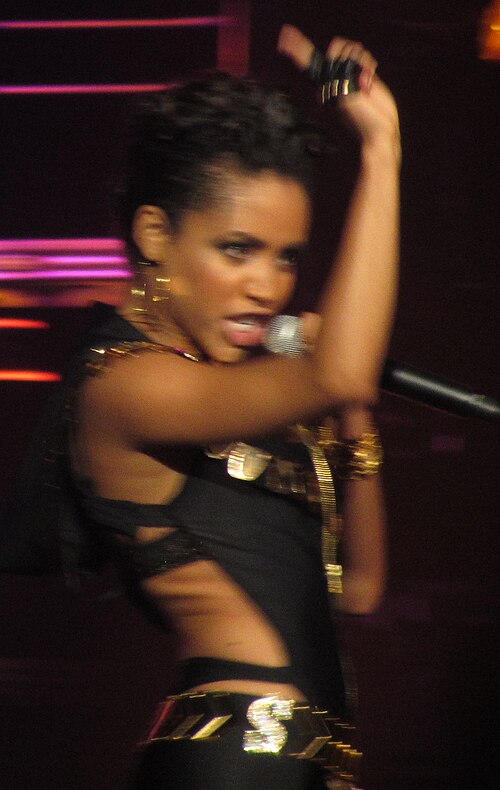
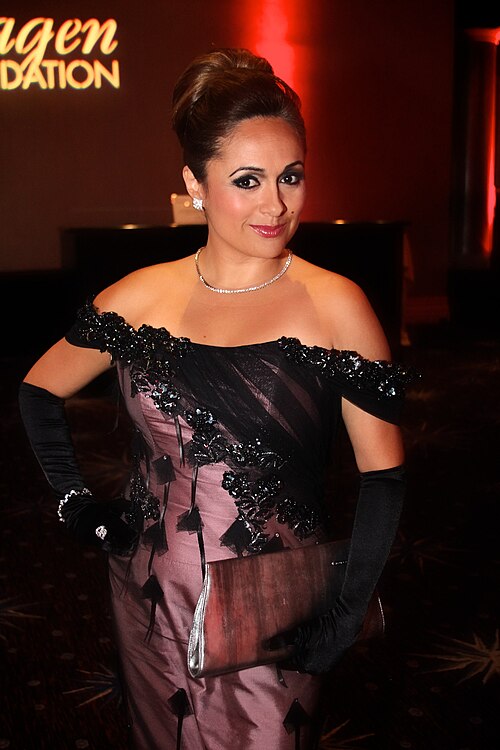 Elizabeth Espinosa (journalist)
 Kevin de León (politician)
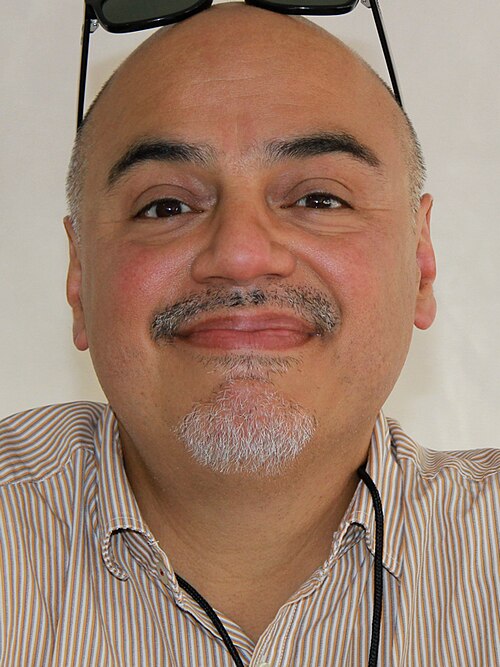 Héctor Tobar (journalist)
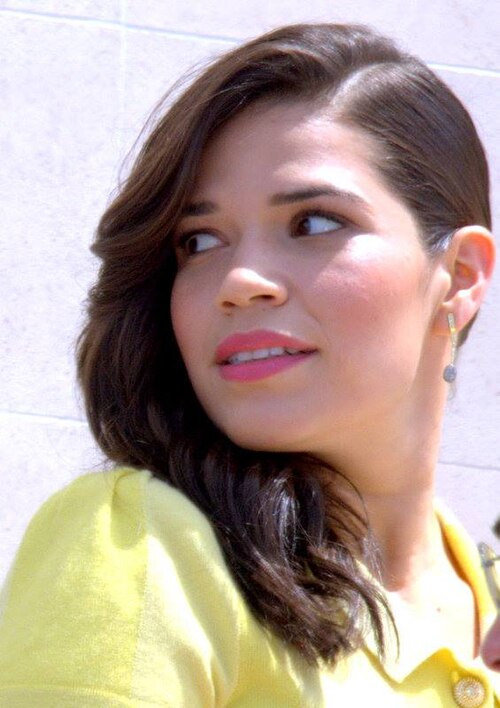 America Ferrera (actor)
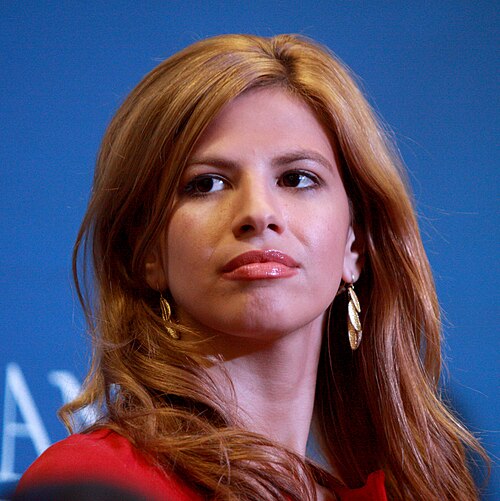 Michelle Fields (journalist)
 Francia Raisa (actor)
 Gabriel Traversari (actor)
 Hilda Solis (politician)
 Miguel d'Escoto Brockmann (politician)
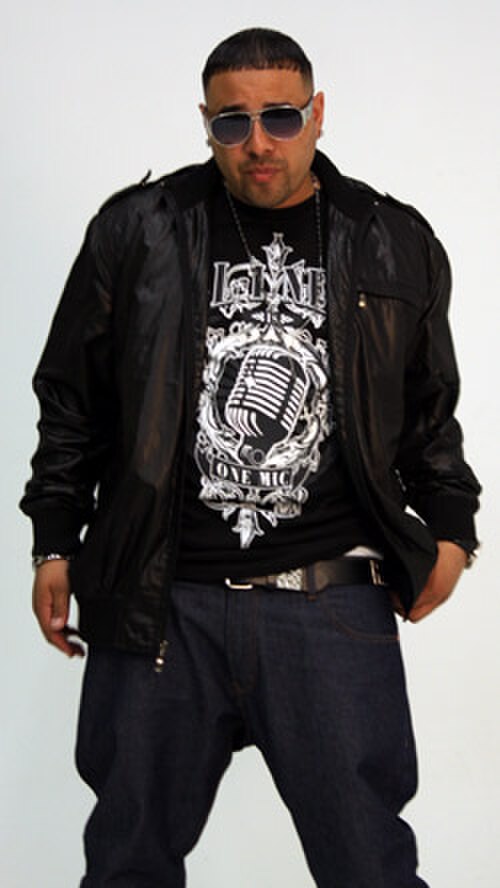 J Smooth (singer)
 J. P. Calderon (model)
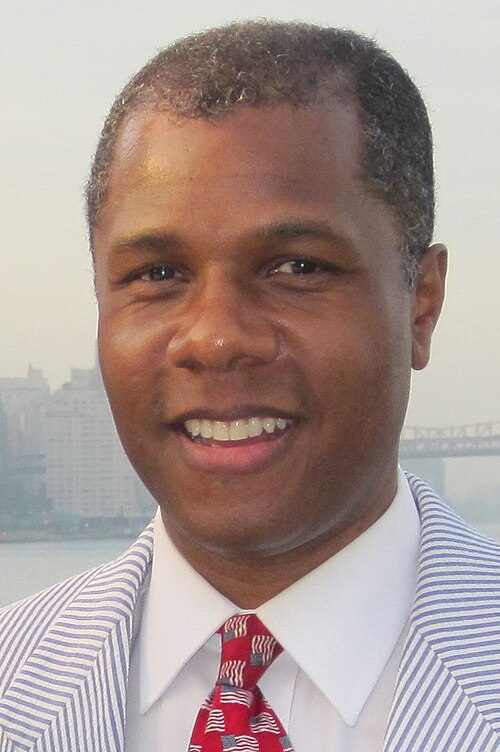 Deroy Murdock (political commentator)
 Ruben Quesada (poet)
 Madeleine Stowe (actor)
 Tessa Thompson (actor)
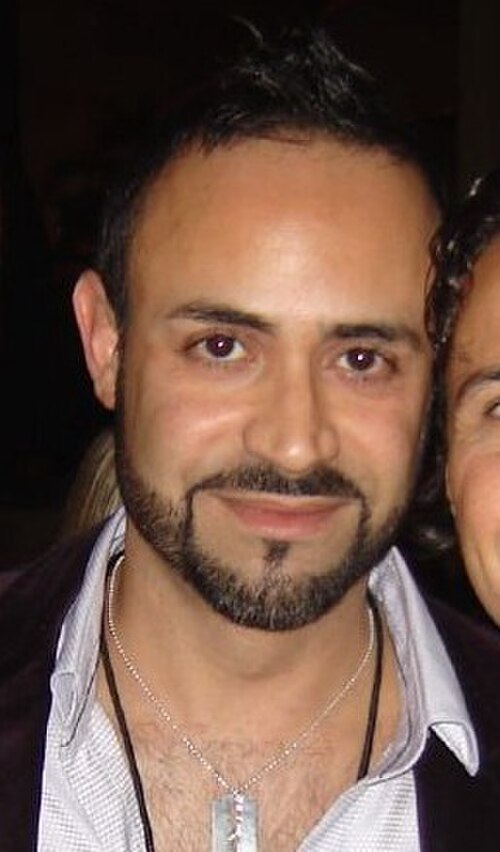 Nick Verreos (designer)
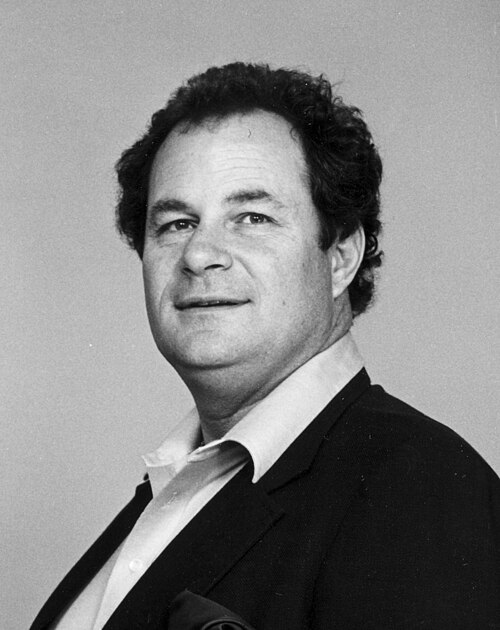 Michael Wayne (actor)
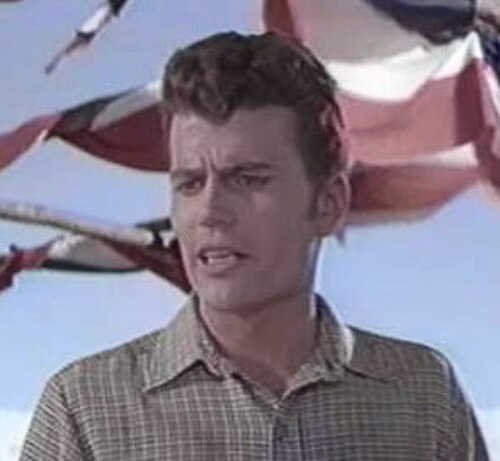 Patrick Wayne (actor)
 ILoveMakonnen (singer)
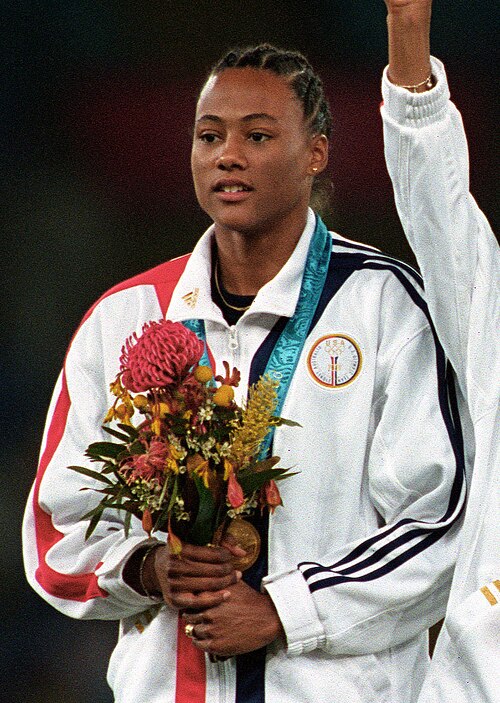 Marion Jones (athlete)
See also
References
- Lopez, David E., Eric Popkin, and Edward Telles. "Central Americans: At the Bottom: Struggling to Get Ahead" (Chapter 10). In: Waldinger, Roger and Mehdi Bozorgmehr (editors). Ethnic Los Angeles. Russell Sage Foundation, December 5, 1996. Start page 279. ISBN 0871549018, 9780871549013.
- Segura, Rosamaria. Central Americans in Los Angeles. Arcadia Publishing, 2010. ISBN 0738571636, 9780738571638.
Notes
- 1234Segura, p. 8.
- 123Lopez, Popkin, and Telles, p. 279.
- 12Lopez, Popkin, and Telles, p. 281.
- 1234567Bermudez, Esmeralda. "In L.A., speaking 'Mexican' to fit in." Los Angeles Times. November 3, 2008. Retrieved on February 1, 2014.
- 123Lopez, Popkin, and Telles, p. 284.
- ↑Keedle, Jayne. Americans from the Caribbean and Central America. Marshall Cavendish, September 1, 2009. ISBN 0761443029, 9780761443025. p. 16.
- 12Lopez, Popkin, and Telles, p. 280.
- ↑Shyong, Frank (September 9, 2012) "L.A. Salvadoran Community Sees Hope Along a New CorridorLos Angeles Times
External links
- CARECEN Los Angeles
- El Salvador Community Center
- The Salvadoran American Leadership & Educational Fund (SALEF)
- Belizean-American culture
- Costa Rican-American culture
- Guatemalan-American culture
- History of Los Angeles
- Hispanic and Latino American history
- Hispanic and Latino American culture in Los Angeles
- Hispanic and Latino American history of California
- Honduran-American culture
- Nicaraguan-American culture
- Panamanian-American culture
- Salvadoran-American culture in California