
أداة برمجية
أداة البرمجيات هي تطبيق أو مكون برمجي بسيط وسهل الاستخدام نسبياً، مصمم لمنصة برمجية واحدة أو أكثر .
تُعدّ تطبيقات سطح المكتب أو التطبيقات المصغّرة مثالاً على واجهة مستخدم بسيطة ومستقلة ، على عكس التطبيقات الأكثر تعقيداً مثل جداول البيانات أو معالجات النصوص. تُعتبر هذه الأدوات المصغّرة أمثلة نموذجية للتطبيقات المؤقتة والمساعدة التي لا تستحوذ على انتباه المستخدم .
من ناحية أخرى، تعد عناصر التحكم الرسومية ( عناصر واجهة المستخدم الرسومية "الأدوات") أمثلة على المكونات المعيارية القابلة لإعادة الاستخدام والتي يتم استخدامها معًا لبناء تطبيق أكثر تعقيدًا، مما يسمح للمبرمجين ببناء واجهات المستخدم من خلال الجمع بين مكونات بسيطة وأصغر.
تصنيف
نظراً لأن المصطلح وممارسة الترميز موجودان منذ ثمانينيات القرن الماضي على الأقل، فقد تم تطبيقهما في عدد من السياقات. [ 1 ]
عناصر واجهة المستخدم الرسومية
عنصر التحكم الرسومي (أداة واجهة المستخدم الرسومية) هو جزء من واجهة المستخدم الرسومية (GUI) التي تُمكّن مستخدم الحاسوب من التحكم في تطبيق برمجي. في هذا السياق، قد تشير الأداة إلى عنصر واجهة مستخدم رسومية عام، مثل مربع الاختيار ، أو إلى نسخة من هذا العنصر، أو إلى مجموعة مُخصصة من هذه العناصر تُستخدم لوظيفة أو تطبيق مُحدد (مثل مربع حوار يُتيح للمستخدمين تخصيص مظهر شاشة حاسوبهم ). مجموعة أدوات الأدوات هي مجموعة من أدوات البرمجة التي تُساعد المطورين على إعادة استخدام أدوات واجهة المستخدم الرسومية لبناء واجهة مستخدم.
تسهل أدوات إنشاء واجهات المستخدم الرسومية ، مثل Glade Interface Designer ، عملية إنشاء واجهات المستخدم الرسومية.
أنواع عناصر واجهة المستخدم الرسومية
- أدوات الكشف هي أنواع محددة من أدوات واجهة المستخدم الرسومية التي يمكن إخفاؤها أو توسيعها بواسطة مستخدمي الكمبيوتر.
- الأداة الرئيسية هي أداة واجهة مستخدم رسومية للتحكم في تشغيل الأدوات الأخرى داخل واجهة المستخدم الرسومية. [ 2 ]
أدوات سطح المكتب

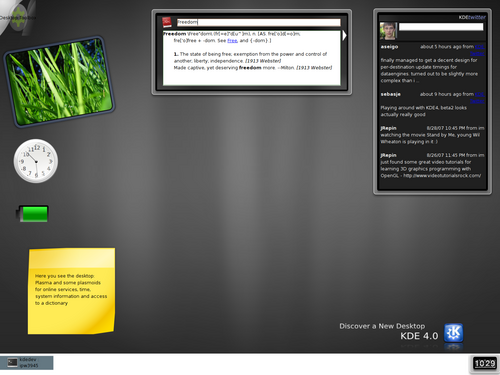
Desktop widgets (commonly just called widgets) are interactive virtual tools for a desktop environment that provide single-purpose services such as showing the user the latest news, the current weather, the time, a calendar, a dictionary, a map program, a calculator, desktop notes, photo viewers, or even a language translator, among other things. Widgets can provide or augment the graphical shell. Examples of widget engines include:
- Dashboard widgets of Apple Macintosh
- Microsoft gadgets in Windows Vista, Windows 7, and in the Windows Live system - No longer supported, use now discouraged by Microsoft.
- Various implementations for Linux, including Plasma widgets (available for KDE since version 4) and the widget engine used by GNOME Shell (available for GNOME since version 3). Both are active and under development.
- Google Desktop running Google Gadgets - No longer supported, discontinued, some security issues re: data sharing.
- Yahoo! Widgets for Windows XP, Windows Vista, Windows 7, Windows 8, Windows 10, macOS - No longer supported by Yahoo. Still functioning on Windows; since OS X 10.11 El Capitan the Yahoo widget dock is non-functioning but the majority of widgets still operate as expected and are accessible instead from the menu.
- XWidgets - for Windows XP, Windows Vista, Windows 7, Windows 8, Windows 10 and Android - Last updated in: 2 March 2015 (Windows).
- Kludgets - for Windows - Allows Mac dashboard widgets to operate on Windows. Open Source, not actively developed.
- Opera Widgets on all platforms (desktop, mobile TVs, gaming consoles) using the Opera browser's rendering engine. Opera Widgets were discontinued since the version 12 of the browser.[4]
- Homescreen widgets in Maemo
- Homescreen widgets in Android
Originally, desk accessories were developed to provide a small degree of multitasking in operating systems that could only held one main application at a time, but when real multitasking OSes became available, these were replaced by normal applications.
Mobile widgets
Most mobile widgets are like desktop widgets, but for a mobile phone. Mobile widgets can maximize screen space use and may be especially useful in placing live data-rich applications on the device idle-screen/home-screen Java ME-based mobile widget engines exist, but the lack of standards-based APIs for Java to control the mobile device home-screen makes it harder for these engines to expose widgets on the phone-top.
Several AJAX-based native widget platforms are also available for mobile devices.
The growing pervasiveness of mobile widgets is easily understood. While widgets are a convenience in the online world, they can be looked at as near-essential in the mobile world. The reason: the mobile device is small and the interface is often challenging. Wading through large amounts of information in a mobile environment is not just a nuisance; it is a near impossibility.
Android has supported mobile widgets natively since Android 1.5 Cupcake, released on April 27, 2009. Some of the most popular widgets on the Android operating system include DashClock, Google Keep and HD Widgets.[3]
The iOS operating system also supports mobile widgets. Alongside, HarmonyOS that supports widgets in what it's called 'Service Cards', that also includes installation-free apps and widgets.
Web widgets
A web widget is a portable application installed and executed, typically by non-expert webmasters on HTML-based web pages, to offer site visitors shopping, advertisements, videos, or other simple functionality from third party widget publishers.
Web browsers can also be used as widget engine infrastructures. The web is an environment well suited to distribution of widgets, as it does not require explicit interaction from the user to install new code snippets.
Web widgets have unleashed some commercial interest, due their perceived potential as a marketing channel, mainly because they provide interactivity and viral distribution through social networks. The first known web widget, Trivia Blitz, was introduced in 1997. It was a game applet offered by Uproar.com (the leading online game company from 2000 - 2001) that appeared on over 35,000 websites ranging from GeoCities personal pages to CNN and Tower Records. When Uproar.com was acquired by Vivendi Universal in 2001, the widget was discontinued.
Types of web widgets
- A "widget application" is a third party web widget developed for a social networking service, with the user interface or the entire application hosted by the network service. Social networking services such as Facebook and Myspace host these applications and provide them underlying platform services (such as display and storage of user-provided photos and other content, profile information about end users and communications features with other users) through special-purpose application programming interfaces.[5][6][7] The term is used fairly loosely, in that many such applications are more complex internally and in operation than the simple applets that are called "widgets" in other contexts. The relationship between platform and developer is mutually beneficial, with the social network offering hardware and software infrastructure, and access to the social network's end user base, and with application publishers ranging from amateur developers to organized companies such as RockYou! and Slide.com providing content and features that make the social network services more useful for their members. At present, there is no fee or payment between developers and social network platforms, and attempts to realize revenue from widgets (primarily advertising by the widget applications and sale of electronic commerce goods and services within the widgets) have been relatively unsuccessful.
Widget draft standard
On 9 November 2006, the Web Application Formats Working Group in W3C released the first public working draft of Widgets 1.0.[8] The intention is to standardise some aspects of widgets. The Opera browser is the first client side widget engine to adopt this draft W3C standard.[9] Apache Wookie (Incubating) is the first server side widget engine to adopt this W3C standard. Wookie is a server that manages widget instances and allows them to be embedded in web applications in addition to being provided for client devices such as Opera.
TV set widgets
Widgets are also available for TVs.Yahoo! Widget Engine is announced as a component of the next generation TV sets.
Widget engine
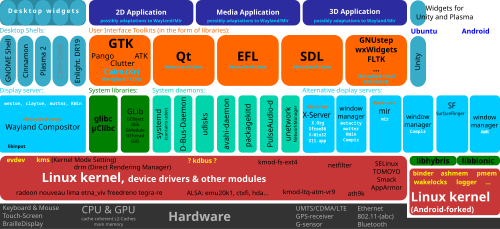
محرك الأدوات هو منصة برمجية تُشغّل عليها أدوات سطح المكتب أو الويب . يتميز نموذج الأدوات في محركات الأدوات بسهولة تطويره، حيث يمكن إنشاء معظم هذه الأدوات باستخدام عدد قليل من الصور وما بين 10 إلى مئات الأسطر من شفرة المصدر XML / JavaScript / VBScript . يقوم نظام برمجي واحد، مثل متصفح الويب ، بتشغيل جميع الأدوات المُحمّلة، مما يسمح بإنشاء العديد من أدوات سطح المكتب التي تتشارك الموارد والشفرة.
لا ينبغي الخلط بين محركات الأدوات المصغّرة ومجموعات أدوات الأدوات المصغّرة . يستخدم مبرمجو واجهات المستخدم الرسومية مجموعات الأدوات المصغّرة ، حيث يجمعون عدة أدوات مصغّرة ( مكونات قابلة لإعادة الاستخدام ) لتشكيل تطبيق واحد. توفر الأداة المصغّرة في مجموعة الأدوات المصغّرة تفاعلاً واحداً منخفض المستوى، وهي مُهيأة للتواصل مع الأدوات المصغّرة الأخرى في المجموعة. من ناحية أخرى، فإن محركات الأدوات المصغّرة، مثل أدوات سطح المكتب وأدوات الويب، مُخصصة للمستخدمين النهائيين. أدوات سطح المكتب وأدوات الويب هي تطبيقات مستقلة وموجهة نحو المهام، ويمكن أن تتكون من عدة تفاعلات مترابطة.
انظر أيضاً
- أداة ويكيبيديا - أداة لعرض مقالات ويكيبيديا
- نظام التشغيل أندرويد
- تشومبي
- ملحقات مكتبية
- عنصر واجهة المستخدم الرسومية
- مجموعة أدوات الأدوات المصغّرة
مراجع
- ↑ رالف ر. سويك، مارك س. أكرمان (1988). "مجموعة أدوات X: المزيد من اللبنات لبناء واجهات المستخدم، أو، أدوات جاهزة للتوظيف" . مؤتمر USENIX الشتوي . الصفحات 221-228 . مؤرشف من الأصل بتاريخ 27-09-2007 . تم الاطلاع عليه بتاريخ 03-01-2007 .
- ↑ بلاتنر، جلينرت، خورخي، وأورمسباي، "الأدوات الميتا: نحو نظرية لتصميم واجهات متعددة الوسائط". نُشر في مؤتمر برامج وتطبيقات الحاسوب، 1992. COMPSAC '92. وقائع المؤتمر الدولي السنوي السادس عشر. ISBN 0-8186-3000-0.
- 1 2 أفضل 10 أدوات أندرويد على الإطلاق تم الاطلاع عليها في 22 مارس 2015.
- ↑ تايجين، أرنستين (24 أبريل 2012). "زيادة التركيز على إضافات أوبرا وإنهاء دعم تطبيقات وويدجت يونايت" . مؤرشف من الأصل في 26 أبريل 2012. تم الاطلاع عليه في 12 يونيو 2014 .
- ↑ رامبل، كاثرين (2007-11-03). "الأدوات تصبح عملات في المجال الاجتماعي" . صحيفة واشنطن بوست . ص. D01 . تاريخ الاسترجاع: 2008-05-07 .
- ↑ أوستينوفا، أناستاسيا (23 يوليو/تموز 2008). "المطورون يتنافسون في مؤتمر فيسبوك" . صحيفة سان فرانسيسكو كرونيكل . مؤرشف من الأصل في 4 أغسطس/آب 2008. تم الاطلاع عليه بتاريخ 14 أغسطس/آب 2008 .
- ↑ "فيسبوك يوسّع نطاق منصته عبر الإنترنت وحول العالم" . فيسبوك. 23 يوليو 2008. تاريخ الاسترجاع: 14 أغسطس 2008 .
- ↑ "الأدوات 1.0" . اتحاد شبكة الويب العالمية.
- ↑ "مواصفات الويب المدعومة في أوبرا 9" . أوبرا ASA.
- واجهات المستخدم الرسومية
- عناصر التحكم الرسومية
- محركات الأدوات