
ثقافة رينالدون
كانت حضارة رينالدوني حضارة من العصر النحاسي انتشرت بين الألفية الرابعة والثالثة قبل الميلاد في شمال ووسط لاتسيو ، وجنوب توسكانا ، وبدرجة أقل في ماركي وأومبريا . وقد سُميت نسبةً إلى بلدة رينالدوني ، بالقرب من مونتيفاسكوني في مقاطعة فيتربو ، شمال لاتسيو .
قصة
تطورت حضارة رينالدون بين عامي 3700 و2100 قبل الميلاد في وسط شبه الجزيرة الإيطالية. ولذلك، فهي تغطي معظم العصر النحاسي ، المشار إليه هنا باسم العصر النحاسي . وقد عرّفتها عالمة الآثار الإيطالية بيا لافيوزا زامبوتي عام 1939، استنادًا، من بين أمور أخرى ، إلى خصائص مقبرة رينالدون في منطقة فيتربو .
لقد تطور التعريف الأصلي لهذه الثقافة، بطبيعة الحال، منذ عام ١٩٣٩. [ ٤ ] يصفها العديد من الباحثين الآن بأنها نمطٌ أثري [ ٥ ] ، بل وحتى نمطٌ جنائزي. [ ٦ ] [ ٧ ] وحتى اليوم، لا تزال تُوثَّق بشكلٍ شبه حصري من خلال المواقع الجنائزية. يُعد تعريف هذه الثقافة (أو النمط الأثري) إشكاليًا لأنه يستند فقط إلى عناصر محدودة للغاية، ونادرًا ما يكون خاصًا بهذه المنطقة وهذه الفترة، [ ٨ ] على سبيل المثال، نوعٌ معين من المزهريات، والذي لا يوجد في الواقع إلا في جزءٍ من المقابر.
من بين الأشياء النموذجية لهذه الثقافة الجرار على شكل قوارير، والعناصر الزخرفية مثل قلادة الأنتيمون ، وخرز العظام، وقلادات الحجر الصابوني ، وعدد كبير من الأسلحة بما في ذلك رؤوس المطارق، ورؤوس السهام، والرماح، والخناجر.
يُعدّ ما يُسمى بـ"قبر الأرملة"، الذي اكتُشف عام 1951 في بونتي سان بيترو، بالقرب من إيشيا دي كاسترو ، أحد أشهر المواقع الجنائزية التي تنتمي إلى هذه الثقافة. ويحتوي هذا القبر على رفات رجل رفيع المقام يبلغ من العمر 30 عامًا، مع مجموعة قيّمة من الفخار والأسلحة، وامرأة شابة ترتدي زيًا أكثر بساطة، يُرجّح أنها قُدّمت قربانًا لتُدفن مع زوجها. [ 9 ]
التسلسل الزمني، ومجالات التطور، والتأثيرات

التسلسل الزمني
Until the 1990s, there was almost no clear carbon-14 dating attributable to this culture.[10] The situation has since evolved, in particular thanks to the numerous dates carried out on the burials of the Selvicciola necropolis in the north of Lazio.[11][12] This culture begins around 3700 BC and ends around 2100 BC. Its duration is therefore exceptionally long.[13] It is still too early to propose internal subdivisions.[14] The axes are distinguished by a different composition from other objects.[14]
Development area
The sites attributable to the Rinaldone culture are mainly located in the north and centre of Lazio,[15] in the south and centre of Tuscany[5] and to a lesser extent in Umbria.[16] However, contrary to what was initially assumed[17] there are also sites south of the Tiber, especially in the region of Rome.[18][19] It is also proven from the beginning its development in the region of Marche,[20] but in this region, the characteristic fiascoes of this culture are rare[21] and quickly the entire eastern part of the Apennines seems to be undergoing autonomous cultural development.[22] It appears punctually as far as Abruzzo.[23][24]
In the most recent phase, it even seems to extend southwards to Lazio where it replaces the Gaudo culture.[19][25] However, the borders with other cultures are particularly blurred. In central Lazio, the Rinaldone culture coexists alongside the Gaudo culture and Ortucchio culture between 3130 and 2870 BC and even beyond.[26]
Influences

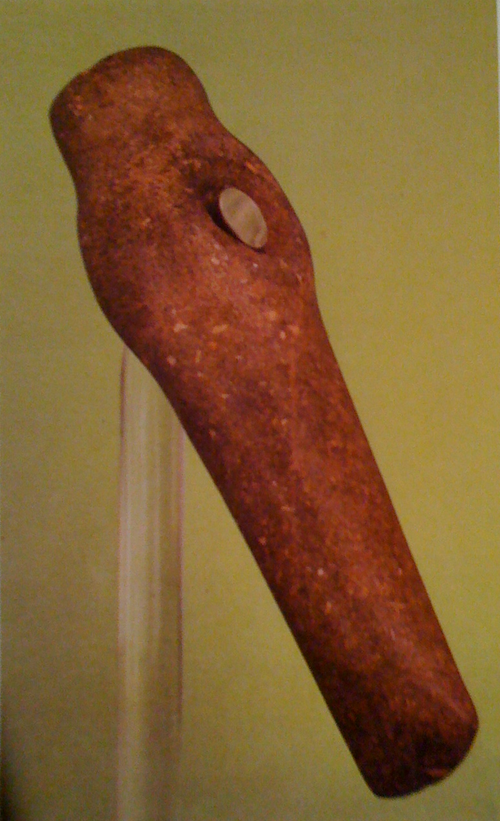
The influences of the Rinaldone culture beyond its main development area are visible in the presence of objects inspired or directly derived from it. Metal objects can be found in the south of France, probably of Italian origin,[27] as in Fontaine-le-Puits in Savoie.[28] Several copper daggers supposedly of Rinaldone origin have even been discovered in Switzerland.[29] According to some researchers, the culture of Rinaldone was at the origin of the development of the metallurgy in the south of France.[14] There are strong similarities between the latter and the metallurgical practices attested to at Cabrières in Hérault.[30] However, this hypothesis is discussed due to the lack of data on possible relays between central Italy and southern France.[31]
On the other hand, Rinaldone's culture is not impervious to external influences. There is even a facies derived from this culture in Tuscany that bears the name of the cave in which it was identified, the facies of Sassi Neri.[32] In the eponymous site but also in neighbouring sites such as the Fontino cave near Grosseto and the San Giuseppe cave in Elba Island, the objects, especially the vases, have characteristics that bring them closer to the cultures of Rinaldone, Gaudo Culture and Laterza Culture.[33] Relationships between Rinaldone's and Gaudo's culture are also visible in the Rome region. In a tomb in Tenuta della Selcetta 2 vases of both cultures are associated.[34] Similarly, in Osteria del Curato-Via Cinquefrondi, in a necropolis Laterza Culture-Ortucchio Culture, a female tomb containing Rinaldone, Laterza and Gaudo ceramics has been exhumed.[34] In addition, the structure of the tombs, the funeral ritual and the presence in both cases of long arrowheads bring the cultures of Rinaldone and Gaudo closer together.[35]
مع ذلك، تبقى هذه التأثيرات المتبادلة نادرة عمومًا ومقتصرة على جوانب عامة. [ 36 ] ويتجلى هذا الانغلاق النسبي لثقافة رينالدون على التأثيرات الخارجية بوضوح خلال تطور ثقافة الجرسية حوالي عام 2600 قبل الميلاد. خارج مقبرة فونتانيل دي رايم في شمال لاتسيو، [ 37 ] حيث يبدو أن الثقافتين تمتزجان، توجد عمومًا مواقع تعود أثاثاتها بالكامل إلى إحداهما دون الأخرى. [ 13 ]
المواقع الرئيسية
- بانديتا سان بانتاليو (لاتسيو) [ 38 ]
- كاسالي ديل دولتشي (لاتسيو)
- كاميرانو (ماركي) [ 39 ]
- فونتانيلي دي رايم (لاتسيو) [ 40 ]
- فونتينوس دي ريكاناتي (ماركي) [ 20 ]
- غارافيكيو (توسكانا)
- لو كالي (توسكانا) [ 41 ]
- لوكريسيا رومانا (لاتسيو) [ 34 ]
- لونغيزينا (لاتسيو) [ 42 ]
- أوستيريا ديل كوراتو-فيا سينكيفروندي (لاتسيو) [ 34 ]
- بونتي ديلي سيت ميليا (لاتسيو) [ 34 ]
- بونتي سان بيترو (لاتسيو) [ 43 ]
- رينالدوني (لاتسيو) [ 3 ]
- رومانينا (لاتسيو) [ 34 ] [ 44 ]
- سيلفيتشيولا (لاتسيو) [ 45 ]
- تينوتا ديلا ماندريولا (لاتيوم) [ 34 ]
علم الوراثة
قام أنطونيو وآخرون (2019) بتحليل التركيب الجيني لرجل من موقع يعود للعصر النحاسي في جنوب لاتسيو عند سفح جبل أوسوني ، والذي يُنسب إلى كلٍ من حضارتي رينالدوني وغاودو . دُفن هذا الرجل في مونتي سان بياجيو بإيطاليا، بين عامي 3500 و2500 قبل الميلاد تقريبًا، وكان يحمل السلالة الأبوية H2 (P96) ، الموجودة في الأناضول خلال العصر الحجري الحديث وفي العديد من حضارات العصر الحجري الحديث اللاحقة في أوروبا، بينما كانت السلالة الأمومية N1a1a1a3 ، الموجودة في العديد من حضارات العصر الحجري الحديث في أوروبا. كان حمضه النووي الجسدي مزيجًا من أصول EEF (85%) وأصول WHG (15%)، على غرار عينات أخرى من العصر النحاسي من إيطاليا وبقية أوروبا ، بما في ذلك عينات من حضارة ريميديلو . [ 46 ]
انظر أيضاً
مراجع
- ^ Negroni Catacchio N.، 2006، La Culture di Rinaldone، Negroni Catacchio N. (ed.)، Pastori e guerrieri nell'Etruria del IV e III millennio ac، La Civiltà di Rinaldone a 100 anni delle prime Scorte، Atti del Settimo Incontro di Studi Preisttoria e Protostoria في إتروريا ، فيتربو، 21 نوفمبر 2003 - فالينتانو (Vt) - بيتيجليانو (Gr)، 17-18 سبتمبر 2004، Centro Studi di Preistoria e Archeologia، ميلانو، المجلد. الثاني، ص. 31-45
- ^ بيرنييه إل.، 1905، Tombe eneolitiche nel Viterbese (روما)، نشرة علم الحفريات الإيطالية ، المجلد. 31، ص. 145-153
- 1 2 كوتشي د.، 1980-1981، Industria litica dalla necropoli di Rinaldone (فيتربو)، Rassegna di Archeologia ، المجلد. 2، ص. 105-120
- ^ Cazzella A.، Moscoloni M.، 1993، La Culture di Rinaldone e l'Eneolitico delle Marche، in Negroni Catacchio N.، Preistoria e Protostoria in Etruria، Atti del Primo Incontro di Studi ، Saturnia (Manciano) – Farnese 17/19 maggio 1991، Comune di Farnese، Cassa Rurale إد أرتيجيانا دي فارنيزي، ميلانو، ص. 45-52
- 1 2 غريفوني كريمونيسي آر.، نيجروني كاتاتشيو إن.، سارتي إل.، 2001، إنيوليتيكو، إن كوتشي جينيك دي.، غريفوني آر.، مارتيني إف.، بالما دي سيسنولا إيه.، سارتي إل.، فيجلياردي إيه.، بريستوريا إي بروتوستوريا ديلا توسكانا ، آتي ديلا XXXIV ريونيوني ساينتفيكا، فلورنسا، 29 Settembre – 2 Ottobre 1999، Istituto Italiano di Preisttoria e Protostoria، Firenze، p. 71-90
- ↑ Guidi A., Pascucci P., 1993, Fcies Culturei eneolitiche del Lazio e della Sabina, in Negroni Catacchio N., Preistoria e Protostoria in Etruria, Primo Incontro di Studi , Saturnia (Manciano) – Farnese 17/19 maggio 1991, Comune di Farnese, Cassa Rurale ed Artigiana دي فارنيزي، ميلانو، ص. 31-44
- ^ Cocchi Genick D.، 2006، تصور السحنات لعصر الرامي في إيطاليا، Negroni Catacchio N.، Pastori e guerrieri nell'Etruria del IV e III millennio AC، La Civiltà di Rinaldone a 100 anni delle prime explorerte ، Atti del Settimo Incontro di Studi Preisttoria e Protostoria في إتروريا، فيتربو، 21 نوفمبر 2003 - فالينتانو (Vt) - بيتيجليانو (Gr)، 17-18 Settembre 2004، Centro Studi di Preistoria e Archeologia، ميلانو، المجلد. الثاني، ص. 377-384
- ^ Steiniger D.، 2005، L'Énéolithique en Italie، in Ambert P.، Vaquer J. (eds)، La première métallurgie en France et dans les pays Limitrophes ، Carcassonne 28-30 septembre 2002، Actes du Colloque International، Mémoire de la Société Préhistorique الفرنسية، المجلد. السابع والثلاثون، ص. 287-301
- ↑ جان غيلين، جان زاميت - أصول الحرب: العنف في عصور ما قبل التاريخ، ص 162-164
- ↑ كازيلا أ.، 1994، تأريخ "العصر النحاسي" في إيطاليا والجزر المجاورة، مجلة علم الآثار الأوروبي ، المجلد 2، ص 1-19
- ^ كونتي آم، بيرسي سي.، بيتيتي بي، 1997، أنا ريتي ديلا مورتي نيلا نيكروبولي إنيوليتيكا ديلا سيلفيتشيولا (إيشيا دي كاسترو-فيتربو) ، الأصل ، المجلد. الحادي والعشرون، ص. 169-185
- ^ كونتي آم، بيرسي سي.، بيتيتي بي.، 2007، سيلفيشيولا (إيشيا دي كاسترو، فيتربو)، في مارتيني ف.، La Culture del morire nella società preistoriche e protostoriche italian ، Origines، Firenze، p. 173-176
- 1 2 Negroni Catacchio N., Miari M., 2002, Trouble di cronologia della facies di Rinaldone, in Negroni Catacchio N., Paesaggi d'Acque, Preistoria e Protostoria in Etruria, Atti del Quinto Incontro di Studi , Centro Studi di Preisttoria e Archeologia, Milano, vol. 2، ص. 487-508
- 1 2 3 De Marines RC, 2006, Aspetti della metallurgia dell'età del'età del'età del'età del'età del'et... a del'antica et de Bronzo nella penisola italiana, Rivista di Scienze Preistoriche , vol. لفي، ص. 211-272
- ^ سامارتينو ف.، 2006، Asce-martello forate dal territorio livornese، Quaderno del Museo di Storia Naturale di Livorno ، المجلد. 19، ص. 5-12
- ^ كاربوني جي، سالفادي جي، 1993، Indagini Archeologiche Nella piana della Bonifica di Maccarese (فيوميتشينو – روما)، Il neolitico e l'eneolitico، Origini ، vol. السابع عشر، ص. 255-279
- ^ Cazzella A.، 1973، Proposte per una search topografica sull'Enenolitica dell'Italia meridionale a sud del Tevere، Dialoghi di Archeologia ، المجلد. 6، ص. 195-212
- ↑ Anzidei AP، Carboni G.، Egidi R.، Malvone M.، 2007، Rinaldone a Sud del Tevere : مقابر جديدة ومواد من مسابقات المساكن في سكن عبر Tuscolana nell'area sud-est di Roma، في Bietti A.، Strategie di Insediamento fra Lazio e Campania in età. preistorica e protostorica ، Atti della XL Riunione Scientifica، Roma، Napoli، Pompei، 30 نوفمبر - 3 ديسمبر 2005، Istituto Italiano di Preisttoria e Protostoria، Firenze، vol. 2، ص. 461-476
- 1 2 Carboni G., Anzidei AP, 2006, Rinaldone e Gaudo in un territorio di Confine : il Lazio Central-meridionale, Negroni Catacchio N., Pastori and guerrieri nell'Etruria del IV e III millennio AC, La Civiltà di Rinaldone a 100 anni delle Prime Discovery , Atti del Settimo Incontro di Studi Preistoria e Protostoria in Etruria، فيتربو، 21 نوفمبر 2003 - فالينتانو (Vt) - بيتيجليانو (Gr)، 17-18 Settembre 2004، Centro Studi di Preisttoria e Archeologia، Milano، vol. أنا، ص. 175-191
- 1 2 Silvestrini M., Pignocchi G., 1997, La Necropoli Eneolitica di Fontenoce di Recanati: lo scavo 1992, Rivista di Scienze Preistoriche , p. 309-366
- ↑ Silvestrini M.، Cazzella A.، Baroni I.، Recchia G.، 2006، Le Necropoli eneolitiche delle Marche e la facy di Rinaldone، in Negroni Catacchio N.، Pastori e guerrieri nell'Etruria del IV e III millennio AC، La Civiltà di Rinaldone a 100 anni dalle Prime Scorte، Preisttoria e Protostoria in Etruria، Atti del Settimo Incontro di Studi ، فيتربو 21 نوفمبر 2003، فالينتانو (Vt) – بيتيجليانو (Gr) 17-18 Settembre 2004، Centro Studi di Preisttoria e Archeologia، Milano، vol. 1، ص. 193-199
- ^ Negroni Catacchio N.، Miari M.، Dolfini A.، 2005، Rapporti tra Area tirrenica ed adriatica durante l'Eneolitico alla luce della Culture di Rinaldone، in Preisttoria e Protostoria delle Marche، Atti della XXXVIII Riunione Scientifica ، Portonovo، Abbadia di Fiastra 1-5 ottobre. 2003، المعهد الإيطالي للبريستوريا والبروتوستوريا، فلورنسا، المجلد. 1، ص. 399-420
- ^ غريفوني ر.، رادميلي آم، 1964، La grotta Maritza e il Fucino prima dell'età romana، Rivista di Scienze Preistoriche ، المجلد. التاسع عشر، ص. 53-127
- ^ D'Ercole V.، 1988، L'Età del Rame in Abruzzo : nuovi contributi، in Cocchi D. (تنسيق)، الكونغرس الدولي "L'Età del Rame in Europe" ، فياريجيو 15-18 أكتوبر 1987، Rassegna di Archeologia، المجلد. 7، Comune di Viareggio Assesorato alla Culture، Museo Preistorico e Archeologico "Alberto Carlo Blanc"، ص. 576-577
- ↑ كاربوني جي.، 2002، المنطقة المفتوحة أم الحدود؟ جديد محتمل للبحث عن استوديو التوزيع المكاني لوجهات Gaudo e di Rinaldone في Lazio Central-meridionale، Origini ، vol. الرابع والعشرون، ص. 235-301
- ↑ Anzidei AP، Carboni G.، Mieli G.، 2012، Il Gruppo Roma-Colli Albani: un decennio di ricerche e Studi sulla facys di Rinaldone nel territorio di Roma، in Preisttoria e protostoria in Etruria، Atti del decimo incontro di Studi. L'Etruria dal Paleolitico al Primo Ferro. حالة البحث , المجلد. I، Centro Studi di Preistoria e Archeologia، ميلانو، ص. 197-214
- ^ Strahm C.، 2007، L'introduction de la Métallurgie in Europe، in Guilaine J. (Dir.)، Le Chalcolithique et la Construction des inégalités ، المجلد 1، Le القارة الأوروبية، Séminaire du Collège de France، Errance، Paris، p. 59
- ^ Strahm C.، 2005، L'introduction et la diffusion de la métallurgie in France، in Ambert P.، Vaquer J. (Dir)، La première métallurgie en France et dans les pays Limitrophes ، Société Préhistorique Française، Mémoire XXXVII، Paris، p. 27-36
- ^ Honegger M.، 2001، L'industrie lithique taillée du néolithique moyen et Final de Suisse ، Monographie du CRA Éditions du CNRS، Paris، vol. 24
- ^ Sangmeister E.، 2005، Les débuts de la métallurgie dans le sud-ouest de l'Europe : l'apport de l'étude des Analysiss métallographiques، in Ambert P.، Vaquer J. (Dir)، La première métallurgie en France et dans les pays Limitrophes ، Société ما قبل التاريخ الفرنسي، المذكرة السابعة والثلاثون، باريس، ص. 19-25
- ↑ دولفيني أ.، 2013، ظهور علم المعادن في منطقة وسط البحر الأبيض المتوسط: نموذج جديد، المجلة الأوروبية لعلم الآثار ، المجلد 16، العدد 1، ص 21-62
- ^ Negroni Catacchio N.، 2006، La longa storia dell'Etruria prima degli Etruschi، in Negroni Catacchio N.، Pastori e guerrieri nell'Etruria del IV e III millennio ac، La Civiltà di Rinaldone a 100 anni delle prime explorerte، Atti del Settimo Incontro di Studi Preisttoria e بروتوستوريا في إتروريا ، فيتربو، 21 نوفمبر 2003 - فالينتانو (Vt) - بيتيجليانو (Gr)، 17-18 Settembre 2004، Centro Studi di Preisttoria e Archeologia، ميلانو، المجلد. أنا، ص. 3-29
- ^ Grifoni Cremonesi R.، 2009، Quelques comments à Propos de l'Âge du cuivre en Italie Centrale، in D e Méditerranée et d'ailleurs... Mélanges Offers à Jean Guilaine ، Archives d'Écologie Préhistorique، Toulouse، p. 323-332
- 1 2 3 4 5 6 7 Anzidei AP, Carboni G., 2007, Nuovi Contesti Funerari Eneolitici dal Territorio di Roma, in Martini F., La Culture del morire Nella società preistoriche e protostoriche italian , Origines, Firenze, p. 177-186
- ↑ ساليرنو أ.، 1998، Inquadramento cronologico e الثقافية، في Bailo Modesti G.، Salerno A.، Pontecagnano II، 5. La Necropoli Eneolitica، L'età del Rame in Campania nei Villageggi dei morti ، Annali dell'Istituto Orientale di Napoli، sezione di Archeologia e Storia Antica، رباعي. رقم 11، نابولي، ص. 143-156
- ↑ ساليرنو أ.، 1998، Tipologia dei Materiali، in Bailo Modesti G.، Salerno A.، Pontecagnano II، 5. La Necropoli Eneolitica، L'età del Rame in Campania nei Villageggi dei morti ، Annali dell'Istituto Orientale di Napoli، sezione di Archeologia e Storia Antica، رباعي. رقم 11، نابولي، ص. 93-142
- ^ Negroni Catacchio N.، Miari M.، 2000، La necropoli di Fontanile di Raim (Ischia di Castro، Viterbo)، in Nicolis F. (Ed.)، Bell Beakers Today، الفخار، الناس، الثقافة، الرموز في أوروبا ما قبل التاريخ ، servizio Beni Culturei Ufficio beni Archeologici، وقائع الندوة الدولية، ريفا ديل جاردا (ترينتو، إيطاليا)، 11-16/05/1998، المجلد الثاني، مقاطعة أوتونوما دي ترينتو، المجلد. 2، ص. 671-673
- ↑ باريش بي، بونادونا FP، بورجونيسي إس، بارينتي ر.، 1968، Trovamenti Eneolitici presso Tarquinia، Origini ، vol. الثاني، ص. 173-246
- ^ Baroni I., Recchia G., Silvestrini M., 2006, La Necropoli Eneolitica di Camerano (Ancona)، في Negroni Catacchio N.، Pastori e guerrieri nell'Etruria del IV e III millennio ac، La Civiltà di Rinaldone a 100 anni dalle primescoperte، Preistoria e Protostoria in Etruria ، Atti del Settimo Incontro di Studi, Viterbo 21 novembre 2003, Valentano (Vt) – Pitigliano (Gr) 17-18 Settembre 2004, Centro Studi di Preistoria e Archeologia, Milano, vol. 2، ص. 329-339
- ↑ Petitti P.، Negroni Catacchio N.، Conti AM، Lemorini C.، Danishi C.، 2002، La necropoli eneolitica del Fontanile di Raim. Nuovi dati dalla Campagna di scavo 1998، in Negroni Catacchio N.، Paesaggi d'Acque، Preistoria e Protostoria in Etruria، Atti del Quinto Incontro di Studi، Centro Studi di Preisttoria e Archeologia، Milano، vol. 2، ص. 545-568
- ^ Negroni Catacchio N.، Casi C.، 1988، Le Calle (Grosseto)، Necropoli della Culture di Rinaldone، in Cocchi D. (ed.)، الكونغرس الدولي "L'Età del Rame in Europe" ، فياريجيو 15-18 أكتوبر 1987، Rassegna di Archeologia، المجلد. 7، Comune di Viareggio Assesorato alla Culture، Museo Preistorico e Archeologico "Alberto Carlo Blanc"، ص. 592-593
- ↑ Anzidei AP، Carboni G.، Catalano P.، Celant A.، Lemorini C.، Musco S.، 2003، La necropoli eneolitica di Lunghezzina (روما)، في Bernabò Brea M.، Bietti Sestieri AM، Cardarelli A.، Cocchi Genick D.، Grifoni Cremonesi R.، Pacciarelli M.، Le comunità Della Preisttoria italiana، Study e Researche sul Neolitico e Le Età dei Metalli , Castello di Lipari, Istituto Italiano di Preisttoria e Protostoria, Atti della XXXV Riunione Scientifica, Chiesa di S. Caterina, 2-7 Giugno 2000, 2 vol., Firenze, vol. 1، ص. 379-391
- ↑ مياري م.، 1995، Topografia e Organizzazione Spaziale delle Necropoli Eneolitica di Ponte San Pietro (Ischia di Castro، VT)، in Negroni Catacchio N.، Preistoria e Protostoria in Etruria، Atti del Secondo incontro di Studi، Tipologia delle necropoli e طقوس الإيداع، البحث والسكافي , فارنيس 21-23 مايو 1993، Centro di Studi di Preisttoria e Archaeologia، 2 vol.، Milano، vol. 1، ص. 55-66
- ↑ Carboni G., Anzidei AP, 2013, L'Eneolitico laste e Finale nel Lazio center-meridionale: una puntualizzazione sullo sviluppo e la durata di alcuni healthi sulla nase delle più lasti datazioni radiometriche، in Cocchi Genick D.، Cronologia assoluta e relativa dell'Età del Rame in Italia، Atti dell'Incontro di Studi ، جامعة فيرونا، 25 يونيو 2013، Qui Edit، Verona، Vol. أنا، ص. 91-118
- ^ Conti AM، Danishi C.، Petitti P.، 1998، Articolazione interna e rporti esterni deu gruppi sociali rinaldoniani، De Marinis R.، Bietti Sestieri AM، Peroni R.، Peretto C.، العصر النحاسي في الشرق الأدنى وأوروبا، العصر البرونزي في أوروبا والبحر الأبيض المتوسط، العصر الحديدي في أوروبا، المؤتمر الدولي الثالث عشر لعصور ما قبل التاريخ و علوم التاريخ البدائي ، فورلي – إيطاليا، 8-14 سبتمبر 1996، أباكو، فورلي ص. 31-35
- ↑ أنطونيو، مارغريت ل.؛ غاو، زيوي؛ م. موتس، هانا (2019). "روما القديمة: ملتقى جيني بين أوروبا والبحر الأبيض المتوسط" . مجلة ساينس . 366 (6466). واشنطن العاصمة: الجمعية الأمريكية لتقدم العلوم (نُشر في 8 نوفمبر 2019): 708-714 . Bibcode : 2019Sci ...366..708A . doi : 10.1126/science.aay6826 . hdl : 2318/1715466 . PMC 7093155. PMID 31699931 .
يحمل الفرد R1014 خمسة أليلات مشتقة (M2936، M2942، M2945، M2955، M2992، M3035) مميزة للمجموعة الفردانية H، بالإضافة إلى 35 أليلاً سلفياً غير متوافقة مع المجموعة الفرعية H3، و50 أليلاً غير متوافقة مع H1b1، و13 أليلاً غير متوافقة مع H1b2. لذلك، من المرجح أن ينتمي R1014 إلى مجموعة فردانية سلفية H أو إلى الفرع H2 (H-P96)، والذي يوجد بمستويات منخفضة في غرب آسيا وسردينيا في العصر الحديث، وكذلك لدى المزارعين الأوائل في الأناضول خلال العصر الحجري الحديث (حوالي 6500-6200 قبل الميلاد) (13) وبلغاريا خلال العصر النحاسي (3336-3028 قبل الميلاد) (14). من المحتمل أن تكون السلالة الفردانية H (على الأرجح H2) موجودة بالفعل في وسط إيطاليا خلال العصر الحجري الحديث، على الرغم من عدم تمكننا من رصدها في عيناتنا المحدودة من العصر الحجري الحديث التي اقتصرت على أربعة ذكور فقط. في هذا السياق، يمكن تفسير وجود السلالة الفردانية H الملاحظة بهجرة مزارعي الشرق الأدنى خلال الفترة الانتقالية للعصر الحجري الحديث. أو ربما دخلت هذه السلالة إلى إيطاليا بعد الفترة الانتقالية للعصر الحجري الحديث عبر تبادلات جينية لاحقة مع البلقان أو الشرق الأدنى بين عامي 6000 و3500 قبل الميلاد. وقد لوحظ تحول ملحوظ لدى أفراد العصر النحاسي (R4، R5، R1014) نحو السلالة الفردانية الغربية HG وابتعادهم عن مزارعي الأناضول، مما يشير إلى ازدياد نسبة السلالة الفردانية الغربية HG مع مرور الوقت.
فهرس
- Aa.Vv، المغامرة الكبرى في علم الآثار ، المجلد 5: أوروبا وإيطاليا البدائية - محرر كورسيو، الصفحات 1584-1585-1586
- ثقافات العصر النحاسي في أوروبا
- الثقافات الأثرية في أوروبا
- الثقافات الأثرية في إيطاليا