
Spanish Republican government in exile
The Government of the Spanish Republic in exile (Spanish: Gobierno de la República Española en el exilio) was a continuation, in exile, of the government of the Second Spanish Republic following the victory of Francisco Franco's forces in the Spanish Civil War. It existed until the restoration of parliamentary democracy in 1977.
History
Following the fall of the Republic in April 1939, the president of Spain, Manuel Azaña and the prime minister, Juan Negrín, went into exile in France. Azaña resigned his post and died in November 1940. He was succeeded as president by Diego Martínez Barrio, who had been prime minister in 1936. Following the German occupation of France in 1940, the government was reconstituted in Mexico, which under the left-wing president Lázaro Cárdenas continued to recognise the Republic, although Negrín spent the World War II years in London. Negrín resigned as prime minister in 1945 and was succeeded by José Giral.
Until 1945, the exiled Republicans had high hopes that at the end of World War II in Europe, Franco's regime would be removed from power by the victorious Allies and that they would be able to return to Spain. Furthermore, the newly-established United Nations would pass a resolution condemning the Francoist regime and the exiled Republicans initially worked with the Allies. When these hopes were disappointed, the government-in-exile faded away to a purely symbolic role. The government moved back to Paris in 1946. There was also a Basque government-in-exile and a Catalan government-in-exile.
In the immediate postwar period, it had diplomatic relations with Mexico, Panama, Guatemala, Venezuela, Poland, Czechoslovakia, Hungary, Yugoslavia, Romania, and Albania,[1] but the United States, the United Kingdom, France and the Soviet Union did not recognise it.[2]
بعد وفاة فرانكو عام ١٩٧٥، بدأ الملك خوان كارلوس عملية انتقالية نحو الديمقراطية . وفي عام ١٩٧٧، قبل الجمهوريون المنفيون بعودة النظام الملكي واعترفوا بحكومة خوان كارلوس كحكومة شرعية لإسبانيا. وكانت اللحظة الحاسمة عندما التقى الزعيمان الاشتراكيان فيليبي غونزاليس وخافيير سولانا خوان كارلوس في قصر زارزويلا بمدريد، في تأييد ضمني للنظام الملكي من قبل الاشتراكيين الذين كانوا جمهوريين متشددين.
في الأول من يوليو عام 1977، تم حل حكومة الجمهورية الإسبانية رسمياً. وفي بادرة مصالحة، استقبل خوان كارلوس القادة المنفيين في حفل أقيم في مدريد.
الرؤساء في المنفى
| 8 | لَوحَة | اسم | رئيس من | الرئيس حتى | الحزب السياسي |
|---|---|---|---|---|---|
 | دييغو مارتينيز باريو المؤقت | 3 مارس 1939 | 11 مايو 1940 | الاتحاد الجمهوري | |
 | ألفارو دي ألبورنوز إي ليمينيانا المؤقت | 11 مايو 1940 | 17 أغسطس 1945 | مستقل | |
| 1 | | دييغو مارتينيز باريو | 17 أغسطس 1945 | 1 يناير 1962 | الاتحاد الجمهوري |
| 2 |  | لويس خيمينيز دي أسوا | 1 يناير 1962 | 16 نوفمبر 1970 | حزب العمال الاشتراكي الإسباني |
| 3 |  | خوسيه مالدونادو غونزاليس | 16 نوفمبر 1970 | 1 يوليو 1977 | اليسار الجمهوري |
رؤساء الوزراء في المنفى
| لَوحَة | الاسم (من الميلاد إلى الوفاة) | مدة الولاية | الحزب السياسي | الرئيس (فترة ولايته) | |||
|---|---|---|---|---|---|---|---|
| تولى منصبه | المكتب الأيسر | أيام | |||||
 | خوان نيغرين (1892–1956) | 31 مارس 1939 | 17 أغسطس 1945 | 2331 | حزب العمال الاشتراكي الإسباني | ألفارو دي ألبورنوز (1939–1945) | |
 | خوسيه جيرال (1879–1962) | 17 أغسطس 1945 | 9 فبراير 1947 | 541 | اليسار الجمهوري | دييغو مارتينيز باريو (1945-1962)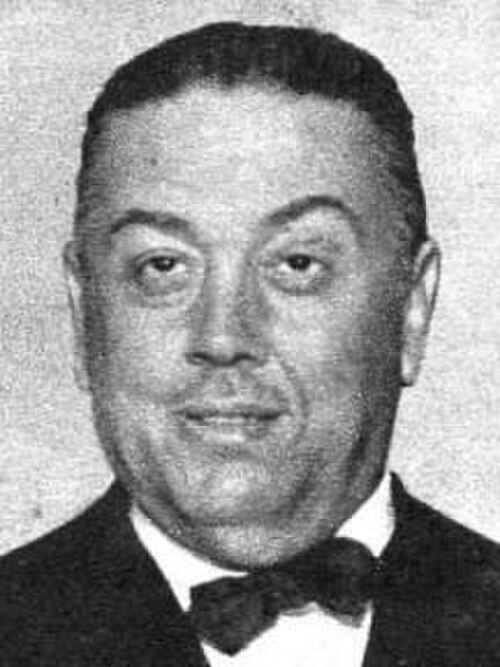 | |
 | رودولفو لوبيس (1895-1983) | 9 فبراير 1947 | 8 أغسطس 1947 | 180 | حزب العمال الاشتراكي الإسباني | ||
| ألفارو دي ألبورنوز (1879–1954) | 8 أغسطس 1947 | 13 أغسطس 1951 | 1558 | الاتحاد الجمهوري | ||
 | فيليكس جوردون أورداس (1885–1973) | 13 أغسطس 1951 | 17 أبريل 1960 | 3170 | الاتحاد الجمهوري | ||
 | إميليو هيريرا (1879–1967) | 17 أبريل 1960 | 28 فبراير 1962 | 682 | مستقل | ||
 | كلاوديو سانشيز ألبورنوز (1893–1984) | 28 فبراير 1962 | 28 فبراير 1971 | 3287 | الاتحاد الجمهوري | لويس خيمينيز دي أسيا (1962-1970) | |
| فرناندو فاليرا أباريسيو (1899–1982) | 28 فبراير 1971 | 21 يونيو 1977 | 2305 | الاتحاد الجمهوري | خوسيه مالدونادو غونزاليس (1970-1977) | |
انظر أيضاً
مراجع
روابط خارجية
- الحكومات السابقة في المنفى
- الحكومات في المنفى خلال الحرب العالمية الثانية
- الجمهورية في إسبانيا
- التاريخ السياسي لإسبانيا
- 1939 منشأة في إسبانيا
- عمليات حلّ المؤسسات الدينية في إسبانيا عام 1977
- سياسة الجمهورية الإسبانية الثانية
- المنظمات المناهضة لفرانكو