
To a Wild Rose
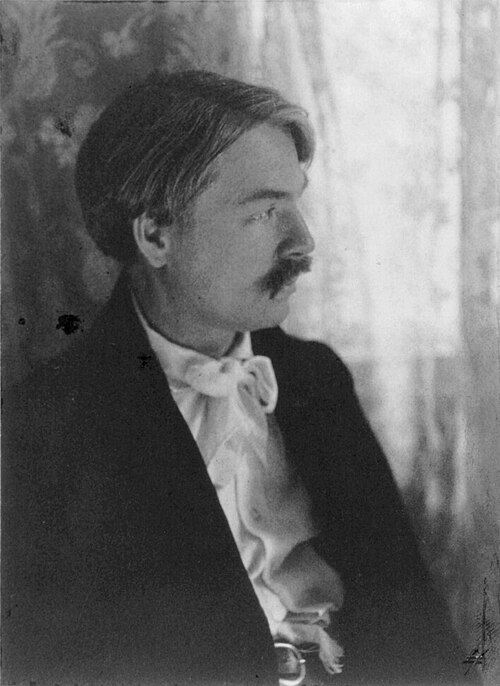
"To a Wild Rose" is the first piece from Woodland Sketches, Op. 51, by the American composer Edward MacDowell. It was completed in 1896 and first published by Breitkopf & Härtel.
Background

"To a Wild Rose", one of the European-trained MacDowell's most well-known and loved pieces, is part of his Woodland Sketches for solo piano, finished in 1896.[1] The composer incorporated certain Native American themes into it.[2] Alan Howard Levy, the critic and biographer, wrote:
Marian [Edward's wife] recalled how her husband would regularly write a few measures during breakfast – "like exercise" – before going off to the cabin. Normally, MacDowell discarded such fragments, and this particular morning he crumpled the paper and tossed it at the fireplace. He happened to miss the target, however, and rather than summarily throwing it away, Marian later picked up the paper, uncrumpled it, and looked it over. She played it at the piano and decided to keep it. When Edward later returned from the cabin she showed it to him and said: "This is a charming little melody." Edward looked at it anew and agreed, "It is not bad – very simple. It makes me think of wild roses near the cabin."[3]
However, Marian MacDowell's version of the story is slightly different. She wrote that the fragment made her husband think of their "log cabin"[4] – as opposed to "cabin" – which was not built until 1898, two years after the Sketches were published.[5]
The composer's love for roses was so great that he was buried under a boulder, around which many rose plants grew.[6]
Performance
Numerous arrangements of the piece have been made. Though the original was for solo piano, it has been arranged for two sopranos, alto and piano to a text by Hermann Hagedorn.[7]Nat King Cole played his own version of the song. Levy said that the piece is best played by children, as they would not embellish it heavily but perform it quite simply.[3][8] Jazz saxophonist Sonny Rollins also incorporated the song into his live repertoire, and it was recorded by George Shearing with his quintet.
In popular culture
يُعدّ هذا اللحن موضوعًا متكررًا في فيلم "بيني سيريناد " (Penny Serenade ) الصادر عام 1941. وتستند أغنية البوب "هل أنا مستعد؟" (Am I Ready)، التي كتبها روي سي. بينيت وسيد تيبر وسجلها إلفيس بريسلي عام 1966 ضمن الموسيقى التصويرية لفيلم " سبين آوت" (Spinout) ، على لحن هذه المقطوعة. [ 9 ] [ 10 ]
مراجع
- ↑ هانسون، جينيفر. "الأغنية" . جينيفر تو أ وايلد روز . تم الاطلاع عليه بتاريخ 6 يناير 2016 .
- ↑ العم ديف لويس. إدوارد ماكدويل: رسومات غابة (10) للبيانو، العمل رقم 51 على موقع AllMusic
- 1 2 ليفي، آلان هوارد (1998). إدوارد ماكدويل، أستاذ أمريكي . دار سكيركرو للنشر. الصفحات 152-153 . ISBN 9780810834637.
- ↑ ماكدويل، ماريان (1950). ملاحظات متفرقة عن إدوارد ماكدويل وموسيقاه . شركة إيه بي شميدت. الصفحات 10-11 .
- ↑ نيومير، ديفيد (21 مارس 2015). حول قصيدة ماكدويل "إلى وردة برية" . تكساس سكولاروركس ( جامعة تكساس في أوستن ). ص 1.
- ↑ شيلينغ، إرنست. "22 و24 مارس 1924 / حفل موسيقي للشباب / شيلينغ (رقم التعريف: 2469)" . أرشيف ليون ليفي الرقمي . أوركسترا نيويورك الفيلهارمونية . تم الاطلاع عليه بتاريخ 15 يوليو 2021 .
- ↑ " إلى وردة برية" - أغنية ثلاثية الأجزاء للأصوات النسائية / إدوارد ماكدويل؛ توزيع بول أمبروز؛ كلمات هيرمان هاغيدورن" ، المكتبة الوطنية لنيوزيلندا
- ↑ بروير، آبي كورين. دليل أداء لمختارات من أعمال إدوارد ماكدويل الشخصية (أطروحة دكتوراه في الفنون الموسيقية). جامعة أيوا . doi : 10.17077/etd.4yvxgzk6 .
- ↑ "إلى وردة برية" . ألحان الحور . تم الاسترجاع في 15 يوليو 2021 .
- ↑ نيل، ديفيد. "إلفيس بريسلي - الأصول" . إلفيس بريسلي - معلومات ومبيعات . تم الاطلاع عليه بتاريخ 15 يوليو 2021 .
روابط خارجية
- 10 رسومات تخطيطية للغابات، العمل رقم 51 : نوتات موسيقية في مشروع مكتبة النوتات الموسيقية الدولية
- مؤلفات إدوارد ماكدويل
- مؤلفات عام 1896
- مؤلفات موسيقية للبيانو من تأليف ملحنين أمريكيين
- مقطوعات موسيقية للبيانو المنفرد