
التقاليد العسكرية
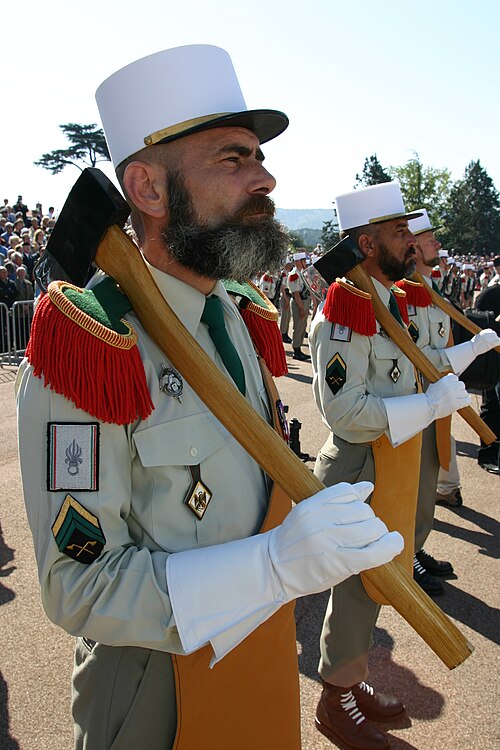
إن التقاليد العسكرية أو الثقافة العسكرية هي الممارسات المرتبطة بالجيش أو الجنود مثل أنماط الزي العسكري والتدريبات أو موسيقى الوحدة العسكرية.
في أوروبا
في أوروبا ، كان التقليد مبدأً من مبادئ الثقافة العسكرية التي تطورت من مفهوم الفروسية في العصور الوسطى .
تطورت في أوروبا مجموعة واسعة من التقاليد العسكرية المنفصلة حتى الحرب العالمية الأولى على الأقل. وفي وقت لاحق، أدت التغيرات السياسية والاجتماعية الكبرى إلى انهيار الاستمرارية التاريخية التي كانت مصدراً للتقاليد العسكرية في العديد من الجيوش.
في المملكة المتحدة
في بريطانيا ، تطورت التقاليد العسكرية بشكل أساسي على مستوى الأفواج، واتخذت شكل عادات راسخة للأفواج، وشعارات، ورموز، وسمات مميزة للزي العسكري. ومنذ أواخر الستينيات، أدت سلسلة من عمليات دمج الأفواج وحلها إلى إضعاف التقاليد العسكرية البريطانية، على الرغم من أنها لا تزال قوية في فرقة الحرس .

في ألمانيا
في بروسيا والإمبراطورية الألمانية ، اعتمدت الدول على تاريخها الخاص للحفاظ على التقاليد العسكرية، على الرغم من أن بعض الأفواج المحددة ضمن التشكيلات النخبوية حافظت على عادات وأزياء مميزة. على سبيل المثال، كان أحد الأفواج، وهو فوج غريناديرز بوتسدام ، يتألف من رجال طوال القامة للغاية.
في فرنسا
ابتكر الفرنسيون مفهوم "روح الفريق" ( Esprit de corp )، أو مفهوم الفخر بالوحدة، في معظم الوحدات النخبوية أو الوحدات الفرنسية المميزة. وطوّرت وحدات شمال أفريقيا ، مثل الزواف والرماة والفيلق الأجنبي الفرنسي ، وحتى المماليك الذين خدموا في الحرس الإمبراطوري لنابليون بونابرت ، أنماطًا مميزة في الزي. وقد تبنى الجيش الفرنسي لاحقًا العديد من هذه الأنماط المميزة خلال القرن التاسع عشر.
في اليابان
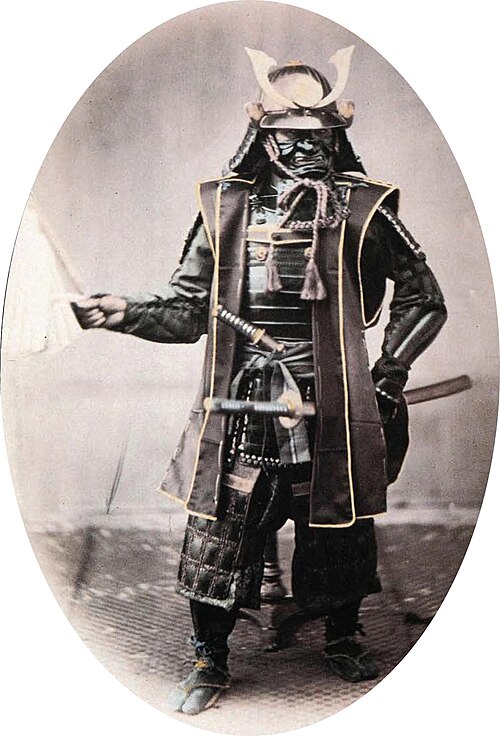
In Japan, most military tradition was based on the bushido code. Bushido, translated as 'way of the warrior' in English, was the strict code of military discipline adhered to by Samurai warriors.
In North America
In the United States, military tradition can refer simply to a father-son relationship or a much longer, ancestors-long line. Military tradition refers to the tradition in a family to systematically destine one of its sons for a military career. This tradition is associated with the Southern United States and is seen in a high representation of Southerners in the U.S. military today and throughout the nation's history.[1][2]
In fiction
Military Tradition is used in the strategy game Sid Meier's Civilization III, released by Atari, as a technological advance that allows the building of cavalry units.
Military Tradition is a game concept in the strategy game Europa Universalis IV released by Swedish PC strategy game designer, Paradox Interactive. In the game, a player-controlled faction can accumulate Military Tradition by engaging in land battle. A higher Military Tradition value results in the ability to recruit generals and conquistadors of better quality.
Distinct elements of a military culture are also present in many fictional publications. These are often used as an important element in shaping fictional culture by authors. Military fiction is a key component of the "military and popular culture" subfield.[3]
See also
References
- ↑Kane, Tim. "Who Bears the Burden? Demographic Characteristics of U.S. Military Recruits Before and After 9/11". The Heritage Foundation. Archived from the original on February 6, 2017. Retrieved 2020-09-15.
- ↑Wood, Louise, Amy (2010). The New Encyclopedia of Southern Culture: Volume 19: Violence. Univ of North Carolina Press, sponsored by the Center for the Study of Southern Culture at the University of Mississippi and the Center for the Study of the American South. pp. 112–115. ISBN 9780807869284.
- ↑Ender M.G., Reed B.J., Absalon J.P. (2020) Popular Culture and the Military. In: Sookermany A. (eds) Handbook of Military Sciences. Springer, Cham. https://doi.org/10.1007/978-3-030-02866-4_36-1https://link.springer.com/referenceworkentry/10.1007/978-3-030-02866-4_36-1
- Military traditions