
جزر بيتيوسيك
جزر بيتيوسيك ، [ 1 ] [ 2 ] والتي يشار إليها غالبًا ببساطة باسم بيتيوسيس ( بالكتالونية : Pitiüses [ pitiˈuzəs ] ، بالإسبانية : Pitiusas [ pitiˈusas ] ؛ من اليونانية πιτύα pitýa ، شجرة الصنوبر )، أو بشكل شائع ولكن غير رسمي (وبشكل غامض) باسم جزر الصنوبر ، هو الاسم الذي يطلق بشكل جماعي على جزر البليار الإسبانية إيبيزا (بالكتالونية: Eivissa )، وفورمينتيرا ، وإسبالمادور، وغيرها من الجزر الصغيرة في البحر الأبيض المتوسط .
الجغرافيا
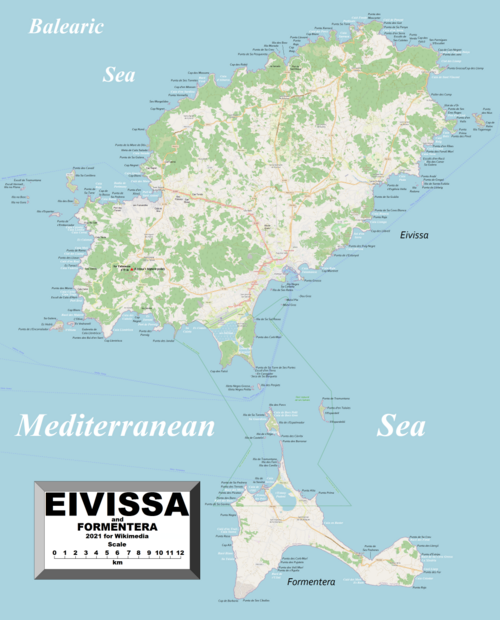
تقع الجزر على بعد حوالي 100 كيلومتر (62 ميلاً) جنوب غرب جزيرة مايوركا ، وعلى بعد حوالي 80 كيلومتراً (50 ميلاً) شرق كاب دي لا ناو في شبه الجزيرة الأيبيرية .
تاريخ
كان أول اسم معروف للجزر هو الاسم اليوناني القديم Πιτυοῦσσαι Pityûssai ("المغطاة بأشجار الصنوبر "). [ 3 ]
منذ حوالي عام 200 قبل الميلاد، استُخدمت الجزر كقاعدة لقراصنة كيليكيا . وقد طُردوا، هم والجنرال الروماني المارق كوينتوس سيرتوريوس ، الذي كان قد تحالف مع القراصنة، على يد أسطول روماني كبير بقيادة كايوس أنيوس لوسكوس .
ذُكرت أكبر جزيرتين، تحت اسمي إيبيزا (إبيسوس) وفورمينتيرا (أوفيوسيس)، في كتاب الجغرافيا لكلاوديوس بطليموس ( القرن الثاني الميلادي). وأشار بطليموس إلى أن إيبيزوس كانت تضم مدينة تحمل الاسم نفسه .
إدارة
تُصنّف جزر الصنوبر أحيانًا ضمن جزر البليار ، أو تُعتبر منفصلةً عن جزر البليار الأصلية، وهي مايوركا ومينوركا (اللتان تُشكّلان مع جزرهما الصغيرة جزر جيمينسيا ). سياسيًا، تُعدّ جزر الصنوبر جزءًا من مجتمع جزر البليار ذي الحكم الذاتي.
Initially, they were administratively part of the same insular council (of Ibiza and Formentera), but since 2007 they are now separated between the insular council of Ibiza and the insular council of Formentera (each one is also assimilated to a single comarca), which are two of the four main administrative subdivisions of the province (and autonomous community) of the Balearic Islands.
Gallery
 Beach on Ibiza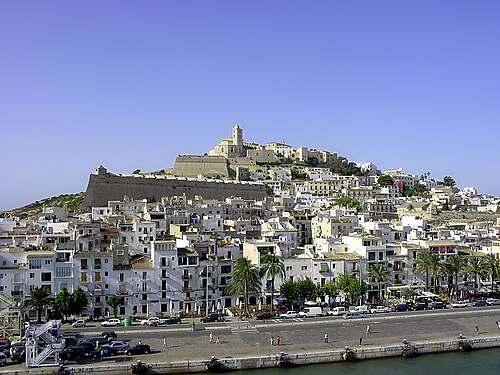
 Beach on Formentera
Flags and coats of arms
 Flag of Ibiza
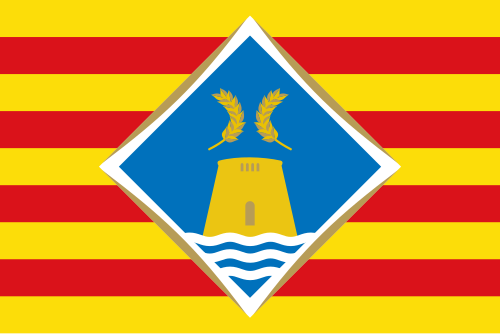 Flag of Formentera
 Emblem of the Island Council of Ibiza
 Coat of arms of Sant Antoni de Portmany
 Coat of arms of Sant Joan de Labritja
 Coat of arms of Santa Eulària des Riu
 Coat of arms of Ibiza
See also
- Gymnesian Islands (Illes Gimnèsies)
Further reading
- Kuhbier, Heinrich; Alcover, Josep Antoni; Guerau d'Arellano Tur, Cristòfol, eds. (1984). Biogeography and Ecology of the Pityusic Islands. Monographiae Biologicae, Volume 52. The Hague, The Netherlands: Dr. W. Junk (Kluwer). ISBN 978-90-6193-105-8.
External links
- ↑(in Spanish)Lagartija de las Pitiusas - Podarcis pityusensis (Boscá, 1883), Enciclopedia virtual de los vertebrados españoles, Alfredo Salvador, Museo Nacional de Ciencias Natural (CSIC), Madrid, published 20-06-2006.
- ↑A new species of rail (Aves, Rallidae) from the Upper Pleistocene and Holocene of Ibiza (Pitiusic Island, Western Mediterranean), McMinn M., Palmer M. & Alcocer J.A., Ibis journal (ISSN 0019-1019), volume 147, pp. 706-716, published 2005. Referenced by the Mediterranean Institute for Advanced Studies (IMEDEA).
- ↑Numerous places were given names like Pityûssai, Pityussa, Pityusa, or similar names by the Ancient Greeks,especially in Anatolia and GreeceArchived 2009-08-30 at the Wayback Machine: the pre-Hellenic name of Miletus of the Leleges was also Pityussa (Strabo, 14.1.3); Spetses' ancient name was Pityoussa; during the Roman Civil Wars Sertorius with some Cilician pirates effected a landing at an island of Pityussa on the North African coast of Mauretania, and was driven off (Plutarch, Life of Sertorius 7).
- Islands of the Balearic Islands
- Balearic Islands geography stubs