
يوليوس إيختر فون ميسلبرون

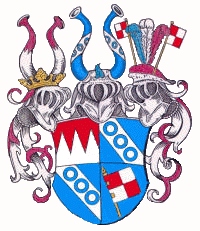


يوليوس إشتر فون ميسبيلبرون (18 مارس 1545 - 9 سبتمبر 1617) كان أمير أسقف فورتسبورغ منذ عام 1573. ولد في قلعة ميسبيلبرون ، سبيسارت ( فرانكونيا السفلى ) وتوفي في فورتسبورغ .
حياة
وُلد ميسلبرون الابن الثاني للدبلوماسي بيتر الثالث إيختر. [ 1 ] وتلقى تعليمه في ماينز ، ولوفان ، ودواي ، وباريس ، وأنجيه ، وبافيا ، وروما . [ 2 ]
في روما، حصل على إجازة في القانون الكنسي والمدني. [ 1 ] في عام 1567، باشر مهامه كقسيس في فورتسبورغ، وهو المنصب الذي عُيّن فيه عام 1554؛ وفي عام 1570، أصبح عميدًا لمجلس الكاتدرائية ، وفي عام 1573، في سن الثامنة والعشرين، حتى قبل رسامته كاهنًا، عُيّن أميرًا أسقفًا لفورتسبورغ. خلال السنوات العشر الأولى من حكم إيختر، سعى إلى توحيد دير فولدا وأسقفية فورتسبورغ، بعد عزل الأمير رئيس الدير بالتازار فون ديرنباخ. أدت محاولات فون ديرنباخ لإعادة كاثوليكية فولدا إلى استياء مجلس فولدا، ونبلاء هيسن، وفرسان لوثريين. فانضموا إلى إيختر فون ميسلبرون. أجبر هذا التحالف فون ديرنباخ على التنازل عن العرش في هاملبورغ عام 1576. وعُيّن إيختر مديرًا، بشرط أن يتسامح مع المذهب اللوثري للفرسان. إلا أن إيختر لم يكن ينوي الالتزام بهذا الشرط في فورتسبورغ. فمنذ البداية، أجرى إصلاحًا كنسيًا شاملًا. ولتحقيق هذه الغاية، دعم اليسوعيين وخدمتهم . أعاد إيختر تأسيس جامعة فورتسبورغ [ 3 ] التي افتُتحت في 2 يناير 1582. وأصبحت نموذجًا لجميع مؤسسات الإصلاح المضاد المماثلة . ازدهرت الجامعة ونمت بسرعة تحت قيادة اليسوعيين، وزودت الكرسي الرسولي بالكهنة والمسؤولين اللازمين لمواصلة الإصلاح المضاد. كما أسس إيختر معهدًا لاهوتيًا عام 1589. [ 4 ]
Echter took decisive steps against Protestants. He banished all Lutheran preachers from his territory[5] and removed all priests who were unwilling to observe the rules of their office. Public officials had to be Catholics, and none but Catholic teachers could be appointed. He began, moreover, courses of careful instruction for non-Catholics, and to some extent threatened them with penalties and/or banishment. Within three years about 100,000 reportedly returned to the Catholic Church. Julius Echter von Mespelbrunn died on 9 September 1617, aged 72, at Marienberg Fortress.
Burial
The main part of his body was buried at the Würzburg Cathedral. Julius Echter von Mespelbrunn broke with the tradition of heart burial at Ebrach Abbey and had his heart buried in the Neubaukirche, which he had had built. After the Neubaukirche was destroyed in World War II, the heart had to be temporarily transferred. To mark the 400-year anniversary of the re-founding of the university, the heart was brought back to the rebuilt Renaissance church and placed within a heart monument weighing two tons. The church had been secularized and turned into the great hall of the university.[6]
Legacy
He is also identified by Dillinger (2009) as one of the "spearheads of Tridentine reform in Germany. For them, the fight against witches was clearly part of an apocalyptic battle against evil and for the purity of the church".[7]
His most lasting monument, after the University of Würzburg, is the Julius Hospital (Juliusspital) in that town, which he founded with the endowment of the abandoned monastery of Heiligenthal. By skillful administration he improved the economic conditions, reduced taxes and improved the administration of justice. He proved himself one of the most capable rulers of his time as "founder and soul of the Catholic League".[2]
Echter built or renovated around 300 churches as well as constructing numerous rectories and school buildings in his territory.[8]:21
Würzburger Hofbräu makes a wheat beer called Julius Echter Hefe-Weissbier[9] in honor of the bishop.
St John's College, Cambridge holds 20 volumes which previously belonged to him; these were taken from Mespelbrunn's library during the Thirty Years War.[5]
References
- 12"Julius Echter von Mespelbrunn's Library", robinhalwas.com. Accessed 20 April 2026.
- 12"Julius Echter von Mespelbrunn", Catholic.com. Accessed 20 April 2026.
- ↑Historisches Lexikon Bayerns website, University of Würzburg (1402-1420/1582-1814), article by Peter Baumgart, historisches-lexikon-bayerns.de. Accessed 20 April 2026.
- ↑Profile: Julius Echter von Mespelbrunn, encyclopedia.com. Accessed 9 August 2025.
- 12St John's College University of Cambridge website, Books from the library of Julius Echter von Mespelbrunn, Prince-Bishop of Wurzburg (1545-1617)
- ↑University of Wuerzburg website, Neubaukirche
- ↑Dillinger, Johannes (Oxford Brookes University) (2009). "The Political Aspects of the German Witch Hunts". Magic, Ritual, and Witchcraft. 4 (1): 62–81. doi:10.1353/mrw.0.0121. S2CID 153794692.
- ↑Dettelbacher, Werner (1974). Franken - Kunst, Geschichte und Landschaft (German). Dumont Verlag. ISBN 3-7701-0746-2.
- ↑Rate Beer website, Julius Echter Hefe-Weissbier Hell
External links
- 1545 births
- 1617 deaths
- People from Aschaffenburg (district)
- 17th-century Roman Catholic bishops in Bavaria
- Counter-Reformation
- Prince-bishops of Würzburg
- University of Würzburg
- Burials at Würzburg Cathedral
- Dukes of Franconia
- Witch hunters
- 16th-century Roman Catholic bishops in Bavaria
- Witch trials in Germany