Meitei script
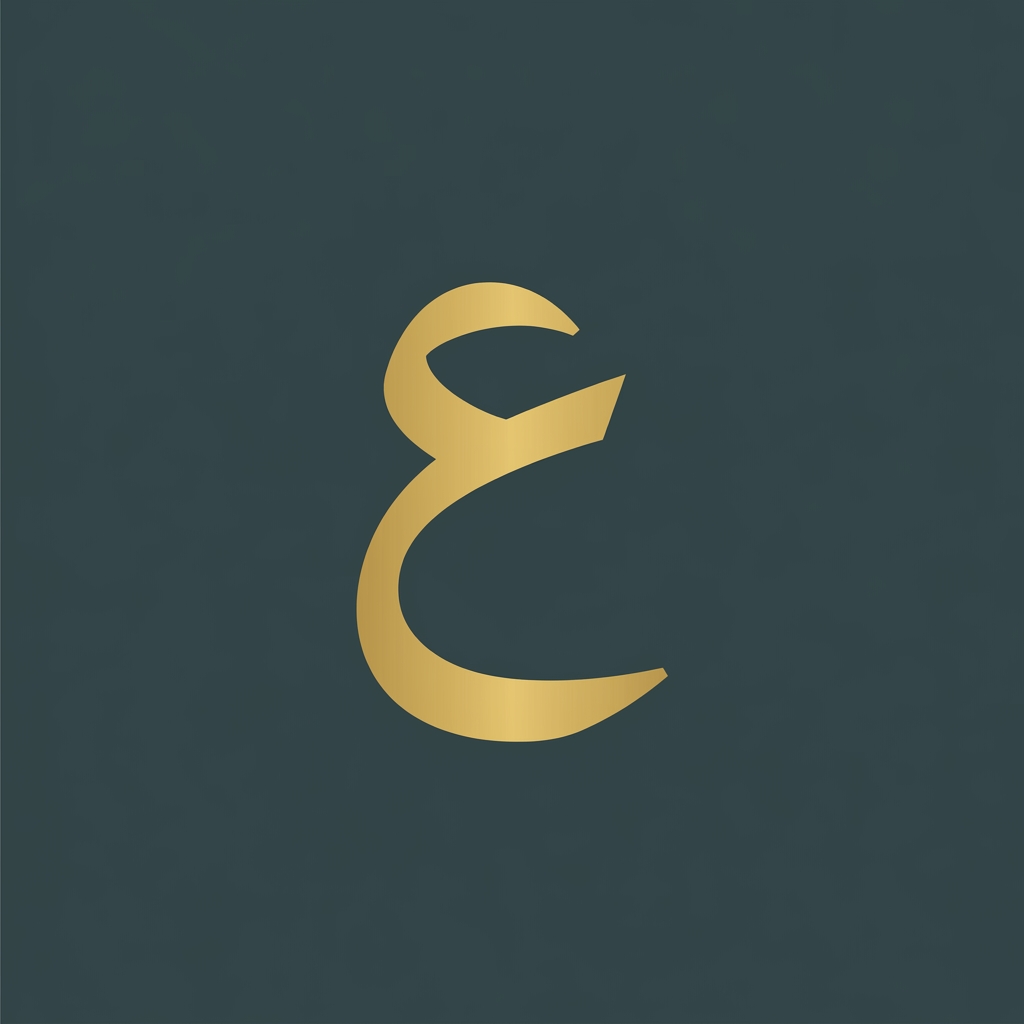
The Meitei script (Meitei: ꯃꯩꯇꯩ ꯃꯌꯦꯛ, romanized: Meitei mayek), also known as the Kanglei script (Meitei: ꯀꯪꯂꯩ ꯃꯌꯦꯛ, romanized: Kanglei mayek)[5] or the Kok Sam Lai script (Meitei: ꯀꯣꯛ ꯁꯝ ꯂꯥꯏ ꯃꯌꯦꯛ, romanized: Kok Sam Lai mayek), after its first three letters,[6][7] is an abugida in the Brahmic family used to write Meitei language, the official language of Manipur, Assam and one of the 22 official languages of India. It is first known from engravings on 6th century CE coins and copper plate inscriptions,[8] as verified by the various publications of the National Sahitya Akademi.[1] It was used till the 18th century, until it was replaced by the Bengali script. In the 21st century, it was revived and reused.[9] Beginning in 2021, the Government of Manipur began to officially use it, alongside the Bengali script, per the Manipur Official Language (Amendment) Act, 2021.[10]
Since Meitei language does not have voiced consonants, there are only fifteen consonant letters used for native words, plus three letters for pure vowels. Nine additional consonants letters are available for writing loan words. There are seven vowel diacritics and a final consonant (/ŋ/) diacritic. The names of the twenty-seven letters are based on parts of the human body.[11]
History

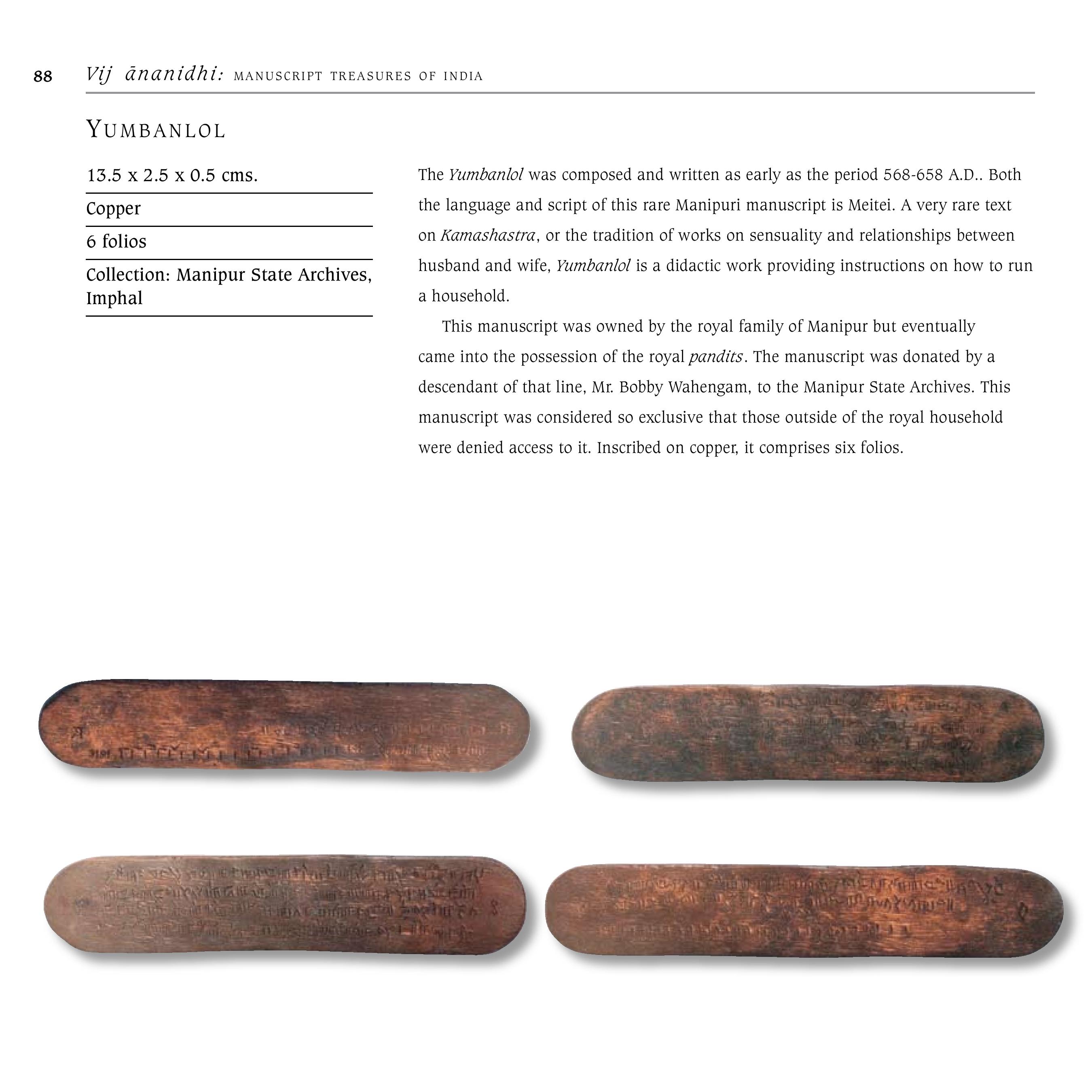
Regarding epigraphic records, Meitei script appears in the Yumbanlol (Yumpanlol), composed in the 6th century C.E. It was a group of copper plate inscriptions about an ancient Meitei language literary work.[12][13]
The Old Manipuri script also appears on coins issued during the reigns of Meitei Kings, Ura Konthouba (c. 568-653 CE) and Ayangba (c. 821-910 CE). These coins are presently preserved in the Mutua Museum in Imphal.[1]
The origin of the official script of Manipur is derived from religious book Wakoklon Puya.[14]
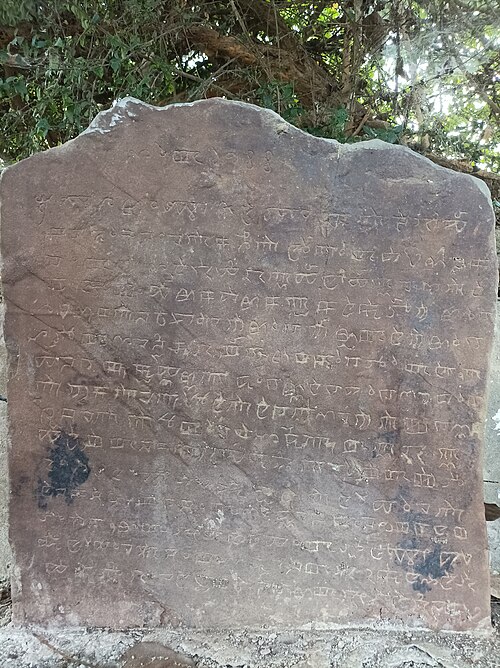
The earliest stone inscription, found in the village of Khoibu, Manipur, is also believed to date to time of Ura Konthouba. This inscription is presently kept in the Manipur State Museum, Imphal.[1]
Another early copper plate Meitei inscription dates to the 8th century CE, inscribed during the reign of King Khongtekcha (c.721 AD). It was discovered by scholar Yumjao from Phayeng in 1935. It is one of the earliest known examples of Meitei literature.[15][16][17]
A stone inscription found at Khoibu in Tengnoupal district, of current Manipur state, contains royal edicts of king Senbi Kiyamba (d. 1508), representing one of the earliest portion of the Chietharol Kumbaba or Royal Chronicle of Manipur. It is one of the primary texts in the Meitei script.[18]

Recent developments
In 1980, a modernized version of the writing system was approved by Manipuri law for use in educational institutions.[19][20] The modernised version of the Meitei script was encoded in Unicode in 2009.
in 2022, a joint meeting consensus of the Meetei Erol Eyek Loinasillol Apunba Lup, the All Manipur Working Journalists' Union and the Editors' Guild, Manipur agreed that Meitei language newspapers would switch from the Bengali script to the Meitei script from 15 January 2023.[21][22][23][24][25]
Letters
من السمات الفريدة لهذا الخط استخدام أسماء أجزاء الجسم في تسمية الحروف. [ 26 ] يُسمى كل حرف في لغة الميتي باسم جزء من أجزاء جسم الإنسان . على سبيل المثال، الحرف الأول " kok " يعني "الرأس"؛ والحرف الثاني " sam " يعني "الشعر"؛ والحرف الثالث " lai " يعني "الجبهة"، وهكذا. [ 27 ] يظهر هذا الربط في كتاب "Wakoklon Heelel Thilel Salai Amailon Pukok Puya" ، الذي يشرح بالتفصيل كيف نشأ كل خط وحصل على تسميته، والذي يُعتبر على نطاق واسع مصدر خط الميتي. [ 28 ] بعض الحروف لها شكل ثانٍ (lonsom) يُستخدم في نهاية الكلمة للدلالة على الحروف الساكنة الانفجارية.

في ديانة الساناماهيزم التقليدية لدى شعب الميتي، يُعتقد أن حروف وأرقام الميتي هي من خلق الإله الأعلى. [ 29 ] [ 30 ]
الحروف الأساسية

| حرف (بما في ذلك الأبجدية الصوتية الدولية) [ 31 ] | اسم | المعنى (المعاني) [ أ ] | لونسوم |
|---|---|---|---|
ꯀ IPA: /k/ | ꯀꯣꯛ , kok | الرأس أو الدماغ | ꯛ |
ꯈ IPA: /kʰ/ | ꯈꯧ , khou | الحلق، الحنك، الرقبة | |
ꯉ IPA: /ŋ/ | ꯉꯧ , ngou | البلعوم، الحنجرة | ꯡ |
ꯆ IPA: /t͡ʃ/ | ꯆꯤꯜ , chil | شفه | |
ꯇ IPA: /t/ | ꯇꯤꯜ , til | اللعاب | ꯠ |
ꯊ IPA: /tʰ/ | ꯊꯧ ، أنتَ | الصدر، القفص الصدري، الأضلاع | |
ꯅ IPA: /n/ | ꯅꯥ , nā | أذن | ꯟ |
ꯄ IPA: /p/ | ꯄꯥ , pā | رمش | ꯞ |
ꯐ IPA: /pʰ/ | ꯐꯝ , pham | الشرج، أو الأرداف، أو الرحم | |
ꯃ IPA: /m/ | ꯃꯤꯠ , mit | عين | ꯝ |
ꯌ IPA: /j/ | ꯌꯥꯡ , yang | العمود الفقري | |
ꯂ IPA: /ل/ | ꯂꯥꯏ , lai | إله | ꯜ |
ꯋ IPA: /w/ | ꯋꯥꯏ , wai | السرة، القلب | |
ꯁ IPA: /s/ | سام | شعر | |
ꯍ IPA: /h/ | ꯍꯨꯛ , huk | مشترك | |
ꯑ IPA: /ɐ/ | ꯑꯇꯤꯡꯉꯥ ، atinga ꯑꯇꯤꯌꯥ ، عطية | الخلود، الجنة، الألوهية، الميلاد | |
ꯏ IPA: /iː/ | ꯏ, e | blood | ꯢ |
ꯎ IPA: /u(ː)/ | ꯎꯟ, un | skin |
Independent vowels
In Meitei Mayek, vowels are not listed separately before the consonants, unlike in most Brahmic scripts. Instead, they appear within the main sequence of the script.
Independent vowels are used only when a word starts with a vowel, just like in most Indic scripts. Otherwise, vowels appear as diacritics attached to consonants.
Meitei Mayek has seven independent vowel letters, including ⟨ꯑ⟩, which is used as a default vowel carrier:
ꯑ IPA: /ə/ | ꯏ IPA: /i/ | ꯎ IPA: /u/ | ꯑꯣ IPA: /o/ | ꯑꯦ IPA: /e/ | ꯑꯧ IPA: /ou/ | ꯑꯩ IPA: /ai/ |
Examples:
- ꯑꯣꯏꯅꯥ (oina) – ‘like ( comparatively ) / left'
- ꯑꯣꯖꯥ (oja) - 'teacher'
Since Meitei Mayek preserves independent vowels, it functions similarly to Brahmic scripts in terms of structure, even though the vowel ordering differs from most Indic alphabets.
Vowel diacritics
Syllables are written by adding vowel diacritics (cheitap eeyek) to consonants.
| diacritic | aa-tap ꯥ IPA: /a/ | ee-nap ꯤ IPA: /i/ | 'uu-nap ꯨ IPA: /u/ | yet-nap ꯦ IPA: /e/ | ot-nap ꯣ IPA: /o/ | chei-nap ꯩ IPA: /ɐj/ | sou-nap ꯧ IPA: /ɐw/ | nung ꯪ IPA: /əŋ/ |
|---|---|---|---|---|---|---|---|---|
| ꯀ plus diacritic | ꯀꯥ | ꯀꯤ | ꯀꯨ | ꯀꯦ | ꯀꯣ | ꯀꯩ | ꯀꯧ | ꯀꯪ |
Numerals
0 ꯰ phun | 1 ꯱ ama | 2 ꯲ ani | 3 ꯳ ahum | 4 ꯴ mari | 5 ꯵ mangā | 6 ꯶ taruk | 7 ꯷ taret | 8 ꯸ nipāl | 9 ꯹ mapāl |
Unicode
Meetei Mayek (Meitei script) was added to the Unicode Standard in October, 2009 with the release of version 5.2.
The Unicode block for the Meitei script is U+ABC0 – U+ABFF.
Characters for historical orthographies are part of the Meetei Mayek Extensions block at U+AAE0 – U+AAFF.
| Meetei Mayek[1][2]Official Unicode Consortium code chart (PDF) | ||||||||||||||||
| 0 | 1 | 2 | 3 | 4 | 5 | 6 | 7 | 8 | 9 | A | B | C | D | E | F | |
| U+ABCx | ꯀ | ꯁ | ꯂ | ꯃ | ꯄ | ꯅ | ꯆ | ꯇ | ꯈ | ꯉ | ꯊ | ꯋ | ꯌ | ꯍ | ꯎ | ꯏ |
| U+ABDx | ꯐ | ꯑ | ꯒ | ꯓ | ꯔ | ꯕ | ꯖ | ꯗ | ꯘ | ꯙ | ꯚ | ꯛ | ꯜ | ꯝ | ꯞ | ꯟ |
| U+ABEx | ꯠ | ꯡ | ꯢ | ꯣ | ꯤ | ꯥ | ꯦ | ꯧ | ꯨ | ꯩ | ꯪ | ꯫ | ꯬ | ꯭ | ||
| U+ABFx | ꯰ | ꯱ | ꯲ | ꯳ | ꯴ | ꯵ | ꯶ | ꯷ | ꯸ | ꯹ | ||||||
| Notes | ||||||||||||||||
| Meetei Mayek Extensions[1][2]Official Unicode Consortium code chart (PDF) | ||||||||||||||||
| 0 | 1 | 2 | 3 | 4 | 5 | 6 | 7 | 8 | 9 | A | B | C | D | E | F | |
| U+AAEx | ꫠ | ꫡ | ꫢ | ꫣ | ꫤ | ꫥ | ꫦ | ꫧ | ꫨ | ꫩ | ꫪ | ꫫ | ꫬ | ꫭ | ꫮ | ꫯ |
| U+AAFx | ꫰ | ꫱ | ꫲ | ꫳ | ꫴ | ꫵ | ꫶ | |||||||||
| Notes | ||||||||||||||||
Software

Meitei Mayek keyboards and other input methods are available at or supported by:
In popular culture
- The Living God: Medicine and The Ancient Meetei Civilization, 2015 documentary film
See also
- Meitei inscriptions
- List of Meitei-language newspapers
- Meetei Mayek (Unicode block)
- Meetei Mayek Extensions (Unicode block)
- Wikipedia:Meitei script display help
- Bengali–Assamese script
- Bengali alphabet
- Mayek (disambiguation)
Notes
References
- 1234Datta, Amaresh (1987). Encyclopaedia of Indian Literature. Sahitya Akademi. p. 142. ISBN 978-81-260-1803-1.
- ↑Chelliah, Shobhana Lakshmi (2011). A Grammar of Meithei. De Gruyter. p. 355. ISBN 9783110801118.
Meithei Mayek is part of the Tibetan group of scripts, which originated from the Gupta Brahmi script
- ↑Singh, Harimohon Thounaojam (January 2011), The Evolution and Recent Development of the Meetei Mayek Script, Cambridge University Press India, p. 28
- ↑Hyslop, Gwendolyn; Morey, Stephen; Post, Mark W (January 2011). North East Indian Linguistics Volume 3. Cambridge University Press India. ISBN 9788175967939.
- ↑Noni, Arambam; Sanatomba, Kangujam (16 October 2015). Colonialism and Resistance: Society and State in Manipur. Routledge. pp. 223, 235, 237. ISBN 978-1-317-27066-9.
- ↑মণিপুরদা লোলয়ান চঙলকপা অমদি মীতৈ ইয়েক্না থোঙজিন্দা ৱারৌজনা লেপ্লরবদা !(PDF). hueiyenlanpao.com (in Manipuri).
- ↑"Lost and revived: The story of Meitei script". The Indian Express. 11 December 2022. Retrieved 29 January 2023.
- ↑Fresh Fictions: Folk Tales, Plays, Novellas from the North East. Katha. 2005. p. 4. ISBN 978-81-87649-44-1.
- ↑Laithangbam, Iboyaima (23 September 2017). "Banished Manipuri script stages a comeback". The Hindu. ISSN 0971-751X. Retrieved 25 August 2021.
- ↑"GAZETTE TITLE: The Manipur Official Language (Amendment) Act, 2021". manipurgovtpress.nic.in.
- ↑ راي، سوهيني (2009). "كتابة الجسد: علم الكونيات، والإملاء، وشظايا الحداثة في شمال شرق الهند". المجلة الأنثروبولوجية الفصلية . 82 (1): 150. doi : 10.1353/anq.0.0047 . ISSN 0003-5491 . JSTOR 25488260 .
- ↑ "البعثة الوطنية للمخطوطات : 88 فيجنانانيدهي: ما ن" . البعثة الوطنية للمخطوطات . كنوز المخطوطات في الهند، وزارة الثقافة ، حكومة الهند . الصفحات 88، 89. تم الاطلاع عليه بتاريخ 29 أبريل 2024 .
{{cite web}}صيانة CS1: أخرى ( رابط ) - ↑ "Vijnananidhi" . namami.gov.in . وزارة الثقافة، حكومة الهند . الصفحات 88، 89.
{{cite web}}صيانة CS1: أخرى ( رابط ) - ↑ راي، سوهيني (2009). "كتابة الجسد: علم الكونيات، والإملاء، وشظايا الحداثة في شمال شرق الهند" . المجلة الأنثروبولوجية الفصلية . 82 (1): 129-154 . doi : 10.1353/anq.0.0047 . ISSN 0003-5491 . JSTOR 25488260.
تُوجد فلسفة الحروف في مخطوطة دينية تُسمى "واكوكلون هيليل ثيليل سالاي أميلون بوكوك بويا"
. - ↑ ديفي، يومليمبام جوبي (16 يونيو 2019). لمحات من ثقافة مانيبور . LP. ص 25. ISBN 978-0-359-72919-7.
- ^ بانيكر، ك. أيابا (1997). الأدب الهندي في العصور الوسطى: المسوحات والاختيارات (الأسامية-دوغري) . ساهيتيا أكاديمي . ص. 325. ردمك 978-81-260-0365-5.
- ↑ سين، سيبرا (1992). قبائل وطوائف مانيبور: وصف وقائمة مراجع مختارة . منشورات ميتال. ص 28. ISBN 978-81-7099-310-0.
- ↑ إيفرسون، مايكل (20 سبتمبر 2006). "مقترح أولي لترميز نص ميثي مايك في BMP الخاص بنظام UCS" (ملف PDF) . يونيكود .
- ↑ "الجريدة الرسمية المعتمدة لحكومة ميتي مايك 1980" . e-pao.net . تم الاطلاع عليه بتاريخ 31 يوليو 2019 .
- ↑ ديفي، س. (مايو 2013). "هل لغة المانيبوري لغة مهددة بالانقراض؟" (ملف PDF) . اللغة في الهند . 13 (5): 520-533 .
- ^ "ميتي مايك في الصحف" . www.thesangaiexpress.com . تم الاسترجاع في 3 أغسطس 2022 .
- ↑ "ميتي مايك في الصحف: 29 يناير 2022 ~ عناوين إي-باو!" . e-pao.net . تم الاطلاع عليه في 3 أغسطس 2022 .
- ↑ «سيتم استبدال الخط البنغالي بخط ميتي مايك في صحف مانيبور ابتداءً من عام 2023» . براتيدين تايمز . 30 يناير 2022. تم الاطلاع عليه في 3 أغسطس 2022 .
- ↑ «جميع الصحف اليومية المكتوبة بالخط البنغالي في مانيبور ستطبع بخط ميتي إيك (الخط المانيبوري) ابتداءً من 15 يناير 2023» . HYNews . تم الاطلاع عليه بتاريخ 3 أغسطس 2022 .
- ↑ «الصحف الحكومية ستتوقف عن إصدار الصحف المكتوبة بالخط البنغالي المانيبوري اعتبارًا من يناير 2023: 29 يناير 2022 ~ عناوين إي-باو!» e-pao.net . تم الاطلاع عليه في 3 أغسطس 2022 .
- ↑ "دراسة مقارنة لـ Meetei Mayek" (ملف PDF) . typoday . تم الاطلاع عليه بتاريخ 13 مايو 2019 .
- ↑ " أطلس الأبجديات المهددة بالانقراض: أنظمة الكتابة الأصلية والأقليات، والأشخاص الذين يسعون لإنقاذها" . 29 نوفمبر 2018. تاريخ الاطلاع: 6 مارس 2023.
تتميز كتابة ميتي مايك بأسلوب تعليمي فريد: استخدام أجزاء الجسم في تسمية الحروف. فكل حرف في لغة المانيبوري مُسمى على اسم جزء من أجزاء جسم الإنسان. على سبيل المثال، الحرف الأول "kok" يعني "الرأس"، والحرف الثاني "sam" يعني "الشعر"، والحرف الثالث "lai" يعني "الجبهة".
- ↑ راي، سوهيني (2009). "كتابة الجسد: علم الكونيات، والإملاء، وشظايا الحداثة في شمال شرق الهند". المجلة الأنثروبولوجية الفصلية . 82 (1): 129-154 . doi : 10.1353/anq.0.0047 . ISSN 0003-5491 . JSTOR 25488260. S2CID 140755509 .
- ↑ "اكتشاف كانغليبك 11" . e-pao.net . تم الاطلاع عليه بتاريخ 8 مارس 2023 .
- ↑ "اكتشاف كانغليباك 12" . e-pao.net . تم الاطلاع عليه بتاريخ 8 مارس 2023 .
- ^ "مانيبوري (ميتيلون / ميثي)" . متعدد اللغات . تم الاسترجاع في 28 مارس 2021 .
- ↑Arambarn Parratt, Saroj Nalini, ed. (2009), "Meetei Mayek or Meetei script chart", The Court Chronicle of the Kings of Manipur, Foundation Books, pp. 145–148, doi:10.1017/UPO9788175968547.006, ISBN 978-81-7596-854-7, retrieved 6 March 2023
- ↑Watham, S.; Vimal, V. (2013). "Transliteration from Hindi Script to Meetei Mayek: ( A Rule Based Approach )". S2CID 16339978.
{{cite web}}: Missing or empty|url=(help) - ↑"Meetei Mayek: The Script". tabish.freeshell.org. Retrieved 6 March 2023.
- ↑"Meitei Mayek Alphabets". www.researchgate.net.
- ↑"Manipuri / Meitei Script Alphabet". www.omniglot.com. Retrieved 14 February 2024.
Bibliography
- Chelliah, Shobhana L. (1997). A grammar of Meithei. Berlin: Mouton de Gruyter. ISBN 0-19-564331-3.
- Chelliah, Shobhana L. (2002). Early Meithei manuscripts. In C. I. Beckwith (Ed.), Medieval Tibeto-Burman languages: PIATS 2000: Tibetan studies: Proceedings of the ninth seminar of the International Association of Tibetan Studies, Leiden 2000 (pp. 59–71). Leiden, Netherlands: Brill.
- Chelliah, Shobhana L. (2002). A glossary of 39 basic words in archaic and modern Meithei. In C. I. Beckwith (Ed.), Medieval Tibeto-Burman languages: PIATS 2000: Tibetan studies: Proceedings of the ninth seminar of the International Association of Tibetan Studies, Leiden 2000 (pp. 189–190). Leiden, Netherlands: Brill.
External links
- Meitei language
- Meitei script
- Brahmic scripts