
مناظرة ميتيليني
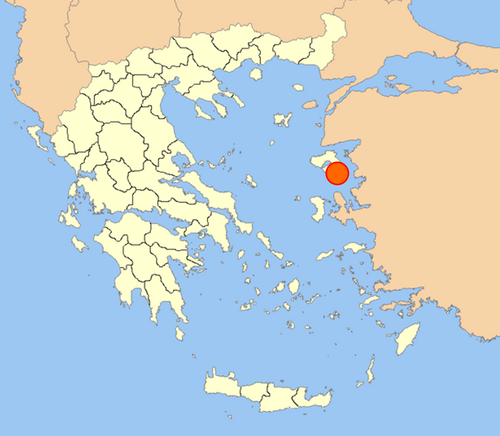
كانت مناظرة ميتيليني، أو مناظرة ميتيليني، اجتماعًا أثينيًا عُقد عام 427 قبل الميلاد، لمناقشة الانتقام من مدينة ميتيليني ، التي حاولت دون جدوى التمرد على الهيمنة الأثينية والسيطرة على جزيرة ليسبوس خلال الحرب البيلوبونيسية . [ 1 ] في أعقاب الثورة مباشرة، قرر الأثينيون إعدام جميع رجال ميتيليني واستعباد النساء والأطفال، لكنهم اجتمعوا في اليوم التالي لإعادة النظر في قرارهم. يروي ثوسيديدس أحداث الثورة والمناظرة التي تلتها في الكتاب الثالث من كتابه " تاريخ الحرب البيلوبونيسية" ، وتتجلى وجهات النظر المتعارضة بشأن العدالة الانتقامية المبررة في خطابين ألقاهما شخصيات أثينية بارزة. تُتيح هذه الأحداث والخطابات فرصة لاستكشاف الأثر السياسي والأيديولوجي للحرب، وتُقدم تأملات حول الديمقراطية والسياسة الإمبراطورية .
أسباب الثورة
انضمت ميتيليني إلى تحالف مع أثينا كعضو في العصبة الديلية ، التي بدأت كتحالف طوعي بين المدن اليونانية ضد بلاد فارس ، خلال الحروب اليونانية الفارسية . وقد خضعت معظم الدول الأعضاء في العصبة الديلية فعليًا للهيمنة الأثينية ، حيث كانت تدفع رسومًا نقدية تُستخدم لدعم الأسطول الحربي الأثيني. [ 2 ] وكانت ميتيليني من آخر الدول غير الخاضعة للجزية في العصبة الديلية التي أرسلت سفنها الحربية الخاصة، المجهزة برجال ميتيلينيين، للقتال إلى جانب الأسطول الأثيني. كما تميزت ميتيليني عن حلفاء أثينا الآخرين بأنها كانت تُحكم بنظام حكم الأقلية ، وليس بنظام ديمقراطي. [ 3 ]
سعت ميتيليني إلى إنهاء تحالفها مع أثينا قبل اندلاع الحرب البيلوبونيسية ، وناشدت إسبرطة طلبًا للدعم، لكن طلبها قوبل بالرفض. [ 4 ] استغل الميتيلينيون العداء بين إسبرطة وأثينا مع اندلاع الحرب البيلوبونيسية، وطلبوا المساعدة من الإسبرطيين مرة أخرى في مقاومة الحكم الأثيني. أرسل الميتيلينيون مبعوثًا إلى أولمبيا عام 428 قبل الميلاد، وقد دوّن ثوسيديدس خطابه أمام الإسبرطيين، موضحًا فيه أسباب ثورة ميتيليني ضد الأثينيين. [ 5 ]

According to the envoy, the Mytileneans feared tributary democracy and did not want to be reduced to the status of other Athenian allies. The Mytileneans believed that Athens had taken advantage of the Delian League and used it as a mechanism for "enslaving" and exploiting other Greeks; that it was only a matter of time before they set their sights on Mytilene's prosperous and autonomous island of Lesbos and forced it into their system of oppression; and that the Mytileneans could not wait for this and should preemptively break away before Athens forced its will upon them.
This speech does not, however, reflect the motivations which drove the oligarchs to rebellion. According to the informants who supplied the Athenians with intelligence concerning preparations for the revolt, the Mytilenean oligarchs sought to forcibly unify the five city-states of Lesbos under their sovereign leadership.[4] Athenian policy aimed to break up larger units within the confederacy and did not support consolidation of Mytilenean power.[4]
The Mytilenean revolt
The Mytileneans, with the support of the oligarchic Lesbian city-states of Antissa, Eresus, and Pyrrha, began preparing for the revolt during the Summer of 428. They began building moles for their harbors, erecting fortifications, and building additional warships. They had also sent for archers and grain from the Pontus.[4] Athens was informed of these preparations by inhabitants of the nearby island of Tenedos; by members of democratic Methymna, the only city-state on the island of Lesbos which did not revolt against Athens nor support a unified Lesbos under Mytilene; and by those dissident Mytileneans who were proxenoi of Athens.[4] Proxenoi were a small faction of political opponents, whose temperaments were compatible with Athenian democracy. Athens selected these officials to strengthen her position internally and prepare for the eventual removal of the oligarchies.[6]
ردّ الأثينيون على النبأ بإرسال سفارة لإقناع الميتيلينيين بالتخلي عن استعداداتهم، وعندما فشلت هذه المحاولة، أرسلوا أسطولًا من السفن إلى جزيرة ليسبوس. خطط الأثينيون لمفاجأة الميتيلينيين خلال احتفالهم بمهرجان قادم تكريمًا لأبولو المالي . إلا أن الميتيلينيين أُبلغوا بالحملة الأثينية، فلم يشاركوا في الاحتفالات، بل تحصّنوا وحرسوا الجزيرة. [ 7 ] عند وصولهم، وجّهت أثينا إنذارًا نهائيًا للميتيلينيين، تأمرهم فيه بالاستسلام وهدم تحصيناتهم، لكنهم رفضوا، فاندلعت الثورة. [ 8 ] مع ذلك، وبفضل المعلومات الاستخباراتية التي قدّمها المخبرون لأثينا، أُجبر الميتيلينيون على الثورة قبل أن يكونوا مستعدين عسكريًا. ونتيجة لذلك، تراجع الميتيلينيون بسرعة، واضطروا إلى اللجوء إلى أساليب التفاوض لكسب الوقت. بعد أن توصل الميتيلينيون والأثينيون إلى هدنة ، أرسل الميتيلينيون مندوبين إلى أثينا للتفاوض. ونظرًا لقلة أملهم في أن يستدعي الأثينيون أسطولهم، أرسل الميتيلينيون سرًا مبعوثين إلى إسبرطة. طالب مندوبو الميتيلينيين بسحب الأسطول الأثيني، وهو ما رفضه الأثينيون على الفور، واستمر القتال. [ 8 ] حملت جميع جزر ليسبوس، باستثناء ميثيمنا، السلاح ضد أثينا، لكن ليسبوس خسرت مواقعها بوصول المزيد من القوات الأثينية. حوصرت ميتيليني بالتحصينات الأثينية وعُزلت برًا وبحرًا. [ 9 ] في أولمبيا، طلب الميتيلينيون من الإسبرطيين مساعدة مباشرة في ميتيليني، وكذلك غزو أتيكا ، مشيرين إلى أن أثينا، التي دمرها وباء مؤخرًا، ستواجه صعوبات مالية في القتال على جبهتين. وافق الحلف البيلوبونيزي على مساعدة ميتيليني.
خلال فصل الشتاء، أرسلت إسبرطة سالاثيوس لإيصال رسالة إلى الميتيلينيين. وصل سالاثيوس إلى ميتيليني دون أن يلاحظه الأثينيون. طمأن الميتيلينيين بأن البيلوبونيزيين يخططون لغزو أتيكا، وذلك لتشتيت انتباه الأثينيين عن مهاجمة أسطول من أربعين سفينة أرسلتها إسبرطة. ووعدهم بأن السفن ستصل قريبًا محملة بالإمدادات. شجع وصول هذه الأخبار الميتيلينيين على رفض أي فكرة للتفاوض مع الأثينيين. [ 10 ] وكما وعد، غُزيت أتيكا، لكن البيلوبونيزيين اضطروا للتراجع بسبب نقص المؤن، [ 11 ] وتأخر الأسطول المُرسل إلى ميتيليني في رحلته. [ 12 ]
Salaethus gave up hope that the fleet would arrive and armed the Mytilenean people in a final effort to launch a defensive attack against the Athenians. The people soon refused to follow orders, however, and demanded that the oligarchs bring all the reserves of food to the public or else they would surrender.[12] The oligarchs could not meet these demands and agreed to join the people in surrendering Mytilene to Paches and his troops. The Mytileneans arranged for terms of capitulation; the Athenians were admitted into Mytilene as long as the Mytileneans were allowed to send an embassy to Athens to plead for compassion, and Paches agreed that no punitive actions would be taken until the Athenians agreed upon a conclusion.[13] After finding Salaethus in hiding, Paches sent him, along with those most prominent in drafting the terms of negotiation and leading the revolt, to Athens.[14]
Debate
Once the Mytileneans sent by Paches arrived in Athens, Salaethus was immediately executed, and the assembly gathered to deliberate what punitive actions should be taken. The Athenians were furious that the Mytileneans, who had enjoyed the privilege of non-tributary status, had not only revolted against their allies but sought the support from the Peloponnesian enemies. This latter action, in the eyes of the Athenians, also served as proof that the rebellion had been long premeditated. It was within the context of this reactionary anger that the Assembly that same day voted to sentence all of the male Mytilenean citizens to death, while the women and children would be sold into slavery. A trireme was dispatched to Mytilene so that Paches could receive and carry out the decree.[15]
The next day, the Athenians reflected upon the brutality of their actions and questioned the merit of a decree which executed the whole population for the crimes of the few. The Mytilenean ambassadors at Athens pushed for a second vote, and an assembly was called in order to reassess the course of action to be taken. The debate as presented by Thucydides is framed as a series of two speeches which represent the two opposing sides of the debate.
Cleon's speech
The first speech was given by Cleon. Cleon, who carried the reputation as "the most violent man at Athens," spoke to defend the previous decision against any doubts with had arisen.[15] Cleon began his speech by questioning the compatibility of democratic and imperial goals, asserting that "a democracy is incapable of empire," and that the reconsideration of the first decision regarding the fate of the Mytileneans is further evidence of this incapability. He argued that the "constant change of measures" was a threat to the stability of the empire, and that "bad laws which are never changed are better for a city than good ones that have no authority."[16] Cleon then critiqued of one of the fundamental elements of Athenian democracy: the contests of "elaborate sophistic arguments." He placed the blame upon all Athenians for instituting this process of argumentation, who he called "victims of newfangled arguments" and "slaves to the pleasure of the ear." He believed that these contests were a distraction which caused a delay that only benefited the guilty.[17]
Cleon then sought to prevent this distraction by asserting the guilt of the Mytileneans.[18] According to Cleon, because Mytilene was not oppressed by Athens but rather an independent city-state with its own fleet and fortifications, their uprising was not a revolt but a "deliberate and wanton aggression; an attempt to ruin [Athens] by siding with our bitterest enemies; a worse offense than war undertaken on their own account in the acquisition of power."[19] He argued that it was this distinguished status of Mytilene over the other allies of Athens which made them arrogant and predisposed to rebellion.[19] He urged the Athenians to impose the same punishment on all Mytileneans, not just the aristocracy, because the people were complacent in the plans of the aristocracy[19] and because failing to do so would encourage revolt among other allies of the Athenians.[19] His speech concludes by urging the Athenians to channel their initial anger towards the Mytileneans in order to pay them back for their malicious actions and intentions.[20]
Diodotus's speech
بعد خطاب كليون، دافع ديودوتوس عن معارضته المستمرة لعقوبة الإعدام. واتخذ خطابه بنية مشابهة لخطاب كليون، إذ بدأ ديودوتوس بالقول إن "أكثر ما يُعارض المشورة الرشيدة هما التسرع والانفعال"، ودافع عن عملية مناقشة المسائل المهمة. [ 21 ] لكن بدلاً من دحض تأكيد كليون على ذنب الميتيلينيين، جادل ديودوتوس بأن الأهم ليس ذنبهم، بل مصلحة أثينا. [ 22 ] وحتى لو كان الميتيلينيون مذنبين، فبحسب ديودوتوس، ما كان ينبغي إعدامهم إلا إذا كانت العقوبة تصب في مصلحة مستقبل أثينا. [ 22 ] وحثّ الأثينيين على تذكر أنهم "ليسوا في محكمة عدل"، وبالتالي فإن حجة كليون، وإن بدت أكثر عدلاً، لم تكن مناسبة لهذا السياق. [ 22 ]
ثم جادل ديودوتوس بأنه لا يوجد قانون أو عقوبة تمنع الدول أو الأفراد من التمرد. واقترح خيارين: إما أن يستخدم الأثينيون "وسيلة ترهيب أشد فظاعة" من عقوبة الإعدام، أو أن يعترفوا بعدم جدواها. [ 23 ] وبحجة استحالة منع التمرد، حتى مع عقوبة الإعدام، رفض ديودوتوس دعوة كليون إلى ترسيخ سابقة بمعاقبة الميتيلينيين. ثم شرع ديودوتوس في دراسة كيف يكون العفو عن أهل ميتيليني أنسب لمستقبل أثينا. وجادل بأنه بفرض العقوبة نفسها على جميع الميتيلينيين، سيتضح للمتمردين أنه لا جدوى من التوبة أو الاستسلام. وكان هذا الأمر مقلقًا لمستقبل أثينا، وفقًا لديودوتوس، لأن الدول الخاضعة كانت مصدرًا مهمًا للدخل. فإذا علموا أنه لن يُظهر لهم أي رحمة، مهما كان وقت استسلامهم، فسوف يقاتلون حتى تُدمر المدينة. وحينها ستُترك أثينا بلا جزية ولا قوة لمواجهة أعدائها المشتركين في الرابطة البيلوبونيسية . لذا، لم يكن هذا النهج المعتدل قائماً على العدالة، بل على مصلحة الحفاظ على عائدات الحلفاء التابعين. [ 24 ] واختتم ديودوتوس خطابه بمناشدة الأثينيين النظر في أنجع السبل للحفاظ على الإمبراطورية الأثينية؛ ألا وهو محاكمة السجناء الذين أرسلهم باتشيس بهدوء، وترك بقية الميتيلينيين وشأنهم. [ 25 ]
نتائج المناظرة

With the conclusion of Diodotus' speech, the assembly recast their votes. The rational argument of expediency developed by Diodotus prevailed and the assembly was persuaded to not massacre the Mytileneans. As a result, the votes, which were originally unanimous, were narrowly passed in favor of Diodotus.[26]
Another trireme, double-manned to row overnight and provisioned by the Mytilenean ambassadors, was immediately sent to Lesbos in order to prevent the previous orders from being carried out. Favorable weather and diligence of the rowers ensured that the second trireme arrived just in time; Paches had only just read the decree brought by the first trireme but had not yet carried out the sentence. The massacre was prevented and the people of Mytilene were spared.[26] The architects of the rebellion, who had been sent to Athens by Paches, were put to death by the Athenians. The Athenians demolished the city walls of Mytilene, seized their ships, and divided their land into allotments which were distributed amongst Athenian shareholders.[27]
The debate as recorded by Thucydides provides important insight into Athenian democracy and imperial policy, and reflections upon their development and role in the Peloponnesian War. Cleon's speech reflects the critiques of Athenian democracy which would continue to develop and be employed against Athens by its enemies. These critiques also provide an opportunity for Diodotus to defend the centrality of rhetoric and sophist discourse within the Athenian Assembly and elevate the importance of orators as political figures. The argument developed by Diodotus further serves to distinguish the role of the Assembly as one that is political and not concerned with justice; this distinction would continue to develop within the context of Athenian democracy.
The discussions of expediency and the future of the Athenian Empire in the debate likewise reflect the more general pattern of Athenian imperial policy developed throughout the Peloponnesian War. The importance of Mytilene, and all of the other allies in the Delian League, as a source of revenue for Athens to exploit in order to maintain its fleet is clear in the argument given by Diodotus and reflective of the imperial strategy developed by Pericles that emphasized the importance of the tributary relationship.[28] This imperial policy would develop after the death of Pericles with Cleon, and the more aggressive and offensive approach that he would take is reflected in his argument for punishing all of the people of Mytilene.
يمكن مقارنة نتائج مناظرة ميتيليني بحوار ميليان اللاحق ، حيث قتلت أثينا جميع الرجال وباعت النساء والأطفال عبيدًا. ويُعد هذا الاختلاف في النتائج مثالًا على كيفية تطور معاملة حلفاء أثينا في الحلف الديلي مع تقدم الحرب البيلوبونيسية.
انظر أيضاً
مراجع
الاقتباسات
- ↑ "النقاش الميتيليني ونحن" . 12 مارس 2013.
- ↑ مارتن، توماس ر. (2013). اليونان القديمة: من عصور ما قبل التاريخ إلى العصر الهلنستي ( الطبعة الثانية). مطبعة جامعة ييل. الصفحات 137-139 . ISBN 9780300160055.
- ^ رونالد ب. ليجون، “ميجارا وميتيليني،” فينيكس 22، لا. 3 (خريف 1968): 201.
- 1 2 3 4 5 ثوسيديدس، 3.2.
- ↑ ثوسيديدس، 3.8-3.14.
- ↑ ليجون، 204.
- ↑ ثوسيديدس، 3.3.
- 1 2 ثوسيديدس، 3.4.
- ↑ ليجون، 205.
- ↑ ثوسيديدس، 3.25.
- ↑ ثوسيديدس، 3.26.
- 1 2 ثوسيديدس، 3.27.
- ↑ ثوسيديدس، 3.28.
- ↑ ثوسيديدس، 3.35.
- 1 2 ثوسيديدس، 3.36.
- ↑ ثوسيديدس، 3.37.
- ↑ ثوسيديدس، 3.38.
- ↑ ثوسيديدس، 3.39.
- 1 2 3 4 ثوسيديدس، 3.9.
- ↑ ثوسيديدس، 3.40.
- ↑ ثوسيديدس، 3.42.
- 1 2 3 ثوسيديدس، 3.44.
- ↑ ثوسيديدس، 3.45.
- ↑ ثوسيديدس، 3.48.
- ↑ ثوسيديدس، 3.47-3.48.
- 1 2 ثوسيديدس، 3.49.
- ↑ ثوسيديدس، 3.50.
- ↑ ويت، بي إكس دي. "سياسة بريكليان الإمبراطورية والجدل الميتيليني." أكتا كلاسيكا 6 (1963): 106-24.
مصادر
- ثوسيديدس، تاريخ الحرب البيلوبونيسية، ترجمة ريتشارد كرولي، 1874، 3.2.
- الحرب البيلوبونيسية
- 427 قبل الميلاد
- ليسبوس القديمة
- الديمقراطية الأثينية
- انتقاد الديمقراطية