
Tax collector
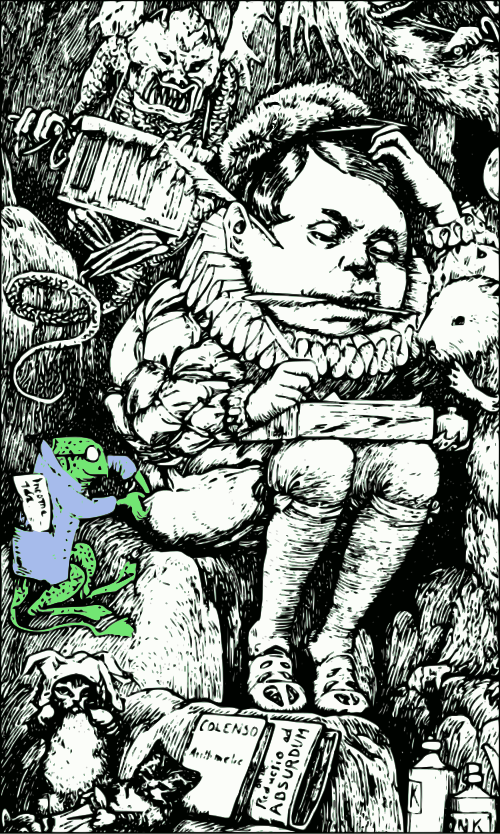
A tax collector (also called a taxman) is a person who collects unpaid taxes from other people or corporations on behalf of a government. The term could also be applied to those who audittax returns or work for a revenue agency. Tax collectors are often portrayed negatively, and in the modern world share a similar stereotype to that of lawyers.
History
Historically taxes were collected directly by the King or ruler of a State. As states and administrative regions grew larger this task was outsourced to aristocrats or dedicated tax collectors.
Ancient Rome
In the Roman Republic, taxes were collected from individuals based on the value of their total property. However, since it was extremely difficult to facilitate the collection of the tax, the government auctioned the collection of taxes every year. The winning tax farmers (called publicani) paid the tax revenue to the government in advance and then kept the taxes collected from individuals. The publicani paid the tax revenue in coins, but collected the taxes using other exchange media, thus relieving the government of the work to carry out the currency conversion themselves.[1]
Christian Bible
Tax collectors, also known as publicans, are mentioned many times in the Bible (mainly in the New Testament). They were reviled by the Jews of Jesus' day because of their perceived greed and collaboration with the Roman occupiers. Tax collectors amassed personal wealth by demanding tax payments in excess of what Rome levied and keeping the difference.[2] They worked for tax farmers. In the Gospel of Luke, Jesus sympathizes with the tax collector Zacchaeus, causing outrage from the crowds that Jesus would rather be the guest of a sinner than of a more respectable or "righteous" person. Matthew the Apostle in the New Testament was a tax collector.[3]
Historical tax collectors

- سيمون أفليك - كان موظف ضرائب سويديًا عمل في فنلندا التي كانت آنذاك تحت الحكم السويدي. يُقال إن أفليك كان جابي ضرائب قاسيًا لا يرحم، ولا يكترث بالفلاحين الفنلنديين الفقراء. ويُقال إنه أطلق النار على رأسه في قصره ليحرم الفلاحين الفنلنديين الذين داهموا قصره من متعة قتله.
- يعقوب غاون - جامع ضرائب يهودي من الباسك، ذهب عام 1463 إلى مقاطعة غيبوثكوا في إسبانيا، وطالب سكان مدينة تولوسا بضريبة تُعرف باسم "بيدو". رفض السكان، بحجة إعفاءهم من دفع هذه الضرائب بموجب قوانين ووصايا ملوك سابقين. هدد غاون السكان، فقام عدد منهم بقتله، وقطعوا رأسه، وعلقوه على عمود إعدام، عقابًا له.
- أنطوان لافوازييه - نبيل فرنسي وكيميائي، اشترى في سن السادسة والعشرين حصة في شركة "فيرم جنرال" المالية، وهي شركة متخصصة في تحصيل الضرائب، حيث كانت تقدم إيرادات الضرائب المقدرة للحكومة الملكية مقابل حق تحصيلها. أُدين لافوازييه لاحقاً، في سن الخمسين، بتهمة التهرب الضريبي، وأُعدم بالمقصلة .
- يوحنا الكبادوكي - قائدٌ عسكريٌّ رومانيٌّ للحرس الإمبراطوريّ الشرقيّ، خدم في عهد الإمبراطور جستنيان، وكان قد عمل سابقًا في عهد سلفه الإمبراطور جستين. ساهم في فرض ضرائب جديدة، لكنّ ذلك أدّى في النهاية إلى اندلاع ثورة نيكا في القسطنطينية. فقد حظوته لدى جستنيان، ويعود ذلك جزئيًا إلى منافساته مع مسؤولين آخرين في البلاط وأرستقراطيين، فجُرِّد من سلطته ونُفي.
تحصيل الضرائب الحديث
في العصر الحديث، يتم التحصيل بواسطة وكالة حكومية متخصصة في تحصيل الضرائب تُعرف باسم دائرة الإيرادات أو وكالة الإيرادات أو سلطة الضرائب.
أمثلة
مراجع
- ↑ ستيفنز، دبليو. ريتشارد (1982). "إعادة النظر في سقوط روما: توليفة من حجج القوى العاملة والضرائب" . مجلة علم الاجتماع في منتصف أمريكا . 7 (2): 49-65 . ISSN 0732-913X . JSTOR 23252728 .
- ↑ فريدريكسن، تيموثي أ. (ربيع 2005). "الهيكل، والفريسي، وجابي الضرائب، وملكوت الله: إعادة قراءة مثل يسوع (لوقا 18: 10-14أ)". مجلة الأدب الكتابي . 124 (1): 89-119 . doi : 10.2307/30040992 . JSTOR 30040992 .
- ^ القديس بطرس (كريسولوغوس، رئيس أساقفة رافينا) (1987). المواعظ 28-62 مكرر . مؤسسة بيرنات ميتج. ص 19-. رقم ISBN 978-84-7225-384-1تم الاطلاع عليه بتاريخ 7 أبريل 2013 .
للمزيد من القراءة
- يانسي، ريتشارد (17 مارس 2009). اعترافات جابي ضرائب: جولة رجل في الخدمة داخل مصلحة الضرائب الأمريكية . نيويورك، نيويورك: زوندرفان ، هاربر كولينز . ISBN 9780061740756
جابي الضرائب
.
- محصلو الضرائب
- الوظائف الحكومية
- وظائف الضرائب