
وادجينز
وادجنيس (بالمصرية القديمة وادجنيس ، وتعني "طري اللسان")، المعروف أيضًا باسم وادجلاس وأوغوتلاس وتلاس ، كان ملكًا مصريًا قديمًا يُحتمل أنه حكم خلال الأسرة الثانية . ولأن اسم "وادجنيس" غير موثق في العصر الحديث كاسم ملك، ولكنه يظهر بكثرة في قوائم ملوك الرعامسة ، فإن علماء المصريات ما زالوا يحاولون حتى اليوم ربط وادجنيس بملوك حورس المعاصرين له .
أسماء
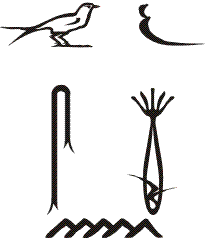
لم يُذكر اسم الملك "وادجنيس" إلا في قوائم ملوك الرعامسة، حيث يُقدّم دائمًا على أنه الوريث المباشر للملك نينتجر وسلف الملك سنيدج . وينطبق الأمر نفسه على السجل الملكي لتورين ، حيث تضررت خانة اسمه، فلم يُحفظ سوى سنوات حكمه. [ 1 ] [ 2 ]
على الرغم من تطابق جميع قوائم الملوك فيما يتعلق بالترتيب الزمني لوادجنيس، إلا أن علماء المصريات غير متأكدين من أصل اسم "وادجنيس". ويعتقد علماء المصريات والمؤرخون ، مثل وينفريد بارتا ، وبرنهارد غردسلوف، وإيورورث إيدون، وستيفن إدواردز، أن رمز نبات البردي ، وهو الرمز الأول في اسم وادجنيس، هو تحريف للرمز الهيروغليفي لزهرة تُدعى وينج (تُقرأ أيضًا أونيج )، والتي نادرًا ما تُستخدم في الكتابة المصرية. كما تم التعرف على الملك وينج (الذي يُكتب أيضًا "وينج-نبتي") في نفس الفترة من خلال نقوش بالحبر الأسود على شظايا من المرمر ، وكتابات محفورة على أوانٍ من حجر الشيست عُثر عليها في الأنفاق تحت الهرم المدرج للملك زوسر في سقارة . من المحتمل أن يكون كتّاب العصر الرعامسة قد استبدلوا زهرة وينج بساق البردي، حيث أن كلا الرمزين متشابهان للغاية في الكتابة الهيراطيقية . [ 3 ] [ 4 ] [ 5 ]
Besides the artefacts with the name "Weneg-Nebti", further objects made of alabaster show the personal name "Wadj-sen" in connection with the Sed festival. Egyptologists such as Wolfgang Helck think that Wadj-sen was a crown prince, since the titulary Wer-ma'a ("he who sees the greatest") was always reserved for the eldest son of a king and so it is also connected with Wadj-sen's name. However, Egyptologists such as Peter Kaplony and Jürgen von Beckerath believe that Weneg-Nebti and Wadjenes are identical and that Wadjenes's Horus name was Sekhemib-Perenmaat or Horus Sa.[6]
The ancient Egyptian historian Manetho called Wadjenes "Tlas". This name distortion may be based on the Coptic rewriting of the name "Wadjenes" as "Ougotlas", meaning ″fresh of tongue″.[7]
Reign
Very little is known about Wadjenes's reign. The Turin King List lists Wadjenes as ruling for 54 years, whilst Manetho assigns 17 years to him. Egyptologists evaluate both lists as misinterpretations by Ramesside scribes or as an exaggeration. If Wadjenes was an independent ruler (as Richard Weill and Peter Kaplony believe) he was evidently the last to rule over a unified realm, since his name is found in both Memphite and Thinite royal chronicles. It is largely accepted by Egyptologists that the immediate successor of king Nynetjer left a divided Egypt, which was headed by two kings who ruled at the same time. The theory is based on the unusual serekh name of a king called Peribsen, who succeeded Nynetjer and who placed the crest animal of Seth above his name. Since the deity Seth was of Ombite origin, king Peribsen was probably of Ombite origin, too, and he definitely ruled only in Upper Egypt. His name is missing from the Ramesside Memphite kinglists, because they were all written by Memphite priests and they did not accept any non-Memphite ruler as a rightful ancestor.[2][3][4][5]
References
- 12after: Alan H. Gardiner: The Royal Canon of Turin. Griffith Institute of Oxford, Oxford (UK) 1997, ISBN 0-900416-48-3; page 15 & Table I.
- 12Walter Bryan Emery: Ägypten. Geschichte und Kultur der Frühzeit. Fourier-Verlag, Wiesbaden 1964, ISBN 3-921695-39-2، الصفحة 275.
- 1 2 ب. جردسيلوف: الملك أونغ في: Annales du Service des Antiquités de l'Égypte ، العدد 44، 1944، الصفحة 279-306.
- 1 2 وينفريد بارتا في: Zeitschrift für Ägyptische Sprache und Altertumskunde ، رقم 108. أكاديمي-فيرلاغ، برلين 1981، ISSN 0044-216X ، الصفحة 11.
- 1 2 إيورورث إيدون ستيفن إدواردز: تاريخ كامبريدج القديم ، المجلد 1، الجزء 2: التاريخ المبكر للشرق الأوسط ، الطبعة الثالثة المعاد طباعتها. مطبعة جامعة كامبريدج، كامبريدج 2006، ISBN 0-521-07791-5، الصفحة 31.
- ^ وولفجانج هيلك: Unter suchungen zur Thinitenzeit. أوتو هاراسويتز، فيسبادن 1987، ISBN 3-447-02677-4، الصفحة 142
- ↑ إي آي إس إدواردز: تاريخ كامبريدج القديم ، المجلدات 1-3. مطبعة جامعة كامبريدج، 1970، رقم ISBN 0-521-07791-5، الصفحة 31.
- الفراعنة في القرن الثامن والعشرين قبل الميلاد
- فراعنة الأسرة الثانية في مصر