
Shock (economics)
In economics, a shock is an unexpected or unpredictable event that affects an economy, either positively or negatively. Technically, it is an unpredictable change in exogenous factors—that is, factors unexplained by an economic model—which may influence endogenous economic variables.
The response of economic variables, such as GDP and employment, at the time of the shock and at subsequent times, is measured by an impulse response function.[1]
Types of shocks
A technology shock is the kind resulting from a technological development that affects productivity.
If the shock is due to constrained supply, it is termed a supply shock and usually results in price increases for a particular product. Supply shocks can be produced when accidents or disasters occur. The 2008 Western Australian gas crisis resulting from a pipeline explosion at Varanus Island is one example.
A demand shock is a sudden change of the pattern of private expenditure, especially of consumption spending by consumers or of investment spending by businesses.
A preference shock is a change in preferences over consumption or leisure.
An inflationary shock happens when prices of commodities increase suddenly (e.g., after a decrease of government subsidies) while not all salaries are adjusted immediately throughout society (this results in a temporary loss of purchasing power for many consumers); or that production costs begin to exceed corporate revenues (e.g. following energy price hikes).
A monetary policy shock occurs when a central bank changes, without sufficient advance warning, its pattern of interest rate or money supply control. A fiscal policy shock is an unexpected change of government spending or taxation amounts.
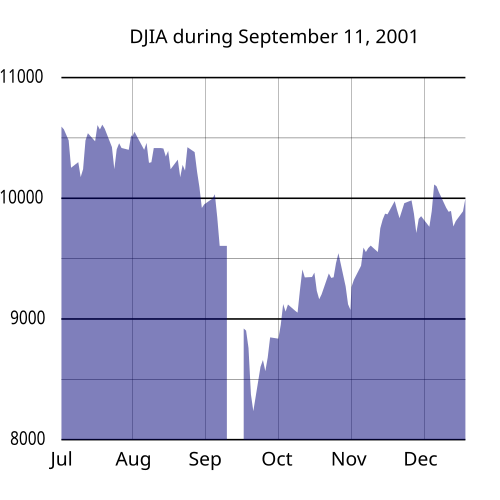
A news shock is a change in current expectations of future technological progress, which could be induced by new information about potential technological developments.
في سياق الاقتصاد الجزئي، تُدرس الصدمات أيضًا على مستوى الأسر، مثل صدمات الصحة والدخل والاستهلاك. قد تنجم الصدمات الاقتصادية السلبية على مستوى الأفراد والأسر عن فقدان الوظيفة، على سبيل المثال، بينما قد تنجم الصدمات الإيجابية عن الفوز باليانصيب . [ 2 ] فعلى سبيل المثال، في اقتصاديات التنمية الجزئية ، تُدرس العلاقة بين صدمات دخل الأسر ومستويات استهلاكها لفهم قدرة الأسرة على تأمين نفسها (اختبار فرضية التأمين الكامل).
التأثير السياسي
تؤثر الصدمات الاقتصادية على التوجهات السياسية. فتجربة الصدمات السلبية، كفقدان الوظيفة، تدفع الأفراد إلى تفضيل سياسات إعادة توزيع الثروة والسياسات الاجتماعية الأوسع نطاقًا. وتشير بعض الأدلة إلى أن الصدمات الاقتصادية السلبية قد تؤدي إلى فقدان الأفراد ثقتهم في الأنظمة السياسية، مع أن هذا التآكل في الثقة غالبًا ما يكون مؤقتًا، ويتعافى مع مرور الوقت. وقد تُغير شريحة صغيرة من الناخبين أنماط تصويتهم استجابةً للصدمة، والتي قد تشمل دعم مرشحين وسياسات مناهضة للمؤسسة ، أو شعبوية ، أو يسارية ، أو التوقف عن المشاركة في العملية الانتخابية. وترتبط الصدمات الاقتصادية الإيجابية بزيادة الثقة في المؤسسات الحكومية. [ 2 ]
انظر أيضاً
مراجع
- ↑ لوتكيبول، هيلموت (2008). "دالة الاستجابة النبضية". قاموس بالغراف الجديد للاقتصاد ( الطبعة الثانية). بالغراف ماكميلان.
- 1 2 مارغاليت، يوتام (11 مايو 2019). "الاستجابات السياسية للصدمات الاقتصادية" . المراجعة السنوية للعلوم السياسية . 22 (1): 277-295 . doi : 10.1146/annurev-polisci-050517-110713 . ISSN 1094-2939 .
- الاقتصاد الكلي
- اتجاهات السوق
- الأحداث الاقتصادية