
Detection theory
Detection theory or signal detection theory is a means to measure the ability to differentiate between information-bearing patterns (called stimulus in living organisms, signal in machines) and random patterns that distract from the information (called noise, consisting of background stimuli and random activity of the detection machine and of the nervous system of the operator).
In the field of electronics, signal recovery is the separation of such patterns from a disguising background.[1]
According to the theory, there are a number of determiners of how a detecting system will detect a signal, and where its threshold levels will be. The theory can explain how changing the threshold will affect the ability to discern, often exposing how adapted the system is to the task, purpose or goal at which it is aimed. When the detecting system is a human being, characteristics such as experience, expectations, physiological state (e.g. fatigue) and other factors can affect the threshold applied. For instance, a sentry in wartime might be likely to detect fainter stimuli than the same sentry in peacetime due to a lower criterion, however they might also be more likely to treat innocuous stimuli as a threat.
Much of the early work in detection theory was done by radar researchers.[2] By 1954, the theory was fully developed on the theoretical side as described by Peterson, Birdsall and Fox[3] and the foundation for the psychological theory was made by Wilson P. Tanner, David M. Green, and John A. Swets, also in 1954.[4] Detection theory was used in 1966 by John A. Swets and David M. Green for psychophysics.[5] Green and Swets criticized the traditional methods of psychophysics for their inability to discriminate between the real sensitivity of subjects and their (potential) response biases.[6]
Detection theory has applications in many fields such as diagnostics of any kind, quality control, telecommunications, and psychology. The concept is similar to the signal-to-noise ratio used in the sciences and confusion matrices used in artificial intelligence. It is also usable in alarm management, where it is important to separate important events from background noise.
Psychology
Signal detection theory (SDT) is used when psychologists want to measure the way we make decisions under conditions of uncertainty, such as how we would perceive distances in foggy conditions or during eyewitness identification.[7][8] SDT assumes that the decision maker is not a passive receiver of information, but an active decision-maker who makes difficult perceptual judgments under conditions of uncertainty. In foggy circumstances, we are forced to decide how far away from us an object is, based solely upon visual stimulus which is impaired by the fog. Since the brightness of the object, such as a traffic light, is used by the brain to discriminate the distance of an object, and the fog reduces the brightness of objects, we perceive the object to be much farther away than it actually is (see also decision theory). According to SDT, during eyewitness identifications, witnesses base their decision as to whether a suspect is the culprit or not based on their perceived level of familiarity with the suspect.
To apply signal detection theory to a data set where stimuli were either present or absent, and the observer categorized each trial as having the stimulus present or absent, the trials are sorted into one of four categories:
Respond "Absent" Respond "Present" Stimulus Present Miss Hit Stimulus Absent Correct Rejection False Alarm
Based on the proportions of these types of trials, numerical estimates of sensitivity can be obtained with statistics like the sensitivity index d' and A',[9] and response bias can be estimated with statistics like c and β.[9] β is the measure of response bias.[10]
Signal detection theory can also be applied to memory experiments, where items are presented on a study list for later testing. A test list is created by combining these 'old' items with novel, 'new' items that did not appear on the study list. On each test trial the subject will respond 'yes, this was on the study list' or 'no, this was not on the study list'. Items presented on the study list are called Targets, and new items are called Distractors. Saying 'Yes' to a target constitutes a Hit, while saying 'Yes' to a distractor constitutes a False Alarm.
Respond "No" Respond "Yes" Target Miss Hit Distractor Correct Rejection False Alarm
Applications
Signal Detection Theory has wide application, both in humans and animals. Topics include memory, stimulus characteristics of schedules of reinforcement, etc.
Sensitivity or discriminability
مفهوميًا، تشير الحساسية إلى مدى سهولة أو صعوبة اكتشاف وجود محفز مستهدف من بين الأحداث المحيطة. على سبيل المثال، في نموذج ذاكرة التعرف، يُسهّل توفر وقت أطول لدراسة الكلمات المراد تذكرها التعرف على الكلمات التي سبق رؤيتها أو سماعها. في المقابل، يُصعّب تذكر 30 كلمة بدلًا من 5 عملية التمييز. يُعدّ مؤشر الحساسية ( d') أحد أكثر الإحصاءات شيوعًا لحساب الحساسية . كما توجد مقاييس غير معلمية ، مثل المساحة تحت منحنى ROC . [ 6 ]
تحيز
التحيز هو مدى ترجيح استجابة معينة على أخرى، وذلك بأخذ المتوسط في حالتي وجود المحفز وغيابه. بمعنى آخر، قد يكون المتلقي أكثر ميلاً للاستجابة بوجود المحفز أو عدم وجوده. التحيز مستقل عن الحساسية. قد يكون التحيز مرغوباً فيه إذا كانت الإنذارات الكاذبة والإخفاقات تؤدي إلى تكاليف مختلفة. على سبيل المثال، إذا كان المحفز عبارة عن مفجر، فإن الإخفاق في اكتشافه قد يكون أكثر تكلفة من الإنذار الكاذب، مما يجعل التحيز نحو الاستجابة المتساهلة مرغوباً فيه. في المقابل، قد يؤدي إطلاق الإنذارات الكاذبة بشكل متكرر (الصراخ الكاذب) إلى تقليل احتمالية استجابة الناس، وهي مشكلة يمكن الحد منها من خلال التحيز نحو الاستجابة المتحفظة.
الاستشعار المضغوط
يُعدّ الاستشعار المضغوط مجالًا آخر وثيق الصلة بنظرية كشف الإشارات. يهدف الاستشعار المضغوط إلى استعادة الكيانات عالية الأبعاد ذات التعقيد المنخفض من عدد قليل من القياسات. ولذلك، يُعدّ استعادة الإشارات عالية الأبعاد المعروفة بأنها متفرقة (أو شبه متفرقة) باستخدام عدد قليل من القياسات الخطية من أهم تطبيقات الاستشعار المضغوط. يقلّ عدد القياسات اللازمة لاستعادة الإشارات بشكل كبير عما تتطلبه نظرية نايكويست لأخذ العينات، شريطة أن تكون الإشارة متفرقة، أي أنها لا تحتوي إلا على عدد قليل من العناصر غير الصفرية. توجد طرق مختلفة لاستعادة الإشارات في الاستشعار المضغوط، منها البحث الأساسي ، وخوارزمية الاستعادة الموسعة [ 11 ] ، وCoSaMP [ 12 ] ، بالإضافة إلى خوارزمية سريعة غير تكرارية [ 13 ] . في جميع طرق الاستعادة المذكورة أعلاه، يُعدّ اختيار مصفوفة القياس المناسبة، باستخدام الإنشاءات الاحتمالية أو الحتمية، أمرًا بالغ الأهمية. بمعنى آخر، يجب أن تستوفي مصفوفات القياس شروطًا محددة معينة مثل RIP (خاصية التساوي المقيد) أو خاصية الفضاء الصفري من أجل تحقيق استعادة متفرقة قوية.
الرياضيات
P(H1|y) > P(H2|y) / اختبار MAP
في حالة اتخاذ قرار بين فرضيتين ، H1 (غياب) و H2 (وجود)، عند رصد قيمة معينة y ، يتمثل النهج التقليدي في اختيار H1 عندما يكون احتمال (H1|y) أكبر من احتمال (H2|y) ، واختيار H2 في الحالة المعاكسة. [ 14 ] في حال تساوي الاحتمالين اللاحقين ، يمكن اختيار أحد الخيارين تلقائيًا (إما اختيار H1 دائمًا أو اختيار H2 دائمًا )، أو اختيار أحدهما عشوائيًا . ويمكن الاسترشاد بالاحتمالين القبليين H1 و H2 في هذا الاختيار، على سبيل المثال ، باختيار الفرضية ذات الاحتمال القبلي الأعلى دائمًا.
عند اتباع هذا النهج، عادةً ما يكون ما يعرفه المرء هو الاحتمالات الشرطية، p(y|H1) و p(y|H2) ، والاحتمالات المسبقة.وفي هذه الحالة،


،
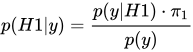
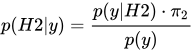
حيث p(y) هي الاحتمالية الكلية للحدث y ،
.

يتم اختيار H2 في حالة

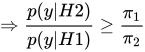
و H1 خلاف ذلك.
في كثير من الأحيان، النسبةيُطلق عليه اسمويُطلق عليه اسم، نسبة الاحتمالية .


باستخدام هذه المصطلحات، يتم اختيار H2 في حالةيُطلق على هذا اسم اختبار MAP، حيث يرمز MAP إلى "الحد الأقصى اللاحق ".
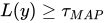
اتباع هذا النهج يقلل من العدد المتوقع للأخطاء التي قد يرتكبها المرء.
معيار بايز
في بعض الحالات، يكون الاستجابة المناسبة للفرضية الأولى (H1) أهم بكثير من الاستجابة المناسبة للفرضية الثانية (H2) . على سبيل المثال، إذا انطلق إنذار يشير إلى الفرضية الأولى (H1) (أن قاذفة قنابل قادمة تحمل سلاحًا نوويًا )، فإن إسقاط القاذفة يكون أكثر أهمية بكثير إذا كانت الفرضية الأولى صحيحة (H1 = TRUE) من تجنب إرسال سرب مقاتل للتحقق من إنذار كاذب (أي، الفرضية الأولى خاطئة، والفرضية الثانية صحيحة) (بافتراض وجود عدد كبير من أسراب المقاتلات). يُعد معيار بايز منهجًا مناسبًا لمثل هذه الحالات. [ 14 ]
هنا يتم ربط منفعة بكل حالة من الحالات الأربع التالية:
- : يستجيب المرء بسلوك مناسب للفرضية H1، والفرضية H1 صحيحة: المقاتلون يدمرون القاذفة، ويتكبدون تكاليف الوقود والصيانة والأسلحة، ويخاطرون بإسقاط بعضها؛
- : يستجيب المرء بسلوك مناسب للفرضية H1، والفرضية H2 صحيحة: يتم إرسال المقاتلات، مما يؤدي إلى تكبد تكاليف الوقود والصيانة، ويبقى موقع القاذفة مجهولاً؛
- : يستجيب المرء بسلوك مناسب للفرضية الثانية (H2) وتكون الفرضية الأولى (H1) صحيحة: تدمير المدينة؛
- : يستجيب المرء بسلوك مناسب لـ H2 ويكون H2 صحيحًا: تبقى المقاتلات في الوطن، ويبقى موقع القاذفة مجهولًا؛


كما هو موضح أدناه، فإن الأهم هو الاختلافات.و.


وبالمثل، هناك أربعة احتمالات،،إلخ، لكل حالة من الحالات (التي تعتمد على استراتيجية اتخاذ القرار).


يتمثل نهج معيار بايز في تعظيم المنفعة المتوقعة:



بمعنى آخر، يمكن للمرء أن يزيد المجموع إلى أقصى حد.
،

وقم بإجراء الاستبدالات التالية:
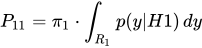
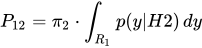
أينوهي الاحتمالات المسبقة ،و، وهي منطقة أحداث الملاحظة، y ، التي يتم الاستجابة لها كما لو كانت H1 صحيحة.



وبالتالييتم تحقيق أقصى استفادة من خلال التمديدفي المنطقة التي



ويتحقق ذلك من خلال تحديد H2 في حالة


و H1 خلاف ذلك، حيث L(y) هي نسبة الاحتمال المحددة على هذا النحو .
انظر أيضاً
- التصنيف الثنائي
- معدل إنذارات خاطئة ثابت
- نظرية القرار
- إزالة التضمين
- كاشف (راديو)
- نظرية التقدير
- فرق ملحوظ بالكاد
- اختبار نسبة الاحتمال
- تعديل
- ليمّا نيمان-بيرسون
- الوظيفة السيكومترية
- خصائص تشغيل جهاز الاستقبال
- اختبار الفرضيات الإحصائية
- معالجة الإشارات الإحصائية
- الاختيار الإجباري بين بديلين
- أخطاء النوع الأول والنوع الثاني
مراجع
- ↑T. H. Wilmshurst (1990). Signal Recovery from Noise in Electronic Instrumentation (2nd ed.). CRC Press. pp. 11 ff. ISBN 978-0-7503-0058-2.
- ↑Marcum, J. I. (1947). "A Statistical Theory of Target Detection by Pulsed Radar". The Research Memorandum: 90. Retrieved 2009-06-28.
- ↑Peterson, W.; Birdsall, T.; Fox, W. (September 1954). "The theory of signal detectability". Transactions of the IRE Professional Group on Information Theory. 4 (4): 171–212. doi:10.1109/TIT.1954.1057460.
- ↑Tanner, Wilson P.; Swets, John A. (1954). "A decision-making theory of visual detection". Psychological Review. 61 (6): 401–409. doi:10.1037/h0058700. PMID 13215690.
- ↑Swets, John A., ed. (1964). Signal detection and recognition by human observers. New York: Wiley. LCCN 64013225. OCLC 224272.
- 12Green, D.M., Swets J.A. (1966) Signal Detection Theory and Psychophysics. New York: Wiley. (ISBN 0-471-32420-5)
- ↑Clark, Steven E.; Benjamin, Aaron S.; Wixted, John T.; Mickes, Laura; Gronlund, Scott D. (2015). "Eyewitness Identification and the Accuracy of the Criminal Justice System". Policy Insights from the Behavioral and Brain Sciences. 2: 175–186. doi:10.1177/2372732215602267. hdl:11244/49353. S2CID 18529957.
- ↑Haw, Ryann Michelle (January 2005). "A theoretical analysis of eyewitness identification: Dual -process theory, signal detection theory and eyewitness confidence". ProQuest Etd Collection for Fiu: 1–98.
- 12Stanislaw, Harold; Todorov, Natasha (March 1999). "Calculation of signal detection theory measures". Behavior Research Methods, Instruments, & Computers. 31 (1): 137–149. doi:10.3758/BF03207704. PMID 10495845.
- ↑"Signal Detection Theory". elvers.us. Retrieved 2023-07-14.
- ↑ جعفر بور، سينا؛ شو، وييو؛ حسيب، بابك؛ كالدر بانك، روبرت (سبتمبر 2009). "الاستشعار المضغوط الفعال والمتين باستخدام الرسوم البيانية الموسعة المُحسَّنة" (ملف PDF) . معاملات IEEE في نظرية المعلومات . 55 (9): 4299-4308 . doi : 10.1109/tit.2009.2025528 . S2CID 15490427 .
- ↑ نيدل، د.؛ تروب، ج. أ. (2009). "CoSaMP: استعادة الإشارة التكرارية من عينات غير مكتملة وغير دقيقة". التحليل التوافقي التطبيقي والحسابي . 26 (3): 301-321 . arXiv : 0803.2392 . doi : 10.1016/j.acha.2008.07.002 . S2CID 1642637 .
- ↑ لطفي، م.؛ فيدياساجار، م. " خوارزمية سريعة غير تكرارية للاستشعار المضغوط باستخدام مصفوفات القياس الثنائية ".
- 1 2 شونهوف، تي إيه وجيوردانو، إيه إيه (2006) نظرية الكشف والتقدير وتطبيقاتها . نيو جيرسي: بيرسون إديوكيشن ( ISBN 0-13-089499-0)
فهرس
- كورين، إس.، وارد، إل إم، إينز، جيه تي (1994) الإحساس والإدراك . (الطبعة الرابعة) تورنتو: هاركورت بريس.
- كاي، إس إم. أساسيات معالجة الإشارات الإحصائية: نظرية الكشف ( ISBN) 0-13-504135-X)
- McNichol, D. (1972) A Primer of Signal Detection Theory . London: George Allen & Unwin.
- فان تريز، إتش إل. الكشف والتقدير ونظرية التعديل، الجزء 1 ( ISBN) 0-471-09517-6؛ موقع إلكتروني )
- ويكنز، توماس د.، (2002) نظرية الكشف عن الإشارات الأولية . نيويورك: مطبعة جامعة أكسفورد. ( ISBN) 0-19-509250-3)
روابط خارجية
- وصف لنظرية كشف الإشارة
- تطبيق نظرية تقرير المصير على السلامة
- نظرية كشف الإشارات، بقلم غاريت نيسكي، مشروع وولفرام للعروض التوضيحية
- محاضرة ألقاها ستيفن بينكر
- نظرية الكشف
- معالجة الإشارات
- نظرية الاتصالات السلكية واللاسلكية
- علم النفس الفيزيائي
- علم النفس الرياضي