
Utako Shimoda
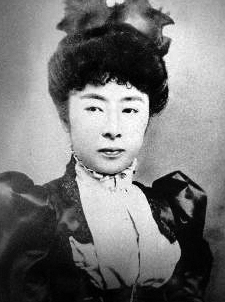
Utako Shimoda (下田 歌子, Shimoda Utako; September 30, 1854 – October 8, 1936) was a Japanese educator and poet of the Meiji and Taishō period. Born in present-day Ena, Gifu,[1] she was the founder many educational organizations, including what is today Jissen Women's University. She had international influence, and was one of the most influential women in Asia.
Biography
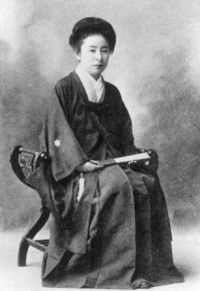
Utako Shimoda was born into a samurai family as Seki Hirao, in Iwamura, in Gifu Prefecture. For the first 6–7 years of her life she was an only child, and studied the Confucian classics; she is said to have read all the Chinese and Japanese books her parents had. Her father and grandfather were Confucian scholars.[2] In the run up to the Meiji Restoration, the Hirao family were firmly on the side of the Emperor, and when the Shogunate fell, Utako's father was given a prominent position in Tokyo, where the family moved in 1870, when Utako Shimoda was about 16.
She worked as lady-in-waiting to Empress Shōken from 1871-1879. Seki was well-educated and recognised as an excellent poet, so much so that the empress changed her name to Utako (poem child).[3] As a result, she rose through the ranks. At court, she attended lessons and lectures, including learning French. In 1875, she began working on the empress's educational works. She formed connections to political leaders including Itō Hirobumi, Yamagata Aritomo, and Inoue Kaoru.[2]
In November 1879, she resigned from court to marry the swordsman Takeo Shimoda, at her family's request. He suffered from alcoholism and a serious stomach ailment, and she spent much of her time caring for him.[2] Motivated by the urgings of her connections at court, who requested a school for their daughters, and by financial need, in 1881 Utako was opened her house as a private school for girls over 10 years old.[2] She taught poetry and Chinese classics to the wives of a number of ex-samurai officials. She would interrupt a lecture to tend to her husband when he called her.[2]
في عام ١٨٨٣، قررت الإمبراطورة تأسيس مدرسة لتعليم فتيات الطبقة النبيلة، وهي مدرسة كازوكو جوغاكو [ ٢ ] (التي اندمجت لاحقًا مع مدرسة غاكوشوين [ ٤ ] ). في البداية، لم تشارك أوتاكو بسبب صحة زوجها. توفي تاكيو عام ١٨٨٤، وانكبّت أوتاكو على عملها كمعلمة بدوام كامل، فأصبحت معلمة ومساعدة مديرة في مدرسة الفتيات النبيلات، حيث درّست الأخلاق والاقتصاد المنزلي . كما ألّفت كتبًا مدرسية، بدءًا بكتاب لتعليم اللغة اليابانية نُشر عام ١٨٨٥. [ ٢ ]

في عامي 1893 و1894، سافرت إلى الخارج لدراسة تعليم سيدات الطبقة النبيلة. قادها اهتمامها بتعليم المرأة إلى أوروبا (حيث حظيت بلقاء مع الملكة فيكتوريا ) وأمريكا لمدة عامين، ثم عادت إلى اليابان عام 1895 وهي تتقن اللغة الإنجليزية وتحمل معها مجموعة من الأفكار الجديدة لإصلاح التعليم الياباني للنساء . [ 2 ] منذ عام 1896، قامت بتدريس ابنتي المحظية الإمبراطورية ساتشيكو سونو : تسونيميا ( الأميرة ماساكو تاكيدا ) وكانيميا ( فوساكو كيتاشيراكاوا ). في عام 1899، أسست مدرسة جيسن جوغاكو ، التي أصبحت فيما بعد جامعة جيسن النسائية ، لسيدات الطبقة المتوسطة اليابانيات والطالبات الصينيات المبتعثات، بالإضافة إلى مدرسة جوشي كوجي جاكو (مدرسة الحرف اليدوية النسائية) للطبقات الدنيا. [ 2 ] في عام 1901 أسست جمعية أيكوكو فوجينكاي ، أو جمعية النساء الوطنيات، وفي عام 1907 انسحبت من العمل مع الطبقات العليا للتركيز على تعليم نساء الطبقتين المتوسطة والدنيا. [ 2 ]
ألقت أوتاكو شيمودا خطابات عامة، نُشرت في كثير من الأحيان في مجلات نسائية. كما ألّفت العديد من سير النساء، إيمانًا منها بأهميتها في التربية الأخلاقية للمرأة. وشملت هذه السير نساءً يابانيات مثل الإمبراطورة جينغو وأوباكو، ونساءً شرقيات مثل والدة منسيوس ، ونساءً غربيات مثل الأميرة أليس من المملكة المتحدة ، وكاثرين غلادستون ، وهانا داستون ، ودولي ماديسون ، وإليانور من توليدو ، وماري بول واشنطن ، وشارلوت كورداي . كما ساعدت أساوكا هاجيمي في ترجمة أعمال فرانسوا فينيلون ، أحد أبرز علماء عصر النهضة، حول تعليم المرأة. [ 2 ]
Her Jissen Jogakkō was one of the first Japanese women's schools to take Chinese students, at first all the daughters of expatriates, but from 1903 onwards students also came from China to be educated there. She helped found the Zhouxin She (Society for Renewal) in Shanghai, and her works were published in Mandarin translation in its journal Dalu (Chinese:大陸).[2]

In 1907, the Heimin Shinbun (Common People's Newspaper) published (over 42 days) an article series called Yōfu Shimoda Utako (妖婦下田歌子, Enchantress Shimoda Utako). It attacked corrupt right-wing politicians by alleging that Shimoda Utako was sexually involved with Itō Hirobumi (a former prime minister), Yamagata Aritomo (another former prime minister, and a military leader), and Inoue Kaoru (a cabinet minister).[2] The issues containing the article series were banned by the government. There were also rumours connecting her to the emperor and Kichisaburō Iino (a politically-powerful Shinto mystic). Utako Shimoda's powerful supporters did not publicly defend her, and in 1906 she had to step down as head of the Gakushūin Women's Academy, giving leadership to the headmaster of the male division, Marusuke Nogi.[3]
In 1990, Utako Shimoda was the subject of the biographical novel centering on this scandal, Mikado no onna (ja:ミカドの淑女, The Emperor's Woman), by Naoki Prize-winning popular author Mariko Hayashi (ja).
Utako Shimoda's vision and work did much to modernise and improve women's education in Japan (she is even responsible for the navy-style girls' school uniform), not just in the realm of improving the mind, but in physical education as well. She was an early colleague and training partner[5] of Jigoro Kano, the founder of modern Judo. She founded three women's schools and wrote over 80 books. She died from pneumonia in 1936, aged 82.
The Shimoda Utako Research Institute for Women is named after her.[6]

Teachings and politics
سياسياً، كانت شيمودا أوتاكو ملكية وقومية؛ أيدت سياسة خارجية استعمارية توسعية، معتقدةً أن من قدر اليابان الإلهي أن تقود شرق آسيا إلى مستوى أعلى من الحضارة والثراء، كما هو الحال في الغرب. حذرت من الإمبريالية الغربية وعارضتها. وبينما فضلت تعليماً قومياً يغرس الوطنية، رأت أن الوطنية التي تُدرّس في الغرب مفرطة، وانتقامية، وعدوانية، ومتغطرسة. اعتبرت النساء الصينيات والكوريات من نفس رحم المرأة اليابانية، وإن لم يكن من نفس العرق، وأقل شأناً في التعليم والفرص، [ 2 ] وفي الثقافة "الخرافية"، [ 3 ] لا في الذكاء أو القدرات. [ 2 ] وُصفت آراؤها أيضاً بأنها تدعم تحسين النسل . [ 3 ] كانت تعتبر نفسها مصلحة معتدلة، من أنصار حركة سيتشوها (折衷派) ، وشعرت أنه ينبغي تبني جوانب من الثقافة الغربية بشكل انتقائي لتقوية اليابان. [ 2 ]
عارضت شيمودا أوتاكو إخضاع المرأة وطاعتها المطلقة للرجل؛ وشجعت الزوجات على توبيخ أزواجهن إذا تصرفوا بظلم أو بغير فضيلة، وعلى تنمية احترام الذات والكرامة. كما قالت إن للبنات الحق في إبداء رأيهن في الزواج المدبر. [ 2 ]
رأت أن الثقافات الشرقية تُقلل من شأن المرأة وتُعلي من شأن الرجل، بينما تفعل الثقافات الغربية العكس. وقد فوجئت بلطف الرجال الغربيين مع زوجاتهم، ولأنها عزَت العديد من الاختلافات في ديناميكيات الزواج إلى ممارسة الزواج الأحادي في الغرب، فقد أعربت عن أملها في أن يُحسّن تطبيقه في اليابان من وضع المرأة. وجادلت بأن للمرأة والرجل مجالات وقدرات منفصلة. ورأت أن المجال المثالي للمرأة هو المجال المنزلي؛ حيث ينبغي أن تكون زوجة وأماً وسيدة شؤون منزلها. ودعت إلى أن تُدير المرأة شؤونها المالية، وأن تُشارك في العمل الاجتماعي الخيري، لكنها أقرت بأن الضرورة المالية أو مصلحة البلاد قد تتطلب من المرأة العمل خارج المنزل، وفي هذه الحالة تكون دور الحضانة ذات قيمة. كما دعمت تولي المرأة أدوارًا مهنية، مثل الطبيبة أو الصحفية أو الممرضة (وكانت من مُعجبات عالمة الأوبئة فلورنس نايتينجيل ). واعتبرت أن تكريس المرء نفسه للدين أو الخدمة العامة أو فنٍّ يتمتع فيه بموهبة كبيرة، بديلاً مقبولاً للزواج وسببًا لبقاء المرأة عزباء. [ 2 ]
كانت شيمودا أوتاكو تعتقد أن على النساء دراسة الشؤون العالمية والجغرافيا والتاريخ، لكن لا ينبغي لهن الانخراط في السياسة؛ وقد عارضت حق المرأة في التصويت . [ 2 ] شجعت ثنائية اللغة وجعلت طالباتها يتعلمن الإنجليزية واليابانية. [ 3 ]
رأت أن المكانة الرفيعة التي تمتعت بها المرأة في اليابان تاريخيًا قد تراجعت بسبب صعود النزعة العسكرية بعد عصر هييان، والتعاليم الدينية التي تُقلل من شأن المرأة. واستشهدت بأماتيراسو ، الجدة الأنثوية للسلالة الإمبراطورية، وقصص يابانية قديمة أخرى، كدليل على المكانة الرفيعة التي تمتعت بها المرأة اليابانية في الماضي. وانتقدت فترة حكم المحاربين (التي رأت أنها امتدت سبعة قرون، من أواخر عصر هييان في القرن الثاني عشر حتى عصر ميجي ، من عام ١٨٦٨ إلى عام ١٩١٢). ووصفتها بأنها فترة أصبحت فيها القوة البدنية ذات أهمية قصوى، وبالتالي تدهورت مكانة المرأة إلى درجة أنها أصبحت "عبيدًا للرجال أو ممتلكات مادية". ورأت أن من واجبها استعادة المكانة الرفيعة التي تمتعت بها المرأة اليابانية تاريخيًا، وبالتالي الارتقاء بالحضارة اليابانية. [ ٢ ]
أشارت شيمودا أوتاكو إلى النظرة الدونية التي كان ينظر بها المجتمع الياباني، الذي يقوده المحاربون، إلى المهارات والفضائل الاقتصادية، وعزت ثراء الدول الغربية إلى عزوف اليابانيين ثقافيًا عن العمل الجاد وإدارة الأموال بكفاءة. من جهة أخرى، انتقدت الغربيين ووصفتهم بالجشع. وتحدثت عن مزايا عادة المصروف الشخصي في الغرب، وأكدت أن الاقتصاد المنزلي هو أساس ثروة أي أمة. [ 2 ]
ألّفت سيرتين ذاتيتين للملكة فيكتوريا ؛ إذ اعتبرت أن نجاح الإمبراطورية البريطانية كان نتيجة لفضائل فيكتوريا. وأشادت بها شيمودا أوتاكو كزوجة وأم وملكة حكيمة، واصفةً أعمالها الخيرية وإصرارها على أن يتعلم أبناؤها المهارات اليدوية، وقيمة العمل، والتعاطف مع الفقراء وفهمهم. [ 2 ]
انتقدت شيمودا أوتاكو التعاليم البوذية اليابانية التقليدية التي تعتبر المرأة شديدة الخطورة بحيث لا يمكن إنقاذها. كما انتقدت التعاليم الكونفوشيوسية التي تحث النساء على طاعة آبائهن وأزواجهن وأبنائهن، بينما تسمح للرجال أو تحثهم على تطليق زوجاتهم في ظروف معينة. ورأت شيمودا أوتاكو أن المسيحية تُعدّل من قسوة وغرور الغربيين، وأن ارتياد الكنيسة يُرسّخ الأخلاق. أما بالنسبة لليابانيين، فقد دعت إلى التمسك بدين ما، أي دين لا يتعارض مع النظام السياسي الوطني ( كوكوتاي ) أو الولاء لإمبراطور اليابان ، واستغلال يوم الأحد لتنمية الفضيلة (على سبيل المثال، بزيارة القبور أو الأضرحة، أو حضور المحاضرات الأخلاقية). [ 2 ]
أولت شيمودا أوتاكو أهمية بالغة للتربية البدنية، فكتبت: "بما أن قوانين علم الأحياء تنص على أن ضعف الصحة يصاحبه ضعف في الأخلاق والذكاء، فلا داعي لأن أجادل مجددًا بضرورة إجراء إصلاح جذري في هذا الجانب من أجل مستقبل مواطنينا اليابانيين". كما اعتبرت الصحة البدنية ضرورية للإمبراطورية الاستعمارية. وبينما رأت أن الرجال والنساء في اليابان أقل صحة من نظرائهم في الغرب، فقد رأت أن وضع النساء أسوأ بكثير، إذ تُقيدهن العادات بالبقاء في منازلهن وارتداء ملابس ضيقة. وقد نجحت في الدعوة إلى إصلاح اللباس . كما عارضت عادة تقييد القدمين في الصين ، [ 2 ] وألزمت الطالبات الصينيات في مدرستها بفك قيود أقدامهن. [ 3 ]
الدور في الهاكاما
Despite her influence in many intellectual spheres, Shimoda Utako's role in the hakama is often overlooked. As a product of rapid Westernization in the 1880s, female students would wear Western clothing as school dress.[7] But, Utako Shimoda reckoned this to be impractical and figured pieces like the corset were harmful and restrictive. Similarly, if schools were to adopt the kimono, this would also pose too restrictive, preventing students from partaking in physical activities.[8] Shimoda Utako had a problem to solve: female students needed a uniform that touched on Japanese traditionality, something that fed into a Japanese identity but also embodied practicality. Utako pulled from the hakama, which is traditionally worn by men, and fashioned a new version with inspiration from the uniforms of ladies-in-waiting.[8] The new hakama was quickly adopted into elite urban schools.[9] The wide-legged pants became a model of rational clothing for all women.[7]This bolstered a sense of seriousness for Japanese women in education at a time when female participation in academics was highly contested. Although the pants were eventually phased out to make way for changing trends and new uniform designs, the female students still wear hakama as a tradition to graduation ceremonies.[10]
Schools and organizations
Shimoda Utako was involved in leadership roles in numerous schools:[2]
- Kazoku Jogakkō 華族女學校 (later part of the Gakushūin 學習院)
- Jissen Jogakkō 實踐女學校 (as founder)
- Joshi Kōgei Gakkō 女子工藝學校 (as founder)
- Junshin Jogakkō 順心女學校
- Ōmi Joshi Jitsumu Gakkō 淡海女子實務學校
- Meitoku Jogakkō 明徳女學校
- Aikoku Yakan Jogakkō 愛國夜間女學校
She was also involved with civil society groups:
- Aikoku Fujinkai 愛國婦人會 (as founder)[2]
- Zhouxin She 作新社, Shanghai, 1901 (helped found)[2]
- Women's Christian Temperance Union[3]
Selected publications
Selected students
References
- ↑下田歌子FAQ (in Japanese). Jissen Women's University. Retrieved 2021-07-18.
- 12345678910111213141516171819202122232425262728293031Racel, Masako N. Thesis (2011). Finding their Place in the World: Meiji Intellectuals and the Japanese Construction of an East-West Binary, 1868-1912 (Thesis). Georgia State University. Section begins page 106.
- 1234567891011Suzuki, Mamiko (1 June 2013). "Shimoda's Program for Japanese and Chinese Women's Education". CLCWeb: Comparative Literature and Culture. 15 (2). doi:10.7771/1481-4374.2212.
- ↑"The Gakushuin School". www.gakushuin.ac.jp. Archived from the original on 2020-10-20. Retrieved 2021-07-18.
- ↑Stevens, John (2013). The Way of Judo: A Portrait of Jigoro Kano & His Students. Boston, Massachusetts, U.S.A.: Shambhala. p. 177. ISBN 978-1-59030-916-2.
- ↑"The Shimoda Utako Research Institute for Women | Jissen Women's Educational Institute". www.jissen.ac.jp. Archived from the original on 2021-10-25. Retrieved 2021-07-18.
- 12Looking Modern: East Asian Visual Culture from the Treaty Ports to World War II. Center for the Arts of East Asia at The University of Chicago and Art Media Resources. 2009.
- 12Masako N. Racel (2011-05-07). "Finding their Place in the World: Meiji Intellectuals and the Japanese Construction of an East-West Binary, 1868-1912". Georgia State University. Archived from the original on 2015-09-19.
- ↑Mamiko Suzuki (2013). "Shimoda's Program for Japanese and Chinese Women's Education". CLCWeb: Comparative Literature and Culture. University of Utah. ISSN 1481-4374. Archived from the original on 2015-05-09.
- ↑"HAKAMA and Female Students". 26 January 2018.
- The Way of Judo: A Portrait of Jigoro Kano & His Students by John Stevens (Shambhala, 2013)
Further reading
- Japan's National Diet Library has many of Utako Shimoda's works in its digital collections.
- Shimoda Utako chosakushū shiryōhen [The Collected Works of Shimoda Utako], Itagaki Hiroko ed. (contains most of her magazine contributions)
- 1854 births
- 1936 deaths
- People from Gifu Prefecture
- Writers from Gifu Prefecture
- Japanese ladies-in-waiting
- 19th-century Japanese women educators
- 19th-century Japanese educators
- University and college founders
- Women founders
- 19th-century Japanese women writers
- Dress reformers
- 19th-century ladies-in-waiting