
Basque mythology
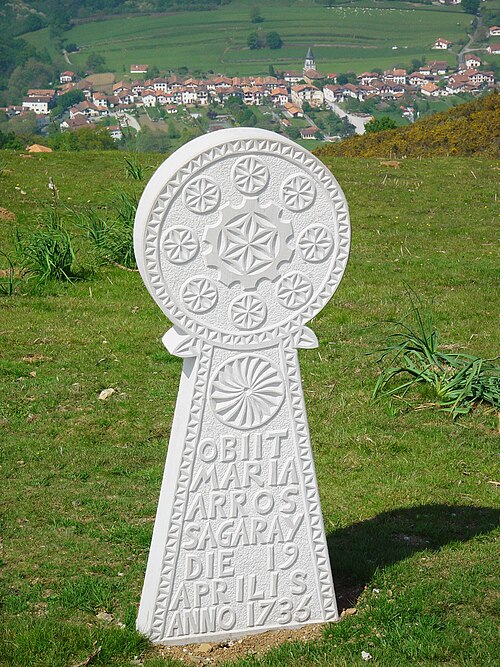
The mythology of the ancient Basques largely did not survive the arrival of Christianity in the Basque Country between the 4th and 12th century AD. Most of what is known about elements of this original belief system is based on the analysis of legends, the study of place names and scant historical references to pagan rituals practised by the Basques.[1]
One main figure of this belief system was the female deity Mari. According to legends collected in the area of Ataun, the other main figure was her consort Sugaar. However, due to the scarcity of the material, it is difficult to say if this would have been the "central pair" of the Basque pantheon. Based on the attributes ascribed to these mythological creatures, this would be considered a chthonic religion as all its characters dwell on earth or below it, with the sky seen mostly as an empty corridor through which the divinities pass.
Historical sources
The main sources for information about non-Christian Basque beliefs are:[2]
- Strabo, who mentions the sacrifice of male goats and humans
- Arab writers from the time of the Umayyad conquest of Hispania (8th century)
- the 12th century diary of the pilgrim Aymeric Picaud
- various medieval sources making references to pagan rituals, including the records of the Inquisition
- 19th and 20th century collections of myths and folk-tales, such as those collected by José Miguel Barandiaran, which comprise by far the largest body of material relating to non-Christian beliefs and practices
- the modern study of place-names in the Basque Country
Mythological creatures and characters
The Urtzi controversy
Urtzi may have been a Basque mythological figure—a sky god—but may have been merely a word for the sky. There is evidence that can be read as either supporting or contradicting the existence of such a deity. To date, neither theory has been entirely accepted.[3]
Influence on Iberian pantheons
يبدو أن الثقافات الناطقة باللغات الهندو-أوروبية في شبه الجزيرة الأيبيرية ، مثل اللوسيتانيين والسلتيبيين ، تُظهر تأثيراً باسكياً كبيراً على أساطيرها . ويشمل ذلك مفهوم المورا المسحورة ، الذي قد يكون مستوحى من الميرو ، [ 4 ] والإله إندوفيلكوس ، الذي قد يكون اسمه مشتقاً من كلمات باسكية بدائية . [ 5 ]
أساطير الفترة التاريخية
بعد التنصير، استمر الباسك في إنتاج واستيراد الأساطير.
- خوان زوريا هو أول سيد أسطوري لبيسكاي ، ويقال إنه ولد من أميرة اسكتلندية التقت بالإله سوجار في قرية مونداكا .
- تم تضخيم معركة رونسيفال في سلسلة أحداث فرنسا .
- في سلسلة جبال أرالار ، قيل إن القديس ميخائيل ظهر لمساعدة أحد النبلاء المحليين الذي تحول إلى ناسك.
- يقال إن شعار النبالة الخاص بنافارا جاء من إنجاز في معركة لاس نافاس دي تولوسا .
- كانت معركة أمايور هي المعركة التي فقدت فيها نافارا استقلالها لصالح تاج قشتالة .
انظر أيضاً
مراجع
- ^ “الأساطير الباسكية في الوقت الحاضر” (PDF) . كوبي (سلسلة الأنثروبولوجيا الثقافية) (الثاني عشر). بلباو: بيزكيكو فور ألدونديا-ديبوتاسيون فورال دي بيزكايا: 135 و 148. 2006-2007. ردمك 0214-7971 . تم الاسترجاع في 7 مارس 2020 .
- ^ كاسبر، م. (1997). Baskische Geschichte [ تاريخ الباسك ] (بالألمانية). بريموس. رقم ISBN 3-89678-039-5.
- ↑ تراسك، لاري (1997). تاريخ الباسك . روتليدج .
- ↑ Anuntxi Arana: Mari, mairu eta beste - 1996 - نشرة متحف الباسك رقم 146.
- ^ إنكارناساو، خوسيه د (2015). Divindades indígenas sob o domínio romano em Portugal [ الآلهة الأصلية تحت الحكم الروماني في البرتغال ] (باللغة البرتغالية) ( الطبعة الثانية). كويمبرا: جامعة كويمبرا .
فهرس
- أرياجا، ج. (1984). "Euskal mitologia" [ أساطير الباسك ] . جيرو (باللغة الباسكية).
- باراندياران، خوسيه ميجل (1996). Mitología Vasca [ أساطير الباسك ] (بالإسبانية). تكسيرتوا.
{{cite book}}: CS1 maint: موقع الناشر مفقود ( رابط ) - باروجا، كارو (1995). "Lamiak, sorginak eta jainkosak" [ لمياس، ساحرات وإلهات ] . غاياك (في لغة الباسك) (Euskal mitologia).
- كامارينا، جوليو؛ ماكسيم شوفالييه. Catálogo Tipológico del Cuento Folklórico Español (في خمسة مجلدات). مدريد: Gredos y Centro de Estudios Cervantinos؛ أنا، كوينتوس مارافيلوسوس، 1995؛ II، cuentos de Animales، 1997؛ III، cuentos religiosos، 2003؛ الرابع، كوينتوس-نوفيلا، 2003). (يجمع حكايات من إسبانيا، مع إشارات إلى مجموعات الباسك في بعض المجلدات).
- إيفرسون، م. (1989). "الثبات في الدين والأسطورة والفولكلور: إلهة العصر الحجري الحديث في أوروبا القديمة محفوظة في بيئة غير هندوأوروبية" . مجلة الدراسات الهندو-أوروبية . 17 (277).
- هارتسوجا، جي (1987). Euskal Mitologia Konparatua [ أساطير الباسك المقارنة ] (في لغة الباسك). كريسيلو.
- لا باجليا، أنطونيو. ما وراء اليونان وروما: الإيمان والعبادة في أوروبا القديمة ، دار بلاك ماونتن للنشر، 2004.
- ليزيا، توتي مارتينيز دي . "لينداس دي يوسكال هيريا". ايرين، 2004.
- أورتيز أوسيس، أ. إل ماترياركاليسمو فاسكو . جامعة ديوستو، 1980. ISBN 84-7485-011-8.
- ______ . اللاوعي الجماعي فاسكو . تكسيرتوا، 1982. ISBN 84-7148-107-3.
- ______ . أنثروبولوجيا سيمبوليكا فاسكا . أنثروبوس، 1985. ISBN 84-85887-84-0
- ساتروستيغي، ج. (1996). "Haitzuloetako euskal mitologia" [ أساطير كهف الباسك ] . يوسكال ميتولوجيا (في لغة الباسك). 68 : 165 – 174.
- مجموعات الحكايات الشعبية
- فيديوجين، زارليس . "" بعض الحسابات الباسكية من إطارات مخطوطة ويبستر "." في: Fontes linguae vasconum: Studia et documenta ، Año n° 6، N° 18، 1974. الصفحات من 453 إلى 464. ISSN 0046-435X .
- فينسون، جوليان . لو فولكلور دو باييز الباسك . باريس: ميزونوف، 1883.
- ويبستر، وينتورث . أساطير الباسك . لندن: غريفيث وفاران. 1879.
- Zaïka، Natalia M. Approche textologique and Comparing du conte التقليدية الباسكية في الإصدارات الثنائية اللغة من 1873 إلى 1942 (W. Webster، J.-F. Cerquand، J. Barbier، RM de Azkue) . ايكر -31. يوسكالتزينديا، 2014.
- كتالوج تيبولوجي دي لوس Cuentos Populares Maravillosos vascos . هيري كولتورارين نارازيواك، 2007.
- الأساطير الباسكية