
Interpretatio slavica
Interpretatio slavica is the practice by the Slavic peoples to identify the gods of neighboring peoples and the names of Christian saints with the names of Slavic deities.
Identification with related pagan deities
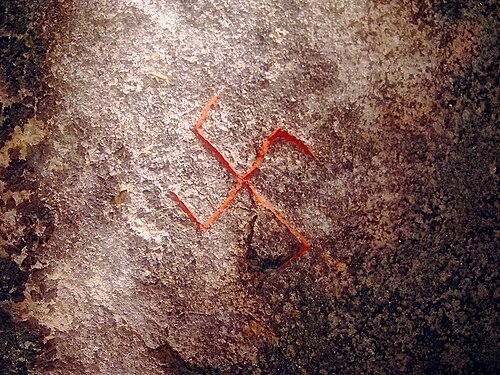
- Perun is a god of thunder, in functions very similar to the Germanic-Scandinavian Thor, the Baltic Perkūnas and Karelian-Finnish Ukko (the latter is of Baltic origin). Both in Germanic and in Finnish mythologies, "hatchets" were also an attribute of the Thunderer.[1] It is noteworthy that both Thor and Perun were often linked by the symbol "yarga" (the Slavic name for the four-pointed swastika), recorded by Hilda Davidson. To the Vikings the swastika could have come from the Goths or through the Baltic medium.[2]
- Stribog — resembles LatvianŽaltys, Indian god of chaos Vritra (it is noteworthy that both deities are represented in the form of chronic snake like entities or ordinary snakes). The Slavic word stryj is derived from Proto-Indo-European *stru-io- and is cognate with Lithuanian: strujus "uncle, old man" and Old Irish: sruith "old, honorable"
- Veles — considered a variant of Velnias and Germanic Frey. From the treaties of Russia with Byzantium, it is known that for the Varangian-Rus in the squad of Igor, Perun and Veles were "their own gods". It is likely that these two deities replaced the Scandinavians with their Thor and Freyr, similar in function to the Slavic deities.[3]
- Simargl — according to some scientists, it is an analog of the Iranian Simurgh,[4] although today it is widely believed that the name Simargl is a distorted phrase of "sema yerila".[5] Some researchers draw attention to the similarities between the Simargl and the fire dog Sköll, who represents the sun. The legend of eating the sun is also present from Baltic mythology.[6][7]
- ديو هو شكل مختلف من اسم زيوس القديم في التعاليم الروسية القديمة المناهضة للوثنية. ووفقًا لإحدى الفرضيات، فإن النسخة الروسية من اسم "زيوس" مشتقة من أصله ديو. [ 8 ]
- موكوش هو نظير لموكشا الفنلندية الأوغرية . ووفقًا لبوريس ريباكوف ، فإن اسم الشعب الفنلندي الموكشا مشتق من الأخير. [ 9 ]
التماهي مع القديسين المسيحيين
- النبي إيليا - بعد معمودية روسيا، حل محل بيرون
- باراسكيفا يوم الجمعة - حلت تدريجياً محل موكوش
- القديس بليز - حل محل فولوس (لا ينبغي الخلط بينه وبين فيليس ، إله الحكمة والمعرفة)
التماهي مع الأعياد المسيحية

بحسب عدد من العلماء، يمكن إعادة بناء بعض الآلهة السلافية الأصلية من خلال أسماء الأعياد الدينية (المسيحية) التي تحمل سمات وثنية. وتشمل هذه الأعياد ما يلي:
بحسب فلاديمير توبوروف ، من المستحيل إعادة بناء الآلهة السلافية من أسماء الطقوس والأعياد، بل ومن المستحيل أيضاً معرفة وظائفها.
مراجع
- ↑ من المحتمل أن تكون عبادة تجسيد بيرون بفأس المعركة قد وصلت إلى السلاف عبر الوسيلة الإسكندنافية أو البلطيقية الفنلندية. نيكولاي ماكاروف. التمائم والفؤوس الروسية القديمة // علم الآثار الروسي . - 1992. - العدد 2. - ص 41-56.
- ↑ إليس ديفيدسون، إتش آر (1965). "مطرقة ثور". الفولكلور . 76 (1). تايلور وفرانسيس: 1-15 . doi : 10.1080/0015587X.1965.9716982 . JSTOR 1258087 .
- ^ ماير إيه ميثولوجي دير جيرمانن. - ستراسبورغ، 1903. - ص 290.
- ↑ ميخائيل فاسيليف. وثنية السلاف الشرقيين عشية تعميد روسيا. التفاعل الديني والأسطوري مع العالم الإيراني. موسكو، 1999.
- ↑ ألكسندر إيشوتين. آلهة السلاف الشرقيين وأسمائهم
- ^ بيريسنيفيسيوس، جينتاراس (2004). Lietuvių religija ir mitologija: sisteminė Studija (باللغة الليتوانية). فيلنيوس: تيتو ألبا. ص. 19. رقم ISBN 9986-16-389-7.
- ↑ جوناس تريكوناس، محرر (1999). عن الآلهة والأعياد: تراث البلطيق . تفيرمي. ص 75-77 . ISBN 9986-476-27-5.
- ↑ ديودور الصقلي. المكتبة التاريخية. الكتاب الرابع. ملاحظات
- ↑ بوريس ريباكوف . وثنية السلاف القدماء. - موسكو: ناوكا، 1994. - 608 صفحة. - 15000 نسخة. ISBN 5-02-009585-0.
- ↑ فلاديمير بروب . الأعياد الزراعية الروسية: (تجربة البحث التاريخي والإثنوغرافي) . - موسكو: تيرا، 1995. ص 81-85
- ↑ Propp، 1995 ، ورد ذكره لأول مرة في موعظة القديس تيخون من زادونسك لسكان فورونيج، 1763؛، ص 81-85.
- ↑ بروب، 1995. الأعياد الزراعية الروسية: (تجربة البحث التاريخي والإثنوغرافي) . - موسكو: تيرا، 1995. ص 81-85
- ↑ فلاديمير بروب . الأعياد الزراعية الروسية: (تجربة البحث التاريخي والإثنوغرافي) . - موسكو: تيرا، 1995. ص 87
- ↑ كوليادا // القاموس الأسطوري / إد. بقلم يليزار ميليتينسكي ، موسكو: موسوعة سوفيتسكايا، 1990. - ISBN 5-85270-068-1.
فئات :
- أصل الكلمة
- اللغويات
- الأساطير السلافية
- الأساطير الجرمانية
- الأساطير البلطيقية
- التفسير الديني