
Wildlife of Mexico


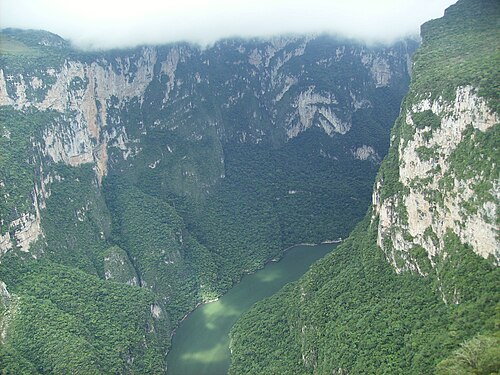


Mexico ranks fourth[1] in the world in biodiversity and is one of the 17 megadiverse countries. With over 200,000 different species, Mexico is home of 10–12% of the world's biodiversity.[2] Mexico ranks first in biodiversity in reptiles with 707 known species, second in mammals with 438 species, fourth in amphibians with 290 species, and fourth in flora, with 26,000 species.[3] Mexico is also ranked second in the world in ecosystems and fourth in overall species.[4] About 2,500 species are protected by Mexican legislation.[4]In 2002, Mexico had the second fastest rate of deforestation in the world, second only to Brazil.[5] It had a 2019 Forest Landscape Integrity Index mean score of 6.82/10, ranking it 63rd globally out of 172 countries.[6]
In Mexico, 170,000 square kilometers (65,637 sq mi) are considered "protected natural areas". These include 34 biosphere reserves (unaltered ecosystems), 67 national parks, 4 natural monuments (protected in perpetuity for their aesthetic, scientific or historical value), 26 areas of protected flora and fauna, 4 areas for natural resource protection (conservation of soil, hydrological basins and forests) and 17 sanctuaries (zones rich in diverse species).[2] Plants indigenous to Mexico are grown in many parts of the world and integrated into their own national cuisines. Some of Mexico's native culinary ingredients include: maize, tomato, beans, squash, chocolate, vanilla, avocado, guava, chayote, epazote, camote, jícama, nopal, zucchini, tejocote, huitlacoche, sapote, mamey sapote, and a great variety of chiles, such as the habanero and the jalapeño. Most of these names come from the indigenous language of Nahuatl. Tequila, the distilled alcoholic drink made from cultivated agave cacti is a major industry. Because of its high biodiversity Mexico has also been a frequent site of bioprospecting by international research bodies.[7] The first highly successful instance being the discovery in 1947 of the tuber barbasco (Dioscorea composita) which has a high content of diosgenin, revolutionizing the production of synthetic hormones in the 1950s and 1960s and eventually leading to the invention of combined oral contraceptive pills.[8]
References
- ↑Notimex. "Ocupa México cuarto lugar mundial de biodiversidad". El Economista (in Spanish). Archived from the original on 6 February 2017. Retrieved 5 February 2017.
- 12"Biodiversidad de México". SEMARNAT. Archived from the original on 7 October 2007. Retrieved 7 October 2007.
- ^ “التنوع البيولوجي في المكسيك” . كونفيت. مؤرشفة من الأصلي في 7 أكتوبر 2007 . تم الاسترجاع 7 أكتوبر 2007 .
- 1 2 "النظام الوطني للتنوع البيولوجي في المكسيك" . كونابيو. مؤرشفة من الأصلي في 12 أكتوبر 2007 . تم الاسترجاع 7 أكتوبر 2007 .
- ↑ "خسارة المكسيك "الكارثية" للغابات" . بي بي سي نيوز . 4 مارس 2002. مؤرشف من الأصل في 16 يناير 2018. تم الاطلاع عليه في 8 أغسطس 2011 .
- ↑ غرانثام، إتش إس؛ دنكان، إيه؛ إيفانز، تي دي؛ جونز، كيه آر؛ باير، إتش إل؛ شوستر، آر؛ والستون، جيه؛ راي، جيه سي؛ روبنسون، جيه جي؛ كالو، إم؛ كليمنتس، تي؛ كوستا، إتش إم؛ ديغيميس، إيه؛ إلسن، بي آر؛ إرفين، جيه؛ فرانكو، بي؛ غولدمان، إي؛ غوتز، إس؛ هانسن، إيه؛ هوفسفانغ، إي؛ جانتز، بي؛ جوبيتر، إس؛ كانغ، إيه؛ لانغهامر، بي؛ لورانس، دبليو إف؛ ليبرمان، إس؛ لينكي، إم؛ مالهي، واي؛ ماكسويل، إس؛ مينديز، إم؛ ميترماير، آر؛ موراي، إن جيه؛ بوسينغهام، إتش؛ راداشوفسكي، جيه؛ ساتشي، إس؛ سامبر، سي؛ سيلفرمان، ج.؛ شابيرو، أ.؛ ستراسبورغ، ب.؛ ستيفنز، ت.؛ ستوكس، إ.؛ تايلور، ر.؛ تير، ت.؛ تيزارد، ر.؛ فينتر، أ.؛ فيسكونتي، ب.؛ وانغ، س.؛ واتسون، ج. إ. م. (8 ديسمبر 2020). "التعديل البشري للغابات يعني أن 40% فقط من الغابات المتبقية تتمتع بسلامة بيئية عالية" . مجلة نيتشر كوميونيكيشنز . 11 (1): 5978. Bibcode : 2020NatCo..11.5978G . doi : 10.1038/s41467-020-19493-3 . PMC 7723057. PMID 33293507 .
- ↑ هايدن، كوري. 2003. عندما تصبح الطبيعة عامة: صناعة وتفكيك التنقيب البيولوجي في المكسيك . مطبعة جامعة برينستون.
- ↑ لافياغا، غابرييلا سوتو (2009). مختبرات الأدغال: الفلاحون المكسيكيون، والمشاريع الوطنية، وصناعة حبوب منع الحمل . مطبعة جامعة ديوك. ISBN 978-0-8223-9196-8.
- حيوانات المكسيك
- نباتات المكسيك