
دواء يتيم
الدواء اليتيم هو دواء يُطوَّر لعلاج حالات طبية نادرة. ولن يكون إنتاج هذا الدواء مربحًا دون دعم حكومي، نظرًا لقلة عدد المرضى المصابين بهذه الحالات. وتُعرف الحالات التي تُستخدم الأدوية اليتيمة لعلاجها بالأمراض النادرة . ويُعدّ تصنيف المرض والأدوية المُطوَّرة لعلاجه كأدوية يتيمة مسألة سياسة عامة تخضع للتشريعات (إن وُجدت) في الدولة.
أدى تصنيف دواء ما كدواء يتيم إلى تحقيق إنجازات طبية ربما لم تكن لتتحقق لولا ذلك، وذلك بسبب اقتصاديات البحث والتطوير الدوائي . [ 1 ] فعلى سبيل المثال، في الولايات المتحدة والاتحاد الأوروبي، يُعد الحصول على موافقة تسويقية لدواء يتيم أسهل. وقد توجد حوافز مالية أخرى، مثل فترة حصرية ممتدة، يتمتع خلالها المنتج بحقوق التسويق الحصرية للدواء. وتهدف كل هذه الحوافز إلى تشجيع تطوير الأدوية التي قد تفتقر لولا ذلك إلى دافع ربحي كافٍ لجذب ميزانيات البحث والكوادر البحثية للشركات. [ 2 ] [ 3 ]
تعريف
الولايات المتحدة
بحسب إدارة الغذاء والدواء الأمريكية (FDA)، يُعرَّف الدواء اليتيم بأنه دواء "مُخصَّص لعلاج أو الوقاية من أو تشخيص مرض أو حالة نادرة، والتي تُصيب أقل من 200,000 شخص في الولايات المتحدة" (أي ما يُعادل حوالي 6 حالات لكل 10,000 نسمة) "أو يستوفي شروط استرداد التكاليف المنصوص عليها في القانون". [ 4 ] [ 5 ]
أوروبا
في الاتحاد الأوروبي ، تُعرّف وكالة الأدوية الأوروبية (EMA) الدواء بأنه "يتيم" إذا كان مُخصصًا لتشخيص أو الوقاية من أو علاج حالة مرضية مُهددة للحياة أو مُزمنة ومُنهكة بشدة، لا تُصيب أكثر من 5 أشخاص من بين كل 10,000 شخص في الاتحاد الأوروبي. [ 6 ] كما تُصنّف الوكالة الدواء على أنه يتيم إذا كان من غير المرجح - بدون حوافز - أن يُحقق تسويقه في الاتحاد الأوروبي فائدة كافية للمُصابين وللشركة المُصنّعة للدواء تُبرر الاستثمار. [ 6 ]
اليابان
في اليابان، تُصنّف الأدوية والأجهزة الطبية كأدوية أو أجهزة يتيمة بموجب قانون ضمان الجودة والفعالية والسلامة للمستحضرات الصيدلانية والأجهزة الطبية ومنتجات العلاج التجديدي أو الخلوي ومنتجات العلاج الجيني ومستحضرات التجميل، إذا كانت مخصصة للاستخدام لأقل من 50,000 مريض في اليابان ممن لديهم حاجة طبية ملحة. [ 7 ]
إحصاءات عالمية
اعتبارًا من عام 2014, there were 281 marketed orphan drugs and more than 400 orphan-designated drugs in clinical trials. More than 60% of orphan drugs were biologics. The U.S. dominated development of orphan drugs, with more than 300 trials, followed by Europe. Cancer treatment was the indication in more than 30% of orphan drug trials.[8]
Effect on investment, sales and profit
According to Thomson Reuters in their 2012 publication "The Economic Power of Orphan Drugs", there has been increased investment in orphan drug research and development, partly due to the U.S. Orphan Drug Act of 1983 (ODA) and similar acts in other regions of the world driven by "high-profile philanthropic funding".[9][10]
According to Drug Discovery Today, the years 2001 to 2011 were the "most productive period in the history of orphan drug development, in terms of average annual orphan drug designations and orphan drug approvals".[10]:660 For the same decade the compound annual growth rate (CAGR) of the orphan drugs was an "impressive 25.8%, compared to only 20.1% for a matched control group of non-orphan drugs".[9]:6 By 2012, the market for orphan drugs was worth US$637 million, compared with US$638 million for a control group of non-orphan drugs.[9]
By 2012,
the revenue-generating potential of orphan drugs [was] as great as for non-orphan drugs, even though patient populations for rare diseases are significantly smaller. Moreover, we suggest that orphan drugs have greater profitability when considered in the full context of developmental drivers, including government financial incentives, smaller clinical trial sizes, shorter clinical trial times and higher rates of regulatory success.
—Gaze and Breen (2012)
According to a 2014 report, the orphan drug market has become increasingly lucrative for a number of reasons. The cost of clinical trials for orphan drugs is substantially lower than for other diseases because trial sizes are naturally much smaller than for more diseases with larger numbers of patients. Small clinical trials and minimal competition place orphan agents at an advantage in regulatory review.[2]
Tax incentives reduce the cost of development. On average the cost per patient for orphan drugs is "six times that of non-orphan drugs, a clear indication of their pricing power". The cost of per-person outlays are large and are expected to increase with wider use of public subsidies.[2]
The 2014 Orphan Drug report stated that the percentage of orphan drug sales as part of all prescription drug sales had been increasing at a rapid rate. The report projected a total of US$176 billion by 2020.[2] Although orphan disease populations are the smallest, the cost of per-patient outlays among them are the largest and are expected to increase as more people with rare diseases become eligible for subsidies – in the U.S., for example, through the Affordable Care Act.[2]
Legislation
Orphan drugs generally follow the same regulatory development path as any other pharmaceutical product, in which testing focuses on pharmacokinetics and pharmacodynamics, dosing, stability, safety and efficacy. However, some statistical burdens are lessened to maintain development momentum. For example, orphan drug regulations generally acknowledge the fact that it may not be possible to test 1,000 patients in a phase III clinical trial if fewer than that number are affected by the disease.
Government intervention on behalf of orphan drug development takes several forms:
- Tax incentives
- Exclusivity (enhanced patent protection and marketing rights)
- Research subsidies
- Creating a government-run enterprise to engage in research and development as in a Crown corporation
A 2015 study of "34 key Canadian stakeholders, including drug regulators, funders, scientists, policy experts, pharmaceutical industry representatives, and patient advocates" investigated factors behind the pharmaceutical industry growing interest in "niche markets" such as orphan drugs.[11]
United States
يهدف قانون الأدوية اليتيمة (ODA) الصادر في يناير 1983 في الولايات المتحدة ، والذي تم إقراره بفضل جهود الضغط التي بذلتها المنظمة الوطنية للأمراض النادرة والعديد من المنظمات الأخرى، [ 12 ] إلى تشجيع شركات الأدوية على تطوير أدوية للأمراض التي لا تحظى بسوق واسعة. [ 13 ] وبموجب هذا القانون، تُعتبر الأدوية واللقاحات ووسائل التشخيص مؤهلة للحصول على صفة الدواء اليتيم إذا كانت مخصصة لعلاج مرض يصيب أقل من 200,000 مواطن أمريكي. كما يتيح القانون لشركات الأدوية اليتيمة الحصول على حصرية تسويقية لمدة سبع سنوات تُديرها إدارة الغذاء والدواء الأمريكية (FDA) بموجب قانون الأدوية اليتيمة، بالإضافة إلى "إعفاءات ضريبية تصل إلى 50% من تكاليف البحث والتطوير، ومنح للبحث والتطوير، وإعفاء من رسوم إدارة الغذاء والدواء، ومساعدة في إعداد البروتوكولات [ 10 ] : 660 ، وقد تحصل أيضًا على حوافز ضريبية للتجارب السريرية . [ 13 ]
في الولايات المتحدة، يعني تصنيف الدواء اليتيم أن الجهة الراعية مؤهلة للحصول على مزايا معينة، لكن هذا لا يعني أن الدواء آمن أو فعال أو قانوني.
في عام 2002، تم إقرار قانون الأمراض النادرة . وقد عدّل هذا القانون قانون الخدمات الصحية العامة لإنشاء مكتب الأمراض النادرة . كما زاد التمويل المخصص لتطوير علاجات للأشخاص المصابين بأمراض نادرة . [ 14 ]
الاتحاد الأوروبي
في عام 2000، سنّ الاتحاد الأوروبي تشريعًا مماثلًا، وهو اللائحة (EC) رقم 141/2000، التي تُشير إلى الأدوية المُطوّرة لعلاج الأمراض النادرة باسم "الأدوية اليتيمة". ويُعدّ تعريف الاتحاد الأوروبي للحالة النادرة أوسع نطاقًا من تعريف الولايات المتحدة، إذ يشمل أيضًا بعض الأمراض الاستوائية التي تنتشر بشكل رئيسي في الدول النامية. [ 15 ] ويمنح وضع الدواء اليتيم، الذي تمنحه المفوضية الأوروبية، حق التسويق الحصري في الاتحاد الأوروبي لمدة عشر سنوات بعد الموافقة عليه. [ 16 ] وتتولى لجنة الأدوية اليتيمة التابعة لوكالة الأدوية الأوروبية (EMA) إدارة تشريعات الاتحاد الأوروبي.
في أواخر عام 2007، اتفقت إدارة الغذاء والدواء الأمريكية ووكالة الأدوية الأوروبية على استخدام عملية تقديم طلبات مشتركة لكلا الوكالتين لتسهيل حصول الشركات المصنعة على وضع الدواء اليتيم، مع استمرار عمليتي الموافقة المنفصلتين. [ 17 ]
دول أخرى
وقد طبقت اليابان وسنغافورة وأستراليا تشريعات تقدم إعانات وحوافز أخرى لتشجيع تطوير الأدوية التي تعالج الأمراض النادرة. [ 18 ]
عدد الأدوية الجديدة
Under the ODA and EU legislation, many orphan drugs have been developed, including drugs to treat glioma, multiple myeloma, cystic fibrosis, phenylketonuria, snake venom poisoning, and idiopathic thrombocytopenic purpura.[19]
The Pharmaceutical Executive opines that the "ODA is nearly universally acknowledged to be a success".[1]
Before the US Congress enacted the ODA in 1983, only 38 drugs were approved in the US specifically to treat orphan diseases.[3] In the US, from January 1983 to June 2004, 249 orphan drugs received marketing authorization and 1,129 received different orphan drug designations, compared to fewer than ten such products in the decade prior to 1983. From 1983 until May 2010, the FDA approved 353 orphan drugs and granted orphan designations to 2,116 compounds. As of 2010, 200 of the roughly 7,000 officially designated orphan diseases have become treatable.[1]
Critics have questioned whether orphan drug legislation was the real cause of this increase, claiming that many of the new drugs were for disorders which were already being researched anyway, and would have had drugs developed regardless of the legislation, and whether the ODA has truly stimulated the production of non-profitable drugs; the act also has been criticised for allowing some pharmaceutical companies to make a large profit off drugs which have a small market but sell for a high price.[13]
While the European Medicines Agency grants orphan drugs market access in all member states, in practice, they only reach the market when a member state decides that its national health system will reimburse for the drug. For example, in 2008, 44 orphan drugs reached the market in the Netherlands, 35 in Belgium, and 28 in Sweden, while in 2007, 35 such drugs reached the market in France and 23 in Italy.[20]
على الرغم من أن الإيدز ليس مرضًا نادرًا بالمعنى الدقيق، إلا أن البحث والتطوير في علاجه ارتبط ارتباطًا وثيقًا بقانون الأدوية اليتيمة . في بداية وباء الإيدز، كان يُعزى نقص العلاج غالبًا إلى الاعتقاد السائد بنقص السوق التجارية للأدوية المرتبطة بعدوى فيروس نقص المناعة البشرية . وقد شجع هذا إدارة الغذاء والدواء الأمريكية على استخدام قانون الأدوية اليتيمة لدعم البحث في هذا المجال، وبحلول عام ١٩٩٥، حصل ١٣ دواءً من أصل ١٩ دواءً وافقت عليها إدارة الغذاء والدواء لعلاج الإيدز على تصنيف الأدوية اليتيمة، وحصل ١٠ منها على حقوق التسويق. هذا بالإضافة إلى ٧٠ دواءً يتيمًا مُصممة لعلاج أمراض أخرى مرتبطة بفيروس نقص المناعة البشرية. [ ٢١ ]
أمثلة لأمراض مختارة
تليّف كيسي
في ثمانينيات القرن الماضي، كان المصابون بالتليف الكيسي نادرًا ما يعيشون بعد سن المراهقة المبكرة. وقد أحدثت أدوية مثل بولموزيم وتوبراميسين ، اللذان طُوِّرا بدعم من منظمة ODA، ثورة في علاج مرضى التليف الكيسي من خلال تحسين جودة حياتهم بشكل ملحوظ وإطالة متوسط أعمارهم. واليوم، غالبًا ما يعيش مرضى التليف الكيسي حتى الثلاثينيات من عمرهم، وبعضهم حتى الخمسينيات. [ 14 ]
فرط كوليسترول الدم العائلي
مُنحت جائزة نوبل في الطب عام 1985 لباحثين اثنين لأبحاثهما المتعلقة بفرط كوليسترول الدم العائلي ، الذي يُسبب ارتفاعات كبيرة وسريعة في مستويات الكوليسترول. وقد أدت أبحاثهما إلى تطوير أدوية الستاتين التي تُستخدم الآن على نطاق واسع لعلاج ارتفاع الكوليسترول. [ 18 ]
مرض ويلسون
طُوِّر البنسيلامين لعلاج داء ويلسون ، وهو مرض وراثي نادر قد يؤدي إلى تراكم النحاس في الجسم بشكلٍ قاتل. وقد وُجد لاحقًا أن هذا الدواء فعال في علاج التهاب المفاصل . [ 18 ] ويخضع مركب ثنائي كولين رباعي ثيوموليبدات حاليًا للدراسة كعلاج لداء ويلسون.
التنكس العصبي المرتبط بالفوسفوليباز 2G6
في عام 2017، منحت إدارة الغذاء والدواء الأمريكية (FDA) دواء RT001 تصنيف دواء اليتيم لعلاج التنكس العصبي المرتبط بإنزيم فوسفوليباز 2G6 ( PLAN ). [ 22 ]
داء النشواني الوراثي المرتبط بالترانستيريتين
The FDA granted Patisiran (Onpattro) orphan drug status and breakthrough therapy designation due to its novel mechanism involving RNA therapy to block the production of an abnormal form of transthyretin. Patisiran received full FDA approval in 2018[23] and its RNA lipid nanoparticledrug delivery system was later used in the Pfizer–BioNTech COVID-19 vaccine and Moderna RNA vaccines.
Activism, research centers
The Center for Orphan Drug Research at the University of Minnesota College of Pharmacy helps small companies with insufficient in-house expertise and resources in drug synthesis, formulation, pharmacometrics, and bio-analysis.[24] The Keck Graduate Institute Center for Rare Disease Therapies (CRDT) in Claremont, California, supports projects to revive potential orphan drugs whose development has stalled by identifying barriers to commercialization, such as problems with formulation and bio-processing.[24]
Numerous advocacy groups such as the National Organization for Rare Disorders, Global Genes Project, Children's Rare Disease Network, Abetalipoproteinemia Collaboration Foundation, Zellweger Baby Support Network, and the Friedreich's Ataxia Research Alliance have been founded in order to advocate on behalf of patients with rare diseases with a particular emphasis on diseases that affect children.[1]
Cost
According to a 2015 report published by EvaluatePharma, the economics of orphan drugs mirrors the economics of the pharmaceutical market as a whole but has a few very large differences.[25] The market for orphan drugs is by definition very small, but while the customer base is drastically smaller the cost of research and development is very much the same as for non orphan drugs. This, the producers have claimed, causes them to charge extremely high amounts for treatment, sometimes as high as $700,000 a year, as in the case of Spinraza (Biogen), FDA approved in December 2016 for spinal muscular atrophy,[26] placing a large amount of stress on insurance companies and patients. An analysis of 12 orphan drugs that were approved in the US between 1990 and 2000 estimated a price reduction of on average 50% upon loss of marketing exclusivity, with a range of price reductions from 14% to 95%.[27]
Governments have implemented steps to reduce high research and development cost with subsidies and other forms of financial assistance. The largest assistance are tax breaks which can be as high as 50% of research and development costs.[28] Orphan drug manufacturers are also able to take advantage of the small customer base to cut cost on clinical trials due to the small number of cases to have smaller trials which reduces cost. These smaller clinical trials also allow orphan drugs to move to market faster as the average time to receive FDA approval for an orphan drug is 10 months compared to 13 months for non-orphan drugs. This is especially true in the market for cancer drugs, as a 2011 study found that between 2004 and 2010 orphan drug trials were more likely to be smaller and less randomized than their non-orphan counterparts, but still had a higher FDA approval rate, with 15 orphan cancer drugs being approved, while only 12 non-orphan drugs were approved.[29] This allows manufactures to get cost to the point that it is economically feasible to produce these treatments.[28] The subsidies can total up to $30 million per fiscal year in the United States alone.
By 2015, industry analysts and academic researchers agreed, that the sky-high price of orphan drugs, such as eculizumab, was not related to research, development and manufacturing costs. Their price is arbitrary and they have become more profitable than traditional medicines.[30]
Public resources went into understanding the molecular basis of the disease, public resources went into the technology to make antibodies and finally, Alexion, to their credit, kind of picked up the pieces.
—Sachdev Sidhu 2015
Public funding
Evaluation criteria
By 2007 the use of economic evaluation methods regarding public-funding of orphan drugs, using estimates of the incremental cost-effectiveness, for example, became more established internationally.[31] The QALY has often been used in cost-utility analysis to calculate the ratio of cost to QALYs saved for a particular health care intervention.[32][33] By 2008 the National Institute for Health and Care Excellence (NICE) in England and Wales, for example, operated with a threshold range of £20,000–30,000 per quality-adjusted life year (QALY).[34] By 2005 doubts were raised about the use of economic evaluations in orphan drugs.[31] By 2008 most of the orphan drugs appraised had cost-effectiveness thresholds "well in excess of the 'accepted' level and would not be reimbursed according to conventional criteria".[34] As early as 2005 McCabe et al. argued[35][36] that rarity should not have a premium and orphan drugs should be treated like other pharmaceuticals in general.[35][36] Drummond et al.[36] argued that the social value of health technologies should also be included in the assessment along with the estimation of the incremental cost-effectiveness ratio.
Abuse potential
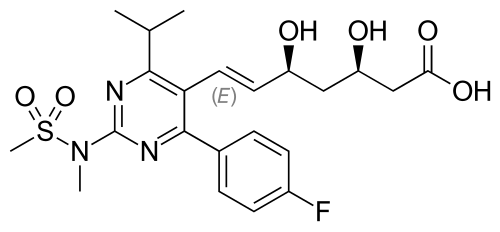
The very large incentives given to pharmaceutical companies to produce orphan drugs have led to the impression that the financial support afforded to make these drugs possible is akin to abuse.[37] Because drugs can be used to treat multiple conditions, companies can take drugs that were filed with their government agency as orphan drugs to receive financial assistance, and then market it to a wide population to increase their profit margin. For example AstraZeneca's cholesterol drug Crestor was filed as a treatment for the rare disease pediatric familial hypercholesterolemia. After the drug was approved for orphan drug designation, and AstraZeneca had received tax breaks and other advantages, AstraZeneca later applied and received FDA approval for the drug to be used to treat cholesterol in all diabetics.[18]
NICE
The UK's National Institute for Health and Care Excellence (NICE) can pay from £100,000 to £300,000 per QALY (Quality Adjusted Life Year) for treatments of "very rare conditions". This is compared to under £20,000 for non-orphan drugs.[38]
In 2015, NICE held consultations with "patient groups, the Department of Health, companies, learned societies, charities and researchers" regarding the appraisal of medicines and other technologies. There was a call for more research into new processes, including:[39]
the model of pharmaceutical research and development, the expectations that companies and patient groups have about how risk and reward is shared between the industry and a publicly funded NHS, and in the arrangements for commissioning expensive new treatments.
—NICE 2014
See also
References
- 1234Armstrong, Walter (May 2010). "Pharma's Orphans". Pharmaceutical Executive.
- 12345Hadjivasiliou, Andreas (October 2014), "Orphan Drug Report 2014"(PDF), EvaluatePharma, archived from the original(PDF) on 10 October 2015, retrieved 28 June 2015
- 12Daly, Rich (5 September 2002). "House Offers Incentives For Development of 'Orphan' Drugs". Congressional Quarterly Daily Monitor.
- ↑"Developing Products for Rare Diseases & Conditions". US Food and Drug Administration. 20 December 2018. Retrieved 28 December 2019.
- ↑Hall, Anthony K; Carlson, Marilyn R (2014). "The current status of orphan drug development in Europe and the US". Intractable & Rare Diseases Research. 3 (1): 1–7. doi:10.5582/irdr.3.1. ISSN 2186-3644. PMC 4204542. PMID 25343119.
- 1 2 جيانوزي، فيفيانا؛ كونتي، روزا؛ لاندي، أناليزا. أوتومانو، سيرينا أنتونيلا؛ بونيفازي، دوناتو؛ باياردي، باولا؛ بونيفازي، فيديل؛ سيسي ، أدريانا (2017-04-03). "المنتجات الطبية اليتيمة في أوروبا والولايات المتحدة لتغطية احتياجات المرضى الذين يعانون من أمراض نادرة: من المتوقع زيادة الجهود المشتركة" . مجلة اليتيم للأمراض النادرة . 12 (1): 64. دوى : 10.1186/s13023-017-0617-1 . ISSN 1750-1172 . بمك 5376695 . بميد 28372595 .
- ↑ "وزارة الصحة والعمل والرعاية الاجتماعية: المستحضرات الصيدلانية والأجهزة الطبية" . www.mhlw.go.jp. تاريخ الاطلاع: 11 يناير 2023 .
- 1 2 3 4 من المتوقع أن يصل حجم سوق الأدوية اليتيمة العالمي إلى 120 مليار دولار أمريكي بحلول عام 2018 (بيان صحفي) ، نيودلهي: كويك ريسيرش، 7 فبراير 2014 ، تم الاطلاع عليه في 20 مارس 2014
- 1 2 3 لورا غيز؛ جينيفر برين (2012)، "القوة الاقتصادية للأدوية اليتيمة" (ملف PDF) ، تومسون رويترز ، مؤرشف من الأصل (ملف PDF) في 13 مايو 2015 ، تم استرجاعه في 29 يونيو 2015
- 1 2 3 ميكينغ، كيران ن.؛ ويليامز، كوري إس إم؛ أروسميث، جون إي. (15 أغسطس 2012)، "تطوير الأدوية اليتيمة: استراتيجية مجدية اقتصاديًا لأبحاث وتطوير المستحضرات الصيدلانية الحيوية" ، مجلة اكتشاف الأدوية اليوم ، 17 ( 13-14 ): 660-664 ، doi : 10.1016/j.drudis.2012.02.005 ، PMID 22366309 ، تم الاطلاع عليه في 29 يونيو 2015
- ↑ شانون جيبسون؛ حامد ر. رازي؛ ترودو ليمينز (19 مارس 2015). "لماذا هذا التحول؟ نظرة فاحصة على الاهتمام المتزايد بالأسواق المتخصصة والطب الشخصي" . السياسة الطبية والصحية العالمية . 7 (1): 3-27 . doi : 10.1002/wmh3.131 . PMC 4405057. PMID 25914853 .
- ↑ هينكل، جون (1999). "قانون الأدوية اليتيمة ينضج ليصبح ركيزة أساسية في المجال الطبي" . مجلة المستهلك التابعة لإدارة الغذاء والدواء الأمريكية . مؤرشف من الأصل في 17 أغسطس 2000. تم الاطلاع عليه في 14 فبراير 2009 .
- 1 2 3 بولاك، أندرو (30 أبريل 1990). "قانون الأدوية اليتيمة يثير جدلاً" . صحيفة نيويورك تايمز . تم الاطلاع عليه بتاريخ 15 فبراير 2009 .
- 1 2 إيلينغورث، باتريشيا؛ كوهين، جيليان؛ إيلينغورث، ب (2004). "سياسات الأدوية اليتيمة: الآثار المترتبة على الولايات المتحدة وكندا والدول النامية". مجلة قانون الصحة . 12 : 183-200 . PMID 16539081 .
- ↑ "تعريف الأمراض النادرة - تعريفات المصطلحات الطبية الشائعة في القاموس الطبي، مُعرّفة بسهولة على موقع MedTerms" . Medterms.com. 25 أغسطس 2002. مؤرشف من الأصل في 7 أغسطس 2012. تم الاطلاع عليه في 7 يونيو 2010 .
- ↑ جيرك، سارة؛ باتينسون، شون د. (9 فبراير 2017). "ترخيص تسويق المنتجات الطبية اليتيمة في الاتحاد الأوروبي وتأثيره على البحوث ذات الصلة" (ملف PDF) . المجلة الأوروبية لقانون الصحة . 24 (5): 541-564 . doi : 10.1163/15718093-12341439 .
- ↑ دونا يونغ (28 نوفمبر 2007). "الولايات المتحدة والاتحاد الأوروبي سيستخدمان طلبًا موحدًا للأدوية اليتيمة" . أخبار بيو وورلد . واشنطن . تاريخ الاسترجاع: 6 يناير 2008.
في محاولة لتبسيط عملية الحصول على صفة الدواء اليتيم للأدوية التي تستهدف الأمراض النادرة، أنشأت إدارة الغذاء والدواء الأمريكية ووكالة الأدوية الأوروبية طلبًا موحدًا. ... وأكدت الوكالتان أن الجهات التنظيمية الأمريكية والأوروبية ستجري مراجعات مستقلة لطلبات التقديم لضمان استيفاء البيانات المقدمة للمتطلبات القانونية والعلمية في نطاق اختصاص كل منهما.
تمت أرشفة الرابط البديل بتاريخ 9 مارس 2008 في أرشيف الإنترنت (Wayback Machine) . - 1 2 3 4 أندرو دافي (23 فبراير 2002). "الأمراض النادرة: حالة نادرة: بحث يائس عن المساعدة؛ عائلة من المقاطعة تنضم إلى قائمة طويلة من المصابين بأمراض نادرة في سعيها لتحقيق معجزة". صحيفة وندسور ستار (أونتاريو) .
- ↑ "أثر الموافقة على الأدوية الجديدة (اليتيمة) على الوفيات المبكرة الناجمة عن الأمراض النادرة في الولايات المتحدة وفرنسا، 1999-2007" . مؤرشف من النسخة الأصلية (PDF) بتاريخ 10 مايو 2014.
- ↑ دينيس، آلان؛ ميرغارت، لوت؛ فوستير، كريستيل؛ وآخرون (2010). "قضايا متعلقة بالأمراض النادرة وسياسات الأدوية النادرة في أوروبا". اقتصاديات الصحة التطبيقية وسياسات الصحة . 8 (5): 343-350 . doi : 10.2165/11536990-000000000-00000 . PMID 20804226. S2CID 27388954 .
- ↑ أرنو، بيتر س.؛ بونوك، كارين؛ ديفيس، مايكل (1995-01-01). "الأمراض النادرة، وتطوير الأدوية، والإيدز: أثر قانون الأدوية اليتيمة" . مجلة ميلبانك الفصلية . 73 (2): 231-252 . doi : 10.2307/3350258 . JSTOR 3350258. PMID 7776947 .
- ↑ «منحت إدارة الغذاء والدواء الأمريكية دواء RT001 من شركة ريتروتوب تصنيف دواء اليتيم لعلاج التنكس العصبي المرتبط بإنزيم فوسفوليباز 2G6 (PLA2G6)» . غلوبال نيوزواير . 2 نوفمبر 2017. مؤرشف من الأصل في 1 أبريل 2019. تم الاطلاع عليه في 12 مارس 2019 .
- ↑ بروكس، ميغان (10 أغسطس 2018). "إدارة الغذاء والدواء الأمريكية توافق على أول علاج من نوعه يعتمد على الحمض النووي الريبوزي الموجه لعلاج مرض نادر" . fda.gov . إدارة الغذاء والدواء الأمريكية. مؤرشف من الأصل في 31 مايو 2019. تم الاطلاع عليه في 5 مايو 2021 .
- 1 2 ويكسلر، جيل (يوليو 2008). "الاحتفال بمرور 25 عامًا على الأدوية اليتيمة". التكنولوجيا الصيدلانية .
- ↑ هادجيفاسيليو، أندرياس (2015). تقرير إيفالويت فارما للأدوية اليتيمة 2015. إيفالويت فارما.
- ↑ توماس، كاتي (30 ديسمبر 2016). "دواء باهظ الثمن لمرض عضلي مميت يحصل على موافقة إدارة الغذاء والدواء الأمريكية" . صحيفة نيويورك تايمز . تم الاطلاع عليه بتاريخ 12 أبريل 2017 .
- ↑ شاي، كارينا؛ ميلانوفا، تسفيتا؛ هاتشينغز، آدم (2011). "تقدير الأثر المالي للأدوية اليتيمة في أوروبا: 2010-2020" . مجلة أورفانيت للأمراض النادرة . 6 (62): 62. doi : 10.1186/1750-1172-6-62 . PMC 3191371. PMID 21951518 .
- 12Meekings, Kiran N.; Williams, Cory S. M.; Arrowsmith, John E. (2012-07-01). "Orphan drug development: an economically viable strategy for biopharma R&D". Drug Discovery Today. 17 (13–14): 660–664. doi:10.1016/j.drudis.2012.02.005. PMID 22366309.
- ↑Kesselheim, A. S.; Myers, J. A.; Avorn, J. (2011-06-08). "Characteristics of clinical trials to support approval of orphan vs nonorphan drugs for cancer". JAMA. 305 (22): 2320–2326. doi:10.1001/jama.2011.769. ISSN 0098-7484. PMID 21642684.
- ↑Crowe, Kelly (25 June 2015), "How pharmaceutical company Alexion set the price of the world's most expensive drug: Cost of one of world's most expensive drugs shrouded in corporate secrecy", CBC News, retrieved 25 June 2015
- 12Drummond, M. F.; Grubert, N. (2007), International Trends in the Use of Health Economic Data, Spectrum Report, Decision Resources, Waltham, Mass.
{{citation}}: CS1 maint: location missing publisher (link) - ↑"Measuring effectiveness and cost effectiveness: the QALY" (Press release). NICE. 20 April 2010. Retrieved 15 Jun 2015.
- ↑"Guide to the methods of technology appraisal 2013". NICE. 2013. Archived from the original on 7 May 2015. Retrieved 15 Jun 2015.
- 12Drummond, Michael F. (2008). "Challenges in the economic evaluation of orphan drugs". Eurohealth. 14 (2): 16–257.
- 12McCabe, C; Claxton, K; Tsuchiya, A. (2005). "Orphan drugs and the NHS". British Medical Journal. 331 (4): 1016–19. doi:10.1136/bmj.331.7523.1016. PMC 1273462. PMID 16254305.
- 123McCabe, C; Tsuchiya, A; Claxton, K; Raftery, J. (2007). "Assessing the economic challenges posed by orphan drugs: a comment on Drummond et al". International Journal of Technology Assessment in Health Care. 23 (3): 397–404. doi:10.1017/s0266462307071012. PMID 17579945. S2CID 29572982.
- ↑Simoens, Steven (2011-06-17). "Pricing and reimbursement of orphan drugs: the need for more transparency". Orphanet Journal of Rare Diseases. 6 (1): 42. doi:10.1186/1750-1172-6-42. PMC 3132155. PMID 21682893.
- ↑"Our charter | Who we are | About". NICE. Retrieved 2021-03-29.
- ↑"NICE calls for a new approach to managing the entry of drugs into the NHS" (Press release). NICE. 18 September 2014. Archived from the original on 20 January 2022. Retrieved 29 June 2015.
External links
- Drug Information Association (DIA)
- EVENT: DIA/FDA Orphan Drug Designation Workshop November 2010Archived 2010-10-28 at the Wayback Machine
- European Commission - The Orphan drugs strategy
- List of European Orphan Drugs
- USA Food and Drug Administration: The Orphan Drug Act (as amended)
- US FDA List of Orphan Designations and Approvals
- Orphan drugs
- Biotechnology law
- Drug discovery
- Pharmaceuticals policy
- Health economics
- Life sciences industry
- Rare diseases