
جون وايلد
السير جون وايلد (أو وايلد ؛ 11 مايو 1781 - 13 ديسمبر 1859) كان رئيس قضاة مستعمرة كيب ، رأس الرجاء الصالح، وقاضيًا في المحكمة العليا لمستعمرة نيو ساوث ويلز، ولد في ساحة وارويك، شارع نيوجيت ، لندن .
عضو في عائلة من المحامين
كان الابن الأكبر لتوماس وايلد (1758-1821) (نيو ساوث ويلز)، المحامي في سافرون والدن ووارويك سكوير بلندن، مؤسس شركة وايلد سابت عام 1785، والتي أصبحت لاحقًا دينتون وايلد سابت، وهي الآن شركة المحاماة متعددة الجنسيات دينتونز ، وماري آن (ني نايت). في أواخر حياته، تقاعد توماس وايلد، عالم الطبيعة الهاوي "ذي المكانة المرموقة"، ولحق بابنه جون إلى سيدني، أستراليا، حيث توفي في 4 ديسمبر 1821، حاملاً معه البيانو والتشيلو والناي. في فبراير 1817، انتُخب توماس وايلد لعضوية أول مجلس إدارة لبنك نيو ساوث ويلز . [ 1 ]
كان شقيقا جون وايلد الأصغر سنًا هما: توماس وايلد (1782-1855)، اللورد الأول لترورو ، مستشار إنجلترا، وإدوارد آرتشر وايلد (1786-1871)، محامي لندن، وهو والد جيمس بلايستيد وايلد (1816-1899)، اللورد الأول والأخير لبنزانس ؛ والجنرال السير ألفريد توماس وايلد ، الحائز على وسام فارس الصليب الأكبر ووسام نجمة الهند (1819-1878). كما برز من عائلة وايلد في القرن التاسع عشر، أحفاد توماس وايلد (1758-1821)، كمحامين ومستشارين قانونيين مرموقين في لندن.
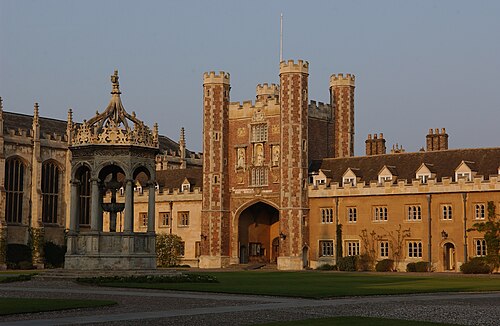
تلقى وايلد تعليمه في مدرسة سانت بول بلندن ، وفي كلية ترينيتي بجامعة كامبريدج ، ثم انضم إلى نقابة المحامين من ميدل تمبل عام 1805. [ 2 ] في كنيسة سانت بينيت بكامبريدج، تزوج وايلد من إليزابيث جين، واسمها قبل الزواج مور، في 16 يوليو 1805، وأنجب منها تسعة أطفال. بقيت إليزابيث في أستراليا، وانفصلا عام 1836.
نائب قاضي الشؤون العسكرية في نيو ساوث ويلز
Having met with some success as a London barrister, in 1815 Wylde accepted the position of Deputy Judge Advocate of New South Wales, with a salary of approximately £1200 per annum. Wylde arrived in Sydney on 5 October of the following year on the ship Elizabeth. He was accompanied by his wife, six of his children, Joshua John Moore, his brother-in-law (who acted as Wylde's clerk), and his father, Thomas Wylde. Wylde, having considered Ellis Bent's recommendation for 'a professional person ... as Clerk of the Peace' to help in his new judge advocate position, recommended his father for the role.
Posted as the Deputy Judge Advocate of New South Wales, Wyldes duties proved widely varied and arduous, as he effectively simultaneously filled the roles of committing magistrate, public prosecutor and judge. Despite the apparent complexity and difficulty of his position, Wylde discharged his duties faithfully and properly, and at times, revolutionised several of the statutes of the courts and legal system in the new colony; he did not allow convict attorneys to practise in his court, oversaw the establishment of a supreme court in Van Diemen's Land and revised the port regulations of Ellis Bent.
In 1821, Wylde sent a report of the judicial and legal state and process of establishment in the new colony to Commissioner John Bigge. This report described at length the need for the laws of New South Wales to be modified so that they would be in near parallel with those of England. This report, along with Wylde's way of handling his many judicial duties, his suggestions and, at times, even Wylde himself, were fiercely criticised in a confidential letter from Bigge to Henry Bathurst on 9 September 1822. The criticism was so intense and detailed, that it was considered by many to be overly harsh. After a farewell speech at the final sitting of the Governor's Court in May 1824, in which he strongly defended himself, Wylde left his post. His legal career continued however, and in March 1824 he became a judge of the supreme court, until 17 May, when Francis Forbes opened a new Supreme Court which superseded the one Wylde was at, and Wylde's work there ceased.
Chief Justice of the Cape Colony
Wylde sailed to England in 1825, was knighted in 1827 and was then appointed Chief Justice of the new court of the Cape of Good Hope in South Africa. He remained in this position for the rest of his career. He presided over the abolition of slavery on 1 December 1834, and over the beginnings of representative government in the early 1850s. While his work was, according to contemporary accounts, of the highest quality, his public life was beset with scandals. Nowadays he is considered to have been a weak Chief Justice, largely ignorant of the Roman-Dutch law that applied at the Cape, and overshadow by senior puisne judge William Menzies.[3][4] Wylde retired in 1855, following a stroke, and was replaced by Sir William Hodges.[5]
Personal life
Wylde had and received many land grants, including over 800 hectares of land at Cabramatta, and over 50 hectares in Potts Point. At Pott's Point Wylde built a palatial home where he lived in for many years. Wylde founded what would become a renowned and respected horse stud, became the president of the Benevolent Society, and enjoyed reading the classics. Wylde also had a love of music, and had a piano imported to New South Wales. Among his most treasured musical instruments were a century-old cello and a flute. He was also known to be a very devoted parent.
Wylde died on 13 December 1859. He never left South Africa after being appointed chief justice in Cape Town. A portrait of him, painted in 1827 by Martin Shee, is at Parliament House, Cape Town.
References
- ↑Holder, Reginald Frank; Bank of New South Wales (1970), Bank of New South Wales : a history, vol. 1 (1817-1893), Angus and Robertson, ISBN 978-0-207-95362-0
- ↑"Wilde (or Wylde), John (WLD799J2)". A Cambridge Alumni Database. University of Cambridge.
- ↑Girvin, Stephen D. (1992). "The Establishment of the Supreme Court of the Cape of Good Hope and Its History under the Chief Justiceship of Sir John Wylde: I". South African Law Journal. 109: 291.
- ↑Zimmermann, Reinhard; Visser, Daniel (1996). Southern Cross: Civil Law and Common Law in South Africa. Cape Town: Juta.
- ↑ ك. ماكنزي: فضيحة في المستعمرات: سيدني وكيب تاون، 1820-1850 . منشورات جامعة ملبورن، 2005.
- مكاي، آر جيه. "وايلد، السير جون (1781 - 1859)" . قاموس السير الأسترالي . المركز الوطني للسير، الجامعة الوطنية الأسترالية . ISBN 978-0-522-84459-7ISSN 1833-7538 . OCLC 70677943. تم الاطلاع عليه في 1 مارس 2019 .
- إليس، MH (1947). لاتشلان ماكواري .
- بوتلين، إس جيه أسس النظام النقدي الأسترالي، 1788-1851 .
مصادر خارجية
وايلد، جون. " [ رسائل كتبها السير جون وايلد وإليه، عام 1817 ] " . أرشيف مارسدن الإلكتروني . جامعة أوتاغو . تاريخ الاطلاع: 13 أغسطس 2015 .
- الأشخاص الذين تلقوا تعليمهم في مدرسة سانت بول، لندن
- خريجو كلية ترينيتي، كامبريدج
- المعاونات الإنجليزية
- 1859 حالة وفاة
- 1781 مولودًا
- رؤساء قضاة جنوب أفريقيا
- قضاة مستعمرة كيب
- قضاة مستعمرة نيو ساوث ويلز
- قضاة الدفاع في نيو ساوث ويلز
- قضاة أستراليون من القرن التاسع عشر
- محامون إنجليز من القرن التاسع عشر
- أعضاء المعبد الأوسط