
سعد موسى
سعد موسى أو سعد موسى ( الصومالي : Sacad Muuse ، العربية : موسسعد ، الاسم الكامل: سعد بن موسى بن الزبير بن عبد الرحمن بن الشيخ إسحاق بن أحمد ) عشيرة شمال الصومال . ويشكل أعضاؤها جزءًا من عشيرة حبر أول ، أكبر عشيرة فرعية من عائلة إسحاق وأكثرها سكانًا. [ 1 ] [ 2 ] [ 3 ] تتكون قبيلة سعد موسى تقليديا من الرعاة الرحل وسكان المناطق الساحلية والتجار والمزارعين . تسكن العشيرة مدينة هرجيسا في أرض الصومال حيث يشكلون الأغلبية، بما في ذلك مارودي جيكس وأودال وساحل وكذلك جيبوتي والمنطقة الصومالية في إثيوبيا والصومال وكينيا وتنزانيا .
توزيع
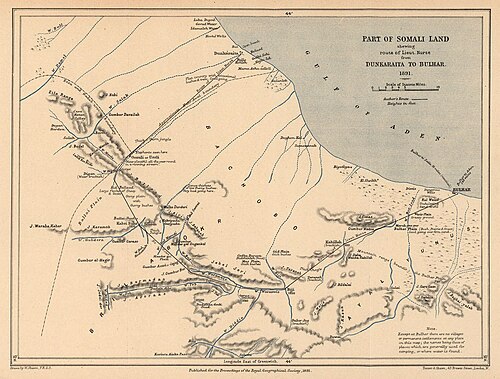
تشكل قبيلة سعد موسى نسبة كبيرة من سكان منطقة مرودي جيكس ، التي تُعتبر المنطقة الأكثر اكتظاظًا بالسكان في أرض الصومال ، حيث تُشكل أغلبية كبيرة من سكان العاصمة هرجيسا ، كما تُهيمن بشكل حصري على المدن والبلدات الزراعية في هرجيسا ، وجابيلي ، ووجالي ، وعربسيو ، وكلابايد ، وأغابار ، والبردالي ، والفرواين ، والليبادي . ويتواجد أفراد قبيلة سعد موسى أيضًا في منطقة الساحل الغربي ، في المستوطنات الساحلية بين جيل شيخ وبولهار . كما يسكنون منطقة أودال الشمالية الشرقية .
خارج أرض الصومال، لدى سعد موسى أيضًا مستوطنات كبيرة في المنطقة الصومالية من إثيوبيا ، وتحديدًا في منطقة فافان حيث يشكلون على التوالي الأغلبية في مدن هارشين ، وهارت شيخ ، وأوير ، ويوكالي، وواجالي (الجانب الإثيوبي). كما يستقرون أيضًا في منطقتي كبري بيه وجيجيجغا في منطقة فافان .
The Sa'ad Musa also have a large settlement in Kenya where they are known as a constituent segment of the Isahakia community.[5] Finally they have a large presence in Djibouti as well, forming a large percentage of the Somali population in Djibouti and within Djibouti they have historically settled in Quartier 3, which is one of the 7 major districts in Djibouti.[6][7][8]
Lineage

Sheikh Ishaaq ibn Ahmed was one of the Hashemite scholars that crossed the sea from Arabia to the Horn of Africa to spread Islam around 12th to 13th century. Sheikh Isxaaq married two local women in Somaliland that left him eight sons, one of them being Abdulrahman (Awal). The descendants of those eight sons constitute the Isaaq clan-family.[9]
The grave of Zubeyr Awal, the eponymous ancestor of the Sa'ad Musa and Issa Musa of the Habar Awal, is located in Jidali in Sanaag. The town is about 100 km east of the tomb of his grandfather Sheikh Ishaaq Bin Ahmed, the founding father of the Isaaq clan family, whose tomb is located in the coastal town of Maydh.[10][11][12]
History
Medieval Period (Conquest of Abyssinia)
Historically as part of the Habr Awal clan the Sa'ad Musa were part of the Adal Sultanate and are mentioned in the renowned "Futuh al-Habasha" for their major contributions in the Ethiopian-Adal war as the Habr Magaadle along with the Garhajis, Arap and Ayub clans against the Ethiopian Empire, and also for producing a historical figure known as Ahmad Gurey bin Husain who was the righthand partner of Ahmad ibn Ibrahim al-Ghazi and a chieftain for the Habr Magaadle forces during the Ethiopian–Adal war.[13]
Pre-colonial era

The Sa'ad Musa have a rich mercantile history largely due to their possession of the major Somali port of Berbera, which was the chief port and settlement of the wider Habr Awal clan during the early modern period.
The Habr Awal clan maintained close ties with the Emirate of Harar, where its members were influential in political, economic, and religious affairs. Harari Emirs held Habr Awal merchants in high esteem, relying on their trade networks linking Harar to Red Sea ports and the wider Indian Ocean world. In the mid-19th century, Richard Francis Burton noted their prominence in the court of Emir Ahmad III ibn Abu Bakr. The Habr awal members also held senior offices such as Malaq and Wazirwho was second in command of Harar, the latter being the second-highest position in the Emirate. The Habr Awal also exerted religious influence: during Burton’s visit, two leading Islamic scholars were from the clan of Kabir Khalil and Kabir Yonis, continuing an earlier legacy represented by Aw Muhammad, the Imam of Annajina, who helped spread Islam among the Oromo of Bali.[14][15]
The Sa'ad Musa as a whole are a rich people, mainly thanks to the trade passing through the port of Berbera which lies in the territory of the Sa’ad Musa.[16]
In this way the tribes occupying the tract of country through which the main caravan or trade routes passed accumulated a good deal of wealth, while those like the Ayal Ahmed, fortunate enough to possess a port so favored by Nature as Berbera, naturally soon became rich.[17]

The Habr Awal merchants had extensive trade relations with Arab and Indian merchants from Arabia and the Indian subcontinent respectively. When these foreign traders arrived in Berbera and Bulhar to conduct trade, there was a mutually beneficial arrangement based on the abban (protection) system between them and the local Reer Yunis Nuh (Ayyal Yunis) and Ahmed Nuh (Ayyal Ahmed) lineages of the Sa’ad Musa:
Before this, and prior to the British settlement at Aden in 1839, the Ayyal Yunis and Ayyal Ahmed lineages of the Habr Awal clan had held Berbera and jointly managed its trade, sharing in the profits on all commercial transactions as ‘protectors’ (abans) of foreign merchants from Arabia and India. When under the stimulus of developments at Aden the port's prosperity markedly increased, the numerically dominant Ayyal Yunis drove out their rival kinsmen and declared themselves commercial masters of Berbera. This led to a feud in which each side sought outside help; the defeated Ayyal Ahmed turned to Haji Shirmarke ‘Ali and his Habr Yunis clansmen for support. With this backing, they were then able to re-establish themselves and to expel the Ayyal Yunis who moved to the small roadstead of Bulhar, some miles to the west of Berbera.[18]

Not only did the Sa'ad Musa host foreign merchants at their ports, they also conducted trade missions on their own vessels to the Arabian ports.[19] The majority of the Somali merchants who frequented Aden and other Southern Arabian ports hailed from the Sa'ad Musa clan. They procured various raw goods from Harar and the interior in exchange for manufactured goods. During their stay, the Sa'ad Musa rented their own houses and hired their own servants, whereas other Somali clans tended to stay with relatives already established across the Gulf.
Merchants. — These are generally members of the Sa'ad Musa tribe. They bring from Harrar and the Galla country, coffee, saffron (bastard), tusks (ivory), and feathers, taking away in return zinc, brass, broad cloth, and piece goods. They remain in Aden for about twenty days at a time during the trading season, which lasts about nine months,' making four trips. During their residence they hire a house, and are accompanied by their own domestics.[20]
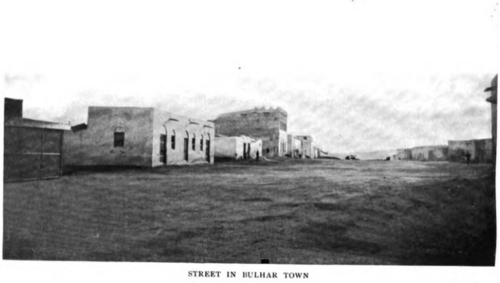
In the interior, Sa'ad Musa trade caravans (khafilas) were a frequent sight according to contemporary European accounts of the Somali Peninsula:
On leaving Hargeisa we travelled for many miles through beautiful park-like land, alive with birds and jungle fowl. We met the usual Somali khafilas [trading caravans] of Habr-Awal men, carrying their skins, gums, ghee, and coffee to our port at Bulhar, situated between Berbera and Zeila.[21]
The Somalis from the deep interior, principally those from the Ogaden, also gained most of their resources from the Sa'ad Musa merchants who they called "iidoor", an enviable pejorative meaning merchant or trader, a reference to the mercantile nature of the Sa'ad Musa traders at the time.[22] The coastal Sa'ad Musa (mainly of the Reer Ahmed Nuh sub-division) regularly acted as brokers/middlemen for the Somali clans of the interior who wished to take their goods to the ports of Berbera and Bulhar:
The custom is for the Ayal Achmet (Berbera tribe) to act as brokers, and too often most of the profits stick to the hands of the middleman. Till lately no Ogadayn ever went to the coast, but entrusted the goods to coast traders.[23]
Battle of Berbera

When a British vessel named the Mary Anne attempted to dock in Berbera's port in 1825 it was attacked and multiple members of the crew were massacred by the Habr Awal, including the Sa'ad Musa. In response the Royal Navy enforced a blockade and some accounts narrate a bombardment of the city.[24] In 1827 two years later the British arrived and extended an offer to relieve the blockade which had halted Berbera's lucrative trade in exchange for indemnity. Following this initial suggestion the Battle of Berbera 1827 would break out. After the Habr Awal defeat, 15,000 Spanish dollars was to be paid by the Habr Awal leaders for the destruction of the ship and loss of life.[24]
The Isaaq SultanFarah Guled and Haji Ali penned a letter to Sultan bin Saqr Al Qasimi of Ras Al Khaimah requesting military assistance and joint religious war against the British.[25]
لم يتحقق ذلك، إذ كان السلطان صقر عاجزًا بسبب حملة الخليج العربي السابقة عام ١٨١٩، ولم يتمكن من إرسال مساعدات إلى بربرة. وإلى جانب معقلهم في الخليج العربي وخليج عُمان، كان القاسميون نشطين للغاية عسكريًا واقتصاديًا في خليج عدن ، وكانوا يميلون إلى نهب ومهاجمة السفن حتى غربًا عند المخا على البحر الأحمر . [ ٢٦ ] وكانت لهم علاقات تجارية عديدة مع الصوماليين ، حيث كانت سفنهم الرئيسية من رأس الخيمة والخليج العربي تحرص على المشاركة بانتظام في المعارض التجارية في موانئ بربرة وزيلع الكبيرة ، وكانوا على دراية واسعة بجماعة سعد موسى. [ ٢٧ ] [ ٢٨ ]
غاراد وسلاطين موسى ساكاد
تتمتع قبيلة سعد موسى بتقاليد قيادية عريقة، ويقودها سلطان من فرع أحمد عبد الله، وهو فرع كبير من قبيلة سعد موسى، يقطن معظمه في إثيوبيا . ويُعدّ سعد موسى الحكام التقليديين لسلطنة هبر أول منذ القرن الثامن عشر. [ 29 ] تاريخيًا، فضلت القبيلتان استخدام مصطلح "غاراد" المحلي، كما هو الحال مع قبيلة وارسانجلي ، إلا أنهما غيّرتا اسم اللقب لاحقًا إلى "سلطان"، على الرغم من أن الدور لا يزال متطابقًا. [ 30 ] كان غاراد هبر أول يحشد الرجال في أوقات الحرب، ويسوي النزاعات الكبيرة مع القبائل الأخرى، ويضطلع بدور الوسيط النهائي ( نابادون ). [ 31 ] تُوّج أول غاراد بنيين في نفس الفترة الزمنية تقريبًا التي تُوّج فيها أول سلطان لهبر يونس، ديرية عيناشا ، حيث انفصلت كلتا هاتين القبتين الكبيرتين عن وصاية الإيداجال، الذين كانوا الزعماء الرئيسيين لسلطنة إسحاق . بعد وفاته، لم يُنصِّب هبر أوال غرادًا جديدًا لعدة سنوات نظرًا لصغر سن ورثة بنيين، فتوَّج غراد عبد الله خلفًا لوالده عند بلوغه سن الرشد. وقد قاتل في الحدود الجنوبية لأراضي هبر أوال لحماية العشيرة من أعدائها وصدّ الغارات. وفي إحدى المرات، نجا بأعجوبة من هجوم مفاجئ من جدواق، حيث حشد أحمد عبد الله قواه بسرعة وأجبر المهاجمين على الفرار. [ 32 ]
| اسم | رين من | رين حتى | |
|---|---|---|---|
| 1 | جراد بنيين ( جراد الأول ) | ||
| 2 | غاراد عبد الله غاراد بنيين | ||
| 3 | غاراد عسكر غاراد عبد الله | ||
| 4 | غاراد ديريي غاراد عبد الله | ||
| 5 | SultanAbdulrahmanGaraad Diriiye (adopted Sultan title) | ||
| 6 | SultanAbdillahiSultan Abdulrahman | ||
| 7 | SultanAbdirizaqSultan Abdillahi | ||
| 8 | SultanHassanSultan Abdillahi |
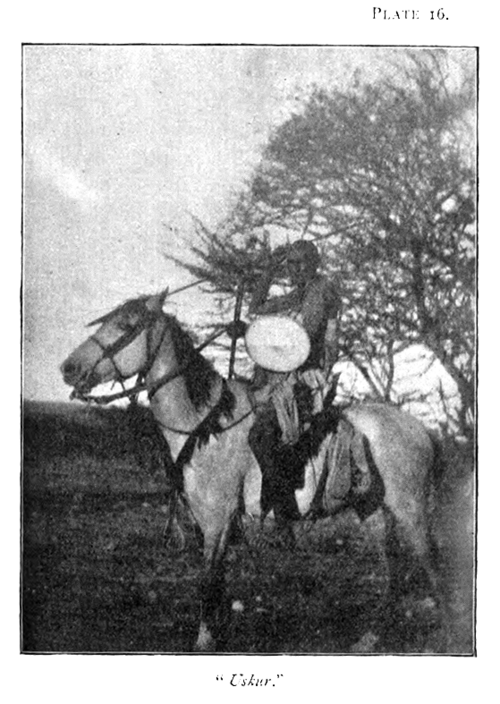
Garaad Abdalla served for several decades and was received by travelling British officials near the southern limit of the protectorate in 1894 concerning expansion by General Ras Makonen on behalf of Menelik II.[33] Garaad Abdalla alongside many other leaders in British Somaliland such as Sultan Deria Hassan and Sheikh Madar were worried about a devastating raid by the Abyssinian forces aimed at the burgeoning town Hargeisa and its environs. The Garaad was contacted by Makonen just two years later asking him and the Habr Awal to join the Ethiopian Empire but was rebuffed.[34] Garaad Abdalla was approached by the Sultan of Habr Yunis when they had faced a drought, the Habr Yunis requested access to Habr Awal wells to water. Abdalla granted the request but some members of his clan thought he was too generous and helping the Habr Yunis at the expense of the wellbeing of their own stock. Chief amongst these people was his 15 year old Askar. When some of the Habr Yunis party came to water, Askar stepped in between the well and the men barring them access. He was reprimanded for his foolishness and told to step aside and obey his father's wishes. Enraged Askar stabbed the man who reprimanded him and war almost broke out at this action.[31]
A wise Habr Awal bard from Bulhar named Aami stood and recited a gabay[31]
- The words too many have already been spoken about Yunis' foolish words
- But righteous judgement pious to you according to ancient custom, bringing peace and (firmly) like a mountain
- Very close to you lurk people, you enemies, from primeval times their commemorating a feud
- If the time came when you were blinded by the quarrel, you would not respect it
- Without hesitation, they suddenly fell upon you
- All hostile tribes have heard the news of your quarrel
- Like vultures, they all look greedily at your flesh!
تأثرت الأطراف بكلماته، فعملوا على حل نزاعهم. وقدّم غرعد عبد الله يد إحدى بناته للشاعر مكافأةً له على جهوده. [ 31 ] بعد وفاة عبد الله، خلفه ابنه الأكبر عسكر في منصب الغرعد. كان عسكر فارسًا ماهرًا، وقاتل في صفوف القوات الجنوبية من العشيرة ضد الدراويش الذين بدأوا يشنون غارات على هبر أول وعشائر أخرى في المنطقة. حشد الشيخ مدار القوات الشمالية من هبر أول، الذين كانوا، على عكس أحمد عبد الله وبعض القبائل الأخرى، يقيمون في الغالب داخل حدود الصومال البريطاني . [ 35 ] [ 36 ] بعد وفاة عسكر، تولى شقيقه الأصغر ديريا منصب الغرعد، وعلى عكس أخيه ووالده، كان أكثر اهتمامًا بشؤون مجتمع هبر أول، إذ ساد جو من السلام النسبي بعد هزيمة الدراويش، مما قلل الحاجة إلى القتال. [ 37 ] واجه ديريي منافسًا آخر على منصبه كغاراد، والتفّت صحيفة هبر أوال حوله ورفضت المدّعي. [ 38 ]
بعد وفاة ديريا، تُوِّج ابنه عبد الرحمن، وكان أول زعيم لإمارة هبر أول يُلقِّب نفسه بـ"السلطان" بدلاً من "غاراد". كان عبد الرحمن يشبه والده إلى حد كبير، إلا أنه كان أكثر نشاطاً في شؤون المحمية. [ 37 ]
في عام 1955، كان السلطان عبد الرحمن درعية عضواً في وفد مؤلف من أربعة سياسيين وسلاطين إلى لندن ، المملكة المتحدة . وكان هدفهم تقديم التماس والضغط على الحكومة البريطانية لإعادة الأراضي المفقودة بموجب المعاهدة والمعروفة باسم "منطقة هود المحمية" التي تم التنازل عنها للإمبراطورية الإثيوبية بموجب المعاهدة الأنجلو-إثيوبية لعام 1954. [ 39 ]

في كتابه "السياسات الإمبريالية والقومية في إنهاء استعمار أرض الصومال، 1954-1960" ، كتب المؤرخ جامع محمد:
The N.U.F. campaigned for the return of the territories both in Somaliland and abroad. In March 1955, for instance, a delegation consisting of Michael Mariano, Abokor Haji Farah and Abdi Dahir went to Mogadisho to win the support and co-operation of the nationalist groups in Somalia. And in February and May 1955 another delegation consisting of two traditional Sultans (Sultan Abdillahi Sultan Deria, and Sultan Abdulrahman Sultan Deria), and two Western-educated moderate politicians (Michael Mariano, Abdirahman Ali Mohamed Dubeh) visited London and New York. During their tour of London, they formally met and discussed the issue with the Secretary of State for the Colonies, Alan Lennox-Boyd. They told Lennox-Boyd about the 1885 Anglo-Somali treaties. Under the agreements, Michael Mariano stated, the British Government 'undertook never to cede, sell, mortgage or otherwise give for occupation, save to the British Government, any portion of the territory inhabited by them or being under their control'. But now the Somali people 'have heard that their land was being given to Ethiopia under an Anglo-Ethiopian Treaty of 1897'. That treaty, however, was 'in conflict' with the Anglo-Somali treaties 'which took precedence in time' over the 1897 Anglo-Ethiopian Treaty[.] The British Government had 'exceeded its powers when it concluded the 1897 Treaty and ... the 1897 Treaty was not binding on the tribes.' Sultan Abdillahi also added that the 1954 agreement was a 'great shock to the Somali people' since they had not been told about the negotiations, and since the British Government had been administering the area since 1941. The delegates requested, as Sultan Abdulrahman put it, the postponement of the implementation of the agreement to 'grant the delegation time to put up their case' in Parliament and in international organizations.[39]
Clans
In the Isaaq clan-family, component clans are divided into two uterine divisions, as shown in the genealogy. The first division is between those lineages descended from sons of Sheikh Ishaaq by a Harari woman – the Habr Habuusheed – and those descended from sons of Sheikh Ishaaq by a Somali woman of the Magaadle sub-clan of the Dir – the Habr Magaadle.
A summarized clan family tree of major Sa'ad Musa subclans is presented below.[40]
- Sheikh Isaaq Bin Ahmed (Sheikh Isaaq)
- Habar Habuusheed (Habr Je'lo)
- Ahmed (Tol-Ja'lo)
- Muuse
- Ibrahiim (Sanbuur)
- Muhammad ('Ibraan)
- Habar Magaadle
- Ismail (Garhajis)
- Muhammad (Arap)
- Ayub
- Abdirahman (Habr Awal)
- Sa'ad Muuse
- Abdirahman Sa'ad
- Abdalla Sa'ad
- Hassan Sa'ad
- Abdalla Hassan
- Isaaq Sa'ad
- Makahil
- Nux Makahil
- Abokor Makahil
- Cumar Makahil
- Mohammed Makahil
- Hassan Makahil
- Ali Hassan
- Jibril Hassan
- Rooble Hassan
- Osman Hassan
- Yonis Osman
- Mohamoud Osman
- Sugaal Osman
- Wacays Osman
- Liibaan Osman
- cabdalle Osman
- Guuleed Cabdlle
- Ahmed Osman
- Cabanne Ahmed
- Cabdalle Ahmed
- Samakaab Ahmed
- Aden Samakaab
- Cigaal Samakaab
- Abokor Osman
- Ali Obokor
- Naleye Ali
- Samater Ali
- Mohamed Ali
- Ali Obokor
- Mohammed Isaaq (Abbas)
- Makahil
- Sa'ad Muuse
- Xasan Maxamed
- Rooble Maxamed
- Xasan Maxamed
- Barre Xasan (Bare dalab)
- Baale Xasan (Reer Baale)
- Waceys Xasan
- Rooble Maxamed
- Alamagan Rooble (Reer Naaleeye)
- Boqore Rooble (reer Geedi)
- Ahmed Rooble (reer Foodcade)
- Isse Isaaq (Ciise Carab)
- Musa (Ase) Isaaq
- Yeesif Isaaq
- ABOKOR ISAAQ
- Abdalla Abokor
- cigaal Cabdalle (Warancas)
- Xasan Cabdalle (Bahabar xasan)
- Axmed Cabdalle (Bahabar Axmad)
- Yusuf Cabdalle (Curadka)
- Maxamed Cabdalle (Robsuge)
- Rooble Maxamed (Reer Roble)
- Xaamud Maxamed (rer xaamud)
- Aden Maxamed.
- Cabdalla Aden
- Abokor Cabdalle
- Xuseen Abokor ( reer xuseen)
- Cadaawe Abokor
- Geedi Cadawe (rer gedicadawe)
- XILDIID ABOKOR
- Reer Cigaal xildiid
- Reer Bare Xildiid
- Reer Geedi Xildiid
- Galool Xildiid( Reer Gaool)
- Ismaaciil Xildiid
- Cumar ismaaciil( Reer Cumar)
- Xoosh Ismaacil( Reer Xoosh
- Cali Ismaaciil (basheesho)
- Guleed ismaaciil(basheesho)
- Maax Ismaaciil(basheekho)
- Samatar Ismaaciil(basheesho)
- Geele Ismaaciil ( Reer Geele)
- Faarax Geele
- Samatar Geele
- Shirwac Geel ( Reer Shirwac)
- Hussein Abokor
- Osman Hussein (Cismaannada)
- Reer Looge
- Reer Xaamud
- Reer Yuusuf
- Hadhiye
- Jibril Hussein
- Hussein Abokor
- Habar Habuusheed (Habr Je'lo)
Cali Jibril ..Cisman Cali .. Aboker Cali
- Ismail Jibril
- Nuh Ismail
- Yunis Nuh (Reer Yunis Nuh
- Shirdoon Yonis (Reer Shirdoon)
- Hoosh Yonis (Reer Hoosh)
- Gadid Yonis (Reer Gadid)
- Mohammed Yonis
- Ahmed Nuh (Reer Ahmed Nuh
- Said Ismail
- Abdalla Said
- Samatar Abdalla (Reer Samatar)
- Abane Abdalla (Reer Abane)
- Ahmed Abdalla
- Nuh Ismail
- Ismail Jibril
- Biniin Ahmed
- Sheikhdoon Ahmed
- Cismaan Ahmed
- Sahal Ahmed
- Buraale Ahmed
- Kuul Ahmed (Reer Ahmed Abdalla); The Sultan of Habr Awal's Royal Lineage[41]
- Abdalla Ismail
- Ali Ismail
- Idris Ismail (Bah Gobo)
- Muhumed Ismail (Waran'ad)
- Yonis Ismail (Bah Gobo)
- Yusuf Ismail
- Jibril Abokor
- Adan Jibril (Bahaabar Adan)
- Ali Jibril
- Omar Ali
- Abeeb Omar (Baha Omar)
- Abtidon Omar (Baha Omar)
- Adan Omar
- Hussein Qawa Omar (Baha Omar)
- Sahal Omar (Baha Omar)
- Yonis Omar (Dugeh)
- Ismail Omar
- Barre Ismail
- Hareed Barre (Reer Hareed)
- Dalal Ismail (Reer Dalal)
- Geedi Ismail 'Gheedi Shide' (Baha Omar)
- Hoosh Ismail (Baha Omar)
- Higgis Ismail
- Idris Ismail
- Ollow Ismail
- Samatar Ismail
- Qayaad Ismail (Baha Omar)
- Barre Ismail
- Omar Ali
- Hassan Jibril
- Mohamed Jibril (Deriyahan)
- Yonis Jibril (Reer Yonis)
- Muuse Yonis
- Urkurag Yonis
- Adan Urkurag
- Omar Adan
- Ali Adan
- Ahmed Adan
- Adan Urkurag
4 @@Abdikariim Abokor (ugaadh Abokar) Siciid ugaadh
- Adan ugaadh
- Samatar Adan
- Caafi samatar
- Maxamed Caafi
- Ree Rooble
- Xuseen Caafi
- Ree Digaale
- Cowl Samatar
- Abokar cowl (Reer Abokar)
- Abdi cawl (Abdiguray
- farax cawl
Notable figures
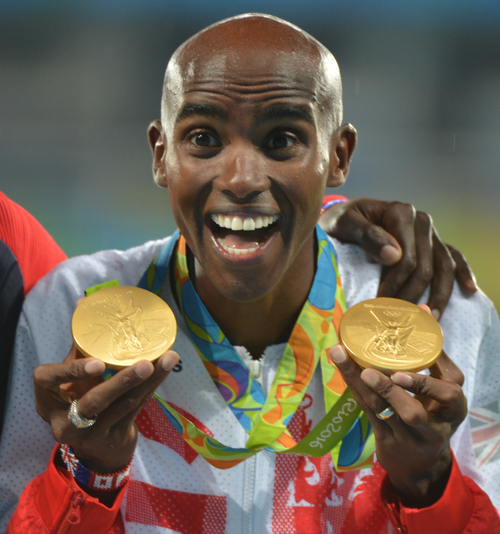
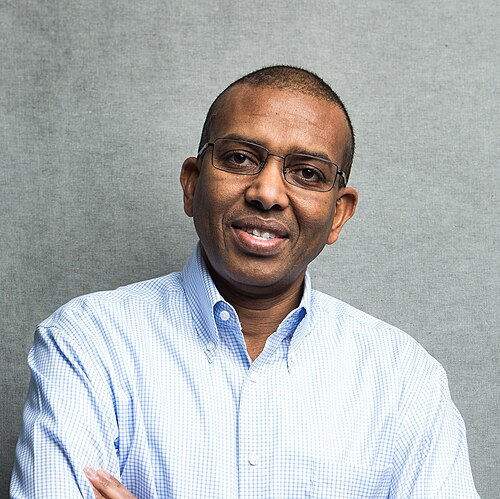
The Sacad Muuse have produced many of the most prominent Somali politicians, poets, and businessmen in history.
- Abdillahi Suldaan Mohammed Timacade, known as "Timacade", a famous poet during the pre- and post-colonial periods
- Abdurrahman Mahmoud Aidiid, former Mayor of Hargeisa, the capital of the Republic of Somaliland.
- Abdul Majid Hussein, Economist, Former Permanent Representative of Ethiopia to the United Nations, 2001-2004. Leader of Ethiopian Somali Democratic League (ESDL) party in the Somali Region of Ethiopia from 1995 to 2001.
- Sultan Abdulrahman Garad Deria, 1st Sultan & 5th leader of the Habr Awal
- Sheikh Madar Ahmed Shirwac, credited with the early growth of Hargeisa[43]
- Sheikh Ibrahim Sheikh Yusuf Sheikh Madar, served as the elected chairman of the SNM in January 1982 [1] and later served as the Guurti leader in the Somaliland Parliament.[2] He was a grandson of the famous Sheikh Madar.
- Ahmed Mohamed Gulaid, was one of the founding members of the Somali National Movement and was the first to be elected as the chairman of the organization in October 1981.
- Muuse Inji, former Minister of Agriculture and the former Minister of Information.
- Ahmed Hassan Awke, Legendary Somali journalist and broadcaster. He was a veteran of the BBC World Service, the Voice of America, Somaliland National TV, Horn Cable Television, Radio Mogadishu and Universal TV among also being the presidential spokesman of Siad Barre during his Military Junta.[44]
- Ali Abdi Farah, Former Minister of Communication and Culture in Djibouti
- Ali Feiruz, celebrated Somali musician in Djibouti and Somaliland
- Gaarriye (born Mohamed Hashi Dhama), Famous poet who composed one of the best known Somali language poems on the theme of reconciliation, "Hagarlaawe" (The Charitable).
- Ibrahim Dheere, Considered to be the first Somali billionaire and richest Somali person in the world with an estimated net worth of 1.8 billion US Dollars.[45]
- Ismail Ahmed, owner and CEO of WorldRemit which is one of the fastest growing money transfer company in the world and he's considered 7th most influential man in Britain.[42]
- Mohammed Abdillahi Kahin 'Ogsadey', A Somali business tycoon based in Ethiopia, where he established MAO Harar Horse, the first African corporation to export coffee and amassed a net worth of approximately $3 Billion Ethiopian Birr.[46]
- Mohamed Abdullahi Omaar, former Foreign Minister of Somalia
- Mohamed Hasan Abdullahi, former Chief of Staff of Somaliland Armed Forces
- Mo Farah, British four-time Olympic gold medalist and the most decorated athlete in British athletics history. He's also considered to be the best marathon runner in the world.[47]
- Mohamed Omar Arte, former Deputy Prime Minister of Somalia.
- Muhammad Hawadle Madar, former Prime Minister of Somalia from September 3, 1990 to January 24, 1991.
- Muse Bihi Abdi, Current President Of Somaliland since December 2017, and former military officer served as a Somali Air Force Colonel.
- Nuh Ismail Tani, current Chief of Staff of Somaliland Armed Forces
- Umar Arteh Ghalib, former Prime Minister of Somalia, 1991–1993; brought Somalia into the Arab League in 1974 during his term as Foreign Minister of Somalia, 1969-1977; former president of UN Security Council; teacher and poet
- Khadar Ahmed Omar, current Deputy Mayor of Hargeisa
References
- ↑Ethnographic Survey of Africa. International African Institute. 1969.
- ↑Renders, Marleen (2012-01-20). Consider Somaliland: State-Building with Traditional Leaders and Institutions. BRILL. ISBN 978-90-04-21848-2.
- ↑A Ggrammar of the Somali Language with Examples in Prose and Verse. CUP Archive. 1905.
- ↑Hunt, John Anthony (1951). A General Survey of the Somaliland Protectorate 1944-1950: Final Report on "An Economic Survey and Reconnaissance of the British Somaliland Protectorate 1944-1950," Colonial Development and Welfare Scheme D. 484. To be purchased from the Chief Secretary.
- ↑ عمر، راقية؛ وال، ألكسندر دي؛ ماكغراث، راي؛ (منظمة)، الحقوق الأفريقية (1993). "الأعمال العنيفة لا تزال قائمة: الألغام الأرضية في الصومال وصوماليلاند، ص 63" .|
- ↑ اللاجئون، المفوضية السامية للأمم المتحدة لشؤون اللاجئين. "المجتمع الرعوي واللاجئون عبر الوطنيون: تحركات السكان في أرض الصومال وشرق إثيوبيا 1988-2000، غيدو أمبروسو" . المفوضية السامية للأمم المتحدة لشؤون اللاجئين .
- ^ إيمبرت فيير، سيمون (2011). تتبع الحدود إلى جيبوتي: الأراضي والبشر في القرنين التاسع عشر والعشرين (باللغة الفرنسية). طبعات كارثالا. رقم ISBN 9782811105068.
- ↑ لويس، آي إم (1999). آي إم لويس، ديمقراطية رعوية . دار نشر جيمس كوري. رقم ISBN 9780852552803.
- ↑ آي إم لويس، تاريخ حديث للصومالي، الطبعة الرابعة (أكسفورد: جيمس كوري، 2002)، الصفحات 31 و42
- ^ سمير (2014-08-03). "Culimo Ka Digtay In Khilaaf Diineed Laga Abuuro Siyaaro Ay Ugu Tagayaan Qabriga Subeer Awal" . صحيفة جيسكا أفريكا . تم الاسترجاع بتاريخ 2021-05-21 .
- ^ "DAAWO؛ Beesha Urursuge Oo Deegaanka Jiidalli Ee Gobolka Sanaag Shir Ugu Soo Gabo Gaboobey" . أخبار وجالي . 2014-09-23 . تم الاسترجاع بتاريخ 2021-05-21 .
- ^ "آخريسو: Ururka JIIDALI Oo Ceerigaabo Ku Wajahan Iyo Xukumadda Oo Ka Gaashaamatay | Hubaal Media" . www.hubaalmedia.net . تم الاسترجاع بتاريخ 2021-05-21 .
- ↑ "مخطوطات > بهجة الزمان > الصفحة رقم 16" . makhtota.ksu.edu.sa . تم الاسترجاع 2017/08/24 .
- ↑ بيرتون، ريتشارد (1856). أولى الخطوات في شرق أفريقيا ( الطبعة الأولى). لونغمان، براون، غرين، ولونغمانز. ص 238.
- ^ عبد الرحمن، عبد الله (2017-09-18). فهم التاريخ الصومالي: المجلد الأول . أدونيس وآبي للنشر. رقم ISBN 978-1-909112-79-7.
- ↑ المسح الإثنوغرافي لأفريقيا، المجلد 5. 1969. ص 24.
- ↑ الصومال البريطاني، بقلم رالف إيفلين دريك-بروكمان، ص 36
- ↑ لويس، آي إم (1965). التاريخ الحديث لصوماليلاند: من أمة إلى دولة . براغر. ص 35.
- ↑ بانكهيرست، ر. (1965). مجلة الدراسات الإثيوبية، المجلد 3، العدد 1. معهد الدراسات الإثيوبية. ص 45.
- ↑ هنتر، فريدريك (1877). سرد للاستيطان البريطاني في عدن بالجزيرة العربية . سينجايج جيل. ص 41.
- ↑'Twixt sirdar & Menelik: an account of a year's expedition from Zeila to Cairo, p. 18, 1901
- ↑Somali Poetry, Lewis & Adrzejewski, 1964, pp. 111–115
- ↑The Dublin Review, Volume 98. 1886. p. 176.
- 12Laitin, David D. (1977). Politics, Language, and Thought: The Somali Experience. 9780226467917. p. 70. ISBN 9780226467917.
- ↑Al Qasimi, Sultan bin Muhammad (1996). رسالة زعماء الصومال إلى الشيخ سلطان بن صقر القاسمي (in Arabic). p. ١٧.
- ↑Davies, Charles E. (1997). The Blood-red Arab Flag: An Investigation Into Qasimi Piracy, 1797-1820. University of Exeter Press. p. 167. ISBN 9780859895095.
- ↑Pankhurst, Richard (1965). "The Trade of the Gulf of Aden Ports of Africa in the Early Nineteenth and Early Twentieth Centuries". Journal of Ethiopian Studies. 3 (1): 36–81. JSTOR 41965718.
- ↑Al Qasimi, Sultan bin Muhammad (1996). رسالة زعماء الصومال إلى الشيخ سلطان بن صقر القاسمي (in Arabic). p. ١٢.
- ↑Burton, Richard (1856). First Footsteps in East Africa (1st ed.). Longman, Brown, Green, and Longmans. p. 53.
- ↑British and Foreign State Papers. H.M. Stationery Office. 1893.
- 1234Felix, Rosen (1907). Eine deutsche Gesandtschaft in Abessinien (in German). VERLAG VON VEIT & COMP Leipzig. p. 115. ISBN 9780274113415.
{{cite book}}: ISBN / Date incompatibility (help) - ↑Carlos-Swayne, Harald (1900). Seventeen Trips Through Somaliland and a Visit to Abyssinia. p. 138.
- ↑Mainwaring, H.G (1894). A Soldier's Shikar Trips. Grant Richards Ltd. p. 77.
- ↑Ram, Venkat (2009). Anglo-Ethiopian Relations, 1869 to 1906: A Study of British Policy in Ethiopia. Concept Publishing Company New Delhi. p. 121. ISBN 9788180696244.
- ↑Great Britain, House of Commons (1901). Parliamentary Sessional Papers volume 48. HM Stationery Office. p. 5.
- ↑Great Britain, House of Commons (1901). Parliamentary Sessional Papers volume 48. HM Stationery Office. p. 15.
- 12Milman, Brock (2013). British Somaliland: An Administrative History, 1920-1960. Routledge. p. 79. ISBN 9780415717458.
- ↑Milman, Brock (2013). British Somaliland: An Administrative History, 1920-1960. Routledge. p. 64. ISBN 9780415717458.
- 12Mohamed, Jama (2002). Imperial Policies and Nationalism in The Decolonization of Somaliland, 1954-1960. The English Historical Review.
- ↑"Habr Awal". Isaaq Clan. Archived from the original on 2021-03-07. Retrieved 2021-05-21.
- ↑Burton, Sir Richard Francis (1894). First Footsteps in East Africa, Or, An Exploration of Harar. Tylston and Edwards. ISBN 978-0-7054-1500-2.
{{cite book}}: ISBN / Date incompatibility (help) - 12"Board of directors". WorldRemit.
- ↑Abdullahi, Abdurahman (2017). Making Sense of Somali History. London. ISBN 978-1-909112-96-4. OCLC 1009242479.
{{cite book}}: CS1 maint: location missing publisher (link) - ↑"Somaliland: Prominent Somali Journalist, Ahmed Hasan Awke Passes Away in Jigjiga". www.somalilandinformer.com. November 17, 2015. Archived from the original on February 16, 2018. Retrieved May 22, 2021.
- ↑"Ibrahim Dheere Tycoon passes away in Djibouti". www.somalilandinformer.com. November 12, 2015. Archived from the original on January 24, 2018. Retrieved May 22, 2021.
- ↑"Somali Entrepreneurs". Salaan Media. 15 June 2017. Retrieved 15 Feb 2018.
- ↑"Mo Farah's family cheers him on from Somaliland village". The Guardian. 10 August 2012. Retrieved 13 March 2014.
External links
- "The Somali Ethnic Group and Clan System", from "Reunification of the Somali People", Jack L. Davies
- Map - Berbera - MAP[N]ALL.COM
- Somalia Recent Economic and Political Developments Handbook Volume 1 Strategic Information and Developments
- Somalia Mineral & Mining Sector Investment and Business Guide
- Anatomy of Violence: Understanding the Systems of Conflict and Violence in Africa
- "الخراب والتجديد: قصة أرض الصومال" . هرجيسا، أرض الصومال: مركز الحلول الإبداعية. 31 مايو 2004. مؤرشف من الأصل في 8 أبريل 2011. تم الاطلاع عليه في 21 سبتمبر 2010.
أما قبيلة عيسى موسى، التي تُعد بربرة وما حولها موطنها التقليدي، فقد رأت الأمر بشكل مختلف
. - Wasiir Cabdilaahi Abokor Oo Ku Margaday Su'aalo Xasaasi Oo Lagu Waydiiyay Waraysi Lala Yeeshay – somalilandtoday.com
- القبائل الصومالية في إثيوبيا
- التركيبة السكانية لصوماليلاند