
Battle of the Dnieper
The Battle of the Dnieper, known on the German side as the Defensive battles on the Dnieper[12] (German: Abwehrschlachten am Dnepr), was a military campaign that took place in 1943 on the Eastern Front of World War II. Being one of the largest operations of the war, it involved almost four million troops at one point and stretched over a 1,400 kilometres (870 mi) front. Over four months, the eastern bank of the Dnieper was recovered from German forces by five of the Red Army's fronts, which conducted several assault river crossings to establish several lodgements on the western bank. Kiev was later liberated in the Second Battle of Kiev. 2,438 Red Army soldiers were awarded the title Hero of the Soviet Union for their involvement.[13]
Strategic situation
Following the Battle of Kursk, the Wehrmacht's Heer and supporting Luftwaffe forces in the southern Soviet Union were on the defensive in southern Ukraine. By mid-August, Adolf Hitler understood that the forthcoming Soviet offensive could not be contained on the open steppe and ordered the construction of a series of fortifications along the line of the Dnieper river.
On the Soviet side, Joseph Stalin was determined to launch a major offensive in Ukraine. The main thrust of the offensive was in a southwesterly direction; the northern flank being largely stabilized, the southern flank rested on the Sea of Azov.
Planning
Soviet planning
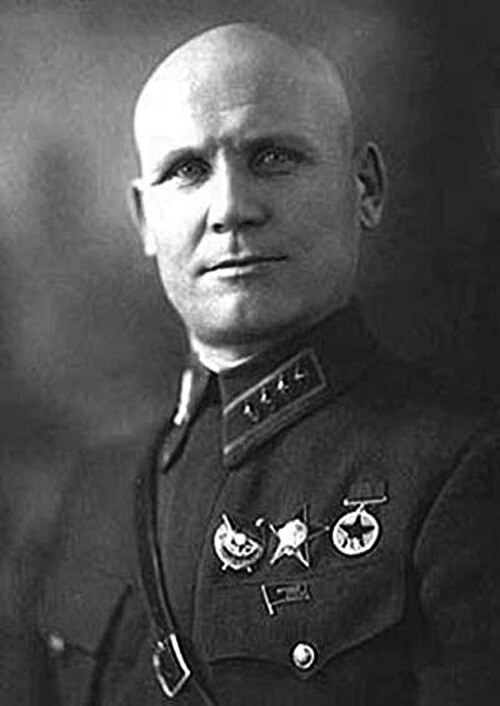
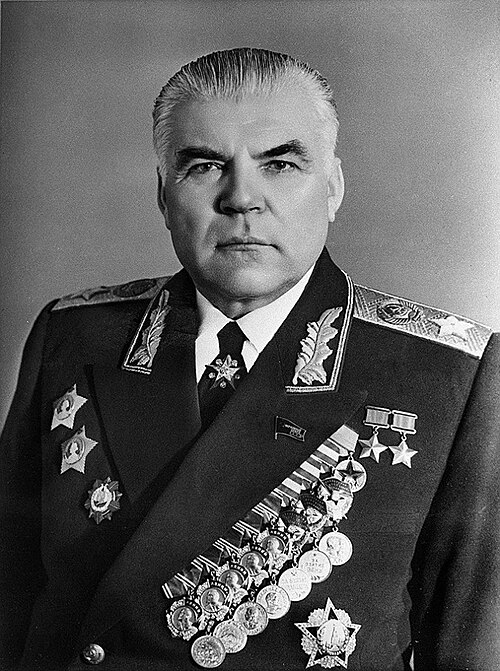
The operation began on 26 August 1943. Divisions started to move on a 1,400-kilometer front that stretched between Smolensk and the Sea of Azov. Overall, the operation would be executed by 36 Combined Arms, four Tank and five Air Armies. 2,650,000 personnel were brought into the ranks for this massive operation. The operation would use 51,000 guns and mortars, 2,400 tanks and 2,850 planes.
The Dnieper is the third largest river in Europe, behind only the Volga and the Danube. In its lower part, its width can easily reach three kilometres, and being dammed in several places made it even larger. Moreover, its western bank—the one still to be retaken—was much higher and steeper than the eastern, complicating the offensive even further. In addition, the opposite shore was transformed into a vast complex of defenses and fortifications held by the Wehrmacht.
Faced with such a situation, the Soviet commanders had two options. The first would be to give themselves time to regroup their forces, find a weak point or two to exploit (not necessarily in the lower part of the Dnieper), stage a breakthrough and encircle the German defenders far in the rear, rendering the defence line unsupplied and next to useless (very much like the German Panzers bypassed the Maginot Line in 1940). This option was supported by Marshal Georgy Zhukov and Deputy Chief of Staff Aleksei Antonov, who considered the substantial losses after the Battle of Kursk. The second option would be to stage a massive assault without waiting, and force the Dnieper on a broad front. This option left no additional time for the German defenders, but would lead to much larger casualties than would a successful deep operation breakthrough. This second option was backed by Stalin due to the concern that the German "scorched earth" policy might devastate this region if the Red Army did not advance fast enough.
Stavka (the Soviet high command) chose the second option. Instead of deep penetration and encirclement, the Soviet command intended to make full use of partisan activities to intervene and disrupt Germany's supply route so that the Germans could not effectively send reinforcements or take away Soviet industrial facilities in the region. Stavka also paid high attention to the possible scorched earth activities of German forces with a view to preventing them by a rapid advance.
The assault was staged on a 300-kilometer front almost simultaneously. All available means of transport were to be used to transport the attackers to the opposite shore, including small fishing boats and improvised rafts of barrels and trees (like the one in the photograph). The preparation of the crossing equipment was further complicated by the German scorched earth strategy with the total destruction of all boats and raft building material in the area. The crucial issue would obviously be heavy equipment. Without it, the bridgeheads would not stand for long.
Soviet organisation
- الجبهة المركزية (المعروفة باسم الجبهة البيلاروسية بعد 20 أكتوبر 1943)، بقيادة كونستانتين روكوسوفسكي ، وبلغ قوامها 579600 جندي (لم تشارك في معركة نهر الدنيبر بعد 3 أكتوبر).
- الجيش الثاني للدبابات ، بقيادة أليكسي رودين / سيميون بوغدانوف (منذ سبتمبر)
- فيلق الدبابات التاسع بقيادة هريهوري رودتشينكو (KIA) وبوريس باخاروف
- الجيش الستون ، بقيادة إيفان تشيرنياخوفسكي
- الجيش الثالث عشر بقيادة نيكولاي بوخوف
- الجيش 65 بقيادة بافيل باتوف
- الجيش 61 بقيادة بافيل بيلوف
- الجيش 48 بقيادة بروكوفي رومانينكو
- الجيش السبعون ، بقيادة إيفان جالانين / فلاديمير شارابوف (سبتمبر - أكتوبر) / أليكسي جريتشكين (منذ أكتوبر)
- الجيش الجوي السادس عشر ، بقيادة سيرجي رودينكو
- جبهة فورونيج (المعروفة باسم الجبهة الأوكرانية الأولى بعد 20 أكتوبر 1943)، بقيادة نيكولاي فاتوتين ، وبلغ قوامها 665500 جنديًا
- جيش الدبابات الثالث للحرس ، بقيادة بافيل ريبالكو
- جيش الدبابات الأول بقيادة ميخائيل كاتوكوف
- فيلق دبابات الحرس الرابع بقيادة بافيل بولوبوياروف
- فيلق فرسان الحرس الأول بقيادة فيكتور بارانوف
- جيش الحرس الخامس بقيادة أليكسي زادوف
- جيش الحرس الرابع بقيادة غريغوري كوليك / أليكسي زيجين (KIA) / إيفان جالانين
- الجيش السادس للحرس ، بقيادة إيفان تشيستياكوف
- الجيش الثامن والثلاثون بقيادة نيكاندر تشيبيسوف / كيريل موسكالينكو (منذ أكتوبر)
- الجيش السابع والأربعون بقيادة بافل كورزون / فيليب جماتشينكو (سبتمبر - أكتوبر) / فيتالي بولينوف (منذ أكتوبر)
- الجيش السابع والعشرون ، بقيادة سيرجي تروفيمينكو
- الجيش الثاني والخمسون ، بقيادة قسطنطين كوروتيف
- الجيش الجوي الثاني ، بقيادة ستيبان كراسوفسكي
- جبهة السهوب (المعروفة باسم الجبهة الأوكرانية الثانية بعد 20 أكتوبر 1943)، بقيادة إيفان كونيف
- الجبهة الجنوبية الغربية (المعروفة باسم الجبهة الأوكرانية الثالثة بعد 20 أكتوبر 1943)، بقيادة روديون مالينوفسكي
- الجبهة الجنوبية (المعروفة باسم الجبهة الأوكرانية الرابعة بعد 20 أكتوبر 1943)، بقيادة فيودور تولبوخين
التخطيط الألماني

صدر الأمر ببناء مجمع الدفاع عن نهر الدنيبر، المعروف باسم "أوستوال" أو "الجدار الشرقي"، في 11 أغسطس 1943 وبدأ تنفيذه على الفور.
أُقيمت التحصينات على امتداد نهر الدنيبر. إلا أنه لم يكن من الممكن إكمال خط دفاعي واسع النطاق كهذا في الوقت المتاح القصير. لذا، لم يكن بناء "السور الشرقي" متجانساً من حيث كثافة التحصينات وعمقها، بل تركزت في المناطق التي يُرجح فيها شنّ السوفيت هجوماً عبرها، مثل المناطق القريبة من كريمينشوك وزابوريزهيا ونيكوبول .
بالإضافة إلى ذلك، في 7 سبتمبر 1943، تلقت قوات الأمن الخاصة (SS) والجيش الألماني (الفيرماخت) أوامر بتنفيذ سياسة الأرض المحروقة ، من خلال تجريد المناطق التي اضطروا إلى التخلي عنها من أي شيء يمكن استخدامه في المجهود الحربي السوفيتي.
منظمة ألمانية
- Luftflotte 2 (وحدات مختارة) – Wolfram Freiherr von Richthofen
- (في أوكرانيا) مجموعة جيش الجنوب – إريك فون مانشتاين
- الجيش المدرع الرابع – هيرمان هوث
- جيش بانزر الأول – إيبرهارد فون ماكينسن
- الجيش الثامن – أوتو وولر
- الجيش السادس – كارل أدولف هوليدت (تم نقله إلى سيطرة مجموعة الجيوش أ)
- لوفتفلوت 4 – ولفرام فرايهير فون ريشتهوفن / أوتو ديسلوخ (منذ سبتمبر)
- (في شبه جزيرة القرم) مجموعة الجيش أ – إيوالد فون كليست
- مجموعة جيوش الوسط – غونتر فون كلوغه
- الجيش الثاني – والتر فايس (لم يشارك في معركة نهر الدنيبر بعد 3 أكتوبر)
وصف العملية الاستراتيجية
الهجوم الأولي

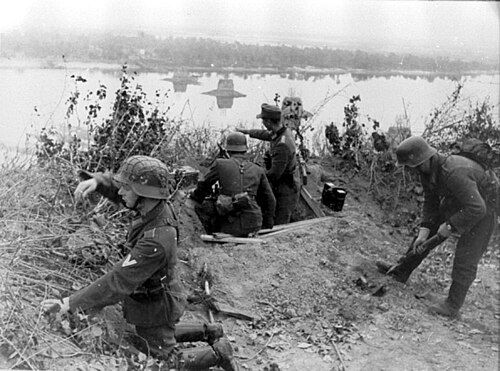
على الرغم من التفوق العددي الكبير للسوفيت، لم يكن الهجوم سهلاً على الإطلاق. فقد كانت المقاومة الألمانية شرسة، واشتدّت المعارك في كل بلدة ومدينة. واستخدم الفيرماخت على نطاق واسع قوات المؤخرة ، حيث أبقى بعض الجنود في كل مدينة وعلى كل تلة، مما أدى إلى إبطاء الهجوم السوفيتي.
تقدم الهجوم

بعد ثلاثة أسابيع من بدء الهجوم، ورغم الخسائر الفادحة التي تكبدها الجانب السوفيتي، بات من الواضح أن الألمان لا يملكون أي أمل في احتواء الهجوم السوفيتي في سهول السهوب المنبسطة، حيث ستتفوق القوة العددية للجيش الأحمر. طلب مانشتاين ما يصل إلى 12 فرقة جديدة على أمل احتواء الهجوم السوفيتي، لكن الاحتياطيات الألمانية كانت شحيحة للغاية.
On 15 September 1943, Hitler ordered Army Group South to retreat to the Dnieper defence line. The battle for Poltava was especially bitter. The city was heavily fortified and its garrison well prepared. After a few inconclusive days that greatly slowed down the Soviet offensive, Marshal Konev decided to bypass the city and rush towards the Dnieper. After two days of violent urban warfare, the Poltava garrison was overcome. Towards the end of September 1943, Soviet forces reached the lower part of the Dnieper.
Dnieper airborne operation

(The following is largely, a synopsis of an account by Glantz[14] with support from an account by Staskov.[15])
Stavka detached the Central Front's 3rd Tank Army to the Voronezh Front to race the weakening Germans to the Dnieper, to save the wheat crop from the German scorched earth policy, and to achieve strategic or operational river bridgeheads before a German defence could stabilize there. The 3rd Tank Army, plunging headlong, reached the river on the night of 21–22 September and, on 23 September, Soviet infantry forces crossed by swimming and by using makeshift rafts to secure small, fragile bridgeheads, opposed only by 120 German Cherkassy flak academy NCO candidates and the hard-pressed 19th Panzer Division Reconnaissance Battalion. Those forces were the only Germans within 60 km of the Dnieper loop. Only a heavy German air attack and a lack of bridging equipment kept Soviet heavy weaponry from crossing and expanding the bridgehead.
The Soviets, sensing a critical juncture, ordered a hasty airborne corps assault to increase the size of the bridgehead before the Germans could counterattack. On 21 September, the Voronezh Front's 1st, 3rd and 5th Guards Airborne Brigades got the urgent call to secure, on 23 September, a bridgehead perimeter 15 to 20 km wide and 30 km deep on the Dnieper loop between Kaniv and Rzhishchev, while Front elements forced the river.
كان وصول الأفراد إلى المطارات بطيئًا، مما استدعى في 23 سبتمبر تأخيرًا ليوم واحد واستبعاد اللواء الأول من الخطة؛ وتسببت التغييرات اللاحقة في المهمة في فوضى عارمة في قنوات القيادة. وصلت أوامر تغيير المهمة أخيرًا إلى قادة السرايا في 24 سبتمبر، قبل 15 دقيقة فقط من تجمع وحداتهم في المطارات، والتي لم تكن قد زُوّدت بعد بالمجارف أو الألغام المضادة للدبابات أو المعاطف الواقية من صقيع ليالي الخريف. وبسبب سوء الأحوال الجوية، لم تصل جميع الطائرات المخصصة إلى المطارات في الوقت المحدد (إن وصلت أصلًا). علاوة على ذلك، منع معظم ضباط سلامة الطيران التحميل الكامل لطائراتهم. ونظرًا لقلة عدد الطائرات (وانخفاض سعتها عن المتوقع)، تم التخلي عن خطة التحميل الرئيسية بعد فشلها. وتُركت العديد من أجهزة اللاسلكي والإمدادات. وفي أفضل الأحوال، سيتطلب الأمر ثلاث رحلات جوية لنقل اللواءين. تم تحميل الوحدات (التي لا تزال تصل عبر نظام السكك الحديدية المُرهَق) على دفعات على متن طائرات عائدة، والتي كانت بطيئة في التزود بالوقود بسبب سعة شاحنات الوقود الأقل من المتوقع. في هذه الأثناء، غيّرت القوات التي وصلت بالفعل طائراتها بحثًا عن رحلات جوية أسرع. حالت حالة الطوارئ ونقص الوقود دون التجمع الجوي. حلّقت معظم الطائرات، بمجرد تحميلها وتزويدها بالوقود، في صف واحد، بدلًا من خط متوازي، إلى نقاط الإنزال. أصبحت موجات الهجوم متداخلة مثل الوحدات التي تحملها.
بينما كانت عناصر الفيلق تُنفّذ رحلاتها، تلقّى الجنود (نصفهم لم يسبق لهم القفز بالمظلات إلا من أبراج التدريب) إحاطةً حول مناطق الإنزال ومناطق التجمّع والأهداف، والتي لم يفهمها قادة الفصائل فهمًا كافيًا، إذ كانوا لا يزالون يدرسون الأوامر الجديدة. في هذه الأثناء، لم ترصد الطائرات السوفيتية، التي توقفت عن التصوير الجوي لعدة أيام بسبب سوء الأحوال الجوية، وصول التعزيزات القوية للمنطقة في وقت مبكر من ذلك اليوم. لم يتوقع طيارو الشحن غير المقاتلين، الذين كانوا ينقلون اللواء الثالث عبر الرذاذ، أي مقاومة تُذكر بعد نقاط المراقبة على ضفاف النهر، لكنهم فوجئوا بنيران مضادة للطائرات وقنابل مضيئة من فرقة الدبابات التاسعة عشرة (التي كانت تعبر منطقة الإنزال مصادفةً، وهي واحدة من ست فرق وتشكيلات أخرى صدرت لها أوامر في الحادي والعشرين من الشهر بسد الفجوة أمام جيش الدبابات الثالث). تعرّضت الطائرات الرائدة، التي كانت تُنزل المظليين فوق دوباري في الساعة 19:30، لنيران من عناصر فوج المشاة المدرع الثالث والسبعين وهيئة أركان فرقة الدبابات التاسعة عشرة. بدأ بعض المظليين بالرد على النيران وإلقاء القنابل اليدوية حتى قبل الهبوط؛ وتسارعت الطائرات اللاحقة، وارتفعت، وتفادت الهبوط، ثم هبطت على نطاق واسع. وخلال الليل، تجنب بعض الطيارين نقاط الإنزال المضاءة بالمشاعل تمامًا، وعادت 13 طائرة إلى المطارات دون أن تُنزل أي جنود. وبينما كان السوفيت ينوون إنزالًا على مساحة 10 × 14 كيلومترًا فوق تضاريس غير محمية إلى حد كبير، فقد حققوا بدلًا من ذلك إنزالًا على مساحة 30 × 90 كيلومترًا فوق أسرع العناصر المتحركة لفيلقين ألمانيين.
On the ground, the Germans used white parachutes as beacons to hunt down and kill disorganized groups and to gather and destroy airdropped supplies. Supply bonfires, glowing embers, and multi-color starshells illuminated the battlefield. Captured documents gave the Germans enough knowledge of Soviet objectives to arrive at most of them before the disorganized paratroopers.
Back at the Soviet airfields, the fuel shortage allowed only 298 of 500 planned sorties, leaving corps anti-tank guns and 2,017 paratroops undelivered. Of 4,575 men dropped (seventy percent of the planned number, and just 1,525 from 5th Brigade), some 2,300 eventually assembled into 43 ad hoc groups, with missions abandoned as hopeless, and spent most of their time seeking supplies not yet destroyed by the Germans. Others joined with the nine partisan groups operating in the area. About 230 made it over (or out of) the Dnieper to Front units (or were originally dropped there). Most of the rest were captured that first night or killed the next day (although, on that first night, the 3rd Co., 73rd Panzer Grenadier Regiment, suffered heavy losses while annihilating about 150 paratroopers near Grushevo, some 3 km west of Dubari).
The Germans underestimated that 1,500 to 2,000 had dropped; they recorded 901 paratroops captured and killed in the first 24 hours. Thereafter, they largely ignored the Soviet paratroopers, to counterattack and truncate the Dnieper bridgeheads. The Germans deemed their anti-paratrooper operations completed by the 26th, although a modicum of opportunistic actions against garrisons, rail lines, and columns were conducted by remnants up to early November. For a lack of manpower to clear all areas, fighters in the area's forests would remain a minor threat.
The Germans called the operation a fundamentally sound idea ruined by the dilettantism of planners lacking expert knowledge (but praised individual paratroopers for their tenacity, bayonet skills, and deft use of broken ground in the sparsely wooded northern region). Stavka deemed this second (and, ultimately, last) corps drop a complete failure; lessons they knew they had already learned from their winter offensive corps drop at Viazma had not stuck. They would never trust themselves to try it again.
Soviet 5th Guards Airborne Brigade commander Sidorchuk, withdrawing to the forests south, eventually amassed a brigade-size command, half paratroops, half partisans; he obtained air supply, and assisted the 2nd Ukrainian Front over the Dnieper near Cherkassy to finally link up with Front forces on 15 November. After 13 more days of combat, the airborne element was evacuated, ending a harrowing two months. More than sixty percent never returned.
Assaulting the Dnieper


أُنشئ أول رأس جسر على الضفة الغربية لنهر دنيبر في 22 سبتمبر 1943 عند ملتقى نهري دنيبر وبريبيات ، في الجزء الشمالي من الجبهة. وفي 24 سبتمبر، أُنشئ رأس جسر آخر بالقرب من دنيبرودزيرجينسك ، وآخر في 25 سبتمبر بالقرب من دنيبروبيتروفسك ، وثالث في 28 سبتمبر بالقرب من كريمينشوك. وبحلول نهاية الشهر، بلغ عدد رؤوس الجسور 23 رأسًا على الضفة الغربية، بعضها بعرض 10 كيلومترات وعمق يتراوح بين كيلومتر واحد وكيلومترين.
كان عبور نهر الدنيبر بالغ الصعوبة. استخدم الجنود كل وسيلة عائمة متاحة لعبور النهر، تحت وابل من النيران الألمانية، وتكبدوا خسائر فادحة. وبمجرد عبورهم، اضطرت القوات السوفيتية إلى حفر أنفاق في الوديان الطينية التي تشكل الضفة الغربية لنهر الدنيبر.
تأمين أماكن الإقامة
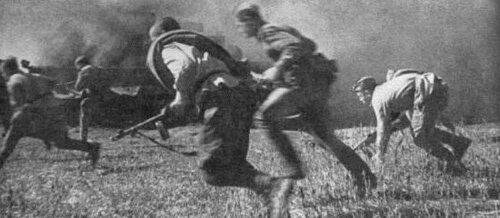
سرعان ما شنت القوات الألمانية هجمات مضادة عنيفة على كل رأس جسر تقريباً، على أمل إبادتها قبل أن يتم نقل المعدات الثقيلة عبر النهر.
على سبيل المثال، تعرض موقع بوروداييفسك، الذي ذكره المارشال كونيف في مذكراته، لهجوم مدرع كثيف وهجوم جوي. هاجمت القاذفات الموقع والتعزيزات التي كانت تعبر النهر. اشتكى كونيف على الفور من ضعف تنظيم الدعم الجوي السوفيتي، وأنشأ دوريات جوية لمنع القاذفات من الاقتراب من المواقع، وأمر بإرسال المزيد من المدفعية لمواجهة هجمات الدبابات من الضفة المقابلة. عندما أصبح الطيران السوفيتي أكثر تنظيمًا، وبدأت مئات المدافع وقاذفات صواريخ كاتيوشا بإطلاق النار، بدأ الوضع يتحسن، وتم الحفاظ على رأس الجسر في نهاية المطاف.
كانت هذه المعارك شائعة في كل تجمع. ورغم انعقاد جميع التجمعات، كانت الخسائر فادحة - ففي بداية أكتوبر، لم تكن معظم الفرق تضم سوى ما بين 25 إلى 50% من قوتها الاسمية.
هجوم نهر دنيبر السفلي
بحلول منتصف أكتوبر، كانت القوات المتجمعة على رؤوس جسور نهر الدنيبر السفلي قوية بما يكفي لشن هجوم واسع النطاق لتأمين الضفة الغربية للنهر بشكل نهائي في الجزء الجنوبي من الجبهة. ولذلك، نُفذ هجوم قوي على خط كريمنتشوك-دنيبروبيتروفسك. وفي الوقت نفسه، نُفذت عملية تحويل كبيرة في الجنوب لإبعاد القوات الألمانية عن نهر الدنيبر السفلي وكييف.
في نهاية الهجوم، سيطرت القوات السوفيتية على رأس جسر عرضه 300 كيلومتر وعمقه يصل إلى 80 كيلومتراً في بعض المواقع. وفي الجنوب، أصبحت شبه جزيرة القرم معزولة عن بقية القوات الألمانية. وتبددت أي آمال في إيقاف الجيش الأحمر على الضفة الشرقية لنهر الدنيبر.
النتائج
The Battle of the Dnieper was another defeat for the Wehrmacht that required it to restabilize the front further west. The Red Army, which Hitler hoped to contain at the Dnieper, forced the Wehrmacht's defences. Kiev was recaptured and German troops lacked the forces to annihilate Soviet troops on the Lower Dnieper bridgeheads. The west bank was still in German hands for the most part, but both sides knew that it would not last for long.
Additionally, the Battle of the Dnieper demonstrated the strength of the Soviet partisan movement. The Rail War operation staged during September and October 1943 struck German logistics very hard, creating heavy supply issues.
Incidentally, between 28 November and 1 December 1943 the Tehran Conference was held between Winston Churchill, Franklin D. Roosevelt, and Stalin. The Battle of the Dnieper, along with other major offensives staged in 1943, certainly gave Stalin a dominant position for negotiating with his Allies.
The Soviet success during this battle created the conditions for the follow-up Dnieper-Carpathian Offensive on the right-bank Ukraine, which was launched on 24 December 1943 from a bridgehead west of Kiev that was secured during this battle.[16] The offensive brought the Red Army from the Dnieper all the way to Galicia (Poland), Carpathian Mountains and Romania, with Army Group South being split into two parts- north and south of Carpathians.
Soviet operational phases
From a Soviet operational point of view, the battle was broken down into a number of different phases and offensives.
The first phase of the battle :
- Chernigov-Poltava Strategic Offensive 26 August 1943 – 30 September 1943 (Central, Voronezh and Steppe fronts)
- Chernigov-Pripyat Offensive 26 August – 30 September 1943
- Sumy–Priluky Offensive 26 August – 30 September 1943
- Poltava-Kremenchug Offensive 26 August – 30 September 1943
- Donbass Strategic Offensive 13 August – 22 September 1943 (Southwestern and Southern fronts)
- Dnieper airborne assault 24 September – 24 November 1943
The second phase of the operation includes :
- Lower Dnieper Offensive 26 September – 20 December 1943
- Melitopol Offensive 26 September – 5 November 1943
- Zaporizhia Offensive 10–14 October 1943
- Kremenchug-Pyatikhatki Offensive 15 October – 3 November 1943
- هجوم دنيبروبيتروفسك 23 أكتوبر - 23 ديسمبر 1943
- هجوم كريفوي روج 14-21 نوفمبر 1943
- هجوم أبوستولوڤو 14 نوفمبر - 23 ديسمبر 1943
- هجوم نيكوبول 14 نوفمبر - 31 ديسمبر 1943
- هجوم ألكسندريا-زنامينكا 22 نوفمبر - 9 ديسمبر 1943
- هجوم كريفو روج 10-19 ديسمبر 1943
- عملية كييف الهجومية الاستراتيجية (أكتوبر) (1-24 أكتوبر 1943)
- عملية تشيرنوبيل-رادوميسل الهجومية (1-4 أكتوبر 1943)
- عملية الدفاع عن تشيرنوبيل-غورنوستايبول (3-8 أكتوبر 1943)
- عملية ليوتيز الهجومية (11-24 أكتوبر 1943)
- عملية بوكرين الهجومية (12-15 أكتوبر 1943)
- عملية بوكرين الهجومية (21-24 أكتوبر 1943)
- الهجوم الاستراتيجي على كييف 3-13 نوفمبر 1943
- هجوم راوس المضاد في نوفمبر 1943
- كييف - الدفاع الاستراتيجي 13 نوفمبر - 22 ديسمبر 1943
مراجع
الاقتباسات
- ↑ إدواردز، روبرت (15 أغسطس 2018). الجبهة الشرقية: الألمان والسوفيت في الحرب العالمية الثانية . روومان وليتلفيلد. ISBN 978-0-8117-6784-2.
- ↑ فريزر، كارل هاينز. الجبهة الشرقية 1943-1944: الحرب في الشرق وعلى الجبهات المجاورة. مطبعة جامعة أكسفورد، 2017، ص 356.
- 1 2 3 4 فريزر وآخرون. 2007 ، ص. 343.
- ↑ OKH Org.Abt. أنا لا. I/5645/43 ز.كدوس. منصة Iststärke des Feldheeres 1.11.43. نارا T78، R528، F768.
- ^ Oberkommando des Heeres. جهايم كوماندوساش. Panzerlage der Heeresgruppe Süd. الوقوف في 10 نوفمبر 1943. Bundesarchiv-Militärarchiv (BA-MA) RH 10/52، fol. 80.
- ↑ فريزر، كارل هاينز. ألمانيا والحرب العالمية الثانية: المجلد الثامن: الجبهة الشرقية 1943-1944: الحرب في الشرق وعلى الجبهات المجاورة. مطبعة جامعة أكسفورد، 2017، ص 364.
- ↑ OKH Org.Abt. أنا لا. I/5645/43 ز.كدوس. منصة Iststärke des Feldheeres 1.11.43. نارا T78، R528، F770.
- ^ كريفوسيف، ج.ف. (2001). "روسيا والاتحاد السوفييتي في الحروب XX VECA: الخزف المتجدد" . أولما-بريسك.
- ^ فريزر وآخرون. 2007 ، ص. 379.
- ↑ فورتشيك، روبرت. نهر الدنيبر 1943: انهيار سور هتلر الشرقي. دار نشر أوسبري 2016، ص 91.
- ↑ فورتشيك، روبرت. نهر الدنيبر 1943: انهيار سور هتلر الشرقي. دار نشر أوسبري 2016، ص 91.
- ↑ Personalverwaltende Stellen der Wehrmacht. Schlacht- und Gefechtsbezeichnungen im Zweiten Weltkrieg 1933 - 1945. Verordnungen des Oberkommando des Heeres. Bundesarchiv-Militärarchiv (BA-MA) RW 59/132، المجلد. 58.
- ↑ مراجعة عسكرية . مدرسة القيادة والأركان العامة. 1993. ص. 2-PA75.
- ↑ تاريخ القوات المحمولة جواً السوفيتية، الفصل 8، عبر نهر الدنيبر (سبتمبر 1943)، بقلم ديفيد إم. غلانتز، كاس، 1994. (أجزاء متاحة على الإنترنت)
- ↑1943 Dnepr airborne operation: lessons and conclusions Military Thought, July 2003, by Nikolai Viktorovich Staskov. (online) See ref at Army (Soviet Army) under 40th Army entry.
- ↑Грылев А.Н. Днепр-Карпаты-Крым. Освобождение Правобережной Украины и Крыма в 1944 году. Москва: Наука, 1970, p. 19.
Bibliography
- Frieser, Karl-Heinz; Schmider, Klaus; Schönherr, Klaus; Schreiber, Gerhard; Ungváry, Kristián; Wegner, Bernd (2007). Die Ostfront 1943/44 – Der Krieg im Osten und an den Nebenfronten[The Eastern Front 1943–1944: The War in the East and on the Neighbouring Fronts]. Das Deutsche Reich und der Zweite Weltkrieg (Germany and the Second World War) (in German). Vol. VIII. München: Deutsche Verlags-Anstalt. ISBN 978-3-421-06235-2.
- David M. Glantz, Jonathan M. House, When Titans Clashed: How the Red Army stopped Hitler, University Press of Kansas, 1995
- Nikolai Shefov, Russian fights, Lib. Military History, Moscow, 2002
- History of Great Patriotic War, 1941–1945. Moscow, 1963
- John Erickson, Barbarossa: The Axis and the Allies, Edinburgh University Press, 1994
- Harrison, Richard. (2018) The Battle of the Dnepr: The Red Army's Forcing of the East Wall, September–December 1943. Helion and Company. ISBN 978-1912174171
- Marshal Konev, Notes of a front commander, Science, Moscow, 1972.
- Erich von Manstein, Lost Victories, Moscow, 1957.
- Jakl, Tomáš; Marek, Jindřich (26 April 2026). "1943 Czechoslovak Army on the Eastern Front". vhu.cz. Archived(PDF) from the original on 26 June 2025. Retrieved 26 April 2026.
- Battles of World War II involving Romania
- 1943 conflicts
- 1943 in Ukraine
- Battles and operations of World War II involving Czechoslovakia
- Battles and operations of World War II involving the Soviet Union
- 1943 in the Soviet Union
- Battles and operations of the Soviet–German War
- Aerial operations and battles of the Eastern Front (World War II)
- Military operations of World War II involving Germany
- Airborne operations of World War II