
William Henry Jackson (priest)
The Reverend Father William Henry Jackson (1889–1931) was an Anglican priest from England, who served as a missionary and ran the Kemmendine Blind School in Rangoon, Burma (now Yangon, Myanmar), for whose choir he also composed, conducted and recorded choral music. Blind from the age of two, he was the inventor of Burmese Braille. He received the Kaisar-i-Hind Medal, first class, and two books were written about him after his death.
Early life
Jackson was born on 13 March 1889, at Tudor House, Greenwich, England.[1] Known as "Willie",[2][3] he was the sixth of nine children,[1] the youngest of whom died as an infant.[4] The family soon after moved to Stobcross Lodge, at Crooms Hill, Blackheath, where he spent his childhood.[1] His parents were Mary Ann, née Bell, and Richard Stephens Jackson a solicitor and politician who later served as a member of the United Kingdom parliament.[5][6]
When he was eighteen months old, one of his eyes had to be removed due to a growth.[1] A year later the other was removed.[1] In later life he had no recollection of ever having had sight.[1] He learned to read Moon and then Braille,[7] and was subsequently educated as a border at the Royal Normal College for the Blind, from where he matriculated in 1907.[8] After being confirmed at the age of eighteen by the Suffragan Bishop of Croydon, Henry Pereira, he decided to enter the priesthood.[9]
He studied at Wadham College, Oxford, where he employed a reader, as text books were not generally available in Braille.[10] After three years he obtained a second-class degree in modern history, and in his fourth and final year, a second-class degree in theology.[11] He then spent a year at Leeds Theological College, resulting in his ordination in 1912.[12]
Ministry

After ordination, Jackson obtained a position at St Clement's, Ilford,[13] where he worked for four and a half years as a curate, assisting the new vicar, who had been vice-principal during Jackson's time at Leeds.[12][14] He next spent nine months in ministry at Holy Trinity, Hoxton.[14]
Jackson favoured high church or Anglo-Catholic tradition.[15]
Burma
William Charles Bertrand Purser, a friend of Jackson's oldest brother, had obtained a position as a missionary to St. Michael's Mission, in Rangoon, Burma (then a British colony) in 1904.[12] In 1911, Purser and Jackson's younger sister Mary were married, and she returned with her new husband to Burma.[16]
At Purser's suggestion, and at the request of the Lieutenant Governor of the colony, Jackson was invited to become a missionary in Rangoon, to develop and run a school for blind boys that Purser had established in 1914,[2][17] in the suburb of Kemmendine (spellings vary; now Kyimyindaing),[18] a position he took up in 1917.
Accompanied by Purser, he sailed to Burma from Liverpool, via Gibraltar and Port Said, on the SS Burma,[19] as part of a merchant convoy, with six destroyers to reduce the risk of attack from German submarines, as World War I was still in progress.[20] Nonetheless, two of the ships were sunk, before reaching Port Said.[21]
خلال الرحلة، بدأ جاكسون بتعلم اللغة البورمية ، وأتقنها في غضون ستة أشهر. [ 22 ] وصل في 8 نوفمبر، وبعد ذلك بوقت قصير بدأ باتباع العادات المحلية، مثل ارتداء ملابس الطبقة الدنيا من البورميين، والمشي حافي القدمين ورأسه مكشوف، وتناول الطعام بأصابعه. [ 23 ]
باستخدام معرفته السابقة بلغة برايل، طوّر نظامًا مشابهًا لترميز اللغة البورمية باستخدام رموز بارزة، عُرفت باسم برايل البورمية ، [ 24 ] حيث طُبعت في البداية على صفائح معدنية من علب البنزين القديمة. [ 25 ] كما قام بتعديل مكبس قديم ليصبح آلة طباعة برايل. [ 26 ] وعلى الرغم من توسيع النظام لاحقًا، إلا أن أفكاره الأصلية لا تزال جزءًا منه. [ 27 ]
شرع في تصميم مبنى مدرسي جديد، مُكيّف لاحتياجات طلابه المكفوفين. وقد اكتمل بناؤه في يوليو 1919. [ 28 ] ولأن المدرسة كانت مخصصة للبنين بشكل شبه حصري (إذ لم يكن بها سوى تلميذة واحدة)، ساهم جاكسون في إنشاء وإدارة مؤسسة مماثلة للبنات، وهي مدرسة سانت رافائيل في مولمين ( مولاميين حاليًا )، التي تبعد حوالي مئة ميل، وكان يزورها لبضعة أيام كل شهر. [ 3 ] [ 29 ] وفي يوليو 1920، زار ماندالاي وكان له دورٌ بارز في إنشاء مدرسة للأطفال المكفوفين هناك أيضًا. [ 30 ] كما أسس جمعية خيرية، هي "مهمة المكفوفين في بورما"، لجمع التبرعات لمدرسة كيميندين، حيث جرى جمع التبرعات في بورما والمملكة المتحدة، عبر وكيل في لندن. [ 31 ] [ 32 ]
في عام 1928 استضاف وفداً من لجنة سيمون ، الذين زاروا المدرسة. [ 33 ]
قام بتأليف موسيقى ليؤديها تلاميذ المدرسة، بما في ذلك ترانيم أصلية باللغة البورمية، [ 34 ] وترنيمة عيد الميلاد التي عُزفت عشية عيد الميلاد عام 1930. وأسفر حفل موسيقي لـ"ترانيم بورمية أصلية"، أُقيم في كاتدرائية الثالوث المقدس في رانغون ، عن تكليفه هو وجوقة المدرسة المكونة من اثني عشر عضوًا بتسجيل أسطوانات أصدرتها شركة كولومبيا ريكوردز تجاريًا . وكانت طريقته المميزة في قيادة المغنين المكفوفين هي الغناء قبلهم بجزء من الإيقاع. [ 35 ]
During trips home to England, he gave talks on BBC Radio about his missionary work, on 19 October 1923[36] and again on 5 August 1928, the latter being titled Why I live among the Burmese Blind.[37] He followed the first broadcast with an article for The Radio Times, "Burma: The Land of Thrills".[38]
He also contributed to an updated edition of Cook's Guide to Burma for Thomas Cook & Son,[39] and persuaded the publishers of Punch to produce a Braille edition of that magazine.[40]
Such was his popularity and the respect in which he was held, that Jackson was given the Burmese nickname Apay-gyi, meaning "Big Father" or "Great Father".[39][41]
Decline, honour, and death
In early 1930, Jackson returned to England on medical advice, to recuperate from an illness probably brought on by overwork.[42] He returned to Burma later the same year.[42] In May 1931 he again returned to England, to undergo surgery.[43] On the arrival of his boat train at Victoria Station he was taken by ambulance directly to the London Hospital.[43] Although he rallied after his operation, he knew that his time was short, and arranged to return again to Burma, his condition deteriorating during the voyage.[44]
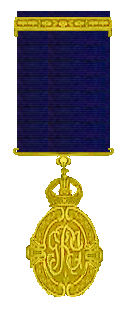
Jackson had been awarded the Kaisar-i-Hind Medal, first class, in the 1930 New Year Honours.[45] It was presented to the dying Jackson at his bedside by the then Governor of Burma, Sir Charles Innes and his wife.[46] Jackson died a few days later, on 6 December 1931, aged 42.[47] His last words were reported to be "I shall be helping all I can on the other side".[3] He was buried at Kemmendine Cemetery.[47]
Legacy
بعد وفاته بفترة وجيزة، ألّفت شقيقته ماري كتابًا عن حياته بعنوان " سفير في الأغلال" . [ 48 ] نُشر الكتاب عام 1932 من قِبل جمعية نشر الإنجيل في البلدان الأجنبية ، [ 48 ] بمقدمة من رولستون فايف ، أسقف رانغون السابق . [ 49 ] وفي عام 1950، كتب ستانلي سوتون سيرة ذاتية ثانية أقصر بعنوان " النسر الأعمى: الأب جاكسون من بورما" ، استندت بشكل كبير إلى الأولى، ولكنها ركزت أكثر على عمله التبشيري في لندن. [ 50 ]
تم نصب لوحة تذكارية برونزية تخلد ذكرى جاكسون داخل كاتدرائية الثالوث المقدس في يانغون، وهي لا تزال موجودة. [ 27 ]
لا تزال مدرسة كيميندين للمكفوفين ، كما تُعرف الآن، قائمةً حتى اليوم. [ 51 ] بعد وفاة جاكسون، تولّت إدارتها بعثة القديس ميخائيل حتى 1 نوفمبر 1963، حين تولّت إدارتها إدارة الرعاية الاجتماعية، التابعة لوزارة الرعاية الاجتماعية والإغاثة وإعادة التوطين في ميانمار. [ 51 ] في عام 2011، طوّر فني حاسوب في المدرسة برنامجًا لقراءة وكتابة طريقة برايل البورمية التي ابتكرها جاكسون. [ 52 ]
مراجع
- 1 2 3 4 5 6 بورسر 1933 ، ص 13.
- 1 2 ألبريشت، غاري ل.، محرر. (2005). "جاكسون، ويليام هنري (1889-1931)". موسوعة الإعاقة . منشورات سيج. ص 983. ISBN 978-1-4522-6520-9.
- 1 2 3 هنريش 1937 .
- ↑ بورسر 1933 ، ص 16.
- ↑ سوتون 1950 ، ص 3.
- ↑ "السيد آر إس جاكسون" . صحيفة التايمز . العدد 48018. 11 يونيو 1938. صفحة 14.
- ↑ بورسر 1933 ، ص 20.
- ↑ بورسر 1933 ، ص 23.
- ↑ بورسر 1933 ، ص 24-25.
- ↑ بورسر 1933 ، ص 27.
- ↑ بورسر 1933 ، ص 29، 32.
- 1 2 3 بورسر 1933 ، ص 32.
- ↑ "أبرشية تشيلمسفورد" (ملف PDF) . ورقة فصلية لجمعية أبرشية رانغون (97): 7 يناير 1921.[ملاحظة: يحتوي المصدر على صفحتين مرقمتين برقم "7"، وهذا خطأ. يشير هذا الاقتباس إلى الصفحة الأولى منهما]
- 1 2 سوتون 1950 ، ص. 11.
- ↑ بورسر 1933 ، ص 65.
- ↑ بورسر 1933 ، ص 33.
- ↑ ماكليش 1929 ، ص 27.
- ↑ سوتون 1950 ، ص 14-15.
- ↑ بورسر 1933 ، ص 39.
- ↑ سوتون 1950 ، ص 16.
- ↑ بورسر 1933 ، ص 37.
- ↑ سوتون 1950 ، ص 16، 18.
- ↑ سوتون 1950 ، ص 17.
- ↑ استخدام برايل العالمي (تقرير). اليونسكو. 1954.[ملاحظة: يقول المصدر "حوالي عام 1914"، لكن جاكسون لم يصل إلى بورما حتى نوفمبر 1917]
- ↑ "مبشر أعمى في بورما". مانشستر جارديان . 8 ديسمبر 1931. ص 10.
- ↑ بورسر 1933 ، ص 55.
- 1 2 "كاتدرائية الثالوث المقدس" . آلة الزمن في يانغون . 18 أبريل 2018. تم الاطلاع عليه بتاريخ 26 ديسمبر 2019 .
- ↑ بورسر 1933 ، ص 53.
- ↑ بورسر 1933 ، ص 57.
- ↑ كارتر 2012 ، ص 57.
- ↑ بورسر 1933 ، ص 58.
- ↑ "مهمة إلى المكفوفين في بورما" (ملف PDF) . ورقة فصلية لجمعية أبرشية رانغون (110): 52-53 . أبريل 1924.
- ↑ بورسر 1933 ، ص 73.
- ↑ بورسر 1933 ، ص 69.
- ↑ بورسر 1933 ، ص 75-76.
- ↑ «الأب جاكسون» . مجلة راديو تايمز . العدد 3. 12 أكتوبر 1923. صفحة 19. مؤرشف من الأصل في 25 أكتوبر 2014. تم الاطلاع عليه في 26 ديسمبر 2019 .
- ↑ "حديث المبشرين" . مجلة راديو تايمز . العدد 253. 3 أغسطس 1928. صفحة 24. مؤرشف من الأصل في 26 ديسمبر 2019. تم الاطلاع عليه في 26 ديسمبر 2019 .
- ↑ جاكسون، دبليو إتش (30 نوفمبر 1923). "بورما: أرض الإثارة" . مجلة راديو تايمز (10): 331.
- 1 2 بورسر 1933 ، ص 59.
- ↑ بورسر 1933 ، ص 21.
- ↑ سوتون 1950 ، ص 18.
- 1 2 بورسر 1933 ، ص 74.
- 1 2 بورسر 1933 ، ص 79.
- ↑Purser 1933, pp. 80–81.
- ↑"No. 33566". The London Gazette (Supplement). 31 December 1929. p. 11.
- ↑Purser 1933, p. 10.
- 12Sowton 1950, p. 31.
- 12Purser 1933.
- ↑Purser 1933, p. 7.
- ↑Sowton 1950.
- 12"School for the Blind Kyimyindine". Department of Social Welfare, Myanmar. Archived from the original on 24 December 2019. Retrieved 26 December 2019.
- ↑Thein, Cherry (28 February 2011). "Disability educators hail new Braille software". The Myanmar Times. Retrieved 26 December 2019.
Sources
- McLeish, Alexander (1929). Christian Progress in Burma. World Dominion Press.
- Purser, Mary Chesmer (1933). An Ambassador in Bonds: The Story of William Henry Jackson, Priest, of the Mission to the Blind of Burma (2 ed.). Society for the Propagation of the Gospel in Foreign Parts.
- Henrich, Ruth (1937). Fun, Fear or Faith: The Story of the Church in Burma. Society for the Propagation of the Gospel in Foreign Parts.
- Sowton, Stanley (1950). Blind Eagle: Father Jackson of Burma. Eagle Books.
- Carter, Anne (2012). Bewitched by Burma. Troubador Publishing Ltd. ISBN 978-1-78088-271-0.
Further reading
- Purser, W. C. B. (William Charles Bertrand) (1911). Christian Missions in Burma. Society for the Propagation of the Gospel in Foreign Parts.
- Purser, W. C. B. (17 July 1926). "Work for the Blind in Burma". The Rangoon Gazette. Rangoon, Burma.
- 20th-century British Anglican priests
- English blind people
- Anglican missionaries in Myanmar
- 1889 births
- 1931 deaths
- Recipients of the Kaisar-i-Hind Medal
- Alumni of the Royal National College for the Blind
- Alumni of Wadham College, Oxford
- Schoolteachers from London
- British choral conductors
- British conductors (music)
- 20th-century British composers
- Alumni of Leeds Clergy School
- English Anglican missionaries