
Film transition
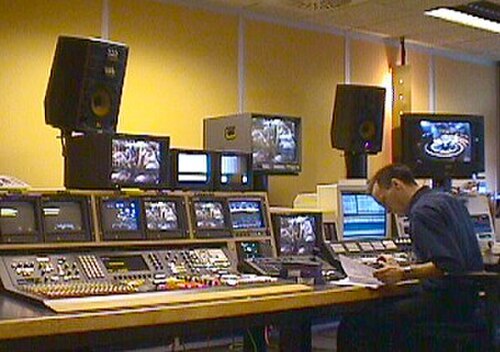
A film transition is a technique used in the post-production process of film editing and video editing by which scenes or shots are combined. Most commonly this is through a normal cut to the next shot. Most films will also include selective use of other transitions, usually to convey a tone or mood, suggest the passage of time, or separate parts of the story. These other transitions may include dissolves, L cuts, fades (usually to black), match cuts, and wipes.
Shot transitions

Every film today, whether it be live-action, computer generated, or traditional hand-drawn animation is made up of hundreds of individual shots that are all placed together during editing to form the single film that is viewed by the audience. The shot transition is the way in which two of these individual shots are joined together.[1]
Caesura
Principally a literary term denoting a rhythmical pause and break in a line of verse. In poetry, the caesura is used to diversify rhythmical progress and thereby enrich accentual verse.[2]
Some applications
The term first gained significance in motion-picture art through the editing experiments of Sergei Eisenstein. In applying his concept of montage as the "collision of shots", Eisenstein often included caesuras – rhythmical breaks – in his films. The acts of The Battleship Potemkin (1925) are separated by caesuras that provide a rhythmical contrast to the preceding action. The intense, frenetic action of the mutiny, for example, is followed by the lyrical journey of a dinghy to the shore. The three Burt Bacharach musical sequences in Butch Cassidy and the Sundance Kid (1969) provide contrasting caesuras that separate the major actions of the film. Several intense action sequences in Master and Commander (2003), including a raging sea storm and fight scenes, are followed by caesuras – quiet, scenic interludes that are often accompanied by melodic cello music.[2]
Continuity
The continuity is the development and structuring of film segments and ideas so that the intended meaning is clear, and the transitions employed to connect the film parts. In a more specific meaning, "continuity" refers to the matching of individual scenic elements from shot to shot so that details and actions, filmed at different times, will edit together without error. This process is referred to as "continuity editing". To maintain continuity within sequences, the editor will often cut on character action so that the scene flows together without noticeable jump-cuts (see below). Lapses in the flow of action can be avoided by transition and cutaway devices (see below). Music and sound are often utilized to provide a sense of continuity to a scene or sequences that may contain a variety of unmatched shots taken in different locations. For example, in Rocky (1976), the song "Getting High" served as a continuity device during the highly fragmentary sequence showing Rocky in the various training preparations for his title fight. The song connected the numerous brief shots so that they appeared as a single and complete unit within the film.[3]
Cut
The cut is the most basic and common type of transition. In a cut, one image on the screen is instantly replaced by another, often with a change in camera angle. Shot A ends abruptly and shot B begins.[4] Cuts can be classified into different types,[5] as detailed below.
Cutaway
A shot edited into a scene that presents information that is not a part of the first shot. The cutaway shot is usually followed by a return to the original shot, and is often used to condense time in a scene by eliminating undesired action or to cover a loss of continuity in the action. For example, a series of shots of a woman smoking a cigarette may not match correctly in editing because of the varied lengths of cigarette ash from shot to shot. A cutaway to a mantel clock, ticking away the time, would provide enough distraction to cover the loss of continuity. Or the cutaway of the clock could be inserted between a shot of the woman smoking a cigarette and one of the woman reading a book. The cutaway would permit the editor to advance the action in time.[6]
Cut-in
لقطة تُقدّم تفاصيل أكثر دقة في المشهد، عادةً من خلال لقطة مقرّبة . تُعزل اللقطة المقطوعة عنصرًا من عناصر المشهد وتُبرزه لإضفاء قيمة درامية أو إعلامية. كل حركة تدريجية في تسلسل اللقطات، من لقطة بعيدة إلى لقطة مقرّبة ، تُشكّل نوعًا من اللقطة المقطوعة. قد يكون لللقطة المقطوعة من لقطة بعيدة إلى لقطة مقرّبة تأثيرٌ مُفاجئ على المُشاهد نظرًا لهذا التكبير الفوري. تُعدّ هذه التقنية أسلوبًا شائعًا في مونتاج أفلام التشويق.
وفي هذا السياق، توجد اللقطة المُدرجة ، وهي لقطة تحتوي على تفاصيل بصرية تُضاف إلى المشهد لأغراض إعلامية أو لإضفاء طابع درامي. فعلى سبيل المثال، تُعدّ اللقطة المقربة لمادة مطبوعة في كتاب، والتي تُعرض بالتزامن مع قراءة أحد الشخصيات، نوعًا من اللقطات المُدرجة الإعلامية. كما يُعدّ عرض لقطة مقرّبة لمسدس موضوع على مكتب في غرفة تشهد شجارًا عنيفًا بالتزامن مع لقطة أخرى نوعًا من اللقطات المُدرجة الدرامية. وتُعرف اللقطة المُدرجة أيضًا باسم "لقطة التفاصيل" . [ 6 ]
قص متباين
يستطيع المونتير أن يستخدم القطع بذكاء ليُظهر تباينًا بين موضوعين. على سبيل المثال، قد يستيقظ شخص يحلم بحقل زهور جميل (اللقطة أ) فجأةً ليجد نفسه داخل مبنى يحترق (اللقطة ب). سيكون الصوت هادئًا وساكنًا في اللقطة أ، ثم يصبح فجأةً عاليًا ومؤلمًا في اللقطة ب. ويتفاقم هذا التباين بين السلام والفوضى من خلال هذا الانتقال المفاجئ. [ 1 ]
القطع الديناميكي
القطع الديناميكي هو أسلوب في مونتاج الأفلام يُظهر الانتقال من لقطة إلى أخرى بشكل مفاجئ وواضح للمشاهد. أما في القطع المتطابق أو المونتاج غير المرئي ، فلا يكون الانتقال واضحًا للمشاهد لأن هذه الأساليب تلتزم بإجراءات استمرارية مصممة لإخفاء عملية المونتاج، كالقطع أثناء الحركة مثلاً. في المقابل، يتميز القطع الديناميكي بوعيه الذاتي، وغالبًا ما يُفاجئ المشاهد بالانتقال المفاجئ في الزمان أو المكان، أو بالقطع السريع داخل المشهد الواحد لأغراض تعبيرية وسردية. وقد استخدم كل من بوب فوس في فيلم " كل هذا الجاز" (1979)، وريتشارد راش في فيلم "رجل الحركات الخطيرة " (1980)، وأوليفر ستون في فيلمي "جيه إف كيه " (1991) و " قتلة بالفطرة " (1994) القطع الديناميكي على نطاق واسع. كما يُعد القطع الديناميكي عنصرًا بارزًا في أفلام كوينتين تارانتينو ، بدءًا من فيلم " كلاب المستودع " (1992) وصولًا إلى فيلم "جانغو الحر" (2012). [ 7 ]
قطع مباشر
فيما يتعلق بالقطع الديناميكي، يُعد القطع المباشر تغييرًا فوريًا للقطات، عادةً إلى موقع أو إطار زمني جديد، ويتم تنفيذه دون استخدام جهاز انتقال بصري. ويُستخدم القطع المباشر لاستبدال لقطة بأخرى بشكل ديناميكي. [ 8 ]
قطع على شكل حرف L
القطع على شكل حرف L هو أسلوب مونتاج ينتج عنه قطع في وقت مختلف للصوت عن الفيديو. على سبيل المثال، قد نسمع أصوات الشخصيات قبل بضع ثوانٍ من رؤيتها على الفيلم. ولتحقيق هذا التأثير، كان على المونتير أن يُجري قطعًا على شكل حرف L على شريط الفيلم نفسه. وحتى اليوم، مع ظهور أنظمة المونتاج غير الخطي المحوسبة ، لا يزال التمثيل الرقمي للفيلم في البرنامج يتخذ هذا الشكل على شكل حرف L. [ 9 ]
قص متطابق
يجمع القطع المتطابق بين مقطعين من الفيلم يحتويان على جسمين متشابهين في الشكل وفي مواقع متقاربة داخل الإطار. ومن أشهر الأمثلة على ذلك مشهد القطع في فيلم " 2001: ملحمة الفضاء"، حيث ينتقل المشهد من عظمة ألقاها قرد ما قبل التاريخ إلى محطة فضائية مستقبلية. [ 1 ]
قطع غير مرئي
على غرار القطع المتطابق، يحاول القطع الخفي دمج لقطتين متشابهتين في الإطار. إلا أن القطع الخفي مصمم لإخفاء الانتقال تمامًا عن المشاهد. يمكن للمشاهد استنتاج حدوث القطع، لكن يصعب عليه تحديد اللحظة بدقة. على سبيل المثال، إذا سارت شخصية نحو الكاميرا، مغطية إياها بالكامل، يبدأ القطع عندما يظهر ظهر الشخصية وهي تبتعد. يمكن أيضًا إخفاء القطع الخفي بتحريك الكاميرا السريع ، أو بالدخول إلى بيئة شديدة الظلام أو شديدة الإضاءة أو الخروج منها، أو بجسم يعبر الشاشة.
قطع التحرير المتوازي
على سبيل المثال، تخيل مشهد حركة يطارد فيه الشرير بطل الفيلم. إن محاولة إبقاء كل من البطل والشرير في نفس الإطار طوال مشهد المطاردة سيصبح أمرًا صعبًا ومملًا بعد فترة. يُعد استخدام القطع المتوازي طريقة أفضل لحل هذه المشكلة . في هذا المثال، يتكون المشهد من عدة لقطات للبطل وهو يركض في اتجاه معين، وبعض اللقطات للشرير وهو يركض في نفس الاتجاه. ربما ينظر البطل إلى الوراء، خارج الإطار، نحو مطارده. عند هذه النقطة، يُضيف المُحرر لقطة للشرير. لا يشغل أي من الشخصيتين نفس مساحة الشاشة، ومع ذلك يفهم المشاهد أن أحدهما يطارد الآخر. [ 10 ]
قطع سريع
A jump cut is usually the result of a continuity error, and not a stylistic choice by the director. But the director can purposely use it to create an effect of passing time without showing the whole event take place. A jump cut occurs when a cut, designed to act merely as a camera angle change (less than 30-degrees), reveals a continuity discrepancy between the two shots. For instance, if a character has their hand over their mouth in a medium shot, and not in their close-up, this little detail, which probably was not noticed on set, is now painfully obvious to the viewers.[10]
Defocus transition
The defocus transition is a type of transition accomplished by rolling the lens focus until the scene becomes blurred. Passage of time within a scene can be suggested by refocusing the shot after alterations are made in the scene: change of costume, lighting, and other continuity elements. The defocus device has also been frequently employed in transitions to dream or fantasy sequences.[11]
Fade in/out
A fade occurs when the picture gradually turns to a single color, usually black, or when a picture gradually appears on screen. Fade ins generally occur at the beginning of a film or act, while fade outs are typically found at the end of a film or act.[12]
Dissolve
Like the fade, a dissolve involves gradually changing the visibility of the picture. However, rather than transitioning from a shot to a color, a dissolve is when a shot changes into another shot gradually. Dissolves, like cuts, can be used to create a link between two different objects, a man telling a story, and a visual of his story, for instance.[12]
Ripple dissolve
A ripple dissolve is a type of transition characterized by a wavering image that is usually employed to indicate a change to flashback material, commonly a character's memory of an event. Sometimes the ripple dissolve is used as a transition to an imagined event or action. A series of three ripple dissolves appeared in Mamma mia! (2008) as Donna (Meryl Streep) discovers her three former lovers in the attic of her Greek villa. The brief ripple dissolves transport each man visually back in time to reveal their 1960's "hippy", "love children" appearances as Donna remembers them.[13]
Washout
يُعدّ التلاشي الانتقال البصري تقنيةً بصريةً تُستخدم لأغراض التحرير، وهي تُشبه التلاشي التدريجي. على عكس التلاشي التدريجي، حيث تتلاشى الصور إلى اللون الأسود، في التلاشي التدريجي تبدأ الصور فجأةً بالتلاشي أو التلوين حتى تُصبح الشاشة إطارًا من الضوء الأبيض أو الملون. ثم يظهر مشهد جديد.
كذلك، يُعدّ التشويه الضوئي الشكلَ الأشدّ تطرفًا للتعريض الزائد ، وهو تعريض كلّ إطار من الفيلم لضوءٍ أكثر أو لفترةٍ أطول ممّا هو مطلوب لإنتاج تعريضٍ "طبيعي" للموضوع نفسه. تكاد تنعدم التفاصيل المرئية في المناطق المضيئة - المناطق الساطعة من الصورة - فتظهر الصور باهتةً، أو شبه متلاشية. ويتحقق هذا التأثير بتوجيه الكاميرا نحو مصدر ضوء ساطع يُشوّه معظم مساحة الإطار ، إن لم يكن كلها ، أو بمعالجة التأثير في مختبر الأفلام. في حين كان بعض مخرجي الأفلام لا يزالون في عام 2014 يُفضّلون المواد الفوتوغرافية القائمة على مستحلب الفيلم بدلًا من الصور المُستعادة رقميًا، إلا أن عددهم كان يتناقص بسرعة. [ 14 ]
بعض التطبيقات
استخدم إنغمار بيرغمان تقنية التلاشي اللوني على نطاق واسع في فيلمه النفسي "صرخات وهمسات " (1972). وقد نوّع بيرغمان هذه التقنية لأغراض الانتقال ولإبراز استخدامه التعبيري للألوان في الفيلم. كانت تقنية التلاشي اللوني تُضفي لونًا واحدًا غنيًا على نهاية المشهد ليرمز إلى المشاعر والانفعالات النفسية التي تدور حولها القصة. كما استُخدمت هذه التقنية بفعالية في مشاهد الخيال في فيلم " كاتش-22" (1970). وينتهي فيلم "مونستر" (2003) بتلاشي لوني عندما تغادر آيلين وورنوس ( تشارليز ثيرون ) قاعة المحكمة بعد الحكم عليها بالإعدام. وبالمثل، يُختتم فيلم " ساعات " (2012) بتلاشي لوني بطيء إلى الأبيض، لينتهي بنهاية مؤثرة ولكنها سعيدة في مشهد يُظهر أبًا ( بول ووكر ) وهو يحتضن ابنته الخديجة التي أنقذ حياتها في مستشفى بنيو أورليانز بدون كهرباء أثناء إعصار كاترينا . [ 15 ]
يمسح
تتضمن عملية الانتقال استبدال لقطة بأخرى، حيث تنتقل اللقطة من جانب الإطار إلى الجانب الآخر. تخيل خطًا رأسيًا يمتد من الجانب الأيمن للإطار إلى الجانب الأيسر. على الجانب الأيسر من هذا الخط، توجد اللقطة (أ)، وعلى الجانب الأيمن توجد اللقطة (ب). عندما يصل هذا الخط إلى الحافة اليسرى للإطار، ستملأ اللقطة (ب) المشهد بالكامل، وبذلك يكتمل الانتقال. يصف هذا المثال انتقالًا بخط رأسي، مع العلم أنه ليس سوى نوع واحد من أنواع الانتقال.
يستخدم نوع آخر شائع من الانتقالات عناصر في المشهد بدلاً من خط عمودي غير مرئي. ومن التطبيقات المثيرة للاهتمام لهذا النوع خلق وهم مرور الكاميرا عبر سقف الطابق الأرضي لمنزل متعدد الطوابق إلى أرضية الطابق العلوي. في هذه الحالة، تتكون اللقطة (أ) من ارتفاع الكاميرا نحو السقف، بينما تتكون اللقطة (ب) من ارتفاعها من الأرض. يُعطي الانتقال السلس انطباعًا بأن الكاميرا تنتقل بين طوابق المنزل.
مناديل طبيعية
تقنية انتقالية تُنفذ بواسطة عنصر ضمن المشهد نفسه، بدلاً من عملية مخبرية. حيث تُقرب شخصية أو شيء ما من عدسة الكاميرا، فيمحو المشهد بحجب الإطار أو تشويشه بالكامل. وغالبًا ما يُستخدم باب يُغلق كمسح طبيعي. ويتبع هذا المسح الطبيعي مشهد جديد. يُعد الانتقال الأمامي الخلفي نوعًا من المسح الطبيعي يُستخدم لإنهاء مشهد والكشف عن آخر. [ 16 ]
مسح قزحية العين
يمكن أن يكون شكل المسح دائريًا أيضًا باستخدام فتحة عدسة الكاميرا. عند إغلاق فتحة العدسة، تتحرك دائرة ضبابية نحو الداخل باتجاه منتصف الإطار، مما يلفت الانتباه إلى الموضوع الموجود في هذه المساحة المركزية. [ 1 ]
مورف
على الرغم من أن التحول المورفولوجي لا يقتصر دائمًا على انتقالات المشاهد، إلا أنه يُمكن اعتباره مزيجًا من التلاشي والتأثير البصري . فبدلًا من مجرد مزج الألوان، يُعيد التحول المورفولوجي تشكيل جسم ما تدريجيًا ليصبح جسمًا آخر، مما يُنشئ رابطًا أقوى بكثير مما يُمكن أن يُوفره التلاشي البسيط. ومن الأمثلة الشهيرة على ذلك مشهدٌ في نهاية فيلم " إنقاذ الجندي رايان" . حيث يتحول وجه الجندي الشاب رايان (الذي يؤدي دوره الممثل مات ديمون ) [ 17 ] تدريجيًا إلى وجه الجندي الأكبر سنًا رايان (الذي يؤدي دوره هاريسون يونغ ) [ 17 ] ، بينما تتلاشى الخلفية تدريجيًا من مدينة مُحاصرة خلال الحرب العالمية الثانية إلى مقبرة في العصر الحديث؛ فلا يساور المشاهد أدنى شك في أن الرجلين هما شخص واحد.
مؤثرات صوتية
صوت متداخل
الصوت المتداخل هو عادةً مؤثر صوتي أو كلام يستمر لفترة وجيزة من لقطة إلى أخرى. وقد يكون الصوت المتداخل بمثابة تقدم صوتي ، حيث يُسمع كلام أو مؤثر صوتي في لقطة سابقة لفترة وجيزة في اللقطة السابقة. ويمكن استخدام الصوت المتداخل لربط مشهدين دراميين منفصلين بشكل ديناميكي، أو لتعزيز وتيرة تطور القصة. [ 18 ]
تقدم الصوت / جسر الصوت
It is the advancement of a sound, to be heard in a new shot or scene, taken from the end of the preceding scene. Sound advances, common in modern films, are actually combined with cut transitions to pull the action of the story forward in a dynamic manner.[19]
Some applications
Alfred Hitchcock fairly well patented the sound advance in his 1929 classic Blackmail. A young woman (Anny Ondra) wandering the streets of London in shock after killing a man, comes upon a drunk lying on the pavement, his arm extended in the same manner as the artist just murdered by the woman in his studio apartment. The image of the arm seems to precipitate a scream from the young woman. A cut, however, reveals that the scream is coming from a landlady who has just discovered the dead artist's body in his apartment. The sound advance also has conceptual, satirical, and dramatic possibilities. In Five Easy Pieces (1970), the unexpected sound of a bowling ball rolling down a bowling lane is heard in the final seconds of a scene in a motel room where Jack Nicholson has taken a girlfriend. Just as the ball strikes the tenpin, a cut is made to a new scene where Nicholson is bowling with the woman. The combined sound advance and the cut transition together serve as a sexual metaphor.[19]
Asynchronous sound
An asynchronous sound is a term for sound that has not been synchronized with the screen image. Asynchronous sound also includes aesthetic use of sound for expressive purposes. Because of the composite nature of film art, the element of sound (music, dialogue, sound effects) is highly manipulative. The sounds of a clucking chicken can be juxtaposed with a shot of a ranting politician for satirical effect.
يُعدّ استخدام تقنية تقديم الصوت في مشاهد المونتاج أحد أكثر أشكال الصوت غير المتزامن شيوعًا في صناعة الأفلام المعاصرة. يحدث تقديم الصوت غير المتزامن عندما يُظهر المونتير وجه شخصية تصرخ من الرعب، وبدلًا من استخدام الصوت الطبيعي لصوتها المرعب، يُدخل صوت صفارة سيارة شرطة حادة ومزعجة، تظهر في المشهد التالي. تجمع تقنية تقديم الصوت بين الصوت المتزامن وغير المتزامن بطريقة سينمائية فريدة. استخدم فرانسيس فورد كوبولا الصوت المتزامن وغير المتزامن بشكل مكثف في مشهد التعميد في فيلم "العراب " (1972). قرب نهاية الفيلم، تُعرض لقطات من مراسم دينية مهيبة بالتزامن مع مشاهد من عملية انتقام تجري في أماكن متفرقة من المدينة. يستمر صوت موسيقى الكنيسة المهيبة وترديدات الكهنة في طقوس التعميد دون انقطاع بينما يُنفّذ المسلحون مهمتهم. من خلال استخدام الصوت المتزامن وغير المتزامن، والتقطيع البصري المتقاطع ، يحدث ربط نفسي ساخر بين الماضي والحاضر والمستقبل. يمكن للصوت غير المتزامن أن يخلق مفارقة بين الصوت والصورة، وأن يسخر من المواقف الدرامية ويحاكيها، وأن يربط لحظات زمنية منفصلة بطرق معبرة. [ 20 ]
الزمن النفسي
Psychological time is a term referring to the use of filming devices that, in the continuity of a motion-picture narrative, suggest not chronological time but time as it is perceived by a character's mind. A dissolve (see above) for example, most commonly reveals a passage of time when used within an ongoing scene. The dissolve, by tradition, serves to include intervening time and action. If however, a dissolve rather than a cut is used in a continuing uninterrupted action, its unconventional placement carries psychological implications. Subjectively inspired psychodramas by experimental filmmakers, such as Meshes of the Afternoon (1943) by Maya Deren, often exploit the psychological dissolve for a mind's-time effect. Psychological time can also be suggested by the repeated use of a piece of action. The condemned traitor's final, desperate effort in An Occurrence at Owl Creek Bridge (1962) to reach his wife is conveyed in psychological time by a repeated telephoto shot of the man running down the road to his home. He appears suspended in time and place, which in fact he is; shortly after these shot repetitions the viewer discovers that the traitor's entire flight has been a fantasy revealed through an extended use of psychological time. A particularly engaging and sometimes bewildering use of psychological character perception occurs in Memento (2000), a film about a man who is searching for his wife's murderer. The search is complicated by the fact that the man has lost his short-term memory. Events come and go on the screen without their meaning being clear at first revelation. Psychological time is a distinguishing element in Shane Carruth's 2013 experimental science-fiction film Upstream Color. Avoiding a well-made narrative structure, the plot of Upstream Color centers on a man and woman who are targets of parasitic engineering and whose lives dissolve into mental and psychological disarray. Time is rendered in abrupt, discontinuous fragments, with daily reality intermingling with mental apparitions and abstract imagery.[21]
References
- 1234Bernard F. Dick (2010). Anatomy of Film - Sixth Edition. Bedford/St.Martin's. ISBN 978-0-312-48711-9.
- 12Beaver, Frank (2015). Dictionary of Film Terms. New York: Peter Lang. p. 39. ISBN 978-1-4331-2727-4.
- ↑Beaver, Frank (2015). Dictionary of Film Terms. New York: Peter Lang. p. 64. ISBN 978-1-4331-2727-4.
- ↑Ascher, Steven, and Edward Pincus. The Filmmaker's Handbook: A Comprehensive Guide for the Digital Age. New York: Plume, 1999.
- ↑Heckman, Chris (November 28, 2021). "Types of Editing Transitions in Film — The Ultimate Guide". studiobinder.com. Retrieved February 6, 2023.
- 12Beaver, Frank (2015). Dictionary of Film Terms. New York: Peter Lang. p. 75. ISBN 978-1-4331-2727-4.
- ↑Beaver, Frank (2015). Dictionary of Film Terms. New York: Peter Lang. pp. 96–97. ISBN 978-1-4331-2727-4.
- ↑Beaver, Frank (2015). Dictionary of Film Terms. New York: Peter Lang. p. 84. ISBN 978-1-4331-2727-4.
- ↑"Bright Hub - What is an L Cut?". Retrieved March 20, 2011.
- 12Timothy Corrigan, Patricia White (2009). The Film Experience, An Introduction - Second Edition. Bedford/St. Martin's. ISBN 978-0-312-55533-7.
- ↑Beaver, Frank (2015). Dictionary of Film Terms. New York: Peter Lang. p. 77. ISBN 978-1-4331-2727-4.
- 12William H. Phillips (2009). Film, An Introduction - Fourth Edition. Bedford/St. Martin's. ISBN 978-0-312-48725-6.
- ↑Beaver, Frank (2015). Dictionary of Film Terms. New York: Peter Lang. p. 233. ISBN 978-1-4331-2727-4.
- ↑Beavery, Frank (2015). Dictionary of Film Terms. New York: Peter Lang. p. 105. ISBN 978-1-4331-2727-4.
- ↑Beavery, Frank (2015). Dictionary of Film Terms. New York: Peter Lang. pp. 284–285. ISBN 978-1-4331-2727-4.
- ↑Beaver, Frank (2015). Dictionary of Film Terms. New York: Peter Lang. p. 193. ISBN 978-1-4331-2727-4.
- 12"IMDB - Saving Private Ryan". IMDb. Retrieved March 20, 2011.
- ↑Beaver, Frank (2015). Dictionary of Film Terms. New York: Peter Lang. p. 203. ISBN 978-1-4331-2727-4.
- 12Beaver, Frank (2015). Dictionary of Film Terms. New York: Peter Lang. pp. 247–248. ISBN 978-1-4331-2727-4.
- ↑Beaver, Frank (2015). Dictionary of Film Terms. New York: Peter Lang. pp. 21–22. ISBN 978-1-4331-2727-4.
- ↑ بيفر، فرانك (2015). قاموس مصطلحات الأفلام . نيويورك: بيتر لانغ. ص 222-223 . ISBN 978-1-4331-2727-4.
روابط خارجية
- مونتاج الأفلام