
John Paul Vann
John Paul Vann (born John Paul Tripp; July 2, 1924 – June 9, 1972) was a lieutenant colonel in the United States Army, later retired, who became well known for his role in the Vietnam War. Although separated from the military before the Vietnam War reached its peak, he returned to service as a civilian under the auspices of the United States Agency for International Development and by the waning days of the war was the first American civilian to command troops in regular combat there. He received the Presidential Medal of Freedom and was the only civilian in Vietnam to receive the Distinguished Service Cross. He died on June 9, 1972, in a helicopter crash in Vietnam just after the Battle of Kontum.
Early life
Born John Paul Tripp in Norfolk, Virginia, on July 2, 1924, out of wedlock, to John Spry and Myrtle Lee Tripp. Vann's mother married Aaron Frank Vann, and Vann took his stepfather's surname. Vann had three half-siblings and in 1942 Aaron Vann officially adopted him.[1] Although the Vann children grew up in near poverty, Vann was able to attend boarding school at Ferrum College through the patronage of a wealthy member of his church. He graduated from its high school in 1941, and from its junior college program in 1943. With the onset of World War II, Vann sought to become an aviator/pilot.
Military career
In 1943, at the age of 18, Vann enlisted in the United States Army Air Force. He underwent pilot training, transferred to navigation school, and was commissioned as a second lieutenant in 1945.[1] However, the war ended before he could see action.[2]
Vann married Mary Jane Allen of Rochester, New York in October 1945, at the age of 21.[3] They had five children.[4]
When the Army Air Force separated from the Army in 1947 to form its own branch, the United States Air Force, Vann chose to remain in the Army and transferred to the infantry. He was assigned to Korea, and then Japan, as a logistics officer. When the Korean War began in June 1950, Vann coordinated the transportation of his 25th Infantry Division to Korea. Vann joined his unit, which was placed on the critical Pusan Perimeter until the amphibious Inchon landing relieved the beleaguered forces.
In late 1950, in the wake of China's entrance into the war and the retreat of allied forces, then-Captain Vann was given his first command, a Ranger company, the Eighth Army Ranger Company. He led the unit on reconnaissance missions behind enemy lines for three months, before a serious illness in one of his children resulted in his transfer back to the United States. While assigned to Rutgers University's ROTC program as an assistant professor of military science and tactics,[5] he received a Bachelor of Science degree with a concentration in economics and statistics in 1954.[3]
In 1954, Vann joined the 16th Infantry Regiment in Schweinfurt, Germany, becoming the head of the regiment's heavy mortar company. A year later, he was promoted to major and transferred to Headquarters U.S. Army Europe at Heidelberg, where he returned to logistics work.
Vann returned to the U.S. to attend the Command and General Staff College (a prerequisite for further promotion) in 1957. During this period, he earned a Master of Business Administration degree from Syracuse University in 1959 and completed all course requirements for a PhD in public administration at the university's Maxwell School of Citizenship and Public Affairs. He was promoted to lieutenant colonel in 1961.[5][3]
Vietnam War service
Vann was voluntarily assigned to South Vietnam in 1962 as an adviser to Colonel Huỳnh Văn Cao, commander of the ARVNIV Corps.
In the final check to board Flying Tiger Line Flight 739, Vann was detained since his passport was found to have expired. The plane took off and later crashed en route after leaving Guam with no survivors. Taking a later flight, he arrived on March 23, 1962.
In the thick of the anti-guerrilla war against the Viet Cong, Vann became concerned with the way in which the war was being prosecuted, in particular the disastrous Battle of Ap Bac. Directing the battle from a spotter plane overhead, he earned the Distinguished Flying Cross for his bravery in taking enemy fire. He attempted to draw public attention to the problems through reporters such as David Halberstam of the New York Times and Neil Sheehan of UPI, directing much of his ire towards MACV commander General Paul D. Harkins. Vann completed his Vietnam assignment in March 1963 and left the Army within a few months, having completed 20 years of service.[3]
Civilian career
Vann accepted a job in Denver, Colorado with defense contractor Martin Marietta. Although he succeeded there for nearly two years, he missed Vietnam and angled to return.[3] Vann returned to Vietnam in March 1965 as an official of the Agency for International Development (AID).[6]
After an assignment as province senior adviser, Vann was made Deputy for Civil Operations and Rural Development Support (CORDS) in the Third Corps Tactical Zone of Vietnam, which consisted of the twelve provinces north and west of Saigon—the part of South Vietnam most important to the US. CORDS was an integrated group that consisted of USAID, U.S. Information Service, Central Intelligence Agency and State Department along with U.S. Army personnel to provide needed manpower. Among other undertakings, CORDS was responsible for the Phoenix Program, which involved "neutralization" of the Viet Cong infrastructure.
Vann served as Deputy for Civil Operations and Rural Development Support CORDS III (i.e., commander of all civilian and military advisers in the Third Corps Tactical Zone) until November 1968 when he was assigned to the same position in IV Corps, which consisted of the provinces south of Saigon in the Mekong Delta.
كان فان يحظى باحترام كبير من قبل شريحة واسعة من الضباط والمدنيين المنخرطين في الجوانب السياسية الأوسع للحرب، وذلك لتفضيله قيام وحدات صغيرة بدوريات استباقية بدلاً من الاشتباكات الضخمة التي تخوضها وحدات كبيرة. وعلى عكس العديد من الجنود الأمريكيين، كان يحترم جنود جيش جمهورية فيتنام رغم انخفاض معنوياتهم، وكان ملتزماً بتدريبهم وتعزيز معنوياتهم وولائهم. شجع أفراده على الانخراط في المجتمع الفيتنامي قدر الإمكان، وكان يؤكد باستمرار على ضرورة النظر إلى حرب فيتنام كحرب طويلة الأمد بمستوى مشاركة منخفض، بدلاً من حرب قصيرة الأمد بمستوى مشاركة عالٍ ووحدات كبيرة.
في إحدى رحلات عودته إلى الولايات المتحدة في ديسمبر 1967، سأل والت روستو ، مستشار الأمن القومي في إدارة جونسون والمؤيد لزيادة عدد القوات ، فان عما إذا كانت الولايات المتحدة ستتجاوز أسوأ مراحل الحرب في غضون ستة أشهر: "بالتأكيد لا يا سيد روستو"، أجاب فان، "أنا متفائل بالفطرة. أعتقد أننا نستطيع الصمود لفترة أطول من ذلك." [ 7 ] لم تجعل فطنة فان ونزعته التمردية منه محبوبًا لدى العديد من العسكريين والمدنيين، لكنه كان بطلًا للعديد من الضباط المدنيين والعسكريين الشباب الذين أدركوا حدود الحرب التقليدية في بيئة فيتنام غير النظامية.
بعد تعيينه في الفيلق الرابع، عُيّن فان كبير المستشارين الأمريكيين في المنطقة العسكرية للفيلق الثاني في أوائل سبعينيات القرن الماضي، عندما كان التدخل الأمريكي في الحرب يتراجع تدريجيًا وبدأت القوات بالانسحاب. ولهذا السبب، أسندت إليه وظيفته الجديدة مسؤولية جميع الأفراد الأمريكيين في منطقته، حيث قدم المشورة لقائد جيش جمهورية فيتنام (ARVN) في المنطقة، وأصبح أول مدني أمريكي يقود قوات نظامية أمريكية في القتال. وكانت مسؤوليات منصبه تعادل رتبة لواء في الجيش الأمريكي.
موت
بعد ثلاثة أيام من معركة كونتوم ، قُتل فان عندما تحطمت مروحيته في بستان أشجار قرب مقبرة قرية. كان يبلغ من العمر 47 عامًا. دُفن في 16 يونيو 1972، في القسم 11 من مقبرة أرلينغتون الوطنية . حضر جنازته كل من الجنرال ويليام ويستمورلاند ، واللواء إدوارد لانسديل ، والمقدم لوسيان كونين ، والسيناتور إدوارد كينيدي ، ودانيال إلسبرغ .
إرث
On June 18, President Richard Nixon posthumously awarded Vann the Presidential Medal of Freedom, the nation's highest civilian citation, for his ten years of service in South Vietnam.[8] For his actions from April 23–24, 1972, Vann, ineligible for the Medal of Honor as a civilian, was also awarded (posthumously) the Distinguished Service Cross,[9] the only civilian so honored since World War II.[1]
Neil Sheehan wrote a Pulitzer Prize-winning Vietnam history and biography of Vann, A Bright Shining Lie: John Paul Vann and America in Vietnam, in which Sheehan also examines two of Vann's alleged career-stunting incidents involving morals charges during his service in West Germany and at Fort Leavenworth, Kansas, and how these possibly affected Vann's future actions and resulting career path both in and after Vietnam.[1] In 1998, HBO made the film A Bright Shining Lie, adapted from the book, with Bill Paxton playing the role of Vann.[10]
Quotes
- "It was a miserable damn performance." (speaking of the Battle of Ap Bac)
- "If it were not for the fact that Vietnam is but a pawn in the larger East-West confrontation, and that our presence here is essential to deny the resources of this area to Communist China, then it would be damned hard to justify our support of the existing government."[11]
- "This is a political war and it calls for discrimination in killing. The best weapon for killing would be a knife, but I'm afraid we can't do it that way. The worst is an airplane. The next worst is artillery. Barring a knife, the best is a rifle — you know who you're killing."[12]
- "We don't have twelve years' experience in Vietnam. We have one year's experience twelve times over."[13]
- "In one fell swoop [President Thieu's Land to the Tiller Program] eliminated tenancy in Vietnam. All rents were suspended."[14]:194
- "The basic fact of life is that the overwhelming majority of the population — somewhere around 95 percent — prefer the government of Vietnam to a Communist government or the government that's being offered by the other side."[14]:348
- "قد يكون هؤلاء الناس أعظم عشاق العالم، لكنهم ليسوا أعظم مقاتليه. مع ذلك، فهم أناس طيبون، ويمكنهم الانتصار في الحرب إذا أرشدهم أحدهم إلى كيفية ذلك." (متحدثًا عن الفيتناميين الجنوبيين) [ 15 ]
- "هذا أفضل قصف رأيته في 11 عامًا قضيتها هنا!" (متحدثًا عن طياري القوات الجوية لجنوب فيتنام في كون توم 1972) [ 16 ]
- "سأحول هذا إلى جحيم مشتعل" (مخاطباً مستشار فريق القيادة العسكرية الأمريكية في فيتنام، النقيب ر. إي. ماكول، في فبراير 1972 بشأن الهجوم المخطط له من قبل جيش فيتنام الشمالي في مقاطعة بليكو).
- "في المرة القادمة سأتأكد تمامًا من أنهم كبار بما فيه الكفاية"، بعد أن نجا بصعوبة من المحاكمة العسكرية بتهمة الاغتصاب القانوني، ديسمبر 1959. [ 17 ]
الجوائز
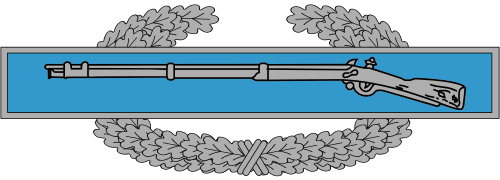 | شارة جندي المشاة القتالي |
 | شارة الطيار الأساسية للجيش |
 | شارة المظلي الأساسية |
 | شارة الكتف للفرقة 25 مشاة |
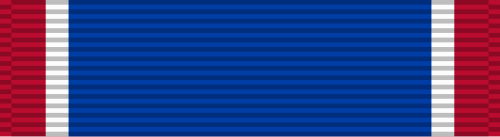 | وسام الخدمة المتميزة للجيش (بعد الوفاة) |
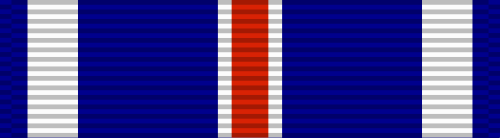 | وسام الصليب الطائر المتميز |
  | ميدالية النجمة البرونزية مع مجموعة واحدة من أوراق البلوط البرونزية |
 | ميدالية تقدير الجيش مع مجموعة أوراق البلوط |
 | القلب الأرجواني |
 | وسام الحرية الرئاسي (بعد الوفاة) |
 | ميدالية حسن السلوك في الجيش |
 | ميدالية الحملة الأمريكية |
 | ميدالية النصر في الحرب العالمية الثانية |
 | ميدالية جيش الاحتلال مع مشبك "اليابان" |
  | ميدالية الخدمة الدفاعية الوطنية مع نجمة خدمة برونزية واحدة |
  | ميدالية الخدمة الكورية مع أربع نجوم خدمة |
 | ميدالية الخدمة في فيتنام مع نجمة الخدمة |
 | جائزة الخدمة المدنية الفيتنامية |
 | وسام الشجاعة الفيتنامي مع سعفة النخيل |
 | وسام الوحدة الرئاسية الكورية |
 | ميدالية الأمم المتحدة لكوريا |
 | ميدالية الخدمة في الحرب الكورية (بعد الوفاة) |
 | ميدالية حملة فيتنام |
تواريخ الرتبة
- تاريخ الالتحاق بالخدمة العسكرية: 10 مارس 1943
- ملازم ثان – 10 فبراير 1945
- ملازم أول – 17 أبريل 1947
- قبطان – 13 سبتمبر 1950
- الرائد – 19 أبريل 1955
- مقدم – 26 مايو 1961 [ 18 ]
انظر أيضاً
مراجع
- 1 2 3 4 كروس، بيتر (20 فبراير 2007). "جون بول فان: رجل وأسطورة" . هيستوري نت . تم الاطلاع عليه في 4 أكتوبر 2019. يُنسب
إلى فان إنقاذ أكثر من 50 جريحًا، وحصل على وسام صليب الخدمة المتميزة، وهو المدني الوحيد الذي نال هذا التكريم منذ الحرب العالمية الثانية.
- ↑ شيهان، نيل (13 يونيو 1988). "جندي أمريكي في فيتنام" . مجلة نيويوركر . الرقم الدولي الموحد للدوريات 0028-792X . تاريخ الاسترجاع 4 أكتوبر 2019.
تلقى تدريباً على قتل الألمان واليابانيين في الحرب العالمية الثانية، على الرغم من أن الحرب انتهت قبل أن يشارك في أي قتال.
- 12345Sheehan, Neil (1988). A Bright Shining Lie: John Paul Vann and America in Vietnam. New York: Random House. ISBN 9780394484471.
- ↑Mehren, Elizabeth (1988-10-12). "Trapped By Vietnam : Before He Could Tell the Tale of a Soldier and a War, Neil Sheehan First Had to Battle His Own Emotions". Los Angeles Times. Retrieved 2019-10-04.
He had five children by his wife, Mary Jane, and though they were divorced at the time he was killed in a helicopter accident in Vietnam, at the funeral she placed a rose on the coffin and told the man inside she loved him.
- 12Montgomery, Paul L. (1972-06-10). "Career Approached Legend". The New York Times. ISSN 0362-4331. Retrieved 2019-10-02.
- ↑Steel, Ronald (1988-09-25). "The Man Who Was the War". The New York Times. ISSN 0362-4331. Retrieved 2019-10-02.
- ↑Sheehan, Neil (1988). A Bright Shining Lie: John Paul Vann and America in Vietnam. Random House. p. 701. ISBN 978-0679724148.
- ↑Sheehan, Neil (1988-06-13). "An American Soldier in Vietnam". ISSN 0028-792X. Retrieved 2019-10-04.
He was buried at Arlington & honored by Pres. Nixon, with the posthumous award of the Presidential Medal of Freedom.
- ↑"Distinguished Service Cross Recipients, Vietnam War, 1956–1975"(PDF). Department of Defense.
- ↑Lyman, Rick (1998-05-20). "HBO's 'Shining Lie' Draws Early Complaints". The New York Times. ISSN 0362-4331. Retrieved 2019-10-04.
If anything, Vann was even more intense than the way he is portrayed in the film by Bill Paxton
- ↑Sheehan, Neil (1988). A Bright Shining Lie: John Paul Vann and America in Vietnam. Random House. p. 524. ISBN 978-0679724148.
- ↑Halberstam, David (2008). The Making of a Quagmire: America and Vietnam During the Kennedy Era. Rowman & Littlefield. p. 95. ISBN 978-0742560086.
- ↑Lewy, Guenter (1980). America in Vietnam. Oxford University Press. p. 118. ISBN 978-0195023916.
- 1 2 سورلي، لويس (1999). حرب أفضل . هاركورت بريس. ISBN 9780547417455.
- ↑ كارنو ، ستانلي (1991). فيتنام: تاريخ . بنغوين. ص 277. ISBN 9780140145335.
- ↑ ماكينا، توماس (2015). كونتوم: معركة إنقاذ فيتنام الجنوبية . مطبعة جامعة كنتاكي. ص 236. ISBN 9780813165820.
- ↑ شيهان، نيل (1988). كذبة ساطعة: جون بول فان وأمريكا في فيتنام . دار راندوم هاوس. ص 492.
- ↑ السجل الرسمي للضباط المفوضين في جيش الولايات المتحدة. طبعات مختلفة من عام 1950 إلى عام 1962.
مصادر
- شيهان، نيل (1988). كذبة ساطعة: جون بول فان وأمريكا في فيتنام . نيويورك: راندوم هاوس.
روابط خارجية
- مواليد عام 1924
- وفيات عام 1972
- أفراد عسكريون من نورفولك، فيرجينيا
- الحاصلون على وسام الحرية الرئاسي
- الحاصلون على وسام الصليب المتميز للخدمة (الولايات المتحدة)
- الحاصلون على وسام الصليب الطائر المتميز (الولايات المتحدة)
- الدفن في مقبرة أرلينغتون الوطنية
- خريجو كلية فيروم
- خريجو جامعة روتجرز
- خريجو كلية ماكسويل للمواطنة والشؤون العامة
- خريجو كلية مارتن ج. ويتمان للإدارة
- سكان مارتن ماريتا
- خريجو كلية القيادة والأركان العامة للجيش الأمريكي
- عقداء في جيش الولايات المتحدة
- ضباط القوات الجوية للجيش الأمريكي
- أفراد القوات الجوية للجيش الأمريكي في الحرب العالمية الثانية
- أفراد الجيش الأمريكي في الحرب الكورية
- أفراد الجيش الأمريكي في حرب فيتنام
- ضحايا حوادث الطيران أو الحوادث التي وقعت عام 1972
- ضحايا حوادث الطيران أو الحوادث في فيتنام
- ضحايا حوادث أو وقائع طائرات الهليكوبتر
- الأشخاص الذين قُتلوا في حرب فيتنام
- رتبة مقدم