
Basters
The Basters (also known as Baasters, Rehobothers, or Rehoboth Basters) are a Southern African ethnic group descended from Nama people of Khoekhoe origin and Europeans. Since the second half of the 19th century, the Rehoboth Baster community has been concentrated in central Namibia, in and around the town of Rehoboth. Basters are closely related to Afrikaners, Cape Coloureds, and Griquas of South Africa and Namibia, with whom they share a largely Afrikaner-influenced culture and Afrikaans language. Other groups of similar mixed ethnic origin, living chiefly in the Northern Cape, also refer to themselves as Basters.
The name Baster is derived from "bastaard", the Dutch word for "bastard" or "mongrel". While some people consider this term demeaning, the Basters reappropriated it as an ethnonym, in spite of the negative connotation.[2] Their 7th Kaptein is Jacky Britz, elected in 2021;[3] he has no official status under the Namibian constitution. The Chief's Council of Rehoboth was replaced with a local town council under the new government.
In the 2023 Census, 45,629 Namibians identified as Basters.[1] Survival of the Baster culture and identity have been called into question in modern Namibia. Modern Namibia's politics and public life are largely dominated by the ethnic Ovambo and their culture. Baster politicians and activists have called Ovambo policies oppressive towards their community.[4]
History
Origins

Basters were mainly persons of mixed-race descent. This term came to refer to an economic and cultural group, and it included the most economically advanced non-white population at the Cape, who had higher status than other natives. Some of the Basters acted as supervisors of other servants and were the confidential employees of their white masters. Sometimes, these were treated almost as members of the white family. Many were descended from white men, if not directly from men in the families for whom they worked.
ضمت هذه المجموعة شعب الخوي وأشخاصًا من أصول مختلطة نجحوا في امتلاك الأراضي وتأسيس أنفسهم كمزارعين مستقلين. وكان مصطلح "أورلام" (أو "أورلام ") يُطلق أحيانًا على أشخاص يُعرفون أيضًا باسم "باستر". وكان الأورلام هم شعب الخوي وذوو الأصول المختلطة الذين يتحدثون الهولندية ويمارسون نمط حياة أوروبيًا إلى حد كبير. وميّز الباستر أنفسهم عن الملونين، الذين وصفوهم بأنهم أحفاد الأوروبيين والعبيد الملايو أو الإندونيسيين الذين جُلبوا إلى جنوب إفريقيا.
في أوائل القرن الثامن عشر، كان الباستر يمتلكون مزارع في المستعمرة. إلا أنه مع تزايد التنافس على الأراضي وضغوط التمييز العنصري، تعرضوا للاضطهاد من جيرانهم البيض والحكومة. اندمج بعضهم في طبقة الخدم الملونين، بينما انتقل من سعوا للحفاظ على استقلالهم إلى أطراف المستوطنات. ومنذ حوالي عام ١٧٥٠، أصبحت كاميسبرج، الواقعة في أقصى شمال غرب المستعمرة، المنطقة الرئيسية لاستيطان مزارعي الباستر المستقلين، والذين كان لبعضهم أتباع كثر من الخدم والعملاء.
بعد حوالي عام ١٧٨٠، أدى ازدياد المنافسة والاضطهاد من جانب البيض في هذه المنطقة إلى انتقال غالبية عائلات الباستر إلى المناطق الداخلية. واستقروا في الوادي الأوسط لنهر أورانج ، بالقرب من دي توين . [ ٥ ] وقد أقنع مبشرو جمعية لندن التبشيرية عائلات الباستر في وسط أورانج لاحقًا باعتناق اسم غريكوا . [ ٦ ] وتشير بعض المصادر إلى أنهم اختاروا الاسم بأنفسهم تكريمًا لأحد قادتهم الأوائل.
الانتقال إلى وسط ناميبيا
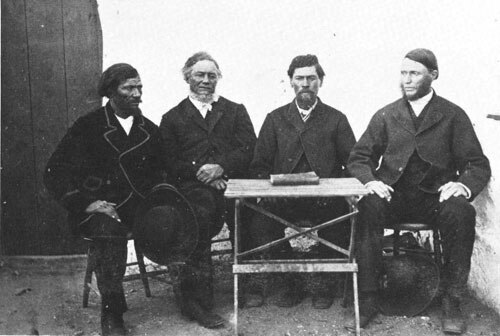
أعلن الباسترز نيتهم مغادرة مستعمرة كيب عام 1868 بحثًا عن أرض في المناطق الشمالية الداخلية. غادرت المنطقة نحو 90 عائلة، تضم كل منها 100 فرد، وكانت أول 30 عائلة قد غادرت عام 1869، وتبعتها عائلات أخرى. استقروا في ريهوبوث، الواقعة فيما يُعرف اليوم بوسط ناميبيا، على هضبة مرتفعة بين صحراوي ناميب وكالاهاري . هناك، واصلوا اقتصادهم القائم على إدارة قطعان الأبقار والأغنام والماعز. تبعهم يوهان كريستيان فريدريش هايدمان ، وهو مبشر من بعثة الراين، الذي خدمهم من عام 1871 حتى تقاعده عام 1907. [ 5 ]
بحلول عام ١٨٧٢، بلغ عدد الباسترز ٣٣٣ نسمة في ريهوبوث. [ ٥ ] أسسوا جمهورية ريهوبوث الحرة (Rehoboth Gebiet) وصمموا علمًا وطنيًا متأثرًا بالتصميم الألماني. اعتمدوا دستورًا يُعرف باسم " القوانين الأبوية" (الاسم الأصلي باللغة الأفريكانية : Vaderlike Wette ). ولا يزال هذا الدستور يُنظم الشؤون الداخلية لمجتمع الباسترز حتى القرن الحادي والعشرين. [ ٧ ] وقد حُفظت الوثيقة الأصلية في الأرشيف الوطني لناميبيا في ويندهوك . [ ٨ ]
أسس باسترز مجتمعًا قائمًا على النسب. وبموجب هذه القوانين، يُعتبر مواطنًا ابنًا لأحد مواطني ريهوبوث، أو أي شخص آخر يُقبل كمواطن وفقًا لقواعدها. [ 5 ] استمرت العائلات بالانضمام إليهم من مستعمرة كيب، وبلغ عدد أفراد المجتمع حوالي 800 نسمة بحلول عام 1876، حيث استقرت فيه ما بين 80 و90 عائلة. كما سكن المنطقة أيضًا شعب دامارا الأصلي ، لكن باسترز لم يُدرجهم في تقارير السكان. [ 5 ]
بينما ظلّت قبيلة الباسترز متمركزة بشكل رئيسي حول ريهوبوث، واصل بعضهم الترحال شمالاً، واستقروا في مدينة لوبانغو جنوب أنغولا . وهناك عُرفوا باسم أويفامو. وكان لديهم ثقافة مماثلة تقوم على تربية قطعان الماشية.
خلال سبعينيات القرن التاسع عشر، عانى الباسترز من ريهوبوث من خسائر متكررة في قطعانهم، حيث تعرضت مواشيهم للهجوم والسرقة من قبل مجموعات أكبر بكثير من شعوب ناما وهيريرو المحيطة ، والذين كانوا بدورهم في صراع. في عام 1880، جمع جان أفريكانر 600 رجل لمواجهة الهيريرو، وحشدت مجموعات مختلفة من ناما حوالي 1000 محارب، بينما حشد الهيريرو عددًا مماثلاً تقريبًا. حاول الباسترز عقد تحالفات للبقاء على قيد الحياة، نظرًا لتفوق كلا الجانبين عليهم عددًا. [ 5 ] استمرت الحروب حتى عام 1884 تقريبًا، وعلى الرغم من الخسائر، واصل الباسترز القتال.
خلال ثمانينيات القرن التاسع عشر، انضمت إلى مجتمع ريهوبوث عائلات باستر أخرى من غروتفونتين (الجنوبية) (والتي حاول المبشر هايدمان تجنيدها سابقًا)، وأوكاهاندجا، وأوتجيمبينغوي. [ 5 ] وبينما كان الانضمام يعتمد على النسب داخل العائلات، فقد قبلوا أيضًا السود والبيض الذين تقدموا بطلبات للانضمام إلى المجتمع.
جنوب غرب أفريقيا الألمانية
In the process of the German annexation of South West Africa, Baster KapteinHermanus van Wyk signed a 'Treaty of Protection and Friendship' with the German Empire on 11 October 1884. It was the first of its kind between any native-descended peoples in the territory and the Germans (Basters were considered native because of their partial African descent).[9] Other sources date this treaty 15 September 1885,[10] Under this, "the independent executive powers of the Kaptein and Baster Council, especially for "foreign policy", were significantly curtailed."[11]
In 1893, the Germans established the territory of the Basters, known as the Rehoboth Gebiet, which the settlers tried to expand through negotiation. In this area, the Paternal Laws were recognised. In addition, the German colony had an administrative district known as Rehoboth, which was larger than the Baster-governed area, with the outside areas under German (white) colonial law. Most of the land was developed as farms owned by European, especially German whites.[5]
A second Treaty concerning National Service of the Rehoboth Basters of 1895 established a small armed contingent among the Basters, which fought alongside German colonists and forces in a number of battles and skirmishes against other indigenous peoples. When the German colonists encountered a new wave of conflicts with native peoples, Basters fought with them in quelling the uprisings of the OvaHerero (1896), the Swartbooi Nama (1897), and the Bondelswarts (1903). They also participated in the German colonial war. [10]

German census reporting on Basters noted their high mobility. The numbers they recorded for the people changed as the Germans changed their racial classifications. Rather than using people's citizenship (as in the community of Basters), they began to classify people according to appearance, as was done in South Africa. A comparison of records suggests that, in 1912, there were about 3,000 Basters in the Rehoboth District. Most Basters were concentrated in the Rehoboth Gebiet, where they lived under their own law.[5]
Relations between Rehoboth and Germany remained close for more than 20 years until 1914, following the outbreak of World War I. The German Schutztruppe ordered all Baster able-bodied men into military service, which they resisted.[11] Believing that the German Schutztruppe had little chance against the superior South African forces (allied with the British), Basters tried to maintain neutrality towards both, but feared losing their limited autonomy.
The Baster Council believed they reached agreement with Governor Theodor Seitz of South-West Africa that their men would only be used behind the lines. They did not want to participate in a war between whites.[11] They disapproved of their men being issued German uniforms, fearing they would be considered regular soldiers. Despite their protests, Baster soldiers were assigned to duties far from the Gebiet. When Basters were assigned to guard South African prisoners of war in February 1915 at a camp at Uitdraii, they protested because nearly 50 of their men were connected to the people through historic kinship and language. Some aided escape by prisoners, and the Germans limited the number of bullets they issued to the Basters. The South Africans in turn protested being guarded by men they considered as Coloured (according to their racial classifications).[11]
General Louis Botha had earlier written to Lieutenant Colonel Franke against using armed non-whites in service, as he was aware of both Cameroons and Basters serving under arms. Botha said he was ensuring that non-whites were not armed; Franke said that he was using the Cameroon and Baster companies only to police non-white communities.[11]
Cornelius van Wyk, second Kaptein of the Rehoboth Basters, arranged to secretly meet with South African General Louis Botha on 1 April in Walvis Bay to assure him of the Basters' neutrality. No record was made of the meeting so it is unclear exactly what was promised. Van Wyk was hoping for assurances to have Baster territory and rights acknowledged if South Africa took over the German colony. Botha advised him to stay out of the war.[11]
Due to South African successes, the German officers advised the Baster Council that they were moving the prisoners of war and Baster guards to the north. At a meeting, they said Basters had three days to decide whether to comply; the latter feared that having their men in the north would mean they would be considered true combatants against South Africa, endangering their own position. Learning of the planned deployment, the Baster guards advised the Council they would not go. Although negotiations were in process, they learned the trains were due to leave the next day, and the night of 18 April, numerous Basters defected from German service, taking arms with them that they intended to turn in at Rehoboth. About 300 men set up defences in two laagers. Learning of this, the Germans disarmed other Baster soldiers in other posts; in the process, one unarmed Baster was killed. Rehoboth was in an uproar, although leaders tried to meet with the Germans to resolve the issues.[11]
In the meantime, Basters and Nama policemen worked to disarm German officers within the Rehoboth Gebiet, but wounded one fatally and killed another outright. An armed contingent including Nama policemen killed several German citizens, including all of the Karl Bauer family. With that, negotiations were over.[11]
On 22 April 1915, Lieutenant Colonel Bethe informed the Basters in writing that they had violated the protection treaty and their acts were considered hostile by the Germans. Governor Theodor Seitz cancelled the protection treaty with the Basters, intending to attack Rehoboth. Van Wyk informed General Botha, who advised him to try to get the Basters out of the area.[11] They started moving by wagons and taking large herds of livestock, with many Basters trying to reach the mountains. German attacks against Basters took place around the region.
According to Baster history, a 14-year-old Baster girl, who worked for the Germans in a camp, overheard a drunken conversation about their planned attack against the Basters. She took the word to the Kaptein, and around 700 Basters retreated to Sam Khubis80 kilometres (50 mi) south-east of Rehoboth in the mountains, to prepare for German attack. This group included women and children. Van Wyk had hidden his wife and children at farm Garies, along with the wives and children of Stoffel and Willem van Wyk. Stoffel's wife, two children, an adult daughter of Cornelius van Wyk, and his 18-year-old son, were all killed there. The others, including van Wyk's wife Sara, were taken to Leutwein station and released on 13 May.[11]
في الثامن من مايو عام ١٩١٥، شنّ الألمان هجومًا في معركة سام خبيس ، حيث كان يدافع عن الحصن ما بين ٧٠٠ و٨٠٠ من جنود الباستر. ورغم الهجمات المتكررة واستخدام مدفعين وثلاثة رشاشات ماكسيم، لم يتمكن الألمان من تدمير موقع الباستر. [ ١١ ] أنهوا الهجوم عند غروب الشمس. في نهاية اليوم، نفدت ذخيرة الباستر تقريبًا، وتوقعوا الهزيمة. في تلك الليلة، تضرعوا إلى الله، متعهدين بتخليد ذكرى ذلك اليوم إلى الأبد إن نجا.
وقد نُقشت صلاتهم على لوحة تذكارية قاموا بتركيبها لاحقًا في سام خبيس، ونصها كالتالي: [ 10 ]
God van ons vaderen / sterke en machtige God / heilig is Uw naam op die ganse aarde / Uw die de hemelen geschapen heft / neigt Uw oor tot ons / luister na die smekingen van Uwe Kinderen / de dood Start ons in het gesicht / die kinderen der bose zoeken onze levens / Red ons uit die Hand van onze vijanden / en beskermt onze vrouen en kinderen / En dit zult vier ons en onze nacheschlacht zijn een dag als een Zondag / waarop wij uw naam prijzen en Uw goedertierenheid tot in euwigheid niet vergeten
"الله أبونا / القوي القدير / قدوس اسمك في كل الأرض / يا خالق السماء / انحني لنا / استمع إلى صرخات أبنائك / الموت يحدق بنا / أبناء الشر يسعون إلى قتلنا / أنقذنا من أيدي أعدائنا / واحمِ زوجاتنا وأطفالنا / وسيكون هذا لنا ولأهلنا يومًا كيوم الأحد / نسبح فيه اسمك / ولن يُنسى شكرك في الأبدية."
تلقى الألمان أوامر بالانسحاب، وهو ما فعلوه في صباح اليوم التالي. ونجت جماعة الباستر في ريهوبوث. [ 12 ] يحتفل الباستر بهذا اليوم سنويًا باعتباره جزءًا لا يتجزأ من تاريخهم وصمودهم. أُمرت كلتا وحدتي الألمان بالانسحاب من أجل التعبئة لمواجهة القوات الجنوب أفريقية المتقدمة التي وصلت إلى ريهوبوث. [ 11 ] [ 10 ]
عندما عاد الباسترز إلى ريهوبوث، قتل بعضهم الألمان في مزارعهم. نشر الألمان بعض القوات لحمايتهم، لكنهم سحبوها في 23 مايو مع اقتراب قوات جنوب أفريقيا. استولى الباسترز على مواشي الألمان ونهبوا مزارعهم، كما هاجموا منزلي المبشرين. خلّفت إراقة الدماء من كلا الجانبين استياءً عميقًا بعد الحرب. [ 11 ]
حكم الانتداب الجنوب أفريقي (1915-1966)
South Africa defeated the Germans, concluding the Peace of Khorab on 9 July 1915. It formally took over administration of South-West Africa and established martial law. Colonel H. Mentz advised the Baster leaders to avoid all confrontation with the Germans, in an effort to defuse tensions, and to report livestock losses or other problems to his administration at Windhoek. He also said that South African patrols would regularly be sent to the Rehoboth area to keep the peace.[11]
After the conclusion of the Great War, Basters applied to have their native land become a British Protectorate like Basutoland, but were turned down by South Africa. All special rights as granted to Basters by the Germans were revoked under the South African mandate to govern South-West Africa.[10] South Africa conducted regular censuses of the Basters from 1921 to 1991; the records reflect their ideas about racial classifications.[5]
Some Basters continued to push for the legitimacy of the 'Free Republic of Rehoboth'. Claiming that the republic had been recognised by the League of Nations, they said international law supported their desire for self-determination, which the League used as a principle in the organisation of new nations after the Great War. They asserted that the Republic should have the status of a sovereign nation. In 1952, Basters presented a petition to the United Nations (the successor to the League of Nations) to this effect, with no result. But they had some practical autonomy under South Africa.
During this period, some Baster leaders founded new political parties and were active in various movements in South-West Africa, also known as Namibia. By the early 1960s, they were among the first to petition the United Nations for international intervention to end the South African control of Namibia.[13] The Owambo and other indigenous peoples also agitated for an end to South African colonialism, especially as that state had established apartheid with severe legal racial discrimination against the African peoples.
South Africa passed the 'Rehoboth Self-government Act' of 1976, providing a kind of autonomy for the Basters. They settled for a semi-autonomous Baster Homeland (known as Baster Gebiet) based around Rehoboth, similar in status to the South African bantustans.
أُنشئت هذه الهيئة عام ١٩٧٦، وأُجريت انتخابات لاختيار قائدها. وفي عام ١٩٧٩، فاز يوهانس "هانز" ديرغاردت بدعوى قضائية طعنت في نتائج الانتخابات المتنازع عليها، والتي كان قد فاز فيها القائد الحالي بن أفريكا بالمركز الأول. وتم تنصيب ديرغاردت قائداً خامساً لقبيلة باسترز وفقاً لأحكام قانون ريهوبوث لتقرير المصير لعام ١٩٧٦ وقوانين باسترز الأبوية.
في عام 1981، بلغ عدد سكان جنوب غرب أفريقيا مليون نسمة، موزعين على أكثر من اثنتي عشرة جماعة عرقية وقبلية، و39 حزباً سياسياً. وبعدد لا يتجاوز 35 ألف نسمة آنذاك، أصبحت جماعة الباسترز إحدى أصغر الأقليات في البلاد التي يزيد عدد سكانها عن مليون نسمة. [ 14 ]
في ثمانينيات القرن العشرين، كان الباستر لا يزالون يسيطرون على حوالي 1.4 مليون هكتار من الأراضي الزراعية في هذه المنطقة. في السابق، كان يُعتقد أن مساحة المزارع المطلوبة تبلغ حوالي 7000 هكتار، لكن الباستر زعموا أنهم قادرون على العيش بمزارع مساحتها 4000 هكتار. ومع ذلك، حتى في ثلاثينيات القرن العشرين، كانوا مضطرين للبحث عن أشكال بديلة للعمل لإعالة سكانهم. في عام 1981، قدّر هارتموت لانغ عدد سكان الباستر بحوالي 25181 نسمة، وفقًا لمقالته المنشورة عام 1998 عن جماعة الباستر. تشير متطلبات المزارع المجدية إلى أن ناميبيا لم تكن قادرة على تحقيق الاكتفاء الذاتي لسكانها المتزايدين من خلال الزراعة؛ إذ لم يكن من الممكن أن توفر إعادة توزيع الأراضي مساحة كافية لمزارع مجدية. [ 5 ]
استقلال
استمرت منطقة باستر حتى 29 يوليو 1989، أي حتى استقلال ناميبيا الوشيك . عند توليها السلطة عام 1990، أعلنت منظمة شعب جنوب غرب أفريقيا (سوابو)، الحزب الحاكم الجديد في ناميبيا، أنها لن تعترف بأي وضع قانوني خاص لمجتمع باستر. شعر العديد من الباستر أنه بينما تدّعي سوابو أنها تتحدث باسم البلاد بأكملها، فإنها في الواقع تُروّج بقوة لمصالح قاعدتها السياسية في أوفامبولاند . [ 14 ]
سعى مجلس كابتين للحصول على تعويضات عن أراضي ريهوبوث التي ادعى أن الحكومة صادرتها، وباعت جزءًا كبيرًا منها لغير الباستر. مُنح المجلس صفة التقاضي (حق أي طرف في المثول أمام المحكمة والاستماع إليه)، ولكن "في عام 1995، أصدرت المحكمة العليا حكمًا يقضي بأن أراضي ريهوبوث قد سُلمت طواعيةً من قبل مجتمع ريهوبوث باستر إلى الحكومة الناميبية الجديدة آنذاك." [ 15 ] [ 10 ]
في عام ١٩٩٨، قدّم الكابتن هانز ديرغاردت ، الذي انتُخب عام ١٩٧٩ عندما كانت ريهوبوث تتمتع بوضع الحكم الذاتي ضمن جنوب أفريقيا، شكوى رسمية إلى لجنة الأمم المتحدة لحقوق الإنسان ، متهمًا ناميبيا بانتهاك حقوق الأقليات من شعب الباسترز. وفي قضية ديرغاردت ضد ناميبيا (٢٠٠٠)، قضت اللجنة بوجود أدلة على التمييز اللغوي، حيث رفضت ناميبيا استخدام اللغة الأفريكانية في التعامل مع الباسترز. [ ١٦ ]
في عام ١٩٩٩، عقب وفاة ديرغاردت، انتخب الباسترز جون ماكناب قائداً سادساً لمجتمعهم. ولا يتمتع ماكناب بأي صفة رسمية لدى الحكومة الناميبية. وقد احتج على إدارة الحكومة لأراضي الباسترز السابقة، قائلاً إن مزارعيه أُجبروا على شرائها مجدداً بأسعار باهظة. وقد بيع جزء كبير منها لآخرين منذ الاستقلال. [ ١٥ ]
مع بدء الاستعدادات ليوم سام خبيس عام ٢٠٠٦، طلبت هيتي روز-جونيوس، وهي أخصائية اجتماعية مرموقة، من اللجنة المنظمة "النظر في دعوة وفد من الناطقين بلغة ناما إلى احتفالات هذا العام وفي الأعوام القادمة". رفض رئيس اللجنة الاقتراح قائلاً إن شعب ناما خاض تاريخياً معركة منفصلة ضد الألمان ولم يكن له أي صلة بجماعة باسترز. تشمل فعاليات هذا اليوم إعادة تمثيل الهجوم على باسترز عام ١٩١٥، ورفع العلم، ووضع أكاليل الزهور، وإقامة قداس في الكنيسة. [ ١٧ ]
في فبراير/شباط 2007، مثّل مجلس كابتينز شعب الباسترز لدى منظمة الأمم والشعوب غير الممثلة (UNPO)، [ 15 ] وهي منظمة دولية مؤيدة للديمقراطية تأسست عام 1991. وتعمل المنظمة، التي تتخذ من لاهاي مقرًا لها ، على "تيسير إيصال أصوات الأمم والشعوب غير الممثلة والمهمشة في جميع أنحاء العالم، ومساعدة الأقليات على نيل حق تقرير المصير". ومنذ نوفمبر/تشرين الثاني 2012، دعت منظمة الأمم والشعوب غير الممثلة الحكومة الناميبية إلى الاعتراف بشعب الباسترز كـ"سلطة تقليدية" في أراضيهم التاريخية، [ 15 ] كما فعلت مع بعض الجماعات العرقية الأخرى في البلاد.
ثقافة
القوانين الأبوية
أسس أول مجلس للكابتين "قوانين الأبوة "، التي وُضعت كدستور لشعب الباستر في جمهورية ريهوبوث الحرة. وقد أثرت هذه القوانين على تصرفات مجتمع الباستر حتى القرن الحادي والعشرين، على الرغم من أنها لم تعد تتمتع بقوة القانون. [ 7 ]
Basters have a long democratic tradition of electing their leadership. According to the Paternal Laws of 1872, a Kaptein is elected for life. This Kaptein was granted the powers to appoint members of a Council, and together they formed the Executive government of Rehoboth. The Paternal Laws also provided for a Peoples Council (Volksraad) which was elected every five years; it formed the Legislature of the Rehoboth government.
The Basters have had seven Kapteins since the Paternal Laws were enacted:
- 1872–1905: Hermanus van Wyk[18]
- 1905–1914: Germans suspended the Kapteinship position and instead established a Basterrat (English: Council of Basters)[18]
- 1914–1924: Cornelius van Wyk[18]
- 1924–1925: Albert Mouton[19]
- 1925–1975: The South African administration transferred all power from the Raad and the Kaptein to the Rehoboth Magistrate[20]
- 1977–1979: Ben Africa[20]
- 1979–1998: Hans Diergaardt[21]
- 1999–2020: John McNab
- since 2021: Jacky Britz[3]
Every male burger (citizen) of Rehoboth had the right to apply for a free piece of land at the age of 18. Although the size of this erf was decreased from 1,300 square metres (0.32 acres) to about 300 square metres (0.074 acres), due to land shortage and servicing costs, Basters continued to honour this provision until 21 March 1990, when the new socialist government took over the lands.[22] The newly independent Namibian government passed legislation about land use and title that took precedence over Baster traditions. Basters can no longer allocate land to their young men. The land is controlled by the local town council, which replaced the Chief's Council.
Religion and genetics
Basters from Mainline churches are mostly Calvinist. They sing traditional hymns almost identical to those of the 17th-century Netherlands; these songs were preserved in the colony and their group during a period when the Netherlands churches were absorbing new music.
The average gene pool of Basters is about 48.4% European, 28,5% Khoe-San, 17.1% Asian and 5.7% Bantu;[23] according to a 2013 autosomal genealogical DNA testing.
Traditional leadership
Largely through missionary work during the 19th century, they coalesced into fiercely independent, autonomous communities that maintained their identities even after being incorporated into the Cape Colony. Others moved farther north into what is now Namibia in the late 1860s because of pressure from Boer settlers and eventually established a settlement that became known as Rehoboth.[24]
The first Kaptein was Hermanus van Wyk, the 'Moses' of the Baster nation, who led the community to Rehoboth from South Africa. He served as Kaptein until his death in 1905.[7] After his death, the German colonial government established a separate council. The Rehoboth Basters did not elect another Kaptein until the United Kingdom took over the territory as a British Protectorate in 1914 during World War I. Basters elected Cornelius van Wyk as Kaptein. He was not officially recognised by the South African authorities, which administered the territory from 1915 to Namibian independence in 1990.
Other Baster communities
Similar terms are used for unrelated mixed-race Dutch and native communities in South Africa and elsewhere. For instance, a mixed-race community in the Richtersveld in South Africa are known as the 'Boslys Basters.'
In Indonesia, the people of mixed Dutch and Indonesian descent are called Blaster(an).
See also
References
- 12"Namibia 2023 Population and Housing Census Main Report"(PDF). Namibia Statistics Agency. Archived from the original(PDF) on 10 November 2024. Retrieved 30 October 2024.
- ↑Britz, Rudolf; Lang, Hartmut; Limpricht, Corenlia (1999). A Concise History of the Rehoboth Basters Until 1990. Rehoboth: Klaus Hess Publisher. p. 12. ISBN 99916-747-1-3.
- 12Jason, Loide (26 April 2021). "Britz elected Baster Kaptein ...Van Wyk cries foul". New Era. Namibia.
- ↑Nunuhe, Margreth (18 February 2013). "Rehoboth community in danger of extinction". New Era. Namibia.
{{cite news}}: CS1 maint: deprecated archival service (link) - 1 2 3 4 5 6 7 8 9 10 11 هارتموت لانغ (1998). "التطور السكاني لقبيلة ريهوبوث باسترز". أنثروبوس . 93 (4/6): 381-391 . JSTOR 40464838 .
- ^ لو ، أليجرا (comp.) (5 يونيو 2019). “هوية Griqua” (PDF) .
- 1 2 3 شيريمو، شامبابي (26 مايو 2011). "هيرمانوس فان ويك: 'موسى التوراتي' لجماعة رحوبوت باستر" . نيو إيرا (ناميبيا) . مؤرشف من الأصل في 31 مارس 2012.
- ↑ هيلبرخت، فيرنر (2012). "الأرشيف الوطني لناميبيا" (ملف PDF) . نشرة معلومات دائرة مكتبة وأرشيف ناميبيا (1). حكومة ناميبيا : 4-6 . ISSN 2026-707X . مؤرشف من الأصل (ملف PDF) في 8 أبريل 2023. تم الاطلاع عليه في 22 ديسمبر 2021 .
- ^ أورمان ، نيلز أولي (1999). الإرسالية والعلاقات الكنسية والدولة في جنوب غرب إفريقيا تحت الحكم الألماني (1884-1915) . Missionsgeschichtliches Archive. المجلد. 5. دار نشر فرانز شتاينر. ص 58 – 60. ISBN 978-3-515-07578-7.
- 1 2 3 4 5 6 غولدبيك، ماني (أبريل 2015). الذكرى المئوية لسام خبيس: عهدٌ بين الصخور الوعرة . منشورات بادلانغز. المجلد 8. إعادة طبع من مجلة إنفورمانت، 26 أبريل 2015.
- 1 2 3 4 5 6 7 8 9 10 11 12 13 14 جي جي جي أوستويزن، "الدور العسكري لفرقة ريهوبوث باسترز خلال الغزو الجنوب أفريقي لجنوب غرب أفريقيا الألمانية، 1914-1915" ، مجلة ساينتيا ميليتاريا: المجلة الجنوب أفريقية للدراسات العسكرية، المجلد 28، العدد 1، 1998؛ تاريخ الوصول: 10 أبريل 2016
- ↑ "سام خوبيس" . rehobothbasters.com. مؤرشف من الأصل في 2 أبريل 2012. تم الاطلاع عليه في 25 أبريل 2012 .
- ↑ أليستر سباركس، "أوغاد ناميبيا يصرون على هذا المصطلح" ، صحيفة واشنطن بوست ، 18 يناير 1983، تاريخ الاطلاع 10 أبريل 2016
- 1 2 جوزيف ليليفيلد، مراسل خاص لصحيفة نيويورك تايمز، "جماعة ناميبية مختلطة الأعراق تسعى إلى حلفاء سياسيين" ، نيويورك تايمز ، 30 يوليو 1981، تاريخ الاطلاع 9 أبريل 2016
- 1234Magreth Nunuhe, "Namibia: 'Rehoboth Community in Danger of Extinction' ", 18 February 2013, Rehoboth Basters website, first published in New Era (Namibia), accessed 9 April 2016
- ↑HRC views
- ↑Frederick Philander WINDHOEK, " 'Sam Khubis Day Is for Basters'", New Era (Namibia), 6 May 2006, accessed 10 April 2016
- 123Dierks, Klaus. "Biographies of Namibian Personalities, V". klausdierks.com. Retrieved 7 August 2018.
- ↑Dierks, Klaus. "Biographies of Namibian Personalities, M". klausdierks.com. Retrieved 7 August 2018.
- 12Dierks, Klaus. "Biographies of Namibian Personalities, A". klausdierks.com. Retrieved 7 August 2018.
- ↑Dierks, Klaus. "Biographies of Namibian Personalities, D". klausdierks.com. Retrieved 7 August 2018.
- ↑Salkeus, Anna (30 January 2014). "Rehoboth Basters still holding on for erven". The Namibian. NAMPA. p. 6.
- ↑Petersen, Desiree C.; Libiger, Ondrej; Tindall, Elizabeth A.; Hardie, Rae-Anne; Hannick, Linda I.; Glashoff, Richard H.; Mukerji, Mitali; Fernandez, Pedro; Haacke, Wilfrid; Schork, Nicholas J.; Hayes, Vanessa M. (14 March 2013). "Complex Patterns of Genomic Admixture within Southern Africa". PLOS Genetics. 9 (3) e1003309. doi:10.1371/journal.pgen.1003309. ISSN 1553-7404. PMC 3597481. PMID 23516368.
- ↑"Baster | Khoisan, Namibia, Rehoboth | Britannica". www.britannica.com. Retrieved 14 May 2024.
External links
- Rehoboth Basters Information on the history of the Baster community in Namibia
- Coloured Namibian people
- Ethnic groups in Namibia
- Multiracial affairs in Africa
- Afrikaner diaspora
- South African English
- أعضاء منظمة الأمم والشعوب غير الممثلة