
Prussian invasion of Holland
The Prussian invasion of Holland was a military campaign under the leadership of Charles William Ferdinand, Duke of Brunswick, against the rise of the democratic Patriot movement in the Dutch Republic in September–October 1787 with the aim of disempowering the patriots and disarming the Free Corps, as well as reinstating William V of Orange as hereditary stadtholder in the Dutch Republic.[1]
Background
On 7 June Von Salm-Grumbach was appointed by the Defence Committee in Woerden as commander-in-chief and Quint Ondaatje as liaison officer of the troops in Holland.[2] Salm was not recognized by all officers,[3][4][5] and his new powers were legally controversial.[6] On the 28 June, he marched to Woerden to capture princess Wilhelmina of Prussia, the wife of the Prince of Orange.[7] At the end of July Salm ordered conquering Palace Soestdijk and besieging Amersfoort.[8]


First came the arrest at Bonrepas of Stadtholder's wife, Wilhelmina of Prussia, on her way from Nijmegen, where William V had taken refuge, to The Hague. There she intended to request her husband to be allowed to return to, after the States of Holland had fired him as Captain General of their troops in 1786. This had not been done on a whim: the decision to travel to The Hague had only been taken after Gijsbert Karel van Hogendorp had undertaken a secret mission to the Orangist leaders in that city to discuss its advisability, because her husband was, as usual, hesitating about what course of action to follow. The leader of the Orangist party in The Hague, the British envoy James Harris saw possibilities to put pressure on the States of Holland if the Princess suddenly arrived, and he told van Hogendorp to give the green light to the Princess, who was with her husband in the armed camp of the Dutch States Army in Amersfoort. The stadtholder then grudgingly gave his consent.[10]
The Princess then returned to Nijmegen, while preparations for the journey to The Hague were made by ordering fresh horses for her carriages along the route in two places. This caused suspicion among the Patriot Free Corps in the area, who in this way were alerted to her supposedly secret travel plans. The military authorities posted Free Corps patrols in the affected area with orders to intercept her. When on 28 June 1787 she departed from Nijmegen to The Hague with a small retinue (a chamberlain, a lady in waiting, and two officers, colonel Rudolph Bentinck, an adjutant of the stadtholder, and Frederick Stamford, the military tutor of her sons), but no armed escort (Harris had advised it was safe enough to only take a bag of gold along to bribe Patriot Free Corps with[11]) she was indeed intercepted near Goejanverwellesluis by a Free Corps patrol from Gouda. She was not mistreated, as has been asserted by Orangist propagandists, but only temporarily detained in a nearby farm, to await the arrival of members of the Military Commission in Woerden. The only untoward thing that happened was that the leader of the patrol drew his saber, but he put it back in its scabbard when requested. When the Military Commission arrived she was told she would not be allowed to proceed to The Hague, for fear of instigating public unrest there, but she was immediately released, and allowed to return to Nijmegen.[12]
Diplomatic preliminaries


Meanwhile, Harris in The Hague was worried about the lack of news about the Princess. He was playing cards with the French envoy Vérac that evening, and was so off his game that he lost a lot of money. As soon as he received news about the interception, he regained his composure, and started to take advantage of the situation, thereby supporting the suspicion on the part of the French and the Patriots that he had all the time conspired to bring the event about, and that it was no more than a provocation. And this was more or less the consensus in diplomatic circles in The Hague, though hypotheses about who actually conspired with whom varied.[13]
In any case, the Princess, back in Nijmegen, on 29 June wrote letters of complaint to her husband's nephew, king George III of Great Britain, and her brother king Frederick William II of Prussia. Her husband was little help: he wrote to his daughter, Princess Louise: "The misfortune which I foresaw has happened ... I was always against this journey and in my misfortune it is a great consolation that I did what was in my power to stop it and to dissuade your Mother from such a risky venture."[14]
رغم أن الأميرة لم تكن تتوقع الكثير من أخيها في البداية، إلا أن رسالتها لاقت صدىً واسعاً. فمنذ وفاة سلفه فريدريك العظيم في العام السابق، بثّ الملك الجديد الأمل في نفوس حزب البلاط الموالي لبريطانيا بقيادة الوزير هيرتسبيرغ ، وقلل من نفوذ الحزب الموالي لفرنسا بقيادة منافسه الوزير فينكنشتاين . كان هيرتسبيرغ معارضاً للتحالف بين فرنسا والنمسا، الذي كان آنذاك يتمتع بنفوذ كبير في القارة الأوروبية، وللانفراج الدولي الذي حافظ عليه ملك بروسيا السابق مع فرنسا، والذي كان قد منع بروسيا سابقاً من التدخلات العدوانية في الجمهورية الهولندية التي قد تُغضب فرنسا. وقد خدمت حادثة الأميرة مصالحه. كان الغضب هو رد الفعل الأول لفريدريك ويليام؛ فأصدر تعليماته إلى المبعوث البروسي في لاهاي، ثولمير، بالاحتجاج لدى مجلس الولايات الهولندية على الإهانة التي لحقت بأخته، ومطالبة الولايات الهولندية بتعويضها، مع أن هذا الاحتجاج لم يتخذ بعد شكل إنذار نهائي. [ 15 ]
أدركت الأميرة الإمكانيات على الفور: فكتبت رسالة إلى أخيها في 13 يوليو/تموز اقترحت فيها أن يستغل الموقف لإعادة زوجها إلى منصبه كقائد عام وتحرير الجمهورية من الوطنيين. لكنها بالغت في تقدير الموقف، لأن فريدريك في ذلك الوقت لم يكن مهتمًا إلا بالاعتذار، ولم يربط ذلك بشيء قد يُحبط محاولات الوساطة التي بذلتها فرنسا وبروسيا سابقًا. سمع ستامفورد، الذي نقل رسالة الأميرة بخط يده، الملك يقول: "إنها... تريد جرّي إلى حرب، لكنني سأريها أنها لن تقودني." [ ملاحظة 1 ] كما لعب المبعوث ثولمير دورًا مُهدئًا، وإن كان ذلك بوسائل مشكوك فيها، إذ كذب على السياسيين الهولنديين وحكومته بشأن ما قالاه بالفعل، لتهدئة النفوس من كلا الجانبين. عندما أدركت الأميرة هذه الخدعة، بدأت العمل على استدعاء ثولمير. كما حاول ثولمير تهدئة الحماس البروسي من خلال المبالغة في الشائعات حول الاستعدادات الفرنسية للحرب في حالة التدخل البروسي، وذلك من خلال إنشاء معسكر مسلح في جيفيه على الحدود بين فرنسا وإمارة لييج المحايدة ، مما وفر طريقًا نظريًا للجيش الفرنسي إلى هولندا، متجاوزًا بذلك الأراضي الهولندية النمساوية . [ 16 ]
The camp in Givet was not entirely a figment of people's imaginations, as the first response of the French government to the threatening language of the Prussian king (and the movements to the Dutch border at Wesel of Prussian troops) had indeed been to erect such a camp, and to garrison it with a formidable military force (15,000 men). But these rumors had on 29 June elicited a threatening diplomatic note from the British government that had given France pause. For the moment the French pretended that the alleged military build-up was just intended to "train the troops" and the preparations actually had halted. But around the end of July the French Cabinet appears to have seriously discussed the plan to mount such a force. The minister of Foreign Affairs, Montmorin, and the minister for War, de Ségur, were in favor, but the Finance Minister Brienne vetoed the plan, for lack of money.[Note 2] From that time on the Camp of Givet was nothing more than a French bluff to keep the Prussians and British guessing, and the Patriots hoping.[17]
The reason why the British government was so alert to French military moves, was that the British Cabinet of Prime Minister William Pitt and Foreign Secretary Carmarthen had just in May fully endorsed the policy of active support of the "British" party (i.e. the Orangists) in the Republic, together with a campaign of subversion, espoused by Harris. Harris was of necessity (as Carmarthen offered little guidance) an envoy who not so much executed foreign policy, as made it. Ever since he arrived in the Dutch Republic at the end of 1784 he had immersed himself in its politics, and become the de facto leader of the Orangists. He had surrounded himself with agents of influence, like the Zeeland pensionariesVan de Spiegel and Van Citters, and other secret agents, like baron van Kinckel and count Charles Bentinck, who not only gathered intelligence, but actively took part in secret operations. At first his financial outlays had been relatively modest, on the same scale as those of his French colleague Vérac,[18] but in May he had conceived a plan on a far larger scale. The immediate cause was that the Orangist States of Gelderland, who were financing the States Army troops that the States of Holland had tried to recall to the Holland borders in 1786, were now in severe financial difficulties, because of this unusual extra expense. Harris estimated that he needed £70,000[Note 3] to support Gelderland. The Cabinet granted these funds, money to be laundered through the Civil list of king George with his grudging approval.[19] It was clear that other expenses of the campaign of subversion also would be financed from this slush fund. Once he returned to the Republic Harris' agents swarmed out to bribe officers of several States Army regiments, paid by the States of Holland, to defect.[20] The States were forced by their success to cashier a large number of officers whose loyalty was in doubt. This caused a tug of war with the other provinces in the States-General in June with parliamentary chicanes around the status of the delegations of the rival States of Utrecht determining temporary 4-3 majorities for either the Patriot or the Orangist side in the States General.[Note 4] Eventually there was a complete breach between the States of Holland and the majority of the States General (the provinces of Zeeland, Gelderland, Friesland and Utrecht (Amersfoort)) at the end of June[21]باختصار، قوضت جهود هاريس بشدة القوة العسكرية للولايات الوطنية الهولندية، الأمر الذي كان من شأنه أن يرجح كفة الميزان العسكري لصالح الحاكم، لو ما اندلع نزاع أهلي شامل. ولهذا السبب، أصدرت الولايات الهولندية في 23 يونيو (أي قبل حادثة غويانفيرويلسلويس) قرارًا يطلب من فرنسا التوسط بين الأطراف المتحاربة في الجمهورية. [ 22 ]
إن الوساطة الدبلوماسية ، بعيدًا عن كونها شكلًا من أشكال حل النزاعات من قبل طرف ثالث محايد ، يمكن تعريفها، بنظرة أكثر تشاؤمًا، بأنها فرض ترتيب سياسي على أطراف غالبًا ما تكون غير راغبة من قبل قوة أجنبية أو أكثر، وفقًا لأجندتها الخاصة التي تحدد مضمون هذا الترتيب. كان لدى فرنسا بالتأكيد رؤيتها الخاصة حول ماهية هذا الترتيب: إما العودة إلى الدستور الهولندي خلال فترتي "غياب الحاكم" بين عامي 1650 و1672 وبين عامي 1702 و1747 ، أو على الأقل إلى الحقبة التي كانت فيها الصلاحيات الرسمية للحاكم أقل بكثير مما كانت عليه بعد عام 1747 (كما كان الحال في عهد فريدريك هنري ). من جهة أخرى، كان الملك الفرنسي مصراً على رفضه أي تجارب "ديمقراطية" في الجمهورية الهولندية. في الواقع، كان موقف فيراك، الذي دعم "الديمقراطيين" بنشاط، قد ضعف كثيرًا بعد وفاة فيرجين وسقوط كالون في أوائل عام 1787، وجاء استدعاؤه قبيل انفجار الوضع الدبلوماسي في سبتمبر 1787، في توقيتٍ غير مناسبٍ على الإطلاق. ولذلك، فإن "الحل" الذي ستقدمه الوساطة الفرنسية سيرضي الوطنيين "الأرستقراطيين"، ولكنه سيخيب آمال الوطنيين "الديمقراطيين" بشدة. ولكن على الرغم من هذه الأجندة الفرنسية الخفية، ظل فيراك (وزميله جان فرانسوا دي بورغوان ، الذي انضم إليه كمبعوثٍ خاص في ربيع عام 1787) يُشيران إلى استعدادهما لدعم الوطنيين (بنوعيهم) عسكريًا. وبناءً على طلب فيراك، أذن وزير الخارجية الفرنسي الجديد مونموران في 7 يوليو بإرسال سرًا فرقتين من 50 مهندسًا وفرقة من 50 مدفعيًا إلى اللجنة العسكرية في فوردن. وصلوا في مجموعات صغيرة، مرتدين ملابس مدنية، لكن هاريس سرعان ما اكتشف العملية السرية. [ 23 ]
Though the States of Holland preferred French mediation, there were obviously other candidates. Prussia had offered its "good offices" long before the incident at Goejanverwellesluis, and sent Johann Eustach von Görtz to mediate between the stadtholder and the "aristocratic" Patriots in the Fall of 1786. Obviously, his idea of a "solution" was biased more in the direction of the situation as it had been before 1780, but he was open to a compromise, that would take away the main grievances of the "aristocratic" Patriots, which implied a weakening of the position of the stadtholder. Von Görtz had achieved little, however. After the request by the States of Holland for French mediation, that France accepted on 18 July, the matter became more urgent for the Prussians, however, even without the complication of the incident at Goejanverwellesluis. Montmorin gave them an opening when on 13 July he asked if the Prussians would be interested in joint mediation, and proposed a package that would consist of a number of de-escalating military steps in the Republic; the renunciation by the States of Holland of their support for the demands of the democrats; the suppression of the virulent Patriot press; and some kind of "satisfaction" to be offered by the States of Holland to the Princess, in the form of an invitation to visit The Hague.[24]
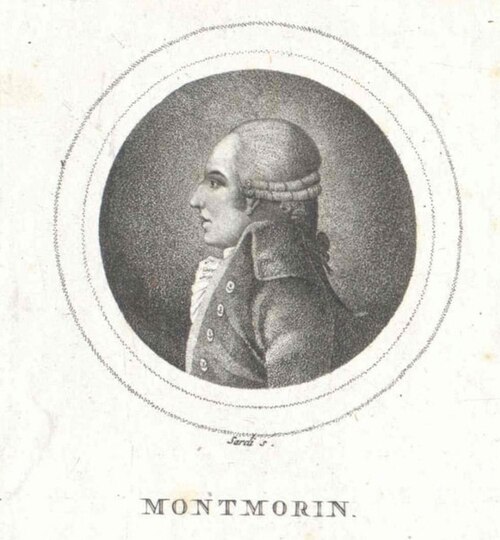
This may sound reasonable, but unfortunately for Montmorin these proposals were unacceptable for the Patriots. Their view was that the incident with the Princess was a non-event; that she had been treated politely enough, and that her temporary detention was her own fault; that the States of Holland were fully within their rights to prevent her from coming to The Hague to preserve public order; that therefore there had been no insult, and there was no need for an apology, let alone "satisfaction." And this on 14 July had been the reply to Frederick William's diplomatic protest of early July.[25] The Prussian king, not pleased that he was not taken seriously, now decided to concentrate a force of 20,000 soldiers near Wesel on the Prussian-Dutch border, and to offer the command over this force to the Duke of Brunswick. But even on 8 August he indicated behind the scenes that this did not imply a fixed intent to initiate military steps. This would depend on a more satisfying attitude by the States of Holland.[26]
However, this was a political impossibility for the States of Holland: for the democrats the admission of the Princess to The Hague had acquired great symbolic significance. If the "triumvirate" of "aristocratic" Patriot pensionaries (Zeebergh, de Gijselaar, and van Berckel) and the Grand PensionaryPieter van Bleiswijk would accede to the Prussian demand, that would cause a popular insurrection against them.[27] The lack of a positive reaction of the Holland government caused a shift in the stance of the Prussian government, promoted by Hertzberg, who was assisted by a "leak" of the British government to the Prussians of its correspondence with the French government about its demand to be allowed to join the mediation. This made clear that the French already had acceded to this demand, without informing the Prussians. It also became clear that the British were far more enthusiastic about putting pressure on the Patriots than the French. Harris always had sonorously given as his motive his respect for "the Ancient Dutch Constitution" (by which he meant the arrangement that had been instituted in 1747 and was therefore at the time only forty years old) that had to be Restored (also because it implicitly guaranteed British "rights" to a preponderant position in the Low Countries in the name of maintaining the Balance of Power on the Continent). This fully complied with the Orangist position in the conflict with the Patriots. In other words, the British standpoint was incompatible with the French one as a basis for a compromise to be imposed in the mediation. But it was attractive to Prussia, because the British fully supported the king's demand for "satisfaction", and they encouraged him to take military steps.[28]
بدأ الفرنسيون يشعرون بالقلق إزاء هذه التطورات، وحذّر مونتموران الوطنيين في 18 أغسطس من ضرورة التنازل للبروسيين، إذ لم تكن فرنسا مستعدة للانجرار إلى حرب نيابةً عنهم. لكن الوطنيين تجاهلوه. وأصبح موقف فيراك لا يُطاق بسبب افتقاره الواضح للتأثير على الوطنيين، الذين بدا أنهم قد حسموا أمرهم، فاستُدعي في 20 أغسطس؛ وخلفه مؤقتًا أنطوان برنارد كايار قائمًا بالأعمال في 10 سبتمبر. وفي 23 أغسطس، وصل 60 مدفعيًا فرنسيًا إلى مدينة أوتريخت. [ 29 ] وفي ذلك الوقت تقريبًا، شهدت فرنسا أزمة حكومية، إذ عيّن الملك لويس بريين "وزيرًا أول"، فاستقال دي سيغور احتجاجًا. ونتيجةً لذلك، ظلت فرنسا بلا وزير للحرب خلال شهر سبتمبر الحاسم من عام 1787. [ 30 ]
في غضون ذلك، انكشفت خدعة الفرنسيين بشأن المعسكر المسلح في جيفيه، إذ أرسل البريطانيون عدة جواسيس إلى المنطقة ولم يروا أي قوات هناك. كما أرسلت الحكومة البريطانية ويليام غرينفيل إلى هولندا في مهمة لتقصي الحقائق، وقدّم تقريرًا يدعم سياسة هاريس دعمًا كاملًا. وقد عززت هاتان المعلومتان موقف الحكومة البريطانية. كان الملك جورج قد أعلن في يونيو/حزيران استحالة دخول البلاد في حرب، لكنه في أوائل أغسطس/آب أبدى موافقته على سياسات هاريس. ونتيجة لذلك، أصبحت المقاربات البريطانية تجاه بروسيا أكثر تحديدًا. أرسلت الحكومة الجنرال فوسيت إلى لاندغراف هيس-كاسل للتفاوض بشأن استئجار قوات مرتزقة، لاستخدامها في دعم أي تدخل عسكري بروسي محتمل. ورغم أن المعاهدة مع اللاندغراف بشأن 12 ألف جندي لم تُوقّع إلا في 28 سبتمبر/أيلول، إلا أن هذه البادرة كانت كافية لطمأنة البروسيين على حسن نية البريطانيين. [ 31 ]
Together with the outbreak of the Russo-Turkish War on 19 August[Note 5] this decided the Prussian king in favor of an invasion of Holland. Brunswick advised him that if he wanted to go through with it, it had to be before October, as the weather would otherwise make a campaign impossible. On 3 September the British envoy in Berlin, Joseph Ewart, presented a note in which an agreement was proposed for Anglo-Prussian cooperation in operations against the Dutch. The common objective was to be the restoration of the stadtholder to his former position. The Prussian army was to remain encamped in Gelderland for the duration of the Winter, whatever the outcome of the conflict, and Britain would subsidize the expenses. Britain would hire German troops to support the Prussians. Britain would warn France that if it tried to intervene, Britain would mobilize its sea and land forces. Prussia and Britain would act in concert in further measures.[32] After that events developed rapidly.
The Campaign

The ultimatum issued on 9 September 1787 by the Prussian ambassador Thulemeyer to the States of Holland[Note 6] mentioned only one casus belli: It asked
...that their Noble and Great Mightinesses agree to punish, at the request of the Princess, those who would be considered culpable of offenses against Her August Person.[Note 7]
In other words, the Prussian war aims were quite limited, and intentionally so, firstly to avoid being seen as unreasonable by the other European Great Powers, and secondly, because the Prussian king had at this stage no intention of overturning the Holland government, possibly obligating him to engage in a lengthy and costly occupation. The matter was supposed to be resolved in a fortnight, and therefore the troops were only provisioned for a campaign of short duration.[33]
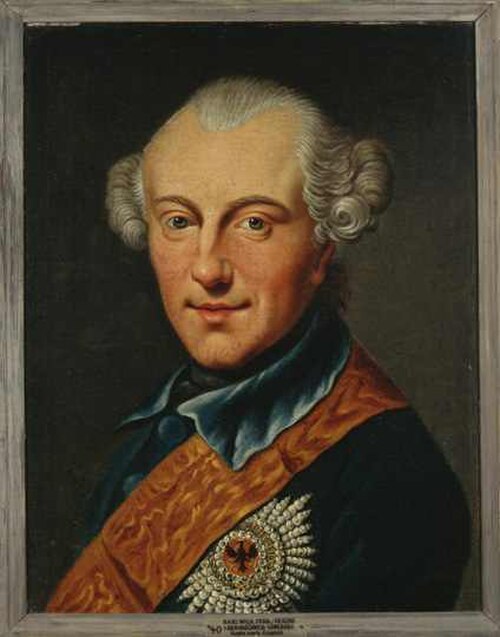
The command of the invading troops was entrusted to GeneralfeldmarschallCharles William Ferdinand, Duke of Brunswick-Wolfenbüttel, coincidentally a nephew of Duke Louis Ernest of Brunswick-Lüneburg, the old mentor of William V. His army consisted of about 20,000 Prussian soldiers, in three divisions, commanded by the generals Lottum, Gaudi and Knobelsdorff, Romberg and Kalckreuth. After the ultimatum had expired (the States of Holland had not replied to it, at the counsel of pensionaryAdriaan van Zeebergh) they marched on 13 September 1787 from their starting line at Zyfflich to Nijmegen, where they were joined by the troops of the garrison of the Dutch States Army in that city under command of the stadtholder.[34] The Prussian government had asked permission from the States of Gelderland, Utrecht and Overijssel for the march through those lands, as their conflict was with Holland only.[35] After entering the Netherlands, the Prussian army split in its three components, which marched in three columns: Knobelsdorff, together with the Duke, took the Southern route along the river Waal to the fortress city of Gorinchem. Gaudi's division split in two detachments after Arnhem, and marched on both banks of the river Rhine towards Utrecht. Finally, Lottum's division, mainly cavalry, moved North-West from Arnhem to the Veluwe and ultimately the coast of the Zuiderzee toward the Eastern border of Holland, and the Hollandse Waterlinie. In theory they could expect resistance from the Patriot troops in the city of Utrecht and in fortifications along the Rhine near Jutphaas and Vreeswijk (mostly members of Free Corps and the "Legion of Salm"[Note 8]) and the States Army garrisons of a number of fortress cities (Woerden, Gorinchem, Naarden, Weesp), and the capital in those days, The Hague, who had been withdrawn in October 1786 from the command of the stadtholder by the States of Holland. But the loyalty of these mercenary troops was very doubtful, in view of the wholesale desertions during the preceding months. Besides the Nijmegen garrison of the States Army, the Prussian troops could count on the support of the States Army garrisons of Amersfoort and Zeist, who were more or less besieging Utrecht from a distance.[36]
Utrecht


The Gaudi division was supposed to attack Utrecht and the fortifications South of that city, but this proved unnecessary. The Rhinegrave was very aware of the strategic danger that the two-pronged attack (north and south of the city) posed. It was likely that the Prussians simply would pass him by and encircle the city, in which case his main force would become entrapped, and the Hague would become endangered. For that reason he asked the Defense Council in Woerden, that was in nominal command of the Holland troops in Utrecht, on 14 September for permission to evacuate Utrecht the next day, and to retreat to Amsterdam where he proposed to make a stand. The only hope of the Patriots appeared to be to hold out until they could be relieved by a French army that was rumored to stand ready in Givet on the border of France and the neutral Prince-Bishopric of Liège to march to the Netherlands, so if the Patriots could defend Amsterdam long enough for the French to arrive, they might still be saved. The permission was given and the evacuation started the next day and soon degenerated into total chaos. The Free Corps became totally demoralized and threw away their arms. Only the Legion of Salm maintained its composure and reached the outskirts of Amsterdam on the 16th. But the Prussians were able to occupy Utrecht unopposed the same day, and move on to The Hague.[37]
The fortress city of Gorinchem (the only garrison south of Amsterdam still in a position to offer resistance, after the Woerden Defense Council had ordered all other troops to retreat to Amsterdam on 15 September) was ordered to surrender by Knobelsdorff on 17 September. The town was commanded by Alexander van der Capellen, a brother of the Patriot leader Robert Jasper van der Capellen. He recognized that his position was hopeless due to the lack of preparations for a siege. Furthermore, a few weeks earlier the two States Army regiments that had been garrisoned in the city had been bribed by one of Harris' agents to defect wholesale, taking their cannon with them.[38] The only defenders left were Free Corps. He therefore capitulated after a token bombardment by the Prussians, and he and his troops were made prisoners of war and transported to Wesel, where he was treated so badly, that he died in December 1787. The road to Dordrecht and Rotterdam lay now completely open for the Prussians.[39]
The divisions of Gaudi and Knobelsdorff now marched together to Schoonhoven where the defense line proved to be evacuated, so that the Prussian troops and their States-Army companions could march unhindered to The Hague. In that city a revolution had meanwhile taken place. On 15 September the "triumvirate" of the pensionariesZeebergh, de Gijselaar, and van Berckel had proposed to the States of Holland that they also should move to Amsterdam, as The Hague was no longer safe. However, a few Holland cities that still were in Orangist hands, and the Holland ridderschap (College of Nobles) opposed the move, so that only the delegations of the Patriot cities actually moved to Amsterdam the next day. The rump-States of Holland that remained in The Hague then assumed power and started on 19 September to repeal all Patriot-tinged legislation of the previous years, starting with the reinstatement of the stadtholder in his offices of Captain-General of the States Army and Admiral-General of the Navy. William V returned to The Hague on 20 September at the head of his States-Army troops, and the Hague garrison, that up to that moment had nominally opposed him, fell immediately in line. The Hague Orangist mob started looting Patriot homes, and the soldiers heartily joined in.[40]
كان من نتائج إعادة تشكيل ولايات هولندا في لاهاي أن هذه الهيئة استطاعت أن تأمر حاميات جيش الولايات في عدد من المدن المحصنة الواقعة خلف خط الدفاع الهولندي بعدم مقاومة تقدم البروسيين. ولهذا السبب، استسلمت ناردن، بقيادة زعيم الوطنيين آدم جيرارد مابا ، في 27 سبتمبر، وكذلك فعلت ويسب المجاورة. وقد مكّن هذا لوتوم، التي لم تحرز تقدمًا يُذكر حتى تلك اللحظة، من الاقتراب من أمستردام من الشرق. [ 41 ] وصلت القوة البروسية الرئيسية بقيادة غاودي وكنوبلسدورف، تحت القيادة الشخصية للدوق، إلى ليمويدن في 23 سبتمبر. وفي اليوم التالي، أمر باستطلاع أمستلفين ، حيث كان هناك خط دفاعي قوي لقوات الوطنيين في أمستردام. كانت المنطقة بأكملها مغمورة بالمياه ، بحيث لم يكن من الممكن الوصول إلى المدينة إلا عبر عدد من السدود والقنوات الضيقة التي يسهل الدفاع عنها. شكّل خط الدفاع هلالًا يمتد من هالفويغ ، غرب أمستردام، مرورًا بأمستلفين جنوبًا، وصولًا إلى مويدن ، شرق أمستردام. لكن قادة القوات في أمستردام أدركوا استحالة صمودهم أمام هجوم بروسي. فحاولوا جاهدين المماطلة بطلب وقف إطلاق النار والتفاوض. وصل وفد من أمستردام، مؤلف من أبيما وغيلز وغول ولودن، إلى ليمويدن في 26 سبتمبر/أيلول لعرض شروطهم، لكن الدوق ردّ على طلبهم بالقول إن أفضل ما يمكنهم فعله هو الالتزام بالقرار الذي كانت الولايات الهولندية المتبقية على وشك تبنّيه، والذي سألوا فيه الأميرة بتواضع عمّا تطلبه لإرضاء شرفها. عاد الوفد إلى مجلس أمستردام بهذه الإجابة، وأُرسل وفد جديد إلى لاهاي في 29 سبتمبر/أيلول لهذا الغرض. زار الدوق الأميرة متخفيًا في 28 سبتمبر/أيلول لحثّها على قبول عروض وفد أمستردام، لأنه لم يكن يرغب في مهاجمة أمستردام، التي اعتبر دفاعاتها منيعة للغاية. [ 42 ]
إلا أنه لم يُستقبل في مقر إقامة الحاكم من قِبل الأميرة وزوجها فحسب، بل من قِبل مجموعة من أنصار أورانج، من بينهم السفير البريطاني السير جيمس هاريس ؛ وكبير أمناء زيلاند، لورنس بيتر فان دي شبيغل ؛ ومؤلف إعلان الحاكم في مايو 1787، ومُعلّم أبناء الحاكم، هيرمان توليوس ؛ وويليم آرنود فان سيترز ، أحد أنصار أورانج في زيلاند ؛ وأحد تلاميذ هاريس، إيه جيه رويير، سكرتير الولايات الهولندية؛ الذين نصحوا جميعًا بأنه من الأفضل تكتيكيًا ممارسة المزيد من الضغط على وفد أمستردام، لا لانتزاع الاعتذار المطلوب للأميرة فحسب، بل لإجبار الوطنيين على الخضوع التام، في أمستردام وغيرها. واتُفق على أن يُنهي الدوق وقف إطلاق النار مع أمستردام في الساعة الثامنة مساءً يوم 30 سبتمبر، وأن يُهاجم دفاعات المدينة في الأول من أكتوبر. [ 43 ]
أمستلاند


حتى تلك اللحظة، كانت الحملة البروسية أشبه بنزهة عسكرية ، لكن الأمور لن تكون بهذه السهولة من الآن فصاعدًا. أولًا، كانت التضاريس بين ليمويدن وخط الدفاع المحيط بأمستردام وعرة للغاية. فعلى الجانب الأيسر، تقع بحيرة هارلمرمير ، وهي بحيرة كبيرة تحمي أمستردام من جهة الجنوب الغربي. [ ملاحظة 9 ] أما التضاريس شرق البحيرة فكانت في معظمها مستنقعات خثية ، لا تصلح إلا لتربية الماشية ، وتتخللها جداول وخنادق. إضافة إلى ذلك، غُمرت مساحات واسعة منها عمدًا بالقرب من أمستردام، ولم يكن بالإمكان عبورها إلا عبر سدود وحواجز محمية بأعمدة وتحصينات ترابية أخرى. وكان نهر أمستل المتعرج يقسم المنطقة إلى قسمين ، ولا يعبرها سوى عدد قليل من الجسور، مما أجبر القوات القادمة من الجنوب على الانقسام إلى رتلين لا يستطيعان دعم بعضهما البعض بسهولة.
كان المدافعون عن أمستردام في غالبيتهم عناصر من الفيلق الحر من مختلف أنحاء هولندا، والذين اضطروا للتراجع إلى معقل أمستردام كملاذ أخير. وإلى جانب فلول قوة دفاع أوتريخت، التي تراجعت على عجل في 16 سبتمبر، كان هناك أيضًا الوطنيون الفريزيون، الذين خسروا الحرب الأهلية الفريزية بين ولايتي ليواردن وفرانيكر المتنافستين ( ولايات فريزلاند ) في وقت سابق من الشهر، وكان يوهان فالكيناير وكورت لامبرتوس فان بيما (اللذان كانا لا يزالان على وفاق في ذلك الوقت) في المقدمة. لم يكن للمجموعتين قيمة عسكرية تُذكر، خاصةً مع انخفاض معنوياتهما بشكل كبير. انسحب راينغراف سالم من أوتريخت ليلًا. وحل محله المحارب الفرنسي المخضرم في حرب الاستقلال الأمريكية ، جان بابتيست تيرنان ، الذي انتدبته الحكومة الفرنسية، برفقة بضع مئات من المدفعيين. حاول تيرنان عبثًا تنظيم دفاعات الوطنيين في أوفرايسل، لكن تلك المقاطعة سقطت في أيدي الأورانجيين دون قتال. كان الجزء الأكثر مصداقية من المدافعين يتألف من حرس أمستردام والفيلق الحر. كان العقيد إسحاق فان غودوفير لا يزال مسؤولاً عن فوج الحرس "الأبيض" ، ولكن في ذلك الوقت تقريبًا اضطر إلى ملازمة الفراش بسبب إصابة في ساقه. [ 44 ]
غادر سالم مدينة أوتريخت مساء يوم السبت الموافق 16 سبتمبر، وسارع إلى أويتهورن وأودركيرك آن دي أمستل ، دون خوض معركة. [ 45 ] وفي يوم الخميس الموافق 20 سبتمبر 1787، وصل الحاكم وزوجته إلى لاهاي.
في أمستردام، قوبل هروب سالم باستياء شديد، ولو وصل إلى هناك لكان قد تعرض للأذى حتمًا. [ 46 ] هذه المدينة، التي تراجعت إليها لجنة الدفاع على عجل بناءً على طلب سالم، [ 47 ] [ 48 ] أغلقت أبوابها في وجه قوات سالم. [ 49 ]
تضمنت الخطة العملياتية البروسية للهجوم في الأول من أكتوبر نهجًا خماسي المحاور. [ ملاحظة 10 ] وكان الجزء الأكثر جرأة هو إنزال برمائي لـ 2000 جندي، نُقلوا من آلسمير على متن قوارب ذات قاع مسطح عبر بحيرة هارلمرمير إلى سلوتن . وقد تجاوز هذا الإنزال التحصينات الترابية في هالفويغ، التي كانت ستشكل عائقًا كبيرًا لولا ذلك، نظرًا لموقعها المهيمن على البرزخ الضيق بين بحيرة هارلمرمير ونهر آي . [ ملاحظة 11 ] فوجئ المدافعون، وانفتح الطريق إلى أمستردام من هارلم . ثم اتجهت القوات البروسية جنوبًا نحو أمستلفين ، حيث وصلت في الوقت المناسب لدعم الهجوم الأمامي الرئيسي الذي شنته قوة بروسية قوامها 4000 جندي في وقت سابق من ذلك اليوم. كانت أمستلفين صامدة حتى تعرضت لهجوم من الخلف من قبل البروسيين من سلوتن، وصمدت ببسالة تحت قيادة العقيد الكونت غيوم دي بورت، [ ملاحظة 12 ] ولكن المدافعين اضطروا إلى التراجع في اتجاه أودركيرك آن دي أمستل ، مما فتح الطريق إلى أمستردام من الجنوب. [ 50 ]
كانت قرية أودركيرك نفسها هدفًا لهجومين آخرين في ذلك الصباح. كانت القرية موقعًا استراتيجيًا هامًا، إذ كانت تضم الجسر الوحيد الذي يعبر نهر أمستل خارج أمستردام، وهو جسر حيوي للتواصل بين القوات البروسية على ضفتي النهر. احتلت قوات مشاة أمستردام ( شوتر) بقيادة العقيد جورج هندريك دي وايلد القرية بعد إخلائها من قبل قوات جيش الولايات التابعة لفرقة هولندا [ ملاحظة 13 ] التي كانت متمركزة هناك سابقًا، وذلك في 23 سبتمبر. تولى مشاة أمستردام تشغيل عدة بطاريات من مدافع ميدانية عيار 3 و6 أرطال على ضفتي نهر أمستل وهولندريخت (وهو جدول يصب في نهر أمستل أعلى موقع الجسر مباشرةً). مكّنهم هذا من التصدي لرتلين بروسيين اقتربا من القرية على طول الضفة الغربية لنهر أمستل من أويتهورن ، وعلى طول نهر هولندرخت من أبكوده . صدّت نيران الشظايا القاتلة لمدافع باتريوت عدة هجمات من كلا الرتلين، مما تسبب في خسائر بروسية فادحة نسبياً. وبقيت القرية تحت سيطرة باتريوت حتى انسحاب القوات في اليوم التالي، لأن سقوط موقع أمستلفين الأمامي كان قد فتح الطريق أمام البروسيين للوصول إلى الدفاعات الداخلية لأمستردام. [ 51 ]
The final attack-prong was an assault, again launched from Abcoude, along the Gein and Gaasp rivers to Duivendrecht, on the Eastern approaches to Amsterdam. Here the Prussians were also repelled by a battery of Amsterdam schutters. In the next days the Prussian soldiers ransacked the summer residence of the Amsterdam Patriot burgemeesterHendrik Daniëlsz Hooft.[Note 14] In any case, the road to the Muiden Gate in the Amsterdam inner defenses remained closed.[52]
Amsterdam

Those inner defenses remained a formidable obstacle. They consisted of fortifications, completed in 1663, according to the bastion fort-model perfected in the 17th century. They consisted of 26 bastions that completely encircled the city behind a deep moat (now the Singel canal). There was plenty of artillery available, though trained gunners were in short supply (despite the addition of 200 French gunners, seconded by the French government). The Prussian army lacked a proper siege train, though it of course had its field artillery, that it now could bring within close enough range to bombard the inner city, if necessary. But the Prussian supply of artillery shot had grown rather sparse: only 200 were remaining for the moment. The Duke therefore was rather pessimistic about the prospect of a lengthy siege. He decided not to press the attack immediately, also because he wanted to avoid desperate measures by the defenders like the so-called "large inundation": a breach of the sea dikes at Sloterdijk and Zeeburg, which would devastate the countryside, but certainly would force the Prussians to withdraw. But he need not have worried. The Amsterdam city government decided to ask for a ceasefire in the evening of 1 October, which the Duke granted on 2 October.[53]
في اليوم نفسه، غادر وفد من حكومة المدينة إلى لاهاي لبدء المفاوضات مع الولايات الأورانجية في هولندا. في البداية، حاول الوفد التملص من الاستجابة لمطالب الالتزام الكامل بقرارات 19 سبتمبر، مُصرًا على إبقاء حكومة المدينة الحالية في السلطة والحفاظ على حق الشعب في انتخاب ممثليه. ولكن في 3 أكتوبر، اتضح أن أي أمل في التدخل الفرنسي قد تبدد. [ ملاحظة 15 ] ولذلك، وافقت حكومة المدينة على جميع المطالب السياسية الأورانجية، لكنها سعت للحصول على شروط مواتية للاستسلام من الدوق. وبالفعل، وافق الدوق على عدم احتلال المدينة، والاكتفاء باحتلال رمزي لبوابة مدينة ليدن. مُنح الجنود الفرنسيون، وبقايا فيلق سالْم و"لواء مابا الطائر"، ممرًا آمنًا إلى أراضي الأغلبية ، وغادروا في 7 أكتوبر. في اليوم نفسه، بقي أعضاء حزب الوطنيين في حزب " فرودشاب" في منازلهم، وعاد الأعضاء الذين حلوا محلهم في مايو إلى مقاعدهم. في 9 أكتوبر، عاد عمدة المدينة ديدل وبيلز إلى منصبيهما، بينما بقي هوفت في منزله. وقد استُعيد الوضع إلى ما كان عليه قبل 21 أبريل. وفي 10 أكتوبر، وقّعت حكومة المدينة المُستعادة على استسلام المدينة، واحتل 150 بروسيًا بوابة ليدن. [ 54 ]
لم تكن حكومة المدينة الجديدة آمنة حتى تم تجريد الفيلق الحر وحرس المدينة من السلاح. وقد حدث ذلك في الأسابيع التالية، بينما تمركز ألفا جندي من جيش الولايات في المدينة للمساعدة في حفظ النظام. تم قمع الصحافة الوطنية، وشُجع التعبير عن المشاعر البرتقالية مجددًا (بإلغاء الحظر المفروض على ارتداء اللون البرتقالي في الأماكن العامة؛ وأصبح ارتداء الشارات الوطنية السوداء محظورًا). في غضون ذلك، في لاهاي، تم الانتهاء من الإجراءات الرسمية النهائية لعودة البرتقاليين. في 8 أكتوبر، أشارت الأميرة إلى أن شرفها سيُرضى إذا مُنع "مُسببو" إذلالها في غويانفيرويلسلويس إلى الأبد من تولي أي منصب عام (وقدّمت قائمة بأسماء هؤلاء)؛ وتم تجريد الفيلق الحر في جميع أنحاء البلاد من السلاح؛ وتم عزل جميع الحكام الذين حلوا محل البرتقاليين في الأشهر السابقة. وبناءً على اقتراح السفير البريطاني هاريس، أضافت أنه ينبغي أن يبقى احتمال الملاحقة الجنائية للأشخاص المفصولين قائمًا. كتب هاريس في مذكراته: "من الضروري إبقاء عصا الرعب فوق رؤوس هؤلاء القادة المتنازعين، على الرغم من أنه قد لا يكون من الضروري استخدامها." [ 55 ]
If the States of Holland acceded to these wishes, she would ask her brother the Prussian king to remove his troops. Of course, the States did as asked: the people on her list were proscribed on 11 October. The Princess now was ready to do as she had promised, but the Prussian king had incurred great expenses that he wanted to be recompensed for. The Duke and the Princess negotiated him down from his initial demand of several million guilders, but he insisted on a "douceur" for the troops of exactly 402,018 guilders and 10 stuivers, to be paid by Amsterdam alone. But the States of Holland generously rounded this up to half-a-million guilders, to be paid by the entire province, and the king acquiesced.[56] As invasions go, this was a bargain: the victorious revolutionary French forces in 1795 demanded an indemnity of 100 million guilders for their "liberation" of the Netherlands from the stadtholder's dictatorship.
Aftermath
The Prussian invasion resulted in the Orange Restoration, bringing William V back into power, and causing many Patriots to flee to France. In 1795, the Patriots (now styling themselves "Batavians") returned with the support of revolutionary French troops, triggering the Batavian Revolution and ousting the Orangist regime. The old Dutch Republic was replaced by the Batavian Republic.
See also
Notes
- ↑"‘la B.... veut m'entraîner dans une guerre, mais f.... je lui montrerai bien qu'elle ne me mène pas".Cf. Colenbrander, p. 238, note 3
- ↑De Ségur had estimated that the campaign would cost 14 million livres, which sum was simply not available. One wonders why the French did not simply ask the States of Holland to finance the French troops; Cf. Colenbrander, p. 244
- ↑Colenbrander thinks that it was only £40,000, but Cobban corrects him; Cf. Colenbrander, p. 203, note 1; Cobban, p. 133, note 26
- ↑At the time the rotating presidency of the States General was held by the delegation of Overijssel, a "Patriot" province, who provisionally seated the Patriot delegation of Utrecht, giving the Patriots a 4-3 majority. After an altercation between a delegate from Utrecht city, Jean Antoine d'Averhoult, and a delegate from Amersfoort, the lord Van Zuylen, who apparently fought a duel in the Hague Wood, the Amersfoort delegation was seated, giving the Orangist provinces the 4-3 majority; Cf. Colenbrander, p. 213
- ↑ كان الملك يخشى أنه إذا شنّ غزوًا على الجمهورية، فقد يتعرض لهجوم من الإمبراطور النمساوي في سيليزيا . ولأن النمسا كانت حليفة لروسيا، فإن الحرب مع تركيا كانت تعني أن الإمبراطور مشغولٌ للغاية، لذا لم يكن هناك خطر من مثل هذا الهجوم؛ كوبان، ص 177
- ↑ وولايات هولندا فقط؛ لم يكن من المفترض أن تكون الولايات العامة لهولندا "مذنبة" في مسألة "الإهانة" للأميرة.
- ↑ "...que Leurs Nobles et Grandes Puissances s'engageront de punir، à la requisition de la Princesse، ceux qui pourrait s'être rendus coables d'مخالفات ضد Son Auguste Personne."; راجع. كولنبراندر، ص. 290، الحاشية 1
- ↑ مرتزقة لحساب ولايات هولندا، تحت قيادة راينغراف سالم ، الذي كان يقود مدينة أوتريخت منذ يونيو، بمساعدة كوينت أونداتجي .
- ↑ حاليًا، هذه المنطقة بأكملها أرض جافة، حيث تم استصلاح البحيرة في القرن التاسع عشر. يقع مطار أمستردام شيبول على قاع البحيرة السابق في الجزء الشمالي الشرقي منها، بالقرب من الشاطئ في ذلك الوقت.
- ↑ يحتوي كتاب فون كلايست على وصف مفصل لترتيب المعركة البروسي والأوامر الصادرة للقوات؛ انظر فون كلايست، الصفحات 27 وما بعدها.
- ↑ يقدم كتاب شيكوفسكي (ترجمة هولندية للأصل الألماني الصادر عام 1789 مع الخرائط الأصلية) مواقع العديد من الأبراج الجدارية التي كانت جزءًا من الدفاعات الخارجية لأمستردام، والفيضانات التي أحاطت بها. ستكون هذه الخرائط مفيدة لمتابعة وصف العمليات البروسية في الأول من أكتوبر.
- ↑ يقدم دي مانداش تقريرًا مفصلاً عن الأعمال العدائية في أمستلفين استنادًا إلى مذكرات العقيد كونت دي بورت؛ انظر مانداش، الصفحات 105 وما بعدها.
- كانت هذه القوات عبارة عن أفواج مرتزقة تدفع هولندا رواتبها وفقًا لصيغة المساهمة ( repartitie ) التي تحدد المساهمات المالية للمقاطعات الهولندية في ميزانية الدفاع للجمهورية الهولندية. دفعت هولندا حوالي 60%، وبالتالي فإن 60% من قوات جيش الولايات كانت تابعة لهولندا. عندما أُعفي الحاكم ويليام الخامس من قيادة القوات الهولندية عام 1786، كان ذلك يعني ببساطة أن هولندا عينت لجنة دفاع (لجنة فوردن، المشار إليها أعلاه) مسؤولة عن هذه القوات بدلاً منه. ولكن عندما أعيد ويليام الخامس إلى منصب القائد العام من قبل الولايات الهولندية المتبقية في 19 سبتمبر، أمر جميع هذه القوات في 23 سبتمبر بإخلاء المدن التي كانت تتمركز فيها، مثل ناردن وويسپ وأودركيرك.
- ↑The mansion, located on the bank of the Gaasp river, was called the Stolp. The damage was so large that Hooft had to live out his life at the residence of a relative; Cf. Hooft, H.G.A. and Hendrik Hooft Graafland (1999). Patriot and Patrician: To Holland and Ceylon in the Steps of Henrik Hooft and Pieter Ondaatje, Champions of Dutch Democracy. Science History Publications. p. 328.
- ↑The Amsterdam city government had on 21 September sent a diplomatic note to the French government, carried by the Dutch consul in Bordeaux, Casparus Meyer, with a request for military intercession by king Louis XVI. The French cabinet was divided, and the British government threatened war if France interceded. The French minister of Foreign Affairs Montmorin told Meyer on 28 September that France was incapable of offering the requested assistance at this time. Meyer sent a message with this content to Amsterdam, that reached the city government only on 3 October; Cf. Colenbrander, pp. 272-275
References
- ↑Scott, Hamish; Simms, Brendan (2007). Cultures of Power in Europe during the Long Eighteenth Century. Cambridge University Press. p. 278. ISBN 9781139463775. Retrieved 17 March 2016.
- ↑Inventaris van het archief van de Commissie van Defensie te Woerden, 1787
- ↑Paul Krijnen: Pieter Quint Ondaatje. Revolutieleider in Utrecht. 2021, p. 56–58
- ↑Bijdragen tot de geschiedenis der omwenteling in 1787, p. 125
- ↑M. P. J. Ondaatje: Mr. Ph. Jurriaan Quint Ondaatje. In: Vaderlandsche letteroefeningen. Jaargang 1869, p. 55
- ↑Bijdragen tot de geschiedenis der omwenteling in 1787
- ↑(in Dutch) Knoops, W.A. & F.Ch. Meijer (1987) Goejanverwellesluis. De aanhouding van de prinses van Oranje op 28 juni 1787 door het vrijkorps van Gouda, p. 30, 63.
- ↑O. van Nimwegen, Willem V, S. 336
- ↑O. van Nimwegen (2023) Willem V. De laatste stadhouder van Nederland 1748-1806, S. 331
- ↑Colenbrander, pp. 221-223
- ↑Colenbrander, p. 224, note 2
- ↑Colenbrander, pp. 224-226
- ↑Cobban, p.151
- ↑Cobban, p. 152
- ↑Colenbrander, pp. 229-230
- ↑Cobban, pp. 153-154
- ↑Colenbrander, pp. 230-234, 242-243
- ↑Cobban, p. 144
- ↑Cobban, pp. 130-135
- ↑Cobban, p. 137
- ↑Cobban, pp. 136-137
- ↑Cobban, p.138
- ↑Cobban, pp. 138-147
- ↑Colenbrander, p. 233; Cobban, pp. 155-157
- ↑Colenbrander, p. 235
- ↑Colenbrander, pp. 236-237
- ↑Colenbrander, p. 237
- ↑Colenbrander, pp. 240-241
- ↑Hulzen, A. van (1966) Utrecht in de patriottentijd, p. 289
- ↑Cobban, pp. 164-165
- ↑Cobban, pp. 168-173
- ↑Cobban, pp.178-179
- ↑Colenbrander, p. 276
- ↑Colenbrander, p. 257
- ↑Colenbrander, p. 277
- ↑Colenbrander, pp. 257-259
- ↑Colenbrander, pp. 259-266
- ↑Cobban, p. 137
- ↑Colenbrander, pp. 257-258, 264, 267
- ↑Colenbrander, pp. 267-270
- ↑Colenbrander, pp.282-283
- ↑Colenbrander, pp. 283-284
- ↑Colenbander, pp.283-285
- ↑Colenbrander, pp. 277-281
- ↑S. Schama, Patriots and Liberators, Revolution in the Netherland 1780-1813, p. 129-30
- ↑Memorie voor den Rhijngraaf van Salm, p. 25–28
- ↑Bijdragen tot de geschiedenis der omwenteling in 1787, S. 178
- ↑Johannes Steyn: De Leidsman der Jeugt. Vaderlandsche Historie. Band 14, M. Westerman & Zoon, Amsterdam 1840, S. 117 (Google Books)
- ↑Theodor Philipp von Pfau: Histoire de la campagne des Prussiens en Hollande en MDCCLXXVII. Berlin 1790, S. 82 (Google Books)
- ↑Colenbrander, p. 285
- ↑Colenbrander, pp. 282, 285
- ↑Colenbrander, p. 285
- ↑Colenbrander, p. 286
- ↑Colenbrander, pp. 286-287
- ↑Colenbrander, pp. 288-289
- ↑Colenbrander, pp. 288-291
Sources
- Cobban, A. (1954). Ambassadors and secret agents: the diplomacy of the first Earl of Malmesbury at the Hague. Jonathan Cape.
- Colenbrander, H.T. (1897). "De Patriottentijd, hoofdzakelijk naar buitenlandsche bescheiden, deel III: 1786-1787". Digitale Bibliotheek voor de Nederlandse Letteren (in Dutch). Retrieved 18 April 2018.
- F.W. von Kleist (1787). "Tagebuch von dem Preußischen Feldzug in Holland"(PDF). Familienverband derer v. Kleist e.V. (in German). Retrieved 18 April 2018.
- Mandach, C. de, and G. de Portes (1904). "Un gentilhomme suisse au service de la Hollande et de la France: Le comte Guillaume de Portes, 1750-1823, d'après des lettres et documents inédits". Google Books (in French). Perrin. Retrieved 22 April 2018.
{{cite web}}: CS1 maint: multiple names: authors list (link) - Schaikowsky, C.G. von (1789). "Korte toelichting van alle schansen, welke tegen het eind van de maand september 1787 in de buurt van de beroemde stad Amsterdam zijn aangelegd, de daarop op de 1ste oktober 1787 onder aanvoering van de regerende heer hertog van Braunschweig, hoogvorstelijke doorluchtigheid, voorgevallen Pruisische aanvallen, benevens de aldaar voorbereide onderwaterzettingen bij een hiertoe behorende nauwkeurig vervaardigde kaart"(PDF). Stelling van Amsterdam (in Dutch). Bielefeld. Retrieved 20 April 2018.
- Cor de Wit (1974): De Nederlandse revolutie van de achttiende eeuw 1780-1787. Oligarchie en proletariaat, Lindebauf
- Cor de Wit (1980): Oud en Modern. De Republiek 1780 - 1795 in Blok, D.P. (red) et alAlgemene Geschiedenis der Nederlanden, Volume 9, Fibula-Van Dishoeck
- 1787 in the Dutch Republic
- Conflicts in 1787
- 1780s in Prussia
- 1787 in the Holy Roman Empire
- Patriottentijd
- Military campaigns involving the Kingdom of Prussia
- Military campaigns involving the Dutch Republic
- Netherlands–Prussia relations
- Invasions of the Netherlands
- Invasions of former countries
- Invasions by former countries
- Charles William Ferdinand, Duke of Brunswick
- Frederick William II of Prussia