
Asashio-class destroyer
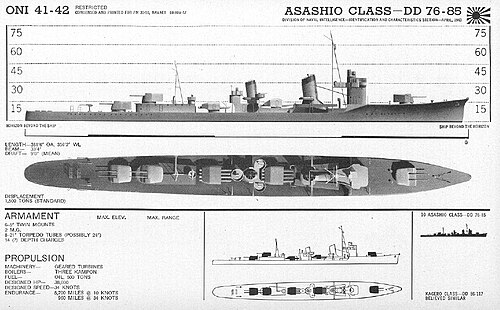
The Asashio-class destroyers (朝潮型駆逐艦, Asashio-gata kuchikukan) were a class of ten destroyers of the Imperial Japanese Navy in service before and during World War II.[1] The overall layout of the class proved successful in service and created a powerful ship that served as the basis for the design of the following two classes of destroyers.[2]
Background
The Imperial Japanese Navy was not entirely satisfied with the performance of the Shiratsuyu-classdestroyer, particularly in terms of operational range and speed. However, given the limitations of the 1930 London Naval Treaty, it was considered impossible to modify these vessels any further to improve their specifications. This obstacle was removed after the Japanese government decided to allow the treaty to expire without renewal.[2] The final four vessels of a projected 14 destroyers in the Shiratsuyu class were cancelled, and the larger new Asashio-class vessels were approved under the Maru-2 Supplementary Naval Expansion Budget of 1934, with construction spanning 1937–1939 as the treaty did not officially expire until December 31, 1936. All ten vessels were lost in the Pacific War.[3]
Design
The Asashio-class was the first Japanese destroyer class to exceed 2,000 tons displacement and the first to be equipped with sonar. The hull was 30 feet longer than the Shiratsuyu-class and displacement was increased by 300 tons.
The Asashio-class was powered by two steam turbine engines with two shafts, powered by three boilers, which operated at higher temperatures than the Shiratsuyu-class. The rated output of these engines was 50,000 hp (37,000 kW), which gave the class a top speed of 35 knots (65 km/h) and a range of 5,700 nautical miles (10,600 km) at 15 knots (28 km/h) or 960 nautical miles (1,780 km) at 34 knots (63 km/h).[4] The Asashio-class was thus one knot faster than the Shiratsuyu-class despite the larger size and displacement of the vessels. However, during sea trials, early critical issues were discovered, especially with the reliability of the new steam turbines. Another issue was with design of the rudder, which initially led to problems with the ship's turning radius. These issues were addressed by the start of the Pacific War with a modified stern and rudder.[2]
Armament
In terms of armament, the Asashio class reverted to the previous Fubukimain battery layout of 3 twin mount 12.7 cm/50 Type 3 naval guns, instead of the 5-gun design of the more recent Shiratsuyu and Hatsuharu classes that were constructed under treaty limitations. There was one twin turret forward of the bridge and a superfiring pair of twin turrets aft. The guns were capable of 55-degree elevation. Also, the position of the "X" turret at the shelter deck level forward of the quarterdeck "Y" turret, gave the Asashio class a different silhouette than the Shiratsuyu class, where both turrets were at quarterdeck level.
The torpedo armament of eight Type 93 torpedoes in two quadruple launchers as on the Shiratsuyu-class was retained, with eight reloads stored in a deckhouse on the centerline of the ship. At the start of the war, the Asashio-class was also equipped with 36 depth charges, while previous classes carried 18. Later in the war, the number of depth charges was increased to 36, and to compensate for the weight, one set of four torpedo reloads was removed.[2]
In terms of anti-aircraft capability, initially two twin-mount Type 96 AA guns were placed forward of the second smokestack. The Asashio-class was the first destroyers to receive this type of gun.[2] As the war progressed, the number of Type 96 guns was gradually increased. In 1942–1943, the twin-mounts were replaced by triple-mounts, and another twin-mount was added forward of the bridge. From 1943 to 1944, on surviving vessels the superfiring "X" turret was removed and replaced by two more triple-mounts. After 1944, surviving vessels were fitted with between eight and twelve additional single-mounts, and Kasumi received also two Type 93 13mm machine guns. In late 1944, the final four survivors (Kasumi, Michishio, Asagumo, and Yamagumo) received a Type 22 and a Type 13 radar.[2]
List of ships
| Kanji | Ship | Shipyard | Laid down | Launched | Completed | Fate |
|---|---|---|---|---|---|---|
| 朝潮 | Asashio | Sasebo Naval Arsenal | 7 September 1935 | 16 December 1936 | 31 August 1937 | Air strike in the Battle of the Bismarck Sea, 4 March 1943 at 07°15′S148°15′E / 7.250°S 148.250°E / -7.250; 148.250 |
| 大潮 | Ōshio | Maizuru Naval Arsenal | 5 August 1936 | 19 April 1937 | 31 October 1937 | Torpedoed by USS Albacore, 20 February 1943 (Solomon Islands campaign) at 00°50′S146°06′E / 0.833°S 146.100°E / -0.833; 146.100 |
| 満潮 | Michishio | Fujinagata Shipyards | 5 November 1935 | 15 March 1937 | 31 October 1937 | Surface action in the Battle of Surigao Strait, 25 October 1944 at 10°25′N125°23′E / 10.417°N 125.383°E / 10.417; 125.383 |
| 荒潮 | Arashio | Kawasaki-Kobe | 1 October 1935 | 26 May 1937 | 30 December 1937 | Air attack in the Battle of the Bismarck Sea, 4 March 1943 at 07°15′S148°30′E / 7.250°S 148.500°E / -7.250; 148.500 |
| 朝雲 | Asagumo | 23 December 1936 | 5 November 1937 | 31 March 1938 | Surface action in the Battle of Surigao Strait, 25 October 1944 at 10°04′N125°21′E / 10.067°N 125.350°E / 10.067; 125.350 | |
| 山雲 | Yamagumo | Fujinagata Shipyards | 4 November 1936 | 24 July 1937 | 15 January 1938 | Torpedoed and sunk by USS McDermut, Battle of Surigao Strait, 25 October 1944 at 10°25′N125°23′E / 10.417°N 125.383°E / 10.417; 125.383 |
| 夏雲 | Natsugumo | Sasebo Naval Arsenal | 1 July 1936 | 26 May 1937 | 10 February 1938 | Air attack in the Battle of Cape Esperance, 12 October 1942 at 08°40′S159°20′E / 8.667°S 159.333°E / -8.667; 159.333 |
| 峯雲 | Minegumo | Fujinagata Shipyards | 22 March 1937 | 4 November 1937 | 30 April 1938 | Surface action in the Battle of Blackett Strait, 5 March 1943 at 08°01′S157°14′E / 8.017°S 157.233°E / -8.017; 157.233 |
| 霰 | Arare | Maizuru Naval Arsenal | 5 March 1937 | 16 November 1937 | 15 April 1939 | Torpedoed by USS Growler, 5 July 1942 (Aleutian Islands campaign) at 52°0′N177°40′E / 52.000°N 177.667°E / 52.000; 177.667 |
| 霞 | Kasumi | Uraga Dock Company | 1 December 1936 | 18 November 1937 | 24 June 1939 | Sunk by carrier aircraft during Operation Ten-Go, 7 April 1945 at 31°N128°E / 31°N 128°E / 31; 128 |
Operational history
تم بناء عشر سفن. رافقت سفينتا أراري وكاسومي حاملات الطائرات كيدو بوتاي أثناء هجومها على بيرل هاربر في 7 ديسمبر 1941. وبقيتا مع حاملات الطائرات خلال الأشهر التالية بينما شاركت بقية سفن الفئة في مهام مرافقة القوافل وحاملات الطائرات للمساعدة في غزو الفلبين وجزر الهند الشرقية الهولندية. وشهدت هذه الفئة من السفن إنجازًا بارزًا في الحملة الأخيرة، بدءًا من 19 فبراير 1942 في معركة مضيق بادونغ، حيث طاردت سفن أساشيو وأوشيو وميتشيشيو وأراشيو قوة طرادات حليفة أكبر حجمًا من مهاجمة قافلة جنود. وخلال المعركة، أطلقت أساشيو طوربيدًا على المدمرة الهولندية بيت هاين وأغرقتها - لتصبح بذلك أول سفينة تغرق سفينة معادية بطوربيد من النوع 93 - قبل أن تنتصر في معركة بالمدفعية مع الطراد الخفيف ترومب . أصابتها إحدى عشرة قذيفة عيار 5 بوصات (127 ملم) أشعلت فيها النيران وأجبرتها على الانسحاب من المعركة بعد تعرضها لأضرار جسيمة. ثم تعاونت أساشيو وأوشيو في إطلاق النار على المدمرة الأمريكية ستيوارت، مما أدى إلى إلحاق أضرار بالغة بها لدرجة استحالة إصلاحها قبل سقوط جزر الهند الشرقية الهولندية، ما أدى إلى إغراقها في سورابايا. في المقابل، تعرضت ميتشيشيو لأضرار بالغة جراء قصف المدمرات الأمريكية التي تركتها عاجزة عن الحركة في الماء وتحت السحب، بينما تلقت أوشيو قذيفة عيار 5.9 بوصة (15 سم) من ترومب، والتي لم تتسبب بأعجوبة في انفجار مخازن الذخيرة وإغراقها في انفجار هائل، في حين تلقت أساشيو قذيفة عيار 3 بوصات (76 ملم) من ترومب أدت إلى تعطيل كشاف ضوئي. [ 6 ]
في 27 فبراير، ساهمت المدمرتان أساغومو ومينغومو في معركة بحر جاوة بصدّ ثلاث مدمرات بريطانية، حيث تفوقت أساغومو بشكل خاص في مبارزة مدفعية مع المدمرة إتش إم إس إلكترا ، وألحقت بها أضرارًا بالغة قبل أن تنضم إليها مينغومو في القضاء عليها. [ 7 ] [ 8 ] تلقت أساغومو بدورها ضربات بقذائف عيار 12 سم (4.7 بوصة) أجبرتها على التوقف مؤقتًا لإجراء إصلاحات. [ 7 ] بعد سقوط جزر الهند الشرقية الهولندية، شاركت هذه الفئة من المدمرات في غارات مختلفة على سفن أسطول ABDA السابق التي كانت تهرب إلى أستراليا، حيث ساعدت كاسومي في إغراق سفينة الشحن الهولندية مودجوكيرتو التي تزن 8806 أطنان، بينما أغرقت أراشيو كاسحة الألغام الهولندية يان فان أمستل . [ 9 ]
إلا أن أيام مجد هذه الفئة انتهت بمعركة ميدواي في 4 يونيو، عندما تضررت كل من أساشيو وأراشيو جراء قصف جوي. وبعد شهر ، تكبدت الفئة أول خسارة لها عندما أطلقت الغواصة الأمريكية غراولر وابلًا من الطوربيدات أغرق أراري وقسم كاسومي إلى نصفين. نجت كاسومي من هذه المواجهة، وخضعت لأكثر من عام لإعادة البناء. [ 10 ] ثم توجهت إلى حملة غوادالكانال وجزر سليمان ، حيث شاركت في معظم المهام نفسها، ولكن مع مهام نقل ثقيلة للقوات والإمدادات، بالإضافة إلى مرافقة حاملات الطائرات في معركتي جزر سليمان الشرقية وسانتا كروز . في أكتوبر ، رافقت ناتسوغومو سفن إمداد الطائرات المائية دون أن تشارك في معركة رأس إسبيرانس ، ولكن في أعقاب المعركة، أغرقتها طائرات برية، قبل أن تختتم الفئة عام 1942 بمشاركة أساشيو في كلتا معركتي غوادالكانال البحريتين. [ 11 ] خلال المعركة الأولى ، قادت أساغومو المدمرتين موراسامي وساميداري من فئة شيراتسويو ، وهاجمتا معًا الطراد الخفيف يو إس إس هيلينا ومنعتاها من إغراق المدمرة أماتسوكازي ، قبل أن تقصفا المدمرة يو إس إس مونسن من مسافة قريبة جدًا، مما أدى إلى إغراقها بنحو 39 إصابة. في المعركة الثانية ، أطلقت أساغومو طوربيدات على البارجة يو إس إس ساوث داكوتا لكنها لم تُلحق بها أي ضرر قبل أن تنقذ الناجين من البارجة كيريشيما ، التي أغرقتها البارجة يو إس إس واشنطن . [ 7 ] [ 12 ]
مع بداية عام 1943، تكبدت هذه الفئة من السفن المزيد من الخسائر. ففي 20 فبراير، تعرضت السفينة أوشيو لهجوم طوربيدي من الغواصة الأمريكية ألباكور ، بينما في الفترة من 2 إلى 3 مارس، تعرضت كل من أساشيو وأراشيو لهجوم طوربيدي من قاذفات القوات الجوية الأمريكية والأسترالية في معركة بحر بسمارك . [ 9 ] وفي اليوم التالي، ساهمت مينغومو في إغراق الغواصة الأمريكية غرامبوس ، ولكن في وقت لاحق من تلك الليلة، وقعت في فخ معركة مضيق بلاكيت ، حيث تعرضت لهجوم طوربيدي من المدمرة الأمريكية والر، مما أدى إلى إغراقها . [ 8 ] [ 13 ] وشهدت السفن الأربع المتبقية من هذه الفئة فترة راحة طويلة خلال العام التالي، اقتصرت على مهام نقل ودوريات روتينية دون خوض أي معارك. وكان الاستثناء الوحيد في 19 نوفمبر 1943، عندما أغرقت ياماغومو الغواصة الأمريكية سكالبين باستخدام مزيج من قنابل الأعماق ونيران المدفعية السطحية. [ 14 ]
On June 19–20, 1944, Michishio and Yamagumo escorted aircraft carriers at the battle of the Philippine Sea. In October, the remaining four ships of the class departed to take part in the battle of Leyte Gulf, the largest naval battle in history. On the early morning of the 25th, the class were caught in the battle of the Surigao Strait. Yamagumo was torpedoed and sunk by the destroyer USS McDermut, while Michishio was crippled and Asagumo was badly damaged by torpedoes from the destroyer HMAS Arunta. Michishio was finished off by the destroyer USS Hutchins, while Asagumo was finished off by the heavy cruiser USS Portland, the light cruisers USS Denver and USS Columbia, and several destroyers.[15]Kasumi survived for several more months, but met her end on 7 April 1945 escorting the battleship Yamato during Operation Ten-Go. En route, the force was met by 386 carrier aircraft, and Kasumi was attacked by dive bombers from USS Bataan and USS Belleau Wood and destroyed by two bomb hits. The destroyer Fuyutsuki removed Kasumi's crew before scuttling the ship, bringing an end to the Asashio class.[16]
Gallery
 Asashio
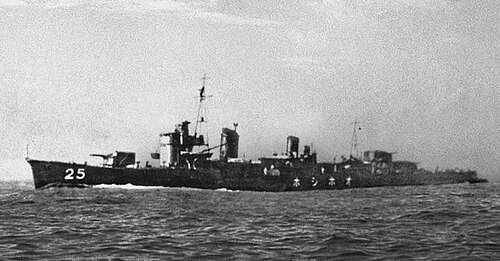 Ōshio
Ōshio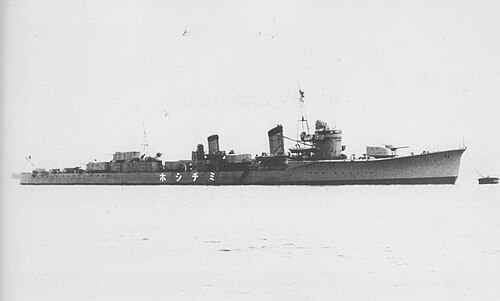 Michishio
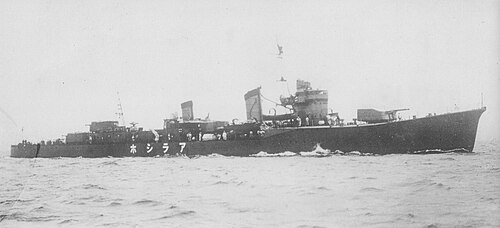 Arashio
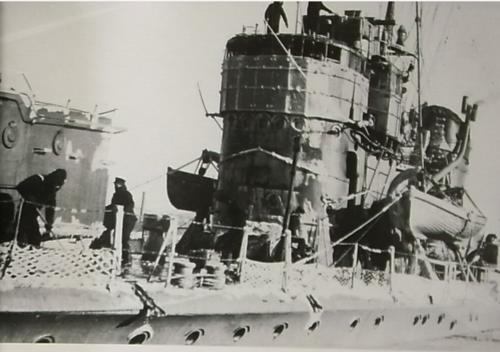 Arashio
 Asagumo
 Yamagumo
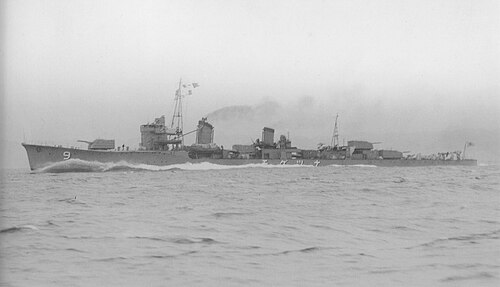 Natsugumo
 Minegumo
 Arare
Arare Kasumi
 Kasumi (bottom center)
See also
Notes
- ↑Jentsura, Warships of the Imperial Japanese Navy, 1869-1945
- 123456Stille, Mark (2013). Imperial Japanese Navy Destroyers 1919–45 (2). Oxford, UK: Osprey Publishing. pp. 5–9. ISBN 978-1-84908-987-6.
- ↑Globalsecurity.org, IJN Shiratsuyu class destroyers
- ↑Roger Chesneau, ed. (1980). Conway's All the World's Fighting Ships 1922-1946. Grenwitch: Conway Maritime Press. ISBN 0-85177-146-7.
- ↑Nishida, Hiroshi. "Materials of IJN: Shiratsuyu class destroyer". Imperial Japanese Navy. Retrieved 2010-07-24.
{{cite web}}: CS1 maint: deprecated archival service (link) - ↑"The Battle of Badung Strait by Vincent O'Hara". microworks.net. Retrieved 2024-06-09.
- 123"IJN ASAGUMO: Tabular record of movement". www.combinedfleet.com. Retrieved 2024-06-09.
- 12"峯雲【朝潮型駆逐艦 八番艦】Minegumo【Asashio-class destroyer】". 大日本帝国軍 主要兵器 (in Japanese). 2018-02-03. Retrieved 2026-05-23.
- 12"IJN ARASHIO: Tabular record of movement". www.combinedfleet.com. Retrieved 2024-06-09.
- ↑"Growler (SS-215)". public1.nhhcaws.local. Retrieved 2024-12-29.
- ↑Morison (1949) p 169
- ↑Hara (1961) Chapter 23
- ↑"Editorial Notes - MURASAME". www.combinedfleet.com. Retrieved 2026-05-23.
- ↑"Long Lancers". www.combinedfleet.com. Retrieved 2024-06-09.
- ↑"Battleships at Surigao Strait; Revelations of the Wrecks and Records"(PDF).
- ↑"Long Lancers". www.combinedfleet.com. Retrieved 2024-06-09.
Books
- Evans, David (1979). Kaigun: Strategy, Tactics, and Technology in the Imperial Japanese Navy, 1887-1941. US Naval Institute Press. ISBN 0-87021-192-7.
- Brown, David (1990). Warship Losses of World War Two. Naval Institute Press. ISBN 1-55750-914-X.
- Roger Chesneau, ed. (1980). Conway's All the World's Fighting Ships 1922-1946. Grenwitch: Conway Maritime Press. ISBN 0-85177-146-7.
- Howarth, Stephen (1983). The Fighting Ships of the Rising Sun: The Drama of the Imperial Japanese Navy, 1895–1945. Atheneum. ISBN 0-689-11402-8.
- Jentsura, Hansgeorg (1976). Warships of the Imperial Japanese Navy, 1869–1945. US Naval Institute Press. ISBN 0-87021-893-X.
- Watts, A.J. (1966). Japanese warships of World War II. Ian Allan. ISBN 0-7110-0215-0.
- Whitley, M. J. (1988). Destroyers of World War 2. Cassell Publishing. ISBN 1-85409-521-8.
- Hara, Capt. Tameichi (1961). Japanese Destroyer Captain. New York: Ballantine Books. ISBN 0-345-02522-9.
- Morison, Samuel Eliot (1958). "Chapter 8". The Struggle for Guadalcanal, August 1942 – February 1943, vol. 5 of History of United States Naval Operations in World War II. Boston: Little, Brown and Company. ISBN 0-316-58305-7.
External links
- Nishida, Hiroshi. "Materials of IJN: Asashio class destroyer". Imperial Japanese Navy. Retrieved 2010-07-24.
{{cite web}}: CS1 maint: deprecated archival service (link) - Globalsecurity.org. "IJN Asashio class destroyers".
- Destroyer classes
- Asashio-class destroyers
- World War II destroyers of Japan