
سبوتنيك 1
سبوتنيك 1 ( بالروسية : Спутник - 1 ، أي القمر الصناعي 1 ) ، والذي يُشار إليه غالبًا باسم سبوتنيك فقط ، كان أول قمر صناعي يدور حول الأرض . أُطلق إلى مدار أرضي بيضاوي منخفض من قِبل الاتحاد السوفيتي في 4 أكتوبر 1957 كجزء من برنامج الفضاء السوفيتي . أرسل إشارة لاسلكية إلى الأرض لمدة ثلاثة أسابيع قبل أن تنفد بطارياته الثلاث المصنوعة من الفضة والزنك . تسبب الاحتكاك الهوائي في سقوطه عائدًا إلى الغلاف الجوي في 4 يناير 1958.
كانت عبارة عن كرة معدنية مصقولة قطرها 58 سم (23 بوصة) مزودة بأربعة هوائيات راديو خارجية لبث نبضات الراديو. وكان من السهل على هواة الراديو اكتشاف إشارتها الراديوية، [ 6 ] كما أن ميل مدارها بزاوية 65 درجة جعل مسار طيرانها يغطي فعلياً كامل الأرض المأهولة.
كان نجاح القمر الصناعي مفاجئًا للولايات المتحدة ، مما أدى إلى أزمة سبوتنيك الأمريكية وبداية سباق الفضاء . شكّل الإطلاق بداية حقبة جديدة من التطورات السياسية والعسكرية والتكنولوجية والعلمية. [ 7 ] كلمة "سبوتنيك" تعني " قمر صناعي" باللغة الروسية عند تفسيرها في سياق فلكي؛ [ 8 ] ولها معانٍ أخرى مثل الزوج أو رفيق السفر . [ 9 ] [ 10 ]
أتاحت عملية تتبع ودراسة سبوتنيك 1 من الأرض للعلماء معلومات قيّمة. فقد أمكن استنتاج كثافة الغلاف الجوي العلوي من خلال تأثيره على مداره، كما وفر انتشار إشاراته الراديوية بيانات حول طبقة الأيونوسفير .
Sputnik 1 was launched during the International Geophysical Year from Site No.1/5, at the 5th Tyuratam range, in Kazakh SSR (now known as the Baikonur Cosmodrome). The satellite travelled at a peak speed of about 8 km/s (18,000 mph), taking 96.20 minutes to complete each orbit. It transmitted on 20.005 and 40.002 MHz,[11] which were monitored by radio operators throughout the world. The signals continued for 22 days until the transmitter batteries depleted on 26 October 1957. On 4 January 1958, after three months in orbit, Sputnik 1 burned up while reentering Earth's atmosphere, having completed 1,440 orbits of the Earth,[3] and travelling a distance of approximately 70,000,000 km (43,000,000 mi).[12]
Etymology
Спутник-1, romanized asSputnik-Odin (pronounced[ˈsputnʲɪk.ɐˈdʲin]), means 'Satellite-One'. The Russian word for satellite, sputnik, was coined in the 18th century by combining the prefixs- ('fellow') and putnik ('traveler'), thereby meaning 'fellow-traveler', a meaning corresponding to the Latin rootsatelles ('guard, attendant or companion'), which is the origin of English satellite.[13] (In the West, dating from the 1930s, the term fellow traveler was already used as a pejorative to describe people who were philosophically sympathetic to communism.)
Before the launch
Satellite construction project
On 17 December 1954, chief Soviet rocket scientist Sergei Korolev proposed a developmental plan for an artificial satellite to the Minister of the Defense Industry, Dimitri Ustinov. Korolev forwarded a report by Mikhail Tikhonravov, with an overview of similar projects abroad.[14] Tikhonravov had emphasised that the launch of an orbital satellite was an inevitable stage in the development of rocket technology.[15]
في 29 يوليو/تموز 1955، أعلن الرئيس الأمريكي دوايت د. أيزنهاور، عبر سكرتيره الصحفي، أن الولايات المتحدة ستطلق قمرًا صناعيًا خلال السنة الجيوفيزيائية الدولية . [ 16 ] وبعد أربعة أيام، أعلن ليونيد سيدوف ، الفيزيائي السوفيتي البارز، أنهم سيطلقون قمرًا صناعيًا أيضًا. وفي 8 أغسطس/آب، وافق المكتب السياسي للحزب الشيوعي السوفيتي على اقتراح إنشاء قمر صناعي. [ 17 ] وفي 30 أغسطس/آب، عقد فاسيلي ريابيكوف، رئيس اللجنة الحكومية المعنية بتجارب إطلاق صاروخ R-7 ، اجتماعًا قدم فيه كوروليف بيانات حسابية لمسار رحلة فضائية إلى القمر. وقرروا تطوير نسخة ثلاثية المراحل من صاروخ R-7 لإطلاق الأقمار الصناعية. [ 18 ]
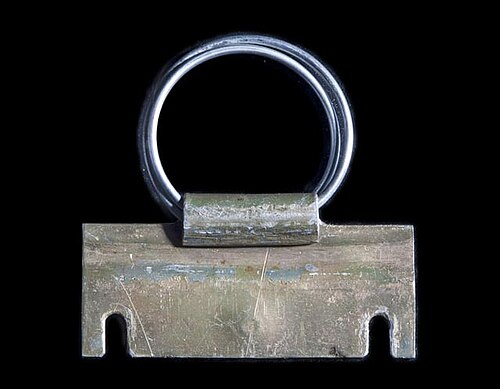
في 30 يناير 1956، وافق مجلس الوزراء على بدء العمل العملي على قمر صناعي يدور حول الأرض. كان من المخطط إنجاز هذا القمر، المسمى "الجسم د" ، في الفترة 1957-1958؛ وكان من المقرر أن تتراوح كتلته بين 1000 و1400 كيلوغرام (2200 إلى 3100 رطل) وأن يحمل ما بين 200 و300 كيلوغرام (440 إلى 660 رطل) من الأجهزة العلمية. [ 20 ] وتم تحديد موعد أول إطلاق تجريبي لـ"الجسم د" في عام 1957. [ 15 ] وكان من المقرر توزيع العمل على القمر الصناعي بين المؤسسات على النحو التالي: [ 21 ]
- كانت أكاديمية العلوم في الاتحاد السوفيتي مسؤولة عن القيادة العلمية العامة وتوفير أدوات البحث.
- تم تكليف وزارة الصناعات الدفاعية ومكتب التصميم الرئيسي التابع لها، OKB-1 ، بمهمة بناء القمر الصناعي.
- ستقوم وزارة الصناعات التقنية اللاسلكية بتطوير نظام التحكم، والأجهزة اللاسلكية/التقنية، ونظام القياس عن بعد .
- ستقوم وزارة صناعة بناء السفن بتطوير أجهزة الجيروسكوب .
- ستقوم وزارة بناء الآلات بتطوير وسائل الإطلاق الأرضي والتزود بالوقود والنقل.
- كانت وزارة الدفاع مسؤولة عن إجراء عمليات الإطلاق.
أُنجزت أعمال التصميم الأولية في يوليو 1956، وحُددت المهام العلمية التي سيضطلع بها القمر الصناعي. وشملت هذه المهام قياس كثافة الغلاف الجوي وتركيبه الأيوني ، والرياح الشمسية ، والمجالات المغناطيسية ، والأشعة الكونية . ستكون هذه البيانات قيّمة في إنشاء أقمار صناعية مستقبلية؛ وكان من المقرر تطوير نظام من المحطات الأرضية لجمع البيانات المرسلة من القمر الصناعي، ومراقبة مداره، وإرسال الأوامر إليه. ونظرًا لضيق الوقت، خُططت عمليات الرصد لمدة تتراوح بين 7 و10 أيام فقط، ولم يكن من المتوقع أن تكون حسابات المدار دقيقة للغاية. [ 22 ]
بحلول نهاية عام 1956، اتضح أن تعقيد التصميم الطموح حال دون إطلاق "الجسم د" في الوقت المحدد، وذلك لصعوبة تصنيع الأجهزة العلمية وانخفاض الدفع النوعي الناتج عن محركات R-7 المكتملة (304 ثوانٍ بدلاً من المدة المخطط لها من 309 إلى 310 ثوانٍ). ونتيجة لذلك، أعادت الحكومة جدولة الإطلاق إلى أبريل 1958. [ 15 ] سيُطلق "الجسم د" لاحقًا باسم سبوتنيك 3. [ 23 ]
خشيةً من إطلاق الولايات المتحدة قمرًا صناعيًا قبل الاتحاد السوفيتي، اقترح مكتب التصميم OKB-1 تصميم وإطلاق قمر صناعي في أبريل/مايو 1957، قبل بدء السنة الجيوفيزيائية الدولية في يوليو 1957. وكان من المقرر أن يكون القمر الصناعي الجديد بسيطًا وخفيفًا ( 100 كجم أو 220 رطلًا ) وسهل التصنيع، مستغنيًا عن المعدات العلمية المعقدة والثقيلة لصالح جهاز إرسال لاسلكي بسيط. في 15 فبراير 1957، وافق مجلس وزراء الاتحاد السوفيتي على هذا القمر الصناعي البسيط، الذي أُطلق عليه اسم "الهدف PS"، حيث تعني PS "السبوتنيك الأولي" أو "القمر الصناعي الأولي". [ 24 ] سمحت هذه النسخة بتتبع القمر الصناعي بصريًا من قِبل مراقبين على الأرض، كما كان بإمكانه إرسال إشارات تتبع إلى محطات استقبال أرضية. [ 24 ] تمت الموافقة على إطلاق قمرين صناعيين، PS-1 وPS-2، باستخدام صاروخين من طراز R-7 (8K71)، شريطة أن يُكمل الصاروخ R-7 رحلتين تجريبيتين ناجحتين على الأقل. [ 24 ]
تجهيز مركبة الإطلاق واختيار موقع الإطلاق
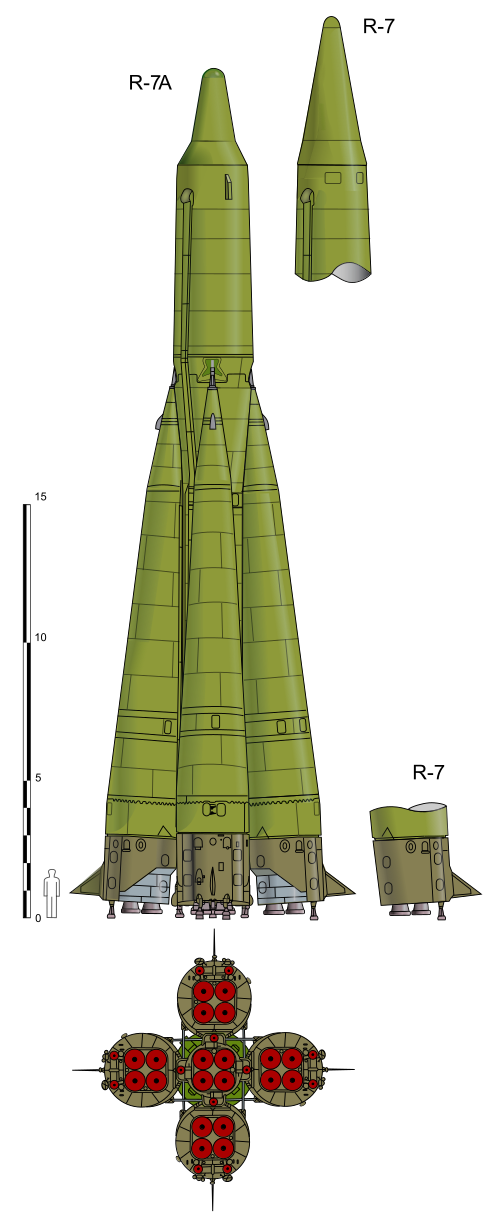
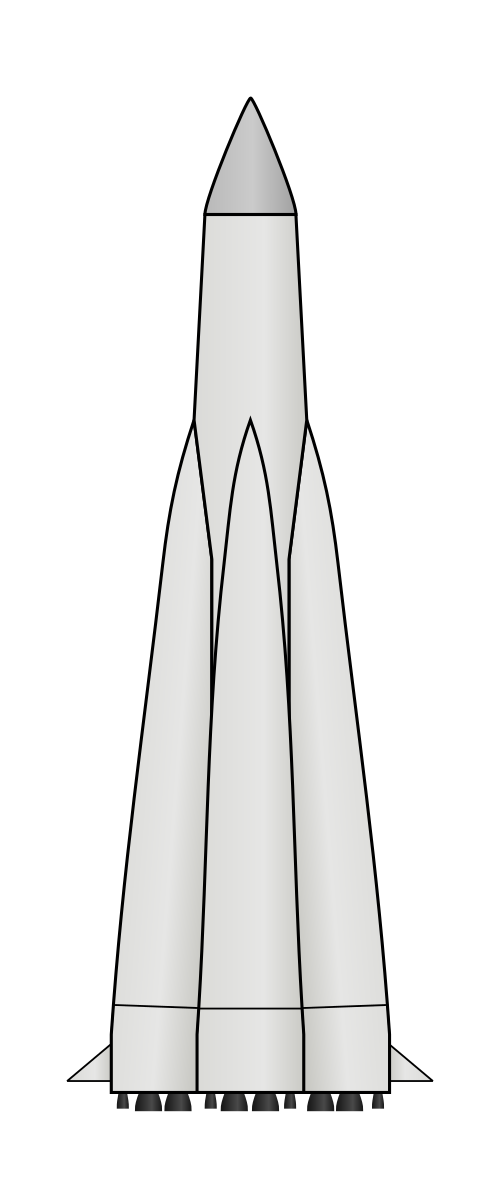

صُمم صاروخ R-7 في البداية كصاروخ باليستي عابر للقارات (ICBM) من قِبل مكتب التصميم OKB-1. واتخذت اللجنة المركزية للحزب الشيوعي السوفيتي ومجلس وزراء الاتحاد السوفيتي قرار بنائه في 20 مايو 1954. [ 25 ] كان الصاروخ الأقوى في العالم آنذاك؛ وقد صُمم بقوة دفع زائدة نظرًا لعدم التأكد من وزن حمولة القنبلة الهيدروجينية. [ 26 ] عُرف صاروخ R-7 أيضًا بتسميته 8K71 من قِبل GRAU (لاحقًا GURVO، وهو اختصار روسي لـ "المديرية العامة لقوات الصواريخ"). [ 27 ] في ذلك الوقت، كان يُعرف صاروخ R-7 لدى مصادر حلف الناتو باسم T-3 أو M-104، [ 28 ] والنوع A. [ 29 ]
أُجريت عدة تعديلات على صاروخ R-7 لتكييفه مع "الهدف د"، شملت ترقية المحركات الرئيسية، وإزالة حزمة راديو تزن 300 كيلوغرام (660 رطلاً) من المعزز، وغطاء حمولة جديد جعل المعزز أقصر بحوالي أربعة أمتار (14 قدمًا) من نظيره في الصواريخ الباليستية العابرة للقارات. [ 30 ] [ 31 ] أُطلق "الهدف د" لاحقًا باسم سبوتنيك 3 بعد إطلاق "الهدف ب س" (سبوتنيك 1) الأخف وزنًا بكثير. [ 32 ] حُسب مسار مركبة الإطلاق والقمر الصناعي مبدئيًا باستخدام آلات الحساب وجداول حساب المثلثات المكونة من ستة أرقام. أُجريت حسابات أكثر تعقيدًا على جهاز كمبيوتر مُثبّت حديثًا في أكاديمية العلوم . [ 31 ]
اختارت لجنة استطلاع خاصة مدينة تيوراتام لإنشاء ميدان تجارب صاروخية ، وهو ميدان تيوراتام الخامس، والذي يُشار إليه عادةً باسم "NIIP-5" أو "GIK-5" في فترة ما بعد الاتحاد السوفيتي. تمت الموافقة على الاختيار في 12 فبراير 1955 من قبل مجلس وزراء الاتحاد السوفيتي، ولكن لم يكتمل الموقع حتى عام 1958. وبدأت وحدات البناء العسكرية العمل الفعلي في الموقع في 20 يوليو. [ 33 ]
أُجري أول إطلاق لصاروخ R-7 (8K71 رقم 5L) في 15 مايو 1957. اندلع حريق في وحدة الدفع الجانبية (Blok D) فور الإطلاق تقريبًا، لكن الصاروخ استمر في التحليق حتى 98 ثانية بعد الإطلاق، حين انفصلت وحدة الدفع الجانبية وتحطم الصاروخ على بُعد 400 كيلومتر (250 ميلًا) من منصة الإطلاق. [ 34 ] جرت ثلاث محاولات لإطلاق الصاروخ الثاني (8K71 رقم 6) في 10-11 يونيو، لكن عيبًا في التجميع حال دون الإطلاق. [ 35 ] أُجري الإطلاق غير الناجح للصاروخ الثالث من طراز R-7 (8K71 رقم 7) في 12 يوليو. [ 34 ] تسبب ماس كهربائي في دخول محركات التوجيه الدقيقة في دوران غير مُتحكم فيه للصاروخ، مما أدى إلى انفصال جميع وحدات الدفع الجانبية بعد 33 ثانية من الإطلاق. تحطم الصاروخ R-7 على بُعد حوالي 7 كيلومترات (4.3 ميل) من منصة الإطلاق. [ 36 ]
أُطلق الصاروخ الرابع (8K71 رقم 8) بنجاح في 21 أغسطس/آب الساعة 15:25 بتوقيت موسكو [ 34 ] . وقد رفع قلب الصاروخ الرأس الحربي الوهمي إلى الارتفاع والسرعة المستهدفين، ثم دخل الغلاف الجوي، وتفكك على ارتفاع 10 كيلومترات (6.2 ميل) بعد أن قطع مسافة 6000 كيلومتر (3700 ميل) . وفي 27 أغسطس/آب، أصدرت وكالة تاس بيانًا حول نجاح إطلاق صاروخ باليستي عابر للقارات متعدد المراحل بعيد المدى. كما أُطلق الصاروخ الخامس من طراز R-7 (8K71 رقم 9) بنجاح في 7 سبتمبر/أيلول [ 34 ] ، إلا أن الرأس الحربي الوهمي تحطم أيضًا عند دخوله الغلاف الجوي [ 36 ] ، مما استدعى إعادة تصميمه ليؤدي وظيفته العسكرية على أكمل وجه. مع ذلك، اعتُبر الصاروخ مناسبًا لإطلاق الأقمار الصناعية، وتمكن كوروليف من إقناع اللجنة الحكومية بالسماح باستخدام صاروخ R-7 التالي لإطلاق القمر الصناعي PS-1، [ 37 ] مما سمح بتأجيل الاستخدام العسكري للصاروخ لإطلاق قمري PS-1 وPS-2 الصناعيين. [ 38 ] [ 39 ]
On 22 September a modified R-7 rocket, named Sputnik and indexed as 8K71PS,[40] arrived at the proving ground and preparations for the launch of PS-1 began.[41] Compared to the military R-7 test vehicles, the mass of 8K71PS was reduced from 280 to 272 tonnes (617,000 to 600,000 lb), its length with PS-1 was 29.167 metres (95 ft 8.3 in) and the thrust at liftoff was 3.90 MN (880,000 lbf).[42]
Observation complex
PS-1 was not designed to be controlled; it could only be observed. Initial data at the launch site would be collected at six separate observatories and telegraphed to NII-4.[38] Located back in Moscow (at Bolshevo), NII-4 was a scientific research arm of the Ministry of Defence that was dedicated to missile development.[43] The six observatories were clustered around the launch site, with the closest situated 1 km (0.62 mi) from the launch pad.[38]
A second, nationwide observation complex was established to track the satellite after its separation from the rocket. Called the Command-Measurement Complex, it consisted of the coordination center in NII-4 and seven distant stations situated along the line of the satellite's ground track.[44] These tracking stations were located at Tyuratam, Sary-Shagan, Yeniseysk, Klyuchi, Yelizovo, Makat in Guryev Oblast, and Ishkup in Krasnoyarsk Krai.[38][44] Stations were equipped with radar, optical instruments, and communications systems. Data from stations were transmitted by telegraphs into NII-4 where ballistics specialists calculated orbital parameters.[45]
The observatories used a trajectory measurement system called "Tral", developed by OKB MEI (Moscow Energy Institute), by which they received and monitored data from transponders mounted on the R-7 rocket's core stage.[46] The data were useful even after the satellite's separation from the second stage of the rocket; Sputnik's location was calculated from data on the location of the second stage, which followed Sputnik at a known distance.[47] Tracking of the booster during launch had to be accomplished through purely passive means, such as visual coverage and radar detection. R-7 test launches demonstrated that the tracking cameras were only good up to an altitude of 200 km (120 mi), but radar could track it for almost 500 km (310 mi).[42]

Outside the Soviet Union, the satellite was tracked by amateur radio operators in many countries.[48] The booster rocket was located and tracked by the British using the Lovell Telescope at the Jodrell Bank Observatory, the only telescope in the world able to do so by radar.[48] Canada's Newbrook Observatory was the first facility in North America to photograph Sputnik 1.[49]
Design

Sputnik 1 was designed to meet a set of guidelines and objectives such as:[31]
- Simplicity and reliability that could be adapted to future projects
- A spherical body to help determine atmospheric density from its lifetime in orbit
- Radio equipment to facilitate tracking and to obtain data on radio waves propagation through the atmosphere
- Verification of the satellite's pressurisation scheme
The chief constructor of Sputnik 1 at OKB-1 was Mikhail S. Khomyakov.[50] The satellite was a 585-millimetre (23.0 in) diameter sphere, assembled from two hemispheres that were hermetically sealed with O-rings and connected by 36 bolts. It had a mass of 83.6 kilograms (184 lb).[51] The hemispheres were 2 mm thick,[52] and were covered with a highly polished 1 mm-thick heat shield[53] made of an aluminium–magnesium–titaniumalloy, AMG6T. The satellite carried two pairs of antennas designed by the Antenna Laboratory of OKB-1, led by Mikhail V. Krayushkin.[21] Each antenna was made up of two whip-like parts, 2.4 and 2.9 metres (7.9 and 9.5 ft) in length,[54] and had an almost spherical radiation pattern.[55]
The power supply, with a mass of 51 kg (112 lb), was in the shape of an octagonal nut with the radio transmitter in its hole.[56] It consisted of three silver-zinc batteries, developed at the All-Union Research Institute of Power Sources (VNIIT) under the leadership of Nikolai S. Lidorenko. Two of these batteries powered the radio transmitter and one powered the temperature regulation system. The batteries had an expected lifetime of two weeks, and operated for 22 days. The power supply was turned on automatically at the moment of the satellite's separation from the second stage of the rocket.[57]
كان القمر الصناعي مزودًا بوحدة إرسال لاسلكية داخلية بقدرة واط واحد ووزن 3.5 كيلوغرام (7.7 رطل) [ 38 ] ، طوّرها فياتشيسلاف إي. لابو من معهد موسكو للأبحاث الإلكترونية NII-885 [ 57 ] [ 58 ] ، تعمل على ترددين: 20.005 و40.002 ميجاهرتز. كانت الإشارات على التردد الأول تُرسل على شكل نبضات مدتها 0.3 ثانية (بتردد قريب من 3 هرتز) (في ظل ظروف درجة الحرارة والضغط العادية على متن القمر الصناعي)، مع فترات توقف بنفس المدة تُملأ بنبضات على التردد الثاني. [ 59 ] استُخدم تحليل الإشارات اللاسلكية لجمع معلومات حول كثافة الإلكترونات في طبقة الأيونوسفير. تم ترميز درجة الحرارة والضغط في مدة الإشارات اللاسلكية. احتوى نظام تنظيم درجة الحرارة على مروحة ، ومفتاح حراري مزدوج ، ومفتاح حراري للتحكم. [ 57 ] إذا تجاوزت درجة الحرارة داخل القمر الصناعي 36 درجة مئوية (97 درجة فهرنهايت) ، يتم تشغيل المروحة؛ وعندما تنخفض إلى أقل من 20 درجة مئوية (68 درجة فهرنهايت) ، يتم إيقاف تشغيل المروحة بواسطة مفتاح حراري مزدوج. [ 55 ] إذا تجاوزت درجة الحرارة 50 درجة مئوية (122 درجة فهرنهايت) أو انخفضت إلى أقل من 0 درجة مئوية (32 درجة فهرنهايت) ، يتم تفعيل مفتاح حراري تحكم آخر، مما يؤدي إلى تغيير مدة نبضات الإشارة اللاسلكية. [ 57 ] تم ملء سبوتنيك 1 بالنيتروجين الجاف، وضغطه إلى 1.3 ضغط جوي (130 كيلو باسكال) . [ 40 ] كان القمر الصناعي مزودًا بمفتاح بارومتري ، يتم تفعيله إذا انخفض الضغط داخل القمر الصناعي إلى أقل من 130 كيلو باسكال، مما كان سيشير إلى فشل وعاء الضغط أو ثقبه بواسطة نيزك، وكان سيؤدي إلى تغيير مدة نبضة الإشارة اللاسلكية. [ 6 ]
أثناء ارتباطه بالصاروخ، كان سبوتنيك 1 محميًا بغطاء حمولة مخروطي الشكل ، بارتفاع 80 سم (31.5 بوصة) . [ 38 ] انفصل الغطاء عن كل من سبوتنيك والمرحلة الثانية المستهلكة من صاروخ R-7 في نفس لحظة إطلاق القمر الصناعي. [ 57 ] أُجريت اختبارات القمر الصناعي في مكتب التصميم OKB-1 تحت إشراف أوليغ ج. إيفانوفسكي . [ 50 ]
الإطلاق والمهمة

تم ضبط نظام التحكم في صاروخ سبوتنيك على مدار مُستهدف يبلغ 223 × 1450 كيلومترًا (139 × 901 ميلًا) ، بفترة مدارية قدرها 101.5 دقيقة. [ 60 ] وقد حُسب المسار سابقًا بواسطة جورجي غريتشكو ، باستخدام الحاسوب المركزي التابع لأكاديمية العلوم في الاتحاد السوفيتي . [ 38 ] [ 61 ]
أُطلق صاروخ سبوتنيك في 4 أكتوبر 1957 الساعة 19:28:34 بالتوقيت العالمي المنسق (5 أكتوبر في موقع الإطلاق [ 3 ] [ 5 ] ) من الموقع رقم 1 في NI P-5. [ 62 ] أشارت بيانات القياس عن بُعد إلى انفصال معززات الصاروخ بعد 116 ثانية من بدء الرحلة، وتوقف محرك المرحلة الأساسية عن العمل بعد 295.4 ثانية من بدء الرحلة. [ 60 ] عند التوقف، كانت المرحلة الأساسية التي تزن 7.5 طن (مع وحدة PS-1 الملحقة بها) قد وصلت إلى ارتفاع 223 كيلومترًا (139 ميلًا) فوق مستوى سطح البحر، وسرعة 7780 مترًا في الثانية (25500 قدم في الثانية) ، وميل متجه السرعة بالنسبة للأفق المحلي بمقدار 0 درجة و24 دقيقة. نتج عن ذلك مدار بيضاوي أولي بأبعاد 223 كم (139 ميلاً) × 950 كم (590 ميلاً) ، مع نقطة أوج أقل بحوالي 500 كم (310 أميال) من المسافة المقصودة، وميل قدره 65.10 درجة، ودورة مدارية مدتها 96.20 دقيقة. [ 60 ] [ 31 ]
لم تعمل عدة محركات في الوقت المحدد، مما كاد أن يُجهض المهمة. [ 31 ] كما تعطل منظم الوقود في الصاروخ المعزز بعد حوالي 16 ثانية من الإطلاق، مما أدى إلى استهلاك مفرط للوقود RP-1 خلال معظم فترة الطيران، وتجاوز قوة دفع المحرك القيمة الاسمية بنسبة 4%. كان من المقرر إيقاف المرحلة الأساسية عند T+296 ثانية، لكن نفاد الوقود قبل الأوان تسبب في توقف الدفع قبل ذلك بثانية واحدة عندما رصد أحد المستشعرات سرعة زائدة لمضخة التوربين RP-1 الفارغة. كانت هناك 375 كجم (827 رطلاً) من الأكسجين السائل متبقية عند الإيقاف. [ 3 ]
At 19.9 seconds after engine cut-off, PS-1 separated from the second stage[3] and the satellite's transmitter was activated. These signals were detected at the IP-1 station by Junior Engineer-Lieutenant V.G. Borisov, where reception of Sputnik 1's "beep-beep-beep" tones confirmed the satellite's successful deployment. Reception lasted for two minutes, until PS-1 passed below the horizon.[38][63] The Tral telemetry system on the R-7 core stage continued to transmit and was detected on its second orbit.[3]
The designers, engineers, and technicians who developed the rocket and satellite watched the launch from the range.[64] After the launch they drove to the mobile radio station to listen for signals from the satellite.[64] They waited about 90 minutes to ensure that the satellite had made one orbit and was transmitting before Korolev called Soviet premier Nikita Khrushchev.[65]
On the first orbit the Telegraph Agency of the Soviet Union (TASS) transmitted: "As result of great, intense work of scientific institutes and design bureaus the first artificial Earth satellite has been built".[66] The R-7 core stage, with a mass of 7.5 tonnes and a length of 26 metres, also reached Earth orbit. It was a first magnitude object following behind the satellite and visible at night. Deployable reflective panels were placed on the booster in order to increase its visibility for tracking.[65] A small highly polished sphere, the satellite was barely visible at sixth magnitude, and thus harder to follow optically.[24] The batteries ran out on 26 October 1957, after the satellite completed 326 orbits.[67]
The core stage of the R-7 remained in orbit for two months until 2 December 1957, while Sputnik 1 orbited for three months, until 4 January 1958, having completed 1,440 orbits of the Earth.[3] It is presumed Sputnik 1 may have broken up above the western United States. A man in Encino, CA, woke up on Dec. 8, 1957 and noticed something glowing in his back yard. Upon inspection, it proved to be some small pieces of metal as well as plastic tubing of the type used in Sputnik. No one has been able to prove whether this in fact was part of the satellite.[68]
Reception
نُظِّمَت هذه العملية من خلال مشروع "عملية مراقبة القمر" العلمي التشاركي ، حيث تم تنبيه فرق من المراقبين البصريين في 150 محطة في الولايات المتحدة ودول أخرى خلال الليل لمراقبة القمر الصناعي عند الفجر وفي شفق المساء أثناء مروره فوق رؤوسهم. [ 70 ] وطلب الاتحاد السوفيتي من هواة ومشغلي أجهزة الراديو المحترفين تسجيل الإشارة المرسلة من القمر الصناعي. [ 70 ] وكانت إحدى أولى عمليات رصده خارج الاتحاد السوفيتي في مرصد المدرسة في رودويش ( ساكسونيا ). [ 71 ]

أشارت التقارير الإخبارية آنذاك إلى أن "أي شخص يمتلك جهاز استقبال موجات قصيرة يمكنه سماع القمر الصناعي الروسي الجديد وهو يدور فوق هذه المنطقة من الكرة الأرضية". [ 11 ] وكانت التعليمات، التي قدمتها الرابطة الأمريكية لهواة الراديو ، هي "ضبط الجهاز على تردد 20 ميغاهرتز بدقة، وفقًا لإشارات التوقيت، على ذلك التردد. ثم ضبطه على ترددات أعلى قليلاً. ويمكن سماع صوت "بيب، بيب" الخاص بالقمر الصناعي في كل مرة يدور فيها حول الكرة الأرضية". [ 72 ] تم تسجيل أول إشارة لسبوتنيك 1 بواسطة مهندسي شركة RCA بالقرب من ريفر هيد، لونغ آيلاند. ثم قاموا بنقل التسجيل إلى مانهاتن لبثه للجمهور عبر إذاعة NBC . ومع ذلك، عندما ارتفع سبوتنيك فوق الساحل الشرقي، التقطت إشارته محطة W2AEE، وهي محطة راديو هواة تابعة لجامعة كولومبيا . قام الطلاب العاملون في محطة WKCR التابعة للجامعة ، بتسجيل هذا التسجيل، وكانوا أول من أعاد بث إشارة سبوتنيك للجمهور الأمريكي (أو أي شخص يمكنه استقبال محطة FM). [ 69 ]
وافق الاتحاد السوفيتي على البث على ترددات تتوافق مع البنية التحتية القائمة في الولايات المتحدة، لكنه أعلن لاحقًا عن ترددات أقل. [ 70 ] وأكد البيت الأبيض أن الإطلاق "لم يكن مفاجئًا"، ورفض التعليق على أي جوانب عسكرية. [ 73 ] في 5 أكتوبر، سجل مختبر الأبحاث البحرية تسجيلات لسبوتنيك 1 خلال أربع عبورات فوق الولايات المتحدة. [ 70 ] تعاون مركز أبحاث كامبريدج التابع لسلاح الجو الأمريكي مع بنديكس-فريز ، وهيئة وستنجهاوس للبث ، ومرصد سميثسونيان للفيزياء الفلكية للحصول على فيديو لجسم صاروخ سبوتنيك وهو يعبر سماء بالتيمور قبل الفجر، والذي بثته قناة WBZ-TV في بوسطن في 12 أكتوبر. [ 74 ]
يبدو أن نجاح سبوتنيك 1 قد غيّر الآراء في جميع أنحاء العالم بشأن انتقال السلطة إلى السوفييت. [ 75 ]
دفع إطلاق الاتحاد السوفيتي للقمر الصناعي سبوتنيك 1 الولايات المتحدة إلى إنشاء وكالة مشاريع الأبحاث المتقدمة (أربا، والتي أصبحت فيما بعد داربا ) في فبراير 1958 لاستعادة الريادة التكنولوجية. [ 76 ] [ 77 ] [ 78 ]
في بريطانيا، كان رد فعل وسائل الإعلام والسكان في البداية مزيجًا من الخوف على المستقبل، ولكن أيضًا من الدهشة إزاء التقدم البشري. وقد بشرت العديد من الصحف والمجلات بقدوم عصر الفضاء . [ 79 ] ومع ذلك، عندما أطلق الاتحاد السوفيتي سبوتنيك 2 ، الذي كان يحمل الكلبة لايكا ، عادت رواية وسائل الإعلام إلى خطاب معادٍ للشيوعية، وأرسل العديد من الناس احتجاجات إلى السفارة السوفيتية والجمعية الملكية لمنع القسوة على الحيوانات. [ 80 ]
دعاية

Sputnik 1 was not immediately used for Soviet propaganda. The Soviets had kept quiet about their earlier accomplishments in rocketry, fearing that it would lead to secrets being revealed and failures being exploited by the West.[81] When the Soviets began using Sputnik in their propaganda, they emphasized pride in the achievement of Soviet technology, arguing that it demonstrated the Soviets' superiority over the West. People were encouraged to listen to Sputnik's signals on the radio[81] and to look out for Sputnik in the night sky. While Sputnik itself had been highly polished, its small size made it barely visible to the naked eye. What most watchers actually saw was the much more visible 26-metre (85 foot) core stage of the R-7.[81] Shortly after the launch of PS-1, Khrushchev pressed Korolev to launch another satellite to coincide with the 40th anniversary of the October Revolution, on 7 November 1957.[82][83]
The launch of Sputnik 1 surprised the American public, and shattered the perception created by American propaganda of the United States as the technological superpower, and the Soviet Union as a backward country.[84] Privately, however, the CIA and President Eisenhower were aware of progress being made by the Soviets on Sputnik from secret spy plane imagery.[85] Together with the Jet Propulsion Laboratory (JPL), the Army Ballistic Missile Agency built Explorer 1, and launched it on 31 January 1958. Before work was completed, however, the Soviet Union launched a second satellite, Sputnik 2, on 3 November 1957. Meanwhile, the televised failure of Vanguard TV-3 on 6 December 1957 deepened American dismay over the country's position in the Space Race. The Americans took a more aggressive stance in the emerging space race,[86] resulting in an emphasis on science and technological research, and reforms in many areas from the military to education systems.[87] The federal government began investing in science, engineering, and mathematics at all levels of education.[84][88] An advanced research group was assembled for military purposes.[84] These research groups developed weapons such as ICBMs and missile defence systems, as well as spy satellites for the U.S.[84]
Legacy
Initially, U.S. President Dwight Eisenhower was not surprised by Sputnik 1. He had been forewarned of the R-7's capabilities by information derived from U-2 spy plane overflight photos, as well as signals and telemetry intercepts.[89][90] General James M. Gavin wrote in 1958 that he had predicted to the Army Scientific Advisory Panel on 12 September 1957 that the Soviets would launch a satellite within 30 days, and that on 4 October he and Wernher von Braun had agreed that a launch was imminent.[91] The Eisenhower administration's first response was low-key and almost dismissive.[92] Eisenhower was even pleased that the USSR, not the U.S., would be the first to test the waters of the still-uncertain legal status of orbital satellite overflights.[93] Eisenhower had suffered the Soviet protests and shoot-downs of Project Genetrix (Moby Dick) balloons[94] and was concerned about the probability of a U-2 being shot down.[95] To set a precedent for "freedom of space" before the launch of America's secret WS-117L spy satellites,[96] the U.S. had launched Project Vanguard as its own "civilian" satellite entry for the International Geophysical Year.[97] Eisenhower greatly underestimated the reaction of the American public, who were shocked by the launch of Sputnik and by the televised failure of the Vanguard Test Vehicle 3 launch attempt. The sense of anxiety was inflamed by Democratic politicians, who portrayed the United States as woefully behind.[98] One of the many books that suddenly appeared for the lay-audience noted seven points of "impact" upon the nation: Western leadership, Western strategy and tactics, missile production, applied research, basic research, education, and democratic culture.[28] As public and the government became interested in space and related science and technology, the phenomenon was sometimes dubbed the "Sputnik craze".[99]

The U.S. soon had a number of successful satellites, including Explorer 1, Project SCORE, and Courier 1B. However, public reaction to the Sputnik crisis spurred America to action in the Space Race, leading to the creation of both the Advanced Research Projects Agency (renamed the Defense Advanced Research Projects Agency, or DARPA, in 1972),[100] and NASA (through the National Aeronautics and Space Act),[101] as well as increased U.S. government spending on scientific research and education through the National Defense Education Act.[102]
Sputnik also contributed directly to a new emphasis on science and technology in American schools. With a sense of urgency, Congress enacted the 1958 National Defense Education Act, which provided low-interest loans for college tuition to students majoring in mathematics and science.[103][104] After the launch of Sputnik, a poll conducted and published by the University of Michigan showed that 26% of Americans surveyed thought that Russian sciences and engineering were superior to that of the United States. (A year later, however, that figure had dropped to 10% as the U.S. began launching its own satellites into space.)[105]
One consequence of the Sputnik shock was the perception of a "missile gap". This became a dominant issue in the 1960 presidential campaign.[106]
The Communist Party newspaper Pravda only printed a few paragraphs about Sputnik 1 on 4 October.[107]
Sputnik also inspired a generation of engineers and scientists. Harrison Storms, the North American designer who was responsible for the X-15 rocket plane, and went on to head the effort to design the Apollo command and service module and Saturn V launch vehicle's second stage, was moved by the launch of Sputnik to think of space as being the next step for America.[108] Astronauts Alan Shepard (who was the first American in space) and Deke Slayton later wrote of how the sight of Sputnik 1 passing overhead inspired them to their new careers.[109]
أدى إطلاق سبوتنيك 1 إلى عودة استخدام اللاحقة " -nik" في اللغة الإنجليزية. [ 110 ] [ 111 ] وقد استلهم الكاتب الأمريكي هيرب كاين مصطلح " beatnik " من مقالٍ له عن جيل بيت في صحيفة سان فرانسيسكو كرونيكل بتاريخ 2 أبريل 1958. [ 112 ]

يضم علم مدينة كالوغا الروسية (التي، باعتبارها مكان عمل وإقامة كونستانتين تسيولكوفسكي ، مكرسة للغاية للفضاء والسفر الفضائي) صورة صغيرة لسبوتنيك في الزاوية العلوية اليسرى. [ 113 ]
في 3 أكتوبر 2007، احتفلت جوجل بالذكرى الخمسين لإطلاق سبوتنيك من خلال شعار جوجل المبتكر . [ 114 ]
نظام الملاحة عبر الأقمار الصناعية
شكّل إطلاق سبوتنيك حجر الأساس لتطوير الملاحة الفضائية الحديثة. فقد قرر عالما الفيزياء الأمريكيان، ويليام غوير وجورج وايفنباخ، في مختبر الفيزياء التطبيقية بجامعة جونز هوبكنز ، مراقبة الإشارات اللاسلكية لسبوتنيك [ 115 ] ، وسرعان ما أدركا، بفضل تأثير دوبلر ، أنهما يستطيعان تحديد موقع القمر الصناعي بدقة على مداره. وقد منحهما مدير المختبر إمكانية الوصول إلى حاسوب UNIVAC الخاص بهم لإجراء الحسابات المعقدة التي كانت مطلوبة آنذاك.
في مطلع العام التالي، طلب فرانك ماكلور، نائب مدير مختبر الفيزياء التطبيقية (APL)، من غاير وويفنباخ دراسة المشكلة العكسية: تحديد موقع المستخدم بدقة، بمعرفة موقع القمر الصناعي. في ذلك الوقت، كانت البحرية الأمريكية تُطوّر صاروخ بولاريس الذي يُطلق من الغواصات ، الأمر الذي استلزم معرفة موقع الغواصة. دفع هذا غاير وويفنباخ إلى تطوير نظام ترانزيت [ 116 ] ، وهو نظام رائد لأقمار نظام تحديد المواقع العالمي (GPS) الحديثة .
أمثلة باقية

النسخ الاحتياطية
يوجد على الأقل نسختان قديمتان من سبوتنيك 1، بُنيتا على ما يبدو كوحدات احتياطية. توجد الأولى بالقرب من موسكو في متحف شركة إنيرجيا ، وهي الوريث الحديث لمكتب تصميم كوروليف، حيث تُعرض بمواعيد مسبقة فقط. [ 117 ] [ 118 ] أما الثانية فهي نسخة احتياطية جاهزة للإطلاق في متحف كوزموسفير الفضائي في هاتشينسون، كانساس ، الولايات المتحدة ، والذي يضم أيضًا نموذجًا هندسيًا لسبوتنيك 2. [ 119 ]
نماذج
The Museum of Flight in Seattle, United States has a Sputnik 1, but it has no internal components, though it does have casings and moulded fittings inside (as well as evidence of battery wear), which may be an engineering model. Authenticated by the Memorial Museum of Cosmonautics in Moscow, the unit was auctioned in 2001 and purchased by an anonymous private buyer, who donated it to the museum.[117]
The Sputnik 1 EMC/EMI is a class of full-scale laboratory models of the satellite. The models, manufactured by OKB-1 and NII-885 (headed by Mikhail Ryazansky), were introduced on 15 February 1957.[120] They were made to test ground electromagnetic compatibility (EMC) and electromagnetic interference (EMI).[120]
Replicas
In 1959, the Soviet Union donated a replica of Sputnik to the United Nations.[121] There are other full-size Sputnik replicas (with varying degrees of accuracy) on display in locations around the world, including the National Air and Space Museum in the United States,[117] the Science Museum in the United Kingdom,[122] the Powerhouse Museum in Australia,[123] and outside the Russian embassy in Spain.[124]
Three one-third scale student-built replicas of Sputnik 1 were deployed from the Mir space station between 1997 and 1999. The first, named Sputnik 40 to commemorate the fortieth anniversary of the launch of Sputnik 1, was deployed in November 1997.[125]Sputnik 41 was launched a year later, and Sputnik 99 was deployed in February 1999. A fourth replica was launched, but never deployed, and was destroyed when Mir was deorbited.[117][126]
Private owners
Two more Sputniks are claimed to be in the personal collections of American entrepreneurs Richard Garriott[117] and Jay S. Walker.[127]
See also
- Yuri Gagarin — Soviet cosmonaut and first human to journey into outer space
- Donald B. Gillies — one of the first to calculate the Sputnik 1 orbit
- كريم كريموف - أحد المهندسين المعماريين وراء سبوتنيك 1
- فالنتينا تيريشكوفا - أول امرأة في الفضاء
- إلياك 1 - أول حاسوب لحساب مدار سبوتنيك 1
- الجدول الزمني للأقمار الصناعية الاصطناعية ومجسات الفضاء
- الجدول الزمني للابتكار الروسي
مراجع
- ↑ "سبوتنيك 1 (PS-1 #1)" . صفحة غونتر الفضائية. 11 ديسمبر 2017. تم الاطلاع عليه بتاريخ 16 مايو 2021 .
- ↑ "SL-1 R/B" . n2yo.com .
- 1 2 3 4 5 6 7 زاك، أناتولي (2015). "مهمة سبوتنيك" . RussianSpaceWeb.com. مؤرشف من الأصل في 23 يناير 2013. تم الاطلاع عليه في 27 ديسمبر 2015 .
- 1 2 3 "سبوتنيك 1" . موسوعة رواد الفضاء. مؤرشف من الأصل في 27 ديسمبر 2016. تم الاطلاع عليه في 8 يناير 2017 .
- 1 2 "مسار: سبوتنيك-1 1957-001B" . ناسا. 27 أبريل 2021. تم الاطلاع عليه في 16 مايو 2021 .
 تتضمن هذه المقالة نصًا من هذا المصدر، وهو متاح للعموم .
 - 1 2 رالف هـ. ديدليك، KK5PM؛ أوليغ ب. أودينيتس، RA3DNC (22 سبتمبر 2008). "سبوتنيك وهواة اللاسلكي" . الرابطة الأمريكية لهواة اللاسلكي. مؤرشف من الأصل في 11 أكتوبر 2007. تم الاطلاع عليه في 26 مارس 2008 .
- ↑ ماكدوغال، والتر أ. (شتاء 2010). "إطلاق النار على القمر" . التراث الأمريكي . 59 (4). ISSN 0002-8738 . تاريخ الاسترجاع: 3 يناير 2019 .
- ↑ "عرض: سبوتنيك-1 1957-001B" . ناسا. 27 أبريل 2021. تم الاطلاع عليه بتاريخ 16 مايو 2021 .تتضمن هذه المقالة نصًا من هذا المصدر، وهو متاح للعموم .
- ↑ "سبوتنيك 1، أول قمر صناعي للأرض بالصور" . SPACE.com . 4 أكتوبر 2020.
- ↑ "APOD: 3 أكتوبر 1998 - سبوتنيك: الرفيق المسافر" . apod.nasa.gov .تتضمن هذه المقالة نصًا من هذا المصدر، وهو متاح للعموم .
- 1 2 جوردن، ويليام ج. (5 أكتوبر 1957). "السوفيت يطلقون قمرًا صناعيًا أرضيًا إلى الفضاء" . صحيفة نيويورك تايمز . تم الاطلاع عليه بتاريخ 28 ديسمبر 2015 .
- ↑ "سبوتنيك-1 1957-001B" . ناسا. 27 أبريل 2021. تم الاطلاع عليه بتاريخ 16 مايو 2021 .تتضمن هذه المقالة نصًا من هذا المصدر، وهو متاح للعموم .
- ↑ تشابيل، ديفيد (25 مارس 2020). "من أين حصل سبوتنيك على اسمه؟" .
- ↑ كوروليف، سيرجي (26 مايو 1954). "حول إمكانية تطوير قمر صناعي للأرض" (باللغة الروسية). مؤرشف من الأصل في 8 أبريل 2008. تم الاطلاع عليه في 26 مارس 2008 .
- 1 2 3 الإنشاءات السابقة للأصوات الفضائية. بداية تعلم لون القمر. "الأنظمة الكونية" "زينيت" و"الإلكترون" ، كتاب: غوديلين في . (Истолия. Развитие. Проспективы)"، م.، 1996 أرشفة 14 مارس 2007 في آلة Wayback. (بالروسية)
- ↑ "كوروليف وحرية الفضاء: 14 فبراير 1990 - 4 أكتوبر 1957" . ناسا . مؤرشف من الأصل في 7 أكتوبر 2006. تم الاطلاع عليه في 18 فبراير 2007 .
- ↑ هيئة رئاسة اللجنة المركزية للحزب الشيوعي السوفيتي (8 أغسطس/آب 1955). "حول إنشاء قمر صناعي للأرض" (باللغة الروسية). مؤرشف من الأصل في 8 أبريل/نيسان 2008. تم الاطلاع عليه في 26 مارس/آذار 2008 .
- ↑ "جي إس فيتروف، كوروليف ووظيفته. الملحق 2" (باللغة الروسية). مؤرشف من الأصل في 7 مارس 2008. تم الاطلاع عليه في 26 مارس 2008 .
- ↑ "تسليح سبوتنيك مفتاحٌ في سباق الفضاء" . المتحف الوطني للطيران والفضاء التابع لمؤسسة سميثسونيان. 28 يناير 2018. تاريخ الاطلاع: 13 يوليو 2019 .
- ↑ «البداية» (باللغة الروسية). مؤرشف من الأصل بتاريخ 27 سبتمبر 2007. تم الاطلاع عليه بتاريخ 26 مارس 2008 .
- 1 2 ليدورينكو، نيكولاي. "حول إطلاق أول قمر صناعي للأرض في الاتحاد السوفيتي" (باللغة الروسية). مؤرشف من الأصل في 2 أبريل 2008. تم الاطلاع عليه في 26 مارس 2008 .
- ↑ "أربعون عاماً من عصر الفضاء" (باللغة الروسية). مؤرشف من الأصل بتاريخ 29 فبراير 2008. تم الاطلاع عليه بتاريخ 26 مارس 2008 .
- ↑ لانيوس وآخرون ، ص 38.
- 1 2 3 4 لافلور، كلود (2004). "المركبات الفضائية التي أُطلقت عام 1957" . ClaudeLafleur.qc.ca . مؤرشف من الأصل في 27 أغسطس 2011. تم الاطلاع عليه في 26 مارس 2008 .
- ↑ "صواريخ باليستية عابرة للقارات R-7 " [ بالروسية]. Arms.ru. مؤرشفة من الأصلي في 7 مارس 2012 . تم الاسترجاع 10 يناير 2013 .
- ↑ إيساكينكوف، فلاديمير (30 سبتمبر 2007). "سبوتنيك في عامه الخمسين: انتصار مرتجل" . يو إس إيه توداي . أسوشيتد برس . تم الاطلاع عليه بتاريخ 13 يوليو 2019 .
- ↑ زالوغا، ص 232.
- 1 2 كوكس وستويكو، ص 69.
- ↑ بيلستين، ص 387.
- ↑ زاك، أناتولي. "سبوتنيك-3" . RussianSpaceWeb.com. مؤرشف من الأصل في 5 أكتوبر 2007.
- 1 2 3 4 5 صديقي، آصف أ. (29 مارس 2023). "كوروليف، سبوتنيك، والسنة الجيوفيزيائية الدولية" . قسم التاريخ في ناسا: سبوتنيك وفجر عصر الفضاء . الإدارة الوطنية للملاحة الجوية والفضاء.
- ↑ لانيوس وآخرون، ص 38
- ↑ زاك، أناتولي (2015). "أصل ميدان الاختبار في تيوراتام" . RussianSpaceWeb.com. مؤرشف من الأصل في 23 نوفمبر 2015. تم الاطلاع عليه في 27 ديسمبر 2015 .
- 1 2 3 4 ويد، مارك. "R-7" . موسوعة رواد الفضاء. مؤرشف من الأصل في 29 يونيو 2011.
- ↑ "SPKorolev RSC Energia – Launchers" . www.energia.ru . مؤرشف من الأصل في 9 يناير 2017. تم الاطلاع عليه في 4 أكتوبر 2007 .
- 1 2 زاك، أناتولي. "عائلة صواريخ الإطلاق والصواريخ الباليستية العابرة للقارات R-7" . RussianSpaceWeb.com. مؤرشف من الأصل في 4 أكتوبر 2007.
- ↑ هارفورد، ص 127.
- 1 2 3 4 5 6 7 8 بوروشكوف، ف.البحث والإنقاذ أول سبوتنيكا زيملي[ إنشاء وإطلاق أول قمر صناعي للأرض ] (باللغة الروسية). نوفوستي كوسمونافتيكي. مؤرشف من الأصل في 6 يونيو 2011.
- ↑Poroshkov, V. Создание и запуск Первого спутника Земли[Creation and Launch of the First Earth's Satellite] (in Russian). Novosti Kosmonavtiki. Archived from the original on 6 June 2011. Retrieved 10 January 2013.
- 12Siddiqi, p. 163.
- ↑45th Anniversary of the First Start of Native ICBM R-7Archived 8 January 2009 at the Wayback Machine at Ukrainian Aerospace Portal (in Russian)
- 12Zak, Anatoly. "Sputnik launch vehicle 8K71PS (M1-1PS)". RussianSpaceWeb.com. Archived from the original on 11 December 2015. Retrieved 4 October 2007.
- ↑Siddiqi, p. 39.
- 12Siddiqi, p. 162.
- ↑ИСТОРИЯ ЦУПА: ТРУД, РАДОСТИ, МЫТАРСТВА[History of Decoration: Labor, Joy, Treatment] (in Russian). Science and Life. Archived from the original on 18 June 2008.
- ↑Wonderful "Seven" and First Satellites at the website of OKB MEI Archived 3 September 2007 at the Wayback Machine
- ↑Yu.A.Mozzhorin MemoriesArchived 18 October 2007 at the Wayback Machine at the website of Russian state archive for scientific-technical documentation(in Russian)
- 12Lovell, p. 196.
- ↑Canadian Register of Historic Places (2015). "Newbrook Observatory". Historicplaces.ca. Canada's Historic Places. Archived from the original on 30 October 2012. Retrieved 29 December 2015.
- 12Олегу Генриховичу Ивановскому – 80 лет[80th Anniversary of Oleg Genrikhovich Ivanovsky] (in Russian). Novosti Kosmonavtiki. Archived from the original on 19 June 2009.
- ↑Krechetnikov, Artem (25 September 2007). Старт космической эры[Start of the Space Era]. BBC Russia (in Russian). Archived from the original on 5 February 2008.
- ↑Wade, Mark. "Sputnik 1". Encyclopedia Astronautica. Archived from the original on 2 February 2007. Retrieved 20 January 2007.
- ↑ПС-1 – первый искусственный спутник Земли[ PS-1 – أول قمر صناعي للأرض ] (باللغة الروسية). نوفوستي كوسموناتفيكي. مؤرشف من الأصل في 11 أكتوبر 2007.
- ↑سبوتنيك، عالم سريع[ الرفيق الذي أنقذ العالم ] (بالروسية). الغاز البرلماني. 4 تشرين الأول/أكتوبر 2007 مؤرشفة من الأصلي في 19 ديسمبر 2007.
- 1 2ИСЗ Спутник-1[ قمر سبوتنيك-1 الصناعي ] (باللغة الروسية). الاتحاد السوفيتي في الفضاء. 27 يونيو 2018. مؤرشف من الأصل بتاريخ 23 مارس 2008.
- ^ جولوفانوف، ياروسلاف ك. (2007). "57: الفضاء" . كوروليف: حقائق وأسرار[ كوروليف: حقائق وأساطير ] (باللغة الروسية). موسكو: مؤسسة الفرسان الروس . ISBN 9785903389018أُرشف من المصدر الأصلي في 9 يناير 2009. تم الاطلاع عليه في 12 يناير 2019 .
- 1 2 3 4 5 زاك، أناتولي (2017). "تصميم أول قمر صناعي للأرض" . RussianSpaceWeb.com . تاريخ الاسترجاع: 1 يناير 2021 .
- ↑ "معهد موسكو لأبحاث الإلكترونيات نوفايا NII 885" (ملف PDF) . المركز الوطني لتفسير الصور الفوتوغرافية. مايو 1970. مؤرشف من الأصل (ملف PDF) في 23 سبتمبر 2017.
- ↑ شكل إشارات أول قمر صناعي للأرض، مؤرشف في 25 أكتوبر 2007 على موقع Wayback Machine - وثيقة على موقع الأرشيف الحكومي الروسي للوثائق العلمية والتقنية
- 1 2 3 النتائج الرئيسية لإطلاق الصاروخ مع أول ISZ على متنه في 4 أكتوبر 1957 مؤرشفة في 2 أكتوبر 2007 في Wayback Machine - وثيقة موقعة من قبل SP Korolev و VP Glushko و NA Pilyugin و VP Barmin، في كتاب فيتروف "Korolev and His Job" (باللغة الروسية)
- ↑ صديقي، ص 154.
- ↑ "سبوتنيك 1" (بالإسبانية). مؤرشف من الأصل في 27 سبتمبر 2007.
- ↑ كيف تم إطلاق أول سبوتنيك ( مؤرشف في 8 أبريل 2008 في Wayback Machine في مجلة Zemlya i Vselennaya ، العدد 5، 2002 (باللغة الروسية))
- 1 2 "أول قمر صناعي في العالم ورد فعل المجتمع الدولي" . VoR.ru. مؤرشف من الأصل في 12 سبتمبر 2007. تم الاطلاع عليه في 22 يناير 2007 .
- 12Brzezinski, pp. 158–159
- ↑Спутник-1 – начало космической эры[Sputnik-1: The Dawn of the Space Age]. Rustrana.ru (in Russian). 21 July 2005. Archived from the original on 29 September 2007. Retrieved 4 October 2007.
- ↑"Reds Say Sputnik's Batteries Worn Out". Argus-Leader. Sioux Falls, South Dakota. Associated Press. 26 October 1957. p. 1 – via Newspapers.com.
- ↑Greenfieldboyce, Nell (4 October 2007). "Did Sputnik have a fiery or fractured end?". NPR. Retrieved 26 May 2026.
- 12Ackman, p. 280.
- 1234Sullivan, Walter (5 October 1957). "Course Recorded". The New York Times.
- ↑"Sternwarte und Planetarium - die Beobachtung von Sputnik 1"[Observatory and Planetarium – The Observation of Sputnik 1] (in German).
- ↑"How To Tune", San Antonio Light, 5 October 1957, p. 1
- ↑"Senators Attack Missile Fund Cut". The New York Times. 6 October 1957. Retrieved 20 January 2007.
- ↑Ted Molczan, "Motion Picture of Sputnik 1 Rocket from Baltimore on October 12, 1957"Archived 29 October 2013 at the Wayback Machine, 30 June 2013.
- ↑"Reaction to the Soviet Satellite: A Preliminary Evaluation"(PDF). White House Office of the Staff Research Group. 16 October 1957. Box 35, Special Projects: Sputnik, Missiles and Related Matters; NAID #12082706. Archived(PDF) from the original on 24 December 2016. Retrieved 28 April 2015– via The Eisenhower Presidential Library.
- ↑"ARPA/DARPA". Defense Advanced Research Projects Agency. Archived from the original on 7 April 2007. Retrieved 21 May 2007.
- ↑"DARPA: History". Defense Advanced Research Projects Agency. Archived from the original on 15 October 2009. Retrieved 7 December 2009.
- ↑"Roads and Crossroads of Internet History"Archived 27 January 2016 at the Wayback Machine by Gregory Gromov
- ↑Green, pp. 186–187
- ↑Nicholas Barnett. "'Russia Wins Space Race': The British Press and the Sputnik Moment, 1957". Media History, 19: 2 (2013), 182–195
- 123Bessonov, K. (2007). Sputnik's legacy. Moscow News, 41. Retrieved from "Moscow News – Sputnik's Legacy". Archived from the original on 26 May 2009. Retrieved 29 October 2009..
- ↑Siddiqi, p. 172.
- ↑West, John B. (2015). "Historical Aspects of Early Soviet/Russian Manned Space Program". Essays on the History of Respiratory Physiology. Springer. pp. 334–335. ISBN 978-1-4939-2362-5.
- 1234The Legacy of Sputnik [Editorial]. (2007). The New York Times, p. 28.
- ↑"Sputnik Declassified". NOVA. Season 34. Episode 15. 6 November 2007. Archived from the original on 7 November 2020. Retrieved 3 January 2019.
- ↑Wilson, C. (n.d.). "Sputnik: a Mixed Legacy". U.S. News & World Report, 143(12), (37–38).
- ↑Morring, F. (2007). "Down To Earth". Aviation Week and Space Technology. 166 (12): 129.
- ↑Peoples, C. (2008). "Sputnik and 'skill thinking' revisited: technological determinism in American responses to the Soviet missile threat". Cold War History. 8 (1): 55–75. doi:10.1080/14682740701791334. S2CID 154436145.
- ↑Lashmar, p. 146.
- ↑Peebles (2000), p. 168.
- ↑Gavin, James Maurice. War And Peace In The Space Age(hardcover) (1958 ed.). Harper. p. 17. ASIN B000OKLL8G. Retrieved 3 April 2015– via Internet Archive.
- ↑Divine, p. xiv.
- ↑McDougall, p. 134.
- ↑Peebles (1991), p. 180.
- ↑Burrows, p. 236.
- ↑Peebles (1997), p. 26.
- ↑McDougall, p. 118.
- ↑Divine, p. xv.
- ↑Morgan, Bill (2007). I Celebrate Myself: The Somewhat Private Life of Allen Ginsberg. Penguin. p. 291. ISBN 978-1-4406-7799-1.
- ↑Brzezinski, p. 274.
- ↑McDougall, p. 172.
- ↑Abramson, Larry (30 September 2007). "Sputnik Left Legacy for U.S. Science Education". NPR. Retrieved 3 February 2019.
- ↑Zhao, p. 22.
- ↑Neal, et al, pp. 3–4.
- ↑Project Mercury: Main-in-Space Program of NASA, Report of the Committee on Aeronautical Sciences, United States Senate, 1 December 1959
- ↑Prados, p. 80.
- ↑Harford, p. 121.
- ↑Gray, p. 41.
- ↑Shepard & Slayton, p. 43.
- ↑Štekauer, Pavol (2000). English Word-formation: A History of Research, 1960–1995. Gunter Narr Verlag. p. 109. ISBN 978-3-8233-5210-5.
- ↑Steinmetz, Sol (2001). Yiddish & English: The Story of Yiddish in America. University of Alabama Press. p. 65. ISBN 978-0-8173-1103-2.
- ↑Hamlin, Jesse (26 November 1995). "How Herb Caen Named a Generation". San Francisco Chronicle. Archived from the original on 19 January 2008. Retrieved 30 September 2007.
- ↑"Kaluga city (Kaluga Region, Russia)". www.crwflags.com. Archived from the original on 12 March 2016. Retrieved 7 December 2018.
- ↑"Sputnik - 50th Anniversary". Google. 27 February 2024.
- ↑Guier, William H.; Weiffenbach, George C. (1997). "Genesis of Satellite Navigation"(PDF). Johns Hopkins APL Technical Digest. 19 (1): 178–181. Archived from the original(PDF) on 12 May 2012. Retrieved 9 April 2012.
- ↑Steven Johnson (2010). Where good ideas come from, the natural history of innovation. New York: Riverhead Books.
- 12345"The Top Ten Sputniks". Collectspace.com. collectSPACE. 2016. Archived from the original on 21 February 2016. Retrieved 28 February 2016.
- ↑"Energia Museum". Npointercos.jp. NPO InterCoS. 2016. Archived from the original on 15 March 2016. Retrieved 28 February 2016.
- ↑"Hall of Space Museum". Cosmosphere. 2 September 2022. Archived from the original on 22 October 2023.
- 12"Preparations for Sputnik launch". www.russianspaceweb.com. Retrieved 23 November 2020.
- ↑Photo/MB, UN (1 December 1959). "UN Visitors View Model of USSR Sputnik". United Nations Photo. UN Multimedia. Archived from the original on 23 September 2017. Retrieved 23 September 2017.
- ↑"Replica Sputnik I satellite". Science Museum Group. Retrieved 3 February 2019.
- ↑"Replica of the Sputnik-1 Satellite". Museum of Applied Arts and Sciences. Retrieved 3 February 2019.
- ↑"The Story of Sputnik 1". ThoughtCo. Retrieved 23 July 2025.
- ↑Stradling, Richard (17 November 1997). "Russians Launch Sputnik replica, Trigger Memories of First Satellite". Daily Record. Morristown, New Jersey. p. 6 – via Newspapers.com.
- ↑Krebs, Gunter. "Sputnik 40, 41, 99 (RS 17, 18, 19)". Gunter's Space Page. Archived from the original on 3 March 2016. Retrieved 28 February 2016.
- ↑Levy, Steven (22 September 2008). "Browse the Artifacts of Geek History in Jay Walker's Library". Wired. Archived from the original on 28 December 2013. Retrieved 28 February 2016.


Bibliography
- Ackmann, Martha (2004). The Mercury 13: The True Story of Thirteen Women and the Dream of Space Flight. New York: Random House. ISBN 978-0-375-75893-5.
- Bilstein, Roger E. (1980). Stages to Saturn: A Technological History of the Apollo/Saturn Launch Vehicles. Washington, DC: National Aeronautics and Space Administration. OCLC 5891638.
- Brzezinski, Matthew B. (2007). Red Moon Rising: Sputnik and the Hidden Rivalries That Ignited the Space Age. New York: Henry Holt and Co. ISBN 978-0-8050-8147-3.
- Burrows, William E. (2001). By Any Means Necessary: America's Secret Air War in the Cold War. New York: Farrar, Straus & Giroux. ISBN 978-0-374-11747-4.
- Cox, Donald; Stoiko, Michael (1958). Spacepower: What It Means To You. Philadelphia, PA: The John C. Winston Company. OCLC 2641757.
- Divine, Robert A. (1993). The Sputnik Challenge. New York: Oxford University Press. ISBN 978-0-19-505008-0.
- Golovanov, Yaroslav (1994). Королев: факты и мифы[Korolev: Facts and Myths] (in Russian). Moscow: Nauka. ISBN 978-5-02-000822-9.
- Gray, Mike (1992). Angle of Attack: Harrison Storms and the Race to the Moon. New York: W. W. Norton & Co. ISBN 978-0-393-01892-9.
- Green, Constance McLaughlin (1970). Vanguard: A History(PDF). NASA Historical Series. Washington, DC: National Aeronautics and Space Administration. OCLC 204635. SP-4202.
- Harford, James J. (1997). Korolev: How One Man Masterminded the Soviet Drive to Beat America to the Moon. New York: John Wiley & Sons. ISBN 978-0-471-14853-1.
- Lanius, Roger D.; Logsdon, John M.; Smith, Robert W. (2013). Reconsidering Sputnik: Forty Years Since the Soviet Satellite. London: Routledge. ISBN 978-1-134-96033-0.
- Lashmar, Paul (1996). Spy Flights of the Cold War. Annapolis, MD: U.S. Naval Institute Press. ISBN 978-1-55750-837-9.
- Lovell, Bernard (1968). The Story of Jodrell Bank. New York: Harper & Row. OCLC 439766.
- McDougall, Walter A. (1985). ...The Heavens and the Earth: A Political History of the Space Age. New York: Basic Books. ISBN 978-0-465-02887-0.
- Neal, Homer A.; Smith, Tobin L.; McCormick, Jennifer B. (2008). Beyond Sputnik: U.S. Science Policy in the Twenty-first Century. Ann Arbor: University of Michigan Press. ISBN 978-0-472-11441-2.
- Peebles, Curtis (1991). The Moby Dick Project: Reconnaissance Balloons Over Russia. Washington, DC: Smithsonian Institution Press. ISBN 978-1-56098-025-4.
- Peebles, Curtis (1997). The Corona Project: America's First Spy Satellites. Annapolis, MD: U.S. Naval Institute Press. ISBN 978-1-55750-688-7.
- Peebles, Curtis (2000). Shadow Flight: America's Secret Air War Against the Soviet Union. Novato, CA: Presideo Press. ISBN 978-0-89141-700-2.
- Prados, John (1982). The Soviet Estimate: U.S. Intelligence Analysis & Russian Military Strength. New York: Dial Press. ISBN 978-0-385-27211-7.
- Shepard, Alan B.; Slayton, Donald K. (1994). Moon Shot: The Inside Story of America's Race to the Moon. Atlanta, GA: Turner Publishing. ISBN 978-1-57036-167-8.
- Siddiqi, Asif A. (2003). Sputnik and the Soviet Space Challenge. Gainesville, FL: University of Florida Press. ISBN 978-0-8130-2627-5.
- Swenson, Loyd S.; Grimwood, James M.; Alexander, Charles C. (1966). This New Ocean: A History of Project Mercury. Washington, DC: National Aeronautics and Space Administration. OCLC 569889.
- Terry, Paul (2013), Top 10 Of Everything, Octopus Publishing Group Ltd 2013, ISBN 978-0-600-62887-3
- Zaloga, Steven J. (2002). The Kremlin's Nuclear Sword: The Rise and Fall of Russia's Strategic Nuclear Forces, 1945–2000. Washington, DC: Smithsonian Institution Press. ISBN 978-1-58834-007-8.
- Zhao, Yong (2009). Catching Up Or Leading the Way: American Education in the Age of Globalization. ASCD. ISBN 978-1-4166-0873-8.
Further reading
- Chertok, B. E. (1999). Rakety i li︠u︡di: lunnai︠a︡ gonka[Rockets & People: The Moon Race] (in Russian). Moscow: Mashinostroenie. ISBN 978-5-217-02942-6.
- Dickson, Paul (2007). Sputnik: The Shock of the Century. Walker & Co. ISBN 978-0-8027-1365-0.
- Gerchik, Konstantin Vasilyevich (1994). Proryv v kosmos[A Breakthrough in Space] (in Russian). Moscow: Veles. ISBN 978-5-87955-001-6.
- Mieczkowski, Yanek (2013). Eisenhower's Sputnik Moment: The Race for Space and World Prestige. Ithaca, NY: Cornell University Press. ISBN 978-0-8014-6793-6.
External links
- Satellite One: The story of the first man-made device in space by Russian News Agency TASS
- Documents related to Sputnik 1 and the Space Race at the Dwight D. Eisenhower Presidential Library
- 50th Anniversary of the Space Age & Sputnik – an interactive media by NASA
- Remembering Sputnik: Sir Arthur C. Clarke – an interview for IEEE Spectrum
- Sputnik Program Page by NASA's Solar System Exploration
- NASA on Sputnik 1
- A joint Russian project of Ground microprocessing information systems SRC "PLANETA" and Space Monitoring Information Support laboratory (IKI RAN) dedicated to the 40th anniversary of Sputnik 1
- A film clip "New Moon. Reds Launch First Space Satellite, 1957/10/07 (1957)" is available for viewing at the Internet Archive
- Sputnik
- Spacecraft launched in 1957
- 1957 in the Soviet Union
- Amateur radio history
- Spacecraft which reentered in 1958
- Soviet inventions
- Satellites of the Soviet Union
- Nikita Khrushchev
- 1957 in international relations
- History of electronic engineering
- First artificial satellites of a country
- Cold War terminology
- 1958 in the Soviet Union
- Technology demonstration satellites
- Geospace monitoring satellites
- Satellites by type
- Successful space missions