
Sumerian literature
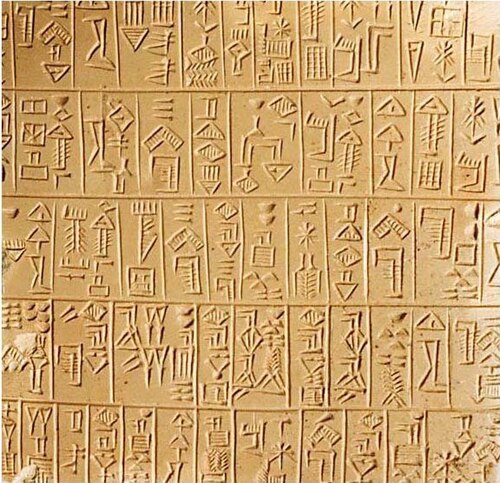
Sumerian literature constitutes the earliest known corpus of recorded literature, including the religious writings and other traditional stories maintained by the Sumerian civilization and largely preserved by the later Akkadian and Babylonian empires. These records were written in the Sumerian language in the 3rd and 2nd millennia BC during the Middle Bronze Age.[1]
The Sumerians invented one of the first writing systems, developing Sumerian cuneiform writing out of earlier proto-writing systems by about the 30th century BC. The Sumerian language remained in official and literary use in the Akkadian and Babylonian empires, even after the spoken language disappeared from the population; literacy was widespread, and the Sumerian texts that students copied heavily influenced later Babylonian literature.[2] The basic genres of Sumerian literature were literary catalogues, narrative/mythological compositions, historical compositions, letters and legal documents, disputation poems, proverbs, and other texts which do not belong to these prior categories.
Poetry
Most Sumerian literature is written in left-justified lines,[1] and could contain line-based organization such as the couplet or the stanza,[3] but the Sumerian definition of poetry is unknown. It is not rhymed, although “comparable effects were sometimes exploited.”[1] Though rhymeless, the intricate patterns of similar and alternating sounds of vowels and consonants and the similar and alternating verb and noun endings give the language a musical resonance.[4][5] It did not use syllabo-tonic versification,[6] and the writing system precludes detection of rhythm, metre, rhyme, or alliteration.[1] Quantitative analysis of other possible poetic features seems to be lacking, or has been intentionally hidden by the scribes who recorded the writing.
Literary genres and topics
غالبًا ما يكون تصنيف الأدب السومري أول ما يُحكم به على الأدب القديم؛ إذ لم تكن أنواع الأدب محددة بوضوح، وقد تضمن الأدب السومري بأكمله جوانب شعرية. تُظهر القصائد السومرية العناصر الأساسية للشعر، بما في ذلك الأبيات والصور والاستعارة . وقد استُخدمت شخصيات من البشر والآلهة والحيوانات الناطقة والأشياء الجامدة. كما احتوت القصص السومرية على عنصري التشويق والفكاهة. وقد رُويت هذه القصص شفهيًا في المقام الأول، مع أنها سُجلت أيضًا بواسطة الكُتّاب . وارتبطت بعض الأعمال بآلات موسيقية أو سياقات محددة، وربما عُزفت في أماكن معينة. لم يستخدم الأدب السومري عناوين ، بل كان يُشار إليه بالسطر الأول من العمل. [ 7 ]
استنادًا إلى عمل ميغيل سيفيل في التصنيف ، قسم علماء الآشوريات المعاصرون مجموعة الأدب السومري الموجودة إلى فئات واسعة [ 8 ] بما في ذلك "الفهارس الأدبية"، و"الروايات والتأليفات الأسطورية"، و"التأليفات التاريخية وشعر المديح"، و"الرسائل وصلوات الرسائل والقوانين"، و"الترانيم والأغاني"، و"التأليفات غير المتجانسة" (بما في ذلك أدب الحكمة )، و"الأمثال".
الفهارس الأدبية
- ركز تعليم الكتابة السومري على منهج يسمى العشرية . وتُعد مخطوطات هذه النصوص العشرة من أفضل ما حُفظ من الأدب السومري.
المؤلفات السردية والأسطورية
- تتضمن القصص التي تضم أبطالاً ما يلي:
- قصص من ملحمة جلجامش ، مثل جلجامش وهوواوا ، وجلجامش وثور السماء ، وجلجامش وآغا ، وجلجامش وإنكيدو والعالم السفلي ، وموت جلجامش .
- إنمركار ولوغال باندا : إنمركار وسيد أراتا ، وإنمركار وإن-سوهغير-آنا، بالإضافة إلى قصتين عن لوغال باندا خلال حملة إنمركار ضد أراتا : لوغال باندا في كهف الجبل ، ولوغال باندا وطائر أنزود.
- نزول إنانا إلى العالم السفلي ،
- أسطورة أدابا
- الروايات التي تضم آلهة مثل إنكي ، وإنليل (بما في ذلك إنليل ونينليل )، وإنانا ، وإنانا ودوموزيد ، ونينورتا (بما في ذلك لوغال-إي وأنجيم ) .
- أساطير أخرى مثل نشأة إريدو
المؤلفات التاريخية
- قصائد مدح للملوك
- سلالة أور - أور-نمو الثالثة ، شولجي (بما في ذلك مديح شولجي الذاتي (شولجي د) ، عمار-سين ، شو-سين ، إبي-سين
- سلالة إيسن - إشبي إيرا ، شو إليشو ، إدين داغان ، إشمي داغان ، ليبيت عشتار ، أور نينورتا ، بور سوين ، إنليل باني
- سلالة لارسا - غونغونوم ، سين إدينام ، سين إكيشام ، واراد سين ، ريم سين
- الأسرة الأولى في بابل - حمورابي ، سامسو إيلونا ، أبي إيشو
- مراثي المدن مثل مرثية أور ومرثية سومر وأور
- قوائم الملوك وغيرها من المؤلفات التاريخية مثل بناء معبد نينجيرسو
الرسائل والقوانين
- وتشمل الرسائل مراسلات ملوك أور وكذلك إيسين ولارسا وسلالات أخرى.
- يُنسب قانون أور-نامو إلى أور - نامو ، مؤسس السلالة الثالثة في أور
- قانون ليبت-عشتار
- قانون حمورابي
الترانيم
- أناشيد لآلهة في مجمع الآلهة السومري ، مثل ترنيمة إنليل ، بالإضافة إلى أناشيد مخصصة لمدن أو معابد محددة، بما في ذلك أناشيد زامي ، وأناشيد المعبد، وترنيمة معبد كيش.
قصائد الجدل
الأمثال
تركيبات غير متجانسة
- مواد تعليمية مثل تعليمات شوروباك
- حوار بين رجل وربه
انظر أيضاً
مراجع
- 1 2 3 4 بلاك وآخرون 2006 ، مقدمة.
- ↑ بلاك وآخرون 2006 ، ص. xlix.
- ↑ ميخالوفسكي، ص 144
- ↑ وولكشتاين 1983 ، ص 137.
- ↑ فولكشتاين 1983 "بيوتر ميخالوفسكي، "السحر الطارد: نحو فهم الشعر السومري". مخطوطة غير منشورة."
- ↑ ميخالوفسكي، ص 146
- ↑ بلاك، جيريمي؛ كانينغهام، غراهام؛ روبسون، إليانور؛ زوليومي، غابور (25-11-2004). "مقدمة". أدب سومر القديمة . مطبعة جامعة أكسفورد. ISBN 978-0-19-155572-5.
- ↑ كونينغهام، غراهام. "ETCSLcatalogue" . مجموعة النصوص الإلكترونية للأدب السومري . تم الاطلاع عليه بتاريخ 11 ديسمبر 2021 .
مصادر
- بلاك، جيريمي؛ كانينغهام، غراهام؛ روبسون، إليانور؛ زوليومي، غابور (2006). أدب سومر القديمة . مطبعة جامعة أكسفورد . ISBN 9780199296330.
- وولكشتاين، ديان (3 أغسطس 1983). إنانا . نيويورك: هاربر كولينز. ISBN 978-0-06-090854-6.
للمزيد من القراءة
- صموئيل نوح كرامر (1963). السومريون: تاريخهم وثقافتهم وشخصيتهم . مطبعة جامعة شيكاغو. ISBN 978-0226452388.
{{cite book}}عدم توافق رقم ISBN / التاريخ ( مساعدة ) - بيوتر ميخالوفسكي (1996). "الشعرية القديمة". في: إم إي فوغلتسانغ؛ إتش إل جيه فانستيبوت (محرران). اللغة الشعرية في بلاد ما بين النهرين: السومرية والأكادية . ستيكس.
- جيريمي بلاك (1998). قراءة الشعر السومري . مطبعة جامعة كورنيل. رقم ISBN 978-0801435980.
- شين شيفرا (2008). الكلمات كسحر وسحر الكلمات . تل أبيب، تل أبيب، مطبعة وزارة الدفاع الإسرائيلية (باللغة العبرية ). هذه نصوص مكتوبة لمحاضرات شيفرا حول أدب الشرق الأدنى القديم، والتي بُثت لأول مرة كدورة "الجامعة على الهواء" على إذاعة الجيش الإسرائيلي .
روابط خارجية
- الأدب السومري