
Sergo Ordzhonikidze
Sergo Konstantinovich Ordzhonikidze[a][b] (born Grigol Konstantines dze Orjonikidze;[c]24 October [O.S. 12 October] 1886 –18 February 1937) was an Old Bolshevik and a Soviet statesman.
Born and raised in Georgia, in the Russian Empire, Ordzhonikidze joined the Bolsheviks at an early age and quickly rose within the ranks to become an important figure within the group. Arrested and imprisoned several times by the Russian police, he was in Siberian exile when the February Revolution began in 1917. Returning from exile, Ordzhonikidze took part in the October Revolution that brought the Bolsheviks to power. During the subsequent Civil War he played an active role as the leading Bolshevik in the Caucasus, overseeing the invasions of Azerbaijan, Armenia, and Georgia. He backed their union into the Transcaucasian Socialist Federative Soviet Republic (TSFSR), which helped form the Soviet Union, in 1922 and served as the First Secretary of the TSFSR until 1926.
Promoted to lead the Workers' and Peasants' Inspectorate (Rabkrin), Ordzhonikidze moved to Moscow and joined the inner circle of top Bolsheviks. Tasked with overseeing Soviet economic production, Ordzhonikidze led a massive overhaul of Rabkrin and its associated bodies, noting inefficiencies within the Supreme Soviet of the National Economy (Vesenkha). In 1930 he was transferred to lead Vesenkha, which was re-formed as the People's Commissariat of Heavy Industry (NKTP) in 1932. While there, Ordzhonikidze oversaw the implementation of the five-year plans for economic development and helped create the Stakhanovite movement of model Soviet workers. At the same time, he was named to the Politburo, the leading political body in the Soviet Union.
كان أوردجونيكيدزه مترددًا في المشاركة في الحملات ضد ما يُسمى بالمخربين والمخربين التي بدأت في أوائل الثلاثينيات، مما أدى إلى توتر العلاقة بينه وبين صديقه القديم جوزيف ستالين ، الذي ساعده خلال صعوده إلى السلطة . وإدراكًا منه لحاجة البلاد إلى ذوي الخبرة في مجالاتهم، رفض أوردجونيكيدزه تطهير العمال القدامى أو النأي بنفسه عن الأفراد الذين اعتُبروا معادين للبلشفية. ووفقًا لبعض النظريات، تدهورت علاقته بستالين، وفي عشية اجتماع عام 1937 كان من المتوقع أن يُدين فيه العمال، أطلق أوردجونيكيدزه النار على نفسه وتوفي في منزله، على الرغم من أن هذه الرواية محل جدل.
وقت مبكر من الحياة
شباب
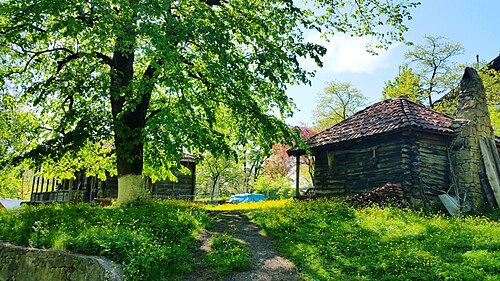
وُلد غريغول أوردجونيكيدزه [ ت ] عام 1886 في غوريشا ، وهي قرية تقع في محافظة كوتايس التابعة للإمبراطورية الروسية ( وتقع الآن في منطقة إيميريتي بجورجيا ). [ 2 ] سُمّي على اسم جده لأمه، وكان الابن الثاني لكونستانتين أوردجونيكيدزه وإيوبراكسيا تافاراشفيلي؛ وكان له أخ أكبر يُدعى بابوليا. كان والد أوردجونيكيدزه، كونستانتين، ينتمي إلى عائلة نبيلة جورجية فقيرة ، بينما كانت إيوبراكسيا فلاحة. [ 3 ]
بعد ستة أسابيع من ولادة غريغول، توفيت والدته. عمل قسطنطين في مزرعة العائلة يزرع الحبوب، لكن هذا لم يكن كافياً للعيش. بدأ قسطنطين العمل في شياتورا ، وهي بلدة تعدين، وكان ينقل المنغنيز إلى زيستابوني ، حيث كان يُكرر. [ 2 ]
لعدم قدرته على رعاية ابنه، أرسل قسطنطين غريغول للعيش مع عمه وعمته، ديفيد وإيكا أوردجونيكيدزه، اللذين كانا يقيمان أيضًا في غوريشا. تزوج قسطنطين لاحقًا من ديسبين غامتسيمليدزه وأنجبا ثلاثة أطفال آخرين. [ هـ ] نشأ غريغول في منزل ديفيد وإيكا، ولكن نظرًا لقربهما من والده، كان غريغول يزوره باستمرار. [ 4 ] توفي قسطنطين الأب عندما كان أوردجونيكيدزه في العاشرة من عمره، تاركًا إياه مع ديفيد وإيكا. أكمل غريغول دراسته، وتلقى تدريبًا طبيًا ليصبح مساعدًا طبيًا ، وعمل لفترة وجيزة كمساعد طبي. [ 5 ]
البلاشفة
Ordzhonikidze joined the Russian Social Democratic Labour Party (RSDLP) in 1903 when he was 17 and worked for them in an underground printshop distributing leaflets for the Bolshevik faction of the party. By 1905 a revolution began in Russia, and he was given more dangerous assignments. He was arrested for the first time in December 1905 for transporting arms and spent several months in prison. Granted bail, he fled briefly to Germany to avoid trial, though he soon returned to work in Baku, where he had previously been working.[6] There he helped organize the 1907 May Day parade and was arrested again.[7] He may also have been involved in the assassination of the prominent Georgian writer Ilia Chavchavadze on 12 September 1907.[8]
Imprisoned for a third time in October 1907, Ordzhonikidze shared a cell with a fellow Georgian revolutionary, Iosif Dzhugashvili, who would later adopt the name Joseph Stalin. The two became close friends and spent their time playing backgammon and discussing politics.[9][10] After his fourth arrest, in November 1907, Ordzhonikidze was exiled to Siberia, though he fled after several months and came back to work in Baku. The Bolsheviks reassigned him to Persia to help with the revolutionary movement that was launched there in 1910.[6] The Bolsheviks were unable to gain sufficient support in Persia and Ordzhonikidze returned to Baku.[11]
في عام ١٩١١، سافر أوردجونيكيدزه إلى باريس حيث التقى فلاديمير لينين ، زعيم البلاشفة. التحق بمدرسة لونجيمو الحزبية ، التي أُنشئت لتدريب البلاشفة، إلا أنه غادرها بعد فترة وجيزة بسبب الصراعات الداخلية في الحزب. [ ٦ ] أُعيد إلى روسيا للمساعدة في التحضير للمؤتمر السادس للحزب الاشتراكي الديمقراطي العمالي الروسي ، الذي عُقد في براغ، النمسا-المجر، في يناير ١٩١٢. [ ١٢ ] في هذا الاجتماع، أكد البلاشفة، وهم الفصيل الأكبر داخل الحزب الاشتراكي الديمقراطي العمالي الروسي، استقلالهم كحزب مستقل؛ فبينما كانوا قد انفصلوا عن الحزب الاشتراكي الديمقراطي العمالي الروسي عام ١٩٠٣ وتوقفوا عن العمل معه، إلا أنهم ظلوا رسميًا جزءًا منه حتى مؤتمر براغ. [ 13 ] انتُخب أوردجونيكيدزه لعضوية اللجنة المركزية للحزب البلشفي ، وهي الهيئة القيادية للحزب، وأُعيد إلى روسيا لإبلاغ البلاشفة الآخرين بنتائج المؤتمر. كما زار ستالين، المنفي في فولوغدا ، وسافر الاثنان عائدين إلى القوقاز، ثم إلى سانت بطرسبرغ، حيث أُلقي القبض على أوردجونيكيدزه مرة أخرى في أبريل 1912. [ 14 ]

بعد أن اعترفت به السلطات كثوري، حُكم على أوردجونيكيدزه بالسجن ثلاث سنوات في سجن قلعة شليسلبورغ . [ 14 ] وفي أواخر عام 1915، حُكم عليه بالنفي الدائم إلى مدينة ياكوتسك في شرق سيبيريا ، [ 15 ] حيث التقى بزوجته المستقبلية زينيدا في سبتمبر 1916. [ 16 ] وتزوجا عام 1917، وتبنيا ابنةً أسمياها إيتيري (مواليد 1923). [ 17 ] [ 18 ]
في منفاه، أمضى أوردجونيكيدزه معظم وقته في القراءة؛ وكانت كتبه المفضلة هي الأدب الجورجي الكلاسيكي، بالإضافة إلى مؤلفين مثل جاك لندن ، واللورد بايرون ، وفيودور دوستويفسكي . كما كان مهتمًا بالإحصاءات المتعلقة بالاقتصاد الروسي، وخاصة التفاصيل المتعلقة بإنتاج الغذاء والزراعة، بالإضافة إلى أعمال كارل ماركس وفريدريك إنجلز . [ 19 ]
كان أوردجونيكيدزه لا يزال في ياكوتسك عندما وصلته أنباء ثورة فبراير 1917. عمل لفترة وجيزة مع مجلس ياكوتسك قبل أن يغادر سريعًا إلى بتروغراد (الاسم الذي أُطلق على سانت بطرسبرغ منذ عام 1914)، ووصل إليها بنهاية مايو. [ 10 ] وبمجرد وصوله إلى المدينة، اضطلع أوردجونيكيدزه بدور فاعل في الثورة. أصبح عضوًا في لجنة بتروغراد البلشفية، وكان يُلقي خطابات في التجمعات الجماهيرية ويزور المصانع الكبيرة للقيام بأعمال حزبية. وبذلك، توطدت علاقة أوردجونيكيدزه بكل من لينين وستالين. عاد لفترة وجيزة إلى جورجيا في زيارة، لكنه عاد إلى بتروغراد بحلول أكتوبر، وكان حاضرًا أثناء ثورة أكتوبر عندما استولى البلاشفة على السلطة. [ 20 ]
الحرب الأهلية الروسية
شمال القوقاز
مع اندلاع الحرب الأهلية الروسية عام 1917، عُيّن أوردجونيكيدزه مفوضًا للبلاشفة في أوكرانيا وجنوب روسيا وشمال القوقاز. وخلال فترة توليه هذا المنصب، شارك في معركة تساريتسين والجبهة الغربية في أوكرانيا، إلا أن نشاطه الأكبر كان في القوقاز. وفي يوليو/تموز 1918، أُرسل أوردجونيكيدزه إلى فلاديكافكاز في شمال القوقاز ، لكنه اضطر مع غيره من البلاشفة إلى الفرار إلى الجبال في أغسطس/آب بعد احتلال القوزاق للمدينة . [ 21 ]
أثناء اختبائه ، قاد أوردجونيكيدزه محاولات لإقناع جنود القوزاق بالتخلي عن ضباطهم والانضمام إلى البلاشفة، لكنه لم ينجح. [ 22 ] كما نظم أوردجونيكيدزه اجتماعات مع السكان المحليين من الشيشان والإنغوش وحثهم على الانضمام، بحجة أن النظام السوفيتي مشابه للنظام الإسلامي الذي يفضله الشيشان. [ 23 ] وقد أثبتت هذه الجهود نجاحها، وبمساعدة الإنغوش، استعاد البلاشفة فلاديكافكاز في منتصف أغسطس. [ 21 ]
بحلول أواخر عام 1918، كان أوردجونيكيدزه يسيطر فعلياً على جميع الهيئات البلشفية في شمال القوقاز والمنطقة المحيطة بها: "شبه جزيرة القرم ، والدون ، وكوبان ، وتيريك ، ومقاطعات داغستان ، وستافروبول ، ومقاطعات البحر الأسود ، وأسطول البحر الأسود "، كما أشار المؤرخ ستيفن بلانك، كانت جميعها تابعة له. [ 24 ] اكتسب أوردجونيكيدزه سمعة سيئة كقائد وحشي، وأمر باعتقال أو إعدام العديد من المعارضين المرتبطين بالمناشفة ، أو الثوريين الاشتراكيين ، أو أي جماعة أخرى كانت تحارب البلاشفة. [ 21 ]
للمساعدة في تنسيق السيطرة على المنطقة، أذنت اللجنة المركزية في بتروغراد بتشكيل مكتب القوقاز (كافبيورو) في 8 أبريل 1920. وكُلِّف المكتب بإقامة الحكم البلشفي على القوقاز (شماله، الذي كان تحت سيطرة البلاشفة، وجنوبه ) ، ومساعدة الحركات الثورية الأخرى في المنطقة. عُيِّن أوردجونيكيدزه رئيسًا للكافبيورو، وسيرغي كيروف نائبًا له. [ 25 ] كما مُنح أوردجونيكيدزه منصبًا في المجلس العسكري الثوري للجبهة القوقازية، وعُيِّن رئيسًا للجنة الثورية لشمال القوقاز. [ 26 ]
جنوب القوقاز

في أعقاب الثورة الروسية عام 1917، انفصل جنوب القوقاز عن روسيا، وبحلول منتصف عام 1918، ضم ثلاث دول مستقلة: أرمينيا ، وأذربيجان ، وجورجيا . [ 27 ] كان نشاط البلاشفة في المنطقة محدودًا؛ إذ لم تكن سوى مدينة باكو تحت سيطرة مجموعة صغيرة من الحلفاء المحليين آنذاك. [ 28 ] ونظرًا لوجود احتياطيات نفطية هائلة في المنطقة المحيطة بباكو، كان من الأهمية بمكان بالنسبة للبلاشفة السيطرة على المنطقة. [ 29 ] بعد أن عزز أوردجونيكيدزه سيطرته على شمال القوقاز، أصدر لينين إليه أمرًا في 17 مارس 1920 بالاستعداد لغزو أذربيجان. [ 30 ]
بذريعة انتفاضة بلشفية محلية في أذربيجان، أمر أوردجونيكيدزه الجيش الحادي عشر بغزو باكو في 27 أبريل 1920؛ ومع انشغال معظم الجيش الأذربيجاني بالقتال ضد أرمينيا في ناغورنو كاراباخ ، احتل البلاشفة باكو بحلول الساعة 11:00 مساءً من تلك الليلة. [ 31 ] [ 32 ] شجعت سهولة احتلال أذربيجان أوردجونيكيدزه، فبدأ بالتحضير لشن غزوات مماثلة على أرمينيا وجورجيا، ودعم محاولة انقلاب فاشلة في جورجيا في 2-3 مايو . [ 33 ] لم يحصل على موافقة لينين وستالين على تجهيز الجيش الحادي عشر لغزو أرمينيا إلا في 27 نوفمبر ، وهو ما فعله في اليوم التالي. [ 34 ] لم تتمكن أرمينيا، التي كانت منهكة بالفعل من صراعات إقليمية سابقة، من إبداء أي مقاومة، واستسلمت في 2 ديسمبر. [ 35 ]
دار نقاش جاد بين القيادة البلشفية حول أفضل السبل للتعامل مع جورجيا، الدولة المتبقية خارج سيطرتهم. وبينما كان أوردجونيكيدزه يرغب في تكرار أفعاله السابقة وغزوها، عارضه باقي أعضاء اللجنة المركزية، ولا سيما لينين الذي فضّل نهجًا أكثر سلمية. [ 36 ]
بحلول أوائل فبراير 1921، تراجع لينين إلى حد ما ووافق على قيادة أوردجونيكيدزه للجيش الحادي عشر إلى جورجيا لدعم انتفاضة بلشفية محلية. [ 37 ] وحرصًا منه على كسب تأييد الشعب الجورجي، أرسل لينين إلى أوردجونيكيدزه برقية يحدد فيها سياسةً سيتم تنفيذها، تتضمن السعي إلى حل وسط مع القيادة المنشفية. [ 38 ]
بدأ غزو جورجيا في 15 فبراير. [ 39 ] أبدى الجورجيون مقاومة شرسة، لكنهم لم يتمكنوا من إيقاف البلاشفة، وفي 25 فبراير، احتلت القوات البلشفية العاصمة تبليسي (تيفليس حاليًا). أرسل أوردجونيكيدزه برقية إلى لينين وستالين يُبلغهما فيها بالخبر، قائلًا: "العلم البروليتاري يرفرف فوق تبليسي!" [ 40 ] تقديرًا لجهوده في القوقاز، مُنح أوردجونيكيدزه وسام الراية الحمراء ، ووسام الراية الحمراء لجمهورية أذربيجان الاشتراكية السوفيتية عام 1921. [ 41 ]
قضية جورجية
بعد احتلال جنوب القوقاز، اضطلع أوردجونيكيدزه بدورٍ فاعل في ترسيخ سلطة البلاشفة في المنطقة، ولا سيما جورجيا التي تطلّبت جهودًا مضنية نظرًا للمعارضة الشديدة للبلاشفة هناك. [ 42 ] [ 43 ] وبصفته رئيسًا لـ"كافبيورو"، كان أوردجونيكيدزه الزعيم الاسمي للبلاشفة في جورجيا، لكنه كان مُضطرًا للعمل مع القيادة المحلية المُقسّمة بين فيليب ماخارادزه وبودو مديفاني . [ 44 ] وبفضل سنوات خدمته كمنظم ومنظّر، حظي ماخارادزه باحترام كبير بين البلاشفة الجورجيين، بينما كان مديفاني من أشدّ المُدافعين عن الشعور القومي الجورجي، الذي لم يكن يحظى بشعبية لدى البلاشفة المحليين. [ 45 ] أدّى هذا إلى صدام بين أوردجونيكيدزه والبلاشفة الجورجيين، لا سيما وأن أوردجونيكيدزه كان يتجاهل نصائح الجورجيين المُطّلعين على الوضع داخل البلاد. [ 46 ]
كان أوردجونيكيدزه وستالين، وكلاهما من مواليد جورجيا، قلقين بشأن النزعة القومية التي أبداها المناشفة الجورجيون المتبقون (الذين غادر معظمهم عام 1921)، والذين سُمح لهم في البداية بالعمل مع البلاشفة. واعتبروا القومية الجورجية تهديدًا خطيرًا لا يقل خطورة عن الشوفينية الروسية الكبرى ، إذ هيمنت كلتاهما على الأقليات العرقية داخل منطقتيهما (جورجيا على الأبخاز والأوسيتيين ، وروسيا على العديد من الجماعات العرقية ). [ 47 ] [ 48 ] وكانوا يرغبون في ضم جورجيا إلى الاتحاد مع جمهورية روسيا السوفيتية في أسرع وقت ممكن للقضاء على أي نزعات قومية، لكن لينين كان قلقًا أيضًا من التسرع في اتخاذ القرار: فقد بدأت جورجيا المستقلة تحظى بدعم بين الدول الأوروبية، ومع ضعف الموقف الدولي للبلاشفة، كان احتمال اندلاع انتفاضة أو حرب أهلية يشكل تهديدًا خطيرًا. [ 49 ]
Not wanting to allow this dispute to become public, the Central Committee largely stood behind Ordzhonikidze and allowed him to implement policies as he saw fit.[50] This involved uniting the three states of the South Caucasus into one federation, which he argued was the best option both militarily and economically, especially as it would make union with Russia simpler.[47] In April 1921 the railways, post and telegraph, and foreign trade of Armenia, Azerbaijan, and Georgia were merged; further economic ties, notably the removal of customs barriers, were made throughout May and June, which caused resentment among the Georgian Bolsheviks.[51][52]
Tensions remained high until November, when the Kavbiuro announced that the three states would be united into the Transcaucasian Socialist Federative Soviet Republic (TSFSR).[51] This caused an uproar among the Georgians, who protested that such a move was premature; their arguments delayed the formation of the federation until March 1922.[53] This dispute, which later became known as the Georgian affair, delayed the creation of the Soviet Union, which was not proclaimed until December 1922.[54] Ordzhonikidze retained his leadership role in the Caucasus, assuming the title of First Secretary, and remained there until 1926.[55][56]
Rabkrin economic agency and Party Control Commission

In 1926 Ordzhonikidze was named the head of the Central Control Commission of the Communist Party, the body responsible for party discipline, and of the Workers' and Peasants' Inspectorate (known by its Russian acronym Rabkrin), an agency created to oversee implementation of Soviet economic policy at every level. Though initially reluctant to take up the positions, as it meant a move to Moscow, Ordzhonikidze was forced to do so by Stalin, who told him to either accept the post or become First Secretary of the North Caucasus, which would have been a downgrade in status and prestige.[57] Historian Oleg Khlevniuk speculated that Ordzhonikidze was not interested in taking over Rabkrin as it meant leaving the quiet of a low-key post in the Caucasus and getting intimately involved in the drama and politics at the highest levels.[58]
بصفته رئيسًا لـ"رابكرين"، حلّ أوردجونيكيدزه محل فاليريان كويبيشيف ، الذي تولى رئاسة مجلس السوفيات الأعلى للاقتصاد الوطني (المعروف باسم "فيسينكا"، نسبةً إلى اختصاره الروسي VSNKh). بالتزامن مع هذا التعيين، رُشِّح أوردجونيكيدزه لعضوية المكتب السياسي ، اللجنة التنفيذية للحزب الشيوعي، على الرغم من أن منصبه كرئيس للجنة الرقابة المركزية كان من المفترض أن يحول دون ذلك، إذ كان من المفترض الفصل بين المنصبين. [ 56 ] شغل منصب عضو مرشح في المكتب السياسي من 23 يوليو إلى 3 نوفمبر 1926، حين أُقيل. [ 59 ]
كان الهدف من رابكرين ضمان حسن سير الاقتصاد السوفيتي ، إذ أشرفت على التخطيط والتنفيذ، والاعتبارات المتعلقة بالميزانية، والسياسات الإدارية. [ 60 ] في عهد كويبيشيف، أصبحت رابكرين غير فعالة إلى حد كبير، وانصب تركيزها في المقام الأول على النظرية الإدارية بدلاً من العمل الحازم، ويعود ذلك جزئياً إلى تحسن الوضع الاقتصادي للاتحاد السوفيتي بحلول عام 1926. في البداية، لم يكن أوردجونيكيدزه ملمًا بهذا المجال، لكنه سرعان ما اكتسب المعرفة اللازمة حول أفضل السبل لاستخدام رابكرين، وأعاد توجيه تركيزها نحو الصناعة، وتحديدًا الإشراف على أعمال فيسينكا. [ 61 ] [ 62 ] في خطاب ألقاه أمام مسؤولي رابكرين بعد توليه المنصب بفترة وجيزة، ذكر أوردجونيكيدزه أن لديهم مهمتين رئيسيتين: مكافحة بيروقراطية الدولة والجهاز الاقتصادي، و"مراجعة منظومة الدولة بأكملها". [ 63 ]
بين عامي 1927 و1930، أطلق رابكرين مئات التحقيقات في آليات الاقتصاد السوفيتي. [ 63 ] وقد أشارت المؤرخة شيلا فيتزباتريك إلى أنه خلال هذه الفترة، نظر في "صناعة النفط، والصناعات الكيميائية (مرتين)، والمعادن النفيسة، والإنشاءات الرأسمالية في الصناعة، وإصلاح وإعادة تجهيز الصناعة، والتخطيط الصناعي، وتوريد المعدات المستوردة، والاستعانة بخبراء أجانب، ومكتب تصميم الصناعات المعدنية، ومحركات الديزل، والفحم، والصلب، والمنسوجات، ومعظم التكتلات الصناعية الكبرى في فيسينخا، بالإضافة إلى صياغة إصلاح جذري لهيكل الإدارة الصناعية". [ 62 ] وكانت التقارير تُرفع إلى أعلى السلطات، والتي شملت في كثير من الأحيان المكتب السياسي واللجنة المركزية. وفي المقابل، كان مديرو المصانع يتوجهون إلى أوردجونيكيدزه، حيث كانوا يقدمون شكاواهم وعرائضهم على أمل الحصول على مساعدة من رابكرين. [ 64 ]
Ordzhonikidze revitalized Rabkrin; it became a powerful tool within the Soviet Union, and by the end of the 1920s was the centre of state industrial policymaking, usurping that role from Vesenka.[65] This role became more prominent during the first five-year plan, an economic development plan that began in 1929. While Vesenka was tasked with implementing the high targets of the plan, Rabkrin oversaw everything and ensured that industrial production was increased while keeping costs down.[64]
This caused friction between the two bodies, Vesenka complaining that they could not work with such interference, made worse by Rabkrin investigations of alleged wreckers and counter-revolutionaries.[f][66] These disputes reached a peak at the 16th Party Congress in June 1930, where Ordzhonikidze gave a speech outlining Kuybyshev and Vesenka's failures in industry.[67]
Vesenka (Supreme Soviet of the National Economy)
Likely in response to his critique of Kuybyshev, Ordzhonikidze was made the new head of Vesenka on 13 November 1930, and Kuybyshev was moved to the State Planning Committee (Gosplan).[68] Shortly after his new appointment, on 21 December 1930, Ordzhonikidze was also named as a full member of the Politburo, as he had also been removed from his post at the Central Control Commission.[69][70]
On his arrival at Vesenka Ordzhonikidze was mandated to improve the quality of workers.[71] Khlevniuk has also argued that by putting a close ally in charge of Vesenka, Stalin was aiming to strengthen his own position in a field previously neglected.[72] Replacing Ordzhonikidze at Rabkrin was Andrey Andreyev; with Stalin firmly in control of the Soviet Union, Rabkrin had lost its importance, and it was eventually made subordinate to the Central Committee.[73]
Much like when he started at Rabkrin, Ordzhonikidze was not an expert on the work of Vesenka, but immediately began to familiarize himself with it. Though he was not educated, Ordzhonikidze compensated by being energetic and assertive in his tasks and worked to deliver results.[74] Devoted to his workers, he brought many of the senior staff from Rabkrin with him: by 1931 nine of eighteen sector heads in Vesenka were either from Rabkrin or the Control Commission.[75]
Tasked with finding wreckers within Vesenka, Ordzhonikidze initially followed Stalin's view and took a harsh stance on the matter, eagerly trying to clean up the organization.[76] Within a few months, his position had softened, and he came to defend the branch; Fitzpatrick suggested this change was due to the realization that there was a shortage of trained workers and low morale stemming from the purges.[77]
It was around this time that Ordzhonikidze's relationship with Stalin began to change; while quite close previously, Ordzhonikidze's favourable opinion of his workers was not in line with what Stalin wanted to see.[78] Despite calls by Stalin to remove senior workers, Ordzhonikidze relied on them as they had the technical experience required. He would downplay their previous political affiliations and back them up.[79] While new engineers were being trained within the Soviet Union at this time, Ordzhonikidze felt they were not yet ready to take on senior positions yet, thus the need to keep the older workers.[80]
Heavy Industry
In 1932 Vesenka was re-organized as the People's Commissariat of Heavy Industry (known by the Russian acronym NKTP); Ordzhonikidze remained as the head of the new commissariat.[81] As head of the NKTP, Ordzhonikidze played an important role in directing the Soviet economy and oversaw the main aspects of defence production; thus, the needs of the NKTP were considered before nearly every other commissariat.[74]
This was made more apparent with the launch of the second five-year plan in 1933, which Ordzhonikidze took a leading role in drafting.[82] He argued against Stalin regarding growth targets: Stalin wanted to set unrealistic targets, while Ordzhonikidze eventually got Stalin to agree on a yearly industrial growth of 13–14%, which, while high, was attainable.[83][84] In this Ordzhonikidze was heavily dependent on the technical skills and knowledge of his deputy, Georgy Pyatakov, who led the program.[85]
While visiting Lavrentiy Beria, the First Secretary of the TSFSR, in Tbilisi on 7 November 1934, Ordzhonikidze began to have severe stomach pains and internal bleeding. Four days later, on 11 November, he had a major heart attack, aggravated by food poisoning.[86] On doctor's orders, Ordzhonikidze remained in Georgia until 26 November and then was limited in what he could do.
As a result of this, Ordzhonikidze was unable to travel to Leningrad for the funeral of Sergei Kirov, who had been assassinated on 1 December. This had a profound effect on Ordzhonikidze, who had been a close friend of Kirov.[87] In recognition of this relationship Ordzhonikidze was chosen to place Kirov's urn into the Kremlin Wall, in which other leading Bolsheviks were interred.[88]
Stakhanovite movement
Ordzhonikidze's concerns about the low productivity within the NKTP and the Soviet economy as a whole led to the launch of the Stakhanovite movement in 1935.[89] Concerned about productivity in two key sectors, metallurgy and coal mining, which had both seen consistent shortages, despite efforts to increase output, Ordzhonikidze took an active role in improving performance.
While metallurgical production was starting to improve, coal mining was not. Ordzhonikidze looked for ways to solve the issue, paying particular attention to the Donbas, a region of Ukraine that was the main centre of Soviet coal production.[90]
Based on Ordzhonikidze's goal of improving coal output, in late August 1935 the Central Irmino mine, which had been producing below its quota, decided to have one miner overachieve his quota as a means to encourage all workers. To ensure things went smoothly, the selected miner would secretly be given assistance, though for appearances he would seem to work alone.[91]Alexei Stakhanov was chosen for the task, and on the night of 30–31 August he mined a reported 102 tons of coal, 14 times his quota (though with the assistance of two helpers it worked out to just over five times his regular output).[92]
نُشر خبر إنجاز ستاخانوف، وهو رقم قياسي للاتحاد في ليلة واحدة من التعدين، كخبر قصير في عدد 2 سبتمبر من صحيفة برافدا ، الجريدة الرسمية للحزب. [ 93 ] وهناك علم أوردجونيكيدزه بالأمر لأول مرة، وقرر أن يجعل من ستاخانوف رمزًا لبرنامج جديد. [ 94 ] وفي 6 سبتمبر، تصدر خبر إنجاز ستاخانوف الصفحة الأولى من صحيفة برافدا ، إلى جانب أخبار زملائه من عمال المناجم الذين حققوا أرقامًا قياسية جديدة في تلك الفترة. [ 93 ] وأشاد أوردجونيكيدزه بعمل ستاخانوف، وشجع العمال الآخرين، وليس عمال المناجم فقط، على الاقتداء به وتجاوز حصصهم المتوقعة. [ 95 ]
رغم أن حركة ستاخانوف أدت إلى زيادة الإنتاج والحماس على المستويين الرسمي والعمالي، إلا أن النتائج لم ترقَ إلى مستوى التوقعات. ولإثبات جدارتهم، قام العمال والمديرون بتزوير الحصص، وأدت السرعة المتزايدة إلى ارتفاع ملحوظ في حوادث العمل. في الواقع، انخفض إنتاج الفحم في دونباس عام ١٩٣٦، ما دفع صحيفة برافدا إلى الاعتراف رسميًا في مقال نُشر في ٧ يونيو ١٩٣٦ بأن حركة ستاخانوف لم تُحقق النجاح المرجو. [ ٩٦ ] وعلى الرغم من هذه النكسة، مُنح أوردجونيكيدزه وسام لينين ووسام الراية الحمراء للعمل تقديرًا لجهوده في حزب العمال الوطني . [ ٩٧ ]
عمليات التطهير والسقوط
منذ بداية فترة أوردجونيكيدزه كرئيسٍ لـ"فيسينكا" ثم "الحزب الوطني الاشتراكي الديمقراطي"، بُذلت جهودٌ لإبعاد ما يُسمى بالمخربين والمخربين من مناصب النفوذ. [ 98 ] لطالما سعى أوردجونيكيدزه لحماية من يعملون تحت إمرته، وهي سمةٌ حافظ عليها طوال فترة وجوده في "رابكرين" و"فيسينكا" و"الحزب الوطني الاشتراكي الديمقراطي". [ 78 ] خضعت هذه السياسة للاختبار طوال ثلاثينيات القرن العشرين، حيث طُرد المقربون من أوردجونيكيدزه من مناصبهم، وأُجبروا على الاستقالة لأنهم اعتُبروا مُتحدّين لسلطة ستالين.
أدى ذلك إلى توتر العلاقة بين أوردجونيكيدزه وستالين. [ 99 ] عارض أوردجونيكيدزه تدخل الشرطة في شؤون المصانع، ونجح في ذلك لدرجة أن المكتب السياسي وافق على منع المدعين العامين من التحقيق في المصانع أو حتى دخولها، وهي سياسة ندم ستالين لاحقًا على الموافقة عليها. [ 100 ] [ 101 ]
لومينادزه وبياتاكوف
في بداية فترة تولي أوردجونيكيدزه منصبه في الحزب الوطني للديمقراطية الشعبية، شهد عملية تطهير فيساريون لومينادزه . وكان لومينادزه، وهو جورجي مثله وحليف لأوردجونيكيدزه، قد طُرد من الحزب سابقًا لدوره في قضية سيرتسوف-لومينادزه ، حيث اتُهم مع سيرغي سيرتسوف بـ"الانقسام" في عام 1930، عندما عارض الاثنان تجميع الزراعة . [ 102 ]
بعد عودته إلى جورجيا، أعاد أوردجونيكيدزه لومينادزه إلى منصب قيادي، وساعده في أن يصبح سكرتير الحزب في ماغنيتوغورسك . [ 103 ] أدركت لومينادزه، إثر موجة اعتقالات طالت عمال الهدم في يناير 1935، أنها ستصبح هدفًا قريبًا؛ ولتجنب ذلك، أطلق النار على نفسه في 18 يناير، وتوفي في اليوم التالي. [ 104 ]
على الرغم من أن ستالين لم يثر الحادثة في البداية، إلا أنه في ديسمبر 1936 هاجم أوردجونيكيدزه لمراسلته السرية مع لومينادزه قبل انتحاره، ثم إخفائه ذلك عن المكتب السياسي. كما استشاط ستالين غضبًا لأن أوردجونيكيدزه كان يرسل معاشًا تقاعديًا لزوجة لومينادزه وابنه (الذي سُمّي سيرغو تكريمًا له). [ 105 ]
وجد جورجي بياتاكوف، نائب أوردجونيكيدزه في اللجنة الوطنية للصناعات الثقيلة، نفسه في مأزق. ففي عام 1921، كان أوردجونيكيدزه وبياتاكوف خصمين سياسيين، لكنهما سرعان ما حلا خلافاتهما وأقاما علاقة عمل متينة. رافق بياتاكوف أوردجونيكيدزه إلى فيسينكا عام 1930، وظل نائبه الأول عندما تحولت إلى اللجنة الوطنية للصناعات الثقيلة. [ 85 ] وكما يشير خليفنيوك، كان أوردجونيكيدزه يُقدّر بياتاكوف لذكائه وقدراته التنظيمية، وكان يُدرك تمامًا أن نجاحه كمفوض للصناعات الثقيلة يعود الفضل فيه إلى حد كبير إلى نائبه الأول. [ 106 ]
في بداية مسيرته المهنية، عمل بياتاكوف مع ليون تروتسكي ، المنافس الرئيسي لستالين على زعامة البلاشفة طوال عشرينيات القرن العشرين. وعلى الرغم من تبرئة بياتاكوف، إلا أن جهاز الأمن السوفيتي (NKVD ) كان يجمع معلومات عنه بحلول عام 1936. [ 107 ]
Pyatakov was arrested on 12 September 1936 and charged with being part of a conspiracy to overthrow the Soviet government.[108][109] Pyatakov gave forced confessions to the charges. While Ordzhonikidze never gave a statement on the matter, Khlevniuk noted that their long association together likely gave Ordzhonikidze "substantial grounds" to doubt their veracity.[110] Pyatakov was executed in January 1937.[111]
Papulia
Ordzhonikidze's older brother, Papulia (Russified as Pavel), had also been an active revolutionary and Bolshevik.[15] Ordzhonikidze was instrumental in finding Papulia a position with the Transcaucasus Railway.[112] Papulia was frequently criticized for his work, and in 1932 this criticism was made public, forcing him to take up another position.[113] In November 1936, Papulia was arrested on unspecified charges. Sergo Ordzhonikidze learned of the arrest during a party for his 50th birthday and was so upset at the news that he refused to attend the celebration.[114]
Ordzhonikidze reached out to Beria and asked for his help in freeing Papulia. Beria had been a former protege of Ordzhonikidze, and the two had worked together for years: Ordzhonikidze shielded Beria from attacks from other Bolsheviks, and in return Beria kept him updated on events throughout the Caucasus.[115][116] Beria had named his son "Sergo" in honour of Ordzhonikidze.[117] Their relationship had changed in the 1930s as Beria rose to become the First Secretary of the Transcaucasus; he grew to resent being treated as a subordinate to Ordzhonikidze and wanted to be respected as an equal.[118]
Beria offered to look into Papulia's arrest, though as he was the dominant figure in the region it is unlikely the arrest was made without his consent; whether Beria ordered the arrest or did so at the behest of Stalin is unknown. Khlevniuk suspected that Beria would not have turned on Ordzhonikidze without Stalin's instruction.[119] The stress of his brother's arrest had a serious effect on Ordzhonikidze's already frail health, leading to heart failure. He reached out to Stalin for help but was refused. Stalin's refusal to help further damaged the relationship between the two.[120]
Death

Throughout the end of 1936 and into 1937, there were further efforts to remove so-called wreckers and saboteurs. Ordzhonikidze was now unable to protect those from the NKTP, which was heavily targeted at this time.[121] He was expected to address wrecking and sabotage within the NKTP at a Central Committee plenum that was scheduled to start 20 February 1937.[122]
On 17 February Ordzhonikidze spoke to Stalin privately on the phone. Ordzhonikidze then left for the Kremlin to see Vyacheslav Molotov and attend a subsequent Politburo meeting.[123] At the meeting he again repeated his belief that charges of wrecking within his Commissariat were exaggerated and was ordered by Stalin to leave after making these remarks; despite Ordzhonokidze being forced to leave, Khlevniuk has noted that the meeting was not unusual in its discussion. After Ordzhonikidze left, he visited Lazar Kaganovich and Alexander Poskrebyshev, and was home that night by 19:00, though he left for his Commissariat office at 21:30.[124] He met a deputy there and was home again by 00:20, following a routine schedule.[125]
The details of the last few hours of Ordzhonikidze's life are unclear. What is known is that upon arriving back home he discovered the NKVD had searched his house, so he phoned Stalin to complain about this intrusion. The two talked angrily, switching between Russian and Georgian, Stalin explaining that the NKVD had the power to search anyone's residence, even his own. Ordzhonikidze was then invited to visit Stalin and did so for about 90 minutes.[126]
The following day, 18 February, Ordzhonikidze stayed at home in bed for most of the day. In the evening Zinaida heard a gunshot from Ordzhonikidze's room, and found him dead, apparently from a self-inflicted gunshot.[127][128]
Stalin and other leaders arrived quickly at Ordzhonikidze's apartment, where it was decided to announce the cause of death as heart failure.[129] An official bulletin was released the following day; it detailed Ordzhonikidze's troubled health history, and concluded by stating that "[o]n the morning of 18 February Ordzhonikidze made no complaint about his health, but at 17:30, while he was having his afternoon rest, he suddenly fell ill and a few minutes later died of paralysis of the heart".[130]
شكّل نبأ وفاة أوردجونيكيدزه مفاجأةً للجمهور. فقد كان يُنظر إليه على أنه القوة الدافعة وراء تصنيع الاتحاد السوفيتي، وكان يحظى بتقدير كبير. [ 122 ] سُجي جثمانه في دار النقابات في 19 فبراير، وزار النصب التذكاري أكثر من 250 ألف شخص. [ 131 ] أُقيمت الجنازة في 20 فبراير، ثم أُحرق جثمانه ودُفن رماده داخل جدار الكرملين. [ 132 ]
سبب الوفاة
فور الإعلان عن وفاة أوردجونيكيدزه، ثار جدلٌ حول سبب الوفاة. روّج المناشفة المنفيون لفكرة أن ستالين كان وراء وفاته، إما بإصداره الأمر المباشر بقتله، أو بإجباره على الانتحار. [ 133 ] كما عززت الاعتقالات الأخيرة لشخصيات داخل الحزب الشيوعي النرويجي هذه الشائعات، مما يشير إلى أن أوردجونيكيدزه سيكون الهدف التالي. [ 134 ]
أصرّ بعض البلاشفة القدامى على أنه قُتل، رغم أن تفاصيل من زينيدا وآخرين نفت أي تفسير معقول للقتل. [ 135 ] وقد أشار خليفنيوك إلى أن أوردجونيكيدزه كان مترددًا في تحدي ستالين علنًا بشأن التخريب في الحزب الشيوعي النرويجي، وأنه أراد فقط تغيير رأيه في هذا الموضوع، وأن حوادث التخريب كانت مبالغًا فيها للغاية. حتى القيام بذلك كان سيؤثر سلبًا على صحة أوردجونيكيدزه، التي كانت أصلًا في حالة ضعف. [ 136 ] كما أن انتحار العديد من البلاشفة الآخرين بسبب الشؤون السياسية سابقًا أعطى مصداقية لفكرة انتحار أوردجونيكيدزه. [ 137 ]
لم تُناقش تفاصيل وفاة أوردجونيكيدزه على نطاق واسع داخل الاتحاد السوفيتي حتى ألقى نيكيتا خروتشوف " خطابه السري " الذي انتقد فيه الستالينية عام 1956، مما ساهم في إبقاء شائعات الاغتيال المُستهدف قائمة. في خطابه، ألمح خروتشوف إلى أن أوردجونيكيدزه أطلق النار على نفسه بسبب الضغط النفسي الناتج عن اضطهاد ستالين. [ 138 ]
التداعيات
بعد وفاة أوردجونيكيدزه، استُهدفت عائلته ومن يرتبطون به في الحزب الشيوعي النرويجي بأعمال انتقامية؛ ويشير خليفنيوك إلى أن ذلك كان بسبب استياء ستالين من انتقادات أوردجونيكيدزه لكيفية التعامل مع المخربين. [ 139 ] تعرّض بابوليا للتعذيب وأُعدم رمياً بالرصاص في نوفمبر 1937، بينما اعتُقلت زوجته نينا وحُكم عليها بالسجن عشر سنوات في 29 مارس 1938، ثم أُعيد الحكم عليها بالإعدام في 14 يونيو. [ 139 ] [ 140 ]
Ordzhonikidze's other brother, Konstantine, was also arrested and sent to the Gulag before being executed, along with his nephew Giorgi Gvakharia, while Zinaida was sentenced to ten years in the camps.[141] Zinaida was released in 1956 and lived a relatively quiet life afterwards.[139] She published a memoir of Ordzhonikidze's life that was first released in 1956, and died in 1960.[17][142]
Personality

Leadership
Throughout his time in the Caucasus, Ordzhonikidze was known as a difficult man to work with. He was controversial within the regional Bolshevik leadership for being authoritarian and having a preference to promote fellow ethnic Georgians rather than qualified candidates.[143][144] Near the end of 1920, a Cheka (secret police) representative had asked for Ordzhonikidze to be replaced, accusing him of policy errors, specifically his appointing nationalists to positions of authority, which went against Bolshevik policy that frowned upon nationalism.[145]
At the Tenth Party Congress, held in March 1921, there were calls for Ordzhonikidze not to be re-elected; delegates from the North Caucasus stated that Ordzhonikidze, who was unable to attend due to the invasion of Georgia, "yells at everyone, orders everyone around him, ignores the opinions of loyal party members".[146] He was defended by Lenin and Stalin: the former revealed that Ordzhonikidze was deaf in one ear and so had to shout, even at Lenin himself, to hear himself. With this backing, the critiques of Ordzhonikidze's leadership style were downplayed, and he was re-elected as a delegate.[147]
During the invasions of Azerbaijan, Armenia, and Georgia, Ordzhonikidze also tended to act independently. He would often ignore any advice, including from the leadership in Moscow, and would only listen to those close to him.[45] During the invasion of Georgia, he would make demands of Moscow, rather than ask for assistance, and ignored calls to work with local Georgian Bolsheviks, which caused tension between them and Ordzhonikidze.[148]
Health
Throughout his adult life, Ordzhonikidze suffered from severe health issues. After his death, a medical bulletin reported he had sclerosis and had tuberculosis earlier in his life, which led to the removal of his left kidney in 1929. He had also dealt with stenocardia and cardiac asthma for two years before his death, with a serious bout of asthma in November 1936.[130] In 1928 he had spent several weeks in Germany for unspecified medical treatments.[149] Due to his health issues, in January 1936, the Politburo had forced Ordzhonikidze to limit his schedule and take more time off from his duties.[136]
Legacy
Several towns and districts in the Soviet Union were renamed after Ordzhonikidze; the largest city was Vladikavkaz, the capital of North Ossetia, which became Ordzhonikidze in 1931.[150] Throughout the 1930s many factories and plants also asked to take on his name, which is something Fitzpatrick notes may have annoyed Stalin.[151] After Ordzhonikidze's death the process was reversed, so by 1942 nearly every town had changed names again.[140] The only exception was Vladikavkaz: it took on Dzaudzhikau, the Ossetian variant of the name, from 1944 to 1954, before returning to Ordzhonikidze until 1990, when it returned to the original name.[152]
Two ships (Ordzhonikidze, a Sverdlov-class cruiser and MS Grigoriy Ordzhonikidze, an ocean liner) were named after Ordzhonikidze. In addition, the Baltic Shipyard was named after him for a time, and the Sevastopol Shipyard in Crimea currently bears his name.[153]
References
Notes
- ↑In this name that follows East Slavic naming customs, the patronymic is Konstantinovichand the family name is Ordzhonikidze.
- ↑Russian: Серго Константинович Орджоникидзе; Georgian: სერგო კონსტანტინეს ძე ორჯონიკიძე, romanized: Sergo Konstantines dze Orjonikidze.
- ↑ الجورجية: გრიგოლ კონსტანტინეს ძე ორჯონიკიძე ; (الروسية: Григорий Константинович Ордjoникидзе ، بالحروف اللاتينية: Grigoriy Konstantinovich Ordzhonikidze ).
- ↑ اتخذ اسم سيرجو كثوري. [ 1 ]
- ^ إيفان (1889)، يوليا (1890)، وقسطنطين (1896). [ 4 ]
- ↑ استُخدم مصطلحا "المخربين" و"المناهضين للثورة" لوصف الأفراد المتهمين بعرقلة التقدم الاقتصادي أو إلحاق الضرر بالدولة بشكل مباشر. انظر فيتزباتريك 1985 ، الصفحات 156-157.
الاقتباسات
- ↑ فيتزباتريك 2015 ، ص 29
- 1 2 أوردجونيكيدزه 1967 ، ص. 5
- ↑ أوردجونيكيدزه 1967 ، ص 4
- 1 2 أوردجونيكيدزه 1967 ، ص. 6
- ^ خليفنيوك 1995 ، ص 9-10
- 1 2 3 خليفنيوك 1995 ، ص 10
- ↑ سكوت 2016 ، ص 37
- ↑ مونتيفيوري 2007 ، ص 187
- ↑ مونتيفيوري 2007 ، الصفحات 212-214
- 1 2 بينفينوتي 1995 ، ص 136
- ↑ ريبر 2015 ، ص 32
- ^ خليفنيوك 1995 ، ص 10-11
- ↑ إلوود 2011 ، ص 17
- 1 2 خليفنيوك 1995 ، ص 11
- 1 2 سكوت 2016 ، ص 38
- ^ دوبينسكي-موخادزه 1963 ، ص. 151
- 1 2 زينكوفيتش 2005 ، ص 299
- ↑ فيتزباتريك 2015 ، ص 325
- ↑ سكوت 2016 ، ص 39
- ^ خليفنيوك 1995 ، ص 11-12
- 1 2 3 أنابيب 1964 ، ص 198
- ↑ مارشال 2010 ، ص 77
- ↑ مارشال 2010 ، ص 130
- ↑ بلانك 1994 ، ص 63
- ↑ بايبس 1964 ، ص 224
- ↑ خليفنيوك 1995 ، ص 12
- ↑ كاظم زاده 1951 ، ص 330
- ↑ كاظم زاده 1951 ، ص 37-38
- ↑ ألتشتات 1992 ، ص 97
- ↑ سويتوشوفسكي 1985 ، ص 177
- ↑ كاظم زاده 1951 ، ص 283-284
- ↑ كوتكين 2014 ، ص 366
- ↑Pipes 1964, p. 227
- ↑Pipes 1964, p. 232
- ↑Kazemzadeh 1951, pp. 288–290
- ↑Smith 1998, p. 523
- ↑Suny 1994, p. 210
- ↑Suny 1994, pp. 210–211
- ↑Kazemzadeh 1951, p. 319
- ↑Pipes 1964, p. 239
- ↑Dubinskiy-Mukhadze 1963, p. 379
- ↑Rayfield 2012, pp. 339–340
- ↑Suny 1994, pp. 210–212
- ↑Suny 1994, p. 214
- 12Smith 1998, p. 522
- ↑Smith 1998, p. 521
- 12Smith 1998, p. 526
- ↑Martin 2001, pp. 7–8
- ↑Kotkin 2014, p. 397
- ↑Smith 1998, p. 531
- 12Pipes 1964, p. 267
- ↑Suny 1994, p. 213
- ↑Smith 1998, p. 530
- ↑Pipes 1964, p. 275
- ↑Knight 1993, p. 19
- 12Fitzpatrick 1985, p. 155
- ↑Khlevniuk 2009, p. 22
- ↑Khlevniuk 2009, pp. 23–24
- ↑Löwenhardt, Ozinga & van Ree 1992, p. 162
- ↑Rees 1987, p. 23
- ↑Rees 1987, p. 140
- 12Fitzpatrick 1985, pp. 155–156
- 12Shearer 1996, p. 85
- 12Fitzpatrick 1985, p. 156
- ↑Shearer 1996, p. 77
- ↑Fitzpatrick 1985, pp. 156–157
- ↑Bailes 1978, p. 271
- ↑Fitzpatrick 1985, pp. 162–163
- ↑Khlevniuk 2009, p. 36
- ↑Löwenhardt, Ozinga & van Ree 1992, p. 163
- ↑Fitzpatrick 1979, p. 389
- ↑Khlevniuk 1997, p. 96
- ↑Khlevniuk 1995, p. 42
- 12Khlevniuk 1997, p. 94
- ↑Fitzpatrick 1985, p. 163
- ↑ فيتزباتريك 1985 ، الصفحات 163-164
- ↑ فيتزباتريك 1985 ، ص 164
- 1 2 بايلز 1978 ، ص 146
- ↑ سيجلباوم 1988 ، ص 30
- ↑ فيتزباتريك 1979 ، الصفحات 391-392
- ↑ فيتزباتريك 1985 ، ص 165
- ^ خليفنيوك 2009 ، ص 106-107
- ^ بايلز 1978 ، ص 273-275
- ↑ كوتكين 2017 ، ص 115
- 1 2 شيرر 1996 ، ص 81
- ↑ خليفنيوك 1995 ، ص 65
- ^ خليفنيوك 1995 ، ص 66-67
- ↑ كوتكين 2017 ، ص 209
- ↑ خليفنيوك 1995 ، ص 78
- ↑ خليفنيوك 1995 ، ص 79
- ↑ سيجلباوم 1988 ، ص 68
- ↑ سيجلباوم 1988 ، الصفحات 70-71
- 1 2 سيجلباوم 1988 ، ص 72
- ↑ خليفنيوك 1995 ، ص 80
- ↑ سيجلباوم 1988 ، ص 74
- ↑ خليفنيوك 1995 ، ص 84
- ^ دوبينسكي-موخادزه 1963 ، ص. 382
- ↑ خليفنيوك 1995 ، ص 81
- ↑ خليفنيوك 1995 ، ص 175
- ↑ شيرر 1996 ، ص 242
- ↑ خليفنيوك 1995 ، ص 50
- ↑ كوتكين 2017 ، الصفحات 57-59
- ^ خليفنيوك 1995 ، ص 69-70
- ^ خليفنيوك 1995 ، ص 75-76
- ↑ كوتكين 2017 ، ص 358
- ↑ خليفنيوك 1995 ، ص 93
- ^ خليفنيوك 1995 ، ص 93-94
- ↑ خليفنيوك 1995 ، ص 98
- ↑ كوتكين 2017 ، الصفحات 330-331
- ^ خليفنيوك 1995 ، ص 99 – 100
- ↑ كوتكين 2017 ، ص 376
- ↑ سكوت 2016 ، ص 67
- ↑ نايت 1993 ، الصفحات 49-50
- ↑ نايت 1993 ، الصفحات 73-74
- ↑ خليفنيوك 1995 ، ص 106
- ↑ نايت 1993 ، ص 49
- ↑ نايت 1993 ، ص 35
- ↑ نايت 1993 ، ص 50
- ^ خليفنيوك 1995 ، ص 106-107
- ↑Khlevniuk 1995, pp. 107–109
- ↑Khlevniuk 1995, pp. 114–115
- 12Schlögel 2012, p. 160
- ↑Khlevniuk 1995, pp. 143–145
- ↑Khlevniuk 1995, p. 146
- ↑Khlevniuk 1995, p. 147
- ↑Khlevniuk 1995, p. 148
- ↑Kotkin 2017, p. 384
- ↑Khlevniuk 1995, p. 150
- ↑Kotkin 2017, pp. 384–385
- 12Schlögel 2012, p. 162
- ↑Schlögel 2012, pp. 163–166
- ↑Schlögel 2012, pp. 166–167
- ↑Kotkin 2017, p. 385
- ↑Khlevniuk 1995, pp. 150–151
- ↑Khlevniuk 1995, pp. 154–156
- 12Khlevniuk 1995, p. 158
- ↑Schlögel 2012, pp. 167–168
- ↑Khlevniuk 1995, pp. 153–154
- 123Khlevniuk 1995, p. 173
- 12Conquest 1990, p. 172
- ↑Scott 2016, p. 82
- ↑Ordzhonikidze 1967
- ↑Marshall 2010, p. 153
- ↑Kvashonkin 1997, p. 164
- ↑Marshall 2010, p. 154
- ↑Khlevniuk 1995, p. 14
- ↑Khlevniuk 1995, p. 15
- ↑Smith 1998, p. 524
- ↑Kotkin 2014, p. 721
- ↑Bursa 1985, pp. 171, 190
- ↑Fitzpatrick 2015, p. 77
- ↑Murray 2000, pp. 110–111
- ↑Ukrainian missiles strike Russian warships in Crimean naval base, CNN, September 4, 2023
Bibliography
- Altstadt, Audrey L. (1992), The Azerbaijani Turks: Power and Identity under Russian Rule, Stanford, California: Hoover Institution Press, ISBN 0-8179-9182-4
- Bailes, Kendall E. (1978), Technology and Society under Lenin and Stalin: Origins of the Soviet Technical Intelligentsia, 1917–1941, Princeton, New Jersey: Princeton University Press, ISBN 0-691-05265-4
- Benvenuti, Francesco (1995), "A Stalinist Victim of Stalinism: 'Sergo' Ordzhonikidze'", في كوبر، جوليان؛ بيري، مورين؛ ريس، إي. أ. (محررون)، التاريخ السوفيتي، 1917-1951: مقالات تكريمًا لـ آر. دبليو. ديفيز ، مدينة نيويورك: مطبعة سانت مارتن، ص 134-157 ، رقم ISBN 978-0-312-12615-5
- بلانك، ستيفن (1994)، الساحر كمتدرب: ستالين كمفوض للقوميات، 1917-1924 ، ويستبورت، كونيتيكت: مطبعة غرينوود ، رقم ISBN 0-313-28683-3
- بورصة، GRF (أبريل 1985)، "التغييرات السياسية للأسماء في المدن السوفيتية"، المجلة السلافية والشرق أوروبية ، 63 (2): 161-193 ، JSTOR 4209080
- كونكويست، روبرت (1990)، الإرهاب الكبير: إعادة تقييم ، مدينة نيويورك: مطبعة جامعة أكسفورد ، رقم ISBN 0-19-505580-2
- Dubinskiy-Mukhadze, I. (1963)، Ордбоникидзе [ أوردزونيكيدزه ] (بالروسية)، موسكو: Moloday Gvardiya
- إلوود، كارتر (2011)، لينين غير الهندسي: مقالات حول تطور الحزب البلشفي 1910-1914 ، لندن: دار نشر أنثيم، رقم ISBN 978-0-85728-778-6
- فيتزباتريك، شيلا (2015)، في فريق ستالين: سنوات العيش في خطر في السياسة السوفيتية ، برينستون، نيو جيرسي: مطبعة جامعة برينستون، رقم ISBN 978-0-691-14533-4
- فيتزباتريك، شيلا (أبريل 1985)، "استيلاء أوردجونيكيدزه على فيسينخا: دراسة حالة في السياسة البيروقراطية السوفيتية"، الدراسات السوفيتية ، 37 (2): 153-172 ، doi : 10.1080/09668138508411576
- فيتزباتريك، شيلا (سبتمبر 1979)، "ستالين وتكوين نخبة جديدة، 1928-1939"، المجلة السلافية ، 38 (3): 377-402 ، doi : 10.2307/2496711 ، JSTOR 2496711 ، S2CID 197767739
- كاظم زاده، فيروز (1951)، الصراع من أجل ما وراء القوقاز (1917-1921) ، مدينة نيويورك: المكتبة الفلسفية ، OCLC 459737452
- نايت، آمي دبليو. (1993)، بيريا: الملازم الأول لستالين ، برينستون، نيو جيرسي: مطبعة جامعة برينستون، رقم ISBN 0-691-03257-2
- خليفنيوك، أوليغ ف. (1995)، في ظل ستالين: مسيرة "سيرغو" أوردجونيكيدزه ، ترجمة نوردلاندر، ديفيد ج.، أرامونك، نيويورك: إم إي شارب ، رقم ISBN 1-56324-563-9
- Khlevniuk, Oleg V. (2009), Master of the House: Stalin and His Inner Circle, translated by Seligman Favorov, Nora, New Haven, Connecticut: Yale University Press, ISBN 978-0-300-11066-1
- Khlevniuk, O. (1997), "The People's Commissariat of Heavy Industry", in Rees, E. A. (ed.), Decision Making in the Stalinist Command Economy, 1932–1937, Houndmills, Hampshire: Macmillan Press, pp. 94–123, ISBN 0-333-67757-9
- Kotkin, Stephen (2014), Stalin, Volume I: Paradoxes of Power, 1878–1928, New York City: Penguin Press, ISBN 978-1-59420-379-4
- Kotkin, Stephen (2017), Stalin, Volume II: Waiting for Hitler, 1929–1941, New York City: Penguin Press, ISBN 978-1-59420-380-0
- Kvashonkin, Aleksandr V. (January–June 1997), "Советизация Закавказья в переписке большевистского руководства 1920–1922 гг"[Sovietization of Transcaucasia in the correspondence of the Bolshevik leadership of 1920–1922], Cahiers du Monde russe (in Russian), 38 (1/2): 163–194, doi:10.3406/cmr.1997.2487
- Löwenhardt, John; Ozinga, James R.; van Ree, Erik (1992), The Rise and Fall of the Soviet Polutburo, New York City: St. Martin's Press, ISBN 0-312-04784-3
- Marshall, Alex (2010), The Caucasus Under Soviet Rule, Abington, Oxfordshire: Routledge, ISBN 978-0-415-62542-5
- Martin, Terry (2001), The Affirmative Action Empire: Nations and Nationalism in the Soviet Union, 1923–1939, Ithaca, New York: Cornell University Press, ISBN 978-0-80-143813-4
- Montefiore, Simon Sebag (2007), Young Stalin, London: Phoenix, ISBN 978-0-297-85068-7
- Murray, John (2000), Politics and Place-Names: Changing Names in the Late Soviet Period, Birmingham: Department of Russian, University of Birmingham, ISBN 978-0-704-42180-6
- Ordzhonikidze, Z. (1967) [1957], Путь большевика: Страницы из жизни Г.К. Орджоникидзе[The Path of a Bolshevik: Pages from the Life of G. K. Ordzhonikidze] (in Russian), Moscow: Izdatel'stvo Politichekoi Literatury
- Pipes, Richard (1964), The Formation of the Soviet Union: Communism and Nationalism, 1917–1923 (Revised ed.), Cambridge, Massachusetts: Harvard University Press, LCCN 64021284
- Rayfield, Donald (2012), Edge of Empires: A History of Georgia, London: Reaktion Books, ISBN 978-1-78023-030-6
- Rees, E. A. (1987), State Control in Soviet Russia: The Rise and Fall of the Workers' and Peasants' Inspectorate, 1920–1934, New York City: St. Martin's Press, ISBN 0-312-00767-1
- Rieber, Alfred J. (2015), Stalin and the Struggle for Supremacy in Eurasia, Cambridge, Cambridgeshire: Cambridge University Press, ISBN 978-1-107-42644-3
- Schlögel, Karl (2012), Moscow 1937, translated by Livingstone, Rodney, Cambridge, Cambridgeshire: Polity, ISBN 978-0-7456-5076-0
- Scott, Erik R. (2016), Familiar Strangers The Georgian Diaspora and the Evolution of Soviet Empire, Oxford: Oxford University Press, ISBN 978-0-19-939637-5
- Siegelbaum, Lewis H. (1988), Stakhanovism and the Politics of Productivity in the USSR, 1935–1941, Cambridge, Cambridgeshire: Cambridge University Press, ISBN 0-521-34548-0
- Shearer, David R. (1996), Industry, State, and Society in Stalin's Russia, 1926–1934, Ithaca, New York: Cornell University Press, ISBN 0-8014-3207-3
- Smith, Jeremy (May 1998), "The Georgian Affair of 1922. Policy Failure, Personality Clash or Power Struggle?", Europe-Asia Studies, 50 (3): 519–544, doi:10.1080/09668139808412550
- Suny, Ronald Grigor (1994), The Making of the Georgian Nation (Second ed.), Bloomington, Indiana: Indiana University Press, ISBN 978-0-253-20915-3
- Swietochowski, Tadeusz (1985), Russian Azerbaijan, 1905–1920: The Shaping of National Identity in a Muslim Community, Cambridge, Cambridgeshire: Cambridge University Press, ISBN 0-521-26310-7
- Zenkovich, Nikolai (2005), Самые секретные родственники[The Most Secret Families] (in Russian), Moscow: OLMA-Press, ISBN 5-94850-408-5
External links
 Quotations related to Sergo Ordzhonikidze at Wikiquote
- Newspaper clippings about Sergo Ordzhonikidze in the 20th Century Press Archives of the ZBW
- Linoleum print of Orjonikidze, Narimanov, and Kirov by Azerbaijani artist Alakbar Rezaguliyev, Azerbaijan International, Vol. 13:4 (Winter 2005), pp. 40–45.
- 1886 births
- 1937 deaths
- Burials at the Kremlin Wall Necropolis
- Deputy heads of government of the Soviet Union
- Candidates of the Politburo of the 14th Congress of the All-Union Communist Party (Bolsheviks)
- Communists from Georgia (country)
- Communist Party of Georgia (Soviet Union) politicians
- Expatriates from Georgia (country) in Iran
- Georgian Soviet Socialist Republic
- Nobility of Georgia (country)
- Members of the Central Committee of the 6th Conference of the Russian Social Democratic Labour Party (Bolsheviks)
- Members of the Central Committee of the 10th Congress of the Russian Communist Party (Bolsheviks)
- Members of the Central Committee of the 11th Congress of the Russian Communist Party (Bolsheviks)
- Members of the Central Committee of the 12th Congress of the Russian Communist Party (Bolsheviks)
- Members of the Central Committee of the 13th Congress of the All-Union Communist Party (Bolsheviks)
- Members of the Central Committee of the 14th Congress of the All-Union Communist Party (Bolsheviks)
- Members of the Central Committee of the 16th Congress of the All-Union Communist Party (Bolsheviks)
- Members of the Central Committee of the 17th Congress of the All-Union Communist Party (Bolsheviks)
- Members of the Politburo of the 16th Congress of the All-Union Communist Party (Bolsheviks)
- Members of the Politburo of the 17th Congress of the All-Union Communist Party (Bolsheviks)
- Old Bolsheviks
- People from Imereti
- People from Kutais Governorate
- People of the Persian Constitutional Revolution
- People of the Russian Civil War
- People's Commissariat of Heavy Industry
- Perpetrators of the Red Terror (Russia)
- Politicians from Georgia (country) who died by suicide
- Prisoners of Shlisselburg fortress
- Recipients of the Order of Lenin
- Recipients of the Order of the Red Banner
- Recipients of the Order of the Red Banner of Labour
- Revolutionaries from Georgia (country)
- Russian Social Democratic Labour Party members
- Soviet people of the Ukrainian–Soviet War
- Suicides by firearm in Russia
- Suicides by firearm in the Soviet Union
- Inmates of Butyrka prison