
Filmmaking
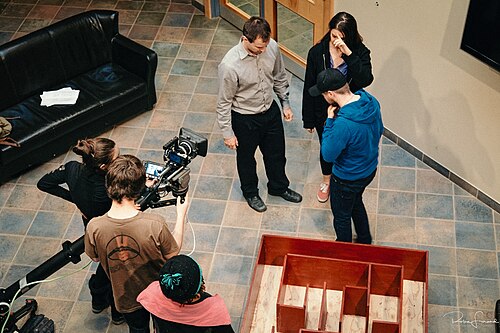
Filmmaking, or film production, is the process of creating a motion picture. Traditionally, filmmaking is thought of as a process specific to the creation of feature films; however, its iconic methodology has been used in the creation of other types of filmed products, including movies and episodic series for streaming and network broadcasting, commercials and advertisements, animations, music videos, and documentaries.[1] It involves a number of distinct stages, including an initial story idea or commission, followed by screenwriting, casting, pre-production, shooting, sound recording, post-production, and screening the finished product before an audience, which may result in a film release distribution and exhibition. The process is nonlinear, in that the filmmaker typically shoots the script out of sequence, repeats shots as needed, and puts them together through editing later. Filmmaking takes place in a variety of economic, social, and political contexts around the world and uses a wide range of technologies and cinematic techniques. While originally films were recorded on photographic film, most modern filmmaking is now digital.[2]
The production of a film typically consists of five major stages. The first is development, where the initial idea for the film is explored, rights to intellectual property (IP) may be secured, the screenplay is written, and financing is obtained. This is followed by pre-production, where all the arrangements and preparations for the shoot are made, including hiring cast and crew, scouting and securing locations, and constructing sets. The third stage is production, which is when the raw footage and other elements of the film are recorded.
After filming is complete, the project enters post-production. In this stage, the raw footage is edited, sound is mixed, visual effects are added, and a musical score is composed and recorded. The final stage is distribution, where the finished film is released to audiences. This involves marketing and promotion, and the film may be shown in cinemas/movie theaters, released on home video, or made available through streaming services, cable, or television. Some filmmakers operate outside of the mainstream system and engage in independent filmmaking, which has become more accessible with the advent of affordable digital technology and streaming platforms.
Production stages
Film production consists of five major stages:[3][4]
- Development: Ideas for the film are created, rights to existing intellectual properties are purchased, and the screenplay is written. Financing for the project is sought and obtained.
- Pre-production: Arrangements and preparations are made for the shoot, such as hiring cast and film crew, selecting locations, and constructing sets.
- Production: The raw footage and other elements of the film are recorded during the film shoot, including principal photography.
- Post-production: The images, sound, and visual effects of the recorded film are edited and combined into a finished product.
- Distribution: The completed film is distributed, marketed, and screened in cinemas and released on home video to be viewed at home.
Development
The development stage contains both general and specific components. Each film studio has a yearly retreat where their top creative executives meet and interact on a variety of areas and topics they wish to explore through collaborations with producers and screenwriters, and then ultimately, directors, actors, and actresses. They choose trending topics from the media and real life, as well as other sources, to determine their yearly agenda. For example, in a year when action is popular, they may wish to explore that topic in one or more movies. Sometimes, they purchase the rights to articles, bestselling novels, plays, the remaking of older films, stories with some basis in real life through a person or event, a video game, fairy tale, comic book, or graphic novel.[5][4] Likewise, research through surveys may inform their decisions. They may have had blockbusters from their previous year and wish to explore a sequel. They will additionally acquire a completed and independently financed and produced film. Such notable examples are The English Patient (1996),[6][7]Little Miss Sunshine (2006),[8][9][10] and Roma (2018).[11][12][13]
Studios hold general meetings with producers and screenwriters about original story ideas. "It's become a lot more inclusive and expansive," a studio executive told TheWrap. “What used to happen was films were greenlit before the committee even met; it wasn't a collaborative process. Now you have three or four meetings. We beat it up quite a bit before we greenlight it." Studio executives can no longer green light one-third of their movies based on gut reaction to a project, Producers Guild Co-chief Hawk Koch recalled: "There's not anybody who makes movies because their gut tells them to do it anymore," Koch said. "It's a focus group."[14]
يعود المسؤولون التنفيذيون من الخلوة بتعليمات واضحة المعالم. وينشرون هذه المفاهيم في أوساط صناعة السينما، وخاصةً بين المنتجين الذين تربطهم بهم اتفاقيات (حيث تتواجد مكاتب هؤلاء المنتجين في استوديوهات الإنتاج التقليدية). كما يتم إطلاع وكلاء كتّاب السيناريو. وينتج عن ذلك تعاون بين المنتجين والكتّاب ، حيث يطورون "رؤية" أولية، وهي فكرة أساسية للقصة تستند إلى المفهوم الذي يقدمه مسؤولو الاستوديو. وغالبًا ما يكون الأمر بمثابة منافسة، حيث يجتمع العديد من الثنائيات مع مسؤولي الاستوديو لعرض رؤيتهم الأولية. ونادرًا ما تُمنح وظائف الكتابة بناءً على أفكار أصلية يقدمها المنتجون أو الكتّاب إلى الاستوديوهات. ويمكن للسيناريوهات الأصلية المكتملة، والتي تُعرف باسم " السيناريوهات التجريبية "، أن تُحدث ضجة كبيرة عند بيعها؛ ومن الأمثلة على ذلك سيناريو " علامة الشهر" (One Month Mark) الذي حظي بإقبال كبير، من تأليف صوفي فلور دي بروين، والذي عُرض في مايو 2026. [ 15 ] ومع ذلك، لا تُمثل هذه السيناريوهات سوى نسبة ضئيلة من الأفلام التي تُنتج في نهاية المطاف، حيث تُعتبر المشاريع القائمة على حقوق ملكية فكرية موجودة "أكثر أمانًا" في نظر معظم الاستوديوهات. [ 16 ]
بمجرد أن يقنع المنتج والكاتب برؤيتهما للموضوع المطلوب، يبدآن العمل. مع ذلك، يتراجع العديد من الكتّاب والمنتجين عادةً قبل أن تُجسّد فكرة معينة بالشكل الذي يُمنح الضوء الأخضر للإنتاج. استغرق إنتاج فيلم " غير مغفور " (1992)، الذي حصد جائزتي أوسكار لأفضل فيلم وأفضل إخراج لمخرجه وبطله كلينت إيستوود ، [ 17 ] بالإضافة إلى ترشيح كاتب السيناريو ديفيد ويب بيبولز ، [ 18 ] أكثر من 10 سنوات. [ 19 ] [ 20 ] على الرغم من اختلاف المدة باختلاف المشروع، إلا أن إنتاج فيلم يستغرق في المتوسط عدة سنوات. يقول خافيير لويس ساليناس، منتج منفذ ومدير وحدة إنتاج: "أثناء الإنتاج، قد تتغير الجداول الزمنية فجأة، وعليك أن تكون مستعدًا للتكيف معها في الحال. من وقت كتابة السيناريو إلى بدء التصوير، قد يستغرق الأمر من سنة إلى ثلاث سنوات." [ 21 ]
Writers have different styles and creative processes; some have stronger track records than others. Because of this, how the development process proceeds from there and how much detail a writer returns to the studio to divulge before beginning writing can vary greatly. Screenwriters are often protected by the union, the Writers Guild of America (WGA).[22][23][24] As of May 2025, the WGA allows a screenwriter to contract for a First Draft and a Revision.[25] In April 2026, the WGA was negotiating a deal with studios and streaming services to increase minimum payments for writers, improve the union's health plan, and more.[26] Preliminary discussions are minimal with studio executives but might be quite detailed with the producer.
Next, a screenwriter writes a screenplay, typically over a period of several months; however, every writer's process and speed varies.[27] Deadlines are in their contracts, but historically there has been little pressure to adhere to them, given the "better late and great" rationale—though Warner Bros. attempted a crack down on screenwriters' late delivery dates in 2010.[28] The screenwriter may rewrite the script several times to improve dramatization, clarity, structure, characters, dialogue, and overall style.
A finished script undergoes script coverage, where it is analyzed and graded before a report is written up (typically by interns or entry-level assistants or readers) to be given to higher-ups (producers, agents, and executives). Coverage is a way for young screenwriters to be read and may be occur via agencies, studios, production companies, or a paid script coverage service or company.[29][30]
The studio is the film distributor who at an early stage attempts to choose a slate of concepts that are likely to have market appeal and find potential financial success. Hollywood distributors consider factors such as the film genre, the target audience and assumed audience, the historical success of similar films, the actors who might appear in the film, and potential directors. All these factors imply a certain appeal of the film to a possible audience.[14] Not all films make a profit from the theatrical release alone, however, the studio mainly targets the opening weekend and the second weekend to make most domestic profits. How long a film stays in cinemas depends largely on box office performance.[31] Occasionally, a film called a "word of mouth film" does not market strongly, but its success spreads by word of mouth. It slowly gains its audience.[32][33] These are special circumstances, but popular films may remain in theaters for months, while a typical run is closer to 30 to 45 days, which became the new norm following theatre closures due to the COVID-19 pandemic—prior to which the standard theatrical run was 90 day.[31] Further earnings result from pay television purchases, foreign market purchases and DVD sales to establish worldwide distribution gross of a film.[34][35]
Once a screenplay is greenlit, directors and actors are attached and the film proceeds into the pre-production stage, although sometimes development and pre-production stages will overlap. Projects that fail to obtain a green light may have protracted difficulties in making the transition to pre-production and enter a phase referred to as development hell for an extended period of time or until developmental turnaround.[4][36] However, the average produced script can spend five to seven years in development.[37]
كما هو الحال في معظم المشاريع التجارية، يتناول تمويل مشروع فيلم إدارة وتوفير الموارد المالية اللازمة لتغطية تكاليف الإنتاج. ويشمل ذلك ديناميكيات الأصول المطلوبة لتمويل صناعة الفيلم والالتزامات المترتبة عليها خلال مراحل الإنتاج، بدءًا من المراحل الأولى للتطوير وحتى إدارة الأرباح والخسائر بعد التوزيع، في ظل ظروف متفاوتة من عدم اليقين والمخاطر. ويمكن تعريف الجوانب العملية لتمويل صناعة الأفلام بأنها علم إدارة الأموال في جميع مراحل الإنتاج. ويهدف تمويل الأفلام إلى تسعير الأصول بناءً على مستوى المخاطر ومعدل العائد المتوقع ، استنادًا إلى الأرباح المتوقعة والحماية من الخسائر. [ 38 ] [ 39 ] [ 40 ]
بالنسبة للاستوديوهات الكبرى، يبلغ متوسط تكلفة إنتاج فيلم حوالي 65 مليون دولار. [ 41 ] وتعتمد التكلفة الإجمالية لإنتاج الفيلم على عدة عوامل، منها نوعه. في المتوسط، تُعدّ أفلام المغامرة والخيال العلمي والرسوم المتحركة والفانتازيا من أغلى أنواع الأفلام . في المقابل، تتميز أنواع أخرى مثل الأفلام الموسيقية والرعب والرومانسية بميزانيات متوسطة أقل. [ 42 ] [ 43 ] كما أن الحصول على التمويل يستغرق وقتًا أطول عمومًا للأفلام المستقلة ، نظرًا لعدم حصولها على دعم الاستوديوهات الكبرى. [ 21 ]
مرحلة ما قبل الإنتاج
Pre-production typically takes three to six months.[4] In pre-production, every step of actually creating the film is carefully designed and planned. This is the phase for narrowing down all the options of the production. It is where all the planning takes place before the camera rolls and sets the overall vision of the project. Filmmaker Roger Corman said, "Take all the time you need in preproduction because you don’t want to be solving problems during shooting that you could’ve solved before shooting".[44] The production company will establish a production office, which provides space for various crew members to work together.[45] The film is pre-visualized by the director and may be storyboarded with the help of illustrators and concept artists.[46][47][48][4] A production budget is drawn up to plan expenditures for the film.[49] For major productions, insurance is procured to protect against accidents.[50][51] Pre-production also includes working out the shoot location and casting process.[4][5] The Producer hires a Line Manager or a Production Manager to create the schedule and budget for the film.[4]
The nature of the film, and the budget, determine the size and type of crew used during filmmaking. Many Hollywood blockbusters employ a cast and crew of hundreds or thousands,[52] while a low-budget, independent film may be made by a "skeleton crew" of eight or nine (or fewer).[53][54]
Crew positions
Common positions of a film crew include:[55]
- Storyboard artist: The storyboard artist creates visual images to help the director and production designer communicate their ideas to the production team.[56]
- Director: The director turns a script into a movie. They are primarily responsible for the overall storytelling, creative decisions, and acting of the film.[57][58]
- Assistant director (AD): The AD manages the shooting schedule and logistics of the production, among other tasks. There are several types of AD, each with different responsibilities.[59][4]
- Film producer: The producer helps initiate and oversee the development of films by securing funding, working with the director, and hiring the cast and crew.[57]
- Unit production manager (UPM): The UPM manages the production budget and production schedule. They also report, on behalf of the production office, to the studio executives or financiers of the film.[60]
- Location manager: The location manager finds and manages film locations.[61][62] Many movies feature segments that are shot in the controllable environment of a studio sound stage, while outdoor sequences call for filming on location.
- Unit production manager (UPM): The UPM manages the production budget and production schedule. They also report, on behalf of the production office, to the studio executives or financiers of the film.[60]
- Production designer: The production designer creates the visual conception of the film, working with the art director, who manages the art department that makes production sets.[63][64]
- Costume designer: The costume designer creates the clothing for the characters in the film, working closely with the actors and other departments.[65]
- Makeup and hair designer: This designer works closely with the costume designer to create a specific look for a character.[66]
- Casting director (CD): The CD finds actors to fill the parts in the script. This normally requires actors to partake in an audition, either live in front of the casting director or in front of one or more cameras.[67]
- Choreographer: The choreographer creates and coordinates the film's movement and/or dance(s)—the latter typically being for musicals.[68] Some films also credit a fight choreographer.[69]
- Director of photography (DOP): The DOP is the head of the photography of the entire film, supervising all cinematographers and camera operators.[70]
- مهندس الصوت في الإنتاج : هو رئيس قسم الصوت خلال مرحلة إنتاج الفيلم. يقوم بتسجيل ومزج الصوت في موقع التصوير - الحوار، والأصوات المحيطة ، والمؤثرات الصوتية أحادية القناة ، والصوت المحيطي ستيريو. [ 71 ] [ 72 ] يعمل مع مشغل الميكروفون ، والمخرج، ومساعد المخرج، ومدير التصوير، ومساعد المخرج الأول. [ 73 ]
- مصمم الصوت : يقوم مصمم الصوت بابتكار التصور الصوتي للفيلم، [ 63 ] بالتعاون مع مشرف تحرير الصوت . في الإنتاجات الهندية على غرار بوليوود ، يؤدي مصمم الصوت دور مدير الصوت . [ 74 ]
- الملحن : يقرأ الملحن السيناريو، ويتعاون مع المخرج، ثم يؤلف موسيقى جديدة للفيلم، تُسمى الموسيقى التصويرية . [ 75 ] [ 76 ] قد تُؤلف الموسيقى التصويرية للفيلم قبل أو بعد انتهاء تصويره. [ 77 ]
إنتاج
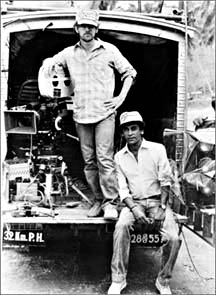


قد يستغرق إنتاج فيلم متوسط الميزانية من خمسة إلى ثمانية أسابيع، أو من ثلاثة إلى أربعة أسابيع لفيلم منخفض الميزانية. [ 21 ] خلال الإنتاج، يتم تسجيل الصوت والفيديو للفيلم . في هذه المرحلة، من الضروري التخطيط المسبق قبل بدء التصوير اليومي. الهدف الأساسي هو الالتزام بالميزانية والجدول الزمني، الأمر الذي يتطلب يقظة مستمرة. [ 4 ] يتم توظيف المزيد من أفراد الطاقم في هذه المرحلة، مثل مسؤول الديكورات ، [ 78 ] ومشرف السيناريو ، [ 79 ] ومساعدي المخرج، [ 59 ] ومصور فوتوغرافي ، [ 80 ] [ 81 ] ومحرر الصور ، [ 82 ] ومحرري الصوت . [ 83 ] هذه هي الأدوار الأكثر شيوعًا في صناعة الأفلام؛ ويمكن لمكتب الإنتاج ابتكار أي مزيج فريد من الأدوار ليناسب مختلف المسؤوليات المطلوبة أثناء إنتاج الفيلم. التواصل أساسي بين موقع التصوير، ومجموعة الديكور، ومكتب الإنتاج، وشركة الإنتاج، والموزعين، وجميع الأطراف الأخرى المعنية. [ 4 ]
يبدأ يوم التصوير المعتاد بوصول طاقم العمل إلى موقع التصوير في الموعد المحدد. وعادةً ما يكون للممثلين مواعيد حضور منفصلة. [ 84 ] ونظرًا لأن بناء الديكور قد يستغرق أسابيع، حسب حجمه، [ 85 ] ولأن تجهيز الديكور [ 86 ] والإضاءة [ 87 ] قد يستغرق ساعات طويلة أو حتى أيامًا، فغالبًا ما يتم إنجازها مسبقًا.
عادةً ما تسبق فرق الإضاءة والكهرباء وتصميم الإنتاج فرق الكاميرا والصوت بخطوة. [ 88 ] ولتحقيق الكفاءة، أثناء تصوير مشهد ما، يكونون قد بدأوا بالفعل في تحضير المشهد التالي.
بينما يُجهّز طاقم العمل معداتهم، يقوم الممثلون بتجهيز أزيائهم ويتوجهون إلى قسمي الشعر والمكياج. يتدرب الممثلون على النص وحركاتهم مع المخرج ، ويتدرب معهم طاقم الكاميرا والصوت لإجراء التعديلات النهائية. [ 89 ] وأخيرًا، يتم تصوير المشهد بعدد اللقطات التي يحددها المخرج. تتبع معظم الإنتاجات الأمريكية إجراءً محددًا:
يُعلن مساعد المخرج "الصورة جاهزة!" لإعلام الجميع بأن اللقطة على وشك البدء بالتصوير، ثم يقول "هدوء، جميعًا!". بمجرد أن يصبح الجميع جاهزًا للتصوير، يُعلن مساعد المخرج "تشغيل الصوت" (إذا كانت اللقطة تتضمن صوتًا)، فيُشغّل مهندس الصوت معداته، ويُسجّل قائمة شفهية بمعلومات اللقطة، ويُعلن "سرعة الصوت" أو "السرعة" فقط، عندما يكون جاهزًا. بعد ذلك، يُعلن مساعد المخرج "تشغيل الكاميرا"، فيُجيبه مُشغّل الكاميرا "السرعة!" بمجرد بدء التسجيل. ثم يُعلن مُحمّل لوحة التصوير ، الموجود أمام الكاميرا مُسبقًا ، "علامة!" ويُغلقها. إذا كانت اللقطة تتضمن ممثلين إضافيين أو حركة في الخلفية، يُعطيهم مساعد المخرج الإشارة ("حركة في الخلفية!")، وأخيرًا يُعلن المخرج "أكشن!". قد يُكرر مساعد المخرج كلمة "أكشن" بصوت أعلى في مواقع التصوير الكبيرة.
ينتهي التصوير عندما يصيح المخرج "كَت!" ويتوقف تسجيل الكاميرا والصوت. [ 90 ] يُدوّن مشرف السيناريو أيّة مشاكل في استمرارية المشهد، ويُسجّل فريقا الصوت والكاميرا ملاحظاتهما الفنية على أوراق تقاريرهما. إذا قرر المخرج الحاجة إلى لقطات إضافية، تُعاد العملية برمتها. [ 91 ] بمجرد الرضا عن النتيجة، ينتقل الطاقم إلى زاوية الكاميرا التالية أو "الإعداد"، حتى يتم "تغطية" المشهد بالكامل. عند انتهاء تصوير المشهد، يُعلن مساعد المخرج "انتهاء التصوير" أو "الانتقال إلى المشهد التالي"، [ 92 ] ويقوم الطاقم "بفكّ" أو تفكيك ديكور ذلك المشهد. [ 93 ]
في نهاية اليوم، يُقرّ المخرج جدول تصوير اليوم التالي، ويُرسل تقرير يومي عن سير العمل إلى مكتب الإنتاج. يتضمن هذا التقرير أوراق عمل فرق الاستمرارية والصوت والكاميرا. تُوزّع جداول الحضور على الممثلين وطاقم العمل لإبلاغهم بموعد ومكان بدء التصوير في اليوم التالي. [ 92 ] لاحقًا، قد يجتمع المخرج والمنتج ورؤساء الأقسام الأخرى، وأحيانًا الممثلون، لمشاهدة اللقطات الأولية غير المُعدّلة من ذلك اليوم أو اليوم السابق، والتي تُسمى " اللقطات اليومية" ، ومراجعة عملهم. [ 94 ]
نظراً لأن أيام العمل غالباً ما تمتد من 12 إلى 18 ساعة، [ 95 ] فإن صناعة الأفلام تُسهم في خلق روح الفريق . وعندما يكتمل تصوير الفيلم بالكامل، أو عند الانتهاء من مرحلة الإنتاج، [ 96 ] جرت العادة أن يُقيم مكتب الإنتاج حفلاً ختامياً ، لشكر جميع الممثلين وطاقم العمل على جهودهم. [ 97 ] [ 98 ]
في مرحلة إنتاج الأفلام الواقعية ، يُعدّ تنسيق جداول عمل الممثلين وأفراد الطاقم الرئيسيين أمرًا بالغ الأهمية. [ 99 ] ففي العديد من المشاهد، يجب أن يتواجد عدد من الممثلين وأفراد الطاقم في نفس المكان والزمان (وقد يضطر النجوم ذوو الشهرة الواسعة إلى التنقل بسرعة بين المشاريع). أما أفلام الرسوم المتحركة، فتختلف آلية العمل فيها خلال مرحلة الإنتاج، حيث يمكن لمؤدي الأصوات تسجيل أدوارهم في الاستوديو في أوقات مختلفة، وقد لا يلتقون إلا عند عرض الفيلم الأول. [ 100 ] كما يختلف طاقم العمل في أفلام الرسوم المتحركة، إذ إن معظم المهام الواقعية إما غير ضرورية أو تتم محاكاتها بواسطة أنواع مختلفة من رسامي الرسوم المتحركة . [ 101 ] [ 102 ]
مرحلة ما بعد الإنتاج
قد تستغرق مرحلة ما بعد الإنتاج من أيام إلى سنوات، وذلك بحسب الفيلم المحدد، بالإضافة إلى الوقت والموارد المتاحة. عادةً ما يُنظر إلى هذه المرحلة على أنها تبدأ عند انتهاء التصوير الرئيسي، ولكن قد تتداخل المرحلتان. يتألف الجزء الأكبر من مرحلة ما بعد الإنتاج من مراجعة مونتير الفيلم للقطات مع المخرج وتجميع الفيلم من لقطات مختارة. كما يتم تحرير الصوت (الحوار)؛ وتُؤلَّف وتُسجَّل المقطوعات الموسيقية والأغاني إذا كان الفيلم سيحتوي على موسيقى تصويرية ؛ وتُصمَّم وتُسجَّل المؤثرات الصوتية. تُضاف أي مؤثرات بصرية مُولَّدة بالحاسوب رقميًا بواسطة فنان . [ 103 ] أخيرًا، تُدمج جميع العناصر الصوتية في "مسارات صوتية"، والتي تُزامَن مع الصور على الشاشة. [ 104 ] ستكون هناك عملية مونتاج أولي ، ومونتاج نهائي، ثم " تثبيت الصورة "، حيث يتفق المونتير والمخرج على النسخة النهائية للفيلم، وهي المرحلة التي يكون فيها الفيلم جاهزًا للتوزيع والعرض على الجمهور. [ 105 ] [ 106 ]
قد تُنجز عمليات ما بعد الإنتاج بواسطة فريق ما بعد الإنتاج الداخلي التابع للاستوديو أو شركة الإعلام أو الوكالة، أو بواسطة أفراد مستقلين يتم توظيفهم لأدوار محددة، أو بواسطة شركة خارجية متخصصة في ما بعد الإنتاج. تشمل الأدوات الرقمية الشائعة المستخدمة في ما بعد الإنتاج برامج Adobe Premiere و Avid Media Composer و Final Cut Pro و Adobe After Effects و Lightworks . [ 103 ]
توزيع
التوزيع هو المرحلة الأخيرة، حيث يُعرض الفيلم في دور السينما ، أو يُتاح للتحميل المباشر أو البث عبر مزود وسائط رقمية ، أو على وسائط فيديو مادية مباشرة (مثل VHS و VCD و DVD و Blu-ray )، أو مزيج من هذه الوسائل. [ 4 ] يُنسخ الفيلم حسب الحاجة (إما على شريط فيلم أو أقراص صلبة ) ويُوزع في دور السينما للعرض.
يُعدّ التسويق عنصرًا أساسيًا في هذه المرحلة. تُنشر مواد صحفية ، وملصقات ، وغيرها من المواد الإعلانية، ويُروّج للفيلم عبر الإعلانات الترويجية ، وحملات التواصل الاجتماعي، والإعلانات التلفزيونية. [ 4 ] قد يُنشر مقطع فيديو إضافي للصحافة مُستند إلى لقطات خام صُوّرت لفيلم وثائقي عن كواليس الإنتاج ، والذي قد يتضمن مقاطع من كواليس الإنتاج، بالإضافة إلى مقابلات أُجريت في موقع التصوير، منفصلة عن مقابلات شركة الإنتاج أو الموزع. [ 107 ] بالنسبة للأفلام الضخمة، غالبًا ما يُشترط على الموظفين الرئيسيين، بموجب العقد، المشاركة في جولات ترويجية، حيث يظهرون في العروض الأولى والمهرجانات، ويُجرون مقابلات مع العديد من الصحفيين في التلفزيون والصحافة المطبوعة والإلكترونية. [ 108 ] [ 109 ] في بعض الحالات، قد يُستخدم أحد الدعائم من الفيلم للمساعدة في الترويج له، على سبيل المثال، حصان طروادة الذي يبلغ طوله 40 قدمًا من فيلم الأوديسة (2026). [ 110 ] قد تتطلب الإنتاجات الضخمة أكثر من جولة ترويجية واحدة لتجديد طلب الجمهور في كل فترة عرض. [ 111 ]
منذ ظهور الفيديو المنزلي في أواخر سبعينيات القرن الماضي، اتبعت معظم الأفلام الكبرى نمطًا يتمثل في عرضها على عدة مراحل. قد يُعرض الفيلم أولًا في عدد محدود من دور السينما المختارة ، أو إذا حقق نجاحًا كافيًا في الاختبارات ، يُعرض مباشرةً على نطاق واسع . [ 112 ] بعد ذلك، يُطرح الفيلم، عادةً في أوقات مختلفة تفصل بينها عدة أسابيع (أو أشهر)، في قطاعات سوقية مختلفة مثل التأجير ، والبيع بالتجزئة ، والدفع مقابل المشاهدة ، والترفيه على متن الطائرات ، والتلفزيون الكبلي ، والتلفزيون الفضائي ، أو البث التلفزيوني المجاني . كما تُباع حقوق توزيع الفيلم عادةً للتوزيع العالمي. ويتقاسم الموزع وشركة الإنتاج الأرباح ويديران الخسائر. [ 113 ] [ 114 ] [ 115 ]
صناعة الأفلام المستقلة

يُمارس إنتاج الأفلام أيضًا خارج التيار السائد، ويُطلق على هذا النوع عادةً اسم صناعة الأفلام المستقلة ("إندي") . [ 116 ] منذ ظهور تقنية الفيديو الرقمي (DV)، أصبحت وسائل الإنتاج أكثر انتشارًا وجدوى اقتصادية. [ 117 ] يُمكن لصانعي الأفلام نظريًا تصوير فيلمهم ومونتاجه، وإنشاء الصوت والموسيقى وتعديلهما، ومزج النسخة النهائية باستخدام جهاز كمبيوتر منزلي. مع ذلك، ورغم انتشار وسائل الإنتاج، يبقى التمويل والتوزيع والتسويق التقليدي صعبًا خارج النظام التقليدي. [ 21 ] [ 118 ]
في الماضي، كان معظم صانعي الأفلام المستقلين يعتمدون على المهرجانات السينمائية (مثل مهرجان صندانس السينمائي ، ومهرجان البندقية السينمائي ، ومهرجان كان السينمائي ، ومهرجان تورنتو السينمائي الدولي ) لعرض أفلامهم وبيعها للتوزيع والإنتاج. [ 118 ] إلا أن الإنترنت أتاح توزيع الأفلام المستقلة بتكلفة منخفضة نسبيًا على مواقع مثل يوتيوب . [ 119 ] ونتيجة لذلك، ظهرت العديد من الشركات لمساعدة صانعي الأفلام في عرض أفلامهم المستقلة وبيعها عبر منصات الإنترنت الرئيسية، غالبًا بجوار أفلام هوليوود الشهيرة. وبفضل توزيع الأفلام عبر الإنترنت، أصبح بإمكان صانعي الأفلام المستقلين الذين يختارون الاستغناء عن اتفاقيات التوزيع التقليدية الوصول إلى جماهير عالمية. [ 118 ]
انظر أيضاً
- فيلم 35 ملم
- فيلم ثلاثي الأبعاد
- تخطيط السمع
- التقنيات السينمائية
- السينما الرقمية
- صناعة الأفلام التجريبية
- تلوين الفيلم
- صناعة السينما
- تقنيات صناعة الأفلام عند كوروساوا
- تقنية صناعة الأفلام للويس بونويل
- ملصق الفيلم
- مدرسة السينما
- دراسات الأفلام
- تصميم عنوان الفيلم
- إعلان الفيلم
- صفقة نظرة أولى
- مسرد مصطلحات الأفلام
- صفقة تنظيف الغرف
- قائمة بمواضيع الأفلام
- رابطة صناعة الأفلام
- نظام تصنيف محتوى الأفلام
- حوافز إنتاج الأفلام في الولايات المتحدة
- السينما
- ملخص الفيلم
- تلفزيون
- إنتاج الفيديو
 بوابة الأفلام
مراجع
- ↑ آشر، ستيفن، دليل صانع الأفلام، الطبعة الخامسة، دار بنجوين راندوم هاوس، 2019، الصفحات 1-2
- ↑ "العالم الجديد لصناعة الأفلام الرقمية" . معهد فيلم كونكشن السينمائي . 9 يناير 2013. مؤرشف من الأصل في 7 أكتوبر 2021. تم الاطلاع عليه في 7 أكتوبر 2021 .
- ↑ ستيف، جوزيف (2005). الدليل الكامل للمبتدئين في صناعة الأفلام المستقلة . دار ألفا للنشر. الصفحات 26-28 .
- ١ ٢ ٣ ٤ ٥ ٦ ٧ ٨ ٩ ١٠ ١١ ١٢ "مراحل إنتاج الأفلام: من كتابة السيناريو إلى التسويق" . www.backstage.com . ٢٠٢٣-٠٢-٢٢ . تاريخ الاطلاع: ٢٠٢٦-٠٦-١٨ .
- 1 2 nyfa (2023-10-06). "كيف يتم إنشاء وإنتاج فيلم أو برنامج تلفزيوني؟" . NYFA . تم الاسترجاع في 2026-06-18 .
- ↑ "المريض الإنجليزي" . شيكاغو تريبيون . 24-11-1996 . تم الاطلاع عليه بتاريخ 18-06-2026 . "
- ↑Gardner, Eriq (2014-06-11). "Miramax Settles Saul Zaentz's $20 Million 'English Patient' Lawsuit (Exclusive)". The Hollywood Reporter. Retrieved 2026-06-18.
- ↑"Fox snaps up Little Miss Sunshine". The Guardian. 2006-01-24. ISSN 0261-3077. Retrieved 2026-06-18.
- ↑Mohr, Ian; McClintock, Pamela (2006-01-21). "Searchlight spends the big bucks". Variety. Retrieved 2026-06-18.
- ↑Horn, John (2006-01-23). "End of story: a record deal". Los Angeles Times. Retrieved 2026-06-18.
- ↑Faughnder, Ryan; Rottenberg, Josh (2018-12-03). "What Netflix's release of 'Roma' says about its movie business strategy". Los Angeles Times. Retrieved 2026-06-18.
- ↑Sims, David (2018-09-14). "'Roma' Is Netflix's Most Compelling Big-Screen Argument Yet". The Atlantic. Retrieved 2026-06-18.
- ↑Brzeski, Patrick (2019-04-30). "'Roma' Cleared for Sizable Theatrical Release in China". The Hollywood Reporter. Retrieved 2026-06-18.
- 12Shaw, Brent Lang and Lucas (2013-11-20). "Who Has Greenlight Power in Hollywood? A Studio-by-Studio Guide". TheWrap. Retrieved 2026-06-18.
- ↑Kroll, Justin (2026-05-29). "Chernin Entertainment Lands Rom Com Spec 'One Month Mark'". Deadline. Retrieved 2026-06-21.
- ↑"The Decline of Originality in Hollywood: a Look at the Numbers". Parrot Analytics. Retrieved 2026-06-21.
- ↑"The 65th Academy Awards Memorable Moments | Oscars.org | Academy of Motion Picture Arts and Sciences". www.oscars.org. 2014-09-19. Retrieved 2026-06-21.
- ↑"BBC Two - Tomorrow's Worlds: The Unearthly History of Science Fiction - David Webb Peoples". BBC. Retrieved 2026-06-21.
- ↑ هولاند، ستيفن (2025-06-02). "كلينت إيستوود يُؤجل فيلم Unforgiven لمدة 10 سنوات - لأنه كان يعلم أنه لن ينجح إلا عندما يكبر بما فيه الكفاية" . سكرين رانت . تم الاطلاع عليه بتاريخ 21-06-2026 .
- ↑ إيفانجيليستا، رون (10 ديسمبر 2023). "لماذا استغرق إنتاج فيلم 'غير المغفور له' عشرين عامًا؟" . كوليدر . تم الاطلاع عليه بتاريخ 21 يونيو 2026 .
- ١ ٢ ٣ ٤ "كم يستغرق تصوير فيلم؟" . www.backstage.com . ١٩ أبريل ٢٠٢٣. تاريخ الاسترجاع: ٢١ يونيو ٢٠٢٦ .
- ↑ ماكناري، ديف (2017-04-03). "نقابة الكتاب تستهدف انتهاكات كتابة السيناريو في حملة العقود" . فارايتي . تم الاسترجاع في 21-06-2026 .
- ↑ شيرر، مات (17 أكتوبر 2023). "اتفاقية العمل الجديدة لنقابة الكتاب الأمريكيين تمنح كتّاب هوليوود حماية مهمة في عصر الذكاء الاصطناعي" . مركز الديمقراطية والتكنولوجيا . تاريخ الاسترجاع: 21 يونيو 2026 .
- ↑ كيندر، مولي. "أضرب كتّاب هوليوود لحماية مصادر رزقهم من الذكاء الاصطناعي التوليدي. انتصارهم الباهر مهم لجميع العاملين" . بروكينغز . تاريخ الاسترجاع: 21 يونيو 2026 .
- ↑ "دليل تعويضات الشاشة" . نقابة الكتاب الأمريكية الغربية . تم الاطلاع عليه بتاريخ 21-06-2026 .
- ↑ كيلكيني، كاتي (2026-04-08). "نقابة الكتاب تكشف تفاصيل صفقة مدتها أربع سنوات: ضخ 321 مليون دولار في خطة التأمين الصحي، وعوائد أعلى، وبنود ترخيص الذكاء الاصطناعي" . هوليوود ريبورتر . تم الاطلاع عليه بتاريخ 2026-06-21 .
- ↑ "كم من الوقت يستغرق كتابة سيناريو؟ | No Film School" . nofilmschool.com . تم الاطلاع عليه بتاريخ 22-06-2026 .
- ↑ مايك فليمنج الابن (18 يونيو 2010). "أين نصي؟! وارنر بروذرز تُشدد على تأخر كتّاب السيناريو في تسليم أعمالهم" . ديدلاين . تاريخ الاسترجاع: 22 يونيو 2026 .
- ↑ NYFA (29-12-2017). "خدمات تغطية النصوص المدفوعة - أهم ميزتين وعيوب" . NYFA . تم الاطلاع عليه بتاريخ 22-06-2026 .
- ↑ "تغطية السيناريو: ما هي وكيفية كتابتها - قاعدة معارف EntertainmentCareers.Net" . help.entertainmentcareers.net . تم الاطلاع عليه بتاريخ 22-06-2026 .
- 12Stevenson, Rick (2025-09-23). "How Long Do Movies Stay In Theaters? It's Not Just About Ticket Sales". SlashFilm. Retrieved 2026-06-22.
- ↑McCormick, Colin (2022-08-15). "10 Indie Movies Whose Box Office Kept Growing By Word Of Mouth". ScreenRant. Retrieved 2026-06-22.
- ↑"Sage Journals: Discover world-class research". Sage Journals. doi:10.1509/jmkg.70.3.074. Retrieved 2026-06-22.
- ↑Zipin, Dina (2025-11-03). "Understanding How Movies Generate Revenue Beyond Ticket Sales". Investopedia. Retrieved 2026-06-22.
- ↑Fritz, Ben (2014-08-28). "For Hollywood, Not All Box Office Dollars Are Equal". Wall Street Journal. ISSN 0099-9660. Retrieved 2026-06-22.
- ↑Doyle, Barbara Freedman (2012-08-06). Make Your Movie: What You Need to Know About the Business and Politics of Filmmaking. Taylor & Francis. ISBN 978-1-136-07229-1.
- ↑Miyamoto, Ken (2017-05-16). "First Draft: Cover Your (Screenwriting) Ass With These Rules For Writing Valuable Script Coverage - MovieMaker Magazine". www.moviemaker.com. Retrieved 2026-06-22.
- ↑"IP assets and film finance – how it works in the United States". www.wipo.int. Retrieved 2026-06-22.
- ↑Moore, Schuyler. "Why Film Budgets Are Important, Beyond The Cost Of Production". Forbes. Retrieved 2026-06-22.
- ↑"How the US film industry mitigates financial risk". CEPR. 2023-05-17. Retrieved 2026-06-22.
- ↑"Why Movies Cost So Much To Make". Investopedia. Archived from the original on 2026-02-27. Retrieved 2026-06-22.
- ↑CineVue (2020-11-18). "The true cost of movie-making". CineVue. Retrieved 2026-06-22.
- ↑Follows, Stephen. "How much does the average movie cost to make?". stephenfollows.com. Retrieved 2026-06-22.
- ↑Macaulay, Scott (2015-08-10). "10 Lessons on Filmmaking from Roger Corman". Filmmaker Magazine. Retrieved 2026-06-23.
- ↑"Life in a Production Office: A Filmmaker's Survival Guide | No Film School". nofilmschool.com. Retrieved 2026-06-23.
- ↑PrintMag (2018-12-05). "Storyboarding: Drawing from Script to Screen". PRINT Magazine. Retrieved 2026-06-22.
- ↑Montoya, Karen (2023-11-21). "Using the Art of Storyboarding to Visualize Films". Virtual Film School. Retrieved 2026-06-22.
- ↑Brine, Kelly Gordon (2020-09-18). The Art of Cinematic Storytelling: A Visual Guide to Planning Shots, Cuts, and Transitions. Oxford University Press. ISBN 978-0-19-005434-2.
- ↑"Production Budget definition ,formula and Example | Accounting Details". www.accountingdetails.com. Archived from the original on 2016-03-05. Retrieved 2026-06-22.
- ↑California, State of (2020-08-21). "Insurance Requirements". California Film Commission. Retrieved 2026-06-22.
- ↑Verdi, Thomas (2021-08-10). "Do I Really Need Film Insurance?". The Film Fund. Retrieved 2026-06-22.
- ↑Reid, Caroline. "How Many People Does It Really Take To Make A Blockbuster Movie?". Forbes. Retrieved 2026-06-23.
- ↑Kroll, Noam (2013-09-30). "The 5 People Filmmakers Need for a Tiny Skeleton Crew". IndieWire. Retrieved 2026-06-23.
- ↑"The 10 People You Need on a Low-Budget Skeleton Crew". www.backstage.com. 2020-04-04. Retrieved 2026-06-23.
- ↑"Film Crew Positions: A Guide to Every Job on a Movie Set". www.backstage.com. 2022-05-20. Retrieved 2026-06-24.
- ↑White, Anna (2014-03-03). "Britain's coolest jobs: the Hollywood storyboard artist". The Telegraph. Retrieved 2026-06-22.
- 12"The director - Roles and responsibilities - GCSE Moving Image Arts (CCEA) Revision". BBC Bitesize. Retrieved 2026-06-22.
- ↑"Director (also known as filmmaker) in the film and TV drama industries". ScreenSkills. Retrieved 2026-06-23.
- 12"Assistant director in the film and TV drama industries". ScreenSkills. Retrieved 2026-06-23.
- ↑"How to Become a Unit Production Manager". www.backstage.com. 2023-02-03. Retrieved 2026-06-22.
- ↑"Location manager job profile | Prospects.ac.uk". www.prospects.ac.uk. Archived from the original on 2025-08-11. Retrieved 2026-06-22.
- ↑"Locations manager in the film and TV drama industries". ScreenSkills. Retrieved 2026-06-23.
- 12Sound-On-Film by Vincent LoBrutto (1994)
- ↑"Production designer in the film and TV drama industries". ScreenSkills. Retrieved 2026-06-23.
- ↑"Costume designer in the film and TV drama industries". ScreenSkills. Retrieved 2026-06-23.
- ↑"Hair and make-up designer in the film and TV drama industries". ScreenSkills. Retrieved 2026-06-23.
- ↑"Casting director in the film and TV drama industries". ScreenSkills. Retrieved 2026-06-23.
- ↑"Choreographer | Berklee". www.berklee.edu. 2005-01-01. Retrieved 2026-06-23.
- ↑Maison, Jordan (2020-02-14). "Fight choreography: Planning and shooting your fight scenes". Videomaker. Retrieved 2026-06-24.
- ↑"Director of photogrpahy (DoP) in the film and TV drama industries". ScreenSkills. Retrieved 2026-06-23.
- ↑Sound for Digital Video by Tomlinson Holman (Focal Press) 2005 (p. 162)
- ↑Dialogue Editing for Motion Pictures by John Purcell (Focal Press) 2007 (p. 148)
- ↑ "مهندس الصوت (المعروف أيضًا باسم مسجل الصوت) في صناعات الأفلام والمسلسلات التلفزيونية" . ScreenSkills . تم الاطلاع عليه بتاريخ 23-06-2026 .
- ↑ صوت الفيلم: النظرية والتطبيق ، تحرير إليزابيث وايس وجون بيلتون، مطبعة جامعة كولومبيا (1985). ص 361
- ↑ "الوظائف في صناعة الموسيقى - بيركلي أونلاين" . online.berklee.edu . تم الاطلاع عليه بتاريخ 22-06-2026 .
- ↑ ويتاكر، مايكل (27-10-2023). "عملية تأليف موسيقى تصويرية" . ندوة الموسيقى التصويرية . تم الاطلاع عليه بتاريخ 22-06-2026 .
- ↑ "أيهما يأتي أولاً، الفيلم أم الموسيقى؟" . www.yourclassical.org . 2015-04-05 . تم الاطلاع عليه بتاريخ 2026-06-22 .
- ↑ "خبير الدعائم في صناعات الأفلام والمسلسلات التلفزيونية" . ScreenSkills . تم الاطلاع عليه بتاريخ 23-06-2026 .
- ↑ "مشرف السيناريو (المعروف أيضًا باسم مسؤول الاستمرارية) في صناعات الأفلام والمسلسلات التلفزيونية" . ScreenSkills . تم الاطلاع عليه بتاريخ 23-06-2026 .
- ↑ "ما هو مصور لقطات الأفلام، أو مصور لقطات الوحدة؟ - أكاديمية لقطات الأفلام" . 24-09-2021 . تم الاطلاع عليه بتاريخ 23-06-2026 .
- ↑ "مصور الوحدة: ما هو وكيف" . 2022-12-08 . تم الاطلاع عليه بتاريخ 2026-06-23 .
- ↑ "محرر في صناعات الأفلام والمسلسلات التلفزيونية" . ScreenSkills . تم الاطلاع عليه بتاريخ 23-06-2026 .
- ↑ سيبوم، دوغ. "تيم نيلسن يقدم نظرة ثاقبة حول دور مشرف تحرير الصوت" . مؤثر صوتي . تم الاسترجاع في 23 يونيو 2026 .
- ↑ "ما هو وقت الحضور؟ كل ما يحتاج الممثلون إلى معرفته" . www.backstage.com . 30 نوفمبر 2022. تاريخ الاطلاع: 24 يونيو 2026 .
- ↑ توركيلدسون، آدم (18 مايو 2023). "تصميم وبناء مواقع تصوير الأفلام: إحياء الخيال" . تقرير القنبلة . تم الاسترجاع في 24 يونيو 2026 .
- ↑ "كيف تصبح مصمم ديكور للأفلام والمسلسلات التلفزيونية" . www.backstage.com . 2024-02-01 . تاريخ الاطلاع: 2026-06-24 .
- ↑ "تقنيات إضاءة الأفلام: دليل للمخرجين ومديري التصوير" . www.backstage.com . 2023-06-06 . تاريخ الاطلاع: 2026-06-24 .
- ↑"DFI Rentals". www.dfirentals.com. Retrieved 2026-06-24.
- ↑nyfa (2023-12-12). "Mastering the 7 Stages of Film Production". NYFA. Retrieved 2026-06-23.
- ↑"Cut". HowToFilmSchool.com. Retrieved 2026-06-23.
- ↑Tucker, Patrick (2013-02-03). "What A Film Director Does After They Say CUT". Raindance. Retrieved 2026-06-23.
- 12"Film Studies 101: On-Set Jargon Explained". Empire. 2014-01-30. Retrieved 2026-06-23.
- ↑"Set Deconstruction - Strike | UCOP". www.ucop.edu. Retrieved 2026-06-23.
- ↑Team, N. F. I. (2021-12-16). "Dailies - Everything You Need to Know". NFI. Retrieved 2026-06-24.
- ↑"Are Film and TV Set Hours Still Brutal? | No Film School". nofilmschool.com. Retrieved 2026-06-24.
- ↑"in the can". dictionary.cambridge.org. 2026-06-17. Retrieved 2026-06-23.
- ↑"Scenes from the Game of Thrones series wrap party". Winter is Coming. 2018-07-01. Retrieved 2026-06-23.
- ↑Watts, Halina (2019-09-28). "'Really drunk' James Bond star Daniel Craig's emotional wrap party speech". Daily Mirror. Retrieved 2026-06-23.
- ↑Wurmfeld, Eden H.; Laloggia, Nicole (2004). IFP/Los Angeles Independent Filmmaker's Manual (2nd ed.). Amsterdam: Elsevier. p. 52. ISBN 9781136051067. Archived from the original on 22 July 2023. Retrieved 28 June 2023.
- ↑Hayes, Derek; Webster, Chris (2013). Acting and Performance for Animation. New York and London: Focal Press. p. 176. ISBN 9781136135989. Archived from the original on 2023-04-09. Retrieved 2023-03-19.
- ↑Draper, Jon (2020-02-16). "Live action vs Animation: A Comparison • Stormy Studio". Stormy Studio. Retrieved 2026-06-24.
- ↑"Animator in the animation industry". ScreenSkills. Retrieved 2026-06-24.
- 12"Postproduction 101: Everything That Happens After Filming Wraps". www.backstage.com. 2022-08-09. Retrieved 2026-06-24.
- ↑"What are Stems in Music Production?". Independent Society of Musicians. 2023-08-12. Retrieved 2026-06-24.
- ↑Nicole (2025-08-05). "Why is Picture Lock Important in Film Editing?". BeverlyBoy Productions. Retrieved 2026-06-24.
- ↑"From Assembly to Picture Lock - Rough Cut, Fine Cut, and Final Cut". Filmsupply Blog. 2023-03-09. Retrieved 2026-06-24.
- ↑Sciretta, Peter (2010-11-03). "VOTD: Watch David Fincher Direct 'The Social Network'". SlashFilm. Retrieved 2026-06-24.
- ↑"Controlling the Spotlight: Promotional Clauses in Performance Contracts". Arnall Golden Gregory LLP. Retrieved 2026-06-24.
- ↑Rubin, Rebecca (2025-12-11). "Can Timothée Chalamet Save Indie Film? Inside 'Marty Supreme's' Wild Press Tour". Variety. Retrieved 2026-06-24.
- ↑"Trojan Horse Pops Up in Arlington to Promote New Movie 'The Odyssey'". www.arlingtontx.gov. Retrieved 2026-06-24.
- ↑Zuckerman, Esther (2025-11-21). "'Wicked' and the Never-Ending Press Tour". The New York Times. ISSN 0362-4331. Retrieved 2026-06-24.
- ↑Hood, Cooper (2026-01-06). "Theaters Vs. Streaming: Breaking Down How Major Studios Handled Theatrical Windows & Release Gaps In 2025". ScreenRant. Retrieved 2026-06-24.
- ↑Moore, Schuyler. "The 9 Types Of Film Distribution Agreements". Forbes. Retrieved 2026-06-24.
- ↑"Film Distribution, Distribution Rights & Revenues Management". Zannoni Media Advisors. 2020-06-08. Retrieved 2026-06-24.
- ↑"Film Rights Explained for Filmmakers | Domestic, International & Worldwide Deals". Film Making Stuff. 2026-01-13. Retrieved 2026-06-24.
- ↑"How to Make an Indie Film". www.backstage.com. 2018-07-09. Retrieved 2026-06-24.
- ↑"DV – A SUCCESS STORY". www.stanford.edu. Archived from the original on 2004-10-27. Retrieved 2026-06-24.
- 123"The New Reality for Independent Filmmakers: Navigating a Transformed Industry Landscape in 2025". Entertainment Law Resources. Retrieved 2026-06-24.
- ↑Forbes, Mercedes Diane Griffin (2023-04-26). "10 Short Independent Films on YouTube That Will Blow Your Mind". DG Speaks. Retrieved 2026-06-24.
External links
- Filmmaking
- Cinematic techniques
- Film production
- Cinematography
- Film and video technology