
Qom
Qom[a] (Persian: قم; [ɢom]ⓘ) is the capital of Qom province, Iran.[4] It is also the capital of Qom County and its Central District.[5] It is the seventh largest metropolis[6] and the seventh largest city in Iran.[7] The city is 140 km (87 mi) to the south of Tehran,[8] on the banks of the Qom River.
Qom is a holy city in Shia Islam, as it is the site of the Fatima Masumeh Shrine, the daughter of the seventh Shia Imam Musa al-Kazim and the sister of the eighth Shia Imam Ali al-Rida. The city is the world's largest center for Shia Islamic scholarship and is a significant destination of pilgrimage,[9] with around 20 million pilgrims visiting every year.[10] Qom's economy is heavily dependent on pilgrimage, and the city is the most conservative in Iran.[11][12]
Qom has developed into a lively industrial center owing, in part, to its proximity to Tehran. It is a regional center for the distribution of petroleum and petroleum products, and a natural gas pipeline from Bandar Anzali and Tehran and a crude oil pipeline from Tehran run through Qom to the Abadanrefinery on the Persian Gulf. Qom gained additional prosperity when oil was discovered at Sarajeh (fa:میدان نفتی البرز قم) near the city in 1956 and a large refinery was built between Qom and Tehran. In between the Tehran-Qom highway is the Imam Khomeini International Airport, which is the largest airport in Iran.
Etymology
The precise origin of the name is unclear. There are multiple theories:
- Some researchers consider the old name of Qom to be Komiran. The first element would reflect the word kom 'city', while the second element would be shared by Shemiran (near Tehran), Tehran, Chamran (in Saveh areas), and Iran. The full name would then be equivalent to 'Iran city'.[13]
- According to the 10th-century book Tarikh-i Qum (literally 'History of Qom'), the name of the city comes from the word koomeh (Persian: کومه), which literally means 'hut'. On this view, the name referred to the basic dwelling of the local shepherds and farmers, who made their houses out of much reed that grew around the ford of Qom River.[14]
History
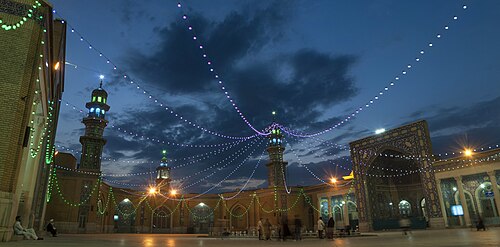


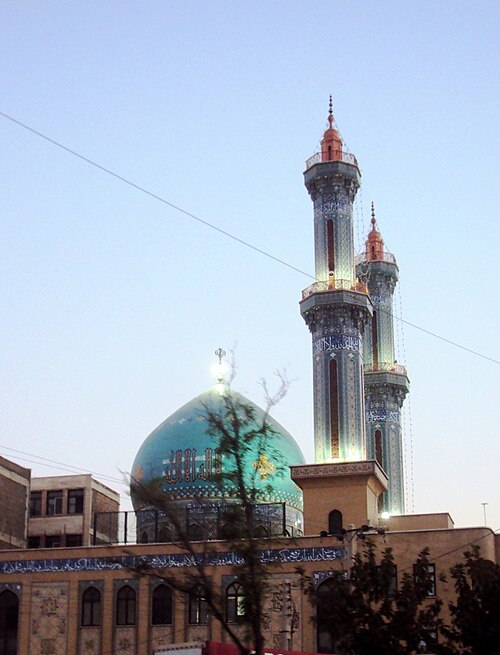
The present city of Qom in Central Iran dates back to ancient times. Its pre-Islamic history can be partially documented, although the earlier epochs remain unclear. Excavations at Tepe Sialk indicate that the region had been settled since ancient times (Ghirshman and Vanden Berghe), and more recent surveys have revealed traces of large, inhabited places south of Qom, dating from the 4th and 1st millennium BC.[15]
In antiquity, the Qom region was a stronghold of the cult of Anahita, the Iranian goddess of fertility. André Godard has reported about an Anahita temple along the Qom River (Golshan River). A district called Taraznahid (Nahid is her Persian name), close to Qom, is also connected to the goddess.
على الرغم من عدم وجود معلومات تُذكر عن المنطقة من العصور العيلامية والميدية والأخمينية ، إلا أن هناك آثارًا مهمة من العصرين السلوقي والبارثي ، ومن أبرزها وأهمها أطلال خورها (التي تقع على بُعد حوالي 70 كيلومترًا أو 43 ميلًا جنوب غرب قم). وقد أثار تحديد تاريخها ووظيفتها نقاشات وتفسيرات طويلة ومثيرة للجدل، إذ فُسِّرت على أنها بقايا معبد ساساني ، أو معبد ديونيسوس سلوقي، أو مجمع بارثي. ولا تزال وظيفتها الحقيقية محل خلاف، إلا أن إسهامات وولفرام كلايس تشير إلى قصر بارثي كان بمثابة محطة على الطريق السريع القريب، واستُخدم حتى العصر الساساني. [ 15 ]
أعادت نتائج الحفريات التي أجراها علماء الآثار الإيرانيون عام ١٩٥٥، والتي نُشرت مؤخرًا، إحياء الفرضية القديمة القائلة بوجود مبنى ديني سلوقي. [ ١٦ ] إلى جانب خورها ، التي ذُكرت سابقًا باسم خور آباد في قمي في القرن التاسع، كشفت المنطقة عن بعض البقايا الأخرى من تلك الحقبة، بما في ذلك الرؤوس البارثية الأربعة التي عُثر عليها بالقرب من قم، والمحفوظة الآن في المتحف الوطني الإيراني في طهران. [ ١٧ ] يذكر كتاب قمي شخصيات بارثية كمؤسسين لقرى في منطقة قم. [ ١٨ ] يبقى احتمال ذكر قم بأسماء يونانية في عملين جغرافيين قديمين ( تابولا بوتينجرا وجداول بطليموس الجغرافية) موضع شك.
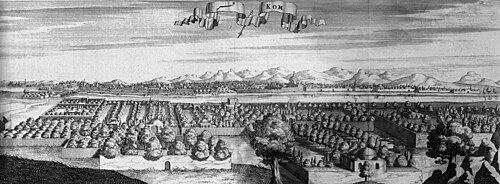
The Sasanian epoch offers many archeological findings and remnants, besides the fact that various sources mention Qom. The most interesting building from an archeological point of view is the Qalʿa-ye Doḵtar in Qom itself, which was long thought to have served religious purposes, while more recent research points to an administrative use.[19] The wider surroundings of Qom also contain numerous traces from palaces, religious, military and administrative buildings.[20] Some of these are mentioned by Qomi, who also names many more fire temples in the urban area of present Qom and its region, of which no archeological traces are left although the location of one fire temple can probably be equated with today's Masjed-e Emām in the city.[21] According to Qomi, the most important fire temple of the area stood in the nearby village of Dizijan.[22]
Tāriḵ-e Qom and some other sources also speak of genuine historical figures of the Sasanian epoch in connection with Qom and its region. They shed new light on the time of the seizure of power by the first Sasanian king Ardashir I, who fought his decisive battles near Qom,[23] and the collapse of the Sasanian empire, which is extensively reported by Ebn Aʿṯam Kufi and the Nehāyat al-Erab and names a certain Šērzād as the satrap of the region.[24] The existence of an urban settlement in the Sasanian epoch is furthermore verified by Middle Persian sources, literary sources, inscriptions, and seals, that mention in the time of Shapur I and Kawād I the names Godmān/Gomān and Ērān Win(n)ārd Kawād, both of which could be identified as Qom.[25]
Qom likely functioned as a small administrative unit throughout the whole Sasanian era. Probably the urban structure of the Sasanian settlement of Qom can be compared with the type of city of Ctesiphon (Or. Madāʾen) and consisted of several villages and little towns with Abaraštejān, Mamajjān and Jamkarān as the bigger settlements that were loosely connected by defense installations.[26]
يصعب استشفاف تفاصيل عملية الفتح العربي لمدينة قم من المصادر العربية المتاحة . فبحسب البلاذوري، وقع الفتح الأولي لمدينة قم عام 23 هـ/644م على يد أبي موسى الأشعري بعد أيام من القتال، مع أن مسار أبي موسى عبر غرب بلاد فارس ، كما رواه البلاذوري، يبدو غامضًا بعض الشيء. ولا يزال من غير الواضح من هم المدافعون عن قم. يُرجح أن النبلاء الساسانيين الفارين والجنود المحليين العائدين من المعارك الكبرى ضد العرب شكلوا نواة المقاومة. وظلت المنطقة بمنأى عن التدخل إلى حد كبير لمدة 60 عامًا بعد الفتح الأولي، وربما كانت تُدار من أصفهان . [ 27 ]
بدأ الاستيطان الدائم الأول للعرب في قم خلال ثورتي المختار الثقفي والمعرف بن مغيرة بن شعبة في الفترة ما بين عامي 66 و77 هـ/685-696 م، حين انتقلت إليها مجموعات صغيرة من اللاجئين، وتأثرت قم نفسها بالقتال الدائر بين الدولة الأموية والثوار. [ 28 ] وكانت الخطوة الحاسمة في التطور العمراني اللاحق لقم هي وصول جماعة من العرب الأشعريين إلى المنطقة. ينحدر هؤلاء الأشعريون من اليمن ، وكان أول شخصية بارزة بينهم هو أول فاتح لمنطقة قم، أبو موسى الأشعري المذكور آنفًا. وكان عبد الله بن سعد وأخواس بن سعد حفيدي ابن أخي أبي موسى ، وقد قادا جماعة الأشعريين الذين هاجروا من الكوفة إلى منطقة قم. ليس من الواضح تمامًا سبب هجرتهم، ولكن ربما كان ذلك أيضًا معارضة عامة للسلالة الأموية. وكان من بين العناصر الأساسية الاتصال المبكر مع النبيل الفارسي الزرادشتي المحلي البارز يزدانفادر. [ 29 ]
As the Arabs required a great deal of pasture for their large herds of cattle and were much wealthier than the local Persians, they slowly started to buy land and take over more villages. The decisive step for controlling the area was the elimination of the local Persian noble class that took place after the death of Yazdanfadar in 733.[30] Although a few names of governors and their tax assessments are known from the time after the administrative independence, the death of Fātimah bint Mūsā, the sister of the eighth Imam of Shias Ali al-Ridha in the city in 201/816–17 proved to be of great importance for the later history of Qom. Fātimah bint Mūsā died while following her brother to Khorasan, a region in northern Iran. The place of her entombment developed from 869–70 into a building that was transformed over time into today's magnificent and economically important sanctuary.[31]
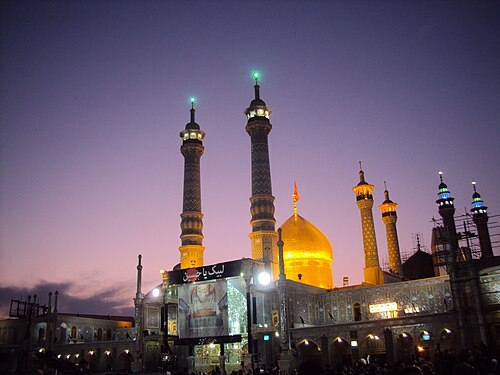
In 825–26, a major rebellion against the tax regulations of the caliphate broke out in Qom. It was caused by the refusal of the caliph Al-Ma'mun to lower the yearly tax assessment as he had done in Ray. The revolt was led by an Ashaari named Yahya ibn Emran, maintaining that taxes should not be paid to an unlawful ruler. Yahya was killed by troops sent by the caliph and the citizens were severely punished; the taxes were raised from 2 million to 7 million dirhams. Two years later the taxes were again raised by 700,000 dirham by the Ashaari governor Ali ibn Isa, who was subsequently deposed because he was strongly rejected by the inhabitants of Qom. But in 833 Ali returned to the post of governor (wali) and forcefully collected tax debts that were laid upon him by the caliph. He destroyed parts of Qom and handed over a wanted rebel to caliphal authorities under Al-Moʿtasem. Between 839–42 two contradicting tax assessments were carried out under turbulent circumstances which amounted to a sum of 5 million dirhams. The names of those involved have survived.[32]

The move of a Hadith transmitter from Kufa to Qom, which took place probably in the middle of the 9th century, indicates the increased importance of Qom as a center of Shia learning. At about the same time another military attack on the city occurred in 254/868, when Mofleḥ, the Turkish officer of the caliph Al-Mostaʿin, executed some of its inhabitants because of the city's refusal to pay taxes. Mofleḥ became governor of Qom and lasted in that position for at least five years. During his governorship important Alids moved to Qom and there are references to close contacts between the representative of the 11th Shia's Imam, Hassan al-Askari, in Qom and other Qomis. The representative Ahmad b. Eshaq was at the same time administrator of the Fāṭema sanctuary and the agent (wakil) responsible for the pensions of the Alids.[33]
The first Friday mosque in Qom was built in 878–79 on the site of a fire temple, although there are also confusing reports concerning a possible earlier Friday mosque.[34] In 881–82 Qom was occupied by the Turkish military leader Edgu Tegin (Arabic: Yadkutakin b. Asātakin or Aḏkutakin), who tried to collect the tax arrears for seven years which partially ruined the guarantors (some of whom are known) of these taxes. At about the same time the early orthodox Shias achieved their victory in the town. In 893–94, at the latest, all extremists (ḡolāt) were driven out of town by the leading Shia shaikh of Qom, Ahmaad b. Mohamed Isa Azhari. Probably one year later, in 1895, the famous Islamic mystic Ḥosayn b. Manṣur Ḥallaj stayed in Qom, where he was arrested.[35]
From 895–96 onwards the history of Qom was connected with a family of Turkish military leaders from the army of the caliph Al-Mu'tadid, including the governor Berun (Birun). In the same year, Berun destroyed a big and probably still active fire temple located on the territory of the evolving city and probably opposite today's sanctuary of Fātimah bint Mūsā. In these unstable political times, Qom was visited by the vizier of Al-Moʿtazed, Obayd-Allah ibn Solayman, and two tax assessments were organized.[36]
انتهت إحدى الخصائص الإدارية المميزة لمدينة قم في نفس الفترة تقريبًا، وهي التعيين المستقل للقضاة من قبل سكان قم العرب حتى عهد المكتفي، وهو ما يشير، إلى جانب إرسال وفد عربي فارسي مشترك إلى الوزير حامد بن عباس، إلى نهاية المكانة الرفيعة للعرب في قم. وتتميز فترة الوالي عباس بن عمرو الكناوي (292-296 هـ/904-909 م) بوجود شيعة غير الإثني عشرية في قم، وإنشاء منصب الجهبد (المسؤول المالي) كوسيط ضريبي للمدينة، مما عزز الحكم الذاتي المحلي. [ 37 ]
في عام 909، عُيّن حسين بن حمدان بن حمدون واليًا على قم وكاشان من قِبل الخليفة المقتدر، وكان عليه أن يُساند جيش الخليفة ضد الصفاريين في فارس . لم يدم حكمه سوى عامين قبل أن يعود إلى بغداد. [ 38 ] في الفترة ما بين عامي 301 هـ/913-914 هـ و315 هـ/927 هـ، شهد أهل قم، إلى جانب فرض ضريبة أخرى (كانت الثامنة آنذاك)، تدخلًا من الخليفة أسفر عن تعيين والٍ لترسيخ السيطرة الإدارية على المنطقة. وقد أدى هذا الإجراء إلى مزيد من الاضطرابات، وأثّر على ميزان القوى في منطقة كانت محل نزاع بين القوى المتنازع عليها آنذاك (الديلميون والسامانيون). [ 39 ]
ابتداءً من عام 316 هـ/928م، وقعت قم تحت سيطرة أمراء الحرب الديلميين، وتحررت من السلطة المباشرة للخليفة، على الرغم من أنها انتقلت بين أيدي عدة حكام بين عامي 928 و943م. استغل الديلميون المدينة استغلالاً بشعاً من خلال فرض ضرائب باهظة. ومع ترسيخ سيطرة البويهيين من عام 340 هـ/951-952م فصاعداً، تحسنت الأوضاع السياسية، وإن تدهور الوضع الاقتصادي. [ 39 ]
لم تُسجّل أحداث بارزة خلال الفترة السياسية المستقرة نسبيًا حتى عام 988-989، إلا أن مدينة قم بدت معزولة داخل بلاد فارس بسبب مذهبها الشيعي. وفي الوقت نفسه، جرى توسيع مزار فاطمة، وبلغ عدد السادة المقيمين في قم عددًا كبيرًا. وفي عام 373 هـ/984 م، تأثرت قم وضواحيها بثورة الكردي محمد برزيكاني ضد البويهي فخر الدولة. [ 40 ]
The population amounted to 50,000 inhabitants at the most and consisted of Persians and Arabs who had adopted the Persian of the time[41] as their language and many social customs from the Persians, whose proportion was probably smaller than the Arabs. The Kurds lived in the countryside to the west. The Twelver Shia constituted the great majority of the population and many important Shia scholars of the time came from Qom or lived there. As many as 331 male Alids lived in Qom in 988–89, and they produced a good number of community leaders and there is also mention of one prominent female ʿAlid besides Fātimah bint Mūsā. These Alids descended from the Imams and were supported by pensions.
Apart from the Shia mainstream, other Shia sects existed in the city and one can also assume the presence of Sunnies. Ḏemmis, or followers of other revealed religions (Jews, Christians, and Zoroastrians) must have lived in the city, too, as the payment of poll tax (jezya) indicates, although their number can only be very roughly estimated at a few thousand at the end of the 9th century and must have shrunk drastically in the 10th century. The majority of these non-Muslims were Zoroastrians, who made their living mostly as farmers. Jews must have lived in Qom as well, but information on them is scant. It is striking that the formerly dominant Ashaaries had lost their leading positions by the end of the 10th century. This points at a new social situation that allowed assimilated Persians to join the local establishment.[42]
The city's topography in the 10th century still reflected the evolutionary merging of the original six villages; these were still separated by fields. The town center was located in the village of Mamajjān, which was connected to other parts of the city on the other side of the river by four bridges. There were about eight squares whose function is not clear and three mosques within the city. There is almost no information about madrasas. The sanctuary must have still been quite small as only two cupolas are mentioned. A bazaar and bathhouses must have existed, too, as well as certain administrative buildings (prison, mint). Five bigger and eight smaller roads indicate good traffic connections, which were supported by at least three or maybe even nine city gates.[43]
Qom was then in a difficult economic and social position. Many houses inside the city as well as bridges and mills were ruined, and the roads and agriculture were suffering from an insecure situation. This has to be attributed to difficult social circumstances and excessive taxation.[44] The water supply seems to have been satisfactory and the Ashaaries seem to have undertaken continuous renovation works on the irrigation channels between 733 and 900. The Ašʿaris were also the proprietors of the water rights, which were safeguarded in the water authority (divān-e āb) that regulated the water shares.[45]
The system made the Ašʿaris the wealthiest inhabitants of Qom and stayed in place until 347/958–59 when they were expropriated by the Buyids, which brought about a decline in the whole system of irrigation. Although there were attempts at restoration in 371/981–82, only three of originally twenty-one channels had flowing water which meant enough drinking water was supplied for the population, but the available amount could not have been adequate for agricultural purposes.[45]

Altogether the state of cultivation in Qom seems to have resembled that of the other regions of Persia, although the thirty different crops and plants are only indirectly mentioned in connection with the tax assessments. The soil is reported to have good quality and produced big quantities of food. Little is known about animal husbandry in the region, but the considerable number of fifty-one mills existed, of which a fifth was in decay. Legends speak of mineral deposits and mines of silver, iron, gold and lead, while Kurds seem to have produced salt from a lake nearby (see Qom Lake). The production of chairs, textiles, and saddle equipment indicates craftsmanship.[46]
The city's taxation has to be distinguished between the more proper rule of the Abbasid tax bureaucracy and the time of the Deylamid warlords where rules were bent arbitrarily. A stunning diversity of taxes is known (often meant to serve the Abbasid bureaucracy and the Deylamid and Buyid war machinery) but the Karaj (land tax), which was composed of many different separate sums, was the most important single tax existing in Qom at least since post-Sasanian times. Within the known 18 tax figures ranging over 160 years there are great differences and the tax figures vary from 8 million to 2 million dirhams with a mean value at around 3 million.[47]
In taxation, Qom always followed the solar calendar with its own local variation, starting from the death of the Sasanian Yazdegerd III. A highly differentiated tax administration existed and is known in great detail; 24 tax collectors (ʿommāl) are listed from 189/804–05 to 371/981–82 plus two jahabaḏa who acted as mediators after the attempt to enforce collective responsibility by the taxpayers had failed. The information in the Tāriḵ-e Qom on taxation also mention by name 21 tax districts (rasātiq) in the region with 900 villages.[47]
Little is known about the time until the period of Seljuki dominance. In 387/997, Qom became involved in internal Buyid quarrels and was subsequently unsuccessfully besieged. In 418/1027–28, Qom fell under the rule of Šahryuš from the Kakuyid dynasty and a few years later (1030–40) it became part of the Ghaznavid domain. The Seljuki did not occupy Qom at once but left the town and Jebāl in Kakuyid hands for ten years. From 442/1050–51 on, the city was under Seljuk rule and nothing is known about its fate until 487/1094. Afterwards the growing instability of the Seljuk empire involved Qom in the power struggles between the competing Seljuk factions in Jebāl and the city changed hands many times. The most stable period seems to have been the 14 years (513–27/1119–33) when Qom lay in Sanjar's sphere of power and witnessed the construction of a second Friday mosque.[48]
تمتعت مدينة قم برخاء اقتصادي نسبي خلال العصر السلجوقي. ويبدو أن السلاجقة السنة المتشددين قد انتهجوا سياسة براغماتية، ويشير أحد المصادر الرئيسية لتلك الفترة (عبد الجليل القزويني) إلى علاقات طيبة بين الوزير الشهير نظام الملك وسلاطين السلاجقة من جهة، وأفراد الطبقة النبيلة المحلية من جهة أخرى. ويُقال إن السلاطين زاروا الحرم (مع أنه لم يُذكر اسم سلطان بعينه)، وبشكل عام، لا يُعرف عن أي إجراءات عقابية ذات دوافع دينية ضد قم. وفي ظل الحكم السلجوقي، شُيّد عدد كبير من المباني الدينية، ويُعرف ما لا يقل عن عشر مدارس دينية بالاسم. ويبدو أن مسجدين كانا يُستخدمان للصلاة يوم الجمعة في العصر السلجوقي: جُدّد المسجد القديم، وبُني مسجد جديد خارج حدود المدينة عام 528 هـ/1133-1134 م بأمر من السلطان طغرل الثاني . لا بد أن مدينة قم قد شهدت توسعاً خلال هذه الفترة، لكن الأسباب الدقيقة لازدهارها غير معروفة. فقد كانت إحدى عائلات آل الحسينيين ذات نفوذ، وأنجبت عدداً من قادة المجتمع. ومن العائلات الشيعية المهمة الأخرى عائلة دعاءدار ( بالفارسية: دعاءیدار )، التي كان أفرادها قضاة ( بالعربية: دعاءی ) في المدينة، مما يدل على تحول قم من مدينة يحكمها أهل السنة إلى معقل شيعي بالكامل . [ 49 ]
استمرت حقبتا الدغوزيين والخوارزمشاه قرابة ثلاثين عامًا ، وشهدتا تعاقبًا سريعًا لأنظمة حكم مختلفة. ومن أبرز أحداث هذه الفترة إعدام عز الدين يحيى، نقيب الشيعة، على يد التكيش عام 592 هـ/1196 م، وأعمال ترصيع بلاط الحرم (على الأرجح بين عامي 605 و613 هـ/1208 و1217 م)، مما يدل على ازدهار اقتصادي ملحوظ في ظل ظروف سياسية مضطربة. ومنذ عام 614 هـ/1217 و1218 م وحتى الغزو المغولي، بقيت قم تحت حكم محمد الثاني الخوارزمي . [ 50 ]
أدى الغزو المغولي إلى تدمير مدينة قم تدميراً كاملاً على يد جيوش القائدين المغوليين، جب وسوبيدي، عام 621 هـ/1224م، وترك المدينة أطلالاً لمدة عشرين عاماً على الأقل، حيث تذكر المصادر (الجويني) فرض الضرائب. وبعد عشرين عاماً، بدأت أعمال إعادة الإعمار والترميم، التي يُرجح أنها رُعيت من قِبل بعض السكان الأثرياء، في أضرحة الأولياء الشيعة بالمدينة، وهو ما يُناقض تلك المصادر، مثل حمد الله المستوفي، التي تصف قم بأنها مدينة مُدمّرة ومهجورة طوال العصر الإيلخاني . علاوة على ذلك، فإن لجوء الوزير الإيلخاني شمس الدين الجويني إلى مزار فاطمة بنت موسى عام 683 هـ/1284م، يُشير إلى أن المدينة لا بد أنها شهدت انتعاشاً ولو بسيطاً. من المرجح أن أسوار المدينة أُعيد بناؤها، ومن المعروف أنه تم تشييد أربعة أضرحة لقديسين بين عامي 720/1301 و1365. كما عُثر على بعض البلاطات الجميلة من هذه الفترة. لا يُعرف شيء عن أنظمة الري في المدينة، ولكن بُني سدٌّ قريب في عهد الإيلخانيين، ويبدو أن الإدارة المحلية قد عادت للعمل، كما يُشير اسم أحد القضاة. وُصفت الزراعة بأنها مزدهرة بتنوع النباتات المزروعة ووفرة المياه، وتشير الأساطير إلى استغلال رواسب الموارد المعدنية. توجد معلومات عن الضرائب في فترة ما بعد المغول. دفعت مدينة قم 40,000 دينار، ولكن اللافت للنظر أن بعض المناطق الريفية المحيطة بها دفعت ضرائب مماثلة أو حتى أكثر، مما يُشير إلى أن الهيكل الإداري للمناطق قد تغير أيضًا. [ 51 ]
في أواخر القرن الرابع عشر، نُهبت مدينة قم على يد تيمورلنك ، وقُتل سكانها. اكتسبت قم اهتمامًا خاصًا وتطورت تدريجيًا بفضل مزارها الديني خلال عهد الدولة الصفوية. وبحلول عام ١٥٠٣، أصبحت قم أحد أهم مراكز الفكر الديني لدى الشيعة، وموقعًا دينيًا هامًا للحج. تعرضت المدينة لأضرار جسيمة مرة أخرى خلال الغزوات الأفغانية، مما أدى إلى مصاعب اقتصادية بالغة.
تضررت مدينة قم بشدة خلال عهد نادر شاه ، نتيجة الصراعات بين أسرتي زندية وقجارية سعياً للسيطرة على إيران. وفي عام ١٧٩٣، أصبحت قم تحت حكم آغا محمد خان قاجار . وبعد انتصاره على أعدائه، تولى السلطان القاجاري فتح علي شاه مسؤولية ترميم ضريح حضرة معصوم، وفاءً لنذر قطعه على نفسه.
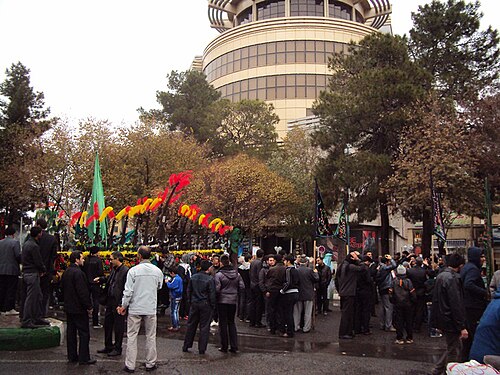
The city of Qom began another era of prosperity in the Qajar era. After Russian forces entered Karaj in 1915, many of the inhabitants of Tehran moved to Qom due to reasons of proximity, and the transfer of the capital from Tehran to Qom was even discussed. The British and Russians defeated prospects of the plan by putting Ahmad Shah Qajar under political pressure. As a center of religious learning Qom fell into decline for about a century from 1820 to 1920 but had a resurgence when Shaykh Abdul Karim Haeri Yazdi accepted an invitation to move from Sultanabad (now called Arak, Iran), where he had been teaching, to Qom.[52]
In 1964–65, before his exile from Iran, the Ayatollah Khomeini led his opposition to the Pahlavi dynasty from Qom. On 19 February 2020, the Iranian Students News Agency reported that the first two cases of the COVID-19 pandemic in Iran were detected in Qom.[53]
2025–2026 Iranian protests
On 4 January 2026, during the 2025–2026 Iranian protests, video footage was circulated showed a protester lying in the street in Qom with severe chest and arm injuries; the video was widely shared and described as showing a protester killed by a grenade.[54]
Demographics
Population
| Year | Pop. | ±% p.a. |
|---|---|---|
| 1986 | 543,139 | — |
| 1991 | 681,253 | +4.64% |
| 1996 | 777,677 | +2.68% |
| 2006 | 959,116 | +2.12% |
| 2011 | 1,074,036 | +2.29% |
| 2016 | 1,201,158 | +2.26% |
| source:[55] | ||
In the 2006 census, the city's population was 957,496, in 241,827 households.[56] The 2011 census counted 1,074,036 people in 299,752 households.[57] The 2016 census counted 1,201,158 people in 356,976 households.[2]
Geography
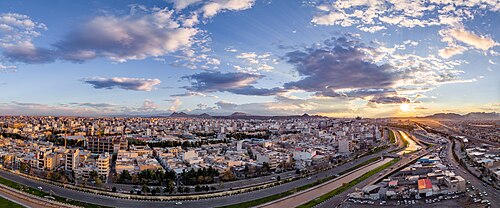
Qom, the capital of Qom province, is located 125 kilometers south of Tehran, on a low plain. The shrine of Fatimeh Masumeh, the sister of Imam Reza, is located in this city, which is considered by Shiʿa Muslims holy. The city is located in the boundary of the central desert of Iran (Kavir-e Markazi). At the 2011 census its population was 1,074,036, comprising 545,704 males and 528,332 females.[57]
تُعدّ قم مركزًا محوريًا للشيعة . [ 58 ] [ 59 ] منذ الثورة، ارتفع عدد رجال الدين من حوالي 25,000 إلى أكثر من 45,000، وتضاعف عدد غير رجال الدين أكثر من ثلاث مرات ليصل إلى حوالي 700,000. وتتدفق مبالغ طائلة من المال على شكل صدقات وضرائب إسلامية إلى قم لصالح المراجع العشرة المقلدة أو "المصدر الواجب اتباعه" المقيمة فيها. ويبلغ عدد الحوزات العلمية في قم حاليًا أكثر من 50، بينما يقارب عدد معاهد البحوث والمكتبات 250. [ 60 ]

يُعدّ مركزها الديني وضريح فاطمة المعصومة من أبرز معالم مدينة قم. [ 61 ] [ 62 ] كما يوجد موقع ديني شهير آخر للحج، كان يقع سابقًا خارج مدينة قم ولكنه يُعتبر الآن ضاحية منها، وهو جمكران . وقد أتاح قرب قم من طهران للمؤسسة الدينية سهولة الوصول إليها لمراقبة شؤون الدولة وقراراتها. ويمتلك العديد من المراجع الدينية مكاتب في كل من طهران وقم؛ ويتنقل الكثير من الناس بين المدينتين نظرًا لقربهما الجغرافي الذي لا يتجاوز 156 كيلومترًا أو 97 ميلًا .
تقع مدينة كاشان القديمة جنوب شرق مدينة قم . وإلى الجنوب مباشرة من قم تقع بلدات دلجان ، ومحالات ، ونراق، ومدينة بارديسان ، وكهاك، وجاسب . أما المنطقة المحيطة غرب قم فتضم بلدات تفرش ، وساوه ، وأشتيان ، وجعفرية. وتقع مدينة أراك ، العاصمة الصناعية لإيران، جنوب غرب قم.
مناخ
تتمتع مدينة قم بمناخ صحراوي حار يقع على حدود مناخ صحراوي بارد وفقًا لتصنيف كوبن للمناخ ( BWh على حدود BWk )، ومناخ جاف وفقًا لتصنيف تريوارثا للمناخ ( BW ). ويعود انخفاض معدل هطول الأمطار السنوي إلى بعدها عن البحر ووقوعها بالقرب من مرتفع جوي شبه استوائي . يكون طقس الصيف حارًا جدًا وجافًا تقريبًا. أما طقس الشتاء فيتراوح بين الدفء والبرودة الشديدة، وذلك عندما تندفع الكتل الهوائية السيبيرية جنوبًا عبر جبال البرز بفعل عوائق فوق أوروبا. ومن الأمثلة على ذلك انخفاض درجات الحرارة إلى -23 درجة مئوية (-9.4 درجة فهرنهايت) في الخامس عشر من يناير 2008. وقد شهدت المدينة حالات مماثلة في يناير 1964، وبدرجة أقل في يناير 1950، ويناير 1972، وديسمبر 1972.
أعلى درجة حرارة مسجلة كانت 47 درجة مئوية (117 درجة فهرنهايت) في 11 يوليو 2010. وأدنى درجة حرارة مسجلة كانت -23 درجة مئوية (-9 درجة فهرنهايت) في 15 يناير 2008.
| بيانات المناخ لمدينة قم (1986-2010، سجلات 1986-2020) | |||||||||||||
|---|---|---|---|---|---|---|---|---|---|---|---|---|---|
| شهر | يناير | فبراير | مار | أبريل | يمكن | يونيو | يوليو | أغسطس | سبتمبر | أكتوبر | نوفمبر | ديسمبر | سنة |
| أعلى درجة حرارة مسجلة بالدرجة المئوية (الفهرنهايت) | 23.4 (74.1) | 26.5 (79.7) | 35.5 (95.9) | 37.0 (98.6) | 41.8 (107.2) | 45.9 (114.6) | 47.0 (116.6) | 45.6 (114.1) | 42.3 (108.1) | 37.7 (99.9) | 31.0 (87.8) | 22.5 (72.5) | 47.0 (116.6) |
| متوسط درجة الحرارة العظمى اليومية بالدرجة المئوية (الفهرنهايت) | 10.2 (50.4) | 13.6 (56.5) | 19.1 (66.4) | 26.0 (78.8) | 31.8 (89.2) | 37.9 (100.2) | 40.3 (104.5) | 39.4 (102.9) | 34.9 (94.8) | 27.7 (81.9) | 18.9 (66.0) | 12.2 (54.0) | 26.0 (78.8) |
| متوسط درجة الحرارة اليومية بالدرجة المئوية (الفهرنهايت) | 4.2 (39.6) | 7.1 (44.8) | 12.0 (53.6) | 18.3 (64.9) | 23.6 (74.5) | 29.1 (84.4) | 31.8 (89.2) | 30.3 (86.5) | 25.2 (77.4) | 19.0 (66.2) | 11.5 (52.7) | 6.1 (43.0) | 18.2 (64.8) |
| متوسط الحد الأدنى اليومي °م (°ف) | -1.9 (28.6) | 0.6 (33.1) | 5.0 (41.0) | 10.5 (50.9) | 15.4 (59.7) | 20.2 (68.4) | 23.4 (74.1) | 21.2 (70.2) | 15.6 (60.1) | 10.3 (50.5) | 4.1 (39.4) | -0.1 (31.8) | 10.4 (50.7) |
| أدنى درجة حرارة مسجلة بالدرجة المئوية (الفهرنهايت) | -23.0 (-9.4) | -11.2 (11.8) | -11.0 (12.2) | -0.2 (31.6) | 5.4 (41.7) | 8.0 (46.4) | 15.0 (59.0) | 11.8 (53.2) | 6.5 (43.7) | 0.6 (33.1) | -11.0 (12.2) | -10.5 (13.1) | -23.0 (-9.4) |
| متوسط هطول الأمطار بالمليمتر (بوصة) | 25.4 (1.00) | 20.5 (0.81) | 27.7 (1.09) | 20.2 (0.80) | 10.4 (0.41) | 2.3 (0.09) | 0.7 (0.03) | 0.3 (0.01) | 0.8 (0.03) | 6.2 (0.24) | 14.3 (0.56) | 19.4 (0.76) | 148.2 (5.83) |
| متوسط أيام هطول الأمطار (≥ 1.0 مم) | 4.4 | 4.1 | 4.2 | 3.9 | 2.0 | 0.4 | 0.2 | 0.1 | 0.3 | 1.8 | 2.6 | 3.2 | 27.2 |
| أيام ثلجية متوسطة | 3.1 | 1.4 | 0.3 | 0.0 | 0.0 | 0.0 | 0.0 | 0.0 | 0.0 | 0.0 | 0.1 | 0.9 | 5.8 |
| متوسط الرطوبة النسبية (%) | 66 | 58 | 48 | 42 | 33 | 24 | 23 | 24 | 26 | 38 | 52 | 66 | 41 |
| متوسط ساعات سطوع الشمس الشهرية | 185.0 | 194.0 | 221.5 | 233.3 | 296.6 | 351.5 | 354.5 | 347.3 | 309.9 | 263.4 | 204.9 | 172.7 | 3134.6 |
| المصدر: منظمة الأرصاد الجوية الإيرانية (السجلات)، [ 63 ] (درجات الحرارة)، [ 64 ] (الهطول)، [ 65 ] (الرطوبة)، [ 66 ] (الأيام التي شهدت هطول أمطار وثلوج)، [ 67 ] (سطوع الشمس) [ 68 ] | |||||||||||||
الحوكمة
تتولى إدارة مدينة قم رئيس البلدية، الذي ينتخبه مجلس بلدي دوري. ويقع مقر البلدية الرئيسي في شارع الساحلي. ويشغل منصب رئيس بلدية قم حاليًا محمد دلباري.
الأحياء القديمة
|
|
|
|
أحياء حديثة
|
|
السياحة
التراث التاريخي والثقافي
تُدرج منظمة التراث الثقافي الإيرانية 195 موقعاً ذا أهمية تاريخية وثقافية في مدينة قم. لكن المواقع الأكثر زيارة في قم هي:
- ضريح فاطمة ماسومه
- مسجد جامكاران
- مسجد أعظم
- مسجد الإمام الحسن العسكري
- مسجد الغدير
- مسجد عتيق في قم
- مدرسة فيضية الدينية
- مكتبة مرعشي النجفي ، التي تضم أكثر من 500000 نص ونسخة مكتوبة بخط اليد.
- مدرسة بامينار
- مدرسة جهانغيرخان
- ضريح فتح علي شاه القاجاري
- ضريح محمد شاه القاجاري
- ضريح الشاه عباس الثاني
- ضريح شاه سليمان الثالث وضريح شاه صفي
- ضريح علي بن جعفر
- البيت التاريخي للسيد حسين بروجردي
- بيت روح الله الخميني
- قلعة جامكاران التاريخية
المتاحف
- متحف استانة المقدسة (متحف قم المركزي)

مخطوطة قرآنية كتبها علي بن موسى في متحف قم - متحف الأنثروبولوجيا في قم
- متحف الفنون التقليدية
- متحف التاريخ الطبيعي والحياة البرية
- متحف علم الفلك
المؤسسات التعليمية

Qom is well known for its many religious seminaries and institutes that offer advanced religious studies, which made this city the largest center for Shia scholarship in the world. There are an estimated 50,000 seminarians in the city coming from 80 countries, including Iraq, Lebanon, Syria and Pakistan. Qom has seminaries for women and some non-Shia students. Most of the seminaries teach their students modern social sciences and Western thought as well as traditional religious studies.[69]
Hawzah 'Ilmiyya Qom (Qom Seminary)
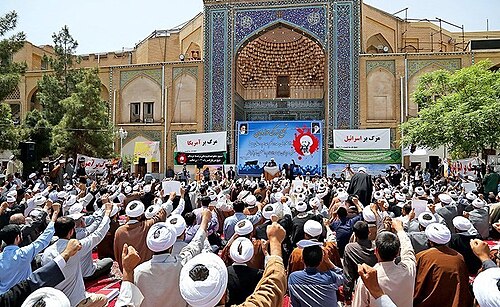
The Hawzah (a short form of al-Hawzah al-Ilmiyya), which presently consists of over 200 education and research centres and organisations, catering for over 40,000 scholars and students from over 80 sovereign states. The modern Qom hawza was revitalized by Abdul Karim Haeri Yazdi and Grand Ayatollah Borujerdi and is barely a century old. There are nearly 300,000 clerics in Iran's seminaries.
Universities and seminaries
- College of Farabi, University of Tehran
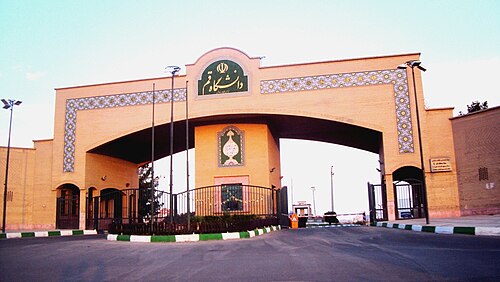
- University of Qom
- Mofid University
- Qom University of Medical Sciences
- Al-Mustafa International University
- Qom University of Technology
- Al-Zahra Seminary
- Seyyed Hassan Shirazi Seminary
- Imam Hossein Seminary
- Imam Baghir Seminary
- Imam Mahdi Seminary
- Rasoul A'zam Seminary
- Razavia Seminary
- Satia Seminary
- Imam Khomeini Seminary
- Aba-Salih Seminary
- Al-Mahdi Seminary
- Al-Hadi Seminary
- Haghani Seminary
- Janbazan Seminary
- Resalat Seminary
- Itrat Seminary
- Darb-Astana Seminary
- Seyyed Abdol Aziz Seminary
- Toloo-e-Mehr Educational Institute
- Shahab Danesh University
- Pardis-e-Daneshgah-e-Tehran University
- IRIB University Of Qom
- Qom's Industrial College
- Azad Islami University of Pardisan
- Payam-Nour College of Pardisan
- Ma'sumia University
- Hikmat College
- The University of Religions & Denominations
- Quran & Hadis University
- Fekr-e-Eslami University
- Ma'aref-e-Islami University
- Computer Research Center of Islamic Sciences
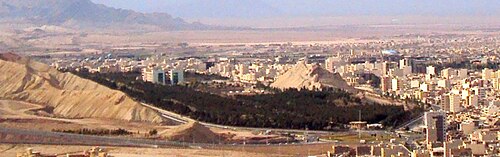


Fordow uranium enrichment facility
The Fordow uranium enrichment facility is located 20 miles north east of Qom.[70] In January 2012 the International Atomic Energy Agency (IAEA) announced that Iran had started producing uranium enriched up to 20% for medical purposes and that material "remains under the agency's containment and surveillance."[71] Iranian authorities state the facility is built deep in a mountain because of repeated threats by Israel to attack such facilities, which Israel believes can be used to produce nuclear weapons.[72] However, attacking a nuclear facility so close to a city considered so holy in Shia Islam brings concern of a potential risk of a Shiite religious response.[73] On 13 June 2025 the facility was attacked by the Israeli Air Force and on 22 June the United States military struck it, with President Donald Trump claiming it had been "obliterated".
Transportation
Qom International Airport (under construction).
Notable people






- Hassan-i Sabbah (1050-1124) - Leader of the Assassins and the Nizari Ismaili State
- Gholam Ali Oveissi (1918–1984) – General and the Chief Commander of the Imperial Iranian Armed Forces
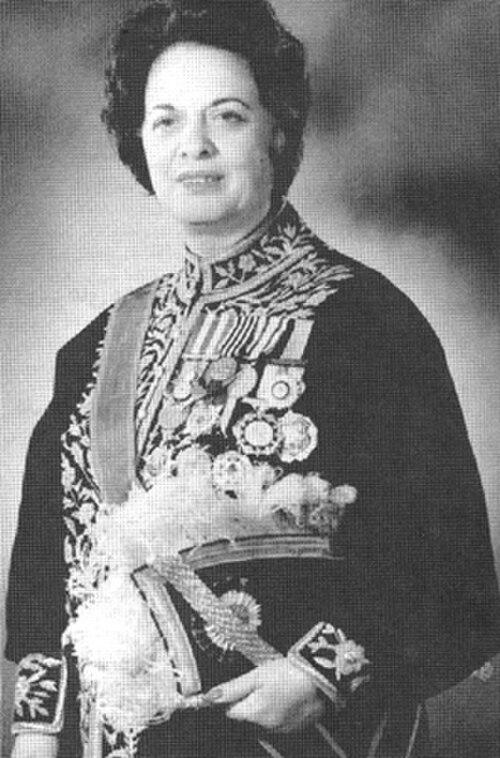
- Farrokhroo Parsa (1922–1980) – physician, educator and politician in the Parliament of Iran (1963–68), Minister of Education (1968–71), the first female cabinet minister of an Iranian government; executed by a firing squad in 1980, following the Iranian Revolution
- Parviz Shapour (1924-1999) – writer
- Naser Kamalian (b. 1931) – medical scholar
- Nasrollah Soltaninejad (b. 1936) – wrestler
- Azartash Azarnoush (b. 1937) – linguist and scholar
- Bahram Afzali (1938–1984) – Commander of Iranian Navy
- Sadeq Tabatabaei (1943–2015) – politician
- Mohammad Reza Nasehi (b. 1944) – weightlifter
- Fathali Oveisi (1946–2021) – actor
- Mostafa Pourmohammadi (b. 1960) – politician and Prosecutor
- Mahdi Mirbaqiri (b. 1961) – Ayatollah
- Nasser Zahedi (b. 1961) - doctor
- Faezeh Hashemi (b. 1963), journalist, women rights activist, and former member of Iranian parliament
- Hamid Reza Noorbakhsh (b. 1965) – singer
- Majid Abdolhosseini (b. 1972) – karateka
- Mehdi Khalaji (b. 1973) – writer, scholar of Islamic studies and political analyst
- Javad Razavian (b. 1974) –actor
- Mohsen Hassanzadeh (b. 1974) – futsal coach
- Vahid Ghiasi (b. 1975) – futsal coach
- Alireza Katiraei (b. 1976) – karateka
- Mohsen Rabbani (b. 1983) – pole vaulter
- Ali Asghar Hassanzadeh (b. 1987) – futsal player
- Saeid Taghizadeh (b. 1988) – futsal player
- Amir Mehdizadeh (b. 1989) – karateka
- Alireza Vafaei (b. 1989) – futsal player
- Abolghasem Orouji (b. 1989) – futsal player
- Hamid Naderi Yeganeh (b. 1990) – mathematical artist
- Mehdi Hosseini (b. 1993) – football player
- Elnaz Ghasemi (b. 1996) – handball player
- Alireza Nejati (b. 1998) – wrestler
Twin towns
Qom is twinned with:

Gallery
 Qom Mosque
 Young Water Park
 Shrine of Fatimah Masumah
 The Hashemi park of Qom in autumn
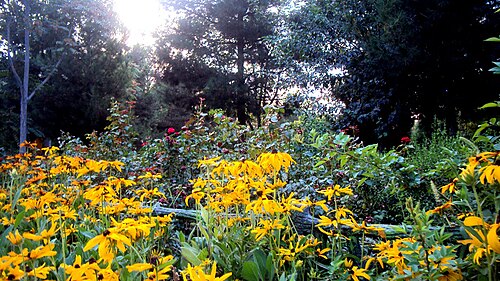 Alavi park


 Bonyadi Park
See also
Notes
- ↑Also known as Ghom, Ghum, or Qum
References
- ↑"فرامرز عظیمی کیست؟ | همه سوابق شهردار جدید قم | رویداد24". www.rouydad24.ir. Retrieved 30 July 2025.
- 12سرشماري عمومي نفوس و مسكن 1395 : استان قم[General Population and Housing Census 2016: Qom Province]. مرکز آمار ایران [Statistical Centre of Iran] (in Persian). Archived from the original(Excel) on 11 January 2021. Retrieved 30 July 2026.
- ↑"Major Agglomerations of the World – Population Statistics and Maps". citypopulation.de. Archived from the original on 13 September 2018. Retrieved 13 September 2018.
- ↑Nategh-Nuri, Ali Akbar (23 April 1996) [تاریخ تصویب (Approval date) 1375/02/04 (Iranian Jalali calendar)]. قانون ایجاد استان قم[ قانون إنشاء محافظة قم ] . لام تا كام [لام تا كام] . شورای نگهبان [مجلس صيانة الدستور]. مجلس شورای اسلامی [مجلس الشورى الإسلامي] [ID] D2FFD38E-C483-437F-912C-EF8385DA99D2. مؤرشفة من الأصلي في 6 يناير 2025 . تم الاسترجاع في 30 يوليو 2026 .
- ^ حبيبي، حسن (12 سبتمبر 1990) [ تاریخ تصویب (تاريخ الموافقة) 21/06/1369 (تقويم الجلالي الإيراني)].صور الطبيعة والطبيعة السلسة التي تتبع عناصر ووحدات تصنيفات البلد خلال مركز المدينة[ الموافقة على التنظيم والتسلسل الجنسي لعناصر ووحدات الأقسام الوطنية لمحافظة طهران ومركزها مدينة طهران ] . لام تا كام [لام تا كام] (باللغة الفارسية). وزارت کشور [وزارة الداخلية]. لجنة الدفاع السياسي التابعة لمجلس الحكومة. شناسه [ID] B559F46F-4863-4D87-ACAB-5274C02BA3C5. شماره دوره [رقم الدورة] 69, شماره جلد [رقم المجلد] 3. مؤرشفة من الأصلي في 21 يونيو 2025 . تم الاسترجاع في 30 يوليو 2026 .
- ↑ المدن الكبرى في إيران amar.org.ir تم الاطلاع عليه بتاريخ 19 أكتوبر 2018
- ↑ أكبر المدن في إيران ( worldatlas.com، تاريخ الاطلاع: ٢١ أكتوبر ٢٠١٨)
- ↑ محافظة قم yjc.ir تم الاطلاع عليه بتاريخ 21 أكتوبر 2018
- ↑ علي، مريم. "خريطة جنازة علي خامنئي في إيران: أماكن تجمع المعزين كل يوم" . الجزيرة . تم الاطلاع عليه بتاريخ 3 يوليو 2026 .
- ↑ أليكس شمس (6 ديسمبر 2018)، "في رحلات الحج الفارسية، يعيد الباكستانيون والهنود التواصل مع إيران" ، صحيفة داون نيوز . تم الاطلاع عليه في 9 مارس 2019.
- ↑ "أماكن للزيارة في قم: المدينة الأكثر محافظة في إيران - صوت المرشدين السياحيين" . voiceofguides.com . تم الاطلاع عليه بتاريخ 22 يوليو 2026 .
- ↑ "قم - إيران، التاريخ" . بلانيت إسكيب . تم الاطلاع عليه بتاريخ 22 يوليو 2026 .
- ↑ "💠 النظر إلى القمة التاريخية | قم بالزيارة الأخيرة" . تم الاسترجاع 10 أبريل 2024 .
- ↑ "قم" . اداره كل ميراث فرهنگی،صنایع دستی و گردشگری استان قم (باللغة الفارسية). 11 مارس 2018 مؤرشفة من الأصلي في 15 يوليو 2025 . تم الاسترجاع في 30 يونيو 2025 .
- 1 2 كليس، 1973، ص. 181؛ شرحه، 1981، ص 66-67 ؛ ^ شرحه، 1985، ص 173-79
- ↑ الحاكمي، ص 16، 22، 26، 28، 35، 39.
- ^ غيرشمان، 1962، ص. 52؛ الحاكمي، ص 13 – 14 و ص. 3
- ↑ قمي، الصفحات 65، 82، 84-86
- ↑ شيبمان، الصفحات 416-421
- ↑ للاطلاع على ملخص، انظر دريكسلر، الصفحات 44-46
- ^ قمي، ص 22 – 23، 32، 37، 61، 62، 69 – 71، 74، 77، 82، 90، 137 – 38.
- ↑ قمي، ص 88-89
- ^ قمي، ص 70-71؛ نهاية العرب، ص. 179؛ ويدنغرين، ص 271، 743-45
- ↑ ابن أعصم، ط، ص. 201، الثاني، ص 31، 33، 58/59؛ نهاية العرب، ص 383، 388
- ^ فراي، 1956، ص. 320؛ شرحه، 1975، ص. 11؛ جيسيلين، ص 28 ، 73-74
- ↑ دريكسلر، الصفحات 57-60
- ^ بلادوري، ص 312–14؛ دريشسلر، ص 69-74
- ↑ قمي، ص. 38؛ الطبري، ج ٢، ص. 992
- ^ قمي، ص 242–50، 258–65، 284–91؛ دريشسلر، ص 78-91
- ^ قمي، ص 48-49، 242، 244، 250، 253-57، 260، 262-63
- ^ قمي، ص 31، 101–02، 164، 213–14؛ ابن بابويه، الثاني، ص. 271؛ المدرسي الطباطبائي 1976، ط، ص. 18؛ دريشسلر، ص 124-31
- ^ قمي، ص 35، 102–04، 156–57، 163–64؛ الطبري، الثالث، ص 1092-93، 1102، 1106، 1111؛ المدرسي الطباطبائي، 1983، ص. 166؛ دريشسلر، ص 132-39
- ↑ النجاشي، ص 12، 262؛ قمي، ص 35، 156-57، 163-64، 211-12، 215؛ الطبري، ج٣، ص. 1697؛ المدرسي الطباطبائي، 1983، ص. 166؛ دريشسلر، ص 140-45
- ^ قمي، ص 26، 37-38؛ المدرسي الطباطبائي، 1976، الجزء الثاني، الصفحات 115–16؛ دريشسلر، ص 146-48
- ↑ الطبري، ج3، ص. 2024، ص. السابع والثلاثون، ص. 78؛ قمي، ص 35، 157-58، 163، 215؛ النجاشي، ص 33، 132؛ الطوسي، ص 20، 25، 247-248؛ المدرسي الطباطبائي، 1993، ص 34-35، 37؛ دريشسلر، ص 148-54
- ^ قمي، ص 89–90، 104–06، 125، 128، 133–34، 156، 163–64؛ ابن الفقيه، ص. 247؛ دريشسلر، ص 154-60
- ^ قمي، ص 17، 35–36، 149–53، 225، 229؛ دريشسلر، ص 160-64
- ↑ الطبري، ج3، ص. 2284، ترجمة، الثامن والثلاثون، ص 197-98؛ دريشسلر، ص 164-66
- 1 2 قمي، ص 99-100، 105-06، 142-44، 164-65، 217-18؛ ابن العطير، الثامن، ص 102–04، 162، 196، 290، 388–89؛ دريشسلر، ص 166-81
- ^ قمي، ص 214، 219-220؛ المدرسي الطباطبائي، 1971، ص. 117؛ شرحه، 1976، ط، ص. 18؛ دريشسلر، ص 181-91
- ↑ ابن حوقل، ص. 362؛ دريشسلر، ص. 198، ن. 956
- ↑Qomi, pp. 18, 32, 44–46, 108, 123, 125, 128, 191–241; Ebn al-Faqih, p. 209; Ebn Ḥawqal, pp. 315, 342; Ṭusi, pp. 42, 75–76, 93; Najāši, p. 276; Biruni, p. 228; Ebn Saʿd, VII, p. 382; Samʿāni, X, p. 486; Modarresi Ṭabāṭabāʾi, 1971, pp. 121–25; 136–37; Drechsler, pp. 198–207
- ↑Qomi, pp. 23, 26–27, 32, 35–40, 42, 60, 167, 214, 216; Saʿidniā, pp. 151–53, 155–56, 158–59; Drechsler, pp. 194–98
- ↑Qomi, pp. 13, 27, 36–37, 53–56; Drechsler, pp. 192–93
- 12Yaʿqubi, pp. 273–74; Qomi, pp. 40–46; 48–53, 244; Lambton, 1989, pp. 156–59; Drechsler, pp. 243–52
- ↑Qomi, pp. 48, 53–56, 76–77, 87–88, 107–08, 112–13, 119–22, 167, 174–76, 244, 251; Ebn Ḥawqal, p. 342; Ebn al-Faqih; pp. 50, 265; Moqaddasi, pp. 396, 470; Spuler, pp. 387–90, 392–94; 405–06, 408; Drechsler, pp. 253–58
- 12Qomi, pp. 28–29, 31, 34, 38–39, 42, 56–59, 101–90, 242, 253, 262; Balāḏori, p. 314; Yaʿqubi, p. 274; Ebn al-Faqih, pp. 264–65; Modarresi Ṭabāṭabāʾi, 1983, pp. 28, 40–41; Lambton, 1969, pp. 41–45; Drechsler, pp. 258–73, 285–306
- ↑Ebn al-Aṯir, IX, pp. 204, 357–58, 429–30, X, pp. 289, 332–33, 551, XI, p. 237; ʿAbd-al-Jalil Qazvini, pp. 167–68; Bayhaqi, pp. 422–33; Mostawfi, pp. 833, 841; Bosworth, 1968, pp. 38, 106–110, 120, 125, 135; Drechsler, pp. 208–19
- ↑ʿAbd-al-Jalil Qazvini, pp. 47, 51, 163–64, 182, 191, 220–21, 229–30, 280, 430, 437, 494, 643; Abu'l-Rajāʾ Qomi, pp. 105–06, 262; Modarresi Ṭabāṭabāʾi, 1971, pp. 5, 130, 138–39, 165–67; idem, 1976, I, p. 20, II, pp. 109–10, 217–18; Drechsler, pp. 220–28
- ↑Ebn al-Aṯir, X, p. 118, XII, p. 317; Abu'l-Rajāʾ Qomi, p. 262; Modarresi Ṭabāṭabāʾi, 1971, pp. 132–33; Drechsler, pp. 228–31
- ↑Ebn al-Aṯir, XII, p. 419; Rašid al-Din Fażl-Allāh, 1957, p. 63; Jovayni, pp. 538, 542; Ḥamd-Allāh Mostawfi, 1919, pp. 67–68, 71–73; Boyle, pp. 311, 331, 337, 368–69, 496, 541; Spuler, 1955, pp. 30–31, 41, 82–83; Modarresi Ṭabāṭabāʾi, 1976, II, p. 35, 43, 67, 78; Survey of Persian Art, IV, pp. 1684–86; Drechsler, pp. 232–41, 308–12
- ↑Momen, Moojan, An Introduction to Shi'i Islam, Yale University Press, 1985, p. 247
- ↑"Coronavirus: Iran reports two suspected fatal cases at Qom hospital". BBC News. 20 February 2020. Retrieved 6 March 2026.
- ↑"What happened: Day seven of protests" (in Persian). BBC Persian. 4 January 2026. Retrieved 4 January 2026.
- ↑"Iran: Provinces, Major Cities & Towns - Population Statistics, Maps, Charts, Weather and Web Information". www.citypopulation.de. Retrieved 10 April 2024.
- ↑سرشماريني نفوس وسكن 1385 : استان قم[ التعداد العام للسكان والمساكن 2006: محافظة قم ] . مرکز آمار ایران [المركز الإحصائي الإيراني] (باللغة الفارسية). مؤرشفة من الأصلي (اكسل) في 20 سبتمبر 2011 . تم الاسترجاع في 30 يوليو 2026 .
- 1 2سرشماريني نفوس وسكن 1390 : استان قم[ التعداد العام للسكان والمساكن 2011: محافظة قم ] . بوابة البيانات الإيرانية - جامعة سيراكيوز (باللغة الفارسية). المركز الإحصائي الإيراني . مؤرشف من الأصل (ملف إكسل) بتاريخ 20 يناير 2023. تم الاطلاع عليه بتاريخ 30 يوليو 2026 .
- ↑ مدينة قم المقدسة هي قطب العالم الشيعي irna.ir تم الاطلاع عليه بتاريخ 10 أكتوبر 2018
- ↑ ينبغي أن تكون قم عاصمة العالم الشيعي aghigh.ir تم الاطلاع عليه بتاريخ 10 أكتوبر 2018
- ↑ كريستوفر دي بيلايغ، الصراع من أجل إيران ، نيويورك ريفيو أوف بوكس، 2007، ص 24
- ↑ متى يبدأ تاريخ مرقد السيدة المعصومة؟ مؤرشف في 6 سبتمبر 2019 على موقع Wayback Machine ، تم الاطلاع عليه في 10 أكتوبر 2018.
- ↑ دور مدينة قم وبلاط السيدة المعصومة في ظهور الجمهورية الإسلامية (iqna.ir، تاريخ الاطلاع: ١٠ أكتوبر ٢٠١٨)
- ↑
- "أعلى درجة حرارة مسجلة في غوم حسب الشهر 1986-2010" . منظمة الأرصاد الجوية الإيرانية . تم الاطلاع عليه بتاريخ 8 أبريل 2015 .
- "أدنى درجات الحرارة المسجلة في غوم حسب الشهر 1986-2010" . منظمة الأرصاد الجوية الإيرانية . تاريخ الاطلاع: 8 أبريل 2015 .
- ↑
- متوسط درجة الحرارة العظمى في غوم شهرياً 1986-2010 . الهيئة الإيرانية للأرصاد الجوية. مؤرشف من الأصل بتاريخ 6 سبتمبر 2014. تم الاطلاع عليه بتاريخ 8 أبريل 2015 .
- "متوسط درجة الحرارة اليومية في غوم حسب الشهر 1986-2010" . منظمة الأرصاد الجوية الإيرانية . تم الاطلاع عليه بتاريخ 8 أبريل 2015 .
- متوسط درجة الحرارة الدنيا في غوم شهرياً 1986-2010 . الهيئة الإيرانية للأرصاد الجوية. مؤرشف من الأصل بتاريخ 6 سبتمبر 2014. تم الاطلاع عليه بتاريخ 8 أبريل 2015 .
- ↑ "إجمالي هطول الأمطار الشهري في غوم حسب الشهر 1986-2010" . منظمة الأرصاد الجوية الإيرانية . تم الاطلاع عليه بتاريخ 8 أبريل 2015 .
- ↑"Average relative humidity in Ghom by Month 1986–2010". Iran Meteorological Organization. Archived from the original on 16 September 2014. Retrieved 8 April 2015.
- ↑
- "No. of days with precipitation equal to or greater than 1 mm in Ghom by Month 1986–2010". Iran Meteorological Organization. Archived from the original on 22 August 2014. Retrieved 8 April 2015.
- "No. of days with snow or sleet in Ghom by Month 1986–2010". Iran Meteorological Organization. Archived from the original on 26 August 2014. Retrieved 8 April 2015.
- ↑"Monthly total sunshine hours in Ghom by Month 1986–2010". Iran Meteorological Organization. Archived from the original on 6 September 2014. Retrieved 8 April 2015.
- ↑Nasr, Vali The Shia Revival, Norton (2006), p. 217
- ↑Russia 'regrets' reported Iran nuclear activity in Qom facility, Haaretz, January 10, 2012.
- ↑"Iran enriching uranium at Fordo plant near Qom". BBC. 10 January 2012. Retrieved 1 March 2012.
- ↑Azmat Khan (13 January 2012). "Did Santorum Suggest Iran Wants Nukes to Bring Back Messiah?". Public Broadcasting Service.
- ↑Akluf Benn (3 September 2009). "Cries of 'hold me back' may lead Israel to strike Iran". Haaretz.com. Archived from the original on 24 January 2014.
Bibliography
- Balāḏori
- Drechsler
- Frye
- Ghirshman
- Hakemi
- Kleiss
- Modarresi Ṭabāṭabāʾi
- Najāši
- Qomi
- Schippmann
External links
- Irani, Hamed (2 November 2005). "Qom Concerned over New Intelligence Appointments". ROOZ (ROOZ Online). Archived from the original on 25 March 2006. Retrieved 28 June 2009.
- Sādeq Sabā, Visiting Iran's ayatollahs at Qom, Tuesday, 17 June 2008, BBC
- Qom
- Populated places in Qom County
- Cities in Qom province
- Iranian provincial capitals
- Shia holy cities
- Holy cities
- Ziyarat