
الحزب الديمقراطي في ولاية أوريغون
الحزب الديمقراطي في ولاية أوريغون هو الفرع المحلي للحزب الديمقراطي في الولاية . [ 3 ] وتُعدّ اللجنة المركزية للولاية، المؤلفة من مندوبين منتخبين من كل مقاطعة من مقاطعات أوريغون الست والثلاثين ، بالإضافة إلى مندوب إضافي لكل 15,000 ديمقراطي مسجل، الهيئةَ الرسميةَ الرئيسية للحزب. [ 4 ] وللحزب 17 تجمعًا انتخابيًا خاصًا، لكل منها تمثيل في اللجنة المركزية للولاية.
بعد انضمام ولاية أوريغون إلى الاتحاد الأمريكي عام 1859، انتخبت الولاية ضعف عدد الديمقراطيين مقارنةً بالجمهوريين في الانتخابات العامة بين عامي 1859 و1879. [ 5 ] وهو الحزب المهيمن حاليًا في الولاية، إذ يشغل جميع مقاعد أوريغون الستة في مجلس النواب الأمريكي باستثناء مقعد واحد ، بالإضافة إلى مقعدي مجلس الشيوخ الأمريكي ، ومجلسي الجمعية التشريعية لأوريغون ، ومنصب حاكم الولاية .
المنصة والجدول التشريعي
يعقد الحزب الديمقراطي في ولاية أوريغون مؤتمراً لبرنامجه الانتخابي كل عامين، حيث يحدد فيه برنامجه الانتخابي وأولوياته التشريعية. وتتوفر أحدث نسخ هذه الوثائق على موقعه الإلكتروني .
في بداية الدورة القصيرة لعام 2022، أعلن الديمقراطيون في مجلس النواب عن أولويات مثل معالجة مشكلة التشرد وتكلفة السكن، والسلامة المجتمعية، والتعليم، وتنمية القوى العاملة والتدريب، ورعاية الأطفال، والحصول على الرعاية الصحية، وتغير المناخ. [ 6 ]
منظمة
وفقًا لقوانين ولاية أوريغون المنظمة للأحزاب السياسية الرئيسية، يتألف الحزب من جميع الناخبين المسجلين الذين يُعلنون انتماءهم الحزبي للحزب الديمقراطي. في كل انتخابات تمهيدية تُجرى كل سنتين في السنوات الزوجية، ينتخب هؤلاء الناخبون المنتسبون أعضاءً من كل دائرة انتخابية للجنة المركزية في مقاطعتهم، والتي بدورها تنتخب مندوبين إلى مؤتمر الولاية، المكلف بتنظيم الحزب على مستوى الولاية، وترتيب شؤونه اليومية. كما تُرسل هذه اللجان المركزية في المقاطعات مندوبين إلى اللجان الدائمة في دوائرهم الانتخابية، والتي بدورها تدعم لجان المقاطعات المركزية التابعة لها، وتنسق أنشطة الحزب وحملاته على مستوى الدائرة.
الضباط
- رئيس الجلسة: ناثان سولتز
- نائب الرئيس: كيم شميث
- نائبة الرئيس: إيلين كيلي
- السكرتير: جيسي مالدونادو
- أمين الصندوق: أشتون سيمبسون
- عضو اللجنة الوطنية الديمقراطية: ستيف نيوتن-أزور
- عضو اللجنة الوطنية الديمقراطية: ديان غروفر
- عضو اللجنة الوطنية الديمقراطية: كين ترونغ
التجمعات الحزبية
يعترف الحزب على مستوى الولاية بـ 19 تجمعاً حزبياً تم تشكيلها لمعالجة قضايا سياسية محددة في مجتمعاتها المكونة لها:
- تجمع الأمريكيين الآسيويين وسكان جزر المحيط الهادئ
- التجمع الأسود
- تجمع العدالة لذوي الإعاقة
- مجموعة التعليم
- تجمع نزاهة الانتخابات
- مجموعة البيئة
- تجمع مالكي الأسلحة
- تجمع الرعاية الصحية
- التجمع اليهودي
- كتلة حزب العمال
- التجمع اللاتيني
- تجمع الأمريكيين الأصليين
- التجمع الريفي
- تجمع كبار السن
- تجمع الشركات الصغيرة
- تجمع ستونوول (مجتمع الميم+)
- تجمع المحاربين القدامى
- تجمع النساء
- تجمع الديمقراطيين الشباب
المسؤولون المنتخبون الحاليون
أعضاء الكونغرس
يسيطر الديمقراطيون على كلا مقعدي مجلس الشيوخ الأمريكي عن ولاية أوريغون، وعلى 5 من أصل 6 مقاعد في مجلس النواب الأمريكي عن ولاية أوريغون.
مجلس الشيوخ الأمريكي
منذ عام 2009 ، يشغل الديمقراطيون كلا مقعدي ولاية أوريغون في مجلس الشيوخ الأمريكي :
 السيناتور الأمريكي الشاب جيف ميركلي
 السيناتور الأمريكي البارز رون وايدن
مجلس النواب الأمريكي
يشغل الديمقراطيون خمسة من المقاعد الستة المخصصة لولاية أوريغون في مجلس النواب الأمريكي بعد تعداد عام 2020 :
| يصرف | عضو | صورة |
|---|---|---|
| الأول | سوزان بوناميتشي | 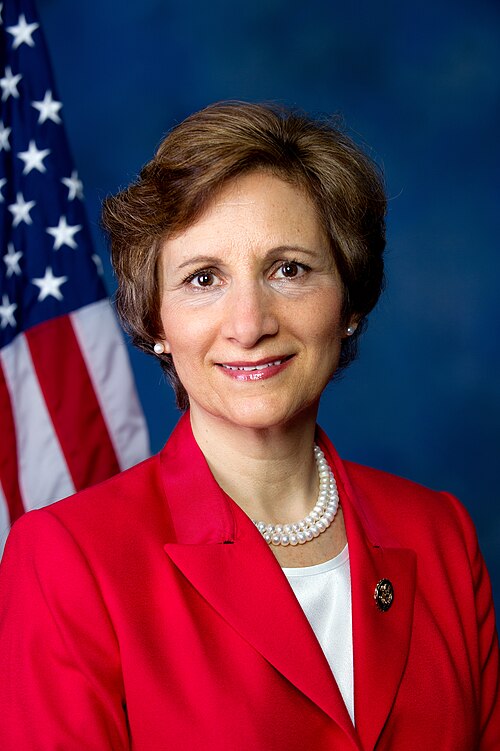 |
| الثالث | ماكسين ديكستر |  |
| الرابع | فال هويل |  |
| الخامس | جانيل بينوم |  |
| السادس | أندريا ساليناس |  |
مكاتب على مستوى الولاية
يشغل الحزب الديمقراطي في ولاية أوريغون جميع المناصب التنفيذية الخمسة المنتخبة في الولاية.

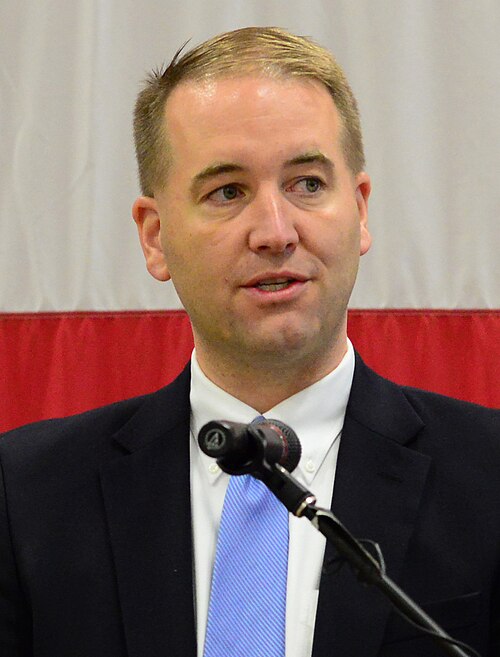
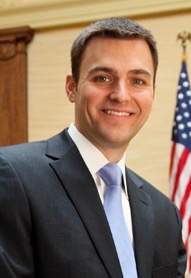
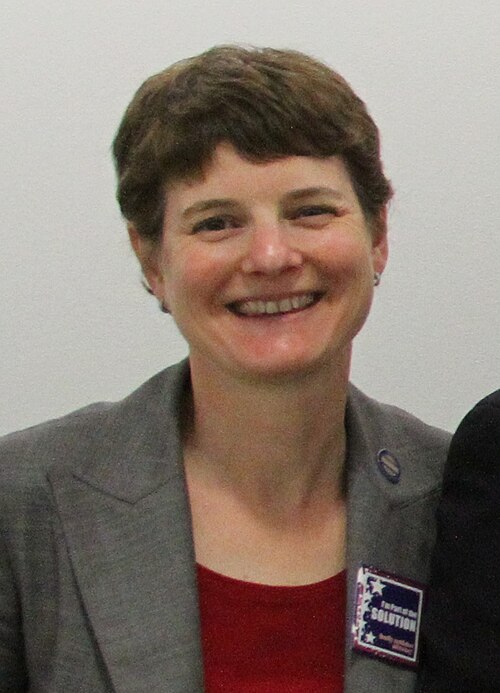
 مفوضة العمل كريستينا ستيفنسون (غير حزبية رسمياً)
القيادة التشريعية
- رئيس مجلس الشيوخ: روب واغنر
- رئيس مجلس الشيوخ المؤقت: جيمس آي. مانينغ جونيور
- زعيمة الأغلبية في مجلس الشيوخ: كيت ليبر
- رئيس مجلس النواب: دان رايفيلد
- رئيس مجلس النواب المؤقت: بول هولفي
- زعيمة الأغلبية في مجلس النواب: جولي فاهي
- رئيسة الأغلبية في مجلس النواب: أندريا فالديراما
الهيئة التشريعية لولاية أوريغون
مجلس الشيوخ
| يصرف | بيت | عضو مجلس الشيوخ | حزب |
|---|---|---|---|
| 3 | أشلاند | جيف جولدن | ديمقراطي |
| 4 | يوجين | فلويد بروزانسكي | ديمقراطي |
| 7 | يوجين | جيمس مانينغ الابن | ديمقراطي |
| 8 | كورفاليس | سارة جيلسر | ديمقراطي |
| 10 | سالم | ديب باترسون | ديمقراطي |
| 13 | ويلسونفيل | آرون وودز | ديمقراطي |
| 14 | بيفرتون | كيت ليبر | ديمقراطي |
| 15 | هيلزبورو | جينين سولمان | ديمقراطي |
| 17 | بورتلاند | إليزابيث شتاينر | ديمقراطي |
| 18 | ألوها | وينسفي كامبوس | ديمقراطي |
| 19 | بحيرة أوسويغو | روب واغنر | ديمقراطي |
| 20 | غلادستون | مارك ميك | ديمقراطي |
| 21 | بورتلاند | كاثلين تايلور | ديمقراطي |
| 22 | ليو فريدريك | ديمقراطي | |
| 23 | مايكل ديمبرو | ديمقراطي | |
| 24 | كايس جاما | ديمقراطي | |
| 25 | تروتديل | كريس غورسك | ديمقراطي |
مجلس النواب
| يصرف | بيت | ممثل | حزب |
|---|---|---|---|
| 5 | أشلاند | بام مارش | ديمقراطي |
| 7 | سبرينغفيلد | جون لايفلي | ديمقراطي |
| 8 | يوجين | بول هولفي | ديمقراطي |
| 10 | أوتيس | ديفيد غومبيرغ | ديمقراطي |
| 13 | يوجين | نانسي ناثانسون | ديمقراطي |
| 14 | جولي فاهي | ديمقراطي | |
| 16 | كورفاليس | دان رايفيلد | ديمقراطي |
| 19 | سالم | توم أندرسن | ديمقراطي |
| 20 | مونماوث | بول إيفانز | ديمقراطي |
| 26 | تيغارد | بن بومان | ديمقراطي] |
| 26 | ويلسونفيل | كورتني نيرون ميسلين | ديمقراطي |
| 27 | بيفرتون | كين هيلم | ديمقراطي |
| 28 | بورتلاند | داسيا غرايبر | ديمقراطي |
| 29 | فورست غروف | سوزان ماكلين | ديمقراطي |
| 30 | هيلزبورو | ناثان سوسا | ديمقراطي |
| 33 | بورتلاند | ماكسين ديكستر | ديمقراطي |
| 34 | بيفرتون | ليزا رينولدز | ديمقراطي |
| 35 | فرح تشايتشي | ديمقراطي | |
| 36 | هيلزبورو | هاي فام | ديمقراطي |
| 37 | ويست لين | جولز والترز | ديمقراطي |
| 38 | بحيرة أوسويغو | دانيال نغوين | ديمقراطي |
| 39 | وادي السعادة | جانيل بينوم | ديمقراطي |
| 40 | غلادستون | أنيسا هارتمان | ديمقراطي |
| 41 | ميلواكي | مارك جامبا | ديمقراطي |
| 42 | بورتلاند | روب نوس | ديمقراطي |
| 43 | تاونا سانشيز | ديمقراطي | |
| 44 | ترافيس نيلسون | ديمقراطي | |
| 45 | ثوي تران | ديمقراطي | |
| 46 | خان فام | ديمقراطي | |
| 47 | أندريا فالديراما | ديمقراطي | |
| 48 | هوا نغوين | ديمقراطي | |
| 49 | تروتديل | زاك هدسون | ديمقراطي |
| 50 | جريشام | ريكي رويز | ديمقراطي |
| 53 | يلوي | إيمرسون ليفي | ديمقراطي |
| 54 | يلوي | جيسون كروبف | ديمقراطي |
تاريخ
الفترة الإقليمية

أطلق المحرر أسايل بوش ، في صحيفته " أوريغون ستيتسمان " في يونيو 1851، دعوةً أوليةً لإنشاء تنظيم "شامل ودائم" للحزب الديمقراطي في إقليم أوريغون. [ 7 ] وواصل بوش، المعروف بانحيازه الحزبي الشديد، هجومه المتواصل في صحيفته على مسؤولي حزب الويغ وأعضائه، واصفًا إياهم بأنهم مروّجون "للاحتكارات والتعريفات الجمركية وتراخيص البنوك التي تُخصب أرض الأغنياء بعرق جبين الفقراء". [ 8 ] وقد استُجيبت دعوة بوش في يوم الاستقلال عام 1851، بعقد مؤتمر إقليمي تم فيه اختيار لجنة مركزية وتعيين جيمس نيسميث رئيسًا لها. [ 9 ]
كانت "الديمقراطية" في فترة ما قبل الحرب الأهلية مدعومة بشكل أساسي من قبل المزارعين، وتضمنت دورة منتظمة من الأنشطة الحزبية خلال فترة الركود الزراعي من الشتاء إلى الربيع، والتي شملت التجمعات المحلية، واحتفالات جاكسون ، وعشاء جيفرسون-جاكسون السنوي ، ومؤتمرات المقاطعات، وإشعال النيران في الرابع من يوليو. [ 10 ]
ركز المعارضون للديمقراطية في تلك الفترة، والذين كانوا أقل تنظيماً من الديمقراطيين على مستوى الدوائر الانتخابية والمقاطعات والأقاليم، على قضايا الاعتدال وتعزيز النزعة البروتستانتية القومية ، وخاضوا الانتخابات تحت ثلاثة أحزاب سياسية متميزة: حزب الشعب عام 1853؛ وحزب الويغ والحزب الأمريكي عام 1855؛ والحزب الجمهوري والمستقل وحزب قانون مين عام 1857. [ 11 ] أدى نظامهم الحزبي المتفوق نسبياً إلى هيمنة الديمقراطيين في الفترة التي سبقت قيام الدولة، على الرغم من أن الانقسامات الفصائلية التي دارت حول السيطرة على الاعتمادات الفيدرالية والمحسوبية جعلت الحزب الديمقراطي، الذي كان يمثل الأغلبية، بعيداً كل البعد عن كونه منظمة موحدة. [ 12 ]
فترة تأسيس الدولة المبكرة
عُقد أول مؤتمر للحزب بعد انضمام ولاية أوريغون إلى الاتحاد في سالم بتاريخ 20 أبريل 1859. ونظرًا للانقسام الحاد حول قضية العبودية ، [ 13 ] رشّح المؤتمر لانسينغ ستاوت ، المدعوم من فصائل مؤيدة للعبودية بقيادة جوزيف لين ، [ 14 ] لعضوية مجلس النواب الأمريكي، متفوقًا على الديمقراطي لافاييت غروفر ، العضو الحالي في المجلس. وأسفرت سيطرة الديمقراطيين على المجلس التشريعي للولاية بين عامي 1859 و1879 عن اختيار ثمانية ديمقراطيين كأعضاء في مجلس الشيوخ الأمريكي، مقابل ثلاثة جمهوريين فقط. [ 5 ] وابتداءً من ثمانينيات القرن التاسع عشر، أصبح الديمقراطيون حزبًا أقلية عندما اختار المهاجرون من ويسكونسن وميشيغان ومينيسوتا ودول أجنبية أخرى، الذين انتقلوا إلى أوريغون، الحزب الجمهوري كحزبهم الرئيسي. [ 5 ]
مع بداية ثمانينيات القرن التاسع عشر، أصبح الديمقراطيون أقلية، وظل الوضع على حاله في معظمه حتى اندلاع الحرب العالمية الثانية. إلا أنه خلال تلك السنوات، شهدت الولاية بعض الانتكاسات، مثل عام ١٨٩٠، التي أعادت الديمقراطيين إلى الساحة السياسية. فقد منح اعتماد الانتخابات التمهيدية المباشرة الديمقراطيين أشكالاً جديدة من الديمقراطية المؤسسية، مما مهد الطريق لتقدمهم السياسي. [ ٥ ] كان لدى سكان ولاية أوريغون طريقة جديدة في التفكير السياسي، وبدأ الديمقراطيون في استغلال النزعة الإصلاحية السائدة لدى بعض السكان لقلب سيطرة الجمهوريين على سياسة الولاية. [ ٥ ]
الإصلاح الديمقراطي
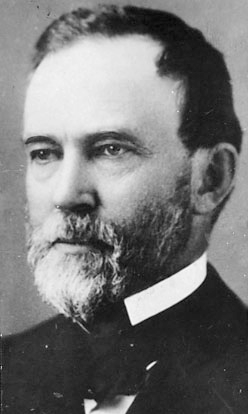
The Democrats first started to make alliances with third parties in the 1890s but then moved on to market themselves as a partisan organization.[5] The governor at the time, Sylvester Pennoyer, gathered a coalition with a start-up party called the Union Party and independent Republicans from Portland.[5] Pennoyer won his re-election bid and this gave Democrats the confidence they were looking for to beat the Republicans, but the Republicans swept the rest of the state with the exception of a couple of seats in the state legislature.[5] Pennoyer warned both parties of a third party rising due to lack of acknowledgment of political problems that faced the nation. He was correct as the People's Party emerged in Omaha. Pennoyer was agitated with the platforms of both parties that he left and joined the Populists.[5] This created a split in the party between people who wanted to follow Pennoyer to the People's Party and the people who wanted to stay as Democrats.
The refusal of the People's Party to join forces with the Democratic Party led to easy elections for Republicans in the years to come. In 1896 factionalism between these parties led the Republicans carrying Oregon in the presidential and congressional elections. State legislature elections resulted in the Populist leading the Democrats in elected members 18–7.[5] The only meaningful victory that the Democrats could look to was that of Sylvester Pennoyer, who returned to the Democratic ticket and won the election for mayor, being supported by the Democrats and Populists together.[5] The only other Democratic success was that the people of Oregon responded to the call to reform as the Democrats took 12 counties from the Republicans in that presidential election.[5]
The Great Depression and the re-emergence of the Democrats
Between 1900 and 1932 the Republicans enjoyed a two-one ratio over the Democrats, and sometimes three-one. There was no real changed even during the Franklin D. Roosevelt years where the Republican registration never dipped below 50% throughout the state.[5] This remained the case until the boom in employment caused by World War II. This resulted in a drastic increase in Oregon population, which benefited the Democratic party. Workers that came in provided a base to rebuild the Democratic Party.[5]
As the Great Depression struck the nation in the 1930s the Oregon Democrats saw this as an opportunity to gain prominence once again. The people of the state reacted very strongly against the Republican leadership that was in power during the economic collapse that spark the depression. Party officials believed that this collapse finally gave the party a concrete issue and they also believed that they would be able to make Oregon a two-party state once again.[5] The state committee organized meetings between 1930 and 1932 to plan precinct reorganization throughout the state, and shortly after the spike in meetings, a "Young Democratic League" was formed with an active membership of 2,500 members and they were scattered throughout all of the counties of Oregon.[5] This also ended the avoidance by candidates of the Democratic label as the public saw the Republicans as responsible for the collapse, so the Democrats put themselves out as the party of new ideas.[5] They viewed the label of Democrat as an advantage, as the national Democratic party saw a rise in popularity. As the Oregon Democrats ran in tandem with Roosevelt in the presidential election, they saw instant results, the Democrats gained 10 seats the state legislature, going from 7 to 17 and gaining majority in a 30-seat legislature, and in the state senate going from 1 seat to 8, giving an even split in the state senate.[5] These were not the biggest successes for Oregon Democrats however, Charles H. Martin won reelection in the Third Congressional District and Walter Pierce won the Second Congressional District for the first time in Oregon history.[5] In the 1930s, there was a drastic increase in voter registration for the Democrats, whose numbers rise from 30 percent of state registered voters to 48%, most of this was because of support for FDR's "New Deal".[5] Roosevelt was solid in Oregon for his four election victories, never once losing the state, but the same could not be said for state Democrats. They were never able to win a senate seat and after the initial Roosevelt election year; the state Democrats did not gain any more congressional seats that were significant.[5]
The fall of the Democrats

The rise of the Democrats was short-lived during this period and the fall can be attributed to the gubernatorial election of former congress member, Democrat Charles H. Martin. Martin ran and won the Governorship as a "champion" of the "New Deal" brought to fruition by Roosevelt.[5] After the election it became clear that Martin did not support the President or his "New Deal" and this sparked a war between the Democratic state legislature and Martin. He received most of his troubles from the Democrats and gained support from Republicans.[5] Martin was all but kicked out of the Democratic Party as many of his former supporters stated that they would no longer support him if he ran for governorship again. Despite this Martin declared that he would run again for governor because of promised support from Republicans. Martin lost his reelection bid in the primary to Democrat State Senator Henry Hess. This ended up splitting the party once again and Hess lost the general election for governor. Martin endorsed many Republicans that ran against incumbent Democrats, leading to the loss of majority in both the State House and Senate, plus the loss of the Third Congressional district.[5]
Post World War II rebuilding of the party
بعد الحرب، لم يكن للحزب الديمقراطي أي أثر في ولاية أوريغون، فبدأت جهود إعادة تنظيمه. وكان أبرز إنجاز في هذه المرحلة هو ترشح مونرو سويتلاند لعضوية اللجنة الوطنية، ثم فوزه بالمقعد في الانتخابات التمهيدية عام ١٩٤٨. سعى سويتلاند إلى بناء علاقات مع إدارة هاري إس. ترومان ، ونجح في نهاية المطاف في تحقيق هدفه. [ ٥ ] ونتيجة لذلك، تلقى الحزب الديمقراطي الناشئ في أوريغون تبرعات مالية من شخصيات ديمقراطية. إلا أن هذا كان النجاح الحقيقي الوحيد في انتخابات ١٩٤٨، إذ فشل الديمقراطيون في الولاية في تقديم مرشحين أقوياء قادرين على المنافسة. [ ٥ ] وما إن أدرك سويتلاند ذلك، حتى قرر شن حملات قوية لترومان في الولاية، لكنها باءت بالفشل أيضاً، إذ فاز ديوي في الولاية، لكنه لم يفز بالرئاسة. ومع ذلك، فقد انتخبوا بعض الديمقراطيين لمناصب أصغر في المجلس التشريعي للولاية. [ 5 ] لم يكن هناك أمل واضح للديمقراطيين حتى عام الانتخابات التالي، 1950، حين شهدوا زيادة في عدد المسجلين في الحزب الديمقراطي وتجاوزًا للجمهوريين. كانت انتخابات 1950 كارثية ككارثة انتخابات 1948، إذ لم يفز الديمقراطيون بأي مقعد بارز في الولاية. لكن في عام 1952، تمكن الديمقراطيون من انتزاع منصب المدعي العام من الجمهوريين، وهو ما اعتُبر انتصارًا كبيرًا لهم في الولاية. [ 5 ] شهد عام 1954 أول سيطرة قوية للديمقراطيين على سياسة ولاية أوريغون منذ زمن طويل، إذ ارتفع عدد مقاعدهم في المجلس التشريعي للولاية من 11 إلى 25، وفي مجلس الشيوخ من 4 إلى 6. كما فازوا بأول انتخابات لمجلس الشيوخ الأمريكي منذ 40 عامًا، حين هزم ريتشارد نيوبيرغر شاغل المنصب الجمهوري غاي كوردون ، وفازت إديث غرين بمقعد الدائرة الثالثة في الكونغرس في سباق على مقعد شاغر ضد الحاكم المستقبلي توم ماكول . [ 5 ] وأخيرًا، في عام 1956، كان من الواضح أن الديمقراطيين قد عادوا إلى السلطة عندما فازوا بثلاثة من أصل أربعة سباقات لمجلس النواب الأمريكي ، وأُعيد انتخاب المدعي العام، وسيطروا على المجلس التشريعي للولاية، وفاز حاكم ولاية أوريغون. [ 5 ]
الانتخابات الأخيرة
انتخابات عام 2006
Going into the 2006 elections, Democrats occupied all four of the state's partisan executive offices and held a majority in the Oregon State Senate, but were in the minority in the Oregon House of Representatives. Of the statewide office-holders, only Governor Ted Kulongoski was up for re-election. Not only was he successful in that bid, but Democrats were elected to a slim majority in the House. All four of Oregon's Democratic United States House representatives were re-elected.
2008 elections
In the 2008 elections, Democrats gained a three-fifths majority in the state house and maintained the same majority in the senate despite losing a seat to the Republicans. This majority in both chambers of the Oregon Legislative Assembly is needed to pass bills that raise revenue, as required by Article IV §25 of the state constitution. Democrats maintained control of all state partisan executive offices. They held all four of Oregon's five federal congressional seats, including a retiring Democrat's seat, and unseated Oregon's Republican senator, the only one from the West Coast and the only Republican occupying an office representing the whole of Oregon.
2010 elections
In 2010 the Democrats kept the Governorship in a close election decided by the slimmest of margins. Former 2-term governor John Kitzhaber defeated Republican Chris Dudley by a mere 14,910 votes. US Senator Ron Wyden kept his senate seat, handily beating Jim Huffman 57% to 39%. The Democratic Party of Oregon also kept all four of their previously held congressional seats in the U.S House of Representatives[15]
Election results
Presidential
Gubernatorial
| Election | Gubernatorial candidate | Votes | Vote % | Result |
|---|---|---|---|---|
| 1858 | John Whiteaker | 5,134 | 54.93% | Won Y Y |
| 1862 | John F. Miller | 3,450 | 32.89% | Lost N N |
| 1866 | James K. Kelly | 10,039 | 49.32% | LostN |
| 1870 | La Fayette Grover | 11,726 | 51.38% | WonY |
| 1874 | La Fayette Grover | 9,713 | 38.23% | WonY |
| 1878 | William Wallace Thayer | 15,689 | 47.93% | WonY |
| 1882 | Joseph Showalter Smith | 20,029 | 48.25% | LostN |
| 1886 | Sylvester Pennoyer | 27,901 | 50.89% | WonY |
| 1890 | Sylvester Pennoyer | 41,139 | 53.55% | WonY |
| 1894 | William Galloway | 17,865 | 20.51% | LostN |
| 1898 | W. R. King | 34,452 | 40.77% | LostN |
| 1902 | George Earle Chamberlain | 41,857 | 46.17% | WonY |
| 1906 | George Earle Chamberlain | 46,002 | 47.56% | WonY |
| 1910 | Oswald West | 54,853 | 46.61% | WonY |
| 1914 | C. J. Smith | 94,594 | 38.14% | LostN |
| 1918 | Walter M. Pierce | 65,440 | 42.78% | LostN |
| 1922 | Walter M. Pierce | 133,392 | 57.26% | WonY |
| 1926 | Walter M. Pierce | 93,470 | 41.37% | LostN |
| 1930 | Edward F. Bailey | 62,434 | 25.10% | LostN |
| 1934 | Charles H. Martin | 116,677 | 38.57% | WonY |
| 1938 | Henry L. Hess | 158,744 | 42.57% | LostN |
| 1942 | Lew Wallace | 62,561 | 22.13% | LostN |
| 1946 | Carl C. Donaugh | 106,474 | 30.94% | LostN |
| 1948 (special) | Lew Wallace | 226,958 | 44.53% | LostN |
| 1950 | Austin F. Flegel | 171,750 | 33.95% | LostN |
| 1954 | Joseph K. Carson | 244,170 | 43.09% | LostN |
| 1956 (special) | Robert D. Holmes | 369,439 | 50.52% | WonY |
| 1958 | Robert D. Holmes | 267,934 | 44.66% | LostN |
| 1962 | Robert Y. Thornton | 265,359 | 41.63% | LostN |
| 1966 | Robert W. Straub | 305,008 | 44.67% | LostN |
| 1970 | Robert W. Straub | 293,892 | 44.10% | LostN |
| 1974 | Robert W. Straub | 444,812 | 57.73% | WonY |
| 1978 | Robert W. Straub | 409,411 | 45.10% | LostN |
| 1982 | Ted Kulongoski | 374,316 | 35.92% | LostN |
| 1986 | Neil Goldschmidt | 549,456 | 51.85% | WonY |
| 1990 | Barbara Roberts | 508,749 | 45.7% | WonY |
| 1994 | John Kitzhaber | 622,083 | 50.95% | WonY |
| 1998 | John Kitzhaber | 717,061 | 64.42% | WonY |
| 2002 | Ted Kulongoski | 618,004 | 49.03% | WonY |
| 2006 | Ted Kulongoski | 699,786 | 50.73% | WonY |
| 2010 | John Kitzhaber | 716,525 | 49.29% | WonY |
| 2014 | John Kitzhaber | 733,230 | 49.89% | WonY |
| 2016 (special) | Kate Brown | 985,027 | 50.62% | WonY |
| 2018 | Kate Brown | 934,498 | 50.05% | WonY |
| 2022 | Tina Kotek | 917,074 | 47.0% | WonY |
See also
Footnotes
- ↑"Voter Registration by County: December 2025". Oregon Secretary of State. Retrieved December 16, 2025.
- ↑"PSU Building Namesake Sen. Richard Neuberger Flipped Oregon for the Democrats". Willamette Week. November 11, 2025. Retrieved December 19, 2025.
- ↑"Contact UsArchived 2010-05-03 at the Wayback Machine." Democratic Party of Oregon. Retrieved on May 13, 2010.
- ↑"State Party | Multnomah County Democratic Party". Archived from the original on 2008-12-08. Retrieved 2008-11-20.
- 123456789101112131415161718192021222324252627282930History of the Democratic Party in Oregon, 1900-1956, Burton, Robert E.
- ↑"Oregon House Democrats to Prioritize Building a Robust, Equitable Recovery for Oregon"(PDF) (Press release). Oregon House Democrats. 1 February 2022.
- ↑Oregon Statesman, June 13, 1851, cited in David Alan Johnson, Founding the Far West: California, Oregon and Nevada, 1840-1890. Berkeley, CA: University of California Press, 1992; pg. 53.
- ↑Oregon Statesman, June 27, 1851, cited in Johnson, Founding the Far West, pg. 57.
- ↑Charles Henry Carey, History of Oregon: Volume 1. Chicago: Pioneer Historical Publishing Co., 1920; pg. 520.
- ↑Johnson, Founding the Far West, pp. 57-58.
- ↑ جونسون، تأسيس الغرب الأقصى، ص 58-59.
- ↑ جونسون، تأسيس الغرب الأقصى، صفحة 61.
- ↑ كاري، تاريخ ولاية أوريغون: المجلد 1، الصفحات 630-631.
- ↑ كاري، تاريخ ولاية أوريغون: المجلد 1، صفحة 631.
- ↑ إم إس إن بي سي
للمزيد من القراءة
- روبرت إي. بيرتون، ديمقراطيو ولاية أوريغون: نمط سياسات الأقلية، 1900-1956. يوجين، أوريغون: مطبعة جامعة أوريغون، 1970.
روابط خارجية
- الحزب الديمقراطي في ولاية أوريغون
- الأحزاب السياسية في ولاية أوريغون
- الحزب الديمقراطي (الولايات المتحدة) حسب الولاية
- 1851 منشأة في إقليم أوريغون
- الأحزاب السياسية التي تأسست عام 1851