
قائمة مقترحات الأعلام الوطنية
تجميع لجميع مقترحات الأعلام الوطنية الموثقة جيداً لعدة دول وأقاليم تابعة ومناطق حكم ذاتي ودول ذات اعتراف محدود .
تشير علامة النجمة في العناوين إلى قائمة غير مكتملة، والتي تحتوي على المزيد من المقترحات غير الموجودة في ويكيميديا كومنز حتى الآن.
الجزائر
في صيف عام 1962، تم اقتراح علم خلال محادثات وقف إطلاق النار بين ممثلي جبهة التحرير الوطني (FLN) ومنظمة الجيش السري (OAS) في الجزائر:
"ثم، في وقت لاحق، سيتم تصميم علم الدولة الجديدة على غرار أعلام دول الكومنولث، كندا أو أستراليا... مع وضع الألوان الفرنسية في الزاوية العلوية اليمنى من القماش". [ 1 ]
قد تشير "الزاوية العلوية اليمنى" المذكورة إما إلى ركنٍ مُعلّم أو إلى الجزء العلوي من العلم. ومع ذلك، ونظرًا لاستلهام التصميم من أعلام دول الكومنولث، ولأن بعض الأعلام العربية تُرفع بشكل معكوس - حيث يقع سارية العلم على الجانب الأيمن - فمن المرجح أن يكون هذا الركن مُعلّمًا على الطريقة العربية، كما يرى فرناند كاريراس.
 تفسير مقترح علم الجزائر المقدم من جبهة التحرير الوطني ومنظمة الجيش السري (1962) بالشكل الحالي (يرفع على اليمين)
 تفسير مقترح علم الجزائر المقدم من جبهة التحرير الوطني ومنظمة الجيش السري (1962) على الطريقة العربية (يرفع في اليسار)
أنغولا
في يونيو 1932، وأثناء عمله في المعهد البرتغالي لعلم الشعارات، وضع أفونسو دورنيلاس شعارًا لمستعمرة أنغولا ، ورسمه جواو ريكاردو دا سيلفا. ورغم أن الوكالة العامة للمستعمرات التابعة لحكومة إستادو نوفو طلبت الشعار، إلا أنه لم يُستخدم رسميًا قط. وكما هو الحال مع تصاميم أخرى، استخدمت الوكالة نسخة معدلة منه في المعرض الاستعماري لمدينة بورتو عام 1934، قبل أن تستقر على تصميم الشعار لعام 1935. [ 2 ]
في عام 1966، صمم عالم الشعارات فرانز بول دي ألميرا لانغانس أعلامًا للمقاطعات البرتغالية ذات اللون الأزرق الداكن في كتابه "Armorial do Ultramar Português"، وكان علم أنغولا عبارة عن علم البرتغال مُعدّلًا بشعار المستعمرة الأصغر على جانبه السفلي الحر. [ 3 ] [ 4 ]
زُعم أن صحفيًا زار أنغولا في مطلع سبتمبر/أيلول من عام 1996 ذكر لعالم الرايات خاومي أولي علمًا ثلاثي الألوان (أحمر، أخضر، أسود) باعتباره "مقترحًا قيد الدراسة ليكون أساسًا لعلم وطني جديد". وقد جمع هذا العلم ألوان كل من الحركة الشعبية لتحرير أنغولا (MPLA ) وحركة المعارضة الرئيسية ( UNITA )، بالإضافة إلى ألوان العلم الأفريقي . وفي ذلك الوقت، صرّح عالم الرايات الروديسي بروس بيري بأن السفارة الأنغولية في جنوب أفريقيا لم تُقرّ بأي تحرك لتغيير العلم.
بالإضافة إلى ذلك، كتب أولي في عام 1999 عن الأعلام التي رآها في صور لواندا من عام 1976: "خطوط أفقية من الأحمر والأخضر والأسود [...] خطوط أفقية BRB (الخط الأحمر محاط بحرف Y) [...] خطوط من الأحمر والأرجواني والأخضر". [ 5 ]
في عام 2003، تم اختيار التصميم رقم 106 المقدم من "كاتيكا" من قبل اللجنة الدستورية الوطنية ، وهي الهيئة المسؤولة عن صياغة دستور البلاد التالي، ليكون العلم الجديد، وكان وصفه كالتالي:
علم مستطيل الشكل، طوله 180 سنتيمترًا وعرضه 120 سنتيمترًا، مقسم إلى خمسة أشرطة أفقية: الشريطين العلوي والسفلي أزرق داكن، طول كل منهما 20 سنتيمترًا، والشريطين الأوسطين أبيضان، طول كل منهما 10 سنتيمترات، والشريط الأوسط أحمر قانٍ، طوله 60 سنتيمترًا. يحمل الشريط الأحمر الأوسط تصميمًا لشمس صفراء ذات 15 شعاعًا، تتألف من ثلاث دوائر متحدة المركز غير منتظمة، مستوحاة من رسومات تشيتوندو-هولو الصخرية القديمة في مقاطعة ناميبي جنوب غرب البلاد . ترمز الشمس إلى ثروات أنغولا وهويتها التاريخية والثقافية.
كان من المفترض أن يتم اعتماد العلم الجديد المثير للجدل، إلى جانب النشيد الوطني الجديد، رسمياً بعد الانتخابات العامة المخطط لها لعام 2005 ، والتي لم تحدث إلا في عام 2008 ، لكن هذا لم يحدث أبداً. [ 6 ]
اتخذت حركة يونيتا موقفاً معارضاً للعلم الحالي لتشابهه مع علم حركة الحركة الشعبية لتحرير أنغولا، وتواصل نضالها من أجل تغييره. [ 7 ] [ 8 ] [ 9 ]
 اقتراح علم مستعمرة أنغولا من قبل معهد الفيزياء الفلكية (1932)
 اقتراح لانغانس لعلم مقاطعة أنغولا الخارجية (1966)
 اقتراح مزعوم للعلم ثلاثي الألوان (1996)
 اقتراح كاتيكا تشيتوندو-هولو صن (2003)
أرمينيا
في عام ١٨٨٥، اقترح غيفونت أليشان ، وهو كاهن كاثوليكي أرمني ومؤرخ، علمين أرمنيين. الأول علم أفقي ثلاثي الألوان: أحمر وأخضر وأبيض، حيث يستمد اللونان الأحمر والأخضر من التقويم الكاثوليكي الأرمني، الذي يُطلق فيه على الأحد الأول من عيد الفصح اسم "الأحد الأحمر"، وعلى الأحد الثاني اسم "الأحد الأخضر"، مع إضافة اللون الأبيض لأسباب تصميمية. ثم اقترح علمًا آخر، وهو علم رأسي ثلاثي الألوان: أحمر وأخضر وأزرق، مستوحى من ألوان قوس قزح. [ ١٠ ]
في عام ١٩١٨، وفي مرحلة تحديد شكل العلم، اقترح الفنان مارتيروس ساريان عدة أعلام، اثنان منها بألوان قوس قزح. وكتب: "هناك العديد من الأعلام ثلاثية الألوان، لكن العلم متعدد الألوان سيكون أنسب لنا، لأننا أمة شرقية". بقيت رسوماته طي النسيان، ولم تُكشف إلا في العقد الأول من الألفية الثانية. [ ١١ ] [ ١٢ ] [ ١٣ ]
 أول اقتراح للأب غيفونت أليشان (1885)
 أول اقتراح لعلم قوس قزح من ساريان (1918)
 اقتراح ساريان الثاني لعلم قوس قزح (1918)
 اقتراح آخر من ساريان (1918)
 اقتراح مجهول (الأربعينيات)
 اقتراح مجهول (الأربعينيات)
 اقتراح مجهول (الأربعينيات)
 اقتراح مجهول (الأربعينيات)
 اقتراح مجهول (الأربعينيات)
 اقتراح مجهول (الأربعينيات)
 اقتراح مجهول (الأربعينيات)
 اقتراح مجهول (الأربعينيات)
أستراليا
كان علم يوريكا أول علم تم النظر فيه كمقترح لتمثيل الشعب الأسترالي . وقد أقسم العديد من المتظاهرين بالولاء لهذا العلم ورفعوه كرمز للتحدي خلال معركة حصن يوريكا عام 1854.
في عام ١٩٠٠، ومع اقتراب قيام الاتحاد والحاجة إلى علم، أطلقت صحيفة "ملبورن إيفنينج هيرالد" مسابقةً وعدت فيها الفائز بجائزة قدرها ٢٥ جنيهًا إسترلينيًا. واشترطت المسابقة أن تتضمن تصاميم المشاركين علم الاتحاد البريطاني وشعار الصليب الجنوبي . وفاز تصميم السيد ف. طومسون.
ثم دفعت هذه المسابقة مجلة " Review of Reviews" ، وهي أيضاً مجلة تصدر في ملبورن ، إلى ابتكار مسابقة جديدة في أكتوبر 1900. وقد تجاهلوا قرار إلزام المشاركين بتضمين عناصر معينة في تصميم العلم.
في وقت لاحق، عام 1901، أقامت حكومة الكومنولث المُشكّلة حديثًا مسابقة رسمية ، شملت أيضًا المقترحات المُقدّمة لمسابقات مراجعة المراجعات عام 1900. تم اختيار خمسة فائزين، لم تختلف تصاميمهم إلا في تفاصيل بسيطة. استُخدمت عناصر من هذه التصاميم الخمسة الفائزة في تصميم أول علم أسترالي.
مع ذلك، ظلّ الجدل حول العلم الأسترالي موضوعًا للنقاش لسنوات، يعود تاريخه إلى أوائل التسعينيات بعد اعتماد العلم الرسمي عقب الاتحاد . وتمحورت النقاط الرئيسية في هذا النقاش حول ما إذا كان ينبغي لأستراليا اعتماد علم جديد حول إلغاء علم المملكة المتحدة ، وتجسيد تاريخ أستراليا المعقد والمتعدد الثقافات. وقد أدى ذلك إلى تنظيم العديد من مسابقات إعادة التصميم غير الرسمية، مثل تلك التي نظمتها صحيفة "ديلي تلغراف" عام 1982، وصحيفة "أديلايد أدفرتايزر" عام 1992، وبرنامج "أيه كارنت أفير" عام 1993، وغيرها الكثير.
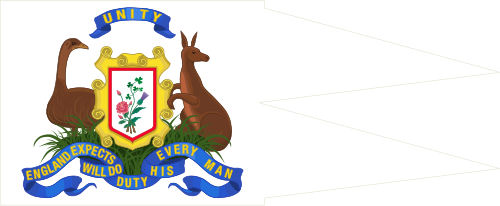 " علم باومان " (1806)
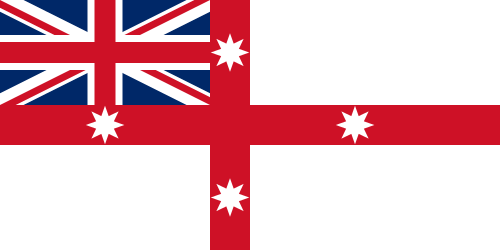 " العلم الاستعماري الوطني " (1824)
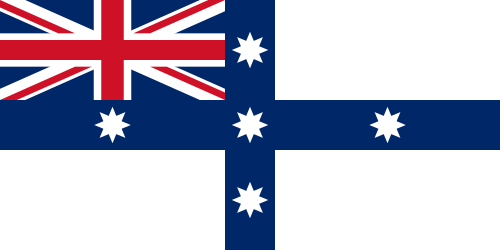 " علم الاتحاد الأسترالي " (1831)
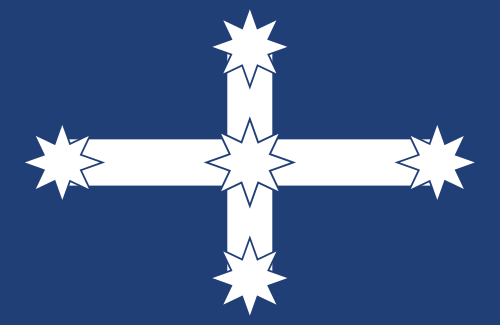 علم يوريكا (1854)
 علم مسابقة صحيفة هيرالد (أزرق) (1900)
 علم مسابقة صحيفة هيرالد (أحمر) (1900)
 العلم المقترح للإمبراطورية البريطانية في أستراليا (1902)
 العلم المقترح من قبل الرابطة الاشتراكية الجمهورية (1956)
 وصل إلى المرحلة النهائية في مسابقة صحيفة ديلي تلغراف (1982)
 علم مسابقة المعلن (1992)
 علم مسابقة الشؤون الجارية (1993)
 علم المصالحة (2013)
 "الأفق الجنوبي" (2014)
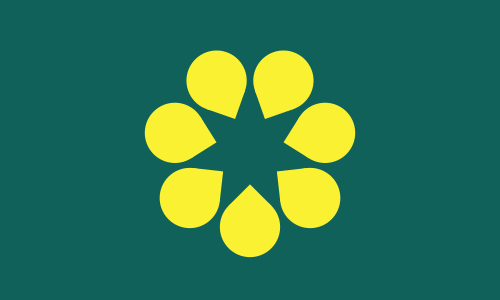 علم الأكاسيا الذهبية (2015)
الإقليم الأسترالي في القطب الجنوبي
 علم غير رسمي لإقليم أنتاركتيكا الأسترالي. يمكن مناقشة صحته. (2009) [ 14 ]
جزر البهاما
في عام 1973، عندما قُدِّم تصميم علم جزر البهاما للموافقة عليه من قِبَل ملك الأسلحة، اقترح رئيس كلية الأسلحة، السير أنتوني واغنر، تبديل لونَي الشريطين الذهبي والفيروزي. ومع ذلك، لم يُجرَ هذا التغيير، واعتُمد العلم البهامي الحالي. [ 15 ]
 اقتراح العلم المرفوض (1973)
بيلاروسيا
في عام 1990، سمحت سلطات مينسك باستخدام العلم الوطني الأبيض-الأحمر-الأبيض إلى جانب علم جمهورية سوفيتستان الاشتراكية السوفيتية . وقد دفع هذا العديد من أنصار المعارضة إلى تقديم مقترحات أخرى تحمل هذا التصميم، بما في ذلك أعلام تحتوي على رمز باهونيا داخل الشريط الأحمر، وبعضها يشبه الصليب النوردي بسبب إضافة شريط أحمر باتجاه سارية العلم. [ 16 ] [ 17 ]
مباشرةً بعد إعلان استقلالها عن الاتحاد السوفيتي عام ١٩٩١، انطلقت الدورة السادسة الاستثنائية للمجلس الثاني عشر لجمهورية بيلاروسيا الاشتراكية السوفيتية بهدف مناقشة عدة مواضيع، من بينها اسم الجمهورية وعلمها وشعارها . وقدّم الجمهور تصاميم للعلم، استخدم العديد منها الألوان الأحمر والأخضر والأزرق . [ ١٦ ] [ ١٧ ]
في عام ١٩٩٣، اقترح الرئيس المستقبلي ألكسندر لوكاشينكو إجراء استفتاء لتغيير العلم، لكن اقتراحه رُفض. بعد توليه الرئاسة عام ١٩٩٥، اقترح لوكاشينكو علمًا يتألف من شريطين أخضرين رفيعين في الأعلى والأسفل، ووسط أحمر. طُرح هذا العلم، إلى جانب علم مشابه لعلم جمهورية بيلاروسيا الاشتراكية السوفيتية بدون المطرقة والمنجل ، للاستفتاء ، مع تضمين تصميمات شعارات النبالة الخاصة بكل منهما. فاز العلم الأخير في الاستفتاء، واعتُمد علمًا رسميًا لبيلاروسيا .
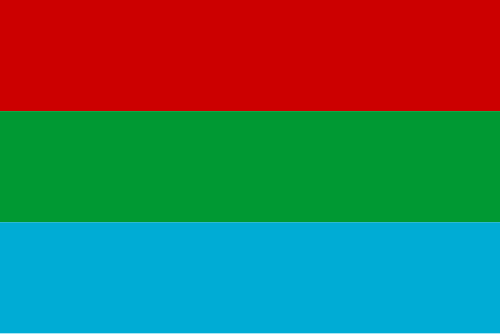 الاقتراح رقم 1 (1991)
 الاقتراح رقم 2 (1991)
 اقتراح الصليب الشمالي (1992)
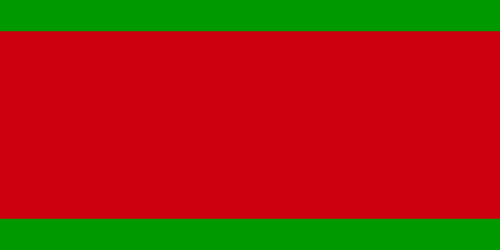 اقتراح ألكسندر لوكاشينكو (1995)
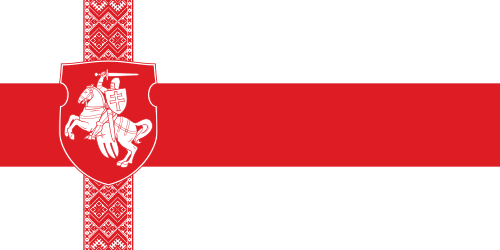 مقترح الصليب الشمالي (2016)
بلجيكا
في عام 2008، قدم الفنان البلجيكي لوك سوينين اقتراحاً للعلم البلجيكي، حيث أضاف وحدات بكسل تطمس الخطوط بين الشرائط لترمز إلى الثقافات واللغات المتشابكة في بلجيكا.
في عام 2010، اقترح المصمم الهولندي ثيون أوكرس علمًا بلجيكيًا جديدًا، بخلفية صفراء وسوداء وصفراء تمثل الشعب الفلمنكي، بالإضافة إلى تصميم أصفر وأحمر وأصفر يمثل شعب والونيا ، وتقاطعها يشكل أربعة "أسهم" تشير إلى مركز العلم.
في عام 2011، صمم رسام الكاريكاتير البلجيكي بيير كرول علماً جديداً لبلجيكا، مقسماً إلى أربعة مربعات ملونة بالأصفر والأحمر والأزرق والأبيض. يمثل اللون الأصفر الشعب الفلمنكي، والأحمر يمثل الوالونيين، والأزرق يمثل بروكسل ، والأبيض يمثل المجتمع الناطق بالألمانية في بلجيكا . [ 18 ]
 اقتراح لوك سوينين (2008)
 اقتراح ثيون أوكيرسي (2010)
 اقتراح بيير كرول (2011)
بوليفيا
بعد فوزه برئاسة بوليفيا، وفي أعقاب الإصلاحات الدستورية، دارت نقاشات حول تغيير العلم. ظهر إيفو موراليس في مباراة كرة قدم مرتدياً العلم التالي على قميصه في أكتوبر 2006، وهو عبارة عن ألوان العلم البوليفي متقاطعة مع رمز الويفالا . وفي النهاية، لم يُجرَ أي تغيير. [ 19 ] [ 20 ]
 اقتراح إيفو موراليس (2006)
البوسنة والهرسك*
في عامي 1992 و 1997، تم تقديم العديد من مقترحات العلم للبوسنة والهرسك .
في عام 1992، كان أحد المقترحات عبارة عن علم ثلاثي الألوان أفقي باللون الأخضر والأحمر والأزرق، حيث يمثل اللون الأخضر البوشناق ، ويمثل اللون الأحمر الكروات ، ويمثل اللون الأزرق الصرب .
تم اقتراح علم آخر من ذلك الوقت، وهو العلم المقبول ولكن مع وجود أشرطة زرقاء على الجانبين الأيمن والأيسر.
أما التصميم الآخر، الذي اقترحه المدافعون عن سراييفو، فكان يتألف من مثلث أزرق في أسفل اليمين يشغل نصف العلم بثلاث زهرات زنبق ، والنصف الآخر من العلم يتألف من ستة خطوط حمراء وبيضاء، تشكل ألوان الوحدة السلافية. [ 21 ]
في عام ١٩٩٧، جرى تغيير العلم مرة أخرى، إذ نظر الصرب البوسنيون في العلم المقبول الذي يمثل البوشناق فقط . وقُدِّم اقتراح على غرار العلم التشيكي، بمثلث أزرق للصرب الأرثوذكس الشرقيين، وشريط أخضر للبوشناق المسلمين السنة، وشريط أحمر للكروات الكاثوليك اللاتين. كما قُدِّم اقتراحان آخران بخلفية زرقاء فاتحة، أحدهما يحمل غصن زيتون والآخر خريطة البوسنة والهرسك، وكان الهدف منهما على الأرجح تجنب إثارة الجدل.
كانت هناك أربعة مقترحات أخرى مماثلة، جميعها تحتوي على خريطة للبوسنة، إما باللون الأزرق أو الأصفر، داخل علم ثلاثي الألوان أحمر وأبيض وأزرق، إما بشكل قطري أو أفقي، داخل 10 نجوم في دائرة، أو غصنين من الزيتون مأخوذين من علم الأمم المتحدة . [ 22 ]
قدّم الممثل السامي كارلوس ويستندورب ثلاثة مقترحات ، أحدها هو العلم المعتمد ولكن بدرجة من اللون الأزرق مشابهة لعلم الأمم المتحدة، وآخر يحتوي على 5 خطوط تبدأ من كل جانب من جوانب العلم دون أن تصل إلى الجانب الآخر باللونين الأصفر والأبيض على خلفية زرقاء تشبه خلفية الأمم المتحدة، أما المقترح الأخير فهو مماثل للمقترح السابق ولكن مع 12 خطاً تشكل مثلثاً في وسط العلم. [ 23 ]
 اقتراح علم الهلال (التسعينيات)
 اقتراح العلم البوسني ثلاثي الألوان (1992)
 مقترح الاتحاد الديمقراطي البوسني (1992)
 المدافعون عن اقتراح سراييفو (1992)
 الاقتراح الأول من المجموعة الأولى (1997)
 الاقتراح الثاني من المجموعة الأولى (1997)
 الاقتراح الثالث من المجموعة الأولى (1997)
 الاقتراح الأول من المجموعة الثانية (1997)
 الاقتراح الثاني من المجموعة الثانية (1997)
 الاقتراح الثالث من المجموعة الثانية (1997)
 الاقتراح الرابع من المجموعة الثانية (1997)
 اقتراح وستندورب الأول (1997)
 اقتراح وستندورب الثاني (1997)
 اقتراح ويستندورب الثالث (1997)
البرازيل
في عام 1888، صمم خوليو ريبيرو علمًا لجمهورية برازيلية، وكان يتألف من خمسة عشر شريطًا متناوبًا باللونين الأسود والأبيض، ومستطيل أحمر في الزاوية العلوية اليسرى، يحتوي على خريطة زرقاء للبرازيل داخل دائرة بيضاء مع 4 نجوم صفراء في كل زاوية من زوايا الزاوية العلوية اليسرى، وأصبح في النهاية علم ولاية ساو باولو . [ 24 ]
في عام 1890، قام أنطونيو دا سيلفا جارديم أيضًا بتصميم علم الجمهورية البرازيلية، وهو علم ثلاثي الألوان أسود وأحمر وأبيض مع شعار النبالة في وسطه.
وفي عام 1890 أيضًا، اقترح خوسيه بارانهوس، بارون ريو برانكو، تصميمًا مشابهًا، وهو عبارة عن علم ثلاثي الألوان قطري أسود وأبيض وأحمر مع شعار نبالة، مشابه لشعار النبالة الإمبراطوري المتمركز عليه.
في عام 1892، اقترح أوليفيرا فالاداو تغيير علم البرازيل المعتمد عن طريق إزالة الدائرة الزرقاء والنجوم والشعار وإضافة شعار النبالة بدلاً من ذلك.
في عام 1908، اقترح وينسيسلاو إسكوبار إزالة الشعار "ORDEM E PROGRESSO" لأنه وفقًا له، لا يمكن أن يكون للعلم "شعار طائفة (الوضعية)".
في عام 1908، اقترح يوريكو دي غويس العودة إلى العلم الإمبراطوري ، ولكن بدون درع أو تاج، وبدلاً من ذلك نجمة بيضاء. [ 25 ] وفي وقت لاحق من عام 1922، اقترح علمًا مشابهًا ولكن بدون النجمة البيضاء أو الكرة الأرضية، مع توسيع الصليب الأحمر والدائرة الزرقاء الفاتحة وتمركزهما على المعين الأصفر.
 اقتراح جوليو ريبيرو (1888)

 اقتراح أوليفيرا فالاداو (1892)
 اقتراح وينسيسلاو إسكوبار (1908)
 اقتراح يوريكو دي جويس (1908)
 اقتراح يوريكو دي جويس (1922)
بلغاريا
في حوالي عام 1915، اقترح الملك فرديناند علمًا جديدًا لبلغاريا، وهو علم ثلاثي الألوان أفقي أسود وأبيض وأزرق، حيث يمثل اللون الأسود البحر الأسود ، ويمثل اللون الأبيض بحر إيجة ، ويمثل اللون الأزرق البحر الأدرياتيكي . [ 26 ]

الكاميرون
طُرحت عدة مقترحات لمنح المستعمرات الألمانية أعلامًا وشعارات خاصة بها. في عام 1914، اقترح فيلهلم سولف علمًا للكاميرون، وهو علم الإمبراطورية الألمانية مع الدرع المقترح عليه أو رمز الدرع داخل دائرة. [ 27 ]

 نسخة معدلة من اقتراح الدكتور فيلهلم سولف الألماني بشأن الكاميرون (1914)
كندا
في عام ١٩٠٢، ذكرت صحيفة ديلي إكسبريس أنه يجري اقتراح سلسلة من الأعلام لاستبدال علم الاتحاد في جميع أنحاء الإمبراطورية البريطانية باستثناء المملكة المتحدة نفسها. وكان الهدف هو توفير أعلام أكثر تمثيلاً لشعوب كل منطقة ستُستخدم فيها. وكما وُصف، كان من المقرر أن تتضمن الأعلام صليب القديس جورج وتاجًا إمبراطوريًا في الزاوية العلوية اليسرى لتمثيل الإنجليز. وفي الزاوية العلوية اليمنى، كان سيُوضع شعار الإقليم الذي يرفع العلم، وفي حالة كندا، شعارها الرسمي. أما الشمس الكبيرة في المنتصف فكانت ترمز إلى " الإمبراطورية التي لا تغيب عنها الشمس ".
في عام 1930، اقترحت صحيفة "لا بريس" علمًا كنديًا جديدًا، كان قد فاز في مسابقة نظمتها الصحيفة قبل بضع سنوات. كان العلم أبيض اللون، ويتوسطه علم الاتحاد البريطاني ، وسبعة نجوم زرقاء خماسية الرؤوس تشكل مجموعة الدب الأكبر ، ونجم الشمال ذو الثمانية رؤوس في الربع العلوي الأيمن من العلم.
في عام 1939، اقترح إفريم كوت علمًا مكونًا من 3 أقسام. كان يحتوي على مثلث أزرق في أعلى اليسار، يحتوي على علم الاتحاد للكنديين الإنجليز ، ومثلث أحمر في أسفل اليمين، يحتوي على زهرة الزنبق للكنديين الفرنسيين ، وخط أبيض سميك من أسفل اليسار إلى أعلى اليمين بين الاثنين يحتوي على ورقة قيقب خضراء .
في عام 1946، تم اقتراح استبدال الدرع الموجود على علم كندا الحالي ذي الراية الحمراء بورقة قيقب ذهبية.
في عام 1947، اقترح أديلارد غودبوت علمًا مقسمًا قطريًا بمثلث أبيض واحد في أسفل اليسار ومثلث أحمر واحد في أعلى اليمين، وورقة قيقب خضراء في المنتصف.
في عام 1956، اقترح جان فرانسوا بوليوت أن يكون العلم الكندي عبارة عن خلفية حمراء مع ورقة قيقب خضراء في المنتصف.
في عام 1962، اقترح لوك أندريه بيرون رمز النجمة القطبية الخضراء على خلفية بيضاء ليكون العلم. [ 28 ] [ 29 ] [ 30 ]
في عام ١٩٦٤، وخلال النقاش الكبير حول العلم الكندي ، طُرحت عدة أعلام. كان العلم الذي فضّله رئيس الوزراء ليستر ب. بيرسون في البداية علمًا من تصميم آلان بيدو ، يتألف من شريطين أزرقين في كل طرف، وثلاث أوراق قيقب حمراء متصلة بساق واحدة في المنتصف، وعُرف باسم "راية بيرسون". [ ٣١ ] كما اقترح بيدو علمًا آخر هو علم كندا المُعتمد ، ولكن مع العلم البريطاني في الزاوية العلوية اليسرى، والراية الملكية الفرنسية في الزاوية العلوية اليمنى. [ ٣٢ ]
كما كان هناك اقتراح من عام 1964، يبدو أنه يستوحي عناصر من علم المملكة المتحدة وعلم الولايات المتحدة ، بخلفية زرقاء وصليب أحمر ذي حافة بيضاء وورقة قيقب خضراء في المنتصف و10 نجوم بيضاء داخل الصليب. [ 31 ]
كان هناك أيضاً اقتراح بأن يكون النصف الأيسر من العلم أحمر، والنصف الأيمن أبيض، وأن تتخلل العلم عشر أوراق قيقب.
كما كان هناك اقتراح في عام 1965 من قبل أبناء كندا الأصليين، مع مثلث أحمر في أعلى اليمين يشغل نصف العلم، وورقة قيقب حمراء داكنة في المنتصف.
بعد النقاش حول العلم وقبول علم كندا الحالي ، ظهر اقتراح آخر لتمثيل الروابط الفرنسية في كندا، وهو علم الوحدة الكندية ، الذي يضيف شريطين أزرقين صغيرين إلى حواف الشريط الأبيض المركزي لتمثيل الكنديين الفرنسيين. [ 33 ]
 العلم الوطني المقترح من قبل السير دونالد أ. سميث (1895)
 اقتراح لـ "علم النيزك للدومينيون" من قبل السير سانفورد فليمنج (1895)
 العلم الوطني المقترح من قبل إتش. سبنسر هاول من النادي الكندي في هاميلتون، أونتاريو (1895)
 العلم الوطني المقترح / الراية الزرقاء لكندا من تصميم إي إم تشادويك (1896)
 العلم الوطني المقترح والعلم الأحمر لكندا من تصميم إي إم تشادويك (1896)
 اقتراح بارلو كمبرلاند (1897)
 علم الإمبراطورية البريطانية المقترح في كندا (1902)
 اقتراح سي إف هاميلتون (1909)
 اقتراح صحيفة مانيتوبا الحرة (1916)
 اقتراح ميني إتش بوين (عشرينات القرن العشرين)
 اقتراح جيه إس إيوارت (حوالي عام 1921)
 اقتراح إدوين ج. كوكس (1921)
 اقتراح أ. فورتيسكيو دوغيد (1925)
 اقتراح ويليام إس. سيمبسون (1925)
 الفائز في مسابقة صحيفة "لا بريس" لعام 1926 لتصميم علم وطني. يُنسب التصميم في الوقت نفسه إلى إدوين تابان أدني ، وتشارلز لابير، وجوزيف إدوارد روي، وإيزيدور رينو. [ 34 ] (1926)
 اقتراح واو هامز (1928)
 اقتراح السيدة إتش إي دنفورد (1929)
 اقتراح الصحافة (1930)
 اقتراح موريس برودور (1930)
 اقتراح جيرار جاليان (c.1931)
 اقتراح رامزي تراكوير (1934)
 اقتراح المجلس الوطني لأبناء كندا الأصليين (1934)
 اقتراح فرانك جي جي ماكدونا (1935)
 اقتراح إفريم كوتيه (1939)
 اقتراح رابطة العلم الوطني لعلم كندا، الذي اعتمدته جمعية أبناء كندا الأصليين حوالي عام 1958 (حوالي عام 1943 وحوالي عام 1958).
 اقتراح يوجين آشارد (1944)
 أ. فورتسكيو، الاقتراح الثاني لدوغيد [ 35 ] (1945)
 اقتراح القس دان ماكيفور (1945)
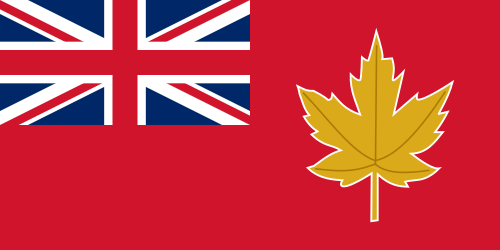 اقتراح العلم الأحمر (1946)
 اقتراح دي إف ستيدمان (1946)
 اقتراح آرتشر فورتيسكيو دوغيد (1946)
 اقتراح جيه ليروي هولمان (1946)
 اقتراح تشارلز روبيتاي (1946)
 اقتراح أديلارد جودبوت (1947)
 اقتراح TGA Henstridge (1948)
 اقتراح آل كارون (1953)
 اقتراح فلوريان أ. ليجاس، "علم الاتحاد الكندي" (1954)
 اقتراح جون لورن ماكدوجال (1954)
 اقتراح من جيه دبليو برادفيلد من نادي تورنتو للشباب الكندي (1955)
 اقتراح آلان بيدو (1955)
 اقتراح أندريه باربو (1955)
 اقتراح جان فرانسوا بوليو (1957)
 اقتراح ألفريد ستاغ (1957)
 اقتراح جان دوبوك [ 36 ] (c.1958)
 اقتراح ليزلي فروست (1959)
 اقتراح مارسيل بوفان (1959)
 اقتراح غرايم كونسيليو (1960)
 اقتراح بول إميل ماركو (1961)
 اقتراح لوك أندريه بيرون (1962)
 اقتراح رولان لافوا (1963)
 اقتراح فورست سي. نيكرسون (1963)
 اقتراح جيمس ساندرز (1963)
 اقتراح ليزلي كوبولد (1963)
 اقتراح كارل داير (1963)
 اقتراح غرانت هيوليت (1963)
 اقتراح ريد سكوت من الحزب الديمقراطي الجديد الذي تم تقديمه خلال المناظرة الكبرى حول العلم (1964)
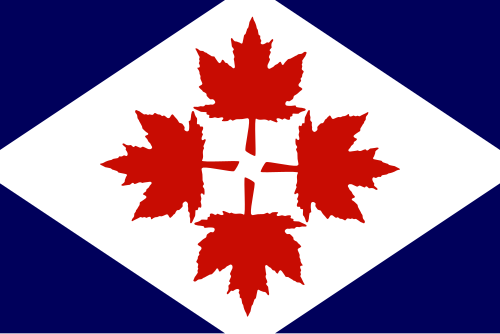 اقتراح تم تقديمه خلال النقاش الكبير حول العلم، ويضم أربع أوراق قيقب (1964).
 اقتراح آلان بيدو (1964)
 اقتراح النجوم والأوراق (1964)
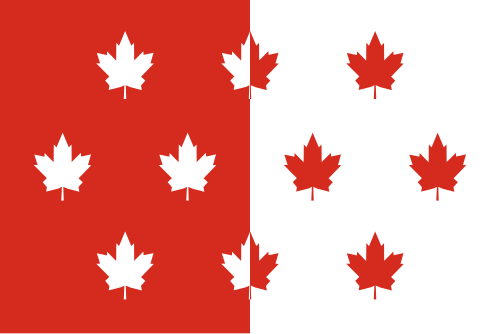 اقتراح تم تقديمه خلال المناظرة الكبرى حول العلم، ويضم عشر أوراق قيقب (1964).
 اقتراح "راية بيرسون" (1964)
 اقتراح ستانلي مارش (1964)
 اقتراح JC (1964)
 اقتراح لعلم كندا، بقلم جورج إف جي ستانلي [ 37 ] (1964)
 اقتراح جورج إف جي ستانلي البديل لعلم كندا، خياره ب [ 38 ] (1964)
 العلم المقترح لكندا، من تصميم جورج ماتياس بيست (1964)
 اقتراح قُدِّم خلال مناظرة العلم الكبرى، وكان من بين المرشحين النهائيين للجنة البرلمانية "المجموعة ب"، وتم اختياره في المرحلة النهائية من قبل اللجنة. (1964)
 نموذج أولي مصنّع وسيط للاختيار النهائي للجنة العلم البرلمانية لعام 1964. (1964)
 اقتراح أي جاكسون (1964)
 اقتراح بريفوست (1964)
 اقتراح دي إف ستيدمان (1964)
 اقتراح جويس مانكوسو (1964)
 اقتراح إليس دبليو هوارد (1964)
 اقتراح مارسيل ثيرين (1964)
 عرض جينيفر روبنسون (1964)
 اقتراح رينيه لافلامي (1964)
 اقتراح إلزيار ديشاتيليتس (1964)
 اقتراح لويز سي. سافاج (1964)
 اقتراح دبليو دي ويست (1964)
 اقتراح جون إنسور (1964)
 اقتراح جيرمان تريمبلاي (1964)
 اقتراح إيه آر سي جونز (1964)
 اقتراح مجهول (1964)
 اقتراح مجهول (1964)
 اقتراح مجهول (1964)
 اقتراح مجهول (1964)
 اقتراح مجهول (1964)
 اقتراح مجهول (1964)
 اقتراح مجهول (1964)
 اقتراح مجهول (1964)
 اقتراح مجهول (1964)
 اقتراح مجهول (1964)
 اقتراح مجهول (1964)
 اقتراح مجهول (1964)
 اقتراح مجهول (1964)
 اقتراح مجهول (1964)
 اقتراح مجهول (1964)
 اقتراح أبناء كندا الأصليين (1965)
 اقتراح " علم الازدواجية الكندي " (1994)
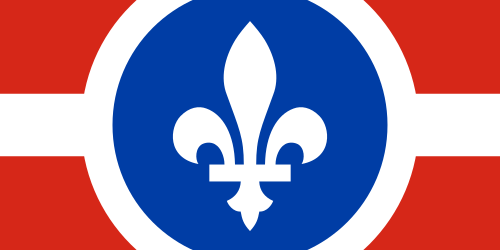 "مقترح الاتحاد" (1996)
الرأس الأخضر
في عام 1967، صمم إف بي دي ألميدا لانغانس تصاميم للمستعمرات البرتغالية بما في ذلك الرأس الأخضر ، مع علم البرتغال ودرع شعار النبالة الأصغر للمستعمرة. [ 39 ]
 العلم الاستعماري المقترح (1932)
 اقتراح ألميدا لانغانس للرأس الأخضر (1967)
جمهورية أفريقيا الوسطى
في صيف عام ١٩٧٦، وبعد لقاء مع الزعيم الليبي معمر القذافي ، اعتنق زعيم أفريقيا الوسطى جان بيدل بوكاسا الإسلام، على الأرجح للحصول على مساعدات ليبية، وبدأ مشروع لاعتماد علم وطني جديد يحمل رموزًا إسلامية. وقُدِّم اقتراح بتقسيم الربع العلوي الأيسر أفقيًا إلى نصفين بين الأصفر والأبيض، وبقية العلم باللون الأخضر مع نجمة وهلال أصفرين. إلا أن هذا الاقتراح لم يدم طويلًا، إذ سرعان ما عاد بوكاسا إلى الكاثوليكية. [ ٤٠ ]
 اقتراح استبدال العلم (1976)
جمهورية تشيلي
 اقتراح (1818)
الصين
جمهورية الصين

 الاقتراح رقم 2 (1906) (جمهورية الصين)
 الاقتراح رقم 3 (1906) (جمهورية الصين)
 الاقتراح رقم 4 (1906) (جمهورية الصين)
 الاقتراح رقم 5 (1906) (جمهورية الصين)
جمهورية الصين الشعبية
انظر: قائمة الأعلام الصينية / مقترحات الأعلام
تم اقتراح العديد من الأعلام في عام 1949 لجمهورية الصين الشعبية ، ومعظمها يحتوي على اللونين الأحمر والأصفر بالإضافة إلى النجوم بسبب الرمزية الشيوعية.
حظي اقتراح ماو تسي تونغ الذي يتضمن نجمة صفراء وشريطًا أصفر على خلفية بيضاء بالتأييد في البداية، ولكن كان هناك انتقادات لتفسيره على أنه "قطع ثمار الثورة".
 اقتراح ماو تسي تونغ (1949)
 اقتراح تسنغ ليانسونج 1 (1949)
 اقتراح تسنغ ليان سونغ 2 (1949)
 الاقتراح البديل 1 (1949)
 الاقتراح البديل 2 (1949)
 الاقتراح رقم 001 (1949)
 الاقتراح رقم 002 (1949)
 الاقتراح رقم 003 (1949)
 الاقتراح رقم 004 (1949)
 الاقتراح رقم 005 (1949)
 الاقتراح رقم 006 (1949)
 الاقتراح رقم 007 (1949)
 الاقتراح رقم 008 (1949)
 الاقتراح رقم 009 (1949)
 الاقتراح رقم 010 (1949)
 الاقتراح رقم 011 (1949)
 الاقتراح رقم 012 (1949)
 الاقتراح رقم 013 (1949)
 الاقتراح رقم 014 (1949)
 الاقتراح رقم 015 (1949)
 الاقتراح رقم 016 (1949)
 الاقتراح رقم 017 (1949)
 الاقتراح رقم 018 (1949)
 الاقتراح رقم 019 (1949)
 الاقتراح رقم 020 (1949)
 الاقتراح رقم 021 (1949)
 الاقتراح رقم 022 (1949)
 الاقتراح رقم 023 (1949)
 الاقتراح رقم 024 (1949)
 الاقتراح رقم 025 (1949)
 الاقتراح رقم 026 (1949)
 الاقتراح رقم 027 (1949)
 الاقتراح رقم 028 (1949)
 الاقتراح رقم 029 (1949)
 الاقتراح رقم 030 (1949)
 الاقتراح رقم 031 (1949)
 الاقتراح رقم 32 (1949)
 الاقتراح رقم 33 (1949)
 الاقتراح رقم 34 (1949)
 الاقتراح رقم 35 (1949)
 الاقتراح رقم 36 (1949)
 الاقتراح رقم 37 (1949)
 الاقتراح رقم 38 (1949)
 الاقتراح رقم 39 (1949)
 الاقتراح رقم 40 (1949)
 الاقتراح رقم 41 (1949)
 الاقتراح رقم 42 (1949)
 الاقتراح رقم 43 (1949)
 الاقتراح رقم 44 (1949)
 الاقتراح رقم 45 (1949)
 الاقتراح رقم 46 (1949)
 الاقتراح رقم 47 (1949)
 الاقتراح رقم 48 (1949)
 الاقتراح رقم 49 (1949)
 الاقتراح رقم 50 (1949)
 الاقتراح رقم 51 (1949)
 الاقتراح رقم 52 (1949)
 الاقتراح رقم 53 (1949)
 الاقتراح رقم 54 (1949)
هونغ كونغ
 الاقتراح رقم 1 (1988)
 الاقتراح رقم 2 (1988)
 الاقتراح رقم 3 (1988)
 الاقتراح رقم 4 (1988)
 الاقتراح رقم 5 (1988)
 الاقتراح رقم 6 (1988)
 الاقتراح رقم 7 (1988)
 الاقتراح رقم 8 (1988)
 الاقتراح رقم 9 (1988)
 الاقتراح رقم 10 (1988)
 الاقتراح رقم 11 (1988)
 الاقتراح رقم 12 (1988)
 الاقتراح رقم 13 (1988)
 الاقتراح رقم 14 (1988)
 الاقتراح رقم 15 (1988)
 الاقتراح رقم 16 (1988)
ماكاو
 العلم الاستعماري المقترح لماكاو (1932)
 اقتراح ألميدا لانغانس البرتغالي بشأن ماكاو (1967)
 الاقتراح رقم 1 (1993)
 الاقتراح رقم 2 (1993)
 الاقتراح رقم 3 (1993)
 الاقتراح رقم 4 (1993)
 الاقتراح رقم 5 (1993)
 الاقتراح رقم 6 (1993)
 الاقتراح رقم 7 (1993)
 الاقتراح رقم 8 (1993)
 الاقتراح رقم 9 (1993)
 الاقتراح رقم 10 (1993)
 الاقتراح رقم 11 (1993)
 الاقتراح رقم 12 (1993)
 الاقتراح رقم 13 (1993)
تايوان
انظر أيضًا: الأعلام المقترحة لتايوان
 مقترح الحكومة المؤقتة لجمهورية تايوان (1955)
 اقتراح دونالد ليو (1994)
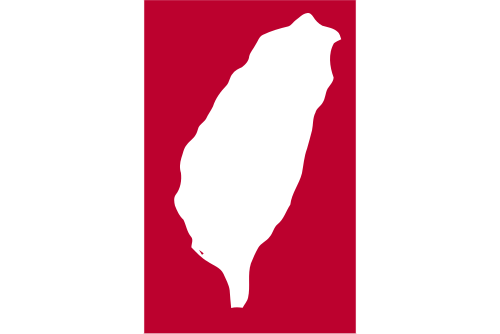 العلم المقترح من قبل الاتحاد العالمي للعلم (1996)

كولومبيا
 اقتراح العلم الرابع لغران كولومبيا (1822)
 اقتراح علم غرناطة الجديد (1833)
جمهورية الكونغو الديمقراطية

الدنمارك
جرينلاند
 اقتراح سفين تيتو آخن (1984)
 اقتراح أندرسون (1991)
 اقتراح أكيغسياك مولر وآخرون (1973)
 اقتراح ستيفن بيترسن (1974)
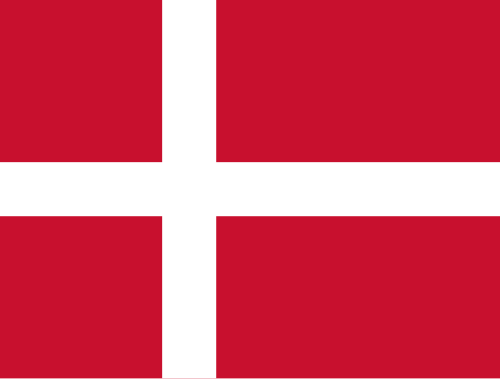 اقتراح دانيبروغ (1974)
 اقتراح كليفورد كرانز (1974)
 اقتراح طلاب مانيتسوك (1974)
 اقتراح إي جيه (1974)
 اقتراح غابا راسموسن (1974)
 اقتراح نيكولاي فلاي بيترسن (1974)
 اقتراح بيتر أولسفيج 1 (1974)
 اقتراح بيتر أولسفيج 2 (1974)
 اقتراح ديفيد أرونسن (1978)
 اقتراح إدوارد كلايست (1978)
 اقتراح جيرت ك. دافيدسن (1978)
 اقتراح ينس جيزلر 1 (1978)
 اقتراح ينس جيزلر 2 (1978)
 اقتراح ينس جيزلر 3 (1978)
 اقتراح جيرث كارلسن (1978)
 اقتراح مجهول 1 (1978)
 اقتراح مجهول 2 (1978)
 اقتراح مجهول رقم 3 (1978)
 اقتراح مجهول رقم 4 (1978)
 اقتراح مجهول رقم 5 (1978)
 اقتراح مجهول رقم 6 (1978)
 اقتراح مجهول رقم 7 (1978)
جمهورية الكونغو
 اقتراح الكونغو الفرنسية (1959)
كوستاريكا
في عام 1845، اقترح الليبراليون إضافة لون جديد إلى علم كوستاريكا ، وهو اللون الأحمر، كما كان علم فرنسا ، المرتبط بالحرية، يتألف من الأحمر والأبيض والأزرق. وقد يكون هذا التصميم مستوحى أيضاً من علم الولايات المتحدة .
 اقتراح غير مقبول (1845)
كرواتيا*
 اقتراح من كرستو ماجورانيتش (1990).
 مقترحات بوريس ليوبيتشيتش (1990)
قبرص
 رفض الإدارة الاستعمارية البريطانية اقتراح علم قبرص المستقلة (1959).
 اقتراح علم جمهورية قبرص المتحدة (2004)
جمهورية التشيك (تشيكيا)
 الاقتراح رقم 1 (1992)
 الاقتراح رقم 2 (1992)
تيمور الشرقية
 العلم الاستعماري المقترح (1932)
 اقتراح ألميدا لانغانس لتيمور البرتغالية (1967)
مصر
 العلم المستخدم خلال الثورة المصرية عام 1919
 اقتراح ثورة 23 يوليو رقم 1 (1952)
 اقتراح ثورة 23 يوليو رقم 2 (1952)
 اقتراح ثورة 23 يوليو رقم 3 (1952)
 اقتراح ثورة 23 يوليو رقم 4 (1952)
 اقتراح ثورة 23 يوليو رقم 5 (1952)
 اقتراح ثورة 23 يوليو رقم 6 (1952)
 اقتراح ثورة 23 يوليو رقم 7 (1952)
إستونيا*
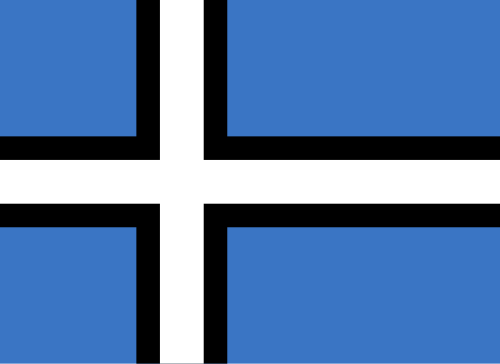 المقترح النوردي 1 (1919)
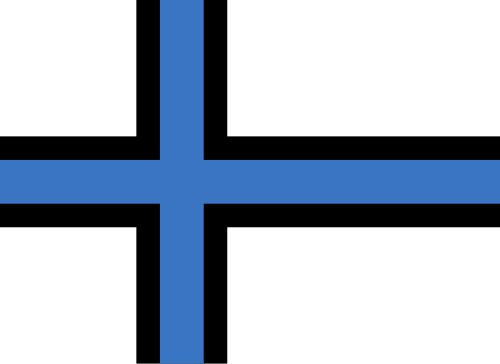 الاقتراح النوردي 2 (1919)
 الاقتراح النوردي 3 (1919)
 المقترح النوردي 4 (2001)
فيجي
 مقترح الأسلحة الكبرى (2005)
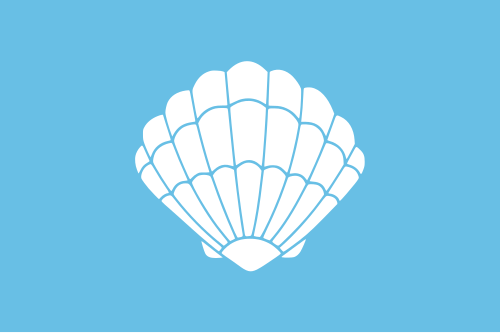 اقتراح بديل (2005)
 الاقتراح رقم 1 (2015)
 الاقتراح 2/3 (2015)
 الاقتراح 4/5 (2015)
 الاقتراح رقم 6 (2015)
 الاقتراح رقم 8 (2015)
 الاقتراح 9/10 (2015)
 الاقتراح رقم 11 (2015)
 الاقتراح رقم 12 (2015)
 الاقتراح رقم 13 (2015)
 الاقتراح رقم 14 (2015)
 الاقتراح رقم 15 (2015)
 الاقتراح رقم 16 (2015)
 الاقتراح رقم 17 (2015)
 الاقتراح رقم 19 (2015)
 الاقتراح رقم 20 (2015)
 الاقتراح رقم 21 (2015)
 الاقتراح رقم 22 (2015)
 الاقتراح رقم 23 (2015)
فنلندا
 اقتراح زكرياس توبيليوس (قبل عام 1863)
 اقتراح ماميز (1863)
 اقتراح أوتو دونر (1863)
 اقتراح هوغو نيبيرغ (1863)
 اقتراح ج. بينجر (1863)
 اقتراح بديل (حوالي عام 1864)
 Proposed flags of Finland (1918)
 Proposed flags of Finland (1918)
Åland
In 1952, Åland was given right to a flag by the Finnish government, and several proposals from the past and that time were considered.
Many of them were inspired off of the Flag of Sweden due to the region's Swedish culture and language, including a "Swedish" flag proposal, a Swedish flag with a blue cross on it. It was denied by the President of Finland for being too similar to the flag of Sweden.
There was also the "Plague Flag" or "Pestflaggen", which was nicknamed that for being considered too unattractive a design.[41]
 Matts Dreijer's proposal (1939)
 "Swedish" flag proposal (1952)
 "Finnish" flag proposal (1954)
 Matts Dreijer's proposal (1946)
 The "Plague Flag" (1950s)
 Debate proposal 1 (1953)
 Debate proposal 2 (1953)
 Debate proposal 3 (1953)
France
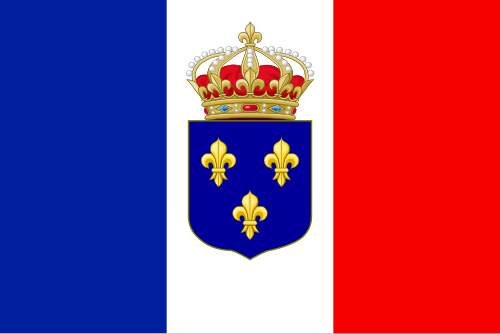 Proposal possibly made by Henri d'Artois, comte de Chambord in his younger years as a compromise, but which was never made official, and which he himself rejected when offered the throne in 1870.[42] (1850)
 Hervé, Baron Pinoteau Proposal (ca. 2010)
French Guiana
 Guyanese Workers' Union Proposal (2004)
Guadeloupe
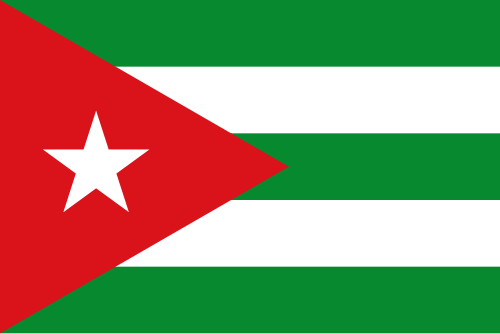


Martinique
 Snake Flag (1766)
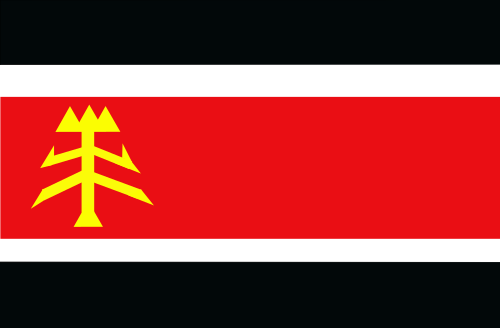 Porposed flag by MIM (1978)
 The Ipséité Flag (2019)
Mayotte
 Unoffical flag of Mayotte (1982)
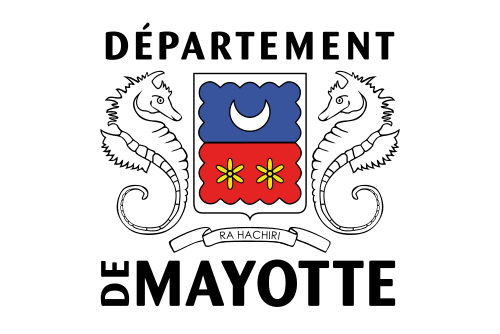 Black text variant (1982)
New Caledonia
 Defaced French Flag Proposal (2008)
 "Common Flag" Proposal (2010)
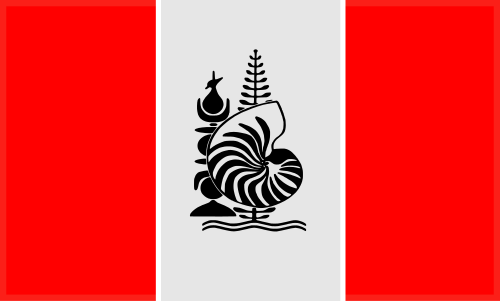 "Common Flag" Variant Proposal (2010)
Réunion
 First unofficial flag proposal (1995)
 Association for the Réunion Flag proposal (1996)
 Association for the Réunion Flag proposal (2003)
 Independent Réunion Proposal (2008)
Saint Barthelémy
 Unoffcial flag of Saint Barthelemy (2007)
Saint Martin
 St. Martin Unity Flag (1990)
Saint Pierre and Miquelon
 Unoffical flag of Saint Pierre and Miquelon (1982)
Wallis and Futuna
 Unoffical flag of Wallis and Futuna (1887)
 Unofficial flag of Wallis and Futuna (1910)
 Unoffcial flag of Walis and Futuna (1976)
 Unofficial flag of Wallis and Futuna (1985)
 Unoffcial flag of Wallis and Futuna (2020)
Germany*
 German Unification flag at Wartburg Festival (1817)
 German unification flag at Hambach Festival (1832)
 Ottfried Neubecker's Proposal (1926)
 Robert Lehr's Proposal (1948)
 Paul Wentzcke's Proposal (1948)
 Edwin Redslob's Proposal (1948)
 Josef Wirmer's Proposal (1944–1948)
 Ernst Wirmer's Proposal (1948)
New Swabia
 Unoffcial flag of New Swabia (1951)
Ghana
 Emmanuel Enoch Agbozo's Proposal (2002)
Guinea-Bissau
In June 1932, while working for the Portuguese Institute of Heraldry (IPH), Affonso Dornellas elaborated a coat of arms for the Colony of Guinea and João Ricardo da Silva drew it. Even though the Estado Novo's Agência Geral das Colónias (General Agency of the Colonies) had asked for the shield, it was never officially adopted. Like other designs, a modified version was used at the 1934 Colonial Exposition of Porto and on posterior coins before the introduction of the 1935 shield design.[43]
In 1966, heraldist Franz Paul de Almeira Langhans designed flags for Portuguese ultramarine provinces in his book "Armorial do Ultramar Português", being Guinea's the Flag of Portugal defaced with the colony's lesser arms shield on its lower fly side.[3]
 IPH's Colony of Guinea flag proposal (1932)
 Langhans' Overseas Province of Guinea flag proposal (1966)
Guyana
 Whitney Smith's Original Proposal (1962)
Hungary
 Ignác Martinovics's Proposal (1794)
 Sándor Széll's Proposal (1941)
 Hungarian People's Republic Proposal (1949)
 Pál Tóth's Proposal (1995)
 István Mező and János Olasz's Proposal (1995)
 Miklós Csapody's Proposal (2005)
 Draft Constitution Proposal (2010)
Iceland
 Magnus Thordarson's Proposal (1914)
 The Hvítbláinn Proposal (1913)
India
 Proposed British Empire flag in India (1902)
 Anglo-India Weekly's Proposal (1904)
 Louis Mountbatten's Proposal (1947)
 Mahatma Gandhi's Original Proposal (1921)
 Mahatma Gandhi's Final Proposal (1921)
Kartnataka
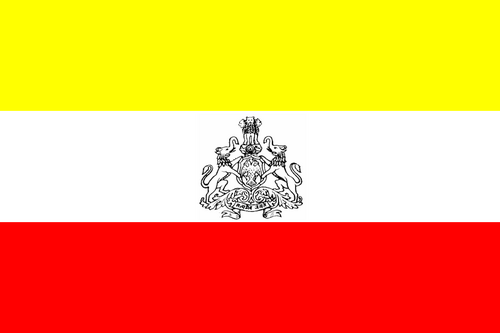 Proposed Karnataka Flag (2018)
Portuguese India
 Colonial Flag of Portuguese India (1932)
 Almeida Langhans' Portuguese India Proposal (1967)
Tamil Nadu
 Proposed flag of Tamil Nadu (1970)
Iraq
 IGC Proposal (2004)
 Eight-Pointed Star Proposal (2008)
 Yellow Takbir Proposal (2008)
Ireland
 Anonymous proposal submitted to The Irish Times; United Ireland (1928)
 Anonymous proposal (1937)
 Anonymous proposal to The Irish Times (1939)
 Anonymous proposal from The Drogheda Independent (1951)
 John Harrington's Proposal (1957)
 Flag proposed for a Communist Ireland by the Communist Party of Ireland (Marxist–Leninist) (1976)
Israel*
 Ha'Degel Proposal 1 (1948)
 Ha'Degel Proposal 2 (1948)
 Ha'Degel Proposal 3 (1948)
 Ha'Degel Proposal 4 (1948)
 Ha'Degel Proposal 5 (1948)
 Ha'Degel Proposal 6 (1948)
 Ha'Degel Proposal 7 (1948)
 Ha'Degel Proposal 8 (1948)
 Contest Proposal 44 (1948)
 Contest Proposal 57 (1948)
 Contest Proposal 58 (1948)
 Contest Proposal 61 (1948)
 Otta Wallish's Proposal (1949)
 Nissim Sabah's Proposal (1949)
 Theodor Herzl's Proposal (1890s)
Italy
Lombardy
 Saint Ambrose/Saint George's flag, proposed several times, a being the historical flag since middle ages.
 Proposal 1 for a new flag for Lombardy (Region) (2015)
 Proposal 2 for a new flag for Lombardy (Region) (2015)
Ivory Coast
 Augustin Loubao's Proposal (1960)
Jamaica
 Proposal 1 (1962)
 Proposal 2 (1962)
 Proposal 3 (1962)
 Proposal 4 (1962)
 Proposal 5 (1962)
 Proposal 6 (1962)
 Proposal 7 (1962)
 Proposal 8 (1962)
Japan
Okinawa
 Proposed flag of the Independent State of Okinawa (1950)
 Proposed flag Flag by USCAR (1954)
Kazakhstan
 Proposal 1 (1991)
 Proposal 2 (1991)
 Proposal 3 (1991)
 Proposal 4 (1991)
 Proposal 5 (1991)
 Proposal 6 (1991)
 Proposal 7 (1991)
 Proposal 8 (1992)
North Korea (DPRK)
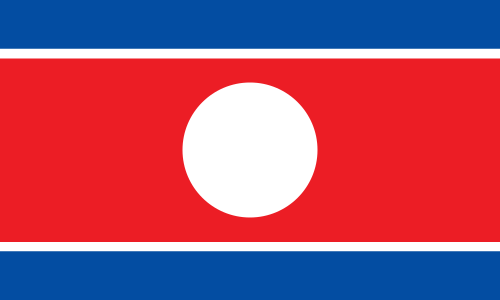 Kim Tu Bong's Proposal 1 (1948)
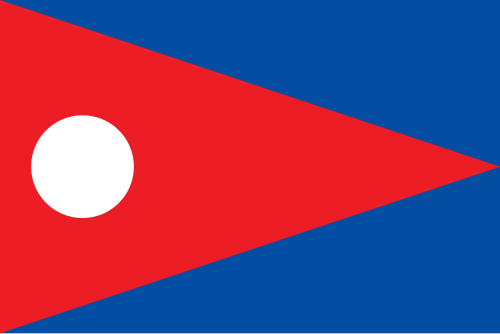 Kim Tu Bong's Proposal 2 (1948)
Kosovo
 Ibrahim Rugova's proposal (2000)
 Joe DioGuardi's proposal
 Competition proposal 1 (2008)
 Competition proposal 2 (2008)
 Competition proposal 3 (2008)
Kuwait
 1906 proposal
 1913 proposal
Kyrgyzstan
 Proposal 1 (2011)
 Proposal 2 (2011)
 Proposal 3 (2011)
 Proposal 4 (2011)
 Proposal 5 (2011)
 "Land of Celestial Mountains" proposal (2011)
 Another proposal with a mountain in the flag (2011)
Latvia*
 Proposed 1:1:1 flag by painter Jānis Grosvalds intended for the Latvian Riflemen in their advance towards Jelgava (May 1917)[44]
 Proposed 1:1:1 flag by diplomat Oļģerts Grosvalds intended for the Latvian Riflemen (May 1917)[45][46]
Lithuania
 Flag used during the Vilnius Conference and a proposal for the flag of Lithuania (1917)
 State flag proposal for Lithuania (May 1940)
 State flag with the Columns of Gediminas proposal for Lithuania (May 1940)
Luxembourg

Malaysia
 Proposal 1 (1949)
 Proposal 2 (1949)
 Proposal 3 (1949)
 Proposal 4 (1949)
Mexico
 Original Imperial Flag Proposal (1821)
 Teresa de Mier's Proposal (1823)
Moldova
 The Communist Party of the Republic of Moldova's proposal (2010)
 Igor Dodon's proposal (2018)
Montenegro
 One of the proposals for redesigning of the 1992 Montenegrin flag.
Mozambique
In June 1932, while working for the Portuguese Institute of Heraldry (IPH), Affonso Dornellas elaborated a coat of arms for the Colony of Mozambique and João Ricardo da Silva drew it. Even though the Estado Novo's Agência Geral das Colónias (General Agency of the Colonies) had asked for the shield, it was never officially adopted. Like other designs, a modified version was used at the 1934 Colonial Exposition of Porto and on posterior coins before the introduction of the 1935 shield design.[47]
In 1966, heraldist Franz Paul de Almeira Langhans designed flags for Portuguese ultramarine provinces in his book "Armorial do Ultramar Português", being Mozambique's the Flag of Portugal defaced with the colony's lesser arms shield on its lower fly side.[3][48]
In 1990, the drafting of a new constitution started discussions on changing the national symbols due to their resemblance to those of the Mozambique Liberation Front (FRELIMO), as it would be antithetical to use a partidary flag for national unity. This move failed to change the flag, and since then the primary criticism has been directed at the inclusion of the AK-47 on it, which some Mozambicans view as an allusion to violence.[49]:57[50]
In 2005, the Mozambican government held a competition with five judges to choose a new national flag and emblem as part of a peace agreement between the FRELIMO and the Mozambican National Resistance (RENAMO).[51] All the 169 proposals were ultimately rejected by the Assembly of the Republic, which voted 155 to 79 against changing the flag. All the votes against were from FRELIMO, and all the votes for were from RENAMO.[52]
 IPH's Colony of Mozambique flag proposal (1932)
 Langhans' Overseas Province of Mozambique flag proposal (1966)
Myanmar
 Original Proposal (2006)
 National League for Democracy Proposal (2019)
 Shan Nationalities League for Democracy Proposal (2019)
 Zomi Congress for Democracy Proposal (2019)
 National United Democratic Party Proposal (2019)
Namibia
 Dr Wilhelm Solf'sGerman South West Africa Proposal (1914)
Nauru
 "Distinguishing Flag" Proposal (1924)
Nepal
 Shree Shrestha's Proposal (2009)
Netherlands
Aruba
Aruba is one of the islands that formed the former territory of the Netherlands Antilles. In 1976, the decision to obtain a distinctive flag was made, so a committee was formed in order to decide in what the design of such as flag would be. From the 693 proposals that were made to the committee, a preliminary selection of 157 was carried out. Some of these designs are depicted below. Some other proposals were made by vexillologists such as Whitney Smith, who proposed two designs.
Eventually, the committee worked on W.J. Fransen's design, and after a few iterations, the current flag of Aruba was born.[53]
 Sample proposal 1 (1976)
 Sample proposal 2 (1976)
 Sample proposal 3 (1976)
 Sample proposal 4 (1976)
 Sample proposal 5 (1976)
 Sample proposal 6 (1976)
 Sample proposal 7 (1976)
 Sample proposal 8 (1976)
 Sample proposal 9 (1976)
 Rosendo Feliciano's proposal (1976)
 J.W. Klein's proposal (1976)
 W.J. Fransen's proposal (1976)
 Whitney Smith's proposal 1 (1976)
 Whitney Smith's proposal 2 (1976)
Sint Maarten
- St. Martin Unity Flag (1990)
New Zealand
See "2015–2016 New Zealand flag referendums" and "New Zealand flag debate"
 "Flag of the United Tribes of New Zealand" by James Busby (1834)
 Clark Titman's Proposal (1967)
 D.A. Bale's Proposal (e.1980s)
 "Koru Flag" by Friedensreich Hundertwasser (1983)
 "Black and Silver" by John Ansell, Kenneth Wang, and Grant McLachlan (1986 & 2015)
 Aaron Nicholson's Proposal (1987)
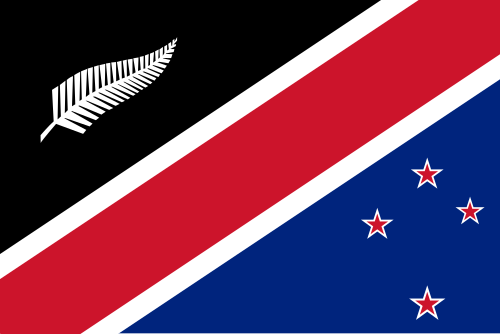 James Dignan's Proposal (2002)
 Helen Clark's Proposal (2007)
 "Koru Fern" by James Bowman (2015)
 "Wā Kāinga" by Studio Alexander (2015)
 "Land Of The Long White Cloud" (Ocean Blue) by Mike Archer (2015)
 "Land Of The Long White Cloud" (Traditional Blue) by Mike Archer (2016)
 "Huihui" by Sven Baker (2015)
 "Silver Fern" (Black & Silver) by Sven Baker (2015)
 "Southern Cross Horizon" by Sven Baker (2015)
 "Southern Koru" by Sven Baker (2015)
 "Unity Koru" (Red & Blue) by Sven Baker
 "Inclusive" by Dominic Carroll (2015)
 "Moving Forward" by Dominic Carroll (2015)
 "The Seven Stars of Matariki" by Matthew Clare (2015)
 "Silver Fern" (Green) by Roger Clarke (2015)
 "Curly Koru" by Daniel Crayford & Leon Cayford (2015)
 "Koru Fin" by Daniel Crayford & Leon Cayford (2015)
 "Modern Hundertwasser" by Tomas Cottle (2015)
 "NZ One" by Travis Cunningham (2015)
 "Black Jack" by Mike Davison (2015)
 "Unity Koru" by Paul Densem (2015)
 "New Southern Cross" by Wayne William Doyle (2015)
 "Red Peak" by Aaron Dustin (2015)
 "Manawa" (Black & Green) by Otis Frizzell (2015)
 "Manawa" (Blue & Green) by Otis Frizzell (2015)
 "Embrace" (Red & Blue) by Denise Fung (2015)
 "Koru" (Black) by Andrew Fyfe (2015)
 "Koru" (Blue) by Andrew Fyfe (2015)
 "Unity Fern" (Red & Blue) by Paul Jackways (2015)
 "White & Black Fern" by Alofi Kanter (2015)
 "New Zealand Matariki" by John Kelleher (2015)
 "Silver Fern" (Black with Red Stars) by Kyle Lockwood (2015)
 "Silver Fern" (Red, White & Blue) by Kyle Lockwood (2015)
 "Silver Fern" (Black & White) by Kyle Lockwood (2015)
 "Silver Fern" (Black, White & Red) by Kyle Lockwood (2015)
 "Silver Fern" (Black, White & Blue) by Kyle Lockwood (2015)
 "Pikopiko" by Grant Pascoe (2015)
 "Finding Unity in Community" by Dave Sauvage (2015)
 "Fern" (Green, Black & White) by Clay Sinclair & Sandra Ellmers (2015)
 "Koru and Stars" by Alan Tran (2015)
 "Raranga" by Pax Zwanikken (2015)
 "Tukutuku" by Pax Zwanikken (2015)
Chatham Islands
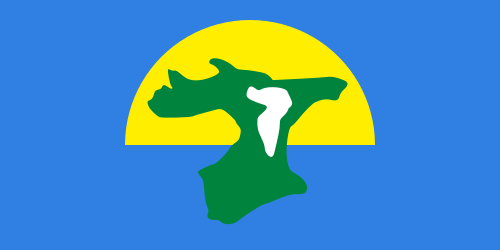 Unofficial Flag of Chatham Islands by Logan Anderson (1989)
Cook Islands
 Len Staples' Proposal (1973)
Ross Dependency
 Unofficial Flag of Ross Dependency by James Dignan (1995)
Tokelau
 1980s proposal
 2007 proposal
Nigeria
 Michael Taiwo Akinkunmi's original proposal (1958)
North Macedonia*
 Proposal 1 (1995)
 Proposal 2 (1995)
 Proposal 3 (1995)
 Proposal 4 (1995)
 Proposal 5 (1995)
 Proposal 6 (1995)
 Proposal 7 (1995)
 Proposal 8 (1995)
 Proposal 9 (1995)
 Original Proposal (1995)
Norway
 Alternative proposal by Christian Frederick (1814)
 Swedish proposal for merchant flag (1814)
 Swedish proposal for state flag (1814)
 Anonymous october proposal 1: sketch 1 (1814)
 Anonymous october proposal 1: sketch 2 (1814)
 Anonymous october proposal 1: sketch 3 (1814)
 Anonymous october proposal 1: sketch 4 (1814)
 Anonymous october proposal 1: sketch 5 (1814)
 Anonymous october proposal 1: sketch 6 (1814)
 Anonymous october proposal 1: sketch 7 (1814)
 Anonymous october proposal 1: sketch 8 (1814)
 Anonymous october proposal 1: sketch 9 (1814)
 Anonymous october proposal 1: sketch 10 (1814)
 Anonymous october proposal 1: sketch 11 (1814)
 Anonymous october proposal 1: sketch 12 (1814)
 Anonymous october proposal 1: sketch 13 (1814)
 Anonymous october proposal 1: sketch 14 (1814)
 Anonymous october proposal 1: sketch 15 (1814)
 Anonymous october proposal 1: sketch 16 (1814)
 Anonymous october proposal 1: sketch 17 (1814)
 Anonymous october proposal 1: sketch 18 (1814)
 Anonymous october proposal 1: sketch 19 (1814)
 Anonymous october proposal 1: sketch 20 (1814)
 Anonymous october proposal 1: sketch 21 (1814)
 Anonymous october proposal 1: sketch 22 (1814)
 Anonymous october proposal 1: sketch 23 (1814)
 Anonymous october proposal 1: sketch 24 (1814)
- Anonymous october proposal 2: sketch 1 (1814)
 Anonymous october proposal 2: sketch 2 (1814)
 Anonymous october proposal 2: sketch 3 (1814)
 Anonymous october proposal 2: sketch 4 (1814)
 Proposal 1 by Gregers Lundh (1814)
 Proposal 2 by Gregers Lundh (1814)
 Proposal by Svend Busch Brun (1814)
 Proposal by Peder Jacobsen Bøgvald (1815)
 Proposal by Niels Aall (1815)
 Proposal by the Storting Flag committee (1815)
 Proposal by Gabriel Schanche Kielland (1820)
 Proposal by Jan Rasmussen Sande (1821)
 Proposal 1 by the Storting flag committee (1821)
 Proposal 2 by Fredrik Meltzer (1821)
 Proposal 6 (1821)
 Proposal 7 (1821)
 Proposal 8 by Christian Magnus Falsen (1821)
 Proposal 10 (1821)
 Proposal 11 (A) by the Commission of Bergen (1821)
 Proposal 11 (B) by the Commission of Bergen (1821)
 Proposal 11 (C) by the Commission of Bergen (1821)
 Proposal 12 by Citizens in Grimstad (1821)
 Proposal 13 (1821)
 Proposal 14 by Andreas Martin Seip (1821)
 Proposal 15 by Christian Magnus Falsen (1821)
 Proposal 16 by Citizens in Tønsberg (1821)
 Proposal 18 (1821)
 Secular proposal by Ådne Løvstad (2014)
 Secular proposal by Ådne Løvstad (2014)
 Secular proposal by Ådne Løvstad (2014)
Svalbard
 Proposed flag of Svalbard (1930)
Pakistan
 "Pak Commonwealth of Nations" (1940)
 Proposed flag that appears in a pamphlet (1942)
 Louis Mountbatten's Proposal for an Anglo-Pakistani Commonwealth (1947)
Islamabad Capital territory
 Proposal by Dr. Tariq Saleem Marwat (2004)[56]
Palestine
 Husein Mikdadi's Proposal (1929)
 "An Arab From Haifa"'s Proposal 1 (1929)
 "An Arab From Haifa"'s Proposal 2 (1929)
 "An Arab From Haifa"'s Proposal 3 (1929)
 "An Arab From Haifa"'s Proposal 4 (1929)
 "An Arab From Haifa"'s Proposal 5 (1929)
 "An Arab From Haifa"'s Proposal 6 (1929)
 "An Arab From Haifa"'s Proposal 7 (1929)
 "An Arab From Haifa"'s Proposal 8 (1929)
 "An Arab From Haifa"'s Proposal 9 (1929)
 "An Arab From Haifa"'s Proposal 10 (1929)
 Elias Hana Rantissi's Proposal (1929)
 Hamdi Can'an's Proposal
 Assma Tubi's Proposal (1929)
 Jaili's Proposal (1929)
 As’ad Shufani's Proposal 1 (1929)
 As’ad Shufani's Proposal 2 (1929)
 As’ad Shufani's Proposal 3 (1929)
 As’ad Shufani's Proposal 4 (1929)
 As’ad Shufani's Proposal 5 (1929)
 Filastin Newspaper's Proposal 1 (1929)
 Filastin Newspaper's Proposal 2 (1929)
 Theodore Saruf's Proposal (1929)
 Munir Dakak's Proposal 1 (1929)
 Munir Dakak's Proposal 2 (1929)
 Munir Dakak's Proposal 3 (1929)
 Proposal from the Israel State Archives (1929)
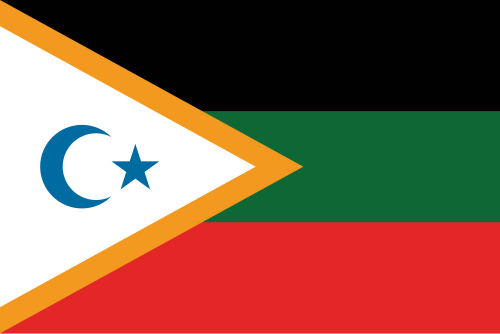 Proposal from the Israel State Archives (1929)
 Proposal from the Israel State Archives (1929)
 One-State Palestine Proposal 1 (2007)
 One-State Palestine Proposal 2 (2007)
Panama
 Felipe Bunau Varilla's Proposal (1903)
Papua New Guinea
 Dr Wilhelm Solf'sGerman New Guinea Proposal (1914)
 Australian Trust Territory of Papua and New Guinea Proposal (1970)
Peru*
 General William Miller's Proposal (1820)
 Nieves Limachi Quispe's Proposal (2022)
Philippines
 Mark Twain's satirical proposal (1901)
 Fidel V. Ramos' Proposal 1 (1995)
 Fidel V. Ramos' Proposal 2 (1995)
 Fidel V. Ramos' Proposal 3 (1995)
 Senator Richard Gordon's Proposal (2009)
 Emmanuel L. Osorio's Proposal (2013)
Poland
 Proposed Flag for the General Government (1940)
Portugal*
 A. Rigaud Nogueira's proposal (1910–1911)
 Alexandre Fontes' proposal 1 (1910–1911)
 Alexandre Fontes's proposal 2 (1910–1911)
 Carvalho Neves's proposal (1910–1911)
 Duarte Alves Leal's proposal (1910–1911)
 Antonio Augusto Macieira's proposal (1910–1911)
 Alfredo Pinta da Silva's proposal (1910–1911)
 António Arroyo's proposal (1910–1911)
 Delfim Guimarães and Roque Gameiro's proposal (1910–1911)
 First Project of the Official Commission for the new Portuguese National Flag (1910–1911)
 Guerra Junqueiro's proposal (1910–1911)
 J. S. Ferreira's proposal (1910–1911)
 Joaquim Augusto Fernandes proposal (1910–1911)
Romania
 Petre Vasiliu-Năsturel's Proposal (1848)
Russia
 Flag for private use planned to be adopted as a national flag (1914–1917)
 A flag designed by "A. Bryanchaninov" for the Russian Republic (1917)
 Alexey Kokorekin's RSFSR flag proposal (1948)
 RSFSR flag proposal with the tricolour at the bottom
 RSFSR flag proposal with gold Cyrillic characters
 Mikhail Rodionov's RSFSR flag proposal (1950)
 Flag proposed to the State Duma (1994; 1997)
 Flag proposed to the State Duma (1997)
 Andrew Khlobystin's Proposal (1997)
 William Pokhlyobkin's Proposal (1999)
 Former imperial flag proposed by Vladimir Zhirinovsky (2011)
 Sergey Nikolayev's unofficial proposal (2017)[57]
 Former flag of the Soviet Union proposed by the Communist Party (2022)
Chuvashia
 A.V. Pavlov Proposal (1990)
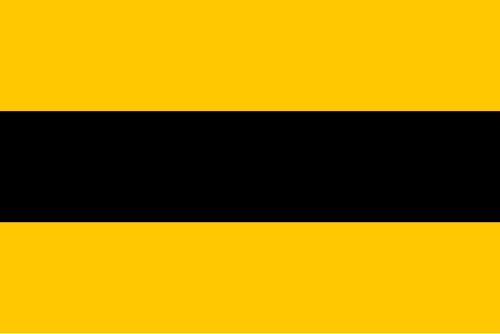 Project proposed by the Society of Chuvash Culture in Estonia Tšuvaši Kultuuriselts (1990)
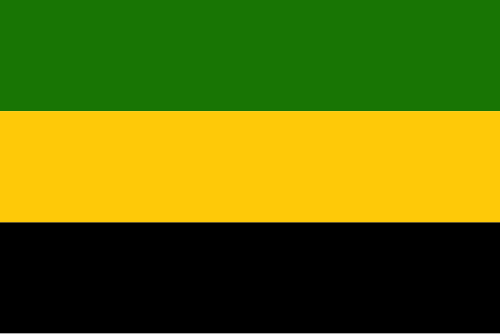 Alternative project proposed by the Society of Chuvash Culture in Estonia Tšuvaši Kultuuriselts (1990)
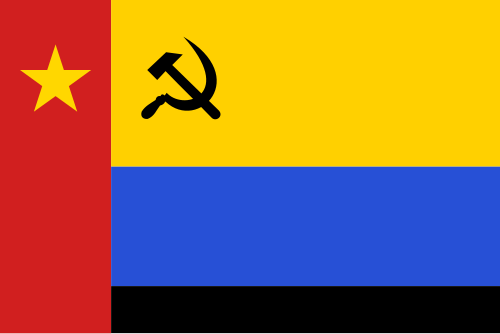 S. A. Sindyachkin Proposal (1990)
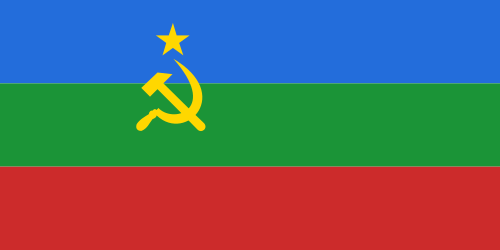 A. V. Ulangin Proposal (1990)
Karelia


Komi
 Komi Nordic cross proposal (2010)
Tatarstan
 Flag proposed by a special commission in 1991
Rwanda
 "Sunrise" Proposal (1996)
 "Sunrise" Proposal (1997)
 "Sunrise" Proposal (1998)
 "Sunrise" Proposal (1999)
Samoa
 Dr Wilhelm Solf'sGerman Samoa Proposal (1914)
São Tomé and Príncipe
 Colonial flag of São Tome and Príncipe (1932)
 Almeida Langhans' Portuguese São Tomé and Príncipe Proposal (1967)
 Proposal 1 (1974)
 Proposal 2 (1974)
 Proposal 3 (1974)
 Proposal 4 (1974)
 Proposal 5 (1974)
 Proposal 6 (1974)
 Proposal 7 (1974)
 Proposal 8 (1974)
Serbia
 Proposed flag of the Principality of Serbia (c. 1838)
 Proposed flag of the Principality of Serbia (c. 1838)
 Proposed flag of the Principality of Serbia (c. 1838)
Vojvodina
 Proposed flag by the League of Social Democrats of Vojvodina (1990)
Slovakia
 Demands of the Slovak Nation's Proposal (1848)
Slovenia*
 Pre-Independence Proposal (1990)
 Karin & Grega Košak, and Simonida Koželj's Proposal (2003)
 Miha Dobrovoljc's Proposal (2003)
 Zoran Kovačevič's Proposal (2003)
 Proposal (2003)
 Klemen Rodman's Proposal (2003)
 Dušan Jovanovič's Proposal (2003)
 Miha Debeljak's Proposal (2023)
Solomon Islands*
 Pre-independence contest winner (1975)
South Africa
See: List of South African flags/Proposed flags
 Proposal 1 (1910)
 Proposal 2 (1910)
 1 "The 'Walker' Flag" Proposal (1926)
 2 Proposal (1926)
 3 Proposal (1926)
 4 Proposal (1926)
 5 Proposal (1926)
 6 Proposal (1926)
 7 Proposal (1926)
 8 Proposal (1926)
 9 Proposal (1926)
 10 Proposal (1926)
 11 Proposal (1926)
 12 Proposal (1926)
 13 Proposal (1926)
 14 Proposal (1926)
 Cross Proposal 1 (1927)
 Cross Proposal 2 (1927)
 Cross Proposal 3 (1927)
 Committee Proposal 1 (1927)
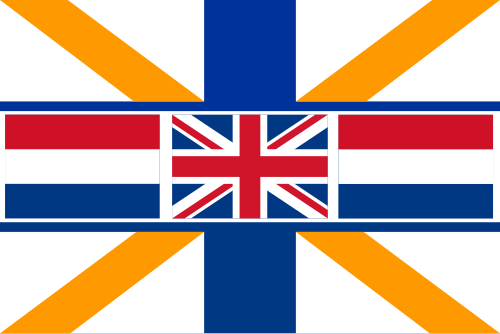 Committee Proposal 2 (1927)
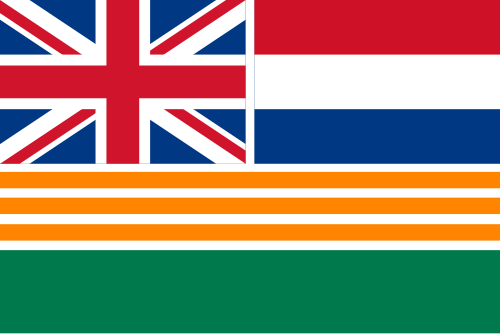 Committee Proposal 3 (1927)
 South African Party Proposal (1927)
 Governmental Proposal (1927)
 Senate Proposal (1927)
 "Verwoerd Flag" H.C. Blatt`s Proposal (1965)
 "Natal Witness" Lalsingh Ramlukan`s Proposal (1992)
 Commission on National Symbols Proposal 1 (1993)
 Commission on National Symbols Proposal 2 (1993)
 Commission on National Symbols Proposal 3 (1993)
 Commission on National Symbols Proposal 4 (1993)
 Commission on National Symbols Proposal 5 (1993)
 Commission on National Symbols Proposal 6 (1993)
 Graphic Design Studio Proposal 1 (1993)
 Graphic Design Studio Proposal 2 (1993)
 Graphic Design Studio Proposal 3 (1993)
 Graphic Design Studio Proposal 4 (1993)
 Graphic Design Studio Proposal 5 (1993)
 Graphic Design Studio Proposal 6 (1993)
 Rejected Shortlist Proposal 1 (1994)
 Rejected Shortlist Proposal 2 (1994)
 Rejected Shortlist Proposal 3 (1994)
 Rejected Shortlist Proposal 5 (1994)
 African National Congress's Proposal (1994)
Spain
All of these Proposals are by Antonio Valdés.
 Antonio Valdés' Proposal 1 (1785)
 Antonio Valdés' Proposal 2 (1785)
 Antonio Valdés' Proposal 3 (1785)
 Antonio Valdés' Proposal 4 (1785)
 Antonio Valdés' Proposal 5 (1785)
 Antonio Valdés' Proposal 6 (1785)
 Antonio Valdés' Proposal 7 (1785)
 Antonio Valdés' Proposal 8 (1785)
 Antonio Valdés' Proposal 9 (1785)
 Antonio Valdés' Proposal 10 (1785)
 Antonio Valdés' Proposal 11 (1785)
 Antonio Valdés' Proposal 12 (1785)
Suriname
 Proposed flag of Suriname (1954)
 Proposal 1 (1975)
 Modified Proposal 1 (1975)
 Proposal 2 (1975)
 Proposal 3 (1975)
Tajikistan
 Proposal 1 (1992)
 Proposal 2 (1992)
Tanzania
 Dr Wilhelm Solf'sGerman East Africa Proposal (1914)
Togo
 Dr Wilhelm Solf'sGerman Togo Proposal (1914)
Turkmenistan
 Agzybirlik 1 (1991)
 Agzybirlik 2 (1991)
Ukraine
 Soviet Ukraine Proposal (1917)
 Proposal 1 (1992)
 Proposal 2 (1992)
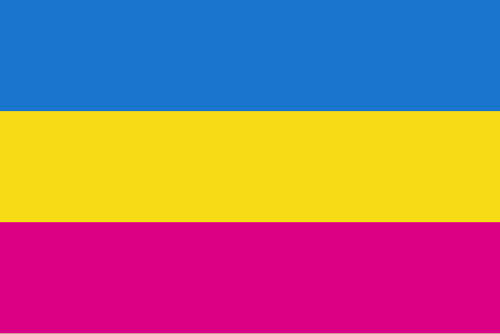 Proposal 3 (1992)
Crimea
 Proposal 1
 Proposal 2
 Proposal 3
 Proposal 4
United Kingdom
 Proposed Union Jack 1 (1604)
 Proposed Union Jack 2 (1604)
 Proposed Union Jack 3 (1604)
 Proposed Union Jack 4 (1604)
 Proposed Union Jack 5 (1604)
 Proposed Union Jack 6 (1604)
 Proposed Union Jack 7 (1604)
 Proposed Union Jack 8 (1604)
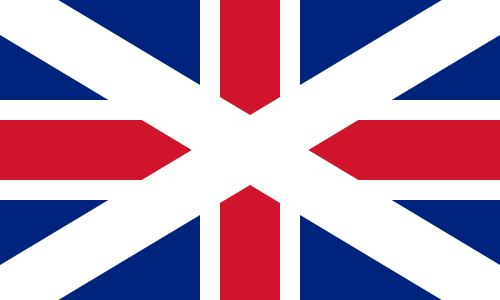 Proposed Union Jack 9 (1606), later used in Scotland only until 1801.
 Proposed Union Jack, incorporating the Irish Harp (1801)
 Republican flag originally used by the Chartist movement (1816)
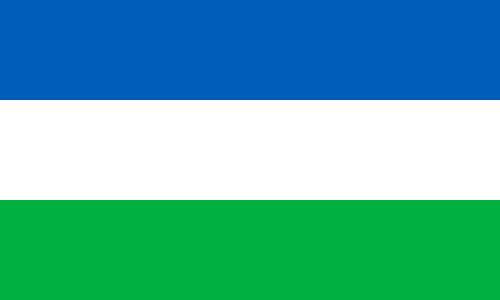 Republican tricolour proposed by Hugh Williams (1838)
 Margaret Hodge's Proposal, incorporating the Welsh Dragon (2007)
 Proposed Union Jack, incorporating the flag of St David
 Proposed Union Jack in the event of Scottish Independence (2013)
Northern Ireland
 Flag proposed by Ulster nationalists
 Northern Ireland Office proposal 1 (1995)
 Northern Ireland Office proposal 2 (1995)
 Proposal by the Alliance Party of Northern Ireland (2003)
Wales
 Welsh Republican flag
 Welsh Republican flag including black star
 Flag of the National Patriotic Front
Overseas Territories
Anguilla
 Dolphin Flag used by the unrecognised Republic of Anguilla (1967–1969)
Bermuda
In 2002, James B. Minahan proposed a design in his "Encyclopedia of the Stateless Nations" that he called "the Bermudian National Flag." He states that this proposal aims to provide Bermuda with a national symbol once it attains independence from the United Kingdom.[58]
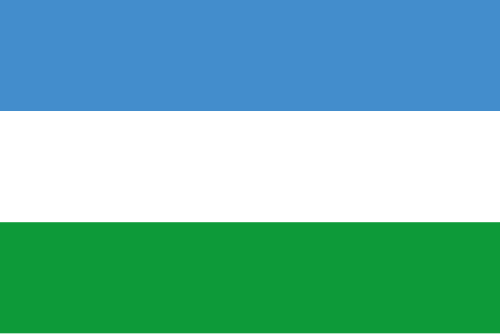 Independent Bermuda Proposal (2002)
British Indian Ocean Territory
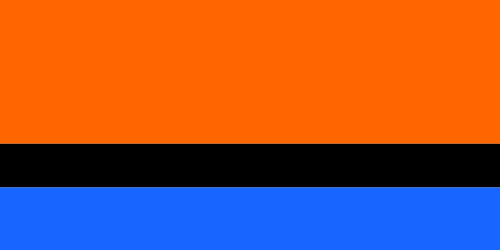 Flag used by the Chagossians (2000)[59]
Cayman Islands
James Minahan in his Encyclopedia of Stateless Nations presents this proposed Cayman Islander independence flag, although it does not seem like any Cayman Islands independence groups use this flag.[60]
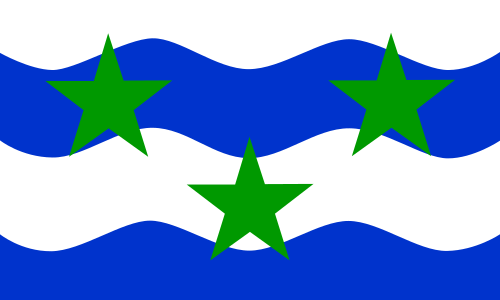 Independent Cayman Islands Proposal (2002)
United States*
More than 3,000 citizens of the United States mailed proposals for how the United States flag could be changed following the admission of the states Alaska and Hawaii. A small portion of these proposals can be viewed at the Eisenhower Library Design of the 49- and 50-Star Flags online document.
Uzbekistan
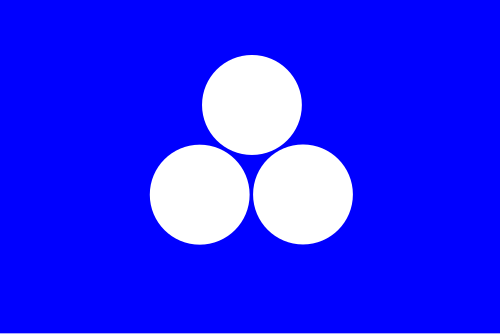 Cultural flag of Uzbek people proposed, based on Timurid empire flag (1969)
 One of the proposed projects of the flag of Uzbekistan by the democratic movement, based on Turkestan Autonomy flag (1991)
 One of the proposed projects of the flag of Uzbekistan by the democratic movement, based on Basmachi movement flag (1991)
 One of the proposed projects of the flag of Uzbekistan by the democratic movement, based on Basmachi movement flag (1991)
Vietnam
 Flag of the Republic of Vietnam (Việt Nam Dân Quốc; not associated with South Vietnam - Việt Nam Cộng hòa) according to Phan Bội Châu, associated with the Việt Nam Quang Phục Hội
 Proposed flag for Vietnam by the Vietnam National Restoration League (1938)
 Nguyen Thanh Tri & Tristan Nguyen's Proposal for a neutral "Reconciliation Flag of Vietnam" (1973)
 International Students' Proposal for a new neutral Vietnamese flag (2013)
Other supranational flag proposals
British Empire
 British Empire flag (1910)
 British Empire flag (1930)
Earth
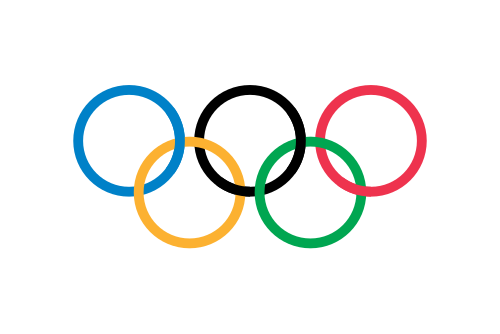 Olympic Flag (1920)
 "Citizen of the World Flag" by George Dibbern (1940)
 Flag of the United Nations (1946)
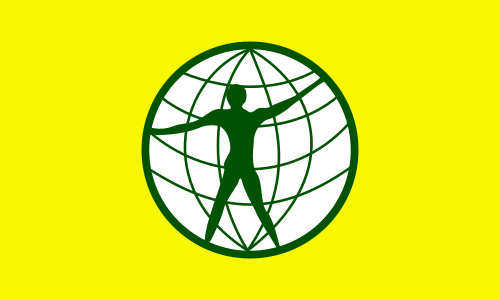 "World Citizen Flag" by Garry Davis (1953)
 "Earth Flag" by John McConnell (1969)
 James W. Cadle's proposal (1970)
 Jean-Sylvainkk Delroux's proposal (1970)
 Paul Carroll's proposal 1 (1988)
 Luis Alonso Salvador's proposal (1994)
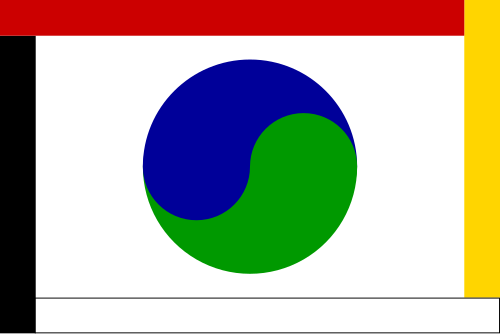 David Bartholomew's proposal (1996)
 Anne Kirstine Rønhede's proposal (2000)
 "Earth Unity Flag" (2000)
 Earth Flag (after Cadle) by Philip Kanellopoulos (2004)
 Earth Symbol Flag by Philip Kanellopoulos (2004)
 World Flag by Philip Kanellopoulos (2004)
 Blue-Green Earth Symbol Cartographic Projection by Philip Kanellopoulos (2011)
 Paul Carroll's proposal 2 (2006)
 Pedro Manuel Quesada López's design (2008)
 Fibits Reality Adjustment's proposal (2008)
 Brandpowder Team's proposal (2012)
 "The International Flag of Planet Earth" by Oskar Pernefeldt (2015)
 Paul Carroll's proposal 3 (2019)
Europe (Continent)
 Anonymous Proposal (1920) - obverse
 Anonymous Proposal (1920) - reverse
 Paneuropean Union Proposal (1923)
 United States of Europe Proposal (1930)
 European Movement Proposal (1947)
 Camille Manné Proposal (1949)
 Werner S. Wulfing Proposal (1949)
 August Vincent Proposal (1950)
 Walther Timm Proposal 1 (1951)
 Walther Timm Proposal 2 (1951)
 Walther Timm Proposal 3 (1951)
 Walther Timm Proposal 4 (1951)
 Martin-Levy Proposal (1951)
 Coudenhove-Kalergi Proposal (1951)
 Prince de Schwarzenberg Proposal (1951)
 Lucien Philippe Proposal 1 (1951)
 Lucien Philippe Proposal 2 (1951)
 Lucien Philippe Proposal 3 (1951)
 Lucien Philippe Proposal 4 (1951)
 Lucien Philippe Proposal 5 (1951)
 Lucien Philippe Proposal 6 (1951)
 Louis Wirion Proposal 1 (1951)
 Louis Wirion Proposal 2 (1951)
 Sommier of Neuilly Proposal (1951)
 Alwin Mondon Proposal 1 (1951)
 Alwin Mondon Proposal 2 (1951)
 Alwin Mondon Proposal 3 (1951)
 Alwin Mondon Proposal 4 (1951)
 Alwin Mondon Proposal 5 (1951)
 Alwin Mondon Proposal 6 (1951)
 Alwin Mondon Proposal 7 (1951)
 Alwin Mondon Proposal 8 (1951)
 Alwin Mondon Proposal 9 (1951)
 Alwin Mondon Proposal 10 (1951)
 Alwin Mondon Proposal 11 (1951)
 Alwin Mondon Proposal 12 (1951)
 Muller of Wiesbaden Proposal 1 (1951)
 Muller of Wiesbaden Proposal 2 (1951)
 Harmignies Proposal (1951)
 Poucher Proposal (1951)
 H.C. Proposal (1951)
 Coudenhove-Kalergi Proposal 1 (1951)
 Coudenhove-Kalergi Proposal 2 (1951)
 J. E. Dylan Proposal 1 (1951)
 J. E. Dylan Proposal 2 (1951)
 J. E. Dylan Proposal 3 (1951)
 J. E. Dylan Proposal 4 (1951)
 J. E. Dylan Proposal 5 (1951)
 Unknown Proposal 1 (1951)
 Unknown Proposal 2 (1951)
 Arsène Heitz Proposal 1 (1951)
 Arsène Heitz Proposal 2 (1951)
 Arsène Heitz Proposal 3 (1951)
 Coudenhove-Kalergi Proposal (1951)
 Salvador de Madariaga Proposal (1951)
 Wolfram Neue Proposal 1 (1951)
 Wolfram Neue Proposal 2 (1951)
 Wolfram Neue Proposal 3 (1951)
 Wolfram Neue Proposal 4 (1951)
 Michel Pélot Proposal 1 (1951)
 Michel Pélot Proposal 2 (1951)
 Mirko Svetkov Proposal (1951)
 Lex Weyer Proposal (1951)
 Louis Wirion Proposal (1951)
 Arsène Heitz Proposal 4 (1952)
 Paul Levy Proposal (1952)
 Joseph Oberson-Bagnolet Proposal (1952)
 G. A. Bornemann Proposal (1952)
 Arsène Heitz Proposal 5 (1952)
 Arsène Heitz Proposal 6 (1952)
 Arsène Heitz Proposal 7 (1952)
 Hanno F. Konopath Proposal 1 (1952)
 Hanno F. Konopath Proposal 2 (1952)
 Hanno F. Konopath Proposal 3 (1952)
 Joseph Oberson-Bagnolet Proposal (1952)
 Joseph Oberson-Bagnolet Proposal (1952)
 Joseph Oberson-Bagnolet Proposal (1952)
 Bichet's Proposal (1953)
 Council of Europe Proposal (1953)
 Arsène Heitz Proposal 4 (1954)
 Arsène Heitz Proposal 8 (1954)
 Arsène Heitz Proposal 9 (1954)
 Alwin Mondon Proposal 10 (1951)
 Alwin Mondon Proposal 11 (1951)
 Arsène Heitz Proposal 12 (1954)
 Arsène Heitz Proposal 13 (1954)
 Arsène Heitz Proposal 14 (1954)
 Arsène Heitz Proposal 15 (1954)
 Arsène Heitz Proposal 16 (1954)
 Arsène Heitz Proposal 17 (1954)
 Bichet's Proposal (1954)
 Arsène Heitz Proposal 18 (1955)
 Arsène Heitz Proposal 19 (1955)
 Arsène Heitz Proposal 20 (1955)
 Arsène Heitz Proposal 21 (1955)
 Arsène Heitz Proposal 22 (1955)
 Arsène Heitz Proposal 23 (1955)
 Gambin Gaetano Proposal 1 (1955)
 Gambin Gaetano Proposal 2 (1955)
 Gambin Gaetano Proposal 3 (1955)
 Gambin Gaetano Proposal 4 (1955)
 Gambin Gaetano Proposal 5 (1955)
 Gambin Gaetano Proposal 6 (1955)
 Gambin Gaetano Proposal 7 (1955)
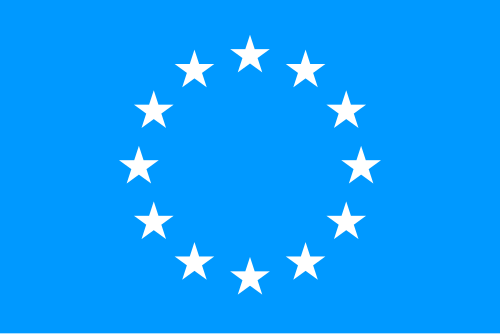 White Stars Proposal (1950s)
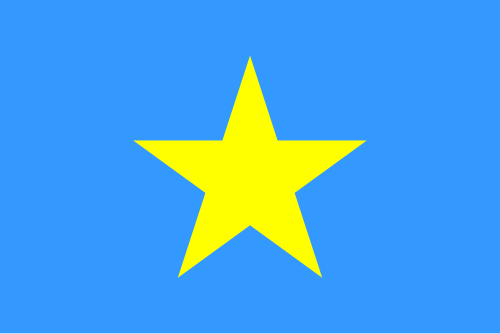 Single Star Proposal (1950s)
 Adolf Lorder Proposal (1950s)
 Anonymous Proposal (1950s)
 Anonymous Proposal (1950s)
 Anonymous Proposal (1950s)
 Anonymous Proposal (1950s)
 Anonymous Proposal (1950s)
 Anonymous Proposal (1950s)
 Anonymous Proposal (1950s)
 Anonymous Proposal (1950s)
 Anonymous Proposal (1950s)
 Anonymous Proposal (1950s)
 Anonymous Proposal (1950s)
 Anonymous Proposal (1950s)
 Anonymous Proposal (1950s)
 Anonymous Proposal (1950s)
 Anonymous Proposal (1950s)
 Anonymous Proposal (1950s)
 Anonymous Proposal (1950s)
 Anonymous Proposal (1950s)
 Anonymous Proposal (1950s)
 Anonymous Proposal (1950s)
 Anonymous Proposal (1950s)
 Anonymous Proposal (1950s)
 Anonymous Proposal (1950s)
 Anonymous Proposal (1950s)
 Anonymous Proposal (1950s)
 Anonymous Proposal (1950s)
 Anonymous Proposal (1950s)
 Anonymous Proposal (1950s)
 Anonymous Proposal (1950s)
 Roger Choquet Proposal (28 November 1960)
 Roger Choquet Proposal (28 November 1960)
 Roger Choquet Proposal (28 November 1960)
 Roger Choquet Proposal (28 November 1960)
 Roger Choquet Proposal (28 November 1960)
 Roger Choquet Proposal (28 November 1960)
 H. Boumans Proposal (November 1960)
 Vollmer Költz Proposal (20 December 1960)
 Wim Schuijt Proposal (28 November 1960)
 J. Hoff Proposal (2 January 1961)
 Rem Koolhaas Proposal (2002)
United Nations
 Proposed United Nations Flag (January 1947)
References
- ↑Carréras, Fernand (1967). L'accord FLN-OAS, des négociations secrètes au cessez-le-feu (in French). p. 102.
- ↑"Heráldica da Província Ultramarina de Angola". Archived from the original on 18 September 2021.
- 123F. P. de Almeida LANGHANS, Armorial do Ultramar Português, Lisboa, Agência-Geral do Ultramar, 1966
- ↑"Portuguese Angola". www.crwflags.com. Retrieved 2023-08-05.
- ↑"Angola - proposals for a new flag". www.crwflags.com. Retrieved July 4, 2025.
- ↑"Política". ANGOP. ANGOP Agência Angola Press. September 3, 2003. Retrieved January 19, 2017.
- ↑"UNITA insiste na mudança da bandeira e símbolo de Angola". 13 January 2015.
- ↑"Bandeira e hino de Angola dividem parlamento angolano - Angola24Horas - Portal de Noticias Online". angola24horas.com. Retrieved 2025-09-20.
- ↑"Parlamento aprovou nova lei sobre bandeira, insígnia e hino nacional". 10 August 2018.
- ↑"Armenia: Alishan's flag proposals (late XIXth century)". Flags of the World (FOTW). 26 July 2020.
- ↑"The Symbols of Independence"(video). youtube.com (in Armenian). Public Television of Armenia. July 5, 2017.
- ↑"The Creation Story of the 3 symbols of the First Republic". 28 May 2015. Retrieved 2025-08-30.
- ↑"Armenia: 89th Republic (1918-1921)". www.crwflags.com. Retrieved 2023-08-05.
- ↑https://www.crwflags.com/fotw/flags/au-antar.html
- ↑"Bahamas - Proposal". Flags of the World (FOTW). 26 March 2011.
- 12"Государственный флаг Республики Беларусь". Vexillographia. December 8, 2019. Archived from the original on August 29, 2023.
- 12Kuryanovich, Alyaksandr (August 18, 2015). "19 верасня 1991 года ў гісторыі нашай краіны, і чаму Мінск так і не стаў Менскам". Nashaniva. Archived from the original on August 29, 2023. Retrieved August 29, 2023.
- ↑"Belgium: Flag proposals". Flags of the World (FOTW). 26 April 2014.
- ↑"Evo Morales quiere cambiar la bandera de Bolivia". infobae (in European Spanish). 21 October 2017. Archived from the original on 8 July 2024. Retrieved 8 July 2024.
- ↑"2006 new Bolivia flag proposal". Flags of the World (FOTW). 4 December 2017.
- ↑"Bosnia and Herzegovina: Flag proposals, 1992". Flags of the World (FOTW). 20 March 2016.
- ↑"Bosnia and Herzegovina: Flag proposals, 1997". Flags of the World (FOTW). 1 March 2014.
- ↑"Bosnia and Herzegovina: Selection of the flag by High Representative Carlos Westendorp". Flags of the World (FOTW). 26 July 2020.
- ↑"Brazil: Flags of the Republican Revolution (1888-1889)". www.crwflags.com. Retrieved 2023-08-06.
- ↑"Brazil - Proposed National Flags since 1889". www.crwflags.com. Retrieved 2023-08-06.
- ↑"Kingdom of Bulgaria, WW1 proposal". www.crwflags.com. Retrieved 2023-08-06.
- ↑Loeser, Pete (April 22, 2011). "Colonial Flags 1914 (Germany) - Cameroon". Flags of the World (FOTW).
- ↑Biron, Luc-André (1962). Le drapeau canadien. Éditions de l'Homme. p. 83. Retrieved 17 September 2025.
- ↑"City Archivist Urges Truly National Flag". The Montreal Star. May 30, 1963. Retrieved 17 September 2025.
- ↑Patterson, Bruce (2016). "The Red Ensign and the Maple Leaf: Canada's Two Flag Traditions"(PDF). Raven: A Journal of Vexillology. 23: 4. doi:10.5840/raven2016233. Retrieved 17 September 2025.
- 12"Canada, flag proposals". www.crwflags.com. Retrieved 2023-08-06.
- ↑General, Office of the Secretary to the Governor. "Proposed Flag for Canada: Parliamentary Committee (Group C Finalist), October 1964". The Governor General of Canada. Retrieved 2023-08-06.
- ↑"Other Canadian flags (Canada)". www.crwflags.com. Retrieved 2023-08-06.
- ↑"Le modèle de drapeau primé par le jury au concour organisé par la "Presse" rappelle les temps héroiques du Canada, sa loyauté, et symbolise ses aspirations". No. 189, 42nd year. La Presse. 29 May 1926. pp. 17, 42. Retrieved 14 March 2025.
- ↑"Proposed Flag for Canada: Fortescue Duguid and John Matheson, 1945-1964". The Public Register of Arms, Flags, and Badges of Canada. The Governor General of Canada. Retrieved 20 March 2025.
- ↑Pass, Forrest (11 February 2025). "A Sweet Proposal… for a New Canadian Flag". The Discover Blog. Library and Archives Canada. Retrieved 10 April 2025.
- ↑Stanley, George F. G. (25 November 2016). "Letter from G.F.G. Stanley, Dean of Arts at the Royal Military College of Canada, to John Matheson, Member of Parliament for Leeds, Ontario, relating to the design of a new Canadian flag". Library and Archives Canada / Bibliothèque et Archives Canada. Government of Canada / Gouvernement du Canada. Retrieved 19 April 2025.
- ↑Stanley, George F. G. (25 November 2016). "Letter from G.F.G. Stanley, Dean of Arts at the Royal Military College of Canada, to John Matheson, Member of Parliament for Leeds, Ontario, relating to the design of a new Canadian flag". Library and Archives Canada / Bibliothèque et Archives Canada. Government of Canada / Gouvernement du Canada. Retrieved 19 April 2025.
- ↑"Cabo Verde: 1967 Colonial Flag Proposal". www.crwflags.com. Retrieved 2023-08-06.
- ↑"Central African Republic - 1976 Flag Project". www.crwflags.com. Retrieved 2023-08-06.
- ↑"Proposals for the Åland Islands flag". Flags of the World (FOTW). 28 March 2014.
- ↑Whitney Smith. Flags through the ages and cross the world. McGraw-Hill Book Company. 1975. p. 75.
- ↑"Heráldica da Província Ultramarina da Guiné - Portuguese Guinea overseas province Heraldry".
- ↑"Latvia - Flag Proposals and Variants". www.fotw.info. Retrieved 2022-01-26.
- ↑"Latvijas valsts karogs". Latvian National Encyclopedia. Retrieved 2022-01-26.
- ↑vestnesis.lv. "Latvijas sarkanbaltsarkanās krāsas - Latvijas Vēstnesis". www.vestnesis.lv (in Latvian). Retrieved 2022-01-26.
- ↑"Heráldica da Província Ultramarina de Moçambique - Portuguese overseas province of Mozambique Heraldry".
- ↑"Portuguese Mozambique". www.crwflags.com. Retrieved July 5, 2025.
- ↑Seleti, Yonah (January 1997). "The transition to democracy and the production of a new national identity in Mozambique". Critical Arts. 11 (1–2): 46–62. doi:10.1080/02560049785310061. ISSN 0256-0046.
- ↑Marshall, Tim (4 July 2017). A Flag Worth Dying For: The Power and Politics of National Symbols. Simon and Schuster. p. 73. ISBN 978-1-5011-6835-2.
- ↑Wines, Michael (7 October 2005). "Symbols Are Important. So What Does a Gun Symbolize?". The New York Times. Archived from the original on 29 May 2015.
- ↑"Mozambique: Parliament Keeps Gun In National Flag". The New York Times. Reuters. 20 December 2005. Archived from the original on 28 June 2019. Retrieved 6 August 2024.
- ↑ "أروبا - مقترحات" . أعلام العالم (FOTW) . 28 مارس 2014.
- ^ ستورتينجيت (28 أبريل 2021). "التقدم إلى نورسك فلاج" . Stortinget.no (باللغة النرويجية) . تم الاسترجاع 2022-09-10 .
- ↑ سترة أغدر-museet. "Flagget - Et nasjonalt code blir til" (PDF) . Vestagdermuseet.no (باللغة النرويجية).
- ↑ https://www.crwflags.com/fotw/flags/pk-isl.html
- ↑ ""مقدمة أولية: دراسات المصمم ليبيديفا تقترح علمًا جديدًا لروسيا، لكن ليس كل شيء على ما يرام" . 24 يوليو 2017.
- ↑ "برمودا - الأعلام السياسية" . أعلام العالم (FOTW) . 20 مايو 2019.
- ↑ ww.crwflags.com/fotw/flags/io-chago.html#terr
- ↑ "جزر كايمان" . www.crwflags.com . تم الاطلاع عليه بتاريخ 2023-08-06 .
- تاريخ الأعلام
- الأعلام الوطنية
- الأعلام المقترحة
- قوائم المقترحات
- قوائم ومعارض للأعلام