
آن دي مونتمورنسي، الدوقة الأولى لمونتمورنسي
كان آن دي مونتمورنسي، دوق مونتمورنسي ( حوالي 1493 - 12 نوفمبر 1567)، نبيلًا فرنسيًا، وحاكمًا، ومقربًا من الملك، وقائدًا لجيش فرنسا خلال منتصف إلى أواخر الحروب الإيطالية وبدايات الحروب الدينية الفرنسية . خدم في عهد خمسة ملوك فرنسيين ( لويس الثاني عشر ، وفرانسوا الأول ، وهنري الثاني ، وفرانسوا الثاني ، وشارل التاسع ). بدأ مسيرته في أواخر الحروب الإيطالية في عهد لويس الثاني عشر، حيث شارك في معركة رافينا . عندما اعتلى فرانسوا، صديق طفولته، العرش عام 1515، ترقى إلى منصب حاكم الباستيل ونوفارا، ثم عُيّن مارشالًا لفرنسا عام 1522. شارك في هزيمة الفرنسيين في معركة لا بيكوكا في ذلك العام، وبعد أن ساهم في صد غزو قائد الجيش بوربون، أُسر في معركة بافيا الكارثية . بعد إطلاق سراحه سريعًا، عمل على تحرير الملك أولًا ثم أبناء الملك. في عام ١٥٢٦، عُيّن رئيسًا للبلاط الملكي، ما منحه سلطةً على بلاط الملك. وفي العام نفسه، عُيّن حاكمًا لمقاطعة لانغيدوك. وساهم في مفاوضات زواج ابن الملك، دوق أورليان، من كاترين دي ميديشي عام ١٥٣٣. وفي منتصف ثلاثينيات القرن السادس عشر، وجد نفسه معارضًا لحزب الحرب في البلاط بقيادة الأدميرال شابو ، فاعتزل. عاد إلى الواجهة بعد غزو الإمبراطور الروماني المقدس لبروفانس ، فقاد الجهود الملكية التي أحبطت غزوه، وقاد الهجوم المضاد. وفي عام ١٥٣٨، كوفئ بتعيينه قائدًا لجيش فرنسا ، ما جعله صاحب السلطة العليا على الجيش الفرنسي. وعلى مدى العامين التاليين، قاد الجهود لتأمين ميلانو لفرنسا عبر التفاوض مع الإمبراطور، إلا أن هذه الجهود باءت بالفشل، فسقط مونتمورنسي من منصبه، واعتزل البلاط عام ١٥٤١.
أمضى السنوات التالية في ممتلكاته، وقد أُعفي من ممارسة الرياضة ودخل ممتلكاته، وعُزل من منصب حاكم لانغيدوك. تحالف خلال هذه الفترة مع ولي العهد، هنري الثاني لاحقًا، في منافسته مع الابن الثالث للملك. عند تولي ولي العهد العرش عام ١٥٤٧، استُدعي مونتمورنسي من منفاه وأُعيدت إليه جميع مناصبه، بعد أن مُني أعداؤه بالعار. وجد نفسه الآن في مواجهة في البلاط من قبل عشيقة الملك، ديان دي بواتييه، وحلفائها دوق غيز والكاردينال دي لورين . قاد قمع ثورة غابيل عام ١٥٤٨، ثم جهود استعادة بولون من الإنجليز، والتي تحققت عبر تسوية تفاوضية. في عام ١٥٥١، رُقّي من رتبة بارون إلى أول دوق لمونتمورنسي. في عام ١٥٥٢، قاد الحملة الملكية للاستيلاء على الأبرشيات الثلاث من الإمبراطورية الرومانية المقدسة، إلا أن مجد غيز في الدفاع عن ميتز طغى على هذا الإنجاز. قاد مونتمورنسي الحملات الشمالية غير الحاسمة في عامي 1553 و1554، وتعرض لانتقادات متزايدة بسبب أسلوبه الحذر في الحملات. ومنذ عام 1555، قاد حملة السلام التي أسفرت عن هدنة فوسيل في منتصف عام 1556، إلا أن هذا السلام لم يدم طويلاً. وفي عام 1557، كُلِّف مجددًا بالقتال على الحدود الشمالية، وانخرط في معركة سان كوينتين الكارثية التي أُسر فيها وهُزم الجيش الفرنسي. وبذلك، عُيِّن غيز نائبًا عامًا للمملكة، بينما حاول مونتمورنسي التفاوض على السلام من أسره. وقد دعمه الملك في ذلك منذ أواخر عام 1558، وفي أبريل 1559، ساهم في إبرام صلح كاتو كامبريس الذي أنهى الحروب الإيطالية.
عندما توفي هنري الثاني في يوليو 1559، همّشت حكومة فرانسوا الثاني الجديدة بقيادة غيز، التي أعفته من منصب كبير القادة . إلا أنه لم يشارك في مؤامرة أمبواز التي سعت للإطاحة بنظام غيز. وعندما توفي فرانسوا بدوره في ديسمبر 1560، استُدعي إلى منصب مركزي في الحكومة، وإن كان تابعًا للمنصب الممنوح لملك نافارا الذي عُيّن نائبًا للملك من قِبل والدة الملك الجديد، الوصية كاثرين . وسرعان ما خاب أمله في الحكومة الجديدة، وانضم إلى المعارضة إلى جانب غيز والمشير سان أندريه ، مُشكّلين اتفاقًا عُرف في التاريخ باسم "الحكم الثلاثي" دفاعًا عن الكاثوليكية. عندما اندلعت حروب فرنسا الدينية في العام التالي، استمال هو وزملاؤه في الحكم الثلاثي العائلة المالكة إلى جانبهم، وحاربوا ضد البروتستانت بقيادة شقيق نافار، الأمير دي كوندي . وفي معركة درو الحاسمة ، أُسر مونتمورنسي مجددًا، ومن خلال أسره تفاوض على السلام مع كوندي الذي كان أسيرًا أيضًا. وخلال فترة السلام، انضم إلى كاترين وحاشيتها في جولة كبرى في المملكة ، ودخل في نزاع مع حليفه السابق غيز. وفي عام 1567، قادت الطبقة الأرستقراطية البروتستانتية انقلابًا جديدًا ضد التاج ، وقاد مونتمورنسي الدفاع عن باريس ضد جيشهم. وفي مواجهة البروتستانت، توفي مونتمورنسي متأثرًا بجراحه التي أصيب بها في معركة سان دوني في 12 نوفمبر 1567.
الحياة المبكرة والأسرة

وُلِدَ آن دي مونتمورنسي عام 1493 في شانتيي ، وهو ابن غيوم دي مونتمورنسي وآن دي سان بول. [ 1 ] [ 2 ] [ 3 ] وقد سمّاه والداه تيمنًا بعرابته آن، ملكة فرنسا . [ 4 ] شغل غيوم منصبًا رفيعًا في بلاط الملك المستقبلي فرانسوا الأول (الذي كان آنذاك كونت أنغوليم) . [ 5 ]
كانت عائلة مونتمورنسي تفتخر بكونها "أقدم البارونات" في فرنسا. بل إن ابن مونتمورنسي تباهى لاحقًا أمام السفير الإنجليزي بأن بارونات مونتمورنسي وُجدوا قبل وجود ملوك فرنسا. [ 6 ] ورغم هذه التباهي، لم يكن مونتمورنسي أميرًا، وبالتالي كانت عائلة لورين، منافسيه، تتمتع بنسب أعرق منه. [ 7 ] إلا أن مونتمورنسي ردّ بأنه فرنسي أصيل، بينما كانت عائلة لورين "أمراء أجانب". أثار هذا النقد حفيظة منافسيه، الذين سُرّوا برؤية بارونية جوينفيل تُرفع إلى إمارة لصالحهم في أبريل 1552، ليصبحوا بذلك "أمراء فرنسيين" لا "أمراء أجانب". [ 8 ]
الزواج والأطفال

تزوج مونتمورنسي من مادلين دي سافوا ، ابنة عم الملك فرانسوا الأول، في 10 يناير 1527. واحتفل الملك بزواجهما احتفالًا باذخًا خلال فترة من البذخ في البلاط، وهو ما يتناقض مع شحّ الأموال المتاحة لعائلة أبناء الملك الأسرى في إسبانيا . [ 9 ] أدخل هذا الزواج مونتمورنسي إلى العائلة المالكة، ومنذ ذلك الحين، أشارت إليه والدة الملك وشقيقته على أنه ابن أختهما. [ 10 ] أحضرت مادلين معها إلى الزواج أراضي عائلية في بيكاردي . [ 6 ] وكان شقيقها، صهر مونتمورنسي الجديد، هو كلود دي سافوا، كونت دي تيند، حاكم بروفانس. وبذلك، مُنح كلود علاقة مع جهات نافذة بالقرب من ولايته في لانغيدوك، وهي علاقة كان يفتقر إليها من حيث السيطرة الإقطاعية الشخصية. [ 11 ] أنجب الزوجان الأبناء التاليين: [ 12 ] [ 6 ] [ 13 ]
- إليونور دي مونتمورنسي (1528 - 1556)، تزوجت من فرانسوا الثالث دي لا تور دوفيرني، فيكونت دي تورين عام 1546 وأنجبا أبناء. [ 14 ]
- جين دي مونتمورنسي (1529 - 1596)، تزوجت من لويس الثالث دي لا تريمويل، دوق ثوار عام 1549 وأنجبا أبناء. [ 14 ]
- فرانسوا دي مونتمورنسي (1530-1579 ) ، مارشال (1559)، دوق مونتمورنسي (1567)، حاكم إيل دو فرانس (1556). تزوج من ديان دو فرانس عام 1557 ولم ينجب منها أبناء. [ 15 ] [ 13 ] [ 16 ]
- كاثرين دي مونتمورنسي (1532 - 1595)، تزوجت جيلبير الثالث دي ليفيس، دوق دي فينتادور عام 1552. [ 14 ]
- هنري الأول دي مونتمورنسي (1534-1614 ) ، دوق مونتمورنسي (1579)، حاكم لانغيدوك (1563)، قائد شرطة فرنسا (1593). تزوج من أنطوانيت دي لا مارك عام 1559 وأنجب منها ذرية. [ 17 ] [ 18 ] [ 13 ]
- تشارلز دي مونتمورنسي (1537 - 1612)، السيد دي ميرو ثم دوك دي دامفيل. تزوج من رينيه دي كوسيه عام 1571 دون أن يكون له أبناء. [ 13 ]
- غابرييل دي مونتمورنسي (1541 – 1562)، سيد مونتبيرون. [ 13 ]
- غيوم دي مونتمورنسي (1544 - 1591) السيد دي ثوري. تزوجا من ليونور دي هوميير عام 1561 دون أن يكون لديهما أبناء. [ 13 ]
- تزوجت ماري دي مونتمورنسي (1547-1572 ) من هنري دي فوا-كاندال عام 1567 ولم تنجب أطفالاً. [ 19 ] [ 14 ]
- لويز دي مونتمورنسي ، رئيسة دير موبيسون. [ 20 ]
حظي العديد من أبناء مونتمورنسي، بحكم مكانته الرفيعة في البلاط، بشرف أن يصبحوا أبناء شرف ، ما يعني أنهم نشأوا جنبًا إلى جنب مع أبناء العائلة المالكة. [ 21 ] أما بناته، فقد أمّن لهن مونتمورنسي زيجات مرموقة من عائلات عريقة، منها لا تريموي، وفينتادور، وفوا كاندال، وتورين. وكان هؤلاء جميعًا من كبار اللوردات في جنوب غرب فرنسا، ولهم مكانة بارزة في بواتو، وليموزان، وأوفيرن على التوالي. وقدّم لبناته مهورًا سخية، إذ أحضرت بناته الثلاث الأكبر سنًا 50,000 ليفر عند زواجهن، بينما أحضرت ابنته الأخيرة 75,000 ليفر . [ 22 ] في الوقت نفسه، وجّه والده أبناءه جميعًا إلى الحياة العسكرية، ولم يُختر أي منهم للعمل في الكنيسة. [ 23 ]

خالف ابنه الأكبر، فرانسوا، خطط والده بالزواج من العائلة المالكة، وذلك بتبادله عهود زواج ملزمة قانونًا مع جاكلين دي بين . [ 24 ] [ 25 ] ردًا على هذه "الخيانة"، أصدر مونتمورنسي قانونًا عام 1557 يسمح للأب بحرمان ابنه الذي يقل عمره عن 30 عامًا، أو ابنته التي تقل عمرها عن 25 عامًا، من الميراث إذا تزوجت دون إذن والديها. كان القانون ساريًا بأثر رجعي، مما ألزم ابنه بإلغاء هذا الترتيب. [ 26 ] كما أمر بإيداع جاكلين في دير. وكان زواج ابنه من ديان مُقررًا في 4 مايو 1557، مما زاد من توطيد علاقة مونتمورنسي بالعائلة المالكة. [ 27 ]
أدى موت ابنته إليونور وزوجها إلى ترك مونتمورنسي مسؤولاً عن تربية مارشال فرنسا المستقبلي، الفيكونت دي تورين . [ 28 ]
الأقارب
على عكس عائلة لورين، لم يستغل سلطته لتعيين العديد من أقاربه في مناصب عليا في الكنيسة الفرنسية، مما أتاح الفرصة لمنافسيه للسيطرة على المناصب العليا في رجال الدين الفرنسيين. [ 29 ]

كانت لويز دي مونتمورنسي ، شقيقة مونتمورنسي، من أوائل المتحولين سرًا إلى البروتستانتية بين النبلاء، وتزوجت من غاسبار الأول دي كوليني . [ 30 ] توفي زوجها عام 1522، ولذلك تولى مونتمورنسي وشقيقته تربية أبناء أخيه معًا، والذين انجذبوا جميعًا إلى البروتستانتية. [ 31 ] [ 32 ] كان مونتمورنسي شديد التعلق بنسبه، ولذلك، على الرغم من قناعاته الدينية الراسخة، لم يعارضها رسميًا لبعض الوقت. [ 33 ]
كان لمونتمورنسي، من خلال أخته، ثلاثة أبناء أخ لعبوا دورًا هامًا في حروب فرنسا الدينية المبكرة . فقد اعتنق غاسبار دي كوليني ، وأوديت دي كوليني، وفرانسوا دي كوليني المذهب البروتستانتي، وقادوا الحركة بحماس. أصبح الأول أميرالًا لفرنسا، وهو ثاني أعلى منصب في الجيش الفرنسي، بينما أصبح أوديت كاردينالًا في سن السادسة عشرة بفضل تأثير مونتمورنسي. [ 34 ] لم يسلك أبناء مونتمورنسي طريق أبناء أخيه في اعتناق البروتستانتية. [ 35 ]
دِين
كان مونتمورنسي وزوجته متدينين كاثوليكيين متشددين، ولم يرضيا عن اعتناق أخته وأبناء أخته للبروتستانتية. [ 36 ] واتّبع أبناء مونتمورنسي الأربعة الكاثوليكية، مع أن ثوريه وميرو كانا متعاطفين مع البروتستانتية في مرحلة ما. [ 32 ] وخلال صعوده السياسي، تلقى تقارير مقلقة عن تنامي البروتستانتية في جنوب غرب فرنسا. [ 37 ] لم تكن كاثوليكية مونتمورنسي متشددة ، بل كانت ذات طابع غالي قوي . [ 38 ] لذا ، وبتشجيع من مونتمورنسي، فكّر هنري الثاني في إمكانية الانشقاق عن البابوية. [ 39 ] واعترض على البرنامج السياسي الذي كان يُمارس غالبًا بالتوازي مع الحركات البروتستانتية في فرنسا، والذي كان يدعو إلى إصلاحات جذرية. [ 40 ] مع ذلك، فإن واقع معارضة البروتستانت لسلطة عائلة لورين في ستينيات القرن السادس عشر، دفع مونتمورنسي إلى تبني موقف أكثر تسامحًا بفضل أبنائه. وكان يكنّ محبة كبيرة لأبناء إخوته رغم استيائه من معتقداتهم الدينية. [ 41 ] كان من المفهوم لدى مونتمورنسي أن الحرب على الهرطقة التي أيدها لم تكن تستهدف أفراد النخبة الاجتماعية (مثل أبناء إخوته). فما داموا يلتزمون علنًا، فليس لأحد شأن بما يفعلونه في كنائسهم الخاصة. [ 42 ]
في سنواته الأخيرة، أصيب مونتمورنسي بمرض النقرس . [ 43 ]
كان معروفاً بقلة كلامه، وهو ما يتناقض مع بعض معاصريه الأكثر رقياً في البلاط الفرنسي. [ 44 ] ووصفه معاصروه بأنه "جندي صريح" ومحافظ في طبعه. [ 45 ]
الثروة والعقارات
بفضل مناصبه العديدة، بلغ دخل مونتمورنسي السنوي من مناصبه المختلفة 32,000 ليفر (جنيه إسترليني) بحلول عام 1560. [ 46 ] لم يشمل هذا الدخل المباشر من التاج الإيرادات التي كان يحصل عليها من ممتلكاته وأراضيه المتعددة في جميع أنحاء المملكة. [ 23 ] وبإضافة ممتلكاته المختلفة، بلغ دخل مونتمورنسي حوالي 180,000 ليفر في عام 1548، وهو ما يفوق بكثير دخل أمراء بوربون-فاندوم من الدم الذي بلغ حوالي 71,000 ليفر . [ 47 ] وفي نهاية حياته عام 1567، بلغ مجموع معاشات مونتمورنسي 45,000 ليفر ، إلى جانب دخله من منصب قائد الشرطة الذي بلغ حوالي 24,000 ليفر ، ودخل من أراضيه بلغ 138,000 ليفر . [ 48 ]
في الواقع، كانت عائلة مونتمورنسي أغنى عائلة غير ملكية في فرنسا من حيث الأراضي. ويُقال إنها امتلكت أكثر من 600 إقطاعية. [ 49 ] وإلى جانب ثروته الطائلة، كان بإمكان عائلة مونتمورنسي الاعتماد على عدد من العملاء يفوق أي عائلة "خاصة" أخرى في المملكة. [ 50 ] امتلكت عائلة مونتمورنسي مصالح عقارية واسعة في مناطق باي دو لواز ، وفيكسين ، وبيكاردي، وبورغندي، ونورماندي، وشامبانيا، وأنغوموا ، وبيري، وبريتاني. [ 33 ]
القصور والمساكن
كانت عائلة مونتمورنسي تمتلك عقارات واسعة في منطقة إيل دو فرانس، بما في ذلك قلاع إيكوين وشانتيلي الشهيرة. [ 23 ]


بُني قصر إيكوين تحت إشرافه ابتداءً من عام 1538، بينما جُدّد قصر شانتيي بناءً على طلبه بين عامي 1527 و1532. كان إيكوين شاهدًا على الطراز المعماري الجديد لتلك الفترة، واشتهر بجماله، إذ ضمّ منحوتات للفنان جان غوجون (مثل تمثال النصر حاملًا سيف الكونستابل، الذي كان معلقًا فوق المدفأة)، بينما أشرف جان بولان على التصميم المعماري العام . [ 51 ] [ 52 ] [ 53 ] احتوى إيكوين على تمثالين لمايكل أنجلو أهداهما فرانسوا الأول إلى مونتمورنسي (كانا مُخصصين في الأصل لضريح البابا يوليوس الثاني )، إلى جانب فسيفساء من الأحجار الملونة وفناء مُتقن. وانتشرت شعارات هنري الثاني وكاثرين دي ميديشي وشعاره الشخصي في أرجاء القصر. [ 54 ] كانت شانتيلي فخمة لدرجة أنها نافست القصور الملكية، وقد جُدِّد مركزها الإقطاعي الأصلي من الداخل على طراز عصر النهضة. ابتداءً من عام 1524، أضاف مونتمورنسي رواقًا طويلًا إلى القصر. [ 55 ] كما أُضيف قصر صغير (بوابة) عند مستوى البركة. [ 52 ]

كان هذان القصران من بين القصور السبعة الرئيسية التابعة لمونتمورنسي، أما القصور الأخرى فهي ثوريه، وميلو، ولا روشبو، وأوفيمون، وشاتوبريان. وكانت العائلة المالكة تقيم أحيانًا في قصوره، كما حدث عندما قضت كاترين وشارل التاسع بعض الوقت في شاتوبريان عام 1565 خلال الجولة الملكية للمملكة. [ 56 ] كما أتيحت الفرصة لهنري الثاني للإقامة في أحد مساكن مونتمورنسي البارونية ، فير-أون-تاردينوا، عام 1547 وبعد حملة عام 1552. [ 52 ] وفي عام 1531، كان فرانسوا مشغولًا بالإقامة في شانتيي مع مونتمورنسي عندما توفيت والدته، ولذلك لم يتمكن من زيارتها. [ 57 ]
كان يمتلك في باريس نفسها أربعة فنادق (مساكن فخمة)، أحدها يضم غرفة مخصصة للاستماع إلى الموسيقى للتأكيد على "طبيعته المثقفة". [ 33 ]
راعي الفنون

كان مونتمورنسي راعيًا للفنون، وكلف الرسام الشهير ليونارد ليموزين بصنع طبق من مينا ليموج يصور مشهدًا مستوحى من رافائيل، حيث استُخدمت فيه الآلهة اليونانية المختلفة كرموز للملك والملكة وعشيقته. [ 58 ] كما أنتج الفنان روسو فيورنتينو نسخة من تمثال بييتا له عام 1538. ويُعرض هذا العمل الآن في متحف اللوفر. [ 59 ] وضمت قلاعه أيضًا مكتبات مليئة بالكتب التي اقتناها من روما . كان مونتمورنسي جامعًا للتحف والأسلحة، وكان يخزنها في قلاعه. [ 52 ]

طفولة
في شبابه، كان مونتمورنسي رفيق لعب للكونت دانغوليم، الملك المستقبلي فرانسوا الأول . وقد لعب الاثنان رياضات المضرب معًا إلى جانب فيليب دي شابو ، وهو شخصية ملكية مفضلة أخرى في المستقبل . [ 60 ]
بداية المسيرة المهنية
صعود فرانسوا الأول

خاض مونتمورنسي أولى تجاربه العسكرية عام 1511 في حملات الملك لويس الثاني عشر ، وشارك في معركة رافينا الشهيرة في العام التالي. [ 61 ]

عندما اعتلى فرانسوا الأول العرش عام 1515، كان حريصًا على إعادة تأكيد المطالب الفرنسية بميلانو . ولذلك انضم مونتمورنسي إلى الحملة في إيطاليا وبرز في خدمة الملك في معركة مارينيانو عام 1515. [ 62 ]
في حوالي عام 1516، كان مونتمورنسي يتمتع بالفعل بامتياز قيادة مئة رمح، على الرغم من أنه لم يكن يتجاوز الثالثة والعشرين من عمره. [ 1 ] وفي ذلك الوقت عُيّن حاكمًا للباستيل وحاكمًا لنوفارا في إيطاليا. [ 63 ]

مع تدهور العلاقات بين فرنسا والإمبراطورية الرومانية المقدسة عام ١٥١٨، جرت محاولة للتقارب مع إنجلترا. قاد الأدميرال بونيفيه سفارة إلى إنجلترا برفقة ٨٠ شابًا من الفرسان. أسفرت هذه السفارة عن سلسلة من المعاهدات. نصّت على إعادة تورناي إلى فرنسا مقابل ٦٠٠ ألف إيكو (تاج). كما حصل الكاردينال وولسي على تعويض مالي إضافي لفقدانه منصبه (تورناي)، وأُرسل ثمانية نبلاء فرنسيين إلى إنجلترا كرهائن ريثما يتم التوصل إلى تسوية نهائية بين البلدين. وكان مونتمورنسي أحد النبلاء الذين قضوا فترة كرهينة في إنجلترا. [ ٦٤ ]
لم يكن هذا نهاية تقدمه في بداية عهد فرانسوا، وحوالي عام 1520 تم تعيينه كأول رجل نبيل في غرفة الملك ، مما منحه وصولاً خاصاً مميزاً إلى الملك. [ 1 ]
عندما غزا جيش إمبراطوري فرنسا في أغسطس 1521، ساعد مونتمورنسي في قيادة الدفاع عن ميزيير أثناء الحصار. [ 63 ]
مارشال

في أغسطس 1522 أصبح أحد مارشالات فرنسا، وعُيّن مستشارًا للملك، وانضم إلى وسام القديس ميشيل برتبة فارس . [ 10 ]
كانت علاقة مونتمورنسي متوترة مع كونت سان بول ، شقيق دوق فاندوم . وقد زاد هذا الأمر تعقيدًا عندما عُيّن مونتمورنسي قائدًا لحامية دولان عام ١٥٢٢ تحت سلطة سان بول. رفض سان بول مغادرة المقاطعة، مدعيًا أن ذلك سيُلحق به العار في نزاعهما. حظي سان بول ببعض الدعم في مسعاه لعزل مونتمورنسي، لكن المارشال لم يكن وحيدًا. [ ٦٥ ]
لا بيكوكا

في ذلك العام، قاتل مونتمورنسي في إيطاليا تحت قيادة الفيكونت دي لوتريك . وتلقى رسائل من والده في البلاط، أطلعه فيها على الجهود التي يبذلها مستشارو الملك لضمان سلامة الوضع المالي للمملكة. [ 2 ] قاد لوتريك جيشًا من السويسريين والفرنسيين وحلفائهم من البنادقة. وواجه القائد العسكري بروسبيرو كولونا ، الذي كان يقود القوات الإمبراطورية المتمركزة في ميلانو أمام بافيا . أجبر وصول جيش كولونا إلى مشارف بافيا لوتريك على التراجع، مما أثار استياء قواته السويسرية التي كانت تتوق إلى الحصول على مستحقاتها. راقب كولونا (بجيشه المؤلف من 18000 جندي) لوتريك أثناء انسحابه من بافيا، واتخذ من بيكوكا مقرًا له . أدرك لوتريك أن بيكوكا موقع دفاعي قوي، لكن القوات السويسرية دافعت عن فكرة خوض المعركة ، وهو ما حدث بالفعل. [ 66 ]

أعطى لوتريك الإذن للسويسريين بالهجوم على العدو، بينما تبعهم النبلاء الفرنسيون بقيادة مونتمورنسي سيرًا على الأقدام طمعًا في تحقيق المجد. قاد لوتريك الجزء الأخير من الجيش حول الجناح الأيمن، آملًا في دخول المعسكر الإمبراطوري من هناك. كان الهجوم السويسري المباشر مذبحة، فقد تكبّد النبلاء الفرنسيون مع مونتمورنسي خسائر فادحة، وشكّلت المجموعتان جزءًا كبيرًا من القتلى البالغ عددهم 3000. بعد الهزيمة، سرعان ما انسحب السويسريون من الجيش، وكذلك فعل البنادقة، وعاد لوتريك نفسه إلى فرنسا حيث استُقبل استقبالًا باردًا من الملك. [ 67 ]
خيانة بوربون
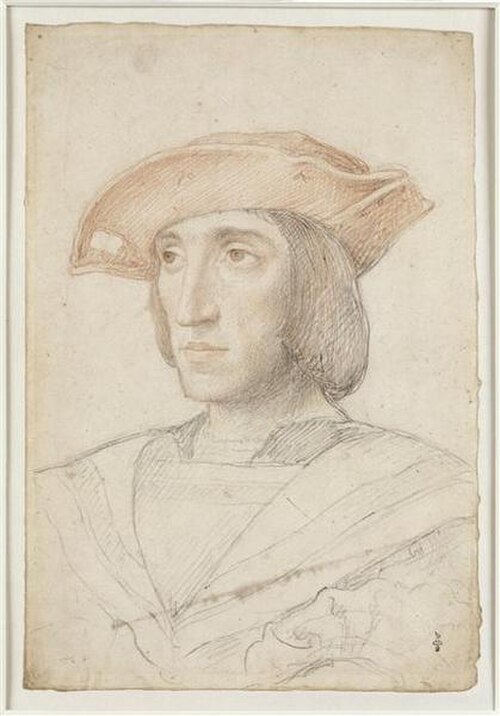
ومما زاد الطين بلة بعد كارثة لا بيكوكا، تعرض فرنسا لخيانة كونستابل بوربون ، الذي وقّع معاهدة مع الإمبراطور الروماني المقدس شارل الخامس في 18 يوليو 1523. وفي ذلك الوقت تقريبًا، قررت إنجلترا، التي كانت متحالفة سابقًا مع فرنسا ضد الإمبراطورية، إعلان الحرب على المملكة، فغزت بيكاردي وسواحل بريتاني ونورماندي. وبينما كانت هذه الأحداث تتطور، كُلِّف مونتمورنسي بتجنيد جيش ملكي جديد لشن هجوم جنوبي. وجد مرتزقة مستعدين للقتال من أجل التاج، ومع تجميع مدفعية جديدة أيضًا، قادهم مونتمورنسي إلى ليون للتقدم نحو إيطاليا. ثم سافر فرانسوا جنوبًا للانضمام إلى الجيش في ليون في أغسطس، لكنه أصيب بمرض، وسمع بنبأ الهجمات الإنجليزية في بيكاردي، وعلم بخيانة بوربون. [ 68 ]

رأى فرانسوا ضرورةً، بعد خيانة بوربون، للتخلي عن خططه للانضمام إلى الحملة، فعاد إلى البلاط لتأمين المملكة، تاركًا الجيش تحت قيادة الأدميرال بونيفيه الذي قاد الثلاثين ألف رجل الذين جمعهم مونتمورنسي نحو تورينو في سبتمبر 1523. إلا أن الجيش أُنهك بالمرض واضطر للتراجع من إيطاليا في أبريل 1524. أثناء التراجع، قاد مونتمورنسي طليعة الجيش، لكنه أُصيب بمرض الطاعون الذي فتك بالجيش لدرجة أنه نُقل على محفة. عند عودتهم إلى فرنسا، انفصلت القوات السويسرية التي كانت تحت قيادة بونيفيه، متعهدةً بعدم التعاون مع الفرنسيين مجددًا، بينما لم يعد الفرنسيون يثقون بالسويسريين. [ 69 ] [ 70 ]

كان الإمبراطور الروماني المقدس شارل الخامس حريصًا على الانتقام من فرنسا لحملاتها في إيطاليا، ولتحقيق هذه الغاية، عيّن القائد بوربون، الذي وُصف بـ"الخائن"، لقيادة جيش من إيطاليا إلى فرنسا في خريف عام 1524. كان بوربون يأمل في الغزو بالتنسيق مع جيش بقيادة ملك إنجلترا والإمبراطور، إلا أن أياً منهما رفض الانضمام إليه في هذه المهمة. بعد غزو بروفانس، انشغل بوربون بحصار مرسيليا، بينما حشد فرانسوا جيشًا قويًا في أفينيون. في 29 سبتمبر 1524، أدرك بوربون أن جهوده ميؤوس منها وبدأ بالانسحاب. طارده مونتمورنسي بفرسانه، وفي هذه الأثناء استعاد فرانسوا السيطرة الفرنسية على إيكس التي كانت قد سقطت في يد بوربون. [ 71 ] سار فرانسوا على خطى مونتمورنسي وواصل الحملة عائدًا إلى إيطاليا، ودخل دوقية ميلانو . [ 72 ] كان تحت قيادة مونتمورنسي ولي العهد والمقرب الملكي المستقبلي سان أندريه . وجد الدوفين نفسه يعتمد على مونتمورنسي، لا سيما بسبب علاقته المتوترة بشكل متزايد مع والده فرانسوا. [ 73 ]
بافيا

قرر فرانسوا محاصرة بافيا، واستقر حول المدينة طوال فصل الشتاء. أدرك الجيش الإمبراطوري أنه إذا حاول الانتظار حتى ينفد الفرنسيون، فسوف يتفكك جيشه بسبب نقص الرواتب، فقرر خوض معركة ضد الفرنسيين. [ 74 ] كانت معركة بافيا كارثة حقيقية للفرنسيين. فقد وقع فرانسوا، وهنري الثاني ملك نافارا ، وكونت سان بول ، وكونت تيند، والد زوجة مونتمورنسي المستقبلي، ومونتمورنسي نفسه، جميعهم في الأسر. وكاد الجيش الإمبراطوري أن يُهزم بسبب كثرة الأسرى الذين وقعوا في قبضته. [ 75 ]

احتُجز مونتمورنسي وفرانسوا في سجن بيتزيغيتوني، إلى جانب نبلاء آخرين كبار مثل الأميرال الفرنسي المستقبلي فيليب دي شابو . مُنح مونتمورنسي إذنًا بمغادرة أسره لجمع فديته في أوائل مارس. التقى مونتمورنسي بالعائلة المالكة وطمأنهم بأن الملك بصحة جيدة، وحثهم على مراسلته باستمرار، إذ كانت أخبار عائلته مصدر سعادة فرانسوا الكبرى. [ 76 ] بعد عودته إلى الأسر، أشار المندوب البابوي، الذي كان قد زار الملك، إلى أن مونتمورنسي كان مصدر الراحة الرئيسي للملك في الأسر. [ 77 ]
الملك الأسير
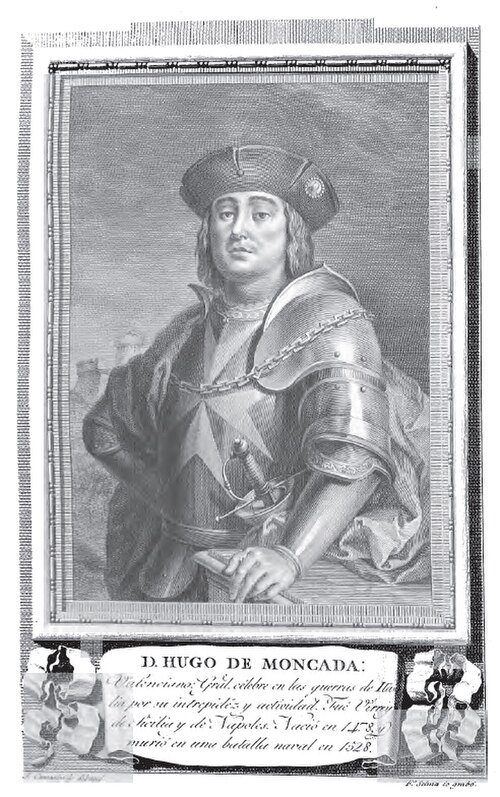
لم يطل أسر مونتمورنسي، إذ تم تبادله مع أوغو دي مونكادا . بقي فرانسوا أسيرًا في بيتزيغيتوني في البداية، قبل أن يقترح على خاطفيه نقله إلى إسبانيا. وافق نائب الإمبراطور لانوي ، لكنه طلب، لمنع أي أذى قد يلحقه الأسطول الفرنسي، إشراك عدة سفن حربية فرنسية في عملية النقل. لذلك، رتب مونتمورنسي مع حكومة الوصاية لتسليم ست سفن حربية. [ 78 ] غادر الأسطول جنوة في 31 مايو 1525. ثم سافر مونتمورنسي إلى طليطلة حيث ناشد ضمان مرور شقيقة فرانسوا، مارغريت، بأمان للحضور والتفاوض على السلام في إسبانيا، وإعلان هدنة ريثما تُستكمل المفاوضات. [ 79 ] وافق الإمبراطور على كل ذلك، وتوجه مونتمورنسي إلى حكومة الوصاية للحصول على صلاحيات الموافقة على الهدنة. سافر فيليب دي شابو إلى طليطلة بعد ذلك بوقت قصير ووقع على هدنة في 11 أغسطس. [ 80 ]
في مقابل السلام، طالب الإمبراطور فرنسا بالتنازل عن بورغندي، والاعتراف بالسيطرة الإمبراطورية على أرتوا وفلاندرز، والتخلي عن مطالبها بنابولي وميلانو. كان هذا الأمر فوق طاقة فرانسوا ووالدته لويز دي سافوا، التي كانت تدير الوصاية. [ 81 ] من أسره في مدريد ، فكّر فرانسوا أولًا في الهروب، وعندما تعذّر عليه ذلك، فكّر في التنازل عن العرش لصالح ابنه الأكبر حتى لا يمتلك الإمبراطوريون أسيرًا ذا قيمة لابتزاز فرنسا. في حال إطلاق سراحه، كان من المقرر إعادة فرانسوا إلى العرش مع تعليق صلاحيات ابنه الملكية حتى وفاته. [ 82 ] شهد مونتمورنسي والكاردينال دي تورنون على توقيع القرار. [ 83 ] نقل مونتمورنسي قرار الملك من مدريد إلى برلمان باريس (أعلى محكمة في فرنسا) لتسجيله، لكنهم رفضوا النظر في تنازل الملك عن العرش. علاوة على ذلك، لم ينخدع الإمبراطور بهذه المناورة التي نبهته فقط إلى قيمة أبناء الملك. في المعاهدة التي حررته من أسره في يناير 1526، كان إطلاق سراحه مشروطًا بأسر ابنيه الأكبرين كضمانة لتنازله عن الأرض التي تعهد بها (بما في ذلك بورغندي). [ 82 ] نقل مونتمورنسي نبأ المعاهدة إلى فرنسا. [ 84 ]

في الواقع، نصّت المعاهدة على خيارين أمام الملك: إما أن يتنازل عن ولي العهد واثني عشر من قادة المملكة العسكريين (من بينهم مونتمورنسي، ودوق غيز ، ولوتريك، والأميرال شابو)، أو أن يتنازل عن ابنه البكر وابنه الثاني. وقد تمّ اختيار الخيار الثاني، إذ لم يكن الوصي راغبًا في حرمان المملكة من قيادتها العسكرية. [ 85 ]
صعود
المعلم الكبير

عُيّن مونتمورنسي حاكمًا لمدينة لانغيدوك في 23 مارس 1526، بعد أن كان يشغل هذا المنصب سابقًا الخائن بوربون. [ 10 ] وفي العام نفسه الذي نال فيه هذا الشرف، رُقّي إلى منصب كبير الحكام (Grand Maítre)، ما منحه سلطة مطلقة على بلاط الملك. [ 16 ] [ 1 ] وفي هذا المنصب، حلّ محل عم الملك، الكونت دي تيندي، الذي توفي متأثرًا بجراحه التي أصيب بها في معركة بافيا. [ 10 ] وبصفته كبير الحكام ، تمتع مونتمورنسي بسلطة رئاسة مجالس الملك التي كانت تجتمع تحت إشرافه. كما كان له سلطة على التعيينات في البلاط الملكي، ونفقات البلاط، والأمن. [ 86 ] [ 87 ] [ 88 ] منحته هذه السلطة على بلاط الملك موقعًا وسيطًا هامًا فيما يتعلق بالأميرين الشابين اللذين سُلِّما إلى المعسكر الإمبراطوري، ومن خلاله كانت تُجرى جميع المراسلات معهما. [ 89 ] ولإدارة شؤون البلاط الملكي المادية، كان تحت تصرفه نواب، بمن فيهم كبير الخدم (كبير المشرفين). [ 90 ]
كان لنهب آل بوربون لروما عام ١٥٢٧ أثرٌ في تعزيز التفاهم بين إنجلترا وفرنسا. خشي الملك هنري الثامن من أن البابا الأسير لن يتمكن من الموافقة على طلاقه. ولذلك، التقى وولسي بفرانسوا لمناقشة الأعمال في أغسطس ١٥٢٧ في أميان . [ ٩١ ] رُتِّب زواج ماري تيودور، ابنة هنري، من دوق أورليان ، وتراجع هنري عن اعتراضه على زواج فرانسوا. وفي حال اندلاع حرب جديدة مع الإمبراطور، سيحتفظ التجار الإنجليز بامتيازاتهم في فرنسا. احتفالاً بهذا الاتفاق الجديد، أُرسل مونتمورنسي إلى إنجلترا لمنح هنري وسام القديس ميشيل ، بينما منح هنري بدوره وسام الرباط لفرانسوا. [ ٩٢ ]
أسر الأمراء

في ديسمبر 1527، دعا فرانسوا إلى اجتماعٍ للأعيان بهدف جمع مليوني إيكو ، إما لدفع فدية أبنائه، أو إذا اشترط الإمبراطور استعادة بورغندي مقابل الفدية، فسيتم استخدام المال لشن حربٍ جديدة ضد الإمبراطورية. [ 93 ] استجاب الاجتماع إيجابًا، حيث عرض رجال الدين 1.3 مليون ليفر مقابل إنقاذ البابا، والقضاء على البروتستانتية، وحماية الغاليكانية. كما وعد النبلاء بممتلكاتهم وأرواحهم. ووافق رئيس التجار على أن تدفع باريس جزءًا من الفدية. كان لا بد من تحويل الوعود إلى نقود، إلا أن النبلاء أبدوا ترددًا في الوفاء بما اتفقوا عليه. تولى مونتمورنسي مسؤولية تأمين المال المطلوب من عائلة بولونيه، لكنه شعر بالإحباط لأنهم لم يمنحوه سوى الخُمس. انزعج الملك بشدة من "وقاحتهم" لدرجة أنه لم يُبلغ عرضهم حتى إلى الملك. وأخبر السنيشال ( المسؤول عن إدارة المنطقة) أنه لن يقبل أي شيء من المنطقة حتى يلتزموا بنفس الطريقة التي التزمت بها المناطق الأخرى. وفي النهاية، امتثل البولونيه. [ 94 ] ونظرًا لـ"بخل" بعض أجزاء فرنسا، سيضطر الملك إلى الاقتراض، مستخدمًا مونتمورنسي كضامن. [ 95 ]
برزت مسألة حساسة عام ١٥٢٨ عندما سعى الملك الإنجليزي هنري إلى الطلاق من زوجته، عمة إمبراطور الإمبراطورية الرومانية المقدسة . [ ٩٦ ] كان فرانسوا حريصًا على دعم الملك الإنجليزي في الحصول على الطلاق، لكنه كان يخشى أن يكون الدعم العلني خطيرًا سياسيًا، نظرًا لأن أبناءه كانوا لا يزالون أسرى لدى الإمبراطورية. لذلك، لجأ إلى وسيط للتأثير على علماء اللاهوت في باريس، وتولى مونتمورنسي بنفسه توبيخ نقابي يُدعى نويل بيدا الذي اعترض على الطلاق، إلا أن بيدا ظل مصراً على موقفه. [ ٩٧ ] وبالفعل، قام بيدا بتخريب النقاش في كلية اللاهوت، مما أثار قلق السفير الإنجليزي. [ ٩٨ ]

لعب مونتمورنسي دورًا هامًا في المفاوضات التي جرت، بدءًا من 5 يوليو 1529، بين لويز دي سافوا ومارغريت النمساوية . وقدّم مونتمورنسي المساعدة للويز، والدة الملك، إلى جانب المستشار دوبرات وملكة نافارا . وتوصلوا معًا إلى اتفاقية سلام عُرفت بمعاهدة كامبراي أو سلام السيدات . [ 99 ] وبموجب فدية ضخمة قدرها مليونا إيكو ، أُعيدت حرية الأمراء، بينما اضطر فرانسوا للتخلي عن سيادته على أرتوا وفلاندرز وميلانو ونابولي، لكن سُمح له بالاحتفاظ ببورغندي وأوكسير وماكون. [ 100 ]
خلال فترة صعوده الأولى في ثلاثينيات القرن السادس عشر، ضمن مونتمورنسي إهانة نائب أميرال فرنسا (وحاكم لو هافر ) شارل دي موي . وظلت علاقاته مع نائب الأميرال سيئة لعقود، كما يتضح من ضمانه حصول ابن أخيه كوليني على منصب حاكم لو هافر عند تولي شارل التاسع العرش عام 1560. [ 101 ]
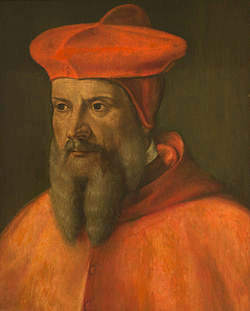
فيما يتعلق بتنفيذ بنود المعاهدة، فوّض فرانسوا المسؤولية إلى مونتمورنسي والكاردينال دي تورنون. وبحلول 29 أبريل 1530، تمكّن مونتمورنسي من عرض كومة كبيرة من الذهب على وزير المالية الإسباني، كانت قد جُمعت بالفعل للإمبراطور. وبحلول مايو، كان من المفترض أن تكون الأموال المُجمّعة جاهزة، وأن تُسلّم إلى الوفد الإسباني. [ 102 ] إلا أنه لم يتم سداد كامل الفدية البالغة 1,200,000 إيكو إلا في يونيو. [ 103 ] في ذلك الوقت، كان تورنون قد تولّى مسؤولية توفير الأموال، بينما ذهب مونتمورنسي لاستلام الرهائن من منفاهم في إسبانيا من قائد شرطة قشتالة ، بالإضافة إلى عروس فرانسوا الجديدة، شقيقة شارل الخامس . وكان من المقرر أن تتم عملية عبور الأمراء إلى فرنسا والأموال إلى إسبانيا في 1 يوليو، على أن يشرف مونتمورنسي على ذلك. شكّ قائد شرطة قشتالة في وجود فخ، فأوقف تقدم الطفلين الملكيين عندما وصله نبأ وجود فرقة كبيرة من الفرسان الفرنسيين في الجوار، خشية أن يختطف الفرنسيون الطفلين ويستولوا على الفدية. ومع مرور الساعات، ازداد قلق مونتمورنسي لعدم ظهور فرقة قائد الشرطة، فأرسل مبعوثًا للبحث عنهم. ولدى وصوله إلى المعسكر الإسباني، أُبلغ المبعوث بشكوك قشتالة في وجود فخ، ما دفعه إلى تحدي قشتالة في مبارزة فردية. وهددت ملكة فرنسا الجديدة قشتالة بالعار إن لم يُكمل عملية نقل الفدية. وأخيرًا، بدأت العملية، حيث غادرت مونتمورنسي ومعها المال الفرنسي في قارب من أحد جانبي النهر إلى رصيف عائم في المنتصف، بينما فعل قشتالة والطفلان الملكيان الشيء نفسه من الضفة الأخرى. وقدّم قائد الشرطة اعتذاره للأميرين الصغيرين عن ظروف سجنهما، ولم يُبدِ سوى ولي العهد ردًا لطيفًا. [ 104 ]
حارس الأمراء

في السنوات اللاحقة، كرّس مونتمورنسي نفسه لتلبية احتياجات الأمراء الصغار، مُشرفًا على شؤونهم من الفجر حتى الغسق بصفته كبير المعلمين ، وكسب محبتهم باهتمامه وكرمه. أشرف على تعليم ولي العهد ودوق أورليان (كما كان يُعرف الابن الثاني للملك آنذاك) ، وخطط لأيامهم، وعلمهم مراسم البلاط بطريقة لم يكن الملك يملك الوقت الكافي لها. [ 105 ] ولدعمه في إعالة الأمراء الصغار، اعتمد مونتمورنسي على ثلاثة رجال: هوميير ، وسان أندريه ، والكونت دي بريساك . [ 106 ] وكان عدد من أبناء أخيه (كوليني وأنديلو) من بين أبناء الشرف الذين حظوا بشرف التنشئة جنبًا إلى جنب مع أبناء العائلة المالكة. [ 107 ]

كان مونتمورنسي مقربًا من عروس الملك الجديدة، ودعمها في البلاط. وقد علّق قائلًا: "ينبغي على فرانسوا أن يشكر الله على منحه سيدة جميلة وفاضلة كهذه". [ 57 ] كان هذا على النقيض من فرانسوا نفسه، الذي كان أكثر ولعًا بعشيقته آن دي بيسيلو . وهكذا، اضطرت إليونور، شقيقة الإمبراطور، إلى الاكتفاء بأن تكون في الظل. [ 108 ] وقد أشرف مونتمورنسي على ترتيبات تتويجها، الذي جرى في 5 مارس في سان دوني. [ 109 ]
أدى نجاح دفع الفدية وعودة أبناء الملك إلى رفع مكانة مونتمورسي في البلاط، حيث تلقى العديد من التهاني. وبينما كان البلاط يعود إلى العاصمة، ذهب مونتمورسي لقضاء بعض الوقت في ممتلكاته في شانتيلي. [ 110 ]
بيكاردي

بعد خيانة كونستابل بوربون عام 1523، بات من الضروري أن يتفرغ دوق فاندوم لشؤون البلاط. هذا يعني أن فاندوم لم يتمكن من أداء مهامه كحاكم لبيكاردي. طالب برلمان باريس بإدارة المقاطعة في غيابه. ولهذا الغرض، عُيّن شقيق مونتمورنسي، السيد دي لا روشبو، في مايو 1531، لشغل هذا المنصب. [ 111 ] كان تعيين شقيقه بمثابة انتصار لمونتمورنسي في معركته مع الأميرال شابو في البلاط ، في وقت كان فيه الملك يكافح للسيطرة على العداء بينهما. [ 112 ] دافع مونتمورنسي عن المصالح المالية لشقيقه أمام مستشار فرنسا، ودعم أساليبه في جمع الأموال اللازمة لدوره كحاكم في البلاط. [ 113 ]

تعززت سيطرة عائلة مونتمورنسي على بيكاردي بوجود اثنين من حلفائها في منصبَي حاكمين فرعيين، وهما بيرون وبولون . [ 114 ] رافق جان الثاني دي هوميير، حاكم بيرون، مونتمورنسي في سفارته إلى إنجلترا عام 1527، بينما حصل أودار دو بيز ، حاكم بولون، على مكافأة قدرها 10,000 ليفر بفضل جهود مونتمورنسي في تمرير المبلغ عبر دائرة الحسابات . [ 115 ] قدّم الرجلان تقريرًا عن جهودهما لجمع الأموال للتاج عام 1529، إلا أن نبلاء بيرون رفضوا دفع العُشر الذي اقترحه هوميير، مما دفع الحاكم إلى مراسلة مونتمورنسي طلبًا للمشورة بشأن كيفية المضي قدمًا. [ 116 ] في الوقت نفسه، عرض نبلاء بولون العُشر، مما اضطر مونتمورنسي إلى مراسلة دو بيز مُخبرًا إياه بأن هذا المبلغ غير مقبول لدى الملك. احتج دو بيز على أن الأرض قد دمرتها آثار الحرب. [ 117 ]
أما بالنسبة لمونتمورنسي شخصياً، فقد كان يمتلك أراضي حول بولون، وبالتالي فإن وجود موكله في منصب حاكم المركز ساعده بشكل كبير في جني الإيرادات. [ 118 ]
دبلوماسي

عُقد اجتماع في أكتوبر 1532 بين الملك الإنجليزي هنري وفرانسوا، وتبادل الملكان خلاله هدايا قيّمة. إلى جانب الهدايا، مُنح دوق نورفولك وسوفولك لقب فارس من وسام القديس ميشيل الفرنسي . وفي الوقت نفسه، نال مونتمورنسي وشابو لقب فارس من وسام الرباط . وبالتزامن مع تبادل الهدايا، أُقيم تحالف ضد الإمبراطورية العثمانية ، إلا أن هذا التحالف كان ستارًا لخططهم لمقاومة الإمبراطور في إيطاليا. [ 119 ]
لعب كبير المستشارين دورًا هامًا في تحالف الزواج الذي أُبرم بين البابوية وفرنسا عام ١٥٣٣. كان من المقرر أن يتزوج الابن الثاني للملك، دوق أورليان (هنري الثاني لاحقًا)، من ابنة عم البابا ، كاترين دي ميديشي، دوقة أوربينو . في سبتمبر ١٥٣٠، عندما بدأت مفاوضات الزواج، استشار الملك مونتمورنسي بشأن البنود السياسية لعقد الزواج. [ ١٢٠ ] جهّز مونتمورنسي مرسيليا لاستقبال البابا في ١٢ أكتوبر لإتمام الزواج. أبحر ضمن أسطول البابا أثناء اقترابه من المدينة على متن فرقاطة خاصة به مزينة بنقوش دمشقية ، وبعد تحيته على الشاطئ، رافق البابا ودوقة أوربينو إلى حديقة الملك قرب دير سان فيكتور، حيث كان أربعة كرادلة فرنسيين (الكاردينال ليغاتي دوبرات ، والكاردينال دي بوربون ، والكاردينال دي لورين ، والكاردينال دي غرامون ) وعدد من كبار رجال الدين في انتظاره. [ 121 ] [ 122 ] [ 123 ] [ 124 ]

في السادس والعشرين من أكتوبر، أُقيمت مأدبةٌ لكبار الشخصيات المجتمعة. وفي اليوم التالي، وُقِّع عقد الزواج في مقر البابا، وبعد ذلك اقتيد أورليانز إلى قاعة الاستقبال. وكان من مسؤولية مونتمورنسي إحضار عروسه الجديدة، كاثرين، إلى الغرفة حيث، وبعد أن أكد الكاردينال دي بوربون موافقة الطرفين، قبّل أورليانز كاثرين وبدأ حفل الرقص الاحتفالي. [ 125 ]

أظهر أورليان برودًا تجاه زوجته، إذ كانت مشاعره الرومانسية الحقيقية موجهة نحو ديان دو بواتييه ، كونتيسة بريزيه منذ عام 1537. لطالما تمتعت مونتمورنسي بعلاقة وثيقة مع عائلة بريزيه، وكثيرًا ما كان يتردد على قصرهم ( شاتو دانيه ) لمناقشة شؤون الدولة معها ومع زوجها بريزيه . [ 126 ] لعب مونتمورنسي دورًا هامًا في تسهيل نزوات الأمير الشاب العاطفية، مما سمح بلقاءاته الغرامية في قصره (شاتو دي إيكوان). [ 127 ] بحلول عام 1538، كانت ديان قد فضّلت كاثرين كزوجة مثالية لأورليان، بعد أن طُرح بديل ابن دوق غيز ، ولذلك سعت جاهدةً للحفاظ على علاقة حبيبها بزوجته. وقد تعزز أمن كاثرين بشكل أكبر بسبب التنافس بين مونتمورنسي وجيز، اللذين شكلت محاولاتهما لتقديم ابنته إلى ولي العهد تهديدًا كبيرًا لمنصب كبير المعلمين . [ 128 ]
أذن مرسوم صادر في 24 يوليو 1534 بتجنيد 6000 جندي من بيكاردي كـ"فيلق". وكُلِّف مونتمورنسي بمهمة تجنيد هذا الجيش، وأصدر تفويضات للستة رجال الذين سيتولون قيادة القوة. وتفقد فرانسوا شخصيًا القوة المُجنَّدة في احتفال مهيب في العام التالي. [ 129 ] وشهد الفيلق استخدامًا مكثفًا في السنوات اللاحقة، إلا أنه أثبت عمومًا عدم فعاليته وميله إلى سوء الانضباط. [ 130 ]
مغادرة المحكمة
أرسل الإمبراطور كونت ناساو إلى فرنسا في أكتوبر 1534 لتقديم اقتراحين للفرنسيين. كان الاقتراح الأول أن يُقدّم دوق ميلانو معاشًا تقاعديًا لأورليان، ابن فرانسوا، مقابل تنازل فرانسوا عن مطالبته بميلانو وجنوة. أما الاقتراح الثاني فكان زواجًا بين الابن الثالث للملك، دوق أنغوليم، وابنة ملك إنجلترا، ماري . رفض مونتمورنسي، الذي تلقى الاقتراحين، الاقتراح الأول رفضًا قاطعًا، وكتب كبير المستشارين رسالةً يؤكد فيها مزاعم فرنسا بشأن ميلانو في ناساو. إلا أن مونتمورنسي كان أقل تسرعًا في رفض الاقتراح الثاني، ولذلك قرر الإمبراطور المضي قدمًا فيه. فأرسل فرانسوا الأميرال شابو إلى إنجلترا حاملاً الاقتراح الثاني، لكنه لم يتلقَّ سوى مقترحات مضادة من هنري، فغادر البلاد غير راضٍ. [ 131 ]

بينما كان الإمبراطور منشغلاً بحملته على تونس الخاضعة لسيطرة الحفصيون في يونيو 1535، لم يبذل فرانسوا جهداً يُذكر لاستغلال غياب منافسه. كان مونتمورنسي قد وعد السفير الإمبراطوري بأن فرنسا لن تستغل غياب الإمبراطور. استشاط الأدميرال شابو وجيشه في البلاط غضباً، ورأى مونتمورنسي ضرورة الانسحاب إلى شانتيي، مما جعل شابو يتقدم في السلطة بحكم الأمر الواقع. [ 132 ] كان من الممكن أن يجد فرانسوا نفسه في موقف دبلوماسي صعب لو أنه اتبع نصيحة الجيش بالهجوم أثناء قتال الإمبراطور للمسلمين. [ 133 ]
لم يكن رحيله عارًا، وظلّ محتفظًا بجميع ألقابه ومعاشاته التقاعدية. وفي أكتوبر، أشرف على اجتماع مجالس مقاطعة لانغدوك المحلية. وأجرى تفتيشًا على فيلق المقاطعة، وتأكد من أن تحصينات ناربون تفي بالمعايير المطلوبة. [ 132 ]
بعد استيلاء الفرنسيين على سافوي في أوائل عام 1536، تصاعدت التوترات مع الإمبراطورية، وانزلقت شمال إيطاليا إلى حرب غير رسمية. عُيّن شابو قائداً عاماً لمنطقة بيدمونت الخاضعة للسيطرة الفرنسية . إلا أن مونتمورنسي عاد إلى مركز الحكم في 7 مايو. بعد ذلك بوقت قصير، أُقيل شابو من منصبه كقائد عام لبيدمونت، وحلّ محله ماركيز سالوزو . لم يدم بقاء سالوزو قائداً عاماً للفرنسيين طويلاً، إذ انشقّ وانضمّ إلى الإمبراطورية في 17 مايو. [ 134 ] أصبح هومير قائداً عاماً لدوفينيه وسافوي وبيدمونت، وفي هذه الأثناء قرر الإمبراطور غزو بروفانس. بعد يوم من قراره شن الغزو في 14 يوليو، عُيّن مونتمورنسي "لواءً" على جانبي الجبال، ومنح صلاحيات شملت تعبئة القوات، وقيادة القوات على الأرض، والقدرة على التفاوض من أجل السلام. [ 135 ]
حملة بروفانس

في 24 يوليو 1536، غزا جيش إمبراطوري بقيادة الإمبراطور فرنسا قادمًا من إيطاليا، متوجهًا عبر الساحل مرورًا بمدينة نيس ، ودخل المملكة عند فار. [ 136 ] في الوقت نفسه، غزا جيش بقيادة غراف فان ناساو منطقة بيكاردي. قاد مونتمورنسي الدفاع عن الجنوب، وركز فرانسوا اهتمامه على هذا الجانب. نجح مجلس الملك في إقناعه بعدم قيادة الجيش، وتركه تحت قيادة مونتمورنسي. تجمع جيش مونتمورنسي في أفينيون، وبحلول 25 يوليو بلغ قوامه 30 ألف رجل. وبعد شهر، ارتفع هذا العدد إلى 60 ألفًا. [ 135 ] اعتمد مونتمورنسي استراتيجية الأرض المحروقة، ودمر أراضي بروفانس لقطع الإمدادات عن عدوه. تفقد الإمبراطور تحصينات إيكس ومرسيليا، وخلص إلى أن تحصينات إيكس غير كافية دون شهر على الأقل من العمل وستة آلاف جندي، فأمر بإخلائها. أما مرسيليا، على النقيض، فقد تم تعزيزها مؤخرًا ولعبت دورًا محوريًا في دحر غزو آل بوربون عام ١٥٢٤، ولذلك لم تتعرض للدمار الذي لحق بإيكس. [ ١٣٦ ] كان هدف الإمبراطور الاستيلاء على مرسيليا، ولتحقيق هذه الغاية، استولى على إيكس في ١٣ أغسطس. أغلقت القوات الفرنسية جميع الطرق المؤدية إلى مرسيليا، وبينما كان جيشه متمركزًا قرب إيكس، بدأ ينهار بسبب الأمراض. كما كان الجيش يعاني من نقص حاد في الغذاء والماء، وكافح للحصول عليهما في ظل الأرض المنكوبة. [ ١٣٧ ] تعرضت فرق البحث عن الطعام أحيانًا للهجوم والذبح. وبحلول ٢ سبتمبر ١٥٣٦، قدر مونتمورنسي أن الإمبراطور فقد أكثر من سبعة آلاف رجل بسبب الزحار والمجاعة. [ 138 ] حصل الدوفين الجديد أورليان (الابن الثاني لفرانسوا) على إذن من فرانسوا للانضمام إلى الجيش في الدفاع عن بروفانس. [ 139 ] بحلول 11 سبتمبر، قرر شارل الانسحاب من بروفانس، واتخذ ناساو قرارًا مماثلًا في بيكاردي في نفس الوقت تقريبًا. كانت الغزوات فاشلة. [ 140 ] [ 141 ] انضم فرانسوا إلى الجيش في ذلك الوقت، لكنه قرر عدم إصدار أمر بمطاردة، واكتفى بإصدار أمر بمضايقة الجيش المنسحب بواسطة سلاح الفرسان الخفيف. [ 142 ]
في ربيع عام ١٥٣٧، شنّ مونتمورنسي حملةً على الحدود الشمالية لفرنسا، وحقق نجاحاتٍ باهرة. كان الملك قد أعلن مصادرة أرتوا وفلاندرز وشاروليه، التي تنازل عنها في صلح كامبراي، في يناير، وكلف مونتمورنسي بالتقدم شمالًا. ولتحقيق هذه الغاية، عُيّن مونتمورنسي برتبة فريق، وكُلّف باستعادة سان بول وأرتوا. استولى مونتمورنسي وفرانسوا على أوكسي لو شاتو، ثم حاصرا هسدين. [ ١٤٣ ] في السادس من مايو، احتل الجيش الملكي سان بول، مما هدد خط الإمداد الإمبراطوري عبر لانس وأراس. [ ١٤٤ ] استعد مونتمورنسي لتسريح الجيش وإرسال ١٠٠٠٠ جندي للانضمام إلى هومير في بيكاردي. وبينما كانت عملية التسريح جارية، شنّ الإمبراطور هجومًا خاطفًا، مهددًا بتطويق تيروان. سرعان ما تراجعت سان بول ومونتروي إلى يد الإمبراطور. أرسل فرانسوا الدوفين الجديد أورليان للانضمام إلى مونتمورنسي وشن هجوم مضاد، ووصل الأمير الشاب في منتصف يونيو. كما وصلت قوة من سلاح الفرسان بقيادة دوق غيز لتعزيز القوات الملكية في بيكاردي. كان مونتمورنسي مسرورًا بالتأثير الذي أحدثه الدوفين على الجيش. [ 145 ] في يوليو، حصلوا على هدنة مواتية في الجبهة واستعدوا للتحرك جنوبًا إلى حيث كانت الحرب مستمرة في بييمدمونت، وقد استعادوا مونتروي بنجاح وستبقى تيروان تحت السيطرة الفرنسية؛ لم يتم التراجع إلا عن غزو سان بول. [ 146 ] [ 143 ]
دبّر فرانسوا هجومًا مضادًا على إيطاليا عام 1537، إلا أن نطاقه كان محدودًا نظرًا لانشغال العديد من القوات في جبهات أخرى. وكان جيش صغير بقيادة هومير، نائب قائد بييمونتي الفرنسية، قد غزا بييمونتي في أبريل 1537، وشنّ محاولة فاشلة على أستي ، ومحاولات ناجحة على ألبا وشيراسكو . وقد أمّن فرانسوا هدنة في الجبهة الشمالية بفضل جهود مونتمورنسي وأورليان ، ليتمكن من حشد قواته على إيطاليا، وفي الوقت نفسه حثّ هومير على الصمود وتفكيك التحصينات التي لم يستطع الصمود فيها. ولم يكن لدى القائد الإمبراطوري ديل فاستو أي نية للانتظار حتى وصول جيش فرنسي جديد، فبدأ هجومًا مضادًا. [ 147 ]
الدخول إلى بيدمونت
وصل مونتمورنسي إلى ليون، وعيّنه الملك نائبًا عامًا جديدًا لجيش بيدمونت الفرنسي. كان برفقته قوة قوامها 10,000 جندي مشاة فرنسي، و10,000 جندي إيطالي، و14,000 جندي سويسري، و12,000 من اللاندسكنيشت، و1,400 من رجال السلاح. [ 145 ] كانت القوة رسميًا تحت قيادة ولي العهد أورليان، لكن مونتمورنسي كان يقود الجيش فعليًا. [ 139 ] بحلول ذلك الوقت، في أكتوبر، لم تكن فرنسا تسيطر إلا على تورينو وبينيرولو وسافيليانو في بيدمونت، وكانت هذه المدن محاصرة من قبل ديل فاستو. غادر مونتمورنسي بيزانسون في 23 أكتوبر متوجهًا إلى ممر سوسا الذي كان يسيطر عليه سيزار ماجي بـ 6,000 رجل. تمكن مونتمورنسي من اختراق الممر. دفع هذا النجاح ديل فاستو إلى فك حصاره عن آخر المدن والبلدات الفرنسية المتبقية. [ 148 ] ثم بدأ الجيش الفرنسي المشترك في حصار مدن بيدمونت، وانضم فرانسوا نفسه إلى الجيش بعد ذلك بوقت قصير. كان قد حقق نجاحًا في المفاوضات مع الإمبراطور، وأراد تأمين أكبر قدر ممكن من بيدمونت قبل دخول الهدنة حيز التنفيذ. وبحلول نوفمبر، اضطر ديل فاستو إلى التراجع عبر نهر بو . [ 148 ] في 27 نوفمبر 1537، أُعلنت هدنة لمدة ثلاثة أشهر في إيطاليا، واجتمع ديل فاستو ومونتمورنسي لمناقشة التفاصيل الدقيقة واتفقا على أن يحتفظ كل جانب في إيطاليا بالقوات اللازمة لحماية مدنه، وإرسال القوات الأخرى بعيدًا. [ 147 ]

استمرت هذه الهدنة لأكثر من ثلاثة أشهر، وجُددت مرتين بينما كان الطرفان يتجادلان حول الترتيبات المحددة للسيطرة التي ستترتب على تسوية سلام دائمة في إيطاليا. [ 149 ] التقى مونتمورنسي والكاردينال دي لورين بمبعوثي الإمبراطور في لوكات، واتفقا على منح دوقية ميلانو لابن الملك الثالث، دوق أنغوليم، كمهر لزواجه من ابنة الإمبراطور. إلا أن خلافًا نشب بين الملك والإمبراطور حول المدة التي سيتمكن فيها الملك من إدارة الدوقية نيابةً عن ابنه. [ 150 ] ولعدم تمكنهما من التوصل إلى توافق في الآراء بشأن مصير ميلانو، توصل فرانسوا والإمبراطور إلى حل وسط بالموافقة على تمديد الهدنة لمدة عشر سنوات، يحتفظ خلالها كل طرف بما يملكه حاليًا. وقدّم مونتمورنسي ضمانات بأن أيًا من الطرفين لن يُعلن الحرب مجددًا بسبب المطالبات بميلانو. [ 151 ] أثناء استمرار المحادثات، كلف مونتمورنسي الشاب مونلوك، الذي أصبح فيما بعد مارشال فرنسا، بالتجسس على تحصينات بيربينيان. [ 150 ]
كان الملك مسروراً للغاية بمونتمورنسي، والتقى به في مونبلييه في 31 يناير 1538 ليقدم له أجره عن الحملة، والذي بلغ 158000 إيكو ، واحتشد البلاط للاحتفال به عند دخوله ليون. [ 150 ]
الصعود
شرطي

في العاشر من فبراير عام ١٥٣٨، أعلن الملك عن عدة تعيينات هامة أفادت عائلة مونتمورنسي. فقد عُيّن شقيقه لاروشيبو حاكمًا على إيل دو فرانس ، وبذلك تخلى عن منصبه في بيكاردي. والأهم من ذلك، عُيّن مونتمورنسي قائدًا لجيش فرنسا ، وهو المنصب الذي ظل شاغرًا منذ خيانة قائد الجيش بوربون. وفي احتفال أقيم في ذلك اليوم، ومن المفارقات أنه أقيم في قصر كان ملكًا لبوربون، اصطحبت ملكة نافارا، شقيقة الملك، مونتمورنسي من غرف الملك الخاصة إلى القاعة الكبرى، حيث سلمه الملك سيف المنصب. [ ١٥٢ ] [ ١٥٣ ] [ ١٥٤ ] كان قائد جيش فرنسا أعلى رتبة عسكرية في الجيش الفرنسي، وكان هو ومارشالات فرنسا، الذين بلغ عددهم أربعة بحلول ستينيات القرن السادس عشر، مسؤولين مسؤولية كاملة عن القوات البرية الفرنسية. [ 155 ] في ساحة المعركة، كان قائد الجيش الفرنسي أعلى رتبةً حتى من أمراء الدم، وكان له الحق في قيادة الطليعة حتى في حضور الملك. [ 156 ] وكانت أبرز وحدات الجيش تحت سلطته هي قوات الدرك من سلاح الفرسان الثقيل، والتي كانت تتألف من سرايا مدفعية تتراوح بين 30 و100 جندي. [ 157 ] وبحلول ذلك الوقت، كان الجيش الفرنسي يمتلك وحدات دائمة، مما ساهم بشكل كبير في زيادة العبء الضريبي على المملكة. [ 157 ] كما تمتع قائد الجيش الفرنسي بشقق مميزة في المقر الملكي في سان جيرمان أون لاي ، بجوار شقق الملك والملكة مباشرةً. وبهذا التعيين، أصبح مونتمورنسي فعليًا نائبًا عامًا للمملكة. [ 150 ] [ 158 ]
عندما تولى مونتمورنسي منصب قائد الشرطة، لم يعد مارشالًا، ولذلك عين الملك مارشالين جديدين، وهما كلود دانيبو ورينيه دي مونتجان . [ 159 ]
كان ترقيته إلى منصب قائد الشرطة مكافأةً جزئيةً لقيادته في الدفاع عن فرنسا ضد غزو بروفانس عام 1536. [ 87 ] كما شعر الدوفين بالفخر بالمزايا الكبيرة التي نالها من الملك، إذ اعتبرها مكافأةً لنجاحاته في الحملات العسكرية، التي توطدت خلالها علاقة مونتمورنسي وأورليان. [ 160 ] خلال الحملة، أقام أورليان علاقةً مع فيليبا دوتشي أسفرت عن حمل. أُبلغ مونتمورنسي بذلك، فأمر بمراقبتها طوال فترة الحمل، وأطلع الدوفين على آخر المستجدات، ما ملأ الشاب فخرًا. [ 160 ] تزوجت ديان دو فرانس ، ثمرة هذه العلاقة، أولًا من دوق كاسترو ، حفيد البابا بولس الثالث، ووقع عقد الزواج نيابةً عن الملك كلٌ من مونتمورنسي وأومال والمستشار أوليفييه . تعهد البابا بمنح حفيده 200 ألف إيكو لإنفاقها على أرض في فرنسا، ودوقية كاسترو. [ 161 ] بعد وفاة كاسترو، تزوجت ديان من الابن الأكبر لمونتمورنسي. [ 162 ] [ 13 ]
ميلانو

في يوليو من عام 1538، عُقدت محادثات بين الإمبراطور وملك فرنسا في إيغ مورت. وكان مونتمورنسي من بين الذين مُنحوا مقابلة مع الإمبراطور لحضور هذه المناقشات الهامة. ونوقشت مجددًا مسألة نقل ميلانو إلى أنغوليم، مقابل التزام فرانسوا بدخول فرنسا في حرب ضد الإمبراطورية العثمانية . [ 163 ] واتفق الرجلان على التعاون في "الدفاع عن العالم المسيحي" وإعادة توحيد الكنيسة خلف الكاثوليكية. وقد سُرّ مونتمورنسي بنجاح الاجتماع، الأمر الذي أثار دهشة معاصريه، إذ بدا الخصمان اللدودان صديقين. [ 164 ] وبينما شكك البعض في البلاط في هذه الصداقة الجديدة، أكد مونتمورنسي للبلاط أن السلام بين الرجلين سيدوم طوال حياتهما. ومن جانبه، حرص مونتمورنسي على أن تحترم فرنسا الهدنة مع الإمبراطورية. [ 165 ]
سيتولى مونتمورنسي زمام السياسة الخارجية الفرنسية بالكامل خلال العامين التاليين. كان يطمح إلى تأمين ميلانو لفرنسا، ولكن عبر الوسائل الدبلوماسية. وقد راسله جميع السفراء إلى جانب الملك. أدرك مونتمورنسي أنه لتحقيق هدفه على أكمل وجه، عليه أن يكون في موقع قوة مع الإمبراطورية، ولذلك سعى إلى توطيد الموقف الفرنسي في بيدمونت وسافوي. أُنشئت البرلمانات وغرف الحسابات في كل منطقة من المناطق المحتلة. كما شُيِّدت مدينة تورينو، المدينة الرئيسية في بيدمونت، بينما قام شقيقه لاروشيبو بتحصين الحدود الشمالية في الوقت نفسه. [ 166 ]
بصفته قائدًا لقوات فرنسا، تواصلت ممالك أجنبية مع مونتمورنسي رغبةً منها في إقامة علاقات تجارية مع فرنسا. ولهذا الغرض، تلقى عام 1539 طلبًا من البلاط الإنجليزي لتوفير 60,000 متر مربع من قماش القنب، وهو ما كان كافيًا لتجهيز 100 سفينة كبيرة. وردًا على ذلك، احتجّت فرنسا دبلوماسيًا على عدم قدرتها على تلبية مثل هذا الطلب. [ 167 ] [ 168 ]
وبفضل حماية ورعاية مونتمورنسي، حصل سانت أندريه على مهام نائب عام وحاكم ليون في عام 1539. [ 169 ]

استُعين بمونتمورنسي مجددًا لأغراض دبلوماسية عندما سعى فرانسوا إلى مزيد من محادثات السلام مع الإمبراطور عام ١٥٣٩. نظّم مونتمورنسي مراسم استقبال الإمبراطور، والتي تضمنت دخولًا رسميًا إلى العديد من المدن مع تقدم الموكب الإمبراطوري عبر البلاد. استُقبل الإمبراطور في قصر فونتينبلو بمناسبة عيد الميلاد. [ ١٧٠ ] تمتع قائد الحرس الإمبراطوري بشقته الخاصة في الطابق الأول من فونتينبلو. [ ١٧١ ] عند دخول الموكب إلى باريس في الأول من يناير عام ١٥٤٠، دخل الإمبراطور المدينة تحت مظلة، وسبقه مونتمورنسي رافعًا سيف منصبه. [ ١٧٢ ]
بعد فترة من الوقت، رافق مونتمورنسي الإمبراطور عائدًا إلى الحدود، مودعًا الملك في سان كوينتين. ورافق مونتمورنسي وأبناء الملك الإمبراطور حتى فالنسيان، حاملين معهم هدايا من المدينة إلى البلاط الفرنسي. [ 173 ] كان من المتوقع أن يُستدعى مونتمورنسي والكاردينال دي لورين قريبًا إلى بروكسل لعقد اتفاق رسمي، إلا أن الإمبراطور انشغل بثورة غنت . وبدأت الشائعات تنتشر حول انهيار التفاهم بين فرنسا والإمبراطورية، وهو ما وصفه مونتمورنسي بـ"كلام الغيرة". في مارس، كشف الإمبراطور عن تغيير رأيه بشأن ميلانو كمهر لابن فرانسوا الثالث، مقترحًا بدلًا من ذلك مهرًا يشمل هولندا وبورغندي وشاروليه للأمير الشاب. وبذلك، لن يحصل فرانسوا على ميلانو، وسيتعين عليه الانسحاب من بيدمونت وسافوي. علاوة على ذلك، ستُدار الأراضي تحت إشراف الأباطرة، وإذا توفيت ابنته ماريا دون ذرية، فإن الإقليم سيعود إلى سلالة هابسبورغ الذكورية. [ 172 ] [ 174 ]
طريق العار
فور تلقي فرانسوا ومونتمورنسي وأورليان هذا الخبر، انزوى كل منهم في غرفةٍ لعقد نقاشٍ مطوّل. وبعد انتهاء النقاش، لزم مونتمورنسي الفراش لعدة أيامٍ بسبب وعكةٍ صحية. وقدّم فرانسوا ردّه إلى الإمبراطور، مُجادلاً بأنّ هولندا بديلٌ غير مُناسبٍ لميلانو التي كانت ملكاً له بحكم الحق. علاوةً على ذلك، فإنّ الإشباع الفوري الذي تُوفّره ميلانو لا يُضاهي أرضاً سيضطر إلى انتظار سنواتٍ عديدةٍ للحصول عليها. ثمّ عدّل ردّه لاحقاً ليُعلن قبوله هولندا بدلاً من ذلك، ولكن بشرط استلامها فوراً: إذ يُمكن الإبقاء على بند العودة، ولكن بشرط منح ميلانو تعويضاً عن خسارة هولندا. [ 174 ] وبحلول يونيو 1540، انهارت المفاوضات تماماً. [ 175 ]
بينما كان لا يزال يحظى ببعض النفوذ، دبر مونتمورنسي فضيحة عدوه اللدود الأميرال شابو . [ 176 ] [ 177 ] في عام 1538، كان مونتمورنسي راعيًا للدوق الشاب دومال، الذي كتب إليه معربًا عن خضوعه التام لسلطة مونتمورنسي، تمامًا كما يخضع أبناؤه. وظل أومال على علاقة طيبة معه حتى عام 1541، واصفًا نفسه بأنه "خادم مونتمورنسي المتواضع". [ 178 ] وظل والد أومال، دوق غيز، على علاقة ودية مع مونتمورنسي طوال فترة فضيحة كونستابل. [ 179 ] وفي السنوات اللاحقة، أصبح أومال المنافس الأكبر لمونتمورنسي على لقب المفضل لدى الملك بصفته دوق غيز. [ 173 ]
في ذلك الوقت تقريبًا، أدرك مونتمورنسي أن نفوذه بدأ يتراجع لدى الملك. وسعيًا منه لتعزيز سلطته، حاول استغلال كراهية فرانسوا للتغيير الجذري. ولتحقيق هذه الغاية، أهدى الملك سوناتات فيتوريا كولونا (التي كانت متعاطفة مع البروتستانتية)، وأخبره أنها أُرسلت إلى أخته. [ 180 ] إلا أن ملكة نافارا تمكنت من حسم هذا النزاع لصالحها. [ 181 ] وواصل فرانسوا تقويض مسؤوليات مونتمورنسي المدنية، حتى أجبره على تسليم مفاتيح متحف اللوفر التي كان يمتلكها بصفته كبير المعلمين . [ 182 ]
في هذه المرحلة الأولى من سقوطه، جُرِّد من نفوذه على الشؤون الدبلوماسية، التي مُنحت لتورنون. حدث هذا العزل في أبريل 1540، لكنه ظل يحظى برضا فرانسوا الذي علّق قائلاً إن عيب الكونستابل الوحيد هو أنه لا "يحب من أحبهم". [ 182 ] عادت السياسة الخارجية الفرنسية الآن إلى أيدي أنصار الحرب في البلاط، وتفاخر فرانسوا سرًا بخططه لحرب جديدة ضد الإمبراطور. [ 183 ]
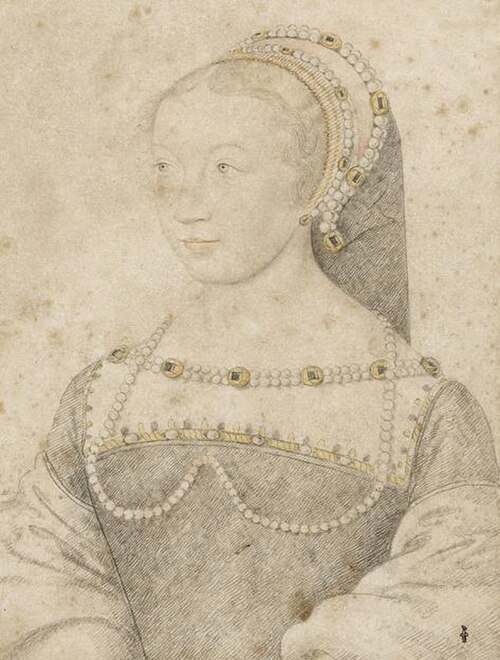
في الحادي عشر من أكتوبر عام ١٥٤٠، قرر إمبراطور الإمبراطورية الرومانية المقدسة منح دوقية ميلانو لابنه، فيليب الثاني ملك إسبانيا المستقبلي . وبذلك، كان على فرانسوا التخلي عن جميع فتوحاته في إيطاليا، وإعادة تأسيس دوقية بورغندي التي كانت قد دُمجت في الملكية كمهر يُقدمه الإمبراطور لابنه. [ ١٨٤ ] استشاط فرانسوا غضبًا من هذه الخيانة، وأفرغ إحباطه على مونتمورنسي. زعم فرانسوا أن مونتمورنسي هو من سمح للإمبراطور بتقديم هذا الموقف الدبلوماسي المحرج له. اضطر مونتمورنسي إلى الانسحاب من البلاط عندما وصله الخبر. [ ١٨٥ ]
لم يمضِ شهرٌ على وصول هذا النبأ إلى فرنسا حتى منع الملك سكرتيريه من استخدام الشفرات التي زوّدهم بها مونتمورنسي. شعر مونتمورنسي بالعار، فطلب من فرانسوا الإذن بالتقاعد من البلاط، لكن فرانسوا أخبره أنه لا يزال بحاجة إلى خدماته. وبالفعل، شهد مونتمورنسي انتعاشًا طفيفًا في ثروته مطلع عام ١٥٤١، حيث أفاد السفير الإمبراطوري بزيادة رصيده الائتماني. إلا أن هذا الانتعاش لم يدم طويلًا، فبحلول أبريل، ورد أنه أصبح تحت رحمة عشيقة الملك، دوقة إيتامب في البلاط، وكان رصيده الائتماني يتناقص يوميًا. وإدراكًا منه لهذا الأمر، نصح مونتمورنسي نائب قائد بييمونتي، لانجي، بإرسال مراسلاته إلى المارشال أنيبو في المستقبل. [ ١٨٦ ]

في يونيو 1541، أهان الملك مونتمورنسي بطلبٍ وجّهه إليه في حفل زفاف جان دالبريه، ابنة ملكة نافارا ودوق يوليش كليفز بيرغ . رفضت جان (أو عجزت) عن السير إلى المذبح لإتمام مراسم الزفاف، فأمر الملك مونتمورنسي بحملها. صُدم البلاط الملكي من تكليف رجلٍ رفيع المقام كمونتمورنسي بمثل هذه المهمة المُهينة، فقال مونتمورنسي لأصدقائه المقربين: "هذه نهاية حظوتي، سأودعها". [ 187 ] في اليوم التالي للزفاف، غادر البلاط، ولم يعد إليه طوال حياة فرانسوا. [ 182 ]
عار
ألغت الحكومة
في 21 مايو 1542، ألغى فرانسوا جميع مناصب الحكام في فرنسا، وأمر الشعب الفرنسي بعدم طاعة أوامر حكامهم السابقين. وبرر ذلك بأن سلطاتهم قد تجاوزت الحد. [ 188 ] وفي الأسابيع التالية، شرع في إعادة تعيين جميع حكام المقاطعات السابقين باستثناء مونتمورنسي الذي تم استبداله في لانغيدوك. ولذلك، يُفهم من الإلغاء الأولي أنه كان هجومًا على مونتمورنسي مُقنّعًا في صورة إقالة عامة، نظرًا لأن سلطته جعلت إقالته الفردية غير ممكنة سياسيًا. [ 189 ]

بعد سقوطه، لم يعد مونتمورنسي قادراً على حماية حلفائه السياسيين، مما أدى إلى سقوط مستشار فرنسا بوييه عام 1542. [ 176 ] في المقابل، تمت إعادة الاعتبار للأميرال شابو، وعاد إلى مكانة مركزية في البلاط الفرنسي. [ 190 ]
حفل الدوفين
خلال فترة سقوطه، غاب مونتمورنسي عن البلاط. [ 191 ] ومع ذلك، ظل مقربًا من ولي العهد، دوق بريتاني (دوق أورليان سابقًا)، بينما تحالف دوق أورليان (دوق أنغوليم سابقًا) مع عشيقة الملك، دوقة إيتامب . وكانت الملكة ومعظم الكرادلة الفرنسيين ضمن فصيل ولي العهد. [ 192 ] طلب بريتاني من الملك استدعاء مونتمورنسي ليخدم معه في الحملات ضد الإمبراطوريين، لكن طلبه قوبل بالرفض. [ 193 ] ومع تنازع بريتاني وأورليان، مثّل كل منهما مركزًا لفصيله؛ إلا أن هذه الديناميكية تغيّرت جذريًا بوفاة أورليان المفاجئة عام 1545. [ 23 ] شعر بريتاني بشدة بغياب مرشده عن مركز السلطة. [ 194 ]
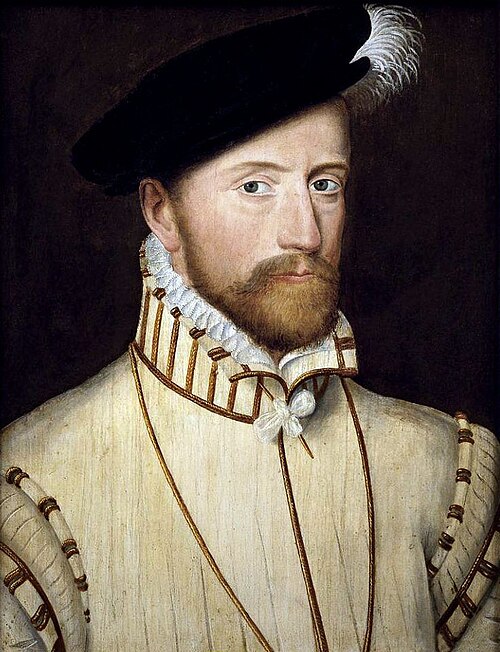
كانت هذه السنوات بمثابة سنوات تقاعد للكونستابل، ولم يعد إلى ممارسة نفوذه السياسي إلا بعد وفاة الملك. [ 195 ] في وقت مبكر من عام 1546، بدأت بريتاني تستشرف عهده القادم، ولهذا الغرض، خططت لتوزيع المناصب التي ستؤول إلى المقربين إليه عند توليه العرش. كان من المقرر استدعاء مونتمورنسي من العار، وتعيين سان أندريه رئيسًا للحاجبين ، وتعيين بريساك رئيسًا للمدفعية . وقد نقل مهرج البلاط تقارير عن هذه التعيينات التخمينية إلى فرانسوا، فثار غضبًا عندما علم بجرأة ابنه. فتوجه إلى حجرة ابنه برفقة قائد حرسه الاسكتلندي وكسر الباب، ولما لم يجد أحدًا في الداخل، أمر بتدمير الأثاث. [ 196 ] وبعد ذلك بوقت قصير، طُرد ما تبقى من أنصار بريتاني من البلاط. [ 197 ]
لم يحظَ جميع المتحالفين مع بريتاني في السنوات الأخيرة من حكم فرانسوا بالربح الكامل الذي حظي به مونتمورنسي وسان أندريه. فقد انتهى المطاف بدامبيير ، وهو أحد المقربين الآخرين، إلى عار الدوفين لجرأته على مهاجمة عشيقته ديان دو بواتييه ، بينما لقي آخرون حتفهم في المعارك أو المبارزات القضائية. [ 197 ]
وبينما كان فرانسوا يحتضر، استدعى بريتاني إلى جواره. وتوسل الأب إلى ابنه ألا يعيد مونتمورنسي من عاره، وأن يثق بالرجال الذين أحاط الملك نفسه بهم منذ عام 1541، وعلى رأسهم تورنون وأنيبو. [ 198 ]
العودة إلى المركز
ثورة القصر

توفي فرانسوا الأول ملك فرنسا حوالي الساعة الثانية ظهرًا في 31 مارس 1547. وبينما كان الحاضرون في الغرفة لا يزالون في حداد، سارع ولي عهد بريتاني، الذي أصبح يُعرف آنذاك بالملك هنري الثاني، إلى إرسال رسائل يستدعي فيها ديان ومونتمورنسي إلى البلاط. [ 199 ] ولذلك، كان استدعاء مونتمورنسي سريعًا، ودُعي للانضمام إلى هنري في سان جيرمان. [ 200 ] وعقد الاثنان اجتماعًا استمر ساعتين في الأول من أبريل، أجرى خلاله مونتمورنسي والملك إعادة تنظيم شاملة للحكومة. [ 198 ] وبعد الاجتماع، تسلّم مونتمورنسي شقق عشيقة فرانسوا السابقة، دوقة إيتامب، في سان جيرمان. [ 201 ] [ 202 ] وهناك، استقبل مونتمورنسي جموع المعزين الذين تدفقوا على الملك الراحل. [ 198 ]
تولى مونتمورنسي المنصب الذي كان يشغله كل من الأدميرال أنيبو والكاردينال دي تورنون في قيادة إدارة فرانسوا في السنوات الأخيرة من حكمه. وقد جُرِّد الرجلان من مسؤولياتهما في تلك الليلة. سُمح لأنيبو بالبقاء أدميرالًا، لكنه لن يتقاضى راتبًا بعد ذلك، على غرار ما فعله مونتمورنسي عندما احتفظ بمنصب قائد الشرطة دون أجر خلال فترة عزله. كما أُجبر على التنازل عن منصب المارشال لسانت أندريه. [ 203 ] [ 204 ] [ 205 ] أصبح مونتمورنسي قائدًا للجيوش الملكية وركيزة أساسية في المجلس الملكي على الفور تقريبًا. [ 206 ] كانت علاقته بالملك الجديد وثيقة لدرجة أنه شاركه الفراش في بعض الأحيان خلال عام 1547، وهو أمر أثار استياء بعض معاصريه. وقد عبّر سفير فيرارا عن اشمئزازه من هذا الأمر. [ 207 ] [ 208 ] [ 209 ] تمثل ترسيخه لمنصب رئيس الإدارة في استئنافه لمنصبي قائد الشرطة ورئيس البلدية اللذين شغلهما في السنوات السابقة. ونُفيت دوقة إيتامب، عدوة كل من مونتمورنسي وهنري، من البلاط. كما تلقى مونتمورنسي متأخرات راتبه التي كان سيستحقها لولا فضيحته. [ 23 ]
بفخرٍ بالغ، أشار مونتمورنسي إلى حادثةٍ أخرى من مغامراته الحميمة مع الملك، حيث دخل هنري غرفته بينما كان يتلقى حمامًا لقدميه. تفاخر قائد الشرطة بهذه الحادثة أمام سان أندريه، الذي بدوره أخبر دوق أومال. ووفقًا لسفير فيرارا، شعر أومال بخجلٍ شديد، مدركًا تمامًا أن الملك لن يُظهر مثل هذه الحميمية معه أبدًا. [ 209 ] كان كومبير ، أحد خيول الملك المفضلة، هديةً من مونتمورنسي. [ 210 ]
أُعيد مونتمورنسي إلى حكم لانغيدوك، وأُعيد شقيقه لاروشيبوت إلى منصبه كحاكم لإيل دو فرانس وباريس. وحصل ابن أخيه الأكبر، الكاردينال دي شاتيون، على مناصب كنسية جديدة ثرية، من بينها بوفيه. [ 211 ] تولى مونتمورنسي الحكم للمرة الثانية في 12 أبريل 1547. [ 16 ] وحرصًا منه على مكافأة مُفضّله، جاءت عودة حكمه مصحوبة بأجور متأخرة عن السنوات التي حُرم فيها من حكم لانغيدوك، بلغ مجموعها 100,000 إيكو، بالإضافة إلى الدخل السنوي البالغ 25,000 إيكو الذي كان سيحصل عليه لاحقًا. وبذلك، وزّع هنري 800,000 ليفر على مُفضّليه الثلاثة الكبار (مونتمورنسي، وأومال، وسان أندريه) عند توليه الحكم، وقد جُمعت هذه الأموال من ضريبة قدرها عُشران على رجال الدين. [ 212 ]
في الثاني عشر من أبريل، أدى الملك يمين مونتمورنسي بصفته قائداً لحرس فرنسا، وأعلن أن جميع المسؤولين المدنيين والعسكريين سيخضعون له. كما أعاد إليه ممارسة مهامه السابقة الأقل أهمية، وهي قيادة حصون الباستيل، وفينسين، وسان مالو، ونانت. [ 213 ]
وحتى عام 1552 على الأقل، كان جميع السفراء إلى فرنسا يقدمون أوراق اعتمادهم إلى مونتمورنسي قبل أن يستقبلهم الملك. [ 214 ]
بعد أن استعاد مونتمورنسي حظوته، قام بترقية أبناء أخيه مرة أخرى، حيث رُقّي كوليني إلى منصب قائد عام للمشاة الفرنسية في غضون شهر من تولي هنري العرش. [ 215 ] وخلال السنوات اللاحقة من حكم هنري، عُيّن كوليني أميرالًا لفرنسا، وحاكمًا لبيكاردي، وحاكمًا لإيل دو فرانس. [ 216 ] ومن خلال ترقية أبناء أخيه، عزز مونتمورنسي سلطته. [ 217 ]
بعد أن أصبح مونتمورنسي في قلب السلطة مجددًا، تمكن من توزيع النفوذ الملكي على شبكة من المحسوبين. ولذلك، سرعان ما تواصلت معه ملكة نافارا التي كانت تسعى لاستعادة حظوتها الملكية. [ 218 ] كانت العلاقة بينهما متوترة. هذا يعني أنه عندما ساور الملك هنري الشك عام 1548 في أن الملكة وزوجها ملك نافارا يتآمران مع الإمبراطور، لجأ إلى مونتمورنسي، الذي أمر عملاءه باعتراض جميع الرسائل الموجهة إلى الزوجين لعدة أشهر. [ 219 ] في عام 1556، عادت الشكوك تحوم في البلاط حول تصرفات ملك نافارا الجديد وزوجته التي قد تُعتبر خيانةً للإمبراطور بشأن نافارا الإسبانية. كتب ملك نافارا إلى هنري ومونتمورنسي، آملًا في إعادة تصوير تعاملاته بصورة أقل خطورة. [ 220 ] كتبت ملكة نافارا إلى مونتمورنسي بشكل منفصل، تحثه على الحفاظ على العلاقات الطيبة التي تربطه بنافارا. [ 221 ]
يدفع نحو الحرب
على الرغم من أهمية منصبه في الإدارة الجديدة، لم يستطع مونتمورنسي أن يُنسي الملك الأسر الذي عاناه في قبضة الإمبراطورية في السنوات السابقة. كان هنري حريصًا على محاربة الإمبراطورية، ولذلك استدعى إمبراطور الإمبراطورية الرومانية المقدسة لحضور تتويجه بصفته كونت فلاندر، الذي كان سابقًا تابعًا للتاج الفرنسي. رد الإمبراطور بأنه سيحضر التتويج على رأس جيش قوامه 50 ألف رجل. وكُلِّف مونتمورنسي، الذي كان يرغب في السلام مع الإمبراطورية، بتعزيز الحاميات على الحدود. [ 222 ]

لم يُتَوَّج هنري فور وفاة والده، إذ لم يعد يُنظر إليه كطقسٍ يُمنح بموجبه السلطة الملكية. ولذلك، لم يُتَوَّج إلا في 25 يوليو 1556. وفي اليوم التالي، ذهب ممثلو أقدم أربع بارونيات في فرنسا لاستلام قارورة الزيت المقدس التي ستُستخدم لمسح الملك. ومثّل مونتمورنسي، الذي كان يُمثل إحدى البارونيات الأربع، الابن الأكبر للقائد الأعلى، نظرًا لتواجد القائد الأعلى في مكان آخر. [ 223 ] وخلال مراسم التتويج، منح هنري طوقين من وسام سان ميشيل ، وهو أعلى وسام فروسية فرنسي. مُنح أحدهما للقائد الإيطالي بييرو ستروزي ، بينما مُنح الآخر لابن شقيق مونتمورنسي، كوليني. [ 224 ]
حرص مونتمورنسي أيضًا على ألا يبقى النبلاء ساخطين على التاج قدر الإمكان. ولتحقيق هذه الغاية، كان يضمن حصول هؤلاء النبلاء على عناق أو مداعبة من الملك، زاعمًا أن ذلك سيُهدئ من سخطهم. ووفقًا لبرانتوم، إذا كان هذا النظام ناجحًا في ذلك الوقت، فقد انهار بحلول زمن حروب الدين. [ 225 ]
في 26 يونيو 1547، أصدر هنري قانونًا جديدًا يُطبّق على المقاطعات الحدودية الشرقية. يقضي هذا القانون بتقسيم الحدود إلى ثلاث مناطق سيطرة، تخضع كل منها لسلطة مارشال فرنسا. يتمتع المارشال بسلطة مطلقة على القوات في منطقته، مما يُجرّد حكام المقاطعات من صلاحياتهم. وبذلك، يتمتع مونتمورنسي، بوصفه السلطة الأعلى من المارشالات، بالسلطة العسكرية على جميع المقاطعات الحدودية الشرقية. كان الدافع وراء هذه السياسة الجديدة، رغم فشلها الذريع، هو ترسيخ السلطة في يد مونتمورنسي والمارشالات الثلاثة ( سان أندريه ، وبويون، وميلفي ) ، الذين كانوا جميعًا من المقربين للملك الجديد، على حساب عائلتي لورين وكليف اللتين كانتا حاكمتين لتلك المناطق. [ 189 ]
ضربة جارناك

في بداية عهد هنري، كشفت مبارزة شهيرة عن الفصائل التي ستسيطر على عهد الملك الشاب. منح الملك لا شاتينيري وجارناك إذنًا لإجراء مبارزة قضائية. كانت هذه أول مبارزة قضائية تُصرّح بها في فرنسا منذ عهد لويس التاسع . تولّت ديان وعائلة لورين رعاية لا شاتينيري، بينما ضمّ مونتمورنسي جارناك (الذي كان سابقًا عضوًا في حزب دوقة إيتامب خلال عهد فرانسوا). وكان مساعد جارناك كلود دي بويزي، صديق مونتمورنسي. [ 226 ] احتشدت الجماهير لمشاهدة المبارزة، التي شارك فيها المئات مرتدين ملابس من الساتان. [ 227 ] في مفاجأة للكثيرين من المشاهدين، تمكّن جارناك من تحقيق نصر سريع في المبارزة، حيث التفّ حول خصمه وطعنه في ظهره. صُدِم الملك، ولم يستجب لبعض الوقت لطلب جارناك باستعادة شرفه والعفو عن خصمه. حثّت مارغريت ومونتمورنسي هنري على الكلام لإنقاذ حياة لا شاتينيري. تكلم هنري في النهاية، لكنه لم يُلقِ التحية المعتادة للفائز بأنه رجل شرف. [ 228 ] شعر لا شاتينيري بالإهانة لهزيمته، فمزق الضمادات التي وُضعت عليه ونزف حتى الموت. كان مونتمورنسي هو الفائز الرئيسي في المبارزة، إذ اعتُبر حكيمًا لدعمه جارناك. في هذه الأثناء، تعهّد هنري بعدم السماح بأي مبارزة قضائية أخرى خلال فترة حكمه. [ 229 ]
عانى سان أندريه من العار خلال عهد فرانسوا بسبب ولائه لهنري، إلا أنه كوفئ بسخاء عند صعود راعيه إلى السلطة. فقد عُيّن مارشالًا وكبير رجال البلاط الملكي ، مما أتاح له الوصول إلى الملك في أوقات مُنع فيها حتى مونتمورنسي من التواجد في حضرته. [ 73 ]
حفلة فالنتينوا

سعت ديان دو بواتييه، دوقة فالنتينوا ، عشيقة الملك ، إلى إيجاد توازنٍ للنفوذ الكبير الذي كان يتمتع به مونتمورنسي على الملك، فوجدت ضالتها في رعاية عائلة لورين، ولا سيما دوق أومال ورئيس أساقفة ريمس . كانت ديان وعائلة لورين على علاقة ودية منذ عام 1546 على الأقل، حين رُتِّب زواج بين ماركيز دي مين وابنتها لويز دي بريزيه . [ 211 ] حققت العائلة إنجازًا كبيرًا عام 1548 عندما ضمنت وعدًا بالزواج بين ولي العهد البالغ من العمر أربع سنوات وابنة أختهم ماري ستيوارت البالغة من العمر ست سنوات . [ 29 ] تم هذا الزواج في 24 أبريل 1558. [ 230 ] بدأ تحالف عائلة لورين وديان في تقويض سلطة مونتمورنسي، الأمر الذي أثار استياءه الشديد. [ 231 ] في المقابل، حاول مرارًا وتكرارًا اختلاق أعذار لغياب الأخوين لورين عن البلاط. [ 232 ] في نهاية المطاف، لم يبلغ الأخوان لورين مستوى العلاقة الحميمة التي تمتعت بها مونتمورنسي مع هنري. [ 233 ]
في خضم التنافس بين مونتمورنسي واللورين خلال عهد هنري، اتخذ سان أندريه موقفًا مرنًا بينهما، مستعدًا لاتباع أيهما يحقق له أكبر فائدة في الظروف الراهنة. ومع ذلك، فقد دخل سان أندريه في منافسة مع أبناء أخ مونتمورنسي للوصول إلى القيادة العسكرية. [ 234 ]
في عام 1548، أفاد السفير البندقي أن هناك خلافاً في البلاط حول أي من ديان أو مونتمورنسي أحبها هنري أكثر. [ 201 ]
المجلس الملكي
خلال عهد فرانسوا، أُنشئ مجلس الشؤون، الذي يُعرف أحيانًا بالمجلس السري. [ 235 ] كان يجتمع مع الملك كل صباح، ويتألف من كبار المقربين إليه، وهم: مونتمورنسي، وسان أندريه، والأخوان لورين، والكاردينال الأكبر للورين ، وملك نافارا ، ودوق فاندوم ، والمشير بويون، وبعض الموظفين الإداريين الملكيين الذين لم يشاركوا في المناقشات الرسمية. ومن خلال هذا المجلس، كانت تُقرر السياسة الملكية. [ 236 ] وفي أكثر المناقشات حساسية، كان يُدعى فقط مونتمورنسي، وسان أندريه، والأخوان لورين. [ 213 ] وفي فترة ما بعد الظهر، كان المجلس الخاص (conseil privé) يجتمع للنظر في مسائل المالية والإدارة. كما كان يُمكن خلال جلساته البت في المسائل القانونية التي أُحيلت إلى الملك. وكان هذا المجلس أكبر بكثير، وكان بإمكانه الاجتماع دون حضور الملك نفسه. [ 237 ] [ 238 ]

هيمنت عائلتا لورين ومونتمورنسي على مجالس هنري. فإلى جانب الأعضاء المباشرين من العائلتين في المجلس، مثل ابن شقيق مونتمورنسي، أوديه دي كوليني، شغل أعضاء المجلس أيضًا شخصيات بارزة من كلا العائلتين. تمتع مونتمورنسي والمستشار فرانسوا أوليفييه بعلاقة وثيقة، جمعتهما كراهيتهما لعائلة لورين. [ 239 ] فعلى سبيل المثال، كان كل من جان دي مورفيلييه، أسقف أورليان، ولويس دي لوزينيان ، سيد لانسك، من رجال فصيل مونتمورنسي في البلاط. مع ذلك، لم يكن الانتماء ثنائيًا بين العائلتين، فقد حافظ رجال مثل جان دي مونلوك ، أسقف فالانس، على علاقات مع كلتا العائلتين. وبينما كان مونتمورنسي يتمتع بأرفع منصب في المجلس الملكي، شغل الكاردينال دي لورين ثاني أرفع منصب. [ 240 ] أما الملك، من جانبه، فلم يكن مهتماً بشكل خاص بالسياسة الداخلية، وكان يكتفي بموازنة شبكات المقربين إليه في الإدارة بينما يديرون الأمور. [ 241 ]
في الأول من أبريل عام ١٥٤٧، أنشأت براءات ملكية أمانة ملكية جديدة، هي أمانة وزير الدولة ، والتي أُلحقت بمكتب وزير المالية السابق . ويُرجّح أن مونتمورنسي نفسه هو من صاغ براءات الملكية. [ ٢٤٢ ] كما استفاد مونتمورنسي من كون جان دو تيير، أحد وزراء الدولة الأربعة لهنري ، عميلًا قديمًا له. [ ٢٤٣ ] في الواقع، كان مونتمورنسي قد رتب لتو منصب سكرتير الملك عام ١٥٣٦، وشغل تو منصب سكرتيره الشخصي منذ عام ١٥٣٨. [ ٢٤٤ ] مع ذلك، كان دو تيير صاحب قرار مستقل، وبتعيينه عام ١٥٤٧، كان على استعداد للعمل على قدم المساواة مع الكاردينال دي لورين، وخلال العقد التالي، ترك خدمة مونتمورنسي ليرتبط ارتباطًا وثيقًا بدوق غيز. [ 245 ] [ 246 ] كان ثلاثة من السكرتيرين الأربعة الأوائل الذين عُيّنوا في المنصب عام 1547 من اختيارات مونتمورنسي، وكانوا يميلون إليه عمومًا، إذ كانوا يفضلون سياسة دولية سلمية مماثلة على عكس سياسة لورين الحربية. [ 247 ] [ 248 ] مع ذلك، لم يكن للسكرتيرين الأربعة امتياز فتح المراسلات الدبلوماسية الموجهة إلى الملك، على الأقل في بداية عهد هنري، قبل أن ينشغل كبار الشخصيات بالحرب. تولى مونتمورنسي هذه المسؤولية شخصيًا منذ عام 1547، نظرًا لطبيعته الدؤوبة ورغبته في الحفاظ على مكانته المحورية في البلاط. [ 249 ] في عام 1552، انضم إلى سكرتيري الدولة منصب جديد، وهو منصب وكلاء المالية . كان كلا المنصبين تابعين لسلطة مونتمورنسي، الذي كان بمثابة رئيس وزراء. [ 250 ]
كان كبار رجال البلاط، ولا سيما مونتمورنسي، يستغلون السكرتيرين في كثير من الأحيان لكتابة خاتمة أو ختام للرسائل التي كان يرسلها لحسابه الخاص. وفي بعض الأحيان، كان السكرتيرون يكتبون الرسالة كاملةً نيابةً عن مونتمورنسي. [ 249 ]
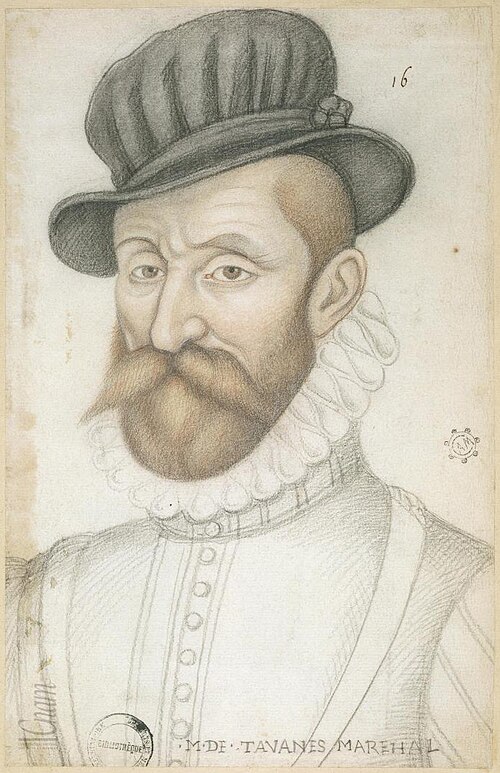

في سيرتيهما اللاحقتين، وصف كل من المارشال تافان والمارشال فيلفيل هنري بأنه كان شخصية سلبية خلال فترة حكمه. بالنسبة لتافان، كان ذلك في الواقع عهد مونتمورنسي وديان والأخوين لورين. أما فيلفيل، فقد وصف مختلف النبلاء (مضيفًا سان أندريه إلى قائمة تافان) بأنهم "يلتهمون الملك كالأسد". [ 251 ] يبقى ما إذا كان هذا البُعد عن الحكم خيارًا من الملك أمرًا قابلًا للنقاش، فقد اتُهم مونتمورنسي بإبعاد الملك عن المشاركة في شؤون الحكم ليُتيح له ذلك السيطرة الكاملة. [ 232 ] وشمل ذلك إطلاعه على جزء فقط من المراسلات التي تتلقاها البلاط. [ 252 ] ومن الصحيح أيضًا أن نزاع هنري الطويل مع والده قد أدى إلى إبعاده عن عمليات صنع القرار في الدولة طوال معظم حياته، ولذلك لجأ إلى رجل ذي خبرة أوسع. بل من المحتمل أن يكون مونتمورنسي قد مثّل شخصية أب بديلة لرجلٍ طال ابتعاده عن والده. وقد أشار السفير الإيطالي في إحدى المرات إلى أن الملك كان يرتجف عندما يقترب منه مونتمورنسي "كما يرتجف الأطفال عندما يرون معلمهم". [ 7 ] [ 253 ]
يتجلى هذا التوازن في منح المناصب من قبل المجلس الملكي. فعندما كان الملك يوقع على هذه المنح، كان يُشار إلى الشخصية البارزة الداعمة بصفة "حاضر". ومن بين 109 منح مُنحت في ربيع عام 1553، حظي 11% منها بدعم دوق غيز، بينما حظي 10% منها بدعم مونتمورنسي. [ 254 ]
بعثة إيطالية
في وقت مبكر من أبريل 1547، خطط هنري لزيارة إيطاليا. تواصل مونتمورنسي مع الأمير دي ميلفي، حاكم بيدمونت الفرنسية، لزيادة عدد القوات تحت قيادته، لضمان سلامة الزيارة. ولذلك، حشد ميلفي 500 جندي إضافي، وهو ما شكل عبئًا ماليًا كبيرًا نظرًا لضيق موارده المالية جراء إعادة بناء تحصينات المنطقة. في خريف 1547، أُبلغ مونتمورنسي أن الإمبراطور يعتزم غزو بيدمونت. جاء هذا التحذير في وقت تصاعدت فيه حوادث الحدود المقلقة، مما زاد من حاجة الملك للقدوم إلى بيدمونت. رفض ماركيز سالوزو أمر ميلفي بقبول حاميات فرنسية في قلاعه، فاعتُقل على إثر ذلك. [ 255 ] ولتحرير نفسه من سجنه، وافق في مارس 1548 على التنازل عن جميع ممتلكاته لمونتمورنسي. كان هذا احتمالًا مغريًا لمونتمورنسي، الذي كان بإمكانه، من خلال زوجته، المطالبة بمونتفيرات ومدينة تيندي. وبجمع كل هذه الممتلكات، كان بإمكانه بناء إمارة إيطالية، إلا أنه رفض الهبة في نهاية المطاف. توفي الماركيز وخلفه أخوه، الذي امتثل لأمر حامية ميلفي. نظم مونتمورنسي الحراسة لمرافقة هنري إلى بيدمونت، ووضع كونت تيندي القوات البحرية في حالة تأهب لدعم ذلك. [ 256 ]
كان هنري يرغب في البداية في اغتنام هذه اللحظة لاستئناف الحرب في إيطاليا، لكن مونتمورنسي عارض الملك بشدة في هذا الشأن. وقد تعزز موقفه عندما أعلنت البندقية أنها لن تدخل في تحالف مع فرنسا، وهو ركيزة أساسية لسياسة الفصائل المسلحة. ومع ذلك، قرر هنري المضي قدمًا في زيارته لإيطاليا. [ 257 ]
في أغسطس، عبر هنري ممر سوسا ودخل إيطاليا، ووصل إلى تورينو في 13 أغسطس. جاء دوق فيرارا ليقدم فروض الولاء للملك الفرنسي، وهناك رتب تفاصيل زواج ابنته من دوق أومال. قدم دوق سافوي التماسًا إلى هنري لاستعادة أراضيه، لكن هنري رفض التخلي عن السيطرة الفرنسية على بيدمونت. [ 256 ]
ثورة غابيل

أدت ثورة ضد ضريبة الملح ( غابيل ) عام 1548 إلى تعطيل خطط الملك للتوسع في إيطاليا. كانت التوترات تتصاعد في جنوب غرب فرنسا منذ عام 1544، وانفجرت في ذلك العام بمشاركة 50 ألف شخص في أعمال شغب وحمل السلاح. في البداية، كان هنري واثقًا من قدرة السلطات المحلية على قمع الثورة، لكن هذه الثقة تلاشت مع ورود المزيد من التقارير. [ 258 ] عندما علم بما يجري في سبتمبر 1548، اقتنع بضرورة إنزال عقاب رادع. [ 259 ] من بيدمونت، خطط هو ومونتمورنسي والسكرتير لوبسبين لكيفية الرد. جادل مونتمورنسي بأن السكان قد ثاروا بالفعل قبل خمس سنوات، وأنه لتهدئة المنطقة يجب إجلاء جميع السكان. إلا أن الملك رفض هذه الخطة المتطرفة. [ 260 ] تم الاتفاق على شنّ هجوم كماشة على المنطقة المتمردة، حيث يزحف مونتمورنسي باتجاه بوردو من لانغيدوك، بينما يتقدم دوق أومال (دوق غيز عام 1550) من بواتو. [ 261 ] غادر مونتمورنسي بيدمونت برفقة 1000 جندي و500 فارس، وكان عليه تجنيد المزيد من القوات من لانغيدوك وبيارن وإقليم الباسك لدعم هجومه. [ 259 ] اصطحب كل منهما معه رجالًا من حزب الآخر. كان أومال برفقة السيد دي بوري، نائب غويين، الذي كان من عملاء مونتمورنسي. في هذه الأثناء، كان مونتمورنسي برفقة شقيق أومال، ماركيز دي مين . [ 262 ]
وجد البرجوازيون في بوردو أنفسهم متعاطفين مع قضية اتحاد الفلاحين الذي كان يهيمن على الريف المحيط، والمعروف باسم "بيتو". ولذلك، لم تُكلَّف الحامية والميليشيا بقمع "بيتو" وحلفائهم. أُقنع مونين، حاكم بوردو، بالتفاوض مع المتمردين، إلا أنه قُتل على يد حشد غاضب في 21 أغسطس/آب. [ 258 ] أدى هذا العمل العنيف إلى نفور البرجوازيين في بوردو من الحركة، فقاموا بقمعها داخل حدود المدينة. ومع اقتراب مونتمورنسي، كان على دراية تامة بكيفية هدوء الوضع خلال الفترة التي كان يُجمِّع فيها جيشه؛ بل إنه استقبل عددًا كبيرًا من ممثلي المدينة الذين أكدوا له أن الأمور على ما يرام. [ 261 ] بحلول ذلك الوقت، فقد هنري اهتمامه بتقدم الجيشين في قمع الثورة. [ 263 ]
لم يُعر مونتمورنسي اهتمامًا يُذكر بجهود الطبقة البرجوازية في بوردو لدعمه، فدخل المدينة بقوة في أكتوبر. [ 264 ] [ 265 ] وقد زيّن سكان بوردو الشوارع بالستائر احتفاءً بقدومه. واستولى مونتمورنسي على جميع الأسلحة التي كانت بحوزة المدينة خلال الأيام التالية، بما في ذلك مدافعها. وقمع الثورة بوحشية، فأعدم 150 من قادتها، بينما تعرضت المدينة نفسها للنهب على يد جنوده. وعلق عمل البرلمان ، وعيّن قضاة من بروفانس ونورماندي وباريس في المنطقة. وأمر هؤلاء القضاة بفتح تحقيق في المدينة وقادتها. وفي الوقت نفسه، أُقيمت جنازة لتريستان دي مونين في 26 أكتوبر. [ 266 ] في السادس من نوفمبر عام 1548، توصل القضاة إلى قرارهم، وهو أن تفقد بوردو امتيازاتها الحضرية، وأن تدفع تكاليف الحملة وغرامة إضافية قدرها 200,000 إيكو . [ 267 ] وهُدم مبنى البلدية. [ 260 ] ومع صدور هذا الحكم، بدأت عمليات الإعدام: حُكم على رجال من مختلف الرتب بالإعدام، بدءًا من رئيس بلدية بوردو الذي «لم يمتثل لأوامره ضد التمرد» وصولًا إلى الفلاحين والحرفيين. وتعرض المتمردون لأنواع مختلفة من التعذيب. [ 268 ]
أرسل عدة سرايا من الجنود لإخضاع ليموج، التي كانت تحت سيطرة الثوار الفلاحين. وفي 22 نوفمبر 1548، غادر بوردو، تاركًا في المدينة الخاضعة القوة التي جلبها في البداية من بيدمونت وعدة سرايا من الدرك . ثم توجه إلى سان جيرمان أون لاي. [ 268 ]
لم يدم قسوة مونتمورنسي تجاه بوردو طويلًا، إذ أثارت التوترات مع إنجلترا مخاوف من محاولة بوردو الانشقاق إلى إنجلترا. ولذلك، بعد ستة أشهر، تم التراجع عن قمع المؤسسات المدنية في بوردو، وإلغاء الغرامات. وفي استجابة أخرى لدوافع التمرد، تم إلغاء معظم التغييرات غير الشعبية التي أُدخلت على نظام " غابيل" في السنوات اللاحقة. [ 266 ] وكانت ثورة "غابيل" هي الثورة الشعبية الكبرى الوحيدة خلال عهد هنري. [ 269 ]
كان سلوكه خلال أزمة غابيل مختلفًا عن سلوك أومال الذي قمع التمرد في سانتونج بسخاء أكبر بكثير. [ 239 ] يرى دورو أن أومال ربما كان يبذل جهدًا واعيًا للنأي بنفسه عن القسوة غير الشعبية، مما سمح لمونتمورنسي بتحمل معظم ردة الفعل العنيفة. [ 270 ] كان مونتمورنسي يأمل من خلال هذه الوحشية النموذجية ألا يجد إمبراطور الإمبراطورية الرومانية المقدسة أي جذوة متبقية لإذكائها بالتزامن مع غزو فرنسا. عاد أومال ومونتمورنسي إلى البلاط بحلول نوفمبر 1548 لحضور حفل زفاف أومال الفخم على آن ديست . [ 271 ] وما إن انتهت احتفالات زفاف أومال، حتى رتب مونتمورنسي احتفالات لابن أخيه أنديلو، بعد أن ضمن زواج ابن أخيه من الوريثة الثرية كلود دي ريو . أقيم حفل زفاف الأول في 4 ديسمبر، والثاني في 9 ديسمبر 1548، ولم يكن أي من المفضلين الملكيين على استعداد لتغيير موعد الاحتفال لإتاحة المجال للآخر. [ 272 ]
حملة بولونيا

اتفق كل من مونتمورنسي وعائلة لورين على أهمية استعادة بولون من الإنجليز، ولذلك رفضت المحكمة عروض التحكيم في النزاع. وكلف مونتمورنسي أوديه دي سالفي، السفير الفرنسي لدى إنجلترا، بالحصول على مخططات التحصينات الدفاعية التي شيدها الإنجليز حول المدينة. [ 273 ] واقترح كل من أومال ومونتمورنسي تعزيز التحصينات الفرنسية على الضفة اليسرى للنهر. وهكذا بُني حصن جديد، واكتملت أعماله في يوليو 1548، وسُمي حصن شاتيون، وأُسندت إدارته إلى كوليني، ابن شقيق مونتمورنسي. وكان الحصن قادرًا على قصف البطاريات الإنجليزية بالمدافع. [ 274 ]
في عام ١٥٤٩، انطلقت الحملة أخيرًا. عسكر مونتمورنسي في مونتروي في أغسطس استعدادًا للهجوم لاستعادة بولون، حيث تمركز نصف قواته هناك بينما تمركز النصف الآخر في أردريس. زار أحد منادي الإمبراطورية المعسكر الذي انضم إليه هنري، وحذر الملك الفرنسي من أن الإمبراطور، وإن كان سيتسامح مع هجوم على "الغزو الإنجليزي الجديد" لبولون، فلن يتسامح مع هجوم على "الغزو الإنجليزي القديم" لكاليه . كاد هنري أن يثور غضبًا على المندوب، لكن مونتمورنسي هدّأه. كان من واجب الإمبراطورية وإنجلترا حماية بعضهما البعض إذا اقترب أكثر من ٢٠٠٠ جندي فرنسي من كاليه، لذلك أرسل هنري سفيرًا إلى البلاط الإمبراطوري لإبلاغ الإمبراطور بأن الإنجليز قد انتهكوا الاتفاقية السابقة أولًا بتحصين بولون، بالإضافة إلى انتهاكات أخرى. وقد أثار هذا النداء إعجاب البلاط الإمبراطوري. [ ٢٧٥ ]
كلّف قائد الدير رئيسَ الدير دي كابوا باستخدام أساطيله البحرية لاعتراض أي جهود إغاثة إنجليزية عبر القناة. ثم شنّ هجومًا على أمبلتوز، وهي مستوطنة تقع شمال بولون، محمية بأربعة حصون. ومع محاصرة أحد الحصون في 23 أغسطس 1549، فوجئت به القوات بسرعة، وقُتلت حاميته التي تضم عدة مئات. أصيبت حامية أمبلتوز بالإحباط جراء هذه النكسة، وخرجت من المدينة لإضرام النار في بعض الحظائر، مما مكّن الجيش الملكي من دخول أمبلتوز. [ 276 ] أدى دعم الأسطول البحري لرئيس الدير دي كابوا إلى تقليص ما تبقى من المدينة. مُنحت الحامية نفسها عفوًا، وسُمح لها بالانسحاب إلى كاليه. [ 277 ] ثم تقدمت قواته إلى هاردينجن، لكنها واجهت صعوبات متزايدة بسبب سوء الأحوال الجوية. [ 278 ] حاول الجيش الملكي بقيادة مونتمورنسي وأومال وهنري اقتحام بولون نفسها، ولكن بعد ثلاثة أسابيع من الحصار والقصف دون إحراز أي تقدم، تبين أن الحصار هو الخيار العملي الوحيد. [ 277 ] ولهذا الغرض، صدرت الأوامر بإغراق عدة سفن عند مدخل ميناء بولون. [ 279 ]
مع ذلك، أبدى الإنجليز استعدادهم للتفاوض، ففي وقت مبكر من أكتوبر 1549، بدأت المحادثات بين إيرل لينكولن ، القائد العام الإنجليزي لبولون، وابن شقيق مونتمورنسي، كوليني، الذي كان من المقرر أن يصبح القائد العام الفرنسي لبولون. غادر هنري الجيش في ذلك الوقت، لشعوره بأن وجوده لم يعد ضروريًا. [ 279 ] في فبراير 1550، بدأت محادثات السلام الرسمية. قاد لاروشيبوت، شقيق مونتمورنسي، الوفد إلى إنجلترا، ورافقه ابن شقيقه كوليني . [ 279 ] أُذن للوفد بدفع ما يصل إلى 400,000 إيكو مقابل إعادة بولون إلى فرنسا. تعثرت المفاوضات نظرًا لتردد الوفد الإنجليزي حتى مع المبلغ الكبير المعروض لتسليم الحصن، إلا أن المحادثات تقدمت بفضل جهود مونتمورنسي. تمكن مونتمورنسي من إقناع دوق نورثمبرلاند ، وصي عرش المملكة، بدعم الصفقة. [ 280 ] في أبريل، وُقِّعت معاهدة. [ 281 ] وافق الإنجليز على إخلاء بولون في غضون ستة أسابيع، أي في السادس من مارس عام 1550. أخلى الإنجليز المدينة أخيرًا في الخامس والعشرين من أبريل دون نقل مؤنهم الغذائية أو مدفعيتهم، مما أسعد لاروشيبو وكوليني اللذين تسلما مفاتيح المدينة من الإنجليز. أُعجب الملك بالتحصينات التي أقامها الإنجليز في المدينة خلال احتلالهم لها، وذلك خلال زيارته لها في الخامس عشر من مايو. [ 282 ] [ 280 ] بشّر السلام مع إنجلترا بفترة جديدة من العلاقات الودية بين المملكتين، والتي رعاها أقارب مونتمورنسي وأصدقاؤه الذين عملوا كسفراء. [ 283 ] في الواقع، استُقبل وفد إنجليزي في قصر مونتمورنسي، شاتو دو شاتوبريان، لتكريم هنري بوسام الرباط. [ 284 ]
إلى حين سداد كامل المبلغ للإنجليز، كان من المقرر أن يبقى فرانسوا، الابن الأكبر لمونتمورنسي، في إنجلترا كرهينة، إلى جانب خمسة من كبار اللوردات الآخرين. [ 280 ] احتفالًا بالنصر في بولون، نظم هنري موكبًا احتفاليًا في مدينة روان . وكان لمونتمورنسي وغيز (الذي خلف أومال والده الراحل في المنصب) مكانة بارزة في الموكب، حيث تقدما أمراء الدم في العرض الذي جاب المدينة. [ 285 ]

لم يخلُ موت الدوق الأكبر دي غيز وتولي ابنه ألقابه من الجدل. ففي وقت وفاته، كان أومال مريضًا بشدة أيضًا، ولذلك وُجهت اتهامات إلى مونتمورنسي بأنه سمّم الدوق الراحل وحاول فعل الشيء نفسه مع أومال. [ 286 ]

كان مونتمورنسي أحد النبلاء الذين كان لا بد من التفاوض معهم لقبول لودوفيكو دي غونزاغا، من العائلة الحاكمة في مانتوا، في البلاط الفرنسي. [ 287 ] في اجتماع للمجلس عُقد في 3 فبراير 1565، كان مونتمورنسي من بين كبار الشخصيات المجتمعة الذين وافقوا على زواج لودوفيكو من وريثة دوقية نيفير، مما جعله بذلك سيدًا فرنسيًا بارزًا. [ 288 ] في الواقع، قُدّرت قيمة ممتلكات نيفير بحوالي مليوني ليفر ، مقارنةً بممتلكات مونتمورنسي التي بلغت قيمتها حوالي ثلاثة ملايين ليفر، والتي تراكمت بفضل قربه الشديد من مركز السلطة. [ 289 ] كان حضوره، إلى جانب الكاردينال دي غيز ولا روش سور يون، ضروريًا لتقديم دليل على موافقة جميع العائلات الكبرى في المملكة على هذا الترتيب أو عدم معارضتها له. [ 290 ] مع ذلك، شكّل مونتمورنسي معارضةً قويةً للدوق الجديد عندما تعلق الأمر بمنحه لقب " نظير " (نبيل) من قبل برلمان باريس ، محاولًا منع نقل هذا الشرف إما إلى هنرييت دي كليف أو إلى زوجها الجديد. [ 291 ] كان لمونتمورنسي تاريخ من النزاعات مع دوقات نيفير السابقين حول أسبقيتهم في طبقة النبلاء، إلا أنه في مسألة غونزاغ (بعد حصوله على الجنسية الفرنسية)، جادل بأن لقب النبلاء لا يمكن أن يُورث من قبل امرأة أو عن طريقها، وبالتالي فإن لقب " نظير نيفيرنيه" قد انقرض بوفاة جاك دي كليف . تدخل التاج في النزاع، وقرر لصالح غونزاغ في ترقيته إلى لقب " نظير فرنسا" ، لكنه لم يُصدر حكمًا بشأن ما إذا كان لقب نيفيرنيه أو مونتمورنسي أعلى مرتبةً في طبقة النبلاء الفرنسية. وبناءً على ذلك، استقبل البرلمان نيفير في 22 يونيو 1566. [ 292 ]
في البلاط، أشاد مونتمورنسي بفضائل نائب قائد شرطة بورغندي، تافان، الذي ردّ عليه برسالة شكر، طالباً أن يُعامل حتى كأبسط خدم قائد الشرطة. [ 293 ] إلا أن تافان لم يكن من بين عملائه الموثوق بهم، وعندما سعى تافان للتدخل لدى الملك عام 1561، أرسل رسائل متطابقة إلى مونتمورنسي، وغيز، وتورنون، وسان أندريه، وغيرهم، ليمثلوه في البلاط بشأن معاشه التقاعدي. [ 294 ]
دخول ملكي
نظراً لانشغاله في سنواته الأولى، لم يدخل هنري باريس رسمياً إلا في 15 مايو 1549. وفي موكب مهيب ضمّ كبار نبلاء وسيدات المملكة، لعب مونتمورنسي دوراً هاماً، حاملاً صولجان منصبه الذهبي كقائد أعلى . [ 295 ] وفي موكب مهيب آخر أقيم في المدينة في 16 يونيو، تقدم مونتمورنسي أمام الملك رافعاً سيف قائد الحرس، مرتدياً رداءً ذهبياً، ومستخدماً لجاماً ذهبياً لحصانه. وسار هنري خلفه تحت مظلة حملها أعضاء مجلس مدينة باريس. [296] وبعد يومين، في 18 يونيو، عندما دخلت الملكة العاصمة في موكب احتفالي على محفة مكشوفة، ركب مونتمورنسي بجانب المحفة التي أحاط بها الكرادلة من جميع الجهات. [ 297 ]

هزّت فضيحةٌ البلاطَ عامَ 1550، بسبب علاقات الملك مع الليدي فليمنج، والتي كان مونتمورنسي يُسهّلها بجلب الملك إلى غرفتها كل ليلة. استغلّ مونتمورنسي إصابة ديان بكسر في ساقها أثناء ركوب الخيل، في محاولةٍ منه لعزله عن عشيقته النافذة، وتعيين امرأة من اختياره، وبالتالي تعزيز سيطرته الكاملة على الإدارة. غضبت ديان دي بواتييه غضبًا شديدًا، وكذلك فعل الأخوان لورين، اللذان اعتبرا أن مونتمورنسي يُهين ابنة أختهما ديان بأفعاله. أعادت ديان هنري إلى حيث كانت تتعافى في قصر أنيه. [ 298 ] اتهمت ديان هنري بخيانة عائلة لورين، وزوجته، وابنه، ونفسها. ثمّ انقلبت على مونتمورنسي، وأمطرته بوابلٍ من الشتائم لنصحه الملك بإقامة هذه العلاقة، وأعلنت أنها لن تُكلّمه بعد الآن. لم يدم غضبها من مونتمورنسي طويلًا، وسرعان ما كتبت إليه لتطمئن على صحة الملك كما فعلت سابقًا. [ 299 ] حاول هنري بتواضع أن يشرح أنهما كانا يتحدثان فحسب، لكن ديان لاحظت أن علاقته ستُخرب زواج الدوفين من ماري ستيوارت ، إذ سيرفض بالتأكيد الزواج من "ابنة عاهرة". [ 300 ] استسلم هنري لضغوط الغضب وألقى باللوم على مونتمورنسي في الأمر برمته، رافضًا التحدث معه لبعض الوقت. على الرغم من توقفه عن علاقته بفليمنج، إلا أنهما أنجبا خلال فترة علاقتهما ابنًا، هنري دي فالوا، الذي أصبح فيما بعد دوق أنجوليم . [ 301 ] [ 302 ]
دوق مونتمورنسي

في يوليو 1551، رُفِّع مونتمورنسي من رتبة بارون إلى رتبة دوق-بيري (نبلاء دوقيون)، مما رفعه إلى أعلى مراتب النبلاء الفرنسيين. وطُمئِن له بأن اللقب لن ينقرض إذا وُلِدَت ابنةٌ واحدةٌ فقط لتخلف الدوق، وأنه سيُورَث عبر خط الإناث. [ 303 ] واستندت مبررات هذه الترقية الاستثنائية إلى "فضيلته الشخصية" ونسب عائلته العريق الذي يعود إلى عهد ماثيو الثاني دي مونتمورنسي الذي خدم في عهد فيليب الثاني أوغسطس في القرن الثاني عشر. [ 23 ] [ 1 ] كما عزز الانتصار الأخير في بولون والاتفاق مع إنجلترا من تأييد الملك لهذه الخطوة. [ 284 ] وقد أثارت هذه الترقية "غير المسبوقة" لبارون بعض الاستياء من ذوي الأصول الأميرية. [ 208 ]
غيوم الحرب

في إيطاليا، عادت الحرب لتلوح في الأفق مجدداً مع نشوب نزاع بين البابا وحكام فارنيزي في بارما. انقسم مستشارو هنري حول كيفية المضي قدماً. دعا آل لورين إلى التدخل، آملين في غزو بارما، بينما فضّل مونتمورنسي الحذر. قرر هنري خوض حرب بالوكالة، وأقسم على حماية آل فارنيزي في 27 مايو 1551، ولتحقيق هذه الغاية، تعهد بتقديم إعانة قدرها 12,000 إيكو وتوفير 2,000 جندي مشاة بقيادة بييرو ستروزي . كان البابا مصمماً على مواصلة الحرب، وأعلن بارما متمردة. [ 304 ] عُيّن الكونت دي بريساك حاكماً لبيدمونت الفرنسية في يوليو 1551، ومُنح قوة قوامها 15,000 رجل لدعم بارما. [ 305 ]
لتمويل الحروب التي خاضها، اقترض هنري مبالغ طائلة من مصرفيي ليون وغيرها من المدن. كان قد ورث ديناً ملكياً قدره 6,800,000 ليفر ، وتمكن من تخفيض جزء كبير منه بفضل الاحتياطيات الملكية التي جمعها فرانسوا. أما بالنسبة للقروض المستقبلية، فقد استُخدمت ممتلكات النبلاء مونتمورنسي وغيز كضمان للسداد. [ 306 ]
حملة ميتز
خلال فترة السلام هذه مع الإمبراطورية الرومانية المقدسة، لم يقف مونتمورنسي مكتوف الأيدي. بل واصل سياسته الفرنسية المربحة المتمثلة في البحث عن أي أعداء للإمبراطور لتقديم الدعم السري لهم. [ 307 ] وبتحريض من مونتمورنسي، انتظر هنري اللحظة المناسبة، والتي حانت عندما ناشدته مجموعة من الأمراء الإمبراطوريين البروتستانت طلبًا للدعم. أُبرمت معاهدة في شامبور في يناير 1552، بموجبها ستدعم فرنسا الأمراء الإمبراطوريين في مقاومتهم لـ"الاستبداد البابوي الإسباني"، وفي مقابل تقديم 240,000 كورون (تاج) مقدمًا، و60,000 كورون شهريًا لتمويل الجيوش البروتستانتية، سيسمحون لهنري باحتلال المدن الإمبراطورية كامبراي ، وميتز ، وتول ، وفيردان ، التي سيحكمها بصفته نائبًا للإمبراطورية الرومانية المقدسة. [ 308 ] كان من المفترض نظرياً أن يكون هذا الاحتلال مؤقتاً، دفاعاً عن المدن من طغيان الإمبراطور. [ 309 ]
على الرغم من وعود شامبور الطموحة، إلا أن معظم أمراء الإمبراطورية عقدوا الصلح مع الإمبراطور بعد بضعة أشهر فقط من الصراع. كان مونتمورنسي متحفظًا بشأن الحرب المفتوحة المباشرة مع الإمبراطورية، وحث هنري على السعي إلى حل وسط، لكن مجلسًا أكثر ميلًا للحرب غلب رأيه. [ 310 ] ومع استئناف الحرب عام 1552، سعى هنري إلى الوفاء بالاتفاق الذي أبرمه. ولتحقيق هذه الغاية، تم تجميع جيش ملكي في شامبانيا بدءًا من مارس. أجرى الملك استعراضًا للقوات برفقة مونتمورنسي وغيز وسان أندريه في فيتري في أبريل، وبلغ إجمالي عدد القوات 15000 جندي مشاة فرنسي، و15000 من اللاندسكنيشت، و1300 من رجال السلاح، و3000 من سلاح الفرسان الخفيف، بالإضافة إلى قوات متنوعة أخرى. [ 311 ] وعلى الرغم من أن الملك كان برفقة الجيش، إلا أنه منح مونتمورنسي القيادة الرسمية. [ 312 ] كُلِّف مونتمورنسي بتأمين مدينة ميتز ، بينما تولى الملك ودوق غيز تأمين أجزاء أخرى من لورين. [ 313 ]

سمحت كريستين، وصيّة دوقية لورين، لجيشهم بالمرور لافتقاره إلى الوسائل اللازمة لمقاومة جدية. استولى مونتمورنسي على تول أولًا في 5 أبريل 1552، بعد أن خانه أحد خدم الكاردينال السابق لورين ، فترك المدينة مع حامية ملكية. وبعد ذلك، استولى على بونت-أ-موسون، مرة أخرى دون إطلاق رصاصة واحدة، قبل أن يتجه نحو ميتز. خارج ميتز، واجه أول مقاومة له، حيث اضطر إلى اقتحام دير غورز الذي كان تحت سيطرة الإمبراطوريين. ورغم أن ميتز لم تكن تحوي حامية إمبراطورية، فقد أرسل تافان وبورديلون إلى المجلس لطلب الإذن باحتلال المدينة، دعمًا للحريات الألمانية. وافق أعضاء المجلس المذعورون بشرط أن يفرض مونتمورنسي فرقتين فقط من المشاة على المدينة. [ 314 ] [ 140 ] [ 312 ] كانت العصابات أكبر بكثير مما توقعه أعضاء المجلس، ولكن فات الأوان لسحب موافقتهم. عند وصولهم إلى مركز المدينة، سيطر مونتمورنسي على المركز والبوابات. [ 315 ] وصل هنري إلى ميتز في 17 أبريل، واستُقبل باستعراض لقوات مونتمورنسي. رغب هنري في البداية بتعيين فيلفيل حاكمًا لميتز، لكن فيلفيل جادل بأنه إذا أرادوا أن يُعاملوا كمحررين في الألزاس، فعليهم أن يكونوا حذرين في ميتز كمثال. رفض مونتمورنسي هذا، بحجة أن كبار رجال ستراسبورغ ليسوا أذكى من كبار رجال ميتز، وأن هاتين المدينتين ستسقطان بسهولة. [ 315 ] لذلك، عيّن الملك أحد عملاء مونتمورنسي، وهو السيد دي غونور، حاكمًا للمدينة. [ 316 ] تم استبدال غونور كحاكم لميتز بفيلفيل (أحد عملاء غيز) بعد أن تسبب حصار ميتز في وقت لاحق من ذلك العام في احتكاك كبير بين مونتمورنسي والدوق. [ 317 ]

With Metz conquered, Montmorency moved across the Vosges, facing resistance at the small stronghold of Haguenau which he successfully reduced after deploying his artillery and forces. Montmorency entered the square in triumph, shortly followed by the king. By mid-May the royal army arrived at Wissembourg. Upon reaching Wissembourg the royal army was approached by the count-palatine of Zweibrücken who stated that if this was truly a conflict about German liberties, they should advance no further. By this time, word had reached the army that there was to be an invasion into France from the Spanish Netherlands, the French distraction with this invasion was a relief to the German princes.[318] Therefore the king ordered the army be split into three divisions, one under Guise, one under Montmorency and the final under the duc de Vendôme. Montmorency oversaw the capture of Ivoy on 23 June 1552; during the siege Henri had ventured into the trenches and messed with several cannons, arousing Montmorency's fury.[319] Though he intended to divide the loot of the place between his own company and that of his son, he was unable to control the troops who engaged in unrestrained looting. The army then proceeded onto Sedan.[320] These armies marched north west and put Damvillers to siege, shortly thereafter the king disbanded the army on 26 July.[313][321]
Though the campaign was a considerable success for the French, it failed to yield any of the results that the 'allies' of the French, the German princes had hoped for. Montmorency's duplicity in the occupation of Metz was remembered bitterly. The elector of Sachsen who had been one of those who invited the French to participate would not forgive them, and soon reconciled himself with the Emperor. Going forward the German princes would reject the claims of outsiders to their territories. The king by contrast was delighted with Montmorency, and rewarded him with the elevation of the seigneurie of Damville to a baronnie, he further awarded the vacated office of Admiral to Montmorency's nephew Coligny upon Admiral Annebault's death. Coligny therefore resigned the charge of colonel-general in favour of another of Montmorency's nephews Andelot.[321]
Despite the serious nature of the military campaign, the rivalry between Montmorency and the Lorraine family continued, and having arrived back at court Montmorency expended his energy to ensure that information about the diplomatic situation did not reach the duc de Guise who remained in the field. Guise's brother who had received his former title, the duc d'Aumale informed Guise that he had been compelled to approach the king at a time when Montmorency was absent to keep his brother informed of international developments.[322] The Emperor was greatly aggrieved by the French coup and desired to recapture those settlements that were lost. To this end he crossed the Rhine in the middle of September 1552. Montmorency sought to replicate his scorched earth strategies that he had employed in Provence, and therefore ordered the removal of all grain, the throwing of millstones into water and the removal of the irons from the mills. The Imperial army invested Metz on 10 November 1552, bombarding the settlement from the east and south. In total 50,000 men would besiege Metz, led by the Emperor personally from 30 November.[323] Montmorency prepared to lead a relief army, and assembled a force at Reims, penetrating into Lorraine with 38,000 men during October. To divert the French, the Imperials launched another force into Picardy that put Hesdin to siege, the king recognising the greatest strategic priority of Hesdin diverted 22,000 of the men in Champagne to march north to relieve the town.[324] Montmorency advanced as far as Tilly before his progress failed, and he retreated back to Reims where he met the king. The two stayed there until the end of November, with Montmorency dispatching several of his sons to support Guise in the defence of Metz. Montmorency continued to ensure his policy of starving out the Imperials is adhered to, and upon hearing reports of the poor state of the Imperial camp is satisfied as to the effect of his policy.[325]
On 26 December 1552, the Emperor decided to abandon the siege, having lost too many of his men for too little impact on the walls of Metz.[325] The Emperors' failed siege of Metz made the reputation of the duc de Guise, who led the city's successful defence with only a small force at his command of around 6,000 men.[326][327]
While Henri and Montmorency campaigned together, Catherine entrusted Montmorency with sending frequent correspondence back to her so she could be appraised of her husband Henri's health. She was not the only one who relied on Montmorency to impart information of the king's health, and Diane also corresponded with Montmorency to that effect.[328][320] For her part, Catherine was entrusted with the regency government, Henri being out of the capital on campaign. After taking some initiative in early affairs during the regency, Montmorency urged her in future to refer the decisions she was to make to the king before proceeding with them. Catherine in turn requested of Montmorency that he always ensured her husband's safety.[329]
At around the time of Henri's expedition into Lorraine, Leone Strozzi a condotierri of the famous Strozzi family who had been at the French court fled the country to Malta. Strozzi had entered dispute with Montmorency after the Constable secured the office of captain-general of the galleys for Coligny.[330] This departure came after Strozzi had executed a confident of the Constable's Gian Battista Casella. Fearing reprisals Strozzi had taken two galleys from Provence, and fled to the sea, away from the comte de Tende, Montmorency's brother in law and governor of Provence, who wished to revenge himself for the killing. Montmorency denounced the Strozzi as treasonous to the king.[331] Henri was furious at Leone and was determined to disgrace the entire Strozzi family. Catherine, who was close with the family interceded on the behalf of Piero Strozzi with Montmorency, telling him that she was certain he would remain loyal and die in French service. Montmorency in turn was able to convince Henri that Piero Strozzi at least was a trustworthy commander.[332][333]
Piero Strozzi again found himself at risk in April 1555 due to his involvement in the capitulation of French held Siena which had been subject to an Imperial siege. In the months that followed, Strozzi's forces were almost encircled, and he had to flee by ship to France. Strozzi proposed to the king that they strike back against the Empire by a naval campaign. Henri frostily noted that Strozzi had already 'ruined a land campaign' and that he did not want the fleet to also be compromised.[334] Catherine and Montmorency worked together to save the Marshal from disgrace, inviting him to court on 20 June 1555 where the king greeted him icily but did not disgrace him.[335]
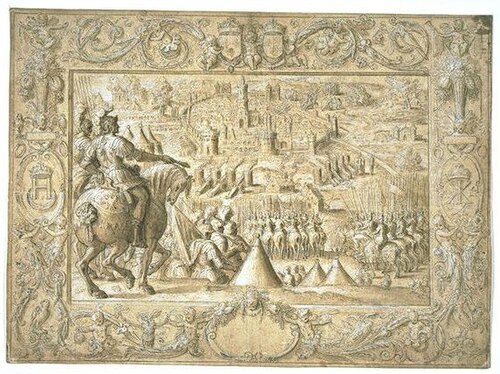
Guise was flush with victory after his triumph at Metz, and had gained great esteem in the eyes of the king for his performance. Upon his return the king kissed him, and addressed him as brother. Montmorency was infuriated by this favour shown to his rivals.[8]
Northern campaign of 1553
After the embarrassing defeat at Thérouanne in 1553 a large royal army was raised for a counter offensive against the Imperials. Montmorency was in part blamed for the failures at Thérouanne, as his eldest son had been the commander in the town. His son was therefore now in captivity. For his part, Montmorency was critiqued for failing to follow up the victory at Metz with a decisive blow against the Imperials in Flanders.[317] Montmorency and the king jointly took charge of raising a force totalling 42,000 men. After the Emperor had razed Thérouanne to the ground he moved on Hesdin. Montmorency still raising his force dispatched 2,000 men under Marshal Bouillon to hold the town. Though Bouillon was able to establish himself in the Château he was bombarded from all sides and soon forced to submit on 18 July.[336] Montmorency and the royal force now set out towards Doullens and were able to relieve the siege of the town.[337] Opposite them stood an Imperial force of roughly equal number.[338] Arriving near Corbie Henri inspected his forces, which alongside Montmorency boasted many of the realm's princes.[339] The force under Montmorency would devastate Bapaume and much of the surrounding countryside and inconclusive struggles in Luxembourg. The Papal Nuncio who joined Montmorency for the campaign pled with him to be merciful, but Montmorency informed him that it was necessary to execute their revenge. The Nuncio estimated around 2,000 villages were burned down.[340] Arriving at Cambrai, which had like Metz been promised as neutral Montmorency demanded they open their doors and supply his army. The inhabitants, well remembering Metz refused and therefore Montmorency began a bombardment, which lasted only six days before the army decided to move on.[341] Montmorency would become seriously ill during the campaign, and it would ultimately be cut short. Indeed it was suspected by many that he was going to die in September 1553.[342][337] Bad weather and the lateness of the season without any success contributed to the campaign's end.[341]
Languedoc

Despite holding the office of governor of Languedoc, Montmorency rarely visited the province, as such there was something of a power vacuum in the region.[343] He held little in the way of territory in Languedoc, with only the seigneuries of Florac, Bagnols and Pézenas to his name in the province. Montmorency's attentions were either devoted to political influence at the centre of power or occupied on campaign. This absence from Languedoc was true even in his period of exclusion from power between 1559 and 1562.[11]
The lieutenant-general of Languedoc during his governorship, Joyeuse was as rigidly Catholic as Montmorency, as was the town governor of Narbonne Raimond de Beccarie whose charge was important in the province.[11] Joyeuse had been named lieutenant-general of the province in 1561 at Montmorency's request and his father (a former governor of Narbonne) had been a client of Montmorency's since 1548.[344]
Northern campaign of 1554
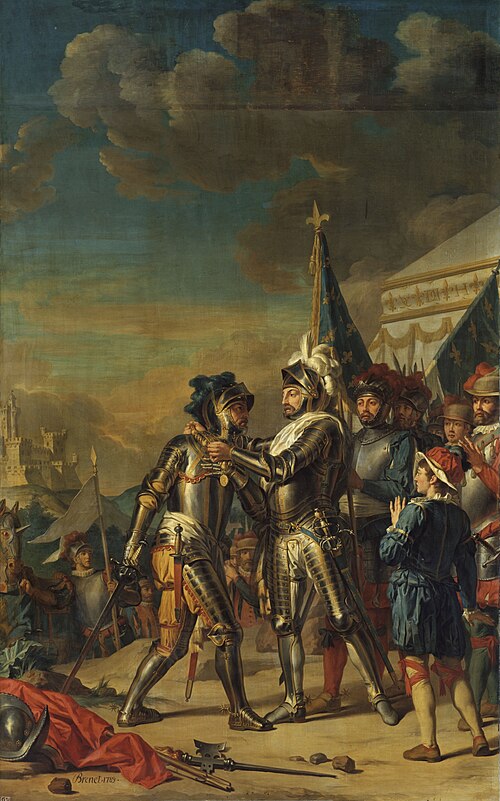
In 1554 the French army again campaigned in the north, with the army divided into three columns, one under Montmorency while the others were under the duc de Nevers and the prince de La Roche-sur-Yon. La Roche-sur-Yon entered Artois burning as he went while Montmorency took the left bank of the Meuse and Nevers the right. On 28 June 1554 after a siege Montmorency secured Mariembourg (renamed Henrimbourg by the victors), where he received the king a few days later. After briefly uniting with the force under Nevers, Montmorency's army stormed Bouvignes with the garrison of 800 massacred.[345][342] The army continued its push towards Bruxelles and carved a path of burned suburbs and destroyed villages all the way to Crèvecœur-sur-l'Escaut where the force under La Roche-sur-Yon joined the royal army. Montmorency and the king decided to devote the entire royal army to the siege of Renty. However by now the entire Imperial army of 45,000 was in the area.[346] Guise and Coligny, in charge of a small party of 300 were able to turn back the Imperial vanguard, however Montmorency did little to exploit this success and Renty would remain untaken.[347] After Renty, the king decided to retreat the army back to France.[348]
Montmorency's responsibilities for the direction of the army became a great burden for him and he was accused of limiting the pursuit of the Imperial army after the battle of Renty so as to deprive Guise of an opportunity for glory.[349] The Venetian ambassador held him responsible for the failure of the campaign to take Bruxelles.[348] His overall approach to the campaign had been cautious, which became the subject of criticism. It was alleged he was more interested in securing the ransom of his son than the prosecution of the campaign.[350] In both court and the town squares of France Latin verses were composed decrying him as a coward.[351]
Man of peace

Contemporaries to the reign of Henri believed that the prime mover in appointments to bishoprics during this period was the Cardinal de Lorraine, who it was said was present whenever candidates to become bishop were read before the king for his approval or disapproval. His influence over the process was not however total, and Montmorency and Diane de Poitiers both exerted their own influence on ecclesiastical elections against Lorraine.[352] For example, the archbishop of Arles, Jacques du Broullat was Montmorency's relative.[353] Even if Montmorency did not enjoy anything like total influence over ecclesiastical appointments, there were bishops among those whom he exerted influence to protect. For example, when François de Dinteville, the bishop of Auxerre was accused of having attempted to poison the king's son, Montmorency secured the dropping of the charges against him.[354]
As a testament to the great influence Montmorency enjoyed, he was made godfather of Henri's youngest son the duc d'Alençon after his birth in 1555.[355]
The Île de France was increasingly a territory of the Montmorency family. As a reflection of this, Montmorency was able to secure the governorship of the province for his son François upon such time as he was released from imperial captivity.[356] The appointment of his eldest son to the office also reflected the upcoming marriage between him and the king's bastard Diane de France.[27] At the same time, Coligny became governor of Picardy.[357] With this region as his 'fief', Montmorency was greatly aggrieved when in 1555 the Lorraines acquired the comté de Nanteuil (a days ride from Paris) for 260,000 livres. In response to this intrusion on his domain, Montmorency would devote the next several years to frenetic land purchases in the Île de France. The two families' rivalry would come to a head over the comté de Dammartin. The last holder Françoise d'Anjou had died, and her succession was disputed between two heirs. Montmorency purchased the rights to the comté from one of the claimants for 192,000 livres in 1554; five years later the Guise bought out the other claimant for 200,000 livres. To achieve this, the Lorraines had to convince Boulainvilliers to rescind the contract he had made with Montmorency.[358] The dispute between the two grandees for possession of this (relatively poor - possessing revenues of only around 5000 livres per annum) fiefdom would continue until 1572.[359] At times the hatred generated between the two families over Dammartin was anticipated to bring the two families into civil war.[360]
Negotiation efforts
The Papal Nuncio Prospero Santacroce was keen to secure a peace between France and the Empire, so that both kingdoms might focus their attention on the 'true threats to Christendom', the Osmanlı İmparatorluğu (Ottoman Empire). He proposed that each side retain what they held, arguing that this was in France's interest, as they currently possessed Metz. Montmorency therefore alongside Lorraine and the secretary de Laubespine met with the Pope in early 1555 in a searching effort for an agreeable peace.[361] During May 1555 peace talks were conducted at Marcq, however the French were unable to tolerate the demands of the Imperial side to vacate Piedmont, Montferrat, Metz, Toul, Verdun and Corsica in return for very few concessions from the Emperor and therefore talks broke down. The talks were further sabotaged by French gains in Italy, which lessened the interest of the crown in attaining peace.[362] Montmorency had little to gain by the continuation of the war, with both a son and nephew in captivity (not to mention his son-in-law Turenne and brother-in-law Villars), and much to lose.[363] However Guise and the Lorraines' interests were much more closely tied to the prosecution of the war.[364] With the death of Pope Julius, a new pope, Paul IV who was far more anti-Imperial, pushed for an alliance with France against the Neapolitans. Montmorency was frustrated by the efforts that were needed to stop the Pope inflaming the war.[365]
Truce of Vaucelles
The failure of Piero Strozzi to defend Siena, which fell to Imperial forces on 12 April 1555 contributed to the push for peace.[366][367] In negotiations with Cardinal de Granvelle in May Montmorency's strident desire for peace was apparent. More embarrassingly for the Constable, his admiration for the Emperor was also on display. In a notable incident when he praised the Emperor as a man who 'knew what is what', Lorraine turned to Montmorency who reddened and added 'after my master [Henri]'.[368] Despite his passion for peace, Montmorency was not willing to concede to all the Imperial demands and long discussions were held concerning Metz, Milan, Boulogne, Naples, Flanders and Burgundy. Ultimately the election of the pro-French Pope put an end to the talks for the time.[369]
At the French court, opinion was sharply divided between the Lorraine brothers, who saw advantage in continuing the fight in Italy, and Montmorency who saw it as an expensive liability (indeed the crown had already sunk 45,000,000 couronnes into the conflict by 1556).[370] Montmorency disapproved of what he saw as 'adventurism' from the Lorraine brothers.[371][366] France's ambassador to the Papal States, Avanson, was persuaded to negotiate France into a military alliance with the new Pope in October 1555, even before negotiators of proper rank arrived. This alliance was aimed at the Spanish control of Naples. When Cardinal de Tournon and Lorraine arrived in December 1555 they endorsed Avanson's agreement in a slightly modified version.[372] Henri was to assist the Pope in liberating Naples.[366][373]

In October 1555, the Emperor began the process of his abdications, ceding control of first the Netherlands and then Spain to his son Philip. This process was useful to the resumption of peace talks, as much of Henri's hatred of the Imperial camp was personally directed at the Emperor Charles, and he had less personal animosity towards Philip.[369] Negotiations opened, at first on the more specific issue of ransoms for the imprisoned nobility, before they expanded in December to a more extensive conference. As it remained nominally only a discussion of ransoms, Montmorency's nephew Coligny led the talks for the French. He considered withdrawing in late January 1556, but Montmorency's desire for peace ensured the conference continued.[374]
Montmorency ultimately arranged for the Truce of Vaucelles to be signed on 5 February 1556 between France, the Empire and Spain. This had the advantage of helping him with negotiating the release of his son François from his captivity.[373] Meanwhile for the Emperor it allowed him to conduct the formalities of his abdication.[375] The truce declared that there would be a five year truce between France and Philip II, who was elevated to kingship in Spain.[366] It was further declared that neither side would build any further fortifications.[376] The truce was a considerable victory for the French, allowing the king to keep control of Metz, Toul, Verdun, all the places captured in Luxembourg, Hainaut and Flanders between 1552 and 1555; their control of Piedmont, Montferrat and Corsica.[375]
For his leadership in the movement towards peace, he was subject to increasing scorn from public opinion.[377] He was accused of being fearful that if war was allowed to continue he would be supplanted in the royal favour by more aggressive captains such as Guise, Vielleville, Monluc and Brissac. De Crue, Montmorency's biographer, finds this attitude short-sighted and highlights Montmorency's skill at ensuring the army remained supplied and his determination to preserve the stability of the monarchy.[378] More personal scorn was directed at Montmorency by the Lorraine brothers for the undermining of the work they were undertaking with the Papacy.[379]
Alongside his nephew Coligny the governor of Picardy, Montmorency worked to ensure that vigilance was maintained on the north eastern border of the kingdom. Montmorency ordered engineers to overhaul the fortifications of the Haute Somme.[380]
Raising ransom
The Constable was distraught to learn of the escape from French captivity of the duke of Aarschot. Not only a violation of his word of honour, Montmorency had hoped that Aarschot's ransom would constitute the majority of the sum that would see his son released from Imperial captivity. An event which had not yet happened due to continued negotiations over the size of the ransom. Montmorency and Henri threatened to void the truce if an agreeable ransom was not agreed. The Venetian ambassador recognised this as a bluff, as the captivity of his son had brought Montmorency to the peace table in the first place.[381] Montmorency would opine that he was aware the Imperials were preparing for war, but that they would find the French ready to meet them on the field. With Montmorency for war, Lorraine advocated peace, arguing that they could not disrupt the peace of 'Christendom'. When a truce of 50,000 écus was finally set for his son's ransom on 25 July 1556, Montmorency reverted to his pacific posture.[382]
Henri's Italian campaign
In the end, the Truce of Vaucelles would not last its intended five years, being violated in September 1556, with the war therefore reopening at this time. When the Pope had learned of the truce of Vaucelles he was furious, and while it would have been improper for him to denounce it formally, his scorn was open. He put pressure on Henri to break it and despite the urgings of the French ambassador, succeeded in provoking the duke of Alba to invade Papal territory, thereby persuading Henri to void his adherence to the truce.[378][376] Against the Lorraines Montmorency condemned the drive back to war to the king.[383] At council, Montmorency argued that Alba had not violated the truce and that he should content himself to support the Pope monetarily, Guise and Brissac meanwhile argued that the king's honour was at stake if he did not defend the Pope.[384] Though the royal council was deadlocked on renouncing the truce for sometime, the king was able to convince Montmorency that by supporting the Pope he was not violating his agreement with Spain. Nevertheless Montmorency remarked that they would "ride across the Alps but come back on foot".[385] On 28 September Henri committed to an Italian expedition.[384]
The duke of Ferrara would not play ball with the campaign plan established by the French, which required his financial support. Montmorency jumped on the opposition to try and convince Henri to cancel the campaign, but to no avail.[384] Despite the campaign into Italy, the truce of Vaucelles remained technically in force. On 6 January 1557 Montmorency's nephew Coligny launched a surprise attack on Douai.[386] In the wake of this debacle, Montmorency tried to ensure the event would remain a local embarrassment as opposed to the beginning of a broader campaign. However, when Henri learned (wrongly) that Venice was about to ally with France, a formal declaration of war was exchanged with Spain on 31 January 1557.[387]
Persecution of the Protestants

The growth of Protestantism, under the stewardship of the queen of Navarre (who had affiliated with Protestantism since 1557) in Béarn was a cause of great concern for Montmorency. In the hopes of combatting the 'heresy', he dispatched his militantly Catholic[388] lieutenant Cardinal d'Armagnac from his position in Toulouse to 'restore ecclesiastical discipline'.[389] These efforts would however come to little, and in July 1561, the queen of Navarre legalised Protestantism and outlawed Catholicism in her territories.[390]
By the means of the Edict of Compiègne in July 1557 the inquisition was established in France. The edict called for three 'inquisitors' to run the proceedings. A man from each of the three leading families of the kingdom was selected for the role; Cardinal de Lorraine for the Lorraine family, Cardinal de Châtillon for the Montmorency and Cardinal de Bourbon for the Bourbons.[391] By this time Châtillon's Protestant sympathies were already suspected, making his inclusion a subject of historical curiosity. Romier explains his inclusion as a political necessity, as Montmorency would never tolerate being excluded from such an important method by which to enhance his authority, which would be left in the hands of Lorraine.[392]
Guise was charged with leading a campaign into Italy in support of the Pope in 1557. The campaign was a disaster, with the Spanish refusing to engage his force, allowing attrition and poor supplies to eat away at the strength of the French. At court, Lorraine complained in letters to his brother that he had to spend every hour of the day with the king if he was to have any hope of stopping Montmorency from getting the king to agree with his position that the invasion was a terrible idea.[393]
Disaster at Saint-Quentin

The king was increasingly conscious that the next Imperial thrust might come from the north, and this was only furthered by the new state of war with England. To this end, he replaced Navarre (formerely the duc de Vendôme prior to the death of the old king in 1555) as commander of the northern frontier army with Montmorency in May 1557.[394]
While the duc de Guise was fighting in Italy, a Spanish army led by the duke of Savoy, first cousin of Henri invaded France from the Spanish Netherlands. They first made a feint towards the east, suggesting they were to attack Marienburg before pivoting towards Saint-Quentin in Picardy. The town was initially poorly defended, but the small garrison happened to be reinforced by a passing company of the dauphins lances. This provided time for Montmorency to dispatch Coligny with 300 men-at-arms and two infantry companies to reinforce the town.[395] They were able to slip in before the siege lines were sealed.[396] Montmorency was charged with leading an army to relieve the town, the king having informed his favourite that he was angry better provisions had not been made for its defence.[397] With several attempts failed at introducing troops into the besieged town, Montmorency prepared to withdraw, his army outnumbered considerably, however his order came late, and by then the besieging army was able to bring him to battle before he could reach the woods.[396] Therefore on 10 August he was handed a crushing defeat by the duke in front of Saint-Quentin. His army attempted to extract itself to the east of the city, but upon entering a plateau with his cavalry routed, the infantry was bombarded relentlessly for four hours. Only some small portions of the army under Condé and Nevers were able to withdraw to La Fère.[398] During the combat 6000 Frenchmen were killed, and around 600 French nobles were taken prisoner, including, the duc de Montpensier, Marshal Saint-André, Montmorency himself and his fourth son the sieur de Montbéron.[44] It was the first total defeat for the French army since Pavia. While there were fewer French casualties than at Pavia, the battle was at a far more dangerous location for France.[399][400]
The destruction of Montmorency's army was a disaster for France. Henri lacked present troops, generals, and supplies.[401] The remaining intact French forces were largely occupied far away in Italy. Therefore the capital was in theory open to attack from the Spanish. In the climate of panic some Parisians turned on their Protestant neighbours, besieging a secret Protestant service that was taking place at the rue Saint-Jacques.[402] At court, bitter recriminations were levelled against Montmorency for his incompetence.[403] In a couplet that spread throughout the kingdom it was noted that the people 'excused Henri, and cursed Montmorency'.[404]
While France descended into fearful panic with the loss of Montmorency's army, the town of Saint-Quentin was able to hold out long enough for the king to hurriedly recall Guise from Italy, and invest him with the authority of lieutenant-general of the kingdom, granting him general command of the kingdom for the emergency.[44] Guise's brother Lorraine took up a position approximating Montmorency's domestic responsibilities.[405] With the fall of Saint-Quentin on 27 August, another of Montmorency's relatives, his nephew Coligny fell into Spanish hands. During his imprisonment he would convert to Protestantism.[406][402] Having taken Saint-Quentin, the Spanish decided against a thrust towards the largely undefended Paris, and moved on to sacking other Picard towns, among them Ham, Le Catelet, Noyon and Chauny.[400]
Captivity
Guise, now lieutenant-general of the kingdom, assembled a new army at Compiègne and was able to drive the Spanish from the kingdom.[400]
Montmorency's imprisonment caused great anguish for the king, who began to send out peace feelers in the hope of quickly securing his return to the court.[406] Alongside his desire to be reunited with his favourite, he was increasingly cautious about leaving the Lorraine family to have unchecked pre-eminence in his court without Montmorency as a counterweight. He was also concerned that he could no longer finance the war.[230] Meanwhile, with Guise ascendant in Montmorency's absence, the duc secured the capture of Calais from England in January 1558, bringing the city that had been in English hands for 200 years back into the control of the French crown.[407] By this means Guise made his name as 'the greatest captain in France'.[400] According to later testimony by Coligny, the Lorraine government showed considerable hostility to the captive Constable.[408]

With Montmorency's influence in the kingdom therefore weakened, some of his clients broke away from him and became clients of the Lorraine family. One such noble who was sensitive to the way the wind was blowing was the governor of Berry La Châtre who had long been in Montmorency's sphere.[409]
At first, Montmorency was transported by the victorious army to Saint-Omer, and from there he was moved to Ghent. In the initial reports that reached the king, it was said that he had died. However, when Henri learnt that Montmorency was in fact alive, but badly injured, he hurried to despatch the famed surgeon Ambroise Paré to him, though his captors refused to allow this. Several of the king's doctors were allowed to see him while he was staying in Enghein, and he began to heal.[410] From his captivity in Ghent, Montmorency was not sitting idly. Hoping to facilitate a peace, Montmorency established marriage proposals aimed at sealing a deal - in one match up, the daughter of the king Elisabeth de Valois would marry Philip of Spain's son Don Carlos and in another the dauphin would marry Philip's widowed sister the princess of Portugal. This second arrangement would have the advantage to Montmorency of avoiding a proximate relationship between the dauphin and his rivals the Lorraine brothers. For a while the king listened to Montmorency, and agreed to postpone his ascent to the marriage.[411] However, with Guise's victory at Calais, the marriage of his niece to the dauphin was committed to by the king, and the ceremony celebrated on 24 April.[412] At the top table during the wedding meal, the Montmorency family were thin on the ground. Only Montmorency's nephew Cardinal de Châtillon was there to represent the family at this key marriage.[413] For the celebrations, Guise possessed the staff of the Grand Maître during Montmorency's absence.[414]
In an assertion of their ascendency, the Lorraine family moved against Montmorency's nephew Andelot in May 1558, overseeing his arrest on charge of heresy. Andelot had been working as a negotiator for the peace accords with Spain and it was the Spanish who tipped off the Lorraine brothers to this opportunity.[415] He would not be in captivity for long, and by July Montmorency had already secured his release, with Lorraine being forced to admit that the information he had been provided was intended to dupe him into falsely accusing Andelot.[416] Henri was increasingly uneasy with their power, as was the Lorraine family's former patron Diane.[417] Diane took this moment to realign herself towards Montmorency, and arranged a marriage between her granddaughter and the duc de Montmorency's second son Damville. She had grown weary of the Lorraine brothers, who now had no need of her in their time of ascendency.[418][419] The marriage would take place at Montmorency's château de Chantilly in January 1559, with Montmorency inviting the king and the queen to attend. Montmorency and Diane would dine together every evening in January as a reflection of their new political accord.[420]
The king was frustrated by the obstinacy Guise showed towards continuing the war, and the need to be reunited with Montmorency which Guise was thereby denying him.[421] In reflection of his increasing distaste for the duc de Guise, when Guise requested the office of Grand Maître be transferred to him from Montmorency in late 1558 as a further reward for his victory at Calais, the king refused. Guise seeing the way the wind was blowing, departed court in frustration on 1 December.[419]
In light of the great wealth of Montmorency, and his importance to the king, Savoy set his ransom at a great amount, 600,000 livres.[86] The first instalment of Montmorency's huge ransom was paid in late 1558, and therefore he was released from the duke of Savoy's captivity.[422] Montmorency was released from captivity for two days on 10 October on Philip's instruction in the hopes his presence would break the king's resolve to continue the war. Waiting impatiently for his favourite, Henri eventually resolved to ride out and meet him. He found the Constable alone on the road, and after a long embrace the two travelled back to Amiens. They spent every minute of the following two days together, with Montmorency sleeping in the king's chamber.[423] Montmorency complained to the king of the ambition of the Lorraines, with the king adding his own complaints about them onto his, upon receiving word of their discussions, Guise was so dispirited that he departed court to go and hunt at one of his châteaux.[423] After leaving back to captivity, Henri wrote to his favourite "Nothing in the world can turn me from the love I have for you".[416] It would indeed be the renewal of the king's affections for him that were the prime result of his paroled release, with little immediate developments towards peace.[424]
Return to power
With the 200,000 couronnes required for the first instalment of his ransom paid, Montmorency again returned to the centre of political power. A thousand riders came out to meet him as he travelled back to Paris in December.[86] He arrived at court in Saint-Germain on 21 December 1558, and set about re-establishing his dominance over the court in just the way it had been prior to his capture.[425] That same day Lorraine returned his signet ring that he had received from the king back in 1557. Henri asked the Cardinal why he and Guise had stopped attending council, to which Lorraine replied that "he [Lorraine] did not wish to pass as Montmorency's valet".[416] With his return, Guise's authority as lieutenant-general of the kingdom was cancelled. Henri also promised Montmorency that his eldest son would inherit his office of Grand Maître upon his death.[426][427][420] Guise was however able to delay this from coming to pass, and the appointment of Montmorency's second son Damville as a Marshal.[428] Around Christmas in court the situation was explosive and matters almost came to blows in the halls of Saint-Germain. On 24 December Guise asked two courtiers to secretly watch him, and then challenged Montmorency's eldest son to a duel over a slight (likely the matter of his having blamed Guise for failing to get Papal dispensation to annul his secret marriage). Montmorency's son swore to the duc that he had done nothing to dishonour him and then departed to inform Montmorency and the king. Henri was unsettled by the episode, but Montmorency laughed it off.[429][426][430] In the wake of this, those opposed to the influence of his relatives retreated. For example Blaise de Monluc who had usurped the position of colonel-general of the infantry in the Constable's absence, resigned the charge in favour of Montmorency's nephew François de Coligny d'Andelot.[431] In Picardy, Coligny returned to his charge as governor and was now joined by Andelot as his lieutenant-general.[432] At liberty, Montmorency continued to work for peace. This did not mean he was blind to the considerations of the war however, should peace fail, and he oversaw the fortification of Péronne and incited Süleyman into attacking the Empire, so that the Emperor would not be in a position to seek the return of the three bishoprics.[422][428]
Treaty of Cateau-Cambrésis

As early as July 1558, Saint-André and Montmorency, both captives, had a conference at Oudernarde at which they agreed on the importance of securing a peace. With their discussions finalised, Saint-André went to the princ van Oranj (prince of Oranj) to inform him that the king wished to negotiate a settlement with Spain.[421] Both Montmorency and Saint-André conducted negotiations with their captors through September, alongside the secretary L'Aubespine, hosting some of the talks in their chambers.[421] A formal conference for the end of the war was begun at Cercamp on 8 October 1558 while Montmorency was still in captivity. The peace talks were impeded by the extent of the Habsburg demands; the French were to cede Piedmont, Calais, Corsica, Luxembourg and any other Italian possessions.[433] Montmorency protested the ceding of Piedmont, arguing that this Italian territory should be left with France, however the Spanish countered that the mountains were the natural border that should be abided by. Lorraine was able to convince Montmorency of the necessity of jettisoning Piedmont.[434] Initially these demands were viewed as too much, and the conference was at risk of breaking up. However Montmorency, keenly aware the collapse of the peace talks would mean his return to captivity, persuaded the king to continue the negotiations. In this he was supported by a new ally, the king's mistress Diane. In a stormy council meeting on 15 November, Henri announced that he was determined to make peace, even if it involved ceding almost all of these French conquests in Italy.[435] Henri informed the council that he had called them, not to debate the proposal but merely to inform them of his decision, only Archbishop of Vienne objected to the king in the meeting, but he was told to be quiet.[436]
Catherine and other courtiers were horrified at this conciliatory approach, and implored Henri not to cede French Italian possessions. Henri had indeed promised Guise personally that French Piedmont would not be given away at the peace table.[437] On 30 November 1558, Guise told the king that he would rather his head be cut off than admit the treaty proposals were honourable.[438] He sought to publicly embarrass the king by publicly reminding him of his promise to transfer the office of Grand Maître to him.[425] The captains such as Brissac and Monluc were also disgusted by the 'betrayal of their military sacrifices'.[439] Monluc would later write that Montmorency and Saint-André were the prime reasons why the king established the peace, but that he did not blame them for the misfortunes of the peace and that which followed, as they too were victims of the troubles that were to follow.[440] Montmorency was blamed by the war party for convincing the king of this approach, but Henri defended his favourite, arguing to Catherine that the wrongdoer was not Montmorency, who had always acted properly but rather those who had pushed for the resumption of the war after the truce of Vaucelles had been negotiated in the first place.[441][438]
On 2 November 1558 Montmorency, Lorraine and Saint-André departed from the negotiations to meet with the king at Beauvais. Henri was overjoyed to see the Constable again. The Lorraine brothers later alleged that it was at this time that the two men entered into a secret agreement for the terms of the peace.[442] Montmorency returned to the talks on 7 November, and therefore a second session began that day which would last until the end of the month.[434] In the second session the matter of the parties' allies was considered, for France the kingdom of Navarre, for Spain the duchy of Savoy. The claims of the king of Navarre to Spanish Navarre were abandoned. Matters then turned to England, with the Spanish and English delegation demanding the return of Calais to English control. Lorraine could not countenance this, and although it was the conquest of his political rival, Montmorency's loyalty to France would not allow him to support handing over Calais either. On 30 November negotiations were adjourned for 6 weeks, in part so Montmorency and Saint-André could sort out their ransoms.[443]

Towards the establishment of the peace, Montmorency ordered Brissac to dismantle French fortifications that were present in Piedmont and Montferrat. Brissac greatly resented the order, but complied with what was asked, he further dismissed 12,000 soldiers under his command. The soldiers therefore likewise felt betrayed by the peace.[444]
Upon the resumption of the talks, they were moved to Cateau-Cambrésis, viewed as a more convenient and comfortable location. Montmorency, Saint-André and Lorraine arrived for their resumption on 6 February 1559.[428] By now there was a new queen in England, and Elizabeth proved far more conciliatory as concerned the fate of Calais.[445] Nevertheless discussions became very heated, and Montmorency advised Henri to make the appearance of preparing for war to ensure that they got the peace they hoped for through the recruiting of new captains. The issue of Calais was finally cracked on 12 March. The French determined that it was necessary to treat England and Spain as separate peace treaties to progress.[250] For Calais, France agreed to either return the city to England within 8 years, or failing that provide compensation to England of 500,000 couronnes d'or (golden crowns). England would forfeit its rights to Calais or compensation if they committed aggression against Scotland or France.[446][447]

On 4 April 1559 the Peace of Cateau-Cambrésis was signed, it constituted two separate peace treaties, one between France and Spain, the other between France and England. France would maintain Calais, the Three Bishoprics (Metz, Toul and Verdun), Saluzzo and several towns in the Piedmont, but return all other conquests. Philip for his part would return to France Ham, Saint-Quentin, Thérouanne and Catelet.[448] Philip II agreed to marry Elisabeth de Valois, a similar arrangement to the one proposed by Montmorency in early November.[449] The peace was bitterly resented by the majority of French military captains.[441] The queen of Navarre had written to Montmorency in November urging him to represent her husband's claims to Spanish occupied southern Navarre, however this would not form part of the peace settlement.[450] The finalisation of the specific terms of Montmorency's ransom payments also formed a component of the peace.[451]
Concord with England
With peace now established, Montmorency worked to push friendship with England. At this time the great hostages France had agreed to provide England as part of the treaty arrived in London, while the English hostages were received with great pageantry by Henri.[452] For the release of common prisoners of war, imprisoned in the galleys of their enemies, Montmorency signed a separate convention with the duke of Alba by which the French released the Spanish captives in their possession and the Spanish did likewise for the French. The only monetary compensation demanded for the common soldiers was for the cost of their food during captivity, therefore France paid Spain around 30,000 couronnes. Instead of providing the sum in cash, Henri released 9 Spanish captains of value without ransom.[453]
War on heresy
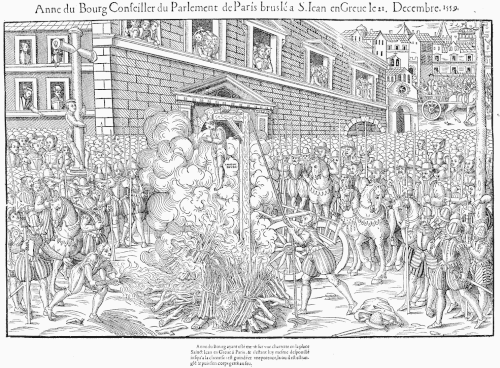
On 10 June 1559, Henri decided to visit the Paris Parlement to observe the Parlementaires in session. He was inspecting the body at the urgings of radical Catholic deputies who had warned him that the court was filled with Protestants who wanted to strip him of the authority of his kingship. His visit would be one of the most important in the history of the Parlement, and he was accompanied for the occasion by Montmorency and the Lorraine brothers.[454] In the session that followed, several deputies, including one Anne du Bourg voiced opinions that bordered on lèse majesté (defamation to the dignity of the king), and Henri was unable to tolerate what was said particularly in light of fact it was done in the presence of his favourites.[455] As a result eight Parlementaires were arrested, Henri commanding Montmorency to arrest them despite the traditional protections of their office, with Anne du Bourg being burned at the stake in December 1559.[456][457]
At this time the king was determined to reinforce his measures against heresy. While with Montmorency at his Château d'Écouen a new edict was formulated to stiffen the persecution. This edict came at a time when Montmorency was ascendant at court.[391]
Fall
Death of the king

On 30 June 1559, Henri was participating in a tournament to celebrate the recently signed peace. In a joust with the comte de Montgommery, captain of his Scots Guard his opponents lance pierced his visor, with a shard of wood embedding itself in his eye. Montmorency and Tavannes rushed forward, holding the king in their arms before they carried him to the Palais des Tournelles with the assistance of Guise, Condé and Martigues.[458] In the following days Henri slowly and agonisingly died while attended to by the greatest doctors of the age. During his periods of unconsciousness Catherine ensured Montmorency was kept away from the king, but when he was conscious he was able to call for Montmorency to be with him.[459] Guise began discussing a potential indictement of Montmorency on the grounds of failing to fasten Henri's visor properly.[460] The Constable was agitated, and brought the body of a man murdered in Paris to the court so that the effects of Henri's wounds could be analysed on the skull. After experimenting on the corpse the physician concluded that Henri's wound would not be fatal but that he might lose an eye. Montmorency reported optimistically to the English ambassador that the king was on the mend.[461][460] Henri's condition then took a turn for the worse as blood poisoning set in.[462] Ultimately Montmorency began preparations for what was to come in the reign of Henri's son, and to this end entered contact with the king of Navarre to unite their political interests.[463]
In his capacity as Grand Maître Montmorency had an important role to play in the events that followed the king's death, bringing 48 monks into the mortuary chamber to perform their chants.[464]
Palace revolution of the Lorraine brothers

With Henri dead, the Lorraine family wasted little time in seizing the opportunity of their close proximity to the new king. Montmorency was unavoidably occupied with his responsibilities to guard the body of the late king, and remained with the body at the Hôtel des Tournelles alongside Saint-André while the court generally departed to the Louvre.[465] Therefore Guise and Lorraine occupied the Louvre palace which had in the reign of Henri been reserved for the usage of Montmorency and the king's mistress, in so doing they took possession of the young king. Catherine served as the Lorraine families ally in these moves against Montmorency and Diane as she despised both figures.[466] Her hatred of Montmorency derived from his détente with Diane and his alleged description of her as a mere 'merchants daughter'.[467] She also despised the peace of Cateau-Cambrésis, which had destroyed the French position in Italy, and held him to be the peace's architect.[20] Montmorency's apartments were taken by the duc de Guise, while Jacques d'Humières took over Saint-André's, and Lorraine usurped Diane's.[468]
At the funeral of the king at Saint-Denis the effigy which had adorned the coffin was removed and the corpse lowered into the pit. The great officers of state then all threw their batons into the hole on top of the coffin. Montmorency had the responsibility to cry the (traditional since 1515) declaration "The king is dead. Long live king François, second of his name, by the grace of God most Christian king of France". The duc de Guise then raised the royal standard, as he assumed the role of grand Chambellan for the purpose of the ceremony.[469]
The Lorraines furthered this palace revolution with an assertion of control over the military, church and the kingdoms finances.[470] Montmorency was informed of this on 11 July 1559 when the king told him, that it was his wish going forward for Guise to handle his kingdoms military affairs, and Lorraine to handle the kingdoms financial situation.[471] Montmorency was told by the king that his presence at court was un-necessary.[472] François had long held a distaste for Montmorency, who his father had compelled him to respect with the address of compère.[462] Andelot was again dispossessed of the charge of colonel-general, this time in favour of the vicomte de Martigues.[473] The specifics of the administration was however to be left to the secretaries to execute, a marked departure from the hands on administration Montmorency had preferred during his ascendency.[474] Only several days into the young boys reigns, ambassadors were reporting home on the ascendency of the Lorraine family over the crown.[465] The young king's mother initially endorsed this arrangement, and went along with the dismissal of Montmorency and the Bourbon princes from power.[475]
Montmorency wrote urgent appeals to Navarre to come to court so they could present a united from against the Lorraine administration, however Navarre stalled. Navarre did not feel prepared to confront the power of the Lorraine brothers, and had sour memories of how little Montmorency had done to advance the territorial interests of his kingdom during the negotiations of Cateau-Cambrésis.[476] Indeed, Montmorency had rarely acknowledged him during the reign of Henri and therefore in Navarre's eyes there was a probability that this was some form of trap.[477] However, according to Navarre's wife Jeanne, Montmorency had shown friendship to Navarre during the 1550s.[221]
Eventually however he agreed and began marching north alongside his brother the prince de Condé. Montmorency dispatched a secretary to meet with the princes, and his three nephews were also present to meet them in a conference that transpired in early August at Vendôme. Aside from their collective opposition to the Lorraine government, the assembled grandees could agree on little.[478] The only product of the meeting was an agreement for an end to the feud between the Montmorency and the Bourbon-Montpensier family, which had been ongoing for a decade.[479] Having accomplished little, Navarre proceeded on to court, arriving on 18 August 1559, where he did little to assert the opposition's position.[476] Upon his return to his estates in southern France, Navarre affirmed his loyalty to the administration and Catholicism, and was richly rewarded with the addition of Poitou to his governate of Guyenne. Condé for his part was offered the governorship of Picardy to replace Coligny. The chief Bourbon princes were all offered places on the royal council.[473]
As part of the palace revolution, Montmorency was dispossessed of the office of Grand Maître on 17 November 1559, the charge being granted to the duc de Guise, he was further compelled to provide his royal seal to the brothers.[20] By this means Guise gained control of the court.[480][481] The negotiations to remove him from control of this office were predicated on the receipt of the office of Marshal by his eldest son François.[482] His removal from the centre was not however total, he maintained the office of Constable and the charge of governor of Languedoc (neither of which he had remained in control of in his 1540s disgrace).[483] His daughter Louise was granted the abbey of Maubuisson at this time.[20] His partial maintenance in favour represented one aspect of what made the palace revolution of 1559 far less total than that which accompanied Henri's ascent to power in 1547.[484]
Retirement

Left with little access to power at court, Montmorency withdrew from court to his estates.[485] He told the king that he was 'old and tired'.[486] Not a single award made of office at court in 1560 would be to someone with his backing, the Lorraine brothers meanwhile were responsible for 74% of grants.[254]
The new Lorraine administration was cautious in its policy, and did little to rock the boat in terms of the foreign policy Henri and Montmorency had pursued in their final years. The peace with Spain was maintained and efforts continued towards gaining influence over Scotland.[484]
In that year, a promotion to the Ordre de Saint-Michel of eighteen new chevaliers attracted Montmorency's disapproval. It was around this time that receipt of the award began to be considered a degraded and diluted honour.[487]
The new administration of the kingdom was faced with a financial crisis, and responded with a radical program of austerity and repossessions. To this end various parts of the royal domain that had been alienated under the prior two kings were resumed in control by the crown. Therefore Montmorency was deprived of the comté de Beaumont (valued around 50,000 livres) which had been alienated to him in 1527, alongside the seigneuries of Compiègne and Baux.[488]
Conspiracy of Amboise
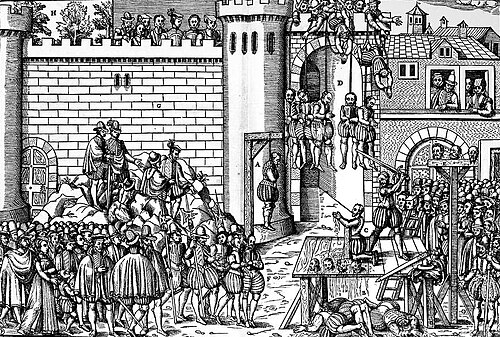
In March 1560 a Protestant conspiracy attempted to seize the king while he was staying at the Château d'Amboise. Despite being frozen out of power, Montmorency would not involve himself in the plot, nor would his three Protestant inclined nephews who during this time stuck to rhetoric to express their opposition to the government. Only his nephew Andelot would express sympathy with the plotters, and protest against their repression.[489] Montmorency and his son François took charge of the security measures to keep Paris from falling to any conspiracy. The gates of the city were shut, guards increased and searches conducted. Any strangers present in the city were to leave within 24 hours unless they could justify their presence. Aside from the capture of a few weapons, little suspicious activity was uncovered by these efforts.[490]
The coup would be unsuccessful, but panic and fear of subsidiary uprisings spread across the kingdom. Condé was suspected of involvement, but denied the charge. The Lorraine family began to imagine the possibility that the Bourbon family had executed the plot in league with the Montmorency. Therefore they had Catherine summon Montmorency's nephews to court. Upon his arrival, Coligny argued that the Lorraine brothers had done a poor job recognising the services Montmorency had rendered to the crown, describing the Constable as victim of an injustice.[491] Montmorency was forced to defend his innocence in front of the Parlement, making a speech in which he denounced the conspiracy, while taking shots at the Lorraine government.[492] In the days that followed the conspiracy, the Lorraine government promulgated a pardon of those who had participated with solely religious motivation to present a petition, thereby differentiating 'heresy' from 'sedition'.[491][493]
As early as June of 1560, Montmorency began to consider the possibility of a reconciliation with the Lorraine government in return for the granting of the comté de Dammartin to him which had been stripped from him in the palace revolution, however for the moment little came of this.[494][495] Baumgartner suggests that Montmorency's lack of interest in joining with his nephews, implies that his retirement was not a source of significant resentment.[496]
On 21 August 1560, the Assembly of Notables that had been convoked by the crown met at Fontainebleau. Montmorency arrived in force for the event, accompanied by his three Châtillon nephews and sons, alongside a broader entourage of 1600 followers of whom 800 were noblemen.[497][498] This large show of strength was intended as a display of his power in the hopes of defending his interests, an illustration to those who thought his days of power were behind him.[499][500] On the third day of the Assembly, his nephew Coligny presented several petitions for the consideration of the Assembly, that argued that temples be granted for Protestant worship. The petitions were unsigned, but Coligny assured the notables that he could attain 10,000 signatures if necessary. The duc de Guise shot back that he could get a million signatures for a counter petition. In the end the Assembly agreed to convoke an Estates General, which was to meet on 10 December, and a religious council which would meet on 20 January 1561.[501]

Condé, increasingly fearful of his position began to consider his options of how to proceed. He wrote to the vidame de Chartres and Montmorency urging both men to provide assistance to him against the Lorraine government. Montmorency rebuffed Condé's advance, while Chartres promised his support against all but the royal family. He was promptly arrested and thrown into the Bastille on 29 August.[502][503]
As testimony implicating Condé in the various disorders that had racked the kingdom in 1560 continued to be received by the Lorraine government of the kingdom, the king ordered all governors to return to their governates, in preparation to mobilise if the Bourbon prince tried to more openly rebel. Montmorency and Guise were excluded from this order, both men allowed to remain at court through the crisis. Condé and his brother Navarre were meanwhile summoned to present themselves at court. On 30 October 1561 the Bourbon princes arrived at court, and Condé was promptly arrested and tried for treason.[504]
Meanwhile at court, Catherine was growing increasingly uneasy with the domination of the government that the Lorraine brothers enjoyed. To this end she reached out to her former enemy Montmorency in September 1561 with a letter expressing considerable friendship, sounding him out to see whether he was someone she could turn to.[505]
Return to power
Death of François II

With the sudden death of the young François II on 5 December 1560, Catherine negotiated an agreement with the king of Navarre by which she secured the regency for her second son (only 10 years old) Charles IX and Navarre became lieutenant-general of the kingdom.[506] By this appointment, Navarre became the overall authority for the military of the kingdom, indeed the queen hoped that his authority would dilute that of the Constable. It indeed transpired that Navarre's authority cut into the prerogatives of the Constable.[507][427][33] Montmorency was also an important element in the new order, and had already been marching on court with a large escort upon having heard word of the young king's illness.[508] At the coronation ceremony, a dispute in precedence developed between the new king's brother the duc d'Orléans (future Henri III) and Montmorency. Montmorency resented that Catherine gave primary precedence to Orléans over the peers of the realm, and refused to abide it.[509]
Navarre quickly tried to exert his newfound authority, and on 5 February 1561 threatened that if Guise was not removed from court that he, Coligny and Montmorency would depart. He further demanded that Guise be forced to surrender the office of Grand Maître through which he held such sway at court. Catherine saw the danger to her position in the move, and acted fast: she got the young king to beg Montmorency not to leave the court, and Montmorency acquiesced.[510][511][512] In the new political arrangement, the court was composed of Catherine, Navarre, Montmorency, Coligny and Cardinal de Châtillon. According to the English ambassador state policy was to be decided by Catherine, Navarre and Montmorency. The Lorraine family and their clients were frozen out of the power they had enjoyed during the reign of François.[513]
Returning to the centre of power, Montmorency also regained the capacity to live in the Louvre, and would do so on a regular basis during the 1560s, despite his possession of grand hôtels in the capital, of which he had around four.[514][33]
Saint-André, who like the Lorraine brothers was alienated from the new administration, set to work turning Montmorency against the Protestant aligned grandees. He succeeded in bringing Montmorency into dispute with his nephew Coligny.[515]
Formation of the 'Triumvirate'
During Easter 1561, there was fear among some French nobles that the royal family itself was about to become Protestant, as it was rumoured that Catherine and her son the king had attended Protestant services. This development alongside the entry into the royal council of the Protestant Condé and his nephew Coligny inspired a great fear from Montmorency as to the direction of the kingdom's religious policy - these figures being greatly associated with the Protestant cause.[516][517]
Resultingly, he reached a détente (known to history as the 'Triumvirate') with his great rival the duc de Guise, and Saint-André and the three agreed to work together for the preservation of Catholicism and the suppression of 'heresy' on 8 April 1561, Easter. The reconciliation between Montmorency and his great enemy Guise was overseen by the aged Cardinal de Tournon.[517] He was driven towards this new alignment by the failure of Catherine to 'properly reward' him for his services to the crown by re-establishing him as the prime courtier upon the death of François, a position which had instead been given to Navarre. Montmorency greatly resented the senior military command granted to the prince which placed Navarre above him.[518][519]
The alliance was a muddled affair, composed of men with wildly different politics, as typified by the inclusion of Cardinal de Tournon, who was Ultramontane in disposition and Montmorency, an ardent Gallican. According to the Spanish ambassador Chantonnay, the duc de Montpensier and comte de Brissac also affiliated with this new axis in French politics. The main unifier of the 'Catholic party' was the failure to be given ascendence at court.[520][519] The Protestants denounced the accord as a 'Triumvirate', comparing the men to Octavian, Antony, and Lepidus, whose arrangement brought about the destruction of the Roman republic and involved the executions of many of their enemies. This name, given by their enemies, has stuck with the accord.[521]
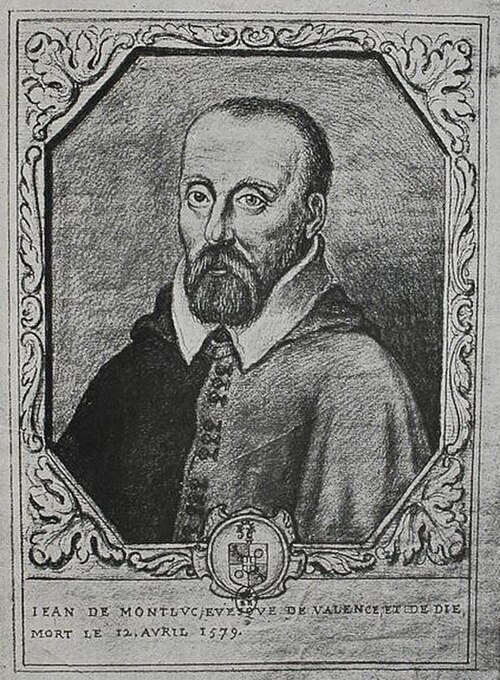
The first manifestation of this new Catholic alliance was seen on Easter Sunday of that year, with Montmorency and Guise learning of who was to deliver the Easter sermon (Jean de Monluc) and mutually agreeing to not attend. Montmorency had particular distaste for Monluc's sermons, which often critiqued the church and Catholic practices such as the cult of images that he cherished. Instead the Catholic grandees went down to the servants' quarter to hear a more conservative mass delivered by an obscure friar. Cardinal de Tournon provided both men their communion and oversaw the kiss of peace between Guise and Montmorency, burying their rivalry.[522][523] To the ends of their alliance, support from the Spanish king Philip II was sought.[506][524]
Opposition to government
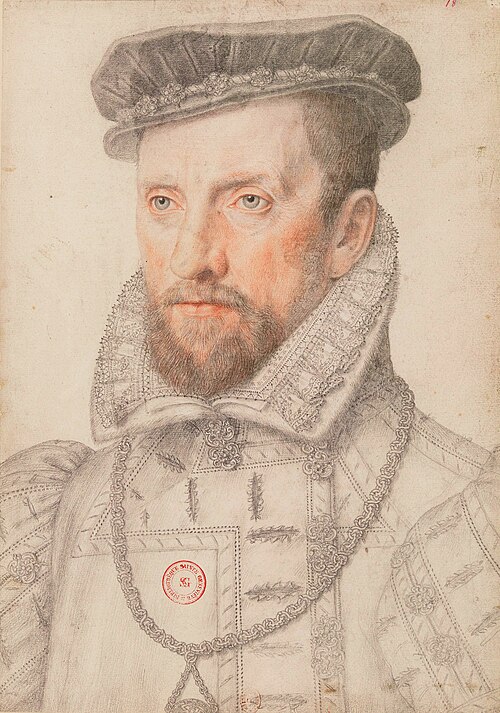
This new political alignment had the effect of pushing Catherine even closer to her Protestant advisers, in the hopes of offering a counterweight to this newly united opposition.[525] Montmorency for his part broke from his nephews in favour of the Lorraine family.[526] Montmorency gave a stern reprimand to Coligny for allowing Protestant preaching in his quarters at court on Palm Sunday.[527] Montmorency's own eldest son Marshal Montmorency tried to dissuade him from his new alliance, arguing that he was discarding long term friends in favour of an alliance with his greatest enemy, however Montmorency was reinforced in his decision by his wife. Madeleine highlighted that Coligny had betrayed Montmorency's interests by pushing forward the interests of Navarre and Protestantism at the expense of the Constable.[518] Shimizu argues that through this new alliance, Montmorency's religious and political convictions usurped his interests in the political advancement of his family.[408]
The Spanish ambassador believed that Montmorency could use his influence with Navarre to preserve him for the Catholic fold.[528]
The rise to power of Catherine caused Montmorency to lose some members of his fidelity network. For example, the rich seigneur de Lanssac (ambassador to Rome, Spain and the Council of Trent) who had territories in the Angoumois, Poitou and Guyenne defected from his service to hers.[529]
Soon after reaching their accord, Montmorency and the Lorraine network departed from court, Montmorency on 7 April then the duc de Guise on 8 April.[530] Saint-André meanwhile was disgraced by Catherine, but refused to depart court for his government of the Lyonnais.[515]
The poor financial state of the kingdom in this period caused some issue for Montmorency, and in 1561 he drew up a list of the various debts owed to him by his clients and 'creatures'. He calculated himself to be owed 269,000 livres in total.[531]
Toleration policy

After the failure of the Colloquy of Poissy to establish a unified creed between the Protestants and Catholics as Lorraine and Catherine had hoped, the 'Catholic party' furthered its divorce from court. With the royal council an increasingly Protestant affair, the duc d'Aumale departed court on 9 October, followed soon after by the Cardinal de Lorraine.[532] On 19 October a grand procession of 700 notables departed court, among them the duc de Guise, cardinal de Guise, duc de Longueville and duc de Nemours. Montmorency joined this mass exodus on 21 October, leaving the royal council little more than a rump composed of the Protestants, Catherine and Navarre. Catherine sent desperate appeals for the departed nobles to return to court.[533]

Montmorency was present as a member of the assembly of Saint-Germain-en-Laye that was convened by Catherine from 3 to 15 of January 1562 in the hopes of solving the religious question.[534] The assembly was largely dominated by moderate Parlementaires such as Paul de Foix and Christophe de Harlay, however it also featured great nobles like Montmorency and Saint-André (though not the Lorraine brothers, who remained absent from court). On the matter of whether to accord the Protestants' temples, the assembly voted 27-22 against the proposal. A majority of the delegates present however supported allowing Protestant worship. Therefore on 17 January Catherine promulgated the Edict of Saint-Germain by which toleration was granted to Protestantism for the first time, with allowances for worship in the faubourgs (suburbs) of towns.[535]
As a mark of Montmorency's religious temperament during this period, he was collaborating with the bishop of Paris to ascertain just how many Protestants there were in the capital; the conclusion of their collective research was that there were around 5000.[536]
By early 1562, the king of Navarre had been won for the Catholic opposition. He had been promised the kingdom of Sardinia as compensation for his lost territories in Navarre. When Catherine tried to remove Montmorency from court for his opposition to her religious policy, Navarre insisted that if Montmorency were removed, that his Protestant nephews should also be retired from court.[494] Coligny and Andelot therefore both departed from court on 22 February.[537][538]
Blamed by Catherine for the defection of Navarre to the opposition, Montmorency departed court.[539]
For Coligny, removed from power, there was little prospect of reconciling with Navarre or Saint-André. A reconciliation with his uncle would require such a radical shift in his policies as to be unrealistic. Moreover he was conscious Montmorency was no longer able to dominate the court alone in the way he had during the 1550s and therefore was of limited utility.[537]
French Wars of Religion
Wassy

On 1 March 1562, while travelling back from a meeting with the duke of Württemberg the duc de Guise passed through Wassy, where a Protestant service was ongoing. He and his men proceeded to kill many of the Protestant worshippers, with both sides blaming the other for inciting his slaughter. He decided to march onto Paris, where he was met by Montmorency and Saint-André on route at Nanteuil, who then accompanied him for a grand entrance through the porte Saint-Denis on 16 March, traditional entrance of kings into the capital with a retinue of 3000 men. The grand party was warmly received by the prévôt des marchands (provost of the merchants) and a delegation of the city's notables.[540][541][542] They were bolstered in their confidence by the presence of Navarre, who as Premier prince du sang (first prince of the blood) carried important legitimacy for their cause.[543]
This entrance into the capital was despite a request from the regent Catherine that Guise come instead to the court to explain his actions.[542] Having established themselves in the city, the three 'Triumvirs' wrote to Catherine explaining that they were going to stay in Paris despite her requests to stop the city falling into a state of chaos.[544]

Paris quickly became a powder keg with both the Catholic grandees and Condé present in the city. To this end, the new governor of Paris Cardinal de Bourbon asked both the 'Triumvirs' and Condé to leave the city before they came to blows in the streets. The radical Catholics of the city begged Guise and his 'Triumvir' colleagues to stay.[545] Condé departed on 23 March 1562, heading to one of his properties. On 24 March Guise, Montmorency and Saint-André likewise left the city, heading to Fontainebleau to secure the king and Catherine.[546]
Securing the royal family
At this moment, Catherine and therefore the king, were wavering between the two sides. For a time she was tempted to entreat with Condé through Jeanne d'Albret, with the end goal of going to Orléans with him and the king. She sent four letters to this end from Fontainebleau from 16 to 26 of March.[538] Condé however ignored her pleas, and departed from Paris to Meaux. However this ambition became known to Montmorency and Guise, who pressured the king of Navarre into sending his wife away from Catherine on 27 March. That same day a large cavalry force composed of a 1000 horses led by the 'Triumvirs' arrived at Fontainebleau and brought the king and Catherine to Paris under 'their protection'. Protestants would denounce their move as making the royal family their prisoners.[547][548][549][550]
Condé's failure to impede this effort put him in a position to either submit or formally rebel. He therefore proceeded to Orléans where he raised the standard of revolt on 2 April at the head of a force of 2000 cavalry.[551][544] Over the following months many cities would rise up in favour of Condé's cause, among them Rouen, Lyon, Bourges and Grenoble.[552]
On 4 April 1562, Montmorency returned to the capital. He led an armed force to storm one of the Protestant temples of Paris, known as 'Jerusalem'. His soldiers broke in, located and confiscated a cache of weapons they found and then sacked the building, leaving it in ashes.[553] With Jerusalem destroyed, they moved on to the other main Protestant church of the capital and repeated the spectacle. The pulpits and other wooden items in the temples piled into great bonfires. Their actions were imitated by elements of the population on the following day, with some Catholics tearing the remaining parts of the house down and crying 'god has not forgotten the people of Paris'.[553][546] His soldiers patrolled the streets, conducting house to house searches in hopes of locating Protestant preachers.[554]
As crisis consumed the French crown in the wake of the Massacre of Wassy both Protestant and Catholic grandees began to arm. Condé lead the Protestant efforts, while Guise, Montmorency and Saint-André mobilised armies in opposition to him.[555] Now in rebellion, Condé engaged in an acidic 'war of words' with Montmorency, Saint-André and Guise. Both sides argued that it was they who were the loyal protectors of the crown and the other who was a disobedient rebel.[556]
Condé published a manifesto outlining the cause of his rebellion on 8 April. In the text he complained about violations of the Edict of January, the duc de Guise's culpability for the Massacre of Wassy and the existence of the 'Triumvirate' of Montmorency, Guise and Saint-André, which Condé charged engaged in illegal actions and formed a shadow government separate from the council of the king.[557] According to Condé the association of Montmorency, Guise and Saint-André with support from Tournon and Lorraine intended nothing less than the extermination of the king's natural subjects with the aim of dividing and plundering France among themselves.[558]
Montmorency's nephew Coligny ultimately decided to join Condé's cause. He wrote to Montmorency, rebuking him for allying with the Lorraines, arguing that he had put himself in bed with a family who desired to rule France and ruin their own houses.[559] On 4 May, Montmorency, Guise and Saint-André petitioned the king to restore a unity of religion in the kingdom.[560]
First war of religion
Though there was now a state of war between the Protestant grandees and the crown, both sides remained keen to negotiate. Montmorency was therefore involved in considering the Protestant demands alongside Catherine, walking with her in the gardens of the Louvre while receiving the dispatches from the secretaries, who were actually travelling to Orléans to hear Condé's demands. Condé wished for Montmorency, Guise and Saint-André to disband their forces and withdraw from court and for the Edict of January to be enforced.[561] In response Catherine argued that it was not appropriate to send away such important grandees from court during the king's minority.[562] Montmorency and Saint-André were more tempted by the various proposals towards peace than their Triumvir colleague once they learned how many cities were defecting to the Protestant cause.[563] Though at times it would appear an acceptable settlement had been reached between the two sides, by late summer it had become clear that no deal could be reached.[564]
On 19 April 1562, with Catherine now on board with the 'Triumvirs', Montmorency proposed that they make an appeal via the Papal Nuncio to the Pope, so that he might provide money and troops in support of Catholic France. Catherine was however more interested in support from Spain and the leading figures of the court would all write to Philip appealing for aid.[565]
Now at war with the Protestants, the ascendant Catholic grandees could afford to be a little more open in their ambitions. There was conflict in their strategies however and in June 1562, Navarre was content to order the duc d'Étampes, governor of Brittany to seize any caches of Protestant arms he located. Montmorency meanwhile ordered Étampes to remove any Protestants from his governate. This contradiction in severity caused Étampes to despair.[566]
The Protestant rebels meanwhile, entered into accord with the English on 20 September 1562, by which in return for providing Le Havre to the English on a temporary basis (until such time as they could provide Calais), the rebels were to be granted 6,000 soldiers and 100,000 crowns.[567]
Montmorency and Guise were both present at the bombardment of the Protestant held city of Rouen.[568] At first the command of the siege was under the authority of the lieutenant-general of the kingdom Navarre. However he received a mortal wound during the conduct of the siege, and therefore command devolved to the Constable.[569]

With the siege of Rouen successfully brought to its conclusion, if at the loss of the lieutenant-general of the kingdom (Navarre who was fatally wounded during its progress), the royal army prepared to decamp. Therefore on 6 November 1562 Guise and Montmorency led the force from the city in the hopes of bringing the Protestant commander Condé to battle. Condé had decided in the wake of the loss of Rouen that he needed to make a bold play, and therefore advanced on the capital. As he progressed he became bogged down taking surrounding villages and towns and therefore afforded enough time for Montmorency and Guise to hurry a force to bolster the city's defences.[570] Condé therefore turned north and marched into Normandy in the hopes that the queen of England Elizabeth could provide troops to support them. It was on his march north into Normandy that Montmorency intercepted the Protestant army at Dreux. The royal army had departed Paris on 11 December and under Montmorency's command had a strength of around 19,000 men total. However in terms of cavalry the army was inferior to Condé's, with only around 2,500 horses against the Protestants' 4,500.[571][572][573]
The two armies marched parallel, with the superior infantry (and lower amount of cavalry) of the royal army allowing them to cross worse ground than the Protestant army.[574]
Dreux and captivity

When it became clear that the Protestants were heading into Normandy, the possibility of intercepting the army became a realistic course of action if the royal force struck west. However at this point Montmorency, and the other 'Triuvmirs' who were with the army hesitated, unsure of the wisdom of engaging fellow Frenchmen across the battlefield. Therefore they dispatched a representative to Paris, to find out the opinion of Catherine on the course of action. The queen mother was amused that they would turn to her, and deferred to the military captains' experience. On 19 December 1562 the royal army therefore crossed the river Eure and established themselves south of Dreux.[575][574] The Protestants accepted the offer of battle and the two forces prepared to fight. The royal position was strong, anchored on both sides by villages, Montmorency commanded a force of Swiss pikeman and a portion of the gendarmes constituting the left of the royal army.[576] Montmorency's force was subject to the attacks of the first phases of the battle, the Protestants acutely aware that they were at a disadvantage in terms of artillery and therefore prioritising rash cavalry charges. Coligny's cavalry charged into the royal lines, breaking them around Montmorency, and capturing him, the Constable receiving a wound to his mouth during the fighting.[577][578][579] With a reiter escort, Montmorency was quickly hurried off the battlefield to captivity in Orléans, where the reiters reported a great Protestant victory.[580]
In June 1563, Montmorency received a letter from Volpert von Ders, the German cavalrymen who had taken him prisoner at Dreux.[581] He reminded Montmorency of the courtesy with which he had been treated by Ders while in his captivity, including his not having taken Montmorency's collier de l'ordre de Saint-Michel (collar of the Order of Saint-Michel) which could have dishonoured the Constable. In return for his good treatment, Ders demanded a chain worth 500 écus, which Ders promised he would always wear as a reminder of the Constable, and further that Montmorency would ensure he remained a pensioner of the king.[582]
In the initial rumours that spread after the battle, Montmorency's capture was not yet known, and therefore it was reported that he had been killed and the battle lost for the royalists.[583] This was not however true, and the battle represented a victory for the royalists.[580] Montmorency's capture was offset for the royalists by the capture of Condé in the combat, leaving Montmorency's nephew Coligny in charge of the Protestant war effort.[584] Despite being a royal victory, Montmorency's son Montbéron was killed in the course of the combat, as was Saint-André.[578] Guise intended to continue prosecuting the war, and set about the siege of Orléans, hoping to reduce the final Protestant held city on the Loire. However before he could bring the siege to its conclusion he was assassinated. His assassin the sieur de Méré implicated Coligny under torture as being responsible for ordering the hit, before later retracting his testimony.[585] As a result of his death, the hands of the royalist party were freed to begin negotiations.[586]
Amboise

With Montmorency in Protestant captivity, and Condé in royal captivity, negotiations began between the two men to bring an end to the civil war at Catherine's instigation.[587] They met for their negotiations at the Île aux Bœufs, which had a history of being used as a place for treaties to be signed. Alongside Montmorency for the royalist cause were Catherine, Montmorency's son Damville and the bishop of Limoges; meanwhile Condé was joined by Montmorency's nephew Andelot, Saint-Cyr, the Protestant governor of Orléans, and Jean d'Aubigné. The result of their work together was published on 19 March as the Edict of Amboise, which mandated that crimes of the past from the civil war and before be vanquished from memory, that Protestant worship only occur at certain designated sites and that associations that might be the nuclei of opposition to the peace be disbanded.[588][589] In particular Protestant worship was permitted on the estates of nobility with rights of high justice, while outside of this it was allowed in towns the Protestants held prior to the outbreak of civil war and one town per baillage.[586] This peace was greatly favourable to the Protestant nobility at the expense of the general Protestant population who could only worship inside their houses.[590]
As a mark of the newfound peace, the royal court entered the city of Orléans which had resisted the efforts of Guise to besiege it. Montmorency, Catherine, Cardinal de Bourbon and Condé made a solemn entrance to the city on 1 April, with Condé hosting a banquet for the court as a proof of the Catholic and Protestant unity.[581]
With peace established internally, the attentions of the crown turned to rooting out the Protestants' former ally, to whom they had ceded the town of Le Havre in return for support. Condé and Montmorency jointly led a force that succeeded in securing its reduction on 28 July 1563. In the treaty of Troyes England agreed to France's permanent possession of Calais, in return for an indemnity of around 120,000 couronnes, far less than the 500,000 outlined at Cateau-Cambrésis.[590]
Feud with the Guise

Montmorency's nephew Coligny was accused of involvement in the assassination of Guise by the Lorraine family. Montmorency rediscovered his familial interests and came to the defence of his nephew against the attacks of the Lorraines. Indeed the whole Montmorency family gave its backing to Coligny in the dispute, and given the death of the duc de Guise, the Lorraine family lacked the political influence to oppose them at court.[591] In late 1563 he acted as a mediator between the two sides but was unable to achieve a reconciliation.[592] In relation to the feud, Montmorency got into a dispute with the duc d'Aumale towards the end of 1563.[593] In January 1564, the crown demanded an adjourning of the attempts to prosecute Coligny, a victory for Montmorency and the Châtillon in the feud.[594]
With the war over, Montmorency took his place on the royal councils, and would be a fixture on them for the next four years until his death in 1567. During this period the council contained both radical Catholics and Protestants.[595] By this time Montmorency's age was beginning to weight his political influence down, and his experience of captivity after Dreux had moderated his politics. He therefore did not advocate for the religious order he desired as vigorously as he had in previous years.[594] Catherine was therefore able to express her own political program on the court more easily than she might have been able to in prior years.[596]
Montmorency decided in 1563 to resign the charge of governor of Languedoc in favour of his second eldest son the baron de Damville. yielding the office on 12 May.[16] The privilege of a governor to resign in favour of a chosen successor had been incredibly rare in prior generations, only occurring once between 1498 and 1547, however after that point it began to proliferate.[597]
Grand tour
In 1564, Catherine decided that the court would conduct a grand tour of the kingdom. It was hoped that this would bring noble support back to the king after the destructions and disunity of the civil war, and pressure obedience to the Edict of Amboise from the regional Parlements. Before departing on this tour a great number of festivities were conducted at Fontainebleau, with mock battles, theatre, and tournaments. In these events Montmorency and the Cardinal de Bourbon presided over the festivities.[598] As part of their responsibilities to preside over the events, they both hosted suppers for the various grandees in their lodgings.[599]

As the royal tour began in March of that year, Montmorency was among those who accompanied the court in motion, alongside Bourbon, the young new king of Navarre and Condé. Montmorency indeed had the most important responsibility of the tour, as it was his duty to maintain discipline in the large moving court, gave orders to the local town governors that they passed by and rode ahead of the main force to ensure everything was ready to receive the king. Over the course of their travels the court would conduct three lit de justice (bed of justice) to bring the Parlements of Dijon, Bordeaux and Toulouse into line.[600] Approaching Lyon, Montmorency ensured that a royal garrison was installed in the various fortifications before the king approached.[601] At La Rochelle the port city had prepared a silk ribbon across the porte de Cougnes, and informed the royal party that it was tradition for the king to cut it before entering their city. Montmorency found little amusing in the tradition, and slashed through the ribbon with his sword, inquiring of the city grandees whether it was their plan to stop the king entering La Rochelle.[602]
As the tour continued, Montmorency had a chance to place his clients in positions of authority. In Dauphiné, the lieutenant-general of the province who was loyal to the duc de Guise, Maugiron was replaced by the baron de Gordes who was a client of Montmorency, and the lieutenant of his personal company.[603]
While the court was absent from the capital on the tour, the crisis between the Montmorency and Lorraine families almost exploded in a showdown in Paris. In January of 1565, the Cardinal de Lorraine attempted to enter Paris under arms, and was resisted on his entry by Montmorency's eldest son, the governor of Paris. François de Montmorency was even more intense in his hatred of the Lorraine family than his father, but coupled his hatred with a genuine moderate attitude towards Protestantism.[604] Lorraine was supported in this attempted show of force against the capital by the Protestant leader Condé who was nursing resentments against Montmorency at this time.[605] The showdown was an embarrassment for the Lorraines who came out the worse in a skirmish at the gates of the city and were forced to take shelter in one of the family's houses.[606] Though civil war between the two families was avoided, the confrontation left lingering resentments.[607]

At Bayonne in June 1565, the court met up with the duke of Alba representing the Spanish king Philip II. In a grand council on 30 June, Montmorency made an argument in favour of the toleration policy the crown was following, arguing it on the grounds that the alternative was civil war, which could present great dangers to the crown.[608]
When the court arrived at Blois it was joined by Navarre's mother the queen of Navarre, Coligny and Lorraine. The court then proceeded to Moullins where Catherine engineered a reconciliation in the Montmorency-Lorraine feud. On 27 January 1566 Coligny was declared to be innocent of any involvement in the assassination of the duc.[609] Montmorency was compelled to reconcile with Lorraine, while Coligny was to reconcile with the Guise. Oaths were exchanged that the participants would not attempt to harm each other.[610] The young duc de Guise himself was not present at these exchanges, and when he did arrive at court in February, Montmorency departed in anger, which demonstrated the accords to be somewhat hollow.[611] With this at least nominally accomplished, the court took two final steps on their tour before re-entering the capital on 1 May 1566.[612]
Around this time, as a reward for his loyal service to the crown, Montmorency received the elevation of his second son, Damville to the Marshalate.[613] Alba was unimpressed by the high favour Montmorency was in, and reported it back disapprovingly to Philip II.[614]
The rivalry between the Montmorency and Lorraine families placed Catholic nobles in the south west in a difficult position, as for example Cardinal d'Armagnac who had to balance his responsibilities as a subordinate to Montmorency in Languedoc, with his ties of clientage to the Cardinal of Lorraine. As a result many of these men withdrew from their affiliation with grandees entirely.[615]
Despite his long record of anti-Protestantism, Montmorency was not excluded from the paranoid fears of some Catholics reported by Claude Haton, who observed that many felt the king, queen mother, and Constable were all secret Protestants, as that could be the only explanation for the peace they had established and were enforcing across France.[616]
Surprise of Meaux

Protestant suspicions of the peace were furthered in this period of peace by the various modifications made to the terms of the Peace of Amboise. Montmorency, Morvillier and the secretary of state L'Aubespine were suspected of pushing Catherine in a more pro-Catholic direction.[617] Further discord between Protestant and Catholic nobles was created by the hiring of Swiss mercenaries by the crown to protect the realm against any potential moves by the passing army under the duke of Alba which was heading to the Netherlands. In exasperation, Montmorency said to the Protestant nobles at court "The Swiss have their pay; don't you expect them to be used?".[618][619]
At this time Condé renewed his efforts to compete with Montmorency for supreme command of the French army, but was unsuccessful, his campaign however damaged the relationship between the Bourbon and Montmorency families.[620] Furious at being spurned for the office of lieutenant-general, Condé left court, and was soon joined by Montmorency's nephew Andelot who was similarly resentful in his dispute with Marshal Cossé (formerly known as the seigneur de Gonnor) over the office of colonel-general of the infantry. Coligny likewise departed court.[618] They agreed to conduct a coup attempt in line with that of Amboise in 1560, assembling a large cavalry force at Meaux to kidnap the royal family and take charge of the religious direction of the kingdom from the Lorraine. The court was alerted to the plot while staying at Monceaux and were faced with two choices of how to proceed. Montmorency and the chancellor L'Hôpital favoured holding their ground against any attacks, meanwhile the Lorraine family and duc de Nemours favoured making a retreat to the safety of Paris. The Swiss guard that was with the group confidently asserted that they could provide the appropriate protection for a retreat to the capital.[621] Therefore it was the latter course of action that was agreed on, and they conducted a fighting retreat towards the capital.[622] Montmorency and the king's Swiss guard held back the Protestant cavalry while the king and Catherine made for Paris.[623][624]
Second war of religion
With their coup at Meaux a failure, the Protestant leadership decided to besiege the king in Paris.[625] Montmorency organised the royal defence in the capital, and called upon Strozzi to bring his infantry from Picardy, and comte de Brissac to bring forces up from Lyon, such that he could assemble an army able to break the Protestant hold on the capital. As he worked towards building his military force, negotiations flowed back and forth across the siege lines. The Protestants initially demanded Nemours and the Lorraines be excluded from royal council, Catherine to retire from politics and an Estates General be called. On 7 October 1556, the crown presented their counter-offer, Condé and Coligny were to present themselves before the king and admit their rebellion. This damaged the Protestant confidence, and Condé's next demands were for the Edict of Amboise to be applied without any worship restrictions. These negotiations were conducted face to face on 10 October, Montmorency and an armed escort, his eldest son Marshal Montmorency, Marshal Cossé meeting with Montmorency's three nephews and La Rochefoucauld. During the course of their discussions Montmorency got into a bitter argument with his nephew Cardinal de Châtillon.[626] The religious concessions the princes wanted were intolerable to Montmorency who did not want a religiously divided realm, and therefore the talks collapsed.[623] For Condé the edicts established by the king should be unalterable, while Montmorency believed the crown had the power to modify their edicts as they pleased.[627]
Inside the city the situation was tense and religiously explosive. The city was low on food, even without the besieging army, as the area had not yet recovered from a scarcity which had dominated the last few years. Therefore, when Charenton, a key point in the city's grain supply fell to the Protestants during the siege, the populations blamed the leaders of the defence effort, Montmorency and his son François, for the surrender of the garrison. It was even alleged that Montmorency's son had engineered the garrisons surrender intentionally. With the capital increasingly against him, Montmorency at first stepped up the efforts to conduct sorties, which reduced the stranglehold on the Parisian food supply. He then took the offensive. He was aided in this more forward posture by Condé's overconfidence. The Protestant commander had peeled off part of the besieging army, under the command of Montmorency's nephew Andelot to guard the north east approaches to the capital from any reinforcements that might arrive for Montmorency.[628][629]
Saint-Denis

Montmorency engaged the besieging army outside Paris at the Battle of Saint-Denis on 10 November 1567.[629] By this time he had assembled an army that totalled around 25,000 men, both various experienced Swiss forces brought to the capital and a contingent of inexperienced Parisians brought to arms for the sole purpose of the emergency, and boasted 14 artillery pieces.[630] The Swiss under the command of Pfyffer constituted around 6,000 men, while the foot-soldiers were commanded by Brissac and Strozzi. The Protestant army was only around 5,000 strong, led by Coligny and Condé.[631]
Death
Royal cavalry under Marshal Cossé and Marshal Biron attempted to charge the entrenched Protestant positions but were repulsed. Ultimately however they succeeded in smashing Condé's centre, composed of only a thin line of arquebusiers while Condé's cavalry ripped the royal wings apart.[628][624] With Montmorency's forces pierced by Condé the Constable became surrounded and was wounded repeatedly on both his face and on his head, his surrender was therefore demanded.[632] Montmorency, already thrice made prisoner during his career refused, and was shot in the kidney and neck by a man named Robert Stuart.[633][634] His sons succeeded in breaking through to him, and were able to extract Montmorency from the field. He was taken to his Parisian hôtel on the rue Sainte-Avoye where he convalesced for two days before dying on 12 November 1567.[635][628][636]
Montmorency's eldest son Marshal Montmorency therefore led the cavalry of the royal army against the Protestants, it having been galvanised by the wounding of the Constable.[637] In the end the superior numbers of the royal army prevailed and allowed for a victory, with more Protestant casualties than royal.[638][639][640] However, the Protestant force was able to disengage in good order and broke off from Paris to seek a rendezvous with their German mercenary allies.[641][631]

The king's preacher Arnauld Sorbin spoke at Montmorency's funeral, as he would later do at the funeral of king himself, thereby making Montmorency's funeral royal.[642] Sorbin held the important role of leading the prayers at the service.[643] The royal parallels were accentuated by the route of the cortège which travelled to Saint-Denis and buried his coffin at the foot of Henri II's. An effigy of the Constable (which even included the face wounds he had received at Saint-Denis) was created as part of the ceremonies and displayed in Notre-Dame de Paris on 25 November 1567. Similar effigies were to be created for the king's brother the duc d'Alençon in 1584 and Henri III's deceased favourite Joyeuse in 1587.[644][645]
So close were Henri and Montmorency, that the king had expressed his desire for both of their hearts to be stored together in an urn in the king's Germain Pilon created funerary monument.[646]
Legacy
The office of Constable would not be transferred, and the highest military office in the kingdom would become lieutenant-general, which was given to the king's eldest brother the duc d'Anjou on the day of Montmorency's death.[647] The crown hoped that by this means important military control would remain in the hands of the royal family as opposed to grandees such as Condé.[648][649] This was a disappointment to both Aumale and Montmorency's eldest son, both of whom had seen the possibility that they might become Constable.[650] The dispute between Anjou and Condé over who would succeed Montmorency as head of the French military left much hatred between the two men.[651]
A few years later, the murderer of the Constable, Stuart would be captured at the Battle of Jarnac by an army led by Anjou. Anjou handed Stuart over to the marquis de Villars, a brother in law of Montmorency. Villars took Stuart a little distance away from the camp, and killed him in cold blood.[652][653]
Reputation
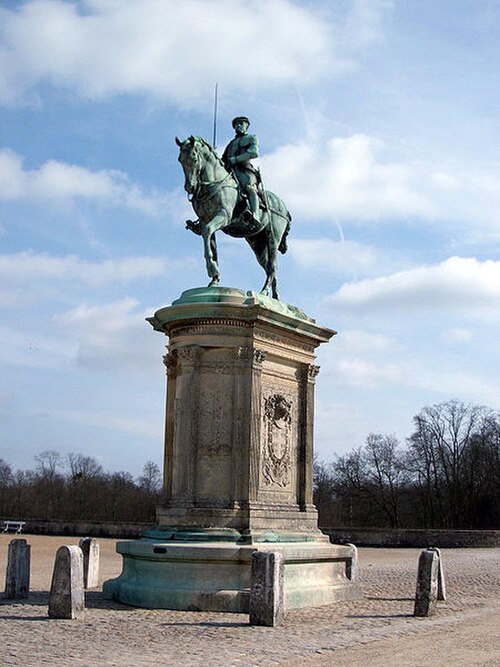
Montmorency's military reputation would ultimately be mixed. In his career he lost more battles than he won.[654] A contemporary Venetian opined that Montmorency could not match the calibre of the duc de Guise's military skill. The Venetian ambassador nevertheless conceded that he was a 'courageous soldier'[655] The duc de Nevers held Montmorency's political skill in high regard, and would later advise Henri III to imitate Montmorency's prudence and strategic behaviour.[656] The ligueur (leaguer) archbishop of Lyon would advise the third duc de Guise to look to Montmorency as a model for dominating the court in 1588.[657] Other contemporaries variously described Montmorency's domestic behaviour as 'arrogant', 'overbearing' 'of good understanding' and 'well experienced'.[201] The historian Sutherland described Montmorency's approach to government as 'autocratic'.[191]
Many contemporaries described him as the first true favourite in French history, by which it was meant a man whose fortune was based on his access to royal favour, as opposed to his control of a particularly powerful feudatory network.[158]Brantôme contrasts his 'military valour' and 'excellence' with the favourites of Charles IX and Henri III, who were by contrast unworthy of the great benefits they received in Brantôme's estimation.[158] Le Roux observes that many of the families who would provide favourites in the reign of Henri III, such as the Joyeuse, La Guiche and Saint-Sulpice, owed their accession to noteworthiness to the protection of the Montmorency family and the Constable.[658][659]
References
- 12345Le Roux 2000, p. 40.
- 12Knecht 1994, p. 193.
- ↑Ward, Prothero & Leathes 1911, table 27.
- ↑Doran 1857, p. 12.
- ↑Potter 1995, p. 97.
- 123Jouanna 1998, p. 1122.
- 12Carroll 2011, p. 52.
- 12Carroll 2011, p. 73.
- ↑Cloulas 1985, p. 42.
- 1234Knecht 1994, p. 252.
- 123Harding 1978, p. 40.
- ↑Le Roux 2000, p. 499.
- 1234567Le Roux 2022, p. 684.
- 1234Le Roux 2022, p. 687.
- ↑Roelker 1996, p. 259.
- 1234Harding 1978, p. 224.
- ↑Knecht 2010, p. 63.
- ↑Babelon 2009, p. 577.
- ↑Le Roux 2000, p. 481.
- 1234Cloulas 1979, p. 126.
- ↑Knecht 2016, p. 5.
- ↑Jouanna 1998, p. 1123.
- 123456Knecht 2010, p. 18.
- ↑Harding 1978, p. 160.
- ↑Jouanna 1989, p. 112.
- ↑Harding 1978, p. 161.
- 12Cloulas 1985, p. 417.
- ↑Babelon 2009, p. 238.
- 12Knecht 2010, p. 19.
- ↑Pitts 2012, p. 10.
- ↑Shimizu 1970, p. 13.
- 12Jouanna 1998, p. 47.
- 12345Jouanna 1998, p. 1124.
- ↑Holt 2005, p. 40.
- ↑Roelker 1996, p. 260.
- ↑Pitts 2012, p. 12.
- ↑Roelker 1968, p. 122.
- ↑Shimizu 1970, p. 23.
- ↑Baumgartner 1988, p. 122.
- ↑Thompson 1909, p. 98.
- ↑Babelon 2009, p. 198.
- ↑Carroll 2011, p. 108.
- ↑Holt 2002, p. 11.
- 123Knecht 2010, p. 20.
- ↑Roelker 1996, p. 213.
- ↑Baumgartner 1986, p. 61.
- ↑Pitts 2012, p. 5.
- ↑Le Roux 2000, p. 475.
- ↑Shimizu 1970, p. 14.
- ↑Roelker 1968, p. 4.
- ↑Cloulas 1979, p. 76.
- 1234Cloulas 1985, p. 381.
- ↑Cloulas 1979, p. 322.
- ↑Cloulas 1985, p. 380.
- ↑Knecht 1994, p. 141.
- ↑Cloulas 1979, p. 213.
- 12Knecht 1994, p. 289.
- ↑Cloulas 1985, p. 344.
- ↑Knecht 1994, p. 435.
- ↑Knecht 1994, p. 8.
- ↑Rentet 2011, p. 275.
- ↑Tucker 2014, p. 527.
- 12Tucker 2014, p. 827.
- ↑Knecht 1994, p. 170.
- ↑Potter 1993, p. 97.
- ↑Shaw 2019, p. 165.
- ↑Shaw 2019, p. 166.
- ↑Cloulas 1985, p. 29.
- ↑Cloulas 1985, p. 30.
- ↑Knecht 1994, p. 210.
- ↑Knecht 1994, p. 215.
- ↑Shaw 2019, p. 170.
- 12Sutherland 1962, p. 55.
- ↑Shaw 2019, p. 172.
- ↑Shaw 2019, p. 174.
- ↑Knecht 1994, p. 226.
- ↑Knecht 1994, p. 227.
- ↑Knecht 1994, p. 241.
- ↑Knecht 1994, p. 242.
- ↑Knecht 1994, p. 243.
- ↑Shaw 2019, p. 175.
- 12Cloulas 1985, p. 37.
- ↑Cloulas 1985, p. 36.
- ↑Knecht 1994, p. 248.
- ↑Cloulas 1985, p. 38.
- 123Le Roux 2000, p. 42.
- 12Carroll 2011, p. 31.
- ↑Le Roux 2000, p. 50.
- ↑Cloulas 1985, p. 39.
- ↑Knecht 1994, p. 121.
- ↑Knecht 1994, p. 272.
- ↑Knecht 1994, p. 273.
- ↑Knecht 1994, p. 274.
- ↑Knecht 1994, p. 276.
- ↑Knecht 1994, p. 277.
- ↑Knecht 1994, p. 291.
- ↑Knecht 1994, p. 293.
- ↑Knecht 1994, p. 294.
- ↑Cloulas 1985, p. 46.
- ↑Cloulas 1985, p. 47.
- ↑Carroll 2005, p. 151.
- ↑Cloulas 1985, p. 51.
- ↑Cloulas 1985, p. 52.
- ↑Cloulas 1985, p. 53.
- ↑Cloulas 1985, p. 57.
- ↑Cloulas 1985, p. 58.
- ↑Cloulas 1985, p. 59.
- ↑Knecht 1994, p. 117.
- ↑Knecht 1994, p. 287.
- ↑Knecht 1994, p. 286.
- ↑Potter 1993, p. 72.
- ↑Potter 1993, p. 73.
- ↑Potter 1993, p. 101.
- ↑Potter 1993, p. 128.
- ↑Potter 1993, p. 130.
- ↑Potter 1993, p. 252.
- ↑Potter 1993, p. 253.
- ↑Potter 1993, p. 131.
- ↑Knecht 1994, p. 297.
- ↑Cloulas 1985, p. 69.
- ↑Knecht 2016, p. 1.
- ↑Knecht 2014, p. 16.
- ↑Cloulas 1979, p. 54.
- ↑Cloulas 1985, p. 81.
- ↑Cloulas 1979, p. 55.
- ↑Cloulas 1985, p. 66.
- ↑Cloulas 1979, p. 65.
- ↑Cloulas 1979, p. 69.
- ↑Potter 1993, p. 174.
- ↑Potter 1993, p. 175.
- ↑Knecht 1994, p. 304.
- 12Knecht 1994, p. 330.
- ↑Knecht 1994, p. 331.
- ↑Knecht 1994, p. 333.
- 12Knecht 1994, p. 334.
- 12Knecht 1994, p. 335.
- ↑Cloulas 1985, p. 92.
- ↑Knecht 1994, p. 337.
- 12Baumgartner 1988, p. 33.
- 12Constant 1984, p. 25.
- ↑Shaw 2019, p. 219.
- ↑Knecht 1994, p. 338.
- 12Knecht 1994, p. 339.
- ↑Cloulas 1985, p. 94.
- 12Cloulas 1985, p. 95.
- ↑Cloulas 1979, p. 66.
- 12Shaw 2019, p. 222.
- 12Cloulas 1985, p. 96.
- ↑Shaw 2019, p. 223.
- 1234Cloulas 1985, p. 97.
- ↑Shaw 2019, p. 224.
- ↑Potter 1993, p. 75.
- ↑Roelker 1968, p. 39.
- ↑Baumgartner 1988, p. 34.
- ↑Le Roux 2022, p. 88.
- ↑Baumgartner 1988, p. 134.
- 12Jouanna 1998, p. 24.
- 123Le Roux 2000, p. 41.
- ↑Knecht 1994, p. 340.
- 12Cloulas 1985, p. 98.
- ↑Cloulas 1985, p. 176.
- ↑Cloulas 1985, p. 102.
- ↑Cloulas 1985, p. 101.
- ↑Knecht 1994, p. 387.
- ↑Knecht 1994, p. 388.
- ↑Knecht 1994, p. 385.
- ↑Croix 1993, p. 161.
- ↑Sutherland 1962, p. 14.
- ↑Le Roux 2000, p. 45.
- ↑Cloulas 1985, p. 103.
- ↑Knecht 1994, p. 410.
- 12Cloulas 1985, p. 104.
- 12Knecht 1994, p. 393.
- 12Knecht 1994, p. 394.
- ↑Knecht 1994, p. 395.
- 12Le Roux 2000, p. 417.
- ↑Baumgartner 1988, p. 37.
- ↑Durot 2012, p. 47.
- ↑Durot 2012, p. 84.
- ↑Roelker 1968, p. 46.
- ↑Roelker 1968, p. 47.
- 123Cloulas 1985, p. 107.
- ↑Knecht 1994, p. 478.
- ↑Cloulas 1985, p. 105.
- ↑Cloulas 1979, p. 70.
- ↑Knecht 1994, p. 396.
- ↑Roelker 1968, p. 55.
- ↑Knecht 1994, p. 397.
- 12Harding 1978, p. 29.
- ↑Knecht 1994, p. 484.
- 12Sutherland 1962, p. 16.
- ↑Knecht 1994, p. 485.
- ↑Baumgartner 1988, p. 36.
- ↑Cloulas 1985, p. 117.
- ↑Knecht 2014, p. 37.
- ↑Cloulas 1985, p. 127.
- 12Le Roux 2000, p. 36.
- 123Cloulas 1985, p. 139.
- ↑Cloulas 1985, p. 134.
- ↑Sutherland 1962, p. 18.
- 123Sutherland 1962, p. 54.
- ↑Knecht 1994, p. 421.
- ↑Knecht 1994, p. 552.
- ↑Le Roux 2000, p. 37.
- ↑Cloulas 1979, p. 79.
- ↑Robbins 1997, p. 90.
- ↑Knecht 2016, p. 192.
- 12Carroll 2011, p. 55.
- 12Cloulas 1985, p. 158.
- ↑Cloulas 1985, p. 347.
- 12Carroll 2011, p. 56.
- ↑Cloulas 1979, p. 80.
- 12Baumgartner 1988, p. 46.
- ↑Baumgartner 1988, p. 58.
- ↑Shimizu 1970, p. 16.
- ↑Shimizu 1970, p. 17.
- ↑Shimizu 1970, p. 20.
- ↑Roelker 1968, p. 69.
- ↑Roelker 1968, p. 72.
- ↑Roelker 1968, p. 109.
- 12Roelker 1968, p. 110.
- ↑Cloulas 1979, p. 90.
- ↑Baumgartner 1988, p. 62.
- ↑Cloulas 1979, p. 93.
- ↑Le Roux 2000, p. 420.
- ↑Baumgartner 1988, p. 60.
- ↑Cloulas 1985, p. 149.
- ↑Baumgartner 1988, p. 61.
- ↑Cloulas 1985, p. 151.
- 12Knecht 2014, p. 49.
- ↑Roelker 1996, p. 220.
- 12Sutherland 1962, p. 58.
- ↑Carroll 2005, p. 20.
- ↑Le Roux 2000, p. 47.
- ↑Sutherland 1962, p. 39.
- ↑Le Roux 2022, p. 34.
- ↑Le Roux 2022, p. 35.
- ↑Sutherland 1962, p. 40.
- 12Constant 1984, p. 24.
- ↑Carroll 2005, p. 35.
- ↑Harding 1978, p. 32.
- ↑Sutherland 1962, p. 305.
- ↑Sutherland 1962, p. 19.
- ↑Sutherland 1962, p. 24.
- ↑Sutherland 1962, p. 26.
- ↑Sutherland 1962, p. 100.
- ↑Sutherland 1962, p. 61.
- ↑Sutherland 1962, p. 22.
- 12Sutherland 1962, p. 49.
- 12Cloulas 1985, p. 521.
- ↑Constant 1984, p. 23.
- ↑Sutherland 1962, p. 43.
- ↑Sutherland 1962, p. 57.
- 12Harding 1978, p. 35.
- ↑Cloulas 1985, p. 182.
- 12Cloulas 1985, p. 183.
- ↑Baumgartner 1988, p. 71.
- 12Durot 2012, p. 68.
- 12Cloulas 1985, p. 195.
- 12Baumgartner 1988, p. 74.
- 12Sutherland 1962, p. 69.
- ↑Durot 2012, p. 71.
- ↑Cloulas 1985, p. 196.
- ↑Babelon 2009, p. 241.
- ↑Salmon 1979, p. 37.
- 12Durot 2012, p. 73.
- ↑Cloulas 1985, p. 215.
- 12Cloulas 1985, p. 216.
- ↑Baumgartner 1988, p. 75.
- ↑Durot 2012, pp. 74–75.
- ↑Sutherland 1962, p. 70.
- ↑Cloulas 1985, p. 219.
- ↑Cloulas 1985, p. 168.
- ↑Cloulas 1985, p. 169.
- ↑Cloulas 1985, p. 265.
- ↑Cloulas 1985, p. 266.
- 12Cloulas 1985, p. 267.
- ↑Sutherland 1962, p. 71.
- 123Cloulas 1985, p. 268.
- 123Cloulas 1985, p. 270.
- ↑Sutherland 1962, p. 72.
- ↑Sutherland 1962, p. 73.
- ↑Cloulas 1985, p. 302.
- 12Cloulas 1985, p. 303.
- ↑Cloulas 1985, p. 283.
- ↑Baumgartner 1988, p. 59.
- ↑Boltanski 2006, p. 39.
- ↑Boltanski 2006, p. 60.
- ↑Boltanski 2006, p. 136.
- ↑Boltanski 2006, p. 61.
- ↑Boltanski 2006, p. 72.
- ↑Boltanski 2006, p. 73.
- ↑Jouanna 1989, p. 67.
- ↑Jouanna 1989, p. 73.
- ↑Cloulas 1985, p. 229.
- ↑Cloulas 1985, p. 235.
- ↑Cloulas 1985, p. 245.
- ↑Cloulas 1979, p. 89.
- ↑Cloulas 1985, p. 342.
- ↑Cloulas 1985, p. 340.
- ↑Sutherland 1962, p. 60.
- ↑Cloulas 1979, pp. 89–90.
- ↑Baumgartner 1988, p. 143.
- ↑Cloulas 1979, p. 302.
- ↑Cloulas 1985, p. 316.
- ↑Cloulas 1985, p. 310.
- ↑Carroll 2011, p. 67.
- ↑Carroll 2011, p. 68.
- ↑Baumgartner 1988, p. 148.
- ↑Carroll 2011, p. 69.
- ↑Cloulas 1985, p. 317.
- 12Cloulas 1985, p. 318.
- 12Sutherland 1962, p. 75.
- ↑Knecht 2014, p. 44.
- 12Baumgartner 1988, p. 151.
- ↑Cloulas 1985, p. 319.
- 12Baumgartner 1988, p. 162.
- ↑Cloulas 1985, p. 322.
- ↑Baumgartner 1988, p. 139.
- 12Cloulas 1985, p. 325.
- 12Cloulas 1985, p. 326.
- ↑Sutherland 1962, p. 79.
- ↑Cloulas 1985, p. 327.
- ↑Baumgartner 1988, p. 156.
- 12Cloulas 1985, p. 328.
- ↑Roelker 1996, p. 223.
- ↑Cloulas 1985, p. 329.
- ↑Knecht 2014, p. 39.
- ↑Cloulas 1979, p. 111.
- ↑Baumgartner 1988, p. 147.
- ↑Cloulas 1979, pp. 96–97.
- ↑Knecht 2014, p. 46.
- ↑Cloulas 1979, p. 97.
- ↑Cloulas 1979, p. 102.
- ↑Cloulas 1979, p. 103.
- ↑Cloulas 1985, p. 399.
- 12Baumgartner 1988, p. 163.
- ↑Carroll 2011, p. 74.
- ↑Cloulas 1985, p. 400.
- ↑Potter 1993, p. 216.
- 12Cloulas 1985, p. 401.
- 12Sutherland 1962, p. 81.
- ↑Gould 2016, p. 7.
- ↑Constant 1984, p. 120.
- ↑Cloulas 1985, p. 406.
- ↑Cloulas 1985, p. 407.
- ↑Carroll 2011, pp. 74–75.
- 12Cloulas 1985, p. 408.
- ↑Sutherland 1962, p. 82.
- ↑Carroll 2011, p. 74-75.
- ↑Cloulas 1985, p. 409.
- ↑Baumgartner 1986, p. 33.
- ↑Baumgartner 1986, p. 132.
- ↑Baumgartner 1986, p. 121.
- ↑Holt 2002, p. 7.
- ↑Potter 1993, p. 81.
- ↑Potter 1993, p. 80.
- ↑Thompson 1909, p. 40.
- ↑Carroll 2011, p. 90.
- ↑Thompson 1909, p. 50.
- ↑Sutherland 1962, p. 83.
- ↑Cloulas 1985, p. 414.
- ↑Carroll 2011, p. 75.
- ↑Sutherland 1980, p. 49.
- ↑Cloulas 1985, p. 415.
- 1234Knecht 2014, p. 47.
- ↑Baumgartner 1988, p. 170.
- ↑Baumgartner 1988, p. 173.
- 12Baumgartner 1988, p. 174.
- ↑Carroll 2011, p. 76.
- ↑Shaw 2019, p. 241.
- ↑Sutherland 1980, p. 50.
- 12Sutherland 1980, p. 51.
- ↑Baumgartner 1988, p. 175.
- 12Cloulas 1985, p. 416.
- 12Shaw 2019, p. 263.
- ↑Constant 1984, p. 28.
- 12Constant 1984, p. 29.
- ↑Baumgartner 1988, p. 181.
- ↑Cloulas 1985, p. 455.
- ↑Baumgartner 1988, p. 180.
- ↑Baumgartner 1988, p. 182.
- ↑Cloulas 1985, p. 436.
- 123Baumgartner 1988, p. 185.
- ↑Carroll 2011, p. 77.
- ↑Baumgartner 1988, p. 187.
- ↑Baumgartner 1988, p. 188.
- ↑Gould 2016, p. 125.
- ↑Gould 2016, p. 67.
- ↑Gould 2016, p. 68.
- 12Carroll 2005, p. 93.
- ↑Baumgartner 1988, p. 233.
- ↑Carroll 2011, p. 78.
- ↑Baumgartner 1988, p. 191.
- ↑Baumgartner 1988, pp. 193–194.
- 12Baumgartner 1988, p. 194.
- ↑Sutherland 1962, pp. 85–86.
- ↑Cloulas 1985, p. 464.
- ↑Baumgartner 1988, p. 195.
- 1234Le Roux 2022, p. 39.
- ↑Sutherland 1962, p. 86.
- 12Diefendorf 1991, p. 50.
- ↑Carroll 2011, p. 79.
- ↑Cloulas 1985, p. 465.
- ↑Knecht 2014, p. 48.
- 12Roelker 1996, p. 232.
- ↑Pitts 2012, p. 13.
- 12Shimizu 1970, p. 82.
- ↑Jouanna 1989, p. 123.
- ↑Cloulas 1985, p. 467.
- ↑Carroll 2011, p. 82.
- ↑Cloulas 1979, p. 112.
- ↑Carroll 2011, p. 84.
- ↑Carroll 2011, p. 83.
- ↑Cloulas 1979, p. 114.
- 123Carroll 2011, p. 97.
- ↑Carroll 2005, p. 91.
- ↑Cloulas 1985, p. 499.
- 12Carroll 2005, p. 92.
- 12Cloulas 1985, p. 567.
- 123Cloulas 1985, p. 500.
- 12Knecht 2014, p. 50.
- 12Baumgartner 1988, p. 220.
- ↑Cloulas 1985, p. 498.
- 12Baumgartner 1988, p. 222.
- 12Carroll 2011, p. 98.
- 12Wood 2002, p. 73.
- 123Cloulas 1985, p. 504.
- ↑Sutherland 1962, p. 93.
- ↑Baumgartner 1988, p. 223.
- ↑Gould 2016, p. 10.
- ↑Potter 1993, p. 85.
- ↑Knecht 2014, p. 54.
- 12Cloulas 1985, p. 502.
- ↑Cloulas 1985, p. 568.
- ↑Baumgartner 1988, p. 221.
- ↑Cloulas 1979, p. 115.
- 12Cloulas 1979, p. 116.
- ↑Constant 1984, p. 31.
- ↑Le Roux 2022, p. 41.
- 12Knecht 2014, p. 55.
- ↑Sutherland 1962, p. 91.
- ↑Cloulas 1985, p. 503.
- ↑Le Roux 2022, p. 42.
- ↑Cloulas 1985, p. 505.
- ↑Cloulas 1985, p. 570-571.
- ↑Baumgartner 1988, p. 225.
- ↑Cloulas 1985, p. 571.
- ↑Cloulas 1979, p. 118.
- ↑Roelker 1968, p. 132.
- ↑Roelker 1996, p. 227.
- ↑Cloulas 1985, p. 577.
- ↑Cloulas 1985, p. 579.
- ↑Roelker 1996, p. 235.
- ↑Roelker 1996, p. 236.
- ↑Roelker 1996, p. 239.
- ↑Cloulas 1985, p. 587.
- ↑Cloulas 1985, p. 591.
- ↑Carroll 2011, p. 101.
- 12Cloulas 1985, p. 592.
- ↑Baumgartner 1988, p. 251.
- 12Baumgartner 1988, p. 252.
- ↑Pitts 2012, p. 14.
- ↑Cloulas 1985, p. 595.
- 12Sutherland 1980, p. 74.
- ↑Knecht 2016, p. 7.
- ↑Knecht 2014, p. 59.
- ↑Le Roux 2000, p. 49.
- ↑Le Roux 2022, p. 44.
- ↑Holt 2002, p. 5.
- ↑Jouanna 1998, p. 52.
- ↑Thompson 1909, p. 8.
- 12Carroll 2005, p. 94.
- ↑Sutherland 1962, p. 99.
- ↑Le Roux 2020, p. 25.
- 12Pitts 2012, p. 15.
- ↑Constant 1984, p. 38.
- ↑Roelker 1968, p. 136.
- ↑Carroll 2011, p. 102.
- ↑Knecht 2010, p. 21.
- ↑Le Roux 2022, p. 47.
- ↑Knecht 2014, p. 60.
- ↑Knecht 2010, p. 22.
- 12Carroll 2005, p. 90.
- ↑Sutherland 1980, p. 102.
- ↑Baumgartner 1988, p. 253.
- ↑Bourquin 1994, p. 73.
- ↑Harding 1978, p. 47.
- ↑Jouanna 1989, p. 134.
- ↑Diefendorf 1991, p. 55.
- 12Constant 1984, p. 41.
- ↑Thompson 1909, p. 29.
- ↑Sutherland 1980, p. 105.
- 12Shimizu 1970, p. 68.
- ↑Jouanna 1998, p. 55.
- ↑Baumgartner 1988, p. 254.
- ↑Sutherland 1980, p. 115.
- ↑Harding 1978, p. 21.
- ↑Sutherland 1980, p. 116.
- ↑Constant 1984, p. 43.
- ↑Sutherland 1980, p. 118.
- ↑Knecht 2014, p. 71.
- ↑Cloulas 1979, p. 149.
- ↑Knecht 2010, p. 28.
- ↑Jouanna 1989, p. 83.
- 12Sutherland 1980, p. 122.
- ↑Holt 2005, p. 46.
- ↑Roelker 1968, p. 150.
- ↑Chevallier 1985, p. 36.
- ↑Knecht 2014, p. 74.
- ↑Constant 1984, p. 46.
- ↑Cloulas 1979, p. 159.
- ↑Shimizu 1970, p. 51.
- ↑Le Roux 2000, p. 296.
- 12Le Roux 2000, p. 55.
- ↑Sutherland 1980, p. 120.
- 12Knecht 2010, p. 30.
- 12Shimizu 1970, p. 57.
- 12Jouanna 1998, p. 100.
- ↑Carroll 2005, p. 106.
- ↑Le Roux 2022, p. 62.
- ↑Roelker 1996, p. 251.
- ↑Carroll 2011, p. 143.
- ↑Holt 2005, p. 47.
- ↑Roelker 1968, p. 158.
- ↑Pitts 2012, p. 21.
- ↑Shimizu 1970, p. 56.
- ↑Shimizu 1970, p. 52.
- ↑Le Roux 2020, p. 278.
- ↑Carroll 2011, p. 144.
- ↑Harding 1978, p. 141.
- ↑Carroll 2005, p. 107.
- ↑Carroll 2005, p. 108.
- ↑Le Roux 2022, p. 68.
- ↑Le Roux 2022, p. 69.
- ↑Roelker 1968, p. 174.
- 12Shimizu 1970, p. 77.
- 12Chevallier 1985, p. 47.
- ↑Knecht 2014, p. 86.
- ↑Knecht 2010, p. 35.
- ↑Constant 1984, p. 50.
- 12Le Roux 2022, p. 76.
- ↑Jouanna 1998, p. 111.
- 12Le Roux 2022, p. 77.
- ↑Cloulas 1979, p. 171.
- 12Diefendorf 1991, p. 63.
- ↑Jouanna 1989, p. 149.
- ↑Babelon 2009, p. 96.
- ↑Knecht 2016, p. 13.
- ↑Knecht 2014, p. 88.
- ↑Wood 2002, p. 11.
- ↑Le Roux 2022, p. 78.
- 12Roelker 1996, p. 270.
- ↑Thompson 1909, p. 139.
- ↑Holt 2005, p. 52.
- ↑Roberts 2013, p. 111.
- ↑Jouanna 1989, p. 370.
- ↑Le Roux 2022, p. 80.
- ↑Shimizu 1970, p. 79.
- ↑Shimizu 1970, p. 80.
- ↑Sutherland 1962, p. 125.
- ↑Thompson 1909, p. 150.
- ↑Thompson 1909, p. 141.
- ↑Sutherland 1962, p. 128.
- ↑Thompson 1909, p. 143.
- ↑Harding 1978, p. 55.
- ↑Jouanna 1998, p. 115.
- ↑Knecht 2014, p. 90.
- ↑Roelker 1968, p. 199.
- ↑Diefendorf 1991, p. 67.
- ↑Benedict 2003, p. 113.
- ↑Knecht 2010, p. 36.
- ↑Wood 2002, p. 187.
- 12Wood 2002, p. 188.
- ↑Sutherland 1980, p. 138.
- ↑Wood 2002, pp. 190–192.
- ↑Wood 2002, p. 193.
- 12Le Roux 2022, p. 93.
- ↑Thompson 1909, p. 179.
- 12Wood 2002, p. 197.
- 12Le Roux 2022, p. 98.
- ↑Le Roux 2022, p. 99.
- ↑Diefendorf 1991, p. 68.
- ↑Holt 2005, p. 55.
- ↑Salmon 1979, p. 147.
- 12Sutherland 1980, p. 142.
- ↑Cloulas 1979, p. 177.
- ↑Roberts 2013, p. 32.
- ↑Le Roux 2022, p. 96.
- 12Knecht 2014, p. 93.
- ↑Carroll 2005, p. 126.
- ↑Shimizu 1970, p. 107.
- ↑Carroll 2005, p. 127.
- 12Jouanna 1998, p. 134.
- ↑Knecht 2014, p. 96.
- ↑Chevallier 1985, p. 53.
- ↑Harding 1978, p. 120.
- ↑Pitts 2012, p. 34.
- ↑Cloulas 1979, p. 194.
- ↑Knecht 2016, p. 18.
- ↑Knecht 2014, p. 104.
- ↑Knecht 2016, p. 24.
- ↑Le Roux 2000, p. 230.
- ↑Carroll 2005, p. 128.
- ↑Shimizu 1970, p. 118.
- ↑Carroll 2005, p. 129.
- ↑Pitts 2012, p. 36.
- ↑Chevallier 1985, p. 73.
- ↑Shimizu 1970, p. 119.
- ↑Cloulas 1979, p. 214.
- ↑Thompson 1909, p. 290.
- ↑Babelon 2009, p. 133.
- ↑Cloulas 1979, p. 215.
- ↑Cloulas 1979, p. 222.
- ↑Gould 2016, p. 12.
- ↑Roberts 2013, p. 150.
- ↑Shimizu 1970, p. 114.
- 12Chevallier 1985, p. 90.
- ↑Thompson 1909, p. 319.
- ↑Salmon 1979, p. 169.
- ↑Knecht 2014, p. 114.
- ↑Knecht 2016, p. 28.
- 12Knecht 2016, p. 29.
- 12Pitts 2012, p. 41.
- ↑Holt 2005, p. 64.
- ↑Sutherland 1962, p. 148.
- ↑Shimizu 1970, p. 140.
- 123Salmon 1979, p. 170.
- 12Diefendorf 1991, p. 81.
- ↑Wood 2002, p. 17.
- 12Le Roux 2022, p. 121.
- ↑Cloulas 1979, p. 228.
- ↑Sauzet 1992, p. 44.
- ↑Thompson 1909, p. 332.
- ↑Knecht 2014, p. 116.
- ↑Le Roux 2000, p. 125.
- ↑Chevallier 1985, p. 96.
- ↑Le Roux 2020, p. 62.
- ↑Sutherland 1980, p. 358.
- ↑Knecht 2010, p. 39.
- ↑Holt 2005, p. 65.
- ↑Knecht 2016, p. 166.
- ↑Le Roux 2000, p. 409.
- ↑Knecht 2016, p. 252.
- ↑Le Roux 2022, p. 122.
- ↑Chevallier 1985, p. 437.
- ↑Le Roux 2022, p. 125.
- ↑Holt 2002, p. 34.
- ↑Sutherland 1980, p. 161.
- ↑Wood 2002, p. 74.
- ↑Sauzet 1992, p. 42.
- ↑Sauzet 1992, p. 45.
- ↑Chevallier 1985, p. 116.
- ↑Salmon 1979, p. 325.
- ↑Roelker 1968, p. 77.
- ↑Boltanski 2006, p. 376.
- ↑Le Roux 2000, p. 43.
- ↑Le Roux 2000, p. 48.
- ↑Le Roux 2000, p. 260.
Sources
- Babelon, Jean-Pierre (2009). Henri IV. Fayard.
- Baumgartner, Frederic (1986). Change and Continuity in the French Episcopate: The Bishops and the Wars of Religion 1547-1610.
- Baumgartner, Frederic (1988). Henry II: King of France 1547–1559. Duke University Press.
- Benedict, Philip (2003). Rouen during the Wars of Religion. Cambridge University Press.
- Boltanski, Ariane (2006). Les ducs de Nevers et l'État royal: genèse d'un compromis (ca 1550 - ca 1600). Librairie Droz.
- Bourquin, Laurent (1994). Noblesse Seconde et Pouvoir en Champagne aux xvi et xvii siècles. Publications de la Sorbonne.
- Carroll, Stuart (2005). Noble Power during the French Wars of Religion: The Guise Affinity and Catholic Cause in Normandy. Cambridge University Press.
- Carroll, Stuart (2011). Martyrs and Murderers: The Guise Family and the Making of Europe. Oxford University Press.
- Chevallier, Pierre (1985). Henri III: Roi Shakespearien. Fayard.
- Cloulas, Ivan (1979). Catherine de Médicis. Fayard.
- Cloulas, Ivan (1985). Henri II. Fayard.
- Constant, Jean-Marie (1984). Les Guise. Hachette.
- Croix, Alain (1993). L'Âge d'Or de la Bretagne 1532-1675. Éditions Ouest-France.
- Diefendorf, Barbara (1991). Beneath the Cross: Catholics and Huguenots in Sixteenth Century Paris. Oxford University Press.
- Doran, J. (July 4, 1857). "Anne a Male Name". Notes and Queries. 2. 4 (79): 12.
- Durot, Éric (2012). François de Lorraine, duc de Guise entre Dieu et le Roi. Classiques Garnier. ISBN 9782812406102.
- Gould, Kevin (2016). Catholic Activism in South-West France 1540-1570. Routledge.
- Harding, Robert (1978). Anatomy of a Power Elite: the Provincial Governors in Early Modern France. Yale University Press.
- Holt, Mack (2002). The Duke of Anjou and the Politique Struggle During the Wars of Religion. Cambridge University Press.
- Holt, Mack P. (2005). The French Wars of Religion, 1562-1629. Cambridge University Press.
- Jouanna, Arlette (1989). Le Devoir de révolte: La noblesse française et la gestation de l'Etat moderne 1559-1661. Fayard.
- Jouanna, Arlette (1998). Histoire et Dictionnaire des Guerres de Religion. Bouquins.
- Knecht, Robert (1994). Renaissance Warrior and Patron: The Reign of Francis I. Cambridge University Press.
- Knecht, Robert (2010). The French Wars of Religion, 1559-1598. Routledge.
- Knecht, Robert (2014). Catherine de' Medici. Routledge.
- Knecht, Robert (2016). Hero or Tyrant? Henry III, King of France, 1574-1589. Routledge.
- Le Roux, Nicolas (2000). La Faveur du Roi: Mignons et Courtisans au Temps des Derniers Valois. Champ Vallon.
- Le Roux, Nicolas (2020). Portraits d'un Royaume: Henri III, la Noblesse et la Ligue. Passés Composés.
- Le Roux, Nicolas (2022). 1559-1629 Les Guerres de Religion. Gallimard.
- Rentet, Thierry (2011). "Anne de Montmorency (1493-1567), Le Conseiller Médiocre". In Michon, Cédric (ed.). Les Conseillers de François Ier. Presses Universitaires de Rennes.
- Pitts, Vincent (2012). Henri IV of France: His Reign and Age. Johns Hopkins University Press.
- Potter, David (1993). War and Government in the French Provinces: Picardy 1470-1560. Cambridge University Press.
- Potter, David (1995). A History of France, 1460-1560. St. Martin's Press.
- Robbins, Kevin (1997). City on the Ocean Sea: La Rochelle, 1530-1650 Urban Society, Religion and Politics on the French Atlantic Frontier. Brill.
- Roberts, Penny (2013). Peace and Authority during the French Religious Wars c.1560-1600. Palgrave Macmillan.
- Roelker, Nancy (1968). Queen of Navarre: Jeanne d'Albret 1528-1572. Harvard University Press.
- Roelker, Nancy (1996). One King, One Faith: The Parlement of Paris and the Religious Reformation of the Sixteenth Century. University of California Press.
- Salmon, J.H.M. (1979). Society in Crisis: France in the Sixteenth Century. Metheun & Co. ISBN 0416730507.
- Sauzet, Robert (1992). Henri III et Son Temps. Librarie Philosophique J. Vrin.
- Shaw, Christine (2019). The Italian Wars 1494-1559: War, State and Society in Early Modern Europe. Routledge.
- Shimizu, J. (1970). Conflict of Loyalties: Politics and Religion in the Career of Gaspard de Coligny, Admiral of France, 1519–1572. Geneva: Librairie Droz.
- Sutherland, Nicola (1962). The French Secretaries of State in the Age of Catherine de Medici. The Athlone Press.
- Sutherland, Nicola (1980). The Huguenot Struggle for Recognition. Yale University Press.
- Thompson, James (1909). The Wars of Religion in France 1559-1576: The Huguenots, Catherine de Medici and Philip II. Chicago University Press.
- Tucker, Stephen (2014). "Montmorency, Anne, Duke of, (1493-1567)". In Tucker, Stephen (ed.). 500 Great Military Leaders. Vol. 2. ABC-CLIO.
- وارد، أ. و.؛ بروثرو، ج. و.؛ ليثيس، ستانلي، محرران. (1911). تاريخ كامبريدج الحديث . المجلد الثالث عشر. مطبعة جامعة كامبريدج.
- وود، جيمس (2002). جيش الملك: الحرب والجنود والمجتمع خلال حروب الدين في فرنسا، 1562-1576 . مطبعة جامعة كامبريدج.
روابط خارجية
 الوسائط المتعلقة بآن دي مونتمورنسي على ويكيميديا كومنز
- مواليد تسعينيات القرن الخامس عشر
- 1567 حالة وفاة
- سكان شانتيلي، أويز
- أفراد عسكريون من باريس
- دوقات مونتمورنسي
- كونتات دامارتين
- مارشالات فرنسا
- القادة العسكريون في الحروب الإيطالية
- الشعب الفرنسي في الحروب الدينية الفرنسية
- أهل حرب عصبة كونياك
- ضباط الشرطة الفرنسية
- كبار أساتذة فرنسا
- فرسان الرباط
- نبلاء فرنسا في القرن السادس عشر
- بلاط هنري الثاني ملك فرنسا
- بلاط فرانسيس الأول ملك فرنسا
- بلاط فرانسيس الثاني ملك فرنسا
- بلاط شارل التاسع ملك فرنسا