
Prosperity theology
Prosperity theology (sometimes referred to as the prosperity gospel, the health and wealth gospel, the gospel of success, seed-faith gospel, Faith movement, or Word of Faith movement)[1][A] is a belief among some Charismatic Protestant Christians, originating in the United States, that financial blessing and physical well-being are always the will of God for them, and that faith, positive scriptural confession, and giving to charitable and religious causes will increase one's material wealth.[2] Material and especially financial success is seen as evidence of divine grace or favor and blessings, while the opposite (poverty) is seen as divine judgment.
Prosperity theology is considered heretical by almost all other Christian denominations; it has been criticized by leaders from various Christian denominations, who maintain that it is irresponsible, promotes idolatry, and is contrary to the Bible.[3] Secular as well as Christian observers have also criticized some versions of the prosperity theology as exploitative of the poor. The practices of some preachers have attracted scandal, and some have been charged with financial fraud.
Prosperity theology views the Bible as a contract covenant between God and humans: if humans have faith in God, God will deliver security and prosperity.[4] The doctrine emphasizes the importance of personal empowerment, proposing that God's will is for people to be blessed. Atonement in Christianity (reconciliation with God) is interpreted to include the alleviation of sickness and poverty, which are viewed as curses to be broken by grace and faith.
It was during the Healing Revivals of the 1950s that prosperity theology first came to prominence in the United States.
Some commentators have linked the origins of its theology to the New Thought movement, which began in the 19th century. The prosperity teaching later figured prominently in the Word of Faith movement and 1980s televangelism. In the 1990s and 2000s, it was adopted by influential leaders in the charismatic movement in the United States, and has since spread worldwide. Prominent leaders in the development of prosperity theology include David Oyedepo, Todd White, Michael Pitts, Benny Hinn, E. W. Kenyon,[5]Oral Roberts,[6]A. A. Allen,[7]Robert Tilton,[8]T. L. Osborn,[9]Joel Osteen, Creflo Dollar,[10]Kenneth Copeland,[11]Reverend Ike,[12]Kenneth Hagin,[13] and Jesse Duplantis.[14]
History
Late 19th and early 20th-century background
According to historian Kate Bowler, the prosperity gospel was formed from the intersection of three different ideologies: Charismatic, New Thought, and "an American gospel of pragmatism, individualism, and upward mobility".[15] This "American gospel" was best exemplified by Andrew Carnegie's Gospel of Wealth and Russell Conwell's famous sermon Acres of Diamonds, in which Conwell equated poverty with sin and asserted that anyone could become rich through hard work. This gospel of wealth, however, was an expression of Muscular Christianity and held that success resulted from personal effort rather than divine intervention.[16]
ساهمت حركة الفكر الجديد، التي ظهرت في ثمانينيات القرن التاسع عشر، في نشر الاعتقاد بقدرة العقل على تحقيق الرخاء. وبينما ركزت في البداية على تحقيق الصحة النفسية والجسدية، جعل معلمو الفكر الجديد، مثل تشارلز فيلمور، النجاح المادي محورًا رئيسيًا للحركة. [ 17 ] وبحلول القرن العشرين، تغلغلت مفاهيم الفكر الجديد في الثقافة الشعبية الأمريكية، وأصبحت سمة شائعة في كل من أدبيات التنمية الذاتية وعلم النفس الشعبي . [ 18 ]
يُنسب إلى إي دبليو كينيون ، وهو قس معمداني ومن أتباع حركة الحياة الأسمى ، الفضل في إدخال تعاليم قوة العقل إلى الحركة الكاريزمية المبكرة . [ 19 ] في تسعينيات القرن التاسع عشر، التحق كينيون بكلية إيمرسون للخطابة حيث تعرف على حركة الفكر الجديد. لاحقًا، ارتبط كينيون بقادة كاريزميين بارزين وكتب عن الوحي الخارق للطبيعة والإعلانات الإيجابية. أثرت كتاباته على قادة حركة الازدهار الناشئة خلال نهضة الشفاء الأمريكية التي أعقبت الحرب. وقد نفى كينيون وقادة حركة الازدهار اللاحقون تأثرهم بحركة الفكر الجديد. ويجادل عالم الأنثروبولوجيا سيمون كولمان بوجود "أوجه تشابه واضحة" بين تعاليم كينيون وحركة الفكر الجديد. [ 20 ]
علّم كينيون أن كفارة المسيح البديلة تضمن للمؤمنين الحق في الشفاء الإلهي . ويتحقق هذا من خلال الكلام الإيجابي المفعم بالإيمان؛ إذ تمكّن كلمة الله المنطوقة المؤمنين من امتلاك القوة الروحية نفسها التي استخدمها الله لخلق العالم، ومن نيل النعم الموعودة في موت المسيح وقيامته. [ 21 ] وكان يُنظر إلى الصلاة على أنها عمل قانوني ملزم. فبدلاً من أن يطلبوا الشفاء، علّم كينيون المؤمنين أن يطالبوا به لأنهم كانوا بالفعل مستحقين له قانونًا. [ 22 ]
Kenyon's blend of evangelical religion and mind-power beliefs—what he termed "overcoming faith"—resonated with a small but influential segment of the Pentecostal movement.[23] Pentecostals had always been committed to faith healing; the movement also possessed a strong belief in the power of speech (in particular speaking in tongues and the use of the names of God, especially the name of Jesus).[24] Kenyon's ideas would be reflected in the teachings of Pentecostal evangelists F. F. Bosworth and John G. Lake (who co-led a congregation with New Thought author Albert C. Grier before 1915).[25]
Post 1945 Healing Revivals
While Kenyon's teachings on overcoming faith laid the groundwork for the prosperity gospel, the first generation of Pentecostals influenced by him and other figures, such as Bosworth, did not view faith as a means to attain material prosperity. In fact, early Pentecostals tended to view prosperity as a threat to a person's spiritual well-being.[26][27] By the 1940s and 1950s, however, a recognizable form of the doctrine began to take shape within the Pentecostal movement through the teachings of deliverance and healing evangelists. Combining prosperity teaching with revivalism and faith healing, these evangelists taught "the laws of faith ('ask and ye shall receive') and the laws of divine reciprocity ('give and it will be given back unto you')".[28]
Oral Roberts began teaching prosperity theology in 1947.[6] He explained the laws of faith as a "blessing pact" in which God would return donations "seven fold",[29] promising that donors would receive back from unexpected sources the money they donated to him. Roberts offered to return any donation that did not lead to an equivalent unexpected payment.[6] In the 1970s, Roberts characterized his blessing-pact teaching as the "seed faith" doctrine: donations were a form of "seed" which would grow in value and be returned to the donor.[29][30] Roberts began recruiting "partners", wealthy donors who received exclusive conference invitations and ministry access in exchange for support.[31]
في عام ١٩٥٣، نشر المعالج الروحاني أ. أ. ألين كتاب "سر النجاح المالي وفقًا للكتاب المقدس" ، وروّج لمنتجات مثل "نشارة خيام المعجزات" وأقمشة الصلاة الممسوحة بـ"زيت المعجزات". [ ٧ ] في أواخر الخمسينيات، ركّز ألين بشكل متزايد على الرخاء. زعم أن الإيمان قادر على حلّ المشاكل المالية بطريقة خارقة، وادّعى أنه مرّ بتجربة معجزة حيث حوّل الله أوراقًا نقدية من فئة دولار واحد إلى أوراق نقدية من فئة عشرين دولارًا، مما مكّنه من سداد ديونه. [ ٣٢ ] علّم ألين "كلمة الإيمان" أو القدرة على تحويل الكلام إلى واقع. [ ٧ ]
في ستينيات القرن العشرين، أصبح الرخاء محورًا رئيسيًا في حملات الإحياء الروحية التي تدعو إلى الشفاء. [ 33 ] بدأ تي. إل. أوزبورن بالتركيز على الرخاء في ستينيات القرن العشرين، واشتهر باستعراضه الباذخ لثروته الشخصية. [ 9 ] خلال ذلك العقد، انتقد روبرتس وويليام برانهام منظمات أخرى تدعو إلى الرخاء، بحجة أن أساليب جمع التبرعات التي تتبعها تُمارس ضغطًا غير عادل على الحضور. وقد حفزت هذه الأساليب جزئيًا تكلفة إنشاء شبكات إذاعية على مستوى البلاد وجداول الحملات. [ 33 ] في الوقت نفسه، انتقد قادة طائفة جمعيات الله الخمسينية تركيز الدعاة المستقلين على الرخاء. [ 34 ]
التبشير التلفزيوني
خلال ستينيات القرن العشرين، تبنى دعاة إنجيل الرخاء التبشير التلفزيوني وسيطروا على البرامج الدينية في الولايات المتحدة. وكان أورال روبرتس من أوائل من طوروا برنامجًا أسبوعيًا مشتركًا أصبح البرنامج الديني الأكثر مشاهدة في الولايات المتحدة. وبحلول عام 1968، حل التلفزيون محل الاجتماعات الدينية التقليدية في خدمته. [ 35 ]
بدأ القس آيك ، وهو قس من مدينة نيويورك، بالوعظ عن الرخاء في أواخر الستينيات. وسرعان ما انتشرت برامجه الإذاعية والتلفزيونية على نطاق واسع، واشتهر بأسلوبه الباهر. وقد دفعت صراحته بشأن حب الممتلكات المادية وتعاليمه حول "علم العقل" العديد من المبشرين إلى النأي بأنفسهم عنه. [ 12 ]
في ثمانينيات القرن العشرين، لفتت لاهوت الرخاء انتباه الرأي العام في الولايات المتحدة بفضل دعاة تلفزيونيين بارزين مثل جيم باكر . إلا أن نفوذ باكر تضاءل بعد تورطه في فضيحة مدوية. [ 10 ] [ج] وفي أعقاب ذلك، برزت شبكة ترينيتي للبث (TBN) كقوة مهيمنة في مجال التبشير التلفزيوني بالرخاء، بعد أن ساهمت في شهرة روبرت تيلتون وبيني هين . [ 8 ]
كلمة الإيمان
على الرغم من أن معظم دعاة الشفاء في أربعينيات وخمسينيات القرن العشرين كانوا يؤمنون بأن الإيمان يجلب المكافآت المالية، فقد ظهر في سبعينيات القرن العشرين تعليم جديد يركز على الرخاء، ويختلف عن تعليم دعاة الخمسينية في خمسينيات القرن العشرين. هذه الحركة، التي تُعرف باسم "الاعتراف الإيجابي" أو "كلمة الإيمان"، تُعلّم أن المسيحي المؤمن يستطيع أن يُحقق أي شيء يتوافق مع إرادة الله. [ 36 ]
يُنسب إلى كينيث هاجين دورٌ محوريٌّ في نشر لاهوت الرخاء. فقد أسس مركز ريما للتدريب الكتابي عام ١٩٧٤، وعلى مدى العشرين عامًا التالية، درّب المركز أكثر من ١٠٠٠٠ طالب على لاهوته. [ ٣٧ ] وكما هو الحال في حركات الرخاء الأخرى، لا توجد هيئة لاهوتية حاكمة لحركة كلمة الإيمان، وتختلف المؤسسات الدينية المعروفة في بعض القضايا اللاهوتية، [ ٣٨ ] على الرغم من وجود روابط غير رسمية بين العديد من المؤسسات. [ ١١ ] وقد وصفت كاندي غونثر براون من جامعة إنديانا تعاليم كينيث هاجين بأنها الشكل "الأرثوذكسي" الأكثر أصالةً لتعليم الرخاء في حركة كلمة الإيمان. [ ١٣ ]
جادل كيرك ر. ماكجريجور من جامعة شمال أيوا بأن لاهوت حركة كلمة الإيمان متجذر في أمة الإسلام والمورمونية . فمثلاً، تعتقد أمة الإسلام أن الله (الله) هو إنسان حرفياً، وأن البشر الأوائل كانوا مثله تماماً. كما أكد فريدريك ك. سي. برايس ، أحد قادة حركة كلمة الإيمان، مستشهداً بإليجاه محمد من أمة الإسلام، أن الله هو إنسان حرفياً، وأن آدم وحواء قبل السقوط كانا مثله تماماً، وبالتالي "آلهة صغيرة". [ 39 ]
فيما يتعلق بجذور المورمون (أو قديسي الأيام الأخيرة)، أعرب أحد قادة الكنيسة السابقين عن رأيه (وإن لم يكن ذلك عقيدة رسمية للكنيسة) بأن الله الآب كان في الأصل إنسانًا فانيًا ارتقى إلى حالته الراهنة. "باتباع مثال الآب، يمكن لجميع البشر أن يرتقوا إلى مرتبة الألوهية..." [ 39 ]. ويطرح كينيث كوبلاند ، وهو قائد آخر في حركة كلمة الإيمان، ادعاءات مماثلة، وهي أن الله له جسد بشري بعيون وآذان، وما إلى ذلك، وأن سبب خلق الله لآدم هو التكاثر. [ 39 ] وهكذا، فإن البشر، بمجرد ولادتهم من جديد بالمعنى المسيحي، يعودون إلى مرتبة الألوهية مع قوة إلهية على حياتهم، بما في ذلك صحتهم ورخائهم. وأي تقصير في تحقيق ما يحتاجه الإنسان أو يرغب فيه هو تقصير في فهم حقيقة مرتبة الألوهية كما هو موضح في الكتب المقدسة (أي الكتاب المقدس). كما يقول برايس: "ليس الأمر بيد الله، سواء فزت أم خسرت. ليس الأمر بيد الله، سواء نجحت أم فشلت. الأمر بيدك أنت... الله في إجازة... العمل الذي قام به لمنفعتنا قد تم بالفعل من جانبه." [ 39 ]
النمو الدولي
بحلول أواخر العقد الأول من الألفية الثانية، ادعى أنصار هذه الحركة أن عشرات الملايين من المسيحيين قد تبنوا لاهوت الرخاء. [ 40 ] وقد تميزت الحركة الخمسينية الجديدة جزئيًا بالتركيز على لاهوت الرخاء، [ 41 ] الذي حظي بقبول أوسع داخل المسيحية الكاريزمية خلال أواخر التسعينيات. [ 42 ] وفي العقد الأول من الألفية الثانية، شهدت الكنائس الإنجيلية الخمسينية التي تُدرّس لاهوت الرخاء نموًا ملحوظًا في دول الجنوب العالمي ودول العالم الثالث . [ 43 ] [ 44 ] [ 45 ] [ 46 ] ووفقًا لفيليب جينكينز من جامعة ولاية بنسلفانيا ، غالبًا ما يجد المواطنون الفقراء في الدول الفقيرة هذا المذهب جذابًا بسبب ضعفهم الاقتصادي وتركيز المذهب على المعجزات. [ 47 ] وتُعد غرب أفريقيا، ولا سيما نيجيريا، من المناطق التي تشهد نموًا متسارعًا. [ 43 ] [ 45 ] في الفلبين، نشرت حركة "إل شاداي" ، وهي جزء من حركة التجديد الكاثوليكي الكاريزمي ، لاهوت الرخاء خارج نطاق المسيحية البروتستانتية. [ 48 ] اكتسبت كنيسة "يوييدو فول غوسبل" ، وهي كنيسة كورية جنوبية تُعنى بالرخاء ، شهرةً في التسعينيات بادعائها أنها أكبر جماعة دينية في العالم. [ 49 ]
أظهر استطلاع رأي أجرته مجلة تايم عام 2006 أن 17% من المسيحيين في أمريكا صرّحوا بانتمائهم إلى هذه الحركة. [ 10 ] وبحلول العقد الأول من الألفية الثانية، كان أتباع لاهوت الرخاء في الولايات المتحدة أكثر انتشارًا في الولايات الجنوبية . [ 40 ] وبحلول عام 2006، كانت ثلاث من أكبر أربع جماعات دينية في الولايات المتحدة تُدرّس لاهوت الرخاء، ويُنسب إلى جويل أوستين الفضل في نشره خارج نطاق الحركة الخمسينية والكاريزمية من خلال كتبه التي بيع منها أكثر من 4 ملايين نسخة. [ 10 ] كما بيعت ملايين النسخ من كتاب "صلاة يابيز" لبروس ويلكنسون، والذي دعا القراء إلى السعي وراء الرخاء. [ 49 ]
التاريخ الحديث
In 2005, Matthew Ashimolowo, the founder of the largely African Kingsway International Christian Centre in southern England, which preaches a "health and wealth" gospel and collects regular tithes, was ordered by the Charity Commission to repay money he had appropriated for his personal use. In 2017, the organisation was under criminal investigation after a leading member was found by a court in 2015 to have operated a Ponzi scheme between 2007 and 2011, losing or spending £8 million of investors' money.[50]
In 2007, U.S. SenatorChuck Grassley opened a probe into the finances of six televangelism ministries that promoted prosperity theology: Kenneth Copeland Ministries, Creflo Dollar Ministries, Benny Hinn Ministries, Bishop Eddie Long Ministries, Joyce Meyer Ministries, and Paula White Ministries. In January 2011, Grassley concluded his investigation, stating that he believed self-regulation by religious organizations was preferable to government action.[51][E] Only the ministries led by Meyer and Hinn cooperated with Grassley's investigation.[51]
The inauguration of Donald Trump as the 45th President of the United States featured prayers from two preachers known for advocating prosperity theology.[52] Paula White, one of Trump's spiritual advisers, gave the invocation.[53]
Theology
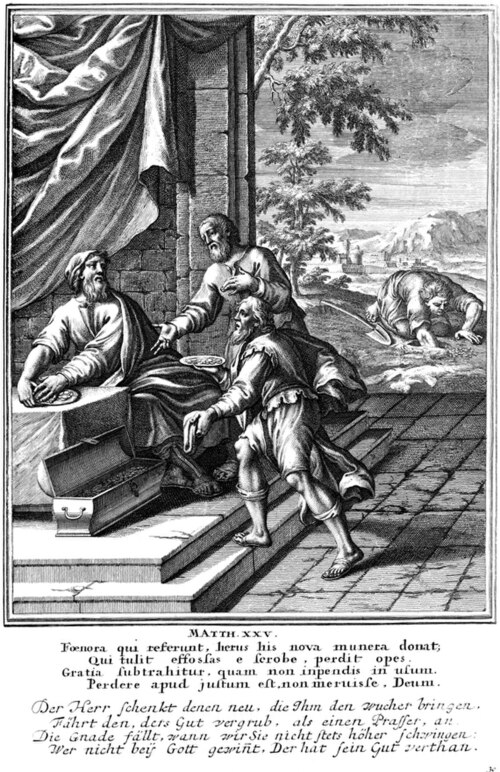
Prosperity theology teaches that Christians are entitled to well-being and, because spiritual and physical realities are seen as one inseparable reality, interprets well-being as physical health and economic prosperity.[54] Teachers of the doctrine focus on personal empowerment,[55] promoting a positive view of the spirit and body. They maintain that Christians have been given power over creation because they are made in the image of God and teach that positive confession allows Christians to exercise dominion over their souls and material objects around them.[55] Leaders of the movement view the atonement as providing for the alleviation of sickness, poverty, and spiritual corruption;[56] poverty and illness are cast as curses which can be broken by faith and righteous actions.[49] There are, however, some prosperity churches that seek a more moderate or reformed paradigm of prosperity.[13]Kirbyjon Caldwell, pastor of a Methodist megachurch, supports a theology of abundant life, teaching prosperity for the whole human being, which he sees as a path to combating poverty.[10][B]
In prosperity theology, wealth is interpreted as a blessing from God, obtained through a spiritual law of positive confession, visualization, and donations.[57] Believers may see this process in almost mechanical terms;[58]Kenneth Copeland, an American author and televangelist, argues that prosperity is governed by laws,[11] while other teachers portray the process formulaically.[56] Journalists David van Biema and Jeff Chu of Time have described Word of Faith pastor Creflo Dollar's teachings about prosperity as an inviolable contract between God and humanity.[10]
The prosperity theology teaching of positive confession stems from its proponents' view of scripture. The Bible is seen as a faith contract between God and believers; God is understood to be faithful and just, so believers must fulfill their end of the contract to receive God's promises. This leads to a belief in positive confession: the doctrine that believers may claim whatever they desire from God, simply by speaking it. Prosperity theology teaches that the Bible has promised prosperity for believers, so positive confession means that believers are speaking in faith what God has already spoken about them. Positive confession is practiced to bring about what is already believed-in; faith itself is a confession, and speaking it brings it into reality.[59]
The teaching often depends on non-traditional interpretations of Bible verses,[56] the Book of Malachi often being given special attention. While Christians have generally celebrated Malachi for its passages about the Messiah, teachers of prosperity theology usually focus on its descriptions of physical wealth.[60] Frequently quoted verses include:
- Malachi 3:10: "'Bring ye all the tithes into the storehouse, that there may be meat in mine house, and prove me now herewith, saith the Lord of hosts, if I will not open you the windows of heaven, and pour you out a blessing, that there shall not be room enough to receive it.'" (KJV)[10]
- Matthew 25:14–30: the Parable of the talents[40]
- John 10:10: "'I am come that they might have life, and that they might have it more abundantly.'" (KJV)[10]
- Philippians 4:19: "My God shall supply all your need according to his riches in glory by Christ Jesus." (KJV)[56]
- 3 John 1:2: "Beloved, I wish above all things that thou mayest prosper and be in health, even as thy soul prospereth." (KJV)[6]
- Mark 11:24: "Therefore I say unto you, What things soever ye desire, when ye pray, believe that ye receive them, and ye shall have them." (KJV)
تُقدّم لاهوت الرخاء نفسها على أنها استعادة للعقيدة الصحيحة، وبالتالي جزءًا من طريق الهيمنة المسيحية على المجتمع العلماني. [ 42 ] وتزعم أن وعود الله بالرخاء والنصر لإسرائيل في العهد القديم تنطبق على مسيحيي العهد الجديد اليوم، وأن الإيمان والأعمال الصالحة تُحقق هذا الرخاء. [ 55 ] وقد جادل سي. بيتر فاغنر ، أحد قادة الإصلاح الرسولي الجديد ، بأنه إذا سيطر المسيحيون على جوانب من المجتمع، فإن الأرض ستشهد "السلام والرخاء". [ 61 ] ويرى بعض اللاتينيين الذين تبنوا لاهوت الرخاء أن المسيحية ركزت تاريخيًا بشكل غير ضروري على المعاناة . وغالبًا ما يعتبرون هذا عقيدة كاثوليكية رومانية يجب التخلي عنها لصالح التركيز على الرخاء. [ 62 ] كما يجادل أنصار لاهوت الرخاء بأن الوعود الكتابية بالبركات التي تنتظر الفقراء قد تم تأويلها روحانيًا بشكل مفرط، ويجب فهمها حرفيًا. [ 63 ]
الممارسات
تُولي كنائس الرخاء اهتمامًا بالغًا بالعطاء. تتضمن بعض الصلوات جلسة تعليمية تُركز على العطاء والرخاء، مع إشارات كتابية إلى العشور ، تليها عظة حول موضوع آخر بعد تقديم التبرعات. غالبًا ما يدّعي قادة كنائس الرخاء أنه يمكن استبدال التبرعات ببركة معينة؛ وقد ورد أن بعضهم قد وجّه المصلين برفع تبرعاتهم فوق رؤوسهم أثناء الصلاة. [ 64 ]
يُشجَّع رواد كنائس الرخاء على الإدلاء بتصريحات إيجابية حول جوانب حياتهم التي يرغبون في تحسينها. تُعرف هذه التصريحات باسم "الاعترافات الإيجابية" (وهي تختلف عن الاعترافات بالخطيئة)، ويُقال إنها تُغيِّر جوانب من حياة الناس تغييرًا جذريًا إذا ما قيلت بإيمان. [ 65 ] كما تُشجِّع كنائس الرخاء الناس على "العيش بلا حدود" [ 66 ] وعلى تنمية التفاؤل بشأن حياتهم. [ 67 ] وقد دافع تي. دي. جايكس ، راعي كنيسة "بيت الفخاري" الضخمة غير الطائفية، عن الرخاء، رافضًا ما يعتبره شيطنة للنجاح. وهو يرى الفقر عائقًا أمام عيش حياة مسيحية، مُشيرًا إلى أنه من الأسهل إحداث تأثير إيجابي على المجتمع عندما يكون المرء ثريًا. [ 66 ]
While some prosperity churches have a reputation for manipulating and alienating the poor,[68] many are involved in social programs. Underlying these programs is a theology of empowerment and human flourishing to release people from a "welfare" or "victim" mentality.[68] Many prosperity churches hold seminars on financial responsibility. Kate Bowler, an academic who studies prosperity theology, has criticized such seminars, arguing that, though they contain some sound advice, they often emphasize the purchase of expensive possessions.[40]Hanna Rosin of The Atlantic argues that prosperity theology contributed to the real estate bubble that caused the 2008 financial crisis. She maintains that prosperity churches heavily emphasized home ownership, relying on divine financial intervention, which led to unwise choices based on actual financial ability.[40]
Most churches in the prosperity movement are non-denominational and independent, though some groups have formed networks.[11] Prosperity churches typically reject presbyterian polity (or governance) and the idea that a pastor should be accountable to elders; it is common for pastors of prosperity churches to be the highest organizational authority-figure.[69] Critics, including Sarah Posner and Joe Conason, maintain that prosperity teachers cultivate authoritarian organizations. They argue that leaders attempt to control adherents' lives by claiming divinely bestowed authority.[70] Jenkins contends that prosperity theology is used as a tool to justify the high salaries of pastors.[71]
Reception
Socioeconomic analysis
في الولايات المتحدة، استقطبت هذه الحركة العديد من الأتباع من الطبقة المتوسطة [ 55 ] ، وهي تحظى بشعبية واسعة في المدن والبلدات المحيطة بالمدينة . [ 40 ] في كتابهم "تصدير الإنجيل الأمريكي: الأصولية المسيحية العالمية"، يتكهن ستيف بروير وبول جيفورد وسوزان روز بأن الحركة قد تغذت على ازدراء سائد لليبرالية الاجتماعية في الولايات المتحدة بدأ في سبعينيات القرن العشرين. [ 42 ] ويجادل [ج] روزين بأن لاهوت الرخاء ظهر نتيجة لاتجاهات أوسع، ولا سيما التفاؤل الاقتصادي الأمريكي في خمسينيات وتسعينيات القرن العشرين. كما قارن توني لين من جامعة فرجينيا هذا التعليم بمفهوم " القدر المحتوم" ، [ 40 ] وهو الاعتقاد السائد في القرن التاسع عشر بأن الولايات المتحدة تستحق الغرب . ويرى مارفن هاريس أن تركيز هذه العقيدة على العالم المادي هو أحد أعراض علمنة الدين الأمريكي، ويعتبره محاولة لتحقيق الحلم الأمريكي باستخدام قوى خارقة للطبيعة. [ 72 ]

أصبحت لاهوت الرخاء شائعة بين الأمريكيين الفقراء ، وخاصةً أولئك الذين يسعون إلى التقدم الشخصي والاجتماعي. [ 55 ] وقد شهدت نموًا ملحوظًا في الكنائس السوداء والإسبانية، وهي تحظى بشعبية خاصة بين المهاجرين. [ 40 ] ويشير المدافعون عن هذه الحركة إلى تنوعها العرقي، ويجادلون بأنها تشمل مجموعة متنوعة من الآراء. [ 10 ] ويشير جويل روبنز من جامعة كامبريدج إلى أن معظم علماء الأنثروبولوجيا يعزون جاذبية هذه اللاهوت للفقراء - وخاصةً في الجنوب العالمي - إلى أنها تعد بالأمان وتساعد في تفسير الرأسمالية. وقد طور سيمون كولمان نظريةً تستند إلى خطاب هذه العقيدة والشعور بالانتماء الذي تمنحه لأتباعها. وفي دراسة أجراها على كنيسة كلمة الحياة السويدية ، لاحظ أن الأعضاء شعروا بأنهم جزء من نظام معقد لتبادل الهدايا، حيث يقدمون لله ثم ينتظرون هدية في المقابل (إما مباشرة من الله أو من عضو آخر في الكنيسة). [ 73 ] وتُعلّم كنيسة هيلسونج ، وهي أكبر جماعة دينية في أستراليا، شكلاً من أشكال لاهوت الرخاء الذي يُركز على النجاح الشخصي. جادلت ماريون مادوكس بأن هذه الرسالة قد استقطبت عددًا كبيرًا من الأستراليين الطموحين. [ 74 ] سكوت موريسون ، الذي أصبح رئيس الوزراء الثلاثين لأستراليا في أغسطس 2018، هو عضو في كنيسة هورايزون ، وهي كنيسة خماسية تؤمن بنظرية الرخاء. [ 75 ] [ 76 ]
In a 1998 interview in Christianity Today, Bong Rin Ro of the Asia Graduate School of Theology suggested that the growth in popularity of prosperity theology in South Korea reflects a strong "shamanistic influence". Bong pointed to parallels between the tradition of paying shamans for healing and the prosperity theology's contractual doctrine about giving and blessings. Asia's economic problems, he argued, encouraged the growth of the doctrine in South Korea, though he claims it ignores the poor and needy. During the interview, he stated that he saw the problem beginning to be reversed, citing calls for renewed faith and other practices.[77]Cho Yong-gi, pastor of Yoido Full Gospel Church in Seoul, has been criticized for shamanizing Christianity. This criticism has focused on his healing and exorcism ministries and his promise of material blessings. Malaysian Christian writer Hwa Yung has defended Cho's healing and exorcism ministries, arguing that he successfully contextualized the gospel in a culture where shamanism was still prevalent. However, Hwa criticizes Cho's teaching of earthly blessings for not reflecting a trust in God's daily provision and for their heavy focus on earthly wealth.[78]
Comparisons with other movements
Historian Carter Lindberg of Boston University has drawn parallels between contemporary prosperity theology and the medieval indulgence trade.[79] Comparisons have also been made to Calvinism, but John T. McNeill disputes the widespread semi-Weberian idea that Calvinism promoted the idea of prosperity as a marker of the elect.[80] Coleman notes that several pre–20th century Christian movements in the United States taught that a holy lifestyle was a path to prosperity and that God-ordained hard work would bring blessing.[27]
Coleman has speculated that modern-day prosperity theology borrows heavily from the New Thought movement, though he admits that the connection is sometimes unclear.[81] Jenkins notes that critics draw a parallel between prosperity theology and the cargo cult phenomenon.[49] While citing the popularity of prosperity theology in agrarian African communities, he argues that it can also bear similarities to traditional African religious rituals.[82] J. Matthew Wilson of Southern Methodist University compares the movement to Black theology owing to its focus on uplifting oppressed groups, though he notes that it differs in its concentration on individual success rather than corporate political change.[83]
Observers have proposed that some doctrines and beliefs found in the Church of Jesus Christ of Latter-day Saints (LDS Church) are reminiscent of prosperity theology.[84] This includes a similar interpretation of Malachi 3:10 found among LDS members as among Protestant prosperity theology and LDS lesson manuals teaching a "prosperity cycle" that shows material wealth follows from obedience to God.[85] A Harper's Magazine editorial from 2011 alleged that these similarities were behind the Republican Party's economic policies, and further claimed that "In comparison to most other Protestant denominations, Mormonism has an established tradition of entrepreneurship and less ambivalence about the pursuit of wealth." However, it also explicitly noted that "None of the prosperity gospel's proponents are themselves Mormon."[84] One of the church's current senior leaders has also taught against prosperity theology.[86]
Criticism
لطالما عارض التيار الإنجيلي السائد لاهوت الرخاء باعتباره هرطقة [ 40 ] ، وكثيراً ما دخلت وزارات الرخاء في صراعات مع جماعات مسيحية أخرى، بما في ذلك تلك المنتمية إلى الحركتين الخمسينية والكاريزمية. [ 42 ] وقد جادل نقاد، مثل القس الإنجيلي مايكل كات ، بأن لاهوت الرخاء لا يمت بصلة تُذكر إلى اللاهوت المسيحي التقليدي. [ 87 ] وانتقد قادة إنجيليون بارزون ، مثل ريك وارين [ 10 ] وبن ويذرينغتون الثالث [ 10 ] وجيري فالويل [ 88 ] ، هذه الحركة بشدة، بل ووصفوها أحياناً بالهرطقة. [ 10 ] ويرى وارين أن لاهوت الرخاء يشجع على عبادة المال، بينما يرى آخرون أن تعاليم يسوع تشير إلى ازدراء الثروة المادية. [ ١٠ ] في كتابه "مرقس: يسوع، الخادم والمخلص" ، يشير الحاخام كينت هيوز إلى أن بعض حاخامات القرن الأول الميلادي صوّروا النعم المادية كعلامة على رضا الله. ويستشهد بقول يسوع في مرقس ١٠: ٢٥: "أسهل أن يمر جمل من ثقب إبرة من أن يدخل غني ملكوت الله" (ترجمة الملك جيمس)، كدليل ضد هذا التفكير. [ ٨٩ ]
ينتقد آخرون الحركة الوعود التي يقطعها قادتها، بحجة أن التحرر الواسع من المشاكل الذي يعدون به هو أمر غير مسؤول. [ 42 ] وكثيراً ما يُنتقد الدعاة التلفزيونيون لاستغلالهم إيمان مستمعيهم من خلال إثراء أنفسهم عبر التبرعات الكبيرة. [ 90 ] وقد وُوجهت معارضة لنظرية الرخاء لعدم تقديمها تفسيراً كافياً لفقر الرسل . فعلى سبيل المثال، يعتقد بعض اللاهوتيين أن حياة وكتابات بولس الرسول ، الذي يُعتقد أنه عانى معاناة كبيرة خلال خدمته، تتعارض بشكل خاص مع نظرية الرخاء. [ 91 ] وتشير كاثلين فالساني ، وهي كاتبة متخصصة في الشؤون الدينية، في مقال رأي نُشر في صحيفة واشنطن بوست ، إلى هذا التعارض مع التعاليم المسيحية الأساسية: "وُلد يسوع فقيراً، ومات فقيراً. وخلال حياته على الأرض، تحدث مراراً وتكراراً عن أهمية الثروة الروحية والصحة. وعندما تحدث عن الثروة المادية، كان ذلك عادةً جزءاً من قصة تحذيرية." [ 92 ]
In their book Health, Wealth and Happiness, theologians David Jones and Russell Woodbridge characterize the doctrine as poor theology.[93] They suggest that righteousness cannot be earned and that the Bible does not promise an easy life.[94] They argue that it is inconsistent with the gospel of Jesus and propose that the central message of the gospel should be Jesus's life, death, and resurrection.[94] Jones and Woodbridge see Jesus's importance as vital, criticizing the prosperity gospel for marginalizing him in favor of a focus on human need.[95] In another article, Jones criticizes the prosperity theology interpretation of the Abrahamic covenant, God's promise to bless Abraham's descendants, arguing that this blessing is spiritual and should already apply to all Christians. He also argues that the proponents of the doctrine misconstrue the atonement, criticizing their teaching that Jesus's death took away poverty as well as sin. He believes this teaching stems from a misunderstanding of Jesus's life. He criticizes John Avanzini's claim that Jesus was wealthy as a misrepresentation,[96] noting that Paul often taught Christians to give up their material possessions. Although he accepts giving as "praiseworthy",[96] he questions the motives of prosperity theology. He criticizes the "Law of Compensation",[96] which teaches that when Christians give generously, God will give back more. Rather, Jones cites Jesus's teaching to "give, hoping for nothing in return".[96] Jones and Woodbridge also note that Jesus instructed followers to focus on spiritual rewards, citing his command in Matthew 6:19–20 "Lay not up for yourselves treasures upon earth ... But lay up for yourselves treasures in heaven" (KJV).[97] Jones criticizes the doctrine's view of faith: he does not believe that it should be used as a spiritual force for material gain but seen as selfless acceptance of God.[96]
The General Council of the Assemblies of God USA criticized the doctrine of positive confession in 1980,[98] noting examples of negative confessions in the Bible (where Biblical figures express fears and doubts) that had positive results and contrasting these examples with the focus on positive confessions taught by prosperity theology. The Council argues that the biblical Greek word often translated as "confess" literally means "to speak the same thing" and refers to both positive and negative confessions.[99] The statement also criticizes the doctrine for failing to recognize the will of God: God's will should have precedence over the will of man,[100] including their desires for wealth, and Christians should "recognize the sovereignty of God".[98] The statement further criticizes prosperity theology for overlooking the importance of prayer, arguing that prayer should be used for all requests, not simply positive confession.[101] The Council noted that Christians should expect suffering in this life.[98] They urge readers to apply practical tests to positive confession, arguing that the doctrine appeals to those who are already in affluent societies, but that many Christians in other societies are impoverished or imprisoned.[102] Finally, the paper criticizes the distinction made by advocates of prosperity theology in the two Greek words that mean "speaking", arguing that the distinction is false and that they are used interchangeably in the Greek text.[102][F] The Council accused prosperity theology of taking passages out of context to fulfill its own needs, with the result that the doctrine of positive confession is contradictory to the holistic message of the Bible.[103]
The president of the Nigerian Baptist Convention criticized prosperity theology as a damaging teaching that departs from the central message of the Bible, namely the cross of Jesus.[104]
In April 2015, Dallin H. Oaks, an apostle of The Church of Jesus Christ of Latter-day Saints, stated that people who believe in "the theology of prosperity" are deceived by riches. He continued by saying that the "possession of wealth or significant income is not a mark of heavenly favor, and their absence is not evidence of heavenly disfavor". He also cited how Jesus differentiated the attitudes towards money held by the young rich man in Mark 10:17–24, the good Samaritan, and Judas Iscariot in his betrayal. Oaks concluded this portion of his sermon by highlighting that the "root of all evil is not money but the love of money".[105]
That same year, well known pastor and prosperity gospel advocate Creflo Dollar launched a fundraising campaign to replace a previous private jet with a $65 million Gulfstream G650.[106] On the August 16, 2015 episode of his HBO weekly series Last Week Tonight, John Oliver satirized prosperity theology by announcing that he had established his own tax-exempt church, called Our Lady of Perpetual Exemption. In a lengthy segment, Oliver focused on what he characterized as the predatory conduct of televangelists who appeal to people in financial distress or personal crises for repeated gifts, and he criticized the very loose requirements for entities seeking tax-exempt status as churches under U.S. tax law. Oliver said he would ultimately donate any money the church collects to Doctors Without Borders.[107]
Antonio Spadaro and Marcelo Figueroa, in the Jesuit journal La Civiltà Cattolica, examined the origins of the prosperity gospel in the United States and described it as a reductive version of the American Dream which had offered opportunities of success and prosperity unreachable in the Old World. The authors distinguished the prosperity gospel from Max Weber's Protestant ethic, noting that the Protestant ethic linked prosperity to religiously inspired austerity. In contrast, the prosperity gospel viewed prosperity as a direct result of personal faith. They criticized many aspects of the prosperity gospel, noting particularly the tendency of believers to lack compassion for the poor, since their poverty was seen as a sign that they had not followed the rules and therefore are not loved by God.[108][109]
يقدم فيلم وثائقي صدر عام 2019 بعنوان "الإنجيل الأمريكي: المسيح وحده" العديد من التحليلات النقدية لإنجيل الرخاء، بينما يتتبع قصص الأفراد الذين تقاطعت حياتهم مع تعاليم الرخاء، بما في ذلك كوستي هين ، ابن شقيق بيني هين . [ 110 ]
يتناول برنامج تلفزيون الواقع " دعاة لوس أنجلوس" حياة قساوسة يتبنون لاهوت الرخاء. وفي مراجعة له، وصفته كاثلين فالساني بأنه يقلد برامج الواقع الأخرى التي تتضمن "قصورًا فخمة، ومجوهرات براقة، ووصلات شعر، وسيارات فاخرة، وخطبًا وعظية، وتفاخرًا، وأوهامًا عظيمة بالعظمة". [ 111 ]
قال جون بايبر : "إن إنجيل الرخاء لن يجعل أحداً يمدح يسوع؛ بل سيجعل الناس يمدحون الرخاء." [ 112 ]
أعمال بارزة قام بها المدافعون
ومن بين الأعمال البارزة التي تدعو إلى لاهوت الرخاء ما يلي: [ 49 ] [ 10 ] [ 113 ]
- هيل، إدوارد (2019). المسيحي المزدهر: عشر وصايا للرخاء الإلهي . بينساكولا، فلوريدا: دار النشر الأكثر مبيعًا . ISBN 978-1-949535-38-9.
- ليندسي، جوردون (1960). مفتاح الله الرئيسي للرخاء . دالاس، تكساس: معهد المسيح للأمم . ISBN 978-0-89985-001-6.
{{cite book}}عدم توافق رقم ISBN / التاريخ ( مساعدة ) - أوستين، جويل (2004). أفضل حياة لك الآن: 7 خطوات لتحقيق كامل إمكاناتك . نيويورك: فيث ووردز. ISBN 978-0-446-53275-4.
- روبرتس، أورال ؛ مونتغمري، جي إتش (1966). معادلة الله للنجاح والازدهار . تولسا، أوكلاهوما: منشورات الحياة الوفيرة. OCLC 4654539 .
- ويلكنسون، بروس ؛ كوب، ديفيد (2000). صلاة يابيز: الوصول إلى الحياة المباركة . كولورادو سبرينغز، كولورادو: دار مولتنوماه للنشر. ISBN 978-1-57673-733-0.
- زيجلر، زيج (1975). أراك في القمة . جريتنا، لويزيانا: بليكان. ISBN 0-88289-126-X.
- زيجلر، زيج (2006). أفضل من جيد: خلق حياة تتوق لعيشها . ناشفيل، تينيسي: توماس نيلسون. ISBN 978-0-7852-8919-7.
- زيجلر، زيج ؛ زيجلر، توم (2012). وُلدوا للفوز: اكتشف سر نجاحك . دالاس، تكساس: سكسيس ميديا. ISBN 9780983156512.
انظر أيضاً
ملاحظات توضيحية
- ^Pejorative nicknames have been attached to the theology, including "name it and claim it" and "blab it and grab it".[114]
- ^The theme of Abundant Life is sometimes used by leaders associated with the Word of Faith movement to refer to the experience of congregants who corporately experience the results of faith.[115]
- ^Bakker renounced prosperity theology after being imprisoned for fraud.[116]
- ^Osteen's teachings are often described as a moderate form of prosperity theology.[10]
- ^After the probe was opened, Joyce Meyer Ministries voluntarily joined the Evangelical Council for Financial Accountability.[117]
- ^The Council notes that the words Rhema and Logos are used interchangeably in the New Testament, and a Hebrew word is rendered into both words in different passages of the Septuagint.[118]
- ^Prosperity theology is often seen as supporting laissez-faire economics.[71]
Citations
- ↑Devaka Premawardhana (May 2012). "Transformational Tithing: Sacrifice and Reciprocity in a Neo-Pentecostal Church"(PDF). Nova Religio. 15 (4). University of California Press: 85–109. doi:10.1525/nr.2012.15.4.85. JSTOR 10.1525/nr.2012.15.4.85.
- ↑Wilson 2007, pp. 140–142.
- ↑Coleman 2016, pp. 276–296.
- ↑Walton 2009, p. 94.
- ↑Bowler 2013, pp. 14–16.
- 1234Coleman 2000, p. 41.
- 123Robins 2010, p. 85.
- 12Robins 2010, p. 129.
- 12Harrell 1975, p. 171.
- 123456789101112131415Chu, Jeff; Van Biema, David (September 10, 2006). "Does God Want You To Be Rich?". Time. Archived from the original on July 13, 2015. Retrieved December 4, 2011.
- 1234Coleman 2000, p. 30.
- 12Harrell 1975, pp. 234–235.
- 123Brown 2011, p. 152.
- ↑Willingham, A. J. (2018-05-30). "This televangelist is asking his followers to buy him a $54 million private jet". CNN. Archived from the original on 2023-12-10. Retrieved 2023-12-29.
- ↑Bowler 2013, p. 11.
- ↑Bowler 2013, pp. 31–32.
- ↑Bowler 2013, p. 32.
- ↑Bowler 2013, pp. 35–36.
- ↑Bowler 2013, pp. 14, 16.
- ↑Coleman 2000, pp. 44–45.
- ↑Bowler 2013, pp. 18–19.
- ↑Bowler 2013, p. 20.
- ↑Bowler 2013, p. 21.
- ↑Bowler 2013, pp. 23, 25.
- ↑Bowler 2013, pp. 21, 23.
- ↑Bowler 2013, p. 30.
- 12Coleman 2000, p. 40.
- ↑Robins 2010, p. 81.
- 12Robins 2010, p. 87.
- ↑Coleman 2000, p. 42.
- ↑Robins 2010, p. 88.
- ↑Harrell 1975, pp. 74–75.
- 12Harrell 1975, p. 105.
- ↑Harrell 1975, p. 108.
- ↑Robins 2010, p. 89.
- ↑Robins 2010, p. 131.
- ↑Coleman 2000, pp. 29–30.
- ↑Billingsley 2008, p. 41.
- 1234Kirk R. MacGregor (March 2007). "The Word-Faith Movement: A Theological Conflation of the Nation of Islam and Mormonism?". Journal of the American Academy of Religion. 75 (1): 87–120. doi:10.1093/jaarel/lfl063. JSTOR 4139841.
- 123456789Rosin, Hanna (December 2009). "Did Christianity Cause the Crash?". The Atlantic. Archived from the original on September 11, 2011. Retrieved August 2, 2011.
- ↑Coleman 2000, p. 23.
- 12345Coleman 2000, p. 27.
- 12Smith, Daniel J. (March 2021). "The Pentecostal prosperity gospel in Nigeria: Paradoxes of corruption and inequality". Journal of Modern African Studies. 59 (1). Cambridge: Cambridge University Press: 103–122. doi:10.1017/S0022278X2000066X. ISSN 1469-7777. LCCN 2001-227388. OCLC 48535892. PMC 10312994. PMID 37398918. S2CID 232223673.
- ↑Haynes, Naomi (March 2012). "Pentecostalism and the morality of money: Prosperity, inequality, and religious sociality on the Zambian Copperbelt"(PDF). Journal of the Royal Anthropological Institute. 18 (1). Wiley-Blackwell on behalf of the Royal Anthropological Institute: 123–139. doi:10.1111/j.1467-9655.2011.01734.x. ISSN 1467-9655. JSTOR 41350810. S2CID 142926682. Archived(PDF) from the original on 18 July 2018. Retrieved 25 November 2021.
- 12Jenkins 2011, p. 99.
- ↑Freston, Paul (2008). "The Changing Face of Christian Proselytization: New Actors from the Global South". In Hackett, Rosalind I. J. (ed.). Proselytization Revisited: Rights Talk, Free Markets, and Culture Wars (1st ed.). New York and London: Routledge. pp. 109–138. ISBN 9781845532284. LCCN 2007046731.
- ↑Jenkins 2006, p. 95.
- ↑Wiegele 2005, p. 7.
- 12345Jenkins 2006, p. 91.
- ↑Booth, Robert (February 12, 2017). "Police Open Fraud Inquiry After 'Mismanagement' at Evangelical Church". The Guardian. Archived from the original on February 13, 2017. Retrieved February 13, 2017.
- 12Goodstein, Laurie (January 7, 2011). "Tax-Exempt Ministries Avoid New Regulation". The New York Times. Archived from the original on May 6, 2012. Retrieved August 1, 2011.
- ↑Zoll, Rachel (December 28, 2016). "Trump Inaugural to Include Prayers from Prosperity Preachers". Washington Post. Archived from the original on December 29, 2016. Retrieved December 29, 2016.
- ↑Posner, Sarah (February 2, 2017). "Exploring the Nationalistic and Christian Right Influences On Trump". NPR. Archived from the original on February 4, 2017. Retrieved February 5, 2017.
- ↑Hunt 2000, p. 332.
- 12345Coleman 2000, p. 28.
- 1234Hunt 2000, p. 333.
- ↑Wilson 2007, pp. 141–142.
- ↑Coleman 2000, p. 28: "[...] the association of the self and spiritual practices with mechanical processes is a common feature of believers' discourse."
- ↑Walton 2009, pp. 93–94.
- ↑Jenkins 2006, p. 92.
- ↑Wagner, C. Peter (November 1, 2011). "The Truth About The New Apostolic Reformation". Charisma. Archived from the original on May 14, 2012. Retrieved December 21, 2011.
- ↑Patterson & Rybarczyk 2007, p. 77.
- ↑Smith 2010, p. 43.
- ↑Klassen 2009, p. 133.
- ↑Brown 2011, p. 88.
- 12Walton 2009, p. 109.
- ↑Elisha 2011, p. 45.
- 12Clifton 2009, p. 199.
- ↑ كولمان 2000 ، ص 95.
- ↑ بوسنر وكوناسون 2008 ، ص 61-62.
- 1 2 جينكينز 2006 ، ص. 93.
- ↑ هاريس 1981 ، ص 141.
- ↑ روبنز 2010 ، ص 170-171.
- ↑ مادوكس 2012 ، ص 205.
- ↑ بادام، فان (28 أغسطس/آب 2018). "عقيدة الرخاء والنزعة النيوليبرالية نحو المسيحية، على طريقة سكوت موريسون | فان بادام" . صحيفة الغارديان . الرقم الدولي الموحد للدوريات 0261-3077 . مؤرشف من الأصل في 13 مايو/أيار 2020. تاريخ الاسترجاع 8 مايو/أيار 2020 .
- ↑ جينينغز، مارك (30 سبتمبر 2018). "شرح: ما هي الحركة الخمسينية، وكيف يمكن أن تؤثر على سياسات سكوت موريسون؟" . ذا كونفرسيشن . مؤرشف من الأصل في 1 مايو 2021. تم الاطلاع عليه في 30 أبريل 2021 .
- ↑ رو، بونغ رين (16 نوفمبر 1998). "إفلاس إنجيل الرخاء" . مجلة كريستيانتي توداي . مؤرشف من الأصل في 30 يونيو 2013. تم الاطلاع عليه في 19 يناير 2012 .
- ↑ هوا 1997 ، ص 205-209.
- ↑ ليندبرغ 2010 ، ص 59-60.
- ↑ ماكنيل 1954 ، ص 222 : "إن الفكرة الشائعة الآن بأن كالفن يعتبر ازدهار المؤمنين دليلاً على اختيارهم هو تحريف لفيبر وقلب لأفكار كالفن".
- ↑ كولمان 2000 ، ص 42-43.
- ↑ جينكينز 2006 ، ص 72.
- ↑ ويلسون 2007 ، ص 142.
- 1 2 ليمان، كريس (1 أكتوبر 2011). "بنسات من السماء: كيف يؤثر الاقتصاد المورموني على الحزب الجمهوري". مجلة هاربرز . مدينة نيويورك . مؤرشف من الأصل في 29 يوليو 2013. تم الاطلاع عليه في 1 مايو 2021 .
- ↑ جون لارسن، " المورمونية وإنجيل الرخاء " مؤرشف في 2019-08-01 في Wayback Machine "، محاضرة يناير 2011 في مؤسسة صنستون .
- ↑ "مثل الزارع" .
- ↑ فو، ميشيل (20 مارس 2010). "قس: إنجيل الرخاء يعيق إحياء الكنيسة" . صحيفة كريستيان بوست . مؤرشف من الأصل في 13 مايو 2013. تم الاطلاع عليه في 21 نوفمبر 2011 .
- ↑ "فالويل يتجنب 'لاهوت الرخاء'"" ذا فري لانس ستار . أسوشيتد برس . 6 يونيو 1987. مؤرشف من الأصل في 12 أبريل 2023. تم الاطلاع عليه في 1 أغسطس 2011. "
- ↑ هيوز 1989 ، ص 64-65.
- ↑ فان بيما، ديفيد (3 أكتوبر 2008). "ربما ينبغي أن نلوم الله على فوضى الرهن العقاري الثانوي" . مجلة تايم . مؤرشف من الأصل في 4 أكتوبر 2008. تم الاطلاع عليه في 5 أغسطس 2011 .
- ^ سيامبا وروزنر 2010 ، ص. 180.
- ↑ فالساني، كاثلين. "أسوأ أفكار العقد: إنجيل الرخاء" . صحيفة واشنطن بوست . مؤرشف من الأصل في 1 سبتمبر 2022. تم الاطلاع عليه في 25 يونيو 2015 .
- ↑ جونز وودبريدج 2011 ، ص 81.
- 1 2 جونز وودبريدج 2011 ، ص 82-84.
- ↑ جونز وودبريدج 2011 ، ص 85-86.
- 1 2 3 4 5 جونز، ديفيد و. (خريف 1998). "إفلاس إنجيل الرخاء: دراسة في الأخلاق الكتابية واللاهوتية" . الإيمان والرسالة . 16 (1): 79-87 . مؤرشف من الأصل في 11-12-2011 . تم الاسترجاع في 12-12-2011 .
- ↑ جونز وودبريدج 2011 ، ص 149.
- 1 2 3 بولوما 1989 ، ص 152.
- ↑ المجلس العام لجمعيات الله 1980 ، ص 3.
- ↑ المجلس العام لجمعيات الله 1980 ، ص 4.
- ↑ المجلس العام لجمعيات الله 1980 ، ص 5.
- 1 2 المجلس العام لجمعيات الله 1980 ، ص 8.
- ↑ المجلس العام لجمعيات الله 1980 ، ص 9.
- ↑Baptist World Alliance, The prosperity gospel problemArchived 2022-10-19 at the Wayback Machine, baptistworld.org, USA, June 29, 2013
- ↑Elder Dallin H. Oaks (April 4, 2015). "The Parable of the Sower". churchofjesuschrist.org. Archived from the original on August 27, 2019. Retrieved February 7, 2018.
- ↑AbOhlheiser (June 3, 2015). "Pastor Creflo Dollar might get his $65 million private jet after all". The Washington Post. Archived from the original on June 11, 2015. Retrieved June 11, 2015.
- ↑Melissa Locker, "John Oliver Becomes a Televangelist and Finally Starts His Own Church ", Time, August 17, 2015.
- ↑Spadaro, Antonio; Figueroa, Marcelo (July 18, 2018). "The Prosperity Gospel: Dangerous and Different". La Civilità Cattolica. 2 (7). Archived from the original on July 18, 2018. Retrieved July 18, 2018.
- ↑Spadaro, Antonio; Figueroa, Marcelo (July 21, 2018). "Teologia della Prosperità. Il pericolo di un 'vangelo diverso'". La Civilità Cattolica (in Italian). 3 (4034): 105–111. Archived from the original on July 18, 2018. Retrieved July 18, 2018.
- ↑Strachan, Owen (January 17, 2019). "'American Gospel' Blows a Hole in the Prosperity Gospel". TGC. Archived from the original on February 17, 2020. Retrieved January 21, 2020.
- ↑Cathleen Falsani, Falsani: Get real, 'Preachers of L.A.'Archived 2020-11-03 at the Wayback Machine, ocregister.com, USA, October 7, 2013
- ↑Piper, John. "Will Suffering Weaken My Ministry?". Desiring God. Retrieved 20 June 2024.
- ↑Harrell 1975, p. 248.
- ↑Garber, Kent (February 15, 2008). "Behind the Prosperity Gospel". U.S. News & World Report. Archived from the original on February 2, 2011. Retrieved December 4, 2011.
- ↑Brown 2011, p. 165.
- ↑Balmer 2002, p. 44.
- ↑Poole, Shelia (January 7, 2011). "New Panel Formed to Examine Issues Around Church Finances". The Atlanta Journal-Constitution. Archived from the original on August 18, 2021. Retrieved August 2, 2011.
- ↑General Council of the Assemblies of God 1980, pp. 8–9.
General and cited references
- Balmer, Randall Herbert (2002). Encyclopedia of Evangelicalism. Westminster John Knox Press. ISBN 978-0-664-22409-7.
- Billingsley, Scott (2008). It's a New Day: Race and Gender in the Modern Charismatic Movement. University of Alabama Press. ISBN 978-0-8173-1606-8.
- Bowler, Kate (2013). Blessed: A History of the American Prosperity Gospel. Oxford University Press. ISBN 978-0199827695.
- Brown, Candy Gunther (2011). Global Pentecostal and Charismatic Healing. Oxford University Press. ISBN 978-0-19-539341-5.
- Ciampa, Roy E.; Rosner, Brian S. (2010). The First Letter to the Corinthians. William B. Eerdmans Publishing Company. ISBN 978-0-8028-3732-5.
- Clifton, Shane (2009). Pentecostal Churches in Transition: Analysing the Developing Ecclesiology of the Assemblies of God in Australia. Global Pentecostal and Charismatic Studies. Vol. 3. Brill Academic Publishers. ISBN 978-90-04-17526-6.
- Coleman, Simon (2016). "The Prosperity Gospel: Debating Charisma, Controversy, and Capitalism". In Hunt, Stephen J. (ed.). Handbook of Global Contemporary Christianity: Movements, Institutions, and Allegiance. Brill Handbooks on Contemporary Religion. Vol. 12. Leiden: Brill Publishers. pp. 276–296. doi:10.1163/9789004310780_014. ISBN 978-90-04-26539-4. ISSN 1874-6691.
- كولمان، سيمون (2000). عولمة المسيحية الكاريزمية: نشر إنجيل الرخاء . مطبعة جامعة كامبريدج . ISBN 978-0-521-66072-3.
- إليشا، عمري (2011). الطموح الأخلاقي: التعبئة والتواصل الاجتماعي في الكنائس الإنجيلية الضخمة . مطبعة جامعة كاليفورنيا . ISBN 978-0-520-26751-0.
- المجلس العام لجمعيات الله (1980). المؤمن والاعتراف الإيجابي (ملف PDF) . جمعيات الله. OCLC 15063312. مؤرشف من الأصل (ملف PDF) بتاريخ 11 يونيو 2012.
- هاريل، ديفيد إدوين (1975). كل شيء ممكن: حركات الشفاء والإحياء الكاريزمي في أمريكا الحديثة . مطبعة جامعة إنديانا . ISBN 978-0-253-10090-0.
- هاريس، مارفن (1981). أمريكا الآن: أنثروبولوجيا ثقافة متغيرة . سيمون وشوستر . ISBN 978-0-671-43148-8.
- هيوز، ر. كينت (1989). مرقس: يسوع، الخادم والمخلص . المجلد 2. دار كروسواي للنشر . رقم ISBN 978-0-89107-537-0.
- هانت، ستيفن (2000). ""طرق الفوز": العولمة وتأثير إنجيل الصحة والثروة. مجلة الدين المعاصر . 15 (3): 332. doi : 10.1080/713676038 . S2CID 145184658 .
- هوا، يونغ (1997). المانجو أم الموز؟: البحث عن لاهوت مسيحي آسيوي أصيل . ريغنم إنترناشونال. ISBN 978-1-870345-25-5.
- جينكينز، فيليب (2006). الوجوه الجديدة للمسيحية: الإيمان بالكتاب المقدس في الجنوب العالمي . مطبعة جامعة أكسفورد. ISBN 978-0-19-530065-9.
- جينكينز، فيليب (2011). المسيحية القادمة: مجيء المسيحية العالمية . مطبعة جامعة أكسفورد. ISBN 978-0-19-976746-5.
- جونز، ديفيد؛ وودبريدج، راسل (2011). الصحة والثروة والسعادة: هل طغى إنجيل الرخاء على إنجيل المسيح؟ منشورات كريجل . ISBN 978-0-8254-2930-9.
- كلاسين، مايكل ج. (2009). نار غريبة، نار مقدسة: استكشاف جوانب القوة والضعف في تجربتك الكاريزمية . مجموعة بيكر للنشر . ISBN 978-0-7642-0549-1.
- ليندبرغ، كارتر (2010). الإصلاحات الأوروبية ( الطبعة الثانية). وايلي-بلاك ويل . ISBN 978-1-4051-8067-2.
- Maddox, Marion (2012). Farhadian, Charles E. (ed.). Introducing World Christianity. John Wiley & Sons. ISBN 978-1-4051-8248-5.
- McNeill, John T. (1954). The History and Character of Calvinism. London: Oxford University Press. p. 222. ISBN 9780199727995.
{{cite book}}: ISBN / Date incompatibility (help) - Patterson, Eric; Rybarczyk, Edmund John (2007). The Future of Pentecostalism in the United States. Lexington Books. ISBN 978-0-7391-2103-0.
- Poloma, Margaret (1989). The Assemblies of God at the Crossroads: Charisma and Institutional Dilemmas. University of Tennessee Press. ISBN 978-0-87049-607-3.
- Posner, Sarah; Conason, Joe (2008). God's Profits: Faith, Fraud, and the Republican Crusade for Values Voters. Polipoint Press. ISBN 978-0-9794822-1-2.
- Robins, R. G. (2010). Pentecostalism in America. ABC-CLIO. ISBN 978-0-313-35294-2.
- Robbins, Joel (2010). Allan Anderson (ed.). Studying Global Pentecostalism: Theories and Methods. Michael Bergunder, André Droogers, and Cornelis van der Laan. University of California Press. ISBN 978-0-520-26662-9.
- Smith, James K. A. (2010). Thinking in Tongues: Pentecostal Contributions to Christian Philosophy. William B. Eerdmans Publishing. ISBN 978-0-8028-6184-9.
- Walton, Jonathan L. (2009). Watch This! The Ethics and Aesthetics of Black Televangelism. NYU Press. ISBN 978-0-8147-9417-3.
- Wiegele, Katharine L. (2005). Investing in Miracles: El Shaddai and the Transformation of Popular Catholicism in the Philippines. University of Hawaii Press. ISBN 978-0-8248-2861-5.
- Wilson, J. Matthew (2007). From Pews to Polling Places: Faith and Politics in the American Religious Mosaic. Georgetown University Press. ISBN 978-1-58901-172-4.
Further reading
- Cohen, Benyamin (2009). My Jesus Year: A Rabbi's Son Wanders the Bible Belt in Search of His Own Faith. HarperOne. ISBN 978-0-061-24518-3.
- Mitchem, Stephanie Y. (2007). Name It and Claim It?: Prosperity Preaching in the Black Church. The Pilgrim Press. ISBN 978-0-8298-1709-6.
- Fortner, Michael D. (2011). The Prosperity Gospel Exposed; and Other False Doctrine. ISBN 978-1463737986.
External links
 Quotations related to Prosperity theology at Wikiquote
- علماء اللاهوت الرخائي
- المسيحية الكاريزمية والخمسينية
- التنمية الشخصية المسيحية
- الهرطقة في المسيحية
- معتقدات الفكر الجديد
- الثروة والدين