
تاريخ اليهود في كندا
يعود تاريخ اليهود في كندا إلى القرن الثامن عشر. يشكل اليهود الكنديون، سواء من حيث الثقافة أو العرق أو الدين، رابع أكبر جالية يهودية في العالم ، ولا يتفوق عليهم سوى اليهود في إسرائيل والولايات المتحدة وفرنسا .[ 5 ] [ 6 ] فيتعداد عام 2021، أفاد 335,295 شخصًا بأن ديانتهم يهودية، وهو ما يمثل 0.9% من سكان كندا. [ 7 ] وتشير بعض التقديرات إلى أن العدد الإجمالي لليهود، مثل أولئك الذين قد يكونون يهودًا ثقافيًا أو عرقيًا، وإن لم يكونوا بالضرورة يهودًا دينيًا، يتجاوز 400,000 شخص، أو ما يقارب 1.1% من سكان كندا.
يتألف المجتمع اليهودي في كندا في غالبيته من اليهود الأشكناز . كما توجد فيه طوائف يهودية أخرى، منها اليهود السفارديم ، واليهود المزراحيون ، وبني إسرائيل . ويُشكل المتحولون إلى اليهودية جزءًا من المجتمع اليهودي الكندي، الذي يُظهر تنوعًا واسعًا في التقاليد الثقافية اليهودية، ويُمارس طيفًا واسعًا من الشعائر الدينية اليهودية . ورغم أنهم أقلية صغيرة، إلا أن وجودهم في البلاد كان واضحًا منذ وصول أول المهاجرين اليهود مع الحاكم إدوارد كورنواليس لتأسيس هاليفاكس، نوفا سكوتيا (1749). [ 8 ] شهدت ستينيات القرن الثامن عشر وصول أول المستوطنين اليهود إلى فرنسا الجديدة ، وتحديدًا إلى مونتريال بعد الغزو البريطاني للمدينة، وكان من بينهم آرون هارت، الذي يُعتبر مؤسس اليهودية الكندية . [ 9 ] وقد عانى ابنه حزقيال هارت من إحدى أولى حالات معاداة السامية الموثقة جيدًا في كندا . [ 10 ] مُنع هارت باستمرار من تولي مقعده في برلمان كيبيك ، حيث ادعى الأعضاء أنه لا يستطيع أداء اليمين الدستورية كيهودي، والذي يتضمن عبارة "على الإيمان المسيحي الحق". [ 11 ] بحلول سبعينيات وثمانينيات القرن العشرين، أُزيلت معظم العوائق القانونية، وبدأ اليهود يشغلون مناصب مهمة في المجتمع الكندي. [ 12 ] ومع ذلك، لا تزال معاداة السامية قائمة، وتتجلى في جرائم الكراهية والجماعات المتطرفة. [ 13 ]
الاستيطان (1783–1897)
Prior to the British conquest of New France, Jews lived in Nova Scotia. There were no official Jews in Quebec because when King Louis XIV made Canada officially a province of the Kingdom of France in 1663, he decreed that only Roman Catholics could enter the colony. Esther Brandeau, a Jewish girl who arrived in 1738 disguised as a boy, remained for one year before she was returned for refusing to convert to Catholicism.[14] The earliest subsequent documentation of Jews in Canada are British Army records from the French and Indian War, the North American part of the Seven Years' War. In 1760, GeneralJeffrey Amherst and 1st Baron Amherst attacked and seized Montreal, winning Canada for the British. Several Jews were members of his regiments, and among his officer corps were five Jews: Samuel Jacobs, Emmanuel de Cordova, Aaron Hart, Hananiel Garcia, and Isaac Miramer.[15]
The most prominent of these five were the business associates Samuel Jacobs and Aaron Hart. In 1759, in his capacity as Commissariat to the British Army on the staff of General Sir Frederick Haldimand, Jacobs was recorded as the first Jewish resident of Quebec, and thus the first Canadian Jew.[16] From 1749, Jacobs had been supplying British army officers at Halifax, Nova Scotia. In 1758, he was at Fort Cumberland. The following year, he was with Wolfe's army at Quebec.[17] Remaining in Canada, he became the dominant merchant of the Richelieu valley and Seigneur of Saint-Denis-sur-Richelieu.[18] Because he married a French Canadian girl and brought his children up as Catholics, Jacobs is often overlooked as the first permanent Jewish settler in Canada in favour of Aaron Hart, who married a Jew and brought up his children, or at least his sons, in the Jewish tradition.[17]
وصل الملازم هارت إلى كندا قادمًا من مدينة نيويورك عام ١٧٦٠ بصفة مفوض تموين لقوات جيفري أمهرست في مونتريال. بعد انتهاء خدمته العسكرية، استقر في تروا ريفيير ، حيث أصبح مالكًا ثريًا للأراضي وعضوًا مرموقًا في المجتمع. أنجب أربعة أبناء: موسى، وبنيامين، وحزقيال، وألكسندر، والذين برزوا جميعًا في مونتريال وساهموا في بناء الجالية اليهودية. انتُخب حزقيال لعضوية المجلس التشريعي لكندا السفلى في الانتخابات الفرعية التي جرت في ١١ أبريل ١٨٠٧، ليصبح أول يهودي في صفوف المعارضة الرسمية في الإمبراطورية البريطانية. طُرد حزقيال من المجلس التشريعي، وكان لدينه دورٌ بارز في ذلك. [ 19 ] حاول السير جيمس هنري كريج ، الحاكم العام لكندا السفلى، حماية هارت، لكن الكنديين الفرنسيين اعتبروا ذلك محاولة من البريطانيين لتقويضهم، فقام المجلس التشريعي بطرد هارت في عام 1808 وبعد إعادة انتخابه في عام 1809. ثم منع المجلس التشريعي اليهود من تولي مناصب منتخبة في كندا حتى صدور قانون تحرير العبيد لعام 1832. [ 20 ]

كان معظم اليهود الكنديين الأوائل إما تجار فراء أو خدموا في الجيش البريطاني. وكان قليل منهم تجارًا أو ملاك أراضٍ. ورغم صغر حجم الجالية اليهودية في مونتريال، إذ لم يتجاوز عددهم 200 شخص، فقد بنوا كنيس مونتريال الإسباني والبرتغالي ، المعروف باسم "شيريث إسرائيل"، وهو أقدم كنيس في كندا ، عام 1768. وظل الكنيس الوحيد في مونتريال حتى عام 1846. [ 21 ] وتشير بعض المصادر إلى أن تأسيس الكنيس الفعلي يعود إلى عام 1777 في شارع نوتردام. [ 22 ]
سرعان ما اندلعت الثورات والاحتجاجات مطالبةً بحكومة مسؤولة في كندا. وفي عام ١٨٢٩، عُدِّل القانون الذي يُلزم بأداء قسم "على إيماني كمسيحي" ليُتيح لليهود رفض هذا القسم. وفي عام ١٨٣١، رعى السياسي الفرنسي الكندي البارز لويس جوزيف بابينو قانونًا منح اليهود حقوقًا سياسية كاملة ومتساوية، وذلك قبل سبعة وعشرين عامًا من أي مكان آخر في الإمبراطورية البريطانية.
في عام 1832، وبفضل جهود إيزيكيل هارت جزئياً ، صدر قانون يضمن لليهود نفس الحقوق والحريات السياسية التي يتمتع بها المسيحيون. وفي أوائل ثلاثينيات القرن التاسع عشر، أسس اليهودي الألماني صموئيل ليبشيتز قرية جيوسبيرغ (التي أصبحت فيما بعد جزءًا من بلدة جيرمان ميلز في كيتشنر، أونتاريو )، وهي قرية تقع في كندا العليا . [ 23 ]
In 1841 Isaac Gottschalk Ascher arrived in Montreal with his family, including Isidore a highly acclaimed Canadian poet and novelist, and Jacob A Canadian Chess Champion (1878, 1883). By 1850, there were still only 450 Jews living in Canada, mostly concentrated in Montreal.
In 1856 Albert Gottschalk Ascher together with Lewis Samuel rented the upper floor of Coombe's Drug Store at the corner of Yonge Street and Richmond Street in Toronto for High Holy Day services which became only the second temple in Canada). A year later in 1857 a permanent Torah arrived from Montreal as a gift from Albert's parents, Isaac Gottschalk Ascher & Rachel Altmann. It was inscribed in Hebrew to "The Holy Congregation, Blossoms of Holiness [Pirchei Kodesh], in the city of Toronto." פרחי קדש — Toronto Holy Blossom Temple
Abraham Jacob Franks settled in Quebec City in 1767.[24] His son, David Salesby (or Salisbury) Franks, who afterward became head of the Montreal Jewish community, also lived in Quebec prior to 1774. Abraham Joseph, who was long a prominent figure in public affairs in Quebec City, took up his residence there shortly after his father died in 1832. Quebec City's Jewish population for many years remained very small, and early efforts at organization were fitful and short-lived. A cemetery was acquired in 1853, and a place of worship was opened in a hall in the same year, where services were held intermittently. In 1892, the Jewish population of Quebec City had sufficiently augmented to permit the permanent establishment of the present synagogue, Beth Israel. The congregation was granted the right to keep a register in 1897. Other communal institutions were the Quebec Hebrew Sick Benefit Association, the Quebec Hebrew Relief Association for Immigrants, and the Quebec Zionist Society. By 1905, the Jewish population was about 350, in a total population of 68,834.[25]
According to the census of 1871, 1,115 Jews were living in Canada, including 409 in Montreal, 157 in Toronto, and 131 in Hamilton.[26]
Community growth (1862–1939)

With the beginning of the pogroms of Russia in the 1880s, and continuing through the growing antisemitism of the early 20th century, millions of Jews began to flee the Pale of Settlement and other areas of Eastern Europe for the West. Although the United States received the overwhelming majority of these immigrants, Canada was also a destination of choice due to Government of Canada and Canadian Pacific Railway efforts to develop Canada after Confederation. Between 1880 and 1930, the Jewish population of Canada grew to over 155,000. At the time, according to the 1901 census of Montreal, only 6,861 Jews were residents.[27]
Jewish immigrants brought a tradition of establishing a communal body, called a kehilla, to look after the social and welfare needs of their less fortunate. Virtually all of these Jewish refugees were very poor. Wealthy Jewish philanthropists, who had come to Canada much earlier, felt it was their social responsibility to help their fellow Jews get established in this new country. One such man was Abraham de Sola, who founded the Hebrew Philanthropic Society. In Montreal and Toronto, a wide range of communal organizations and groups developed. Recently arrived immigrant Jews also founded landsmenschaften, guilds of people who came originally from the same village.
Most of these immigrants established communities in the larger cities. Canada's first ever census recorded that in 1871 there were 1,115 Jews in Canada; 409 in Montreal, 157 in Toronto, 131 in Hamilton and the rest were dispersed in small communities along the St. Lawrence River.[26] When elected mayor of Alexandria in 1914, George Simon was the second Jewish mayor in Canada (after David Oppenheimer, who was mayor of Vancouver from 1888 to 1891)[28] and the youngest mayor in the country at the time. He died suddenly in 1969 while serving his tenth term in office.[29]
استقرت جالية قوامها حوالي 100 شخص في فيكتوريا، كولومبيا البريطانية، لافتتاح متاجر لتزويد المنقبين عن الذهب خلال حمى الذهب في كاريبو (ولاحقًا حمى الذهب في كلوندايك في يوكون ). أدى ذلك إلى افتتاح كنيس يهودي في فيكتوريا، كولومبيا البريطانية ، عام 1862. وفي عام 1875، تأسست منظمة "بناي بريث كندا" كمنظمة أخوية يهودية . عندما أرسلت كولومبيا البريطانية وفدها إلى أوتاوا للموافقة على انضمام المستعمرة إلى الاتحاد الكونفدرالي ، كان من بينهم يهودي يُدعى هنري ناثان الابن . أصبح ناثان فيما بعد أول عضو يهودي في البرلمان الكندي. في عام 1899، تأسس اتحاد الجمعيات الصهيونية الكندية للدفاع عن الصهيونية، وأصبح أول منظمة يهودية على مستوى البلاد. [ 26 ] كانت الغالبية العظمى من اليهود الكنديين من الأشكناز الذين قدموا إما من الإمبراطورية النمساوية أو الإمبراطورية الروسية. [ 26 ] كانت النساء اليهوديات أكثر نشاطًا في الصهيونية الكندية، ربما لأن العديد من الجماعات الصهيونية كانت علمانية. [ 26 ]
بحلول عام ١٩١١، كانت هناك جاليات يهودية في جميع المدن الرئيسية في كندا. وبحلول عام ١٩١٤، بلغ عدد اليهود في كندا حوالي ١٠٠ ألف نسمة، ثلاثة أرباعهم يعيشون إما في مونتريال أو تورنتو. [ ٢٦ ] كانت الغالبية العظمى من اليهود الكنديين من الأشكناز الذين قدموا إما من الإمبراطوريتين النمساوية أو الروسية . [ ٢٦ ] برز تياران متنافسان من القومية اليهودية في أوروبا الشرقية في أوائل القرن العشرين، وهما الصهيونية، وميل آخر نحو إنشاء مؤسسات ثقافية يهودية مستقلة تركز على تعزيز اللغة اليديشية. [ ٢٦ ] وتُعد مؤسسات مثل مكتبة مونتريال اليهودية، بمجموعتها من الكتب اليديشية، أمثلة على هذا الميل الأخير. [ ٢٦ ]
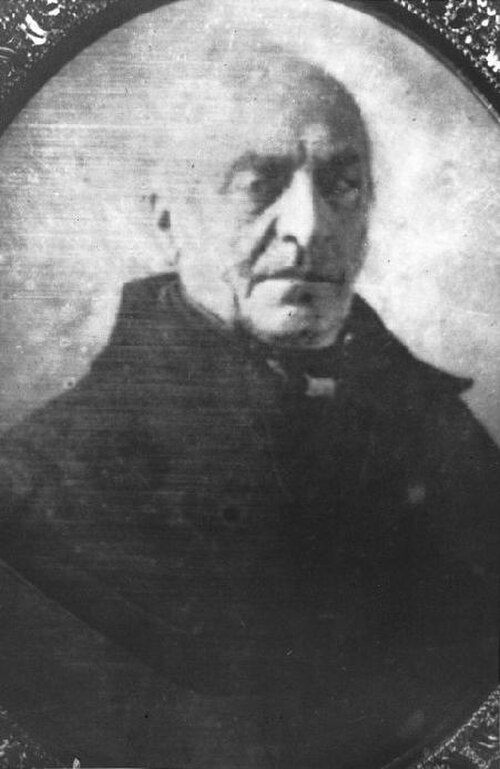 بنيامين هارت ، رجل أعمال، وضابط ميليشيا، وقاضي صلح، 1855
 متجر لبيع الحليب في سوق كنسينغتون ، تورنتو، عام 1903. لافتات المتجر، التي تروج للحليب والجبن الكريمي والزبدة والبيض، مكتوبة باللغتين الإنجليزية واليديشية.
 حي ذا وارد، تورنتو ، وهو حي يهودي في الغالب، 1910
 جامع خردة يهودي، شارع بلور الغربي، تورنتو، 1911
 تدشين الكنيس الجديد، كيركلاند ليك ، أونتاريو. الحاخام يوسف رابين يحمل التوراة، ١٩٢٩
 The Canadian Jewish Farm School in Georgetown, Ontario was established in 1927 and served as a training school for Polish war orphans brought to Canada after the First World War[30]
The Canadian Jewish Congress (CJC) was founded in 1919 and would be the major representative body of the Canadian Jewish community for 90 years. Much of its work was focused on lobbying the government around issues of immigration, human rights and antisemitism. One of the terms of the 1919 Treaty of Versailles was the so-called "minorities treaties" that committed Eastern European states with substantial Jewish populations, such as Poland, Romania, and Czechoslovakia, to protect the rights of minorities with the League of Nations to monitor their compliance. The CJC was founded in part to lobby the government of Canada to use its influence at the League of Nations to ensure that the Eastern European states were abiding by the terms of the "minorities treaties".[26]
On August 16, 1933, one of the most famous antisemitic incidents in Canada took place, known as the Christie Pits riot. On that day after a baseball game in Toronto a group of young men using Nazi symbols started a massive melee, arguably the largest in Toronto's history, on the ground of racial hatred, involving hundreds of men.[31]
In 1934, another antisemitic incident occurred when the first medical strike in a Canadian hospital was held in response to the appointment of a Jewish doctor to Montreal's Notre-Dame Hospital.[32][33][34][35] Dr Sam Rabinovitch would have been the first Jew appointed to the a French-Canadian hospital.[32] The four-day strike, nicknamed the "Days of Shame", involved interns refusing to "provide care to anyone, including emergency patients".[32] The strike was called off after Dr Rabinovitch resigned after he realised that no patients would be treated otherwise.[32]
Westward expansion

In the late 1800s and early 1900s, through such movements as the Jewish Colonization Association, 15 Jewish farm colonies were established on the Canadian prairies.[36] Few of the colonies did very well, partly because the Jews of East European origin were forbidden to own farms in the old country and thus had little experience in farming. One settlement that did well was Yid'n Bridge, Saskatchewan, started by South African farmers. Eventually the community grew larger as the South African Jews, who had gone to South Africa from Lithuania invited Jewish families directly from Europe to join them, and the settlement eventually became a town, whose name was later changed to the Anglicized name of Edenbridge.[36][37][38] The Jewish farming settlement folded in the first generation.[36]Beth Israel Synagogue at Edenbridge is now a designated heritage site. In Alberta, the Little Synagogue on the Prairie is now in the collection of a museum.
At this time, most of the Jewish Canadians in the west were either storekeepers or tradesmen. Many set up shops on the new rail lines, selling goods and supplies to the construction workers, many of whom were also Jewish.[39][40] Later, because of the railway, some of these homesteads grew into prosperous towns. At this time, Canadian Jews also had important roles in developing the west coast fishing industry, while others worked on building telegraph lines.[41] Some, descended from the earliest Canadian Jews, stayed true to their ancestors as fur trappers. The first major Jewish organization to appear was B'nai B'rith. Till today, B'nai B'rith Canada is the community's independent advocacy and social service organization. Also at this time, the Montreal branch of the Workmen's Circle was founded in 1907. This group was an offshoot of the Jewish Labour Bund, an outlawed party in Russia's Pale of Settlement. It was an organization for The Main's radical, non-Communist, non-religious, working class.[42]
Organization

مع اندلاع الحرب العالمية الأولى ، بلغ عدد اليهود الكنديين حوالي 100 ألف نسمة، ثلاثة أرباعهم يقيمون في مونتريال أو تورنتو. بدأ العديد من أبناء اللاجئين الأوروبيين حياتهم كباعة متجولين، ثم شقوا طريقهم تدريجيًا إلى تأسيس شركات تجارية، مثل متاجر التجزئة والجملة. لعب اليهود الكنديون دورًا محوريًا في تطوير صناعة الملابس والنسيج الكندية. [ 43 ] عمل معظمهم كعمال في مصانع النسيج ، بينما امتلك بعضهم مصانع خاصة. انتشر التجار والعمال اليهود من المدن إلى البلدات الصغيرة، وبنوا المعابد والمراكز المجتمعية والمدارس في طريقهم.
مع ازدياد عدد السكان، بدأ اليهود الكنديون بتنظيم أنفسهم كمجتمع رغم وجود عشرات الطوائف المنافسة . تأسس المؤتمر اليهودي الكندي (CJC) عام ١٩١٩ نتيجة اندماج عدة منظمات أصغر. وكان هدف المؤتمر التحدث باسم المصالح المشتركة لليهود الكنديين ومساعدة اليهود المهاجرين. كانت أكبر جالية يهودية في مونتريال، التي كانت آنذاك أكبر مدن كندا وأغناها وأكثرها عالمية. [ ٤٤ ] كانت الغالبية العظمى من يهود مونتريال الذين وصلوا في أوائل القرن العشرين من اليهود الأشكناز الناطقين باليديشية، لكن أبناءهم اختاروا التحدث بالإنجليزية بدلًا من الفرنسية. [ ٤٤ ] حتى عام ١٩٦٤، لم يكن لدى كيبيك نظام تعليم عام، بل كان لديها نظامان تعليميان متوازيان تديرهما الكنائس البروتستانتية والكنيسة الكاثوليكية. ولأن الجالية اليهودية كانت فقيرة جدًا بحيث لا تستطيع تمويل نظامها التعليمي الخاص، اختار معظم الآباء اليهود تسجيل أبنائهم في نظام المدارس البروتستانتية الناطقة بالإنجليزية، والذي كان على استعداد لقبول اليهود على عكس نظام المدارس الكاثوليكية. [ 44 ] كان مقر المجلس اليهودي الكندي في مونتريال، بينما كانت مكتبة مونتريال اليهودية العامة ومسرح مونتريال اليديشي من أكبر المؤسسات الثقافية اليهودية في كندا. [ 44 ] كان اليهود في مونتريال يميلون إلى التمركز في عدة أحياء، مما أعطى شعورًا قويًا بالهوية المجتمعية. [ 44 ]
في عام 1930، وتحت وطأة الكساد الكبير، فرضت كندا قيودًا صارمة على الهجرة من أوروبا الشرقية، مما أثر سلبًا على قدرة اليهود الأشكناز على القدوم إلى كندا. [ 26 ] وفي ظل مناخ معاداة السامية، حيث نُظر إلى المهاجرين اليهود على أنهم منافسون اقتصاديون لغير اليهود، تولى قطب صناعة الويسكي صموئيل برونفمان قيادة المجلس اليهودي الكندي ، على أمل أن يتمكن من إقناع الحكومة بالسماح لمزيد من اليهود بالقدوم. [ 26 ] ونظرًا لتدهور أوضاع اليهود في أوروبا، أصبح السماح بمزيد من الهجرة اليهودية الشغل الشاغل للمجلس اليهودي الكندي. [ 26 ] وعلى الرغم من أن العديد من اليهود الكنديين صوتوا للحزب الليبرالي، الذي يُنظر إليه تقليديًا على أنه صديق الأقليات، إلا أن رئيس الوزراء الليبرالي، ويليام ليون ماكنزي كينغ ، الذي تولى المنصب منذ عام 1935، أثبت عدم تعاطفه الشديد. فقد رفض ماكنزي كينغ بشدة تغيير قانون الهجرة، وقبلت كندا أقل عدد من اللاجئين اليهود من ألمانيا النازية. [ 26 ]
الحرب العالمية الثانية (1939-1945)


خدم حوالي 17,000 كندي يهودي في القوات المسلحة الكندية خلال الحرب العالمية الثانية . [ 45 ] كان الرائد بن دانكلمان، من فوج بنادق الملكة، جنديًا في حملات 1944-1945 في شمال غرب أوروبا، وحصل على أوسمة رفيعة لشجاعته وكفاءته في القتال. في عام 1943، مُنحت سايدي روزنر برونفمان، من مونتريال، زوجة قطب صناعة الويسكي صموئيل برونفمان ، وسام الإمبراطورية البريطانية (MBE) لجهودها في الجبهة الداخلية. [ 46 ] نظمت سايدي برونفمان 7,000 امرأة في مونتريال لإعداد طرود للجنود الكنديين العاملين في الخارج، وهو ما كرّمها عليه الملك جورج السادس. [ 46 ] انضم معظم الكنديين اليهود الذين التحقوا بالقوات المسلحة في ذلك الوقت إلى سلاح الجو الملكي الكندي . [ 47 ]
In 1939, Canada turned away the MS St. Louis with 908 Jewish refugees aboard. It went back to Europe, where 254 of them died in concentration camps. And overall, Canada only accepted 5,000 Jewish refugees during the 1930s and 1940s in a climate of widespread antisemitism.[48] A most striking display of antisemitism occurred with the 1944 Quebec election. The leader of the Union Nationale, Maurice Duplessis appealed to antisemitic prejudices in Quebec in a violently antisemitic speech by claiming that the Dominion government of William Lyon Mackenzie King together with Liberal Premier Adélard Godbout of Quebec had secretly made an agreement with the "International Zionist Brotherhood" to settle 100,000 Jewish refugees left homeless by the Holocaust in Quebec after the war in exchange for the "International Zionist Brotherhood" promising to fund both the federal and provincial Liberal parties.[49] By contrast, Duplessis claimed that he would never take any money from the Jews, and if he were elected Premier, he would stop this alleged plan to bring Jewish refugees to Quebec. Though Duplessis' claims about the alleged plan to settle 100,000 Jewish refugees in Quebec were entirely false, his story was widely believed in Quebec, and ensured he won the election.[49]
In 1945, several organizations merged to form the left-wing United Jewish Peoples' Order, which was one of the largest Jewish fraternal organizations in Canada for a number of years.[50][51]
As in the United States, the community's response to news of the Holocaust was muted for decades. Bialystok (2000) wrote that in the 1950s, the community was "virtually devoid" of discussion. Although one in seven Canadian Jews were survivors or their children, most "did not want to know what happened, and few survivors had the courage to tell them". He argued that the main obstacle to discussion was "an inability to comprehend the event". Awareness emerged in the 1960s, as the community realized that antisemitism remained.[52]
Post war (1945–1997)
From the 1940s to the 1960s, the man generally recognized as the chief spokesman for the Canadian Jewish community was Rabbi Abraham Feinberg of the Holy Blossom Temple in Toronto.[53] In 1950, Dorothy Sangster wrote in Macleans' about him: "Today American-born Rabbi Feinberg is one of the most controversial figures to occupy a Canadian pulpit. Gentiles recognize him as the official voice of Canadian Jewry. This fact was aptly demonstrated a few years ago when Montreal's Mayor Houde introduced him to friends as Le Cardinal des Juifs—the Cardinal of the Jews".[54] Feinberg was very active in various social justice efforts, campaigning for laws against discrimination against minorities and to end the "restrictive covenants".[53]
In March 1945, Rabbi Feinberg wrote an article in Maclean's charging that there was rampant antisemitism in Canada, stating:
"Jews are kept out of most ski clubs. Sundry summer colonies (even on municipally owned land), fraternities, and at least one Rotary Club operate under written or unwritten “Gentiles Only” signs. Many bank positions are not open to Jews. Only three Jewish male physicians have been admitted to the non-Jewish Hospital staff in Toronto. McGill University has instituted a rule requiring, in effect, at least a 10% higher academic average for Jewish applicants; in certain schools of the University of Toronto, anti-Jewish bias is being felt. City Councils debate whether Jewish petitioners should be permitted to build a synagogue; property deeds in some areas bar resale to them. I have seen crude handbills circulated thanking Hitler for his massacre of 80,000 Jews in Kiev."[55]
في عام 1945، في قضية "إعادة النظر في قضية دروموند رين" ، طعنت جمعية تعليم العمال (WEA)، وهي جماعة يهودية، في "العهود التقييدية" التي تحظر تأجير أو بيع العقارات لليهود. [ 56 ] ورغم أن القضية كانت مُدبّرة إلى حد ما، إذ اشترت جمعية تعليم العمال عن وعي عقارًا في تورنتو معروفًا بوجود "عهد تقييدي" فيه، وذلك بهدف الطعن في شرعية هذه "العهود التقييدية" أمام المحاكم، إلا أن القاضي جون كيلر ماكاي أبطل "العهود التقييدية" في حكمه الصادر في 31 أكتوبر 1945. [ 56 ] وفي عام 1948، أُبطل حكم ماكاي في قضية دروموند رين في قضية نوبل ضد آلي من قِبل المحكمة العليا في أونتاريو، التي قضت بأن "العهود التقييدية" "قانونية وقابلة للتنفيذ". [ 57 ] قررت امرأة تُدعى آنا نوبل بيع كوخها في منتجع بيتش أو باينز إلى برنارد وولف، وهو رجل أعمال يهودي من لندن، أونتاريو. وقد اعترضت جمعية منتجع بيتش أو باينز على البيع لوجود "شرط تقييدي" يمنع بيع الأكواخ لأي شخص من "العرق أو الدم اليهودي أو العبري أو السامي أو الزنجي أو الملون". [ 57 ] وبدعم من لجنة العلاقات العامة المشتركة للمؤتمر اليهودي الكندي ومنظمة بناي بريث برئاسة الحاخام فاينبرغ، تم استئناف حكم نوبل أمام المحكمة العليا الكندية، التي أصدرت في نوفمبر 1950 حكمًا ضد "الشروط التقييدية"، وإن كان ذلك استنادًا إلى مسألة فنية بحتة، وهي أن عبارة "العرق أو الدم اليهودي أو العبري أو السامي أو الزنجي أو الملون" كانت مبهمة للغاية. [ 57 ]
After the war, Canada liberalized its immigration policy. Roughly 40,000 Holocaust Survivors came during the late 1940s, hoping to rebuild their shattered lives. In 1947, the Workmen's Circle and Jewish Labour Committee started a project, spearheaded by Kalmen Kaplansky and Morris (Moishe) Lewis, to bring Jewish refugees to Montreal in the needle trades, called the Tailors Project.[58] They were able to do this through the federal government's "bulk-labour" program that allowed labour-intensive industries to bring European displaced persons to Canada, to fill those jobs.[59] For Lewis's work on this and other projects during this period, the Montreal branch was renamed the Moshe Lewis Branch, after he died in 1950. The Canadian arm of the Jewish Labor Committee also honored him when they established the Moshe Lewis Foundation in 1975.[60]
In the post-war era, universities proved more willing to accept Jewish applicants and in the decades after 1945, many Canadian Jews tended to move up from a lower-class group working as menial laborers to a middle class group working as bourgeois professionals.[26] With the ability to obtain a better education, many Jews become doctors, teachers, lawyers, dentists, accountants, professors and other bourgeois occupations.[26] Geographically, there was a tendency for many Jews living in the inner cities of Toronto and Montreal to move out to the suburbs.[26] The rural Jewish communities almost vanished as Jews living in rural areas decamped to the cities.[26] Reflecting a more tolerant attitude, Canadian Jews became active on the cultural scene.[26] In the post-war decades Peter C. Newman, Wayne and Shuster, Mordecai Richler, Leonard Cohen, Barbara Frum, Joseph Rosenblatt, Irving Layton, Eli Mandel, A.M. Klein, Henry Kreisel, Adele Wiseman, Miriam Waddington, Naim Kattan, and Rabbi Stuart Rosenberg were individuals of note in the fields of arts, journalism and literature.[26]
Since the 1960s, a new immigration wave of Jews has started to take place. A number of French-speaking Jews from North Africa ended up settling in Montreal.[26] Some South African Jews decided to emigrate to Canada after South Africa became a republic in 1961, and was followed by another wave in the late 1970s, which was precipitated by anti-apartheid rioting and civil unrest.[61] The majority of them settled in Ontario, with the largest community in Toronto, followed by those in Hamilton, London and Kingston. Smaller waves of Zimbabwean Jews were also present during this period.
In 1961 Louis Rasminsky became the first Jewish governor of the Bank of Canada. Every previous governor of the Bank of Canada had been a member of the prestigious Rideau Club of Ottawa, but Rasminsky's application to join the Rideau Club was turned down on the account of his religion, a rejection that deeply hurt him.[62] Through the Rideau Club changed its policies in response to public criticism, Rasminsky only joined the club after he retired as bank governor in 1973.[62] In 1968, the Liberal MP Herb Gray of Windsor became the Jewish federal cabinet minister. In 1970, Bora Laskin became the first Jewish justice of the Supreme Court of Canada and in 1973, the first Jewish Chief Justice of the Supreme Court. In 1971, David Lewis became the leader of the New Democratic Party, becoming the first Jew to head a major Canadian political party.
In 1976, the Quebec provincial election was won by the separatist Parti Québécois (PQ), which sparked a major flight of Montreal's English-speaking Jews to Toronto, with about 20,000 leaving.[44] The Jewish community of Montreal has been a bastion of federalism, and Quebec separatists, with their goal of creating a nation-state for French-Canadians, have tended to be hostile to Jews.[44] In both the 1980 and 1995 referendums, Montreal's Jews voted overwhelmingly for Quebec to remain in Canada.[44]
كانت السياسة الكندية الرسمية بعد عام 1945 قبول المهاجرين من أوروبا الشرقية طالما كانوا مناهضين للشيوعية، حتى لو كانوا قد قاتلوا في صفوف ألمانيا النازية. فعلى سبيل المثال، استقر قدامى المحاربين في فرقة فافن إس إس الرابعة عشرة ( غاليسيا) ، التي جُند معظم أفرادها من الأوكرانيين في غاليسيا ، في كندا. [ 63 ] وقد تم تجاهل حقيقة ارتكاب رجال فرقة فافن إس إس الرابعة عشرة جرائم حرب، لاعتقادهم بفائدتهم في الحرب الباردة. [ 63 ] وفي أوكفيل، أونتاريو ، يُخلّد نصب تذكاري عام ذكرى رجال فرقة إس إس الرابعة عشرة كأبطال. [ 64 ] وابتداءً من ثمانينيات القرن العشرين، بدأت جماعات يهودية بالضغط على الحكومة الكندية لترحيل المتعاونين مع دول المحور من أوروبا الشرقية، والذين رحبت بهم الحكومة الكندية بحفاوة بالغة في أربعينيات وخمسينيات القرن العشرين. [ 26 ] في عام 1997، اتهم تقريرٌ أعدّه سول ليتمان، رئيس عمليات مركز سيمون فيزنتال في كندا، كنداَ بقبول ألفي جنديٍّ من قدامى المحاربين في فرقة فافن-إس إس الرابعة عشرة عام 1950 دون أيّ تدقيق؛ وأظهر برنامج الأخبار الأمريكي " 60 دقيقة" أن كندا سمحت لنحو ألف جنديٍّ من قدامى محاربي إس إس من دول البلطيق بالحصول على الجنسية الكندية؛ ووصفت صحيفة جيروزاليم بوست كندا بأنها "ملاذٌ شبه مثالي" لمجرمي الحرب النازيين. [ 65 ] وذكر المؤرخ اليهودي الكندي إيرفينغ أبيلا أن أفضل طريقة لدخول سكان أوروبا الشرقية إلى كندا ما بعد الحرب "كانت إظهار وشم إس إس. فهذا يُثبت أنهم معادون للشيوعية". [ 65 ] وعلى الرغم من ضغوط الجماعات اليهودية، تهاونت الحكومة الكندية في ترحيل مجرمي الحرب النازيين خشية إغضاب الناخبين من أصول أوروبية شرقية، الذين يُشكّلون نسبةً كبيرةً من الناخبين الكنديين. [ 65 ]
الحداثة (منذ عام 2001)
اليوم، تُحافظ الثقافة اليهودية في كندا على وجودها من خلال اليهود الممارسين للشعائر الدينية واليهود العلمانيين . يتحدث جميع اليهود تقريبًا في كندا إحدى اللغتين الرسميتين ، مع أن معظمهم يتحدث الإنجليزية بدلًا من الفرنسية. يتحدث معظم اليهود الأشكناز الإنجليزية كلغة أولى، بما في ذلك معظم اليهود الأشكناز في كيبيك . [ 66 ]
In terms of Jewish denominations, 26% of Canadian Jews are Conservative, 17% Orthodox, 16% Reform, 29% are "Just Jewish", and the remaining 12% align themselves with smaller movements or are unsure. Intermarriage is relatively low among Canadian Jews, with 77% of married Jews having a Jewish spouse.[67]
Most of Canada's Jews live in Ontario and Quebec, followed by British Columbia, Manitoba and Alberta. While Toronto currently contains the largest Jewish community, Montreal held this position until the 1970s, when many English-speaking Jewish Canadians left for Toronto, fearing that Quebec might leave the federation following the rise of nationalist political parties, as well as a result of Quebec's Language Law.[68]
 Ben's Deli was a Montreal icon during the 20th century
 A sign at Siegel's Bagels, Granville Island, Vancouver
 Association of Jewish Seniors/CJPAC hosting a Toronto Mayoral candidates' debate, 2010
 Schwartz's Hebrew Delicatessen, a popular deli in Montreal
 Jewish members of Toronto Pride 2009 Parade for LGBT pride
The Jewish population is growing rather slowly due to aging and low birth rates. The population of Canadian Jews increased by just 3.5% between 1991 and 2001, despite much immigration from the former Soviet Union, Israel, and other countries.[69]
Politically, the major Jewish Canadian organizations are the Centre for Israel and Jewish Advocacy (CIJA) and the more conservative B'nai Brith Canada, both claim to be the voice of the Jewish community. The United Jewish People's Order, once the largest Jewish fraternal organization in Canada, is a left-leaning secular group established in 1927 with current chapters in Toronto, Hamilton, Winnipeg and Vancouver. Politically, UJPO opposes the Israeli Occupation and advocates for a two-state solution, but focuses primarily on Jewish cultural, educational and social justice issues. A smaller organization, Independent Jewish Voices (Canada), characterized as anti-Zionist, argues that the CIJA and B'nai B'rith do not speak for most Canadian Jews. Also, many Canadian Jews simply have no connections to any of these organizations.
يُعدّ معدل المواليد بين اليهود في كندا أعلى بكثير من نظيره في الولايات المتحدة، حيث بلغ معدل الخصوبة الكلي 1.91 وفقًا لتعداد عام 2001. ويعود ذلك إلى وجود أعداد كبيرة من اليهود الأرثوذكس في كندا. ووفقًا للتعداد، فإن معدل المواليد ومعدل الخصوبة الكلي لدى اليهود أعلى من مثيله لدى المسيحيين (1.35)، والبوذيين (1.34)، وغير المتدينين (1.41)، والسيخ (1.9)، ولكنه أقل بقليل من مثيله لدى الهندوس (2.05) والمسلمين (2.01). [ 70 ]
في القرن الحادي والعشرين، باتت معاداة السامية مصدر قلق متزايد، مع ارتفاع حاد في حوادثها خلال السنوات الأخيرة. ويشمل ذلك تصريحات إرنست زوندل المعادية للسامية التي حظيت بتغطية إعلامية واسعة . في عام ٢٠٠٩، أنشأت الأحزاب السياسية الفيدرالية الأربعة الرئيسية الائتلاف البرلماني الكندي لمكافحة معاداة السامية للتحقيق في هذه الظاهرة ومكافحتها، ولا سيما معاداة السامية الجديدة . [ ٧١ ] وتقوم رابطة حقوق الإنسان التابعة لمنظمة بناي بريث برصد هذه الحوادث وإعداد تقرير سنوي عنها. وشهدت كندا اتساعًا في نطاق حوادث معاداة السامية، حيث سُجلت عدة حالات تخريب معادية للسامية وكتابة رموز نازية في أغسطس ٢٠١٣ في وينيبيغ ومنطقة تورنتو الكبرى. [ ٧٢ ] [ ٧٣ ]
في 26 فبراير 2014، ولأول مرة في التاريخ الكندي، قادت منظمة بناي بريث كندا وفداً رسمياً من قادة المجتمع السفاردي والناشطين والمتبرعين والزعماء الروحيين من جميع أنحاء البلاد لزيارة مبنى البرلمان والاجتماع مع رئيس الوزراء والسفراء وغيرهم من الشخصيات البارزة. [ 74 ]
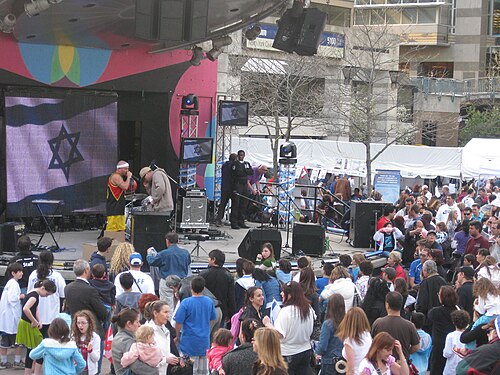
Since the beginning of the 21st century, Jewish immigration to Canada has continued, increasing in numbers with the passing of the years. With the rise of antisemitic acts in France and weak economic conditions, most of the Jewish newcomers are French Jews who are mainly looking for new economic opportunities (either in Israel or elsewhere, with Canada one of the top destinations chosen by French Jews to live in, particularly in Quebec).[75] For the same reasons, and due to cultural and linguistic proximity, several members of the Belgian-Jewish community choose Canada as their new home. There are efforts by the Jewish community of Montreal to attract these immigrants and make them feel at home, as well as those from other parts of the world.[76] There is also some immigration of Argentine Jews and from other parts of Latin America. Argentina is home to the largest Jewish community in Latin America and the third largest in the Americas after the United States and Canada.[77]
A population of Israeli Jews emigrates to Canada to study and work. The Israeli Canadian community is growing, and it is one of the largest Israeli diaspora groups with an estimated 30,000 people.[77] A small proportion of Israeli Jews who come to Canada are Ethiopian Jews.
Afghan Jews
Following the Fall of Kabul in August 2021, the final Afghan Jew still in Afghanistan, Tova Moradi, fled to Canada.[78] This marked the end of Afghanistan's 2,700-year Jewish history.[79][80]
Demographics
Provincial and territorial

Jewish Canadian population by province and territory in Canada in 2011 according to Statistics Canada and United Jewish Federations of Canada[81]
| Province or territory | Jews | Percentage |
|---|---|---|
| Canada | 391,665 | 1.2% |
 Ontario Ontario | 226,610 | 1.8% |
 Quebec Quebec | 93,625 | 1.2% |
 British Columbia British Columbia | 35,005 | 0.8% |
 Alberta Alberta | 15,795 | 0.4% |
 Manitoba Manitoba | 14,345 | 1.2% |
 Nova Scotia Nova Scotia | 2,910 | 0.3% |
 Saskatchewan Saskatchewan | 1,905 | 0.2% |
 New Brunswick New Brunswick | 860 | 0.1% |
 Newfoundland and Labrador Newfoundland and Labrador | 220 | 0.0% |
 Prince Edward Island Prince Edward Island | 185 | 0.1% |
 Yukon Yukon | 145 | 0.4% |
 Northwest Territories Northwest Territories | 40 | 0.1% |
 Nunavut Nunavut | 15 | 0.1% |
Municipal
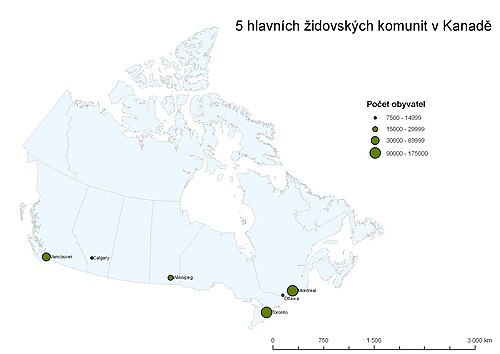
| 2001[82] | 2011[83] | Trend | |||||
|---|---|---|---|---|---|---|---|
| City | Population | Jews | Percentage | Population | Jews | Percentage | |
| Greater Toronto Area | 5,081,826 | 179,100 | 3.5% | 6,054,191 | 188,710 | 3.1% |  5.4% 5.4% |
| Greater Montreal | 3,380,645 | 92,975 | 2.8% | 3,824,221 | 90,780 | 2.4% |  2.4% 2.4% |
| Greater Vancouver | 1,967,480 | 22,590 | 1.1% | 2,313,328 | 26,255 | 1.1% | 16.2% |
| Calgary | 943,315 | 7950 | 0.8% | 1,096,833 | 8335 | 0.8% | 4.8% |
| أوتاوا | 795,250 | 13130 | 1.7% | 883,390 | 14,010 | 1.6% | 6.7% |
| إدمونتون | 666,105 | 4920 | 0.7% | 812,201 | 5550 | 0.7% | 12.8% |
| وينيبيغ | 619,540 | 14760 | 2.4% | 663,617 | 13,690 | 2.0% | 7.2% |
| هاميلتون | 490,270 | 4675 | 1.0% | 519,949 | 5110 | 1.0% | 9.3% |
| كيتشنر-واترلو | 495,845 | 1950 | 0.4% | 507,096 | 2015 | 0.4% | 3.3% |
| هاليفاكس | 355,945 | 1985 | 0.6% | 390,096 | 2120 | 0.5% | 6.8% |
| لندن | 336,539 | 2290 | 0.7% | 366,151 | 2675 | 0.7% | 16.8% |
| فيكتوريا | 74125 | 2595 | 3.5% | 80,017 | 2740 | 3.4% | 5.6% |
| وندسور | 208,402 | 1525 | 0.7% | 210,891 | 1515 | 0.7% | 0.7% |
ثقافة
اليديشية
اللغة اليديشية ( יידיש ) هي اللغة التاريخية والثقافية لليهود الأشكناز ، الذين يشكلون غالبية اليهود الكنديين، وكانت تُستخدم على نطاق واسع داخل المجتمع اليهودي الكندي حتى منتصف القرن العشرين. [ 84 ]
كانت مونتريال، ولا تزال إلى حد ما، تضمّ واحدة من أكثر المجتمعات اليديشية ازدهارًا في أمريكا الشمالية. وكانت اليديشية اللغة الثالثة في مونتريال (بعد الفرنسية والإنجليزية) طوال النصف الأول من القرن العشرين. وصدرت صحيفة "كانادر أدلر " (النسر الكندي)، وهي صحيفة يومية باللغة اليديشية في مونتريال أسسها هيرش وولوفسكي ، من عام ١٩٠٧ إلى عام ١٩٨٨. [ ٨٥ ] وكان النصب التذكاري الوطني مركزًا للمسرح اليديشي من عام ١٨٩٦ حتى بناء مركز سايدي برونفمان للفنون ، الذي افتُتح في ٢٤ سبتمبر ١٩٦٧، حيث لا يزال مسرح دورا واسرمان اليديشي ، وهو المسرح اليديشي الدائم الوحيد في أمريكا الشمالية، قائمًا. كما تقوم فرقة المسرح بجولات في كندا والولايات المتحدة وإسرائيل وأوروبا. وفي عام ١٩٣١، صرّح ٩٩٪ من يهود مونتريال بأن اليديشية هي لغتهم الأم. في ثلاثينيات القرن العشرين، كان هناك نظام تعليمي للغة اليديشية وصحيفة يديشية في مونتريال. [ 86 ] في عام 1938، كانت معظم الأسر اليهودية في مونتريال تستخدم اللغة الإنجليزية بشكل أساسي، وكثيراً ما كانت تستخدم الفرنسية واليديشية. 9% من الأسر اليهودية كانت تستخدم الفرنسية فقط، و6% كانت تستخدم اليديشية فقط. [ 87 ]
في عام ١٩٨٠، نشر حاييم ليب فوكس كتاب "هوندرت يور ييديشي أون هيبرييشه ليتراتور إن كانادي " [ ٨٨ ] ("مئة عام من الأدب اليديشي والعبري في كندا") [ ٨٩ ] ، وهو موسوعة شاملة لتاريخ الأدب والثقافة اليهودية في كندا. [ ٨٨ ] غطى هذا المجلد الشامل ٤٢٩ كاتبًا من أدب اليديشية والعبرية الذين نشروا أعمالهم في كندا بين عامي ١٨٧٠ و١٩٧٠. [ ٨٨ ] ووفقًا لفيفيان فيلسن ، فقد كان هذا الكتاب "المحاولة الأكثر طموحًا للحفاظ على الثقافة اليديشية في كندا". [ ٨٨ ]
يضعط
كانت صحيفة "كنديان جيوويش نيوز" (CJN) حتى أبريل 2020، الصحيفة الأكثر قراءةً بين صحف الجالية اليهودية في كندا. وقد عانت لسنوات من عجز مالي تفاقم بسبب تأثير جائحة فيروس كورونا على مواردها المالية في كندا . وصرحت رئيسة الصحيفة، إليزابيث وولف، قائلةً: "كانت صحيفة CJN تعاني من مشكلة قائمة، وقد ألحقت بها جائحة كوفيد-19 ضرراً بالغاً ". [ 90 ]
بعد ذلك بوقت قصير، ظهرت صحيفتان جديدتان للجالية اليهودية، وهما صحيفة Canadian Jewish Record ( المؤرشفة في 31 أكتوبر 2020، على Wayback Machine) وموقع TheJ.ca الذي بدأ النشر في مايو 2020. [ 91 ] سعت هاتان الصحيفتان إلى سد الفراغ الذي خلفته صحيفة CJN، ولكن على عكس صحيفة CJN، [ 92 ] كانت لهما مواقف تحريرية ذات توجهات سياسية حزبية. أشار الرئيس التنفيذي لصحيفة "كنديان جويش ريكورد" ذات الميول اليسارية إلى أنها "ليست منبرًا مناهضًا للصهيونية، بل ستُقدم الصحيفة نقدًا مشروعًا لدولة إسرائيل بشكل دوري ". [ 93 ] في المقابل، أكد موقع TheJ.ca أن موقفه من قضية إسرائيل يميل إلى اليمين، حيث صرّح الصحفي والمؤسس المشارك ديف جوردون قائلًا: "نحن مؤيدون لإسرائيل بشدة، وصهيونيون للغاية...". بينما أعرب رون إيست، ناشر TheJ.ca، عن معارضته للنشاط اليهودي التقدمي، مدعيًا أن وجهات النظر الصهيونية اليمينية "تُهمّش"، مما يستدعي "منصة تسمح لهذه الأصوات بالظهور". [ 93 ] [ 94 ]
في مايو 2021، أُعيد إطلاق صحيفة "كنديان جيوويش نيوز" كمنشور رقمي فقط على موقع thecjn.ca . وفي ديسمبر 2020، أعلنت صحيفة "كنديان جيوويش ريكورد" عن توقفها عن الصدور بمقال بعنوان "ملاحظة من الناشر: اكتمل الجسر الآن"، موضحةً أنها كانت تنوي "أن تكون جسراً بين صحيفة "كنديان جيوويش نيوز" التي أُغلقت مؤخراً وعودتها المرجوة"، ونظراً لنجاح "كنديان جيوويش نيوز" في إعادة الإطلاق، فقد توقفت "كنديان جيوويش ريكورد" عن النشر. [ 95 ] استأنفت "كنديان جيوويش نيوز" تغطيتها الصحفية، وتُصدر الآن أيضاً نشرة إخبارية عبر البريد الإلكتروني، [ 96 ] بالإضافة إلى العديد من البودكاست الأسبوعية. [ 97 ]
المتاحف والمعالم الأثرية
تضم كندا العديد من المتاحف والمعالم اليهودية، التي تركز على الثقافة والتاريخ اليهودي . [ 98 ]
الاقتصاد الاجتماعي
تعليم
There are numerous Jewish day schools throughout the country, as well as a number of Yeshivot. In Toronto, around 40% of Jewish children attend Jewish elementary schools and 12% go to Jewish high schools. The figures for Montreal are higher: 60% and 30%, respectively. The national average for attendance at Jewish elementary schools is at least 55%.[99]

The Jewish community in Canada is among the country's most educated groups. In 1991, four out of ten doctors and dentists in Toronto were Jewish, and nationally, four times as many Jews completed graduate degrees as Canadians generally. In the same study, it was found that 43% of Jewish Canadians had a bachelor's degree or higher, while the comparable figure for persons of British origin is 19% and just 16% for the general Canadian population as a whole.[101][102]
In 2016, 80% of Canadian Jewish adults aged 25–64 had a Bachelor's Degree, while only 29% of the general Canadian population did. An additional 37% of Canadian Jews in this age range had post-graduate or professional degrees.[67]
Jewish Canadians comprise approximately one percent of the Canadian population, but make up a significantly larger percentage of the student body of some of the most prestigious universities in Canada.[103]
| Reputation Rankings (Maclean's)[104] | University | Jewish Students[100][105][106] | % of Student Body[100] |
|---|---|---|---|
| 1 | University of Toronto | 3,000 | 5% |
| 2 | University of British Columbia | 1,000 | 2% |
| 3 | University of Waterloo | 1,200 | 3% |
| 4 | McGill University | 3,550 | 10% |
| 5 | McMaster University | 900 | 3% |
| 7 | Queen's University | 2,000 | 7% |
| 8 | University of Western Ontario | 3,250 | 10% |
| 15 | Ryerson University | 1,650 | 3% |
| 17 | Concordia University | 1,125 | 3% |
| 18 | University of Ottawa | 850 | 2% |
| 20 | York University | 4,000 | 7% |
Employment
Before the mass Jewish immigration of the 1880s, the Canadian Jewish community was relatively affluent compared to other ethnic groups in Canada, a distinguishable feature that continues on to this day. During the 18th and the 19th centuries, upper class Jews tended to be fur traders, merchants, and entrepreneurs.[107]
في مطلع القرن العشرين، كان معظم رؤساء الأسر اليهودية يعملون لحسابهم الخاص في تجارة الجملة أو التجزئة أو البيع المتجول ، على الرغم من أن أعدادًا كبيرة من اليهود بدأت بالانخراط في سوق العمل اليدوي في أوائل القرن العشرين، لا سيما في قطاع الملابس. وبحلول عام ١٩١٥، كان نصف الجالية اليهودية في تورنتو يعمل لحسابه الخاص، بينما كان النصف الآخر يعمل في وظائف يدوية، معظمها لدى غير اليهود، في القطاع الثانوي من سوق العمل. وبحلول أوائل الثلاثينيات، كان هناك ما يقرب من ٤٠٠ متجر ومصنع ملابس مملوك لليهود في تورنتو، ولم تعد سيطرة المصنّعين البيض الأنجلو ساكسون على هذا القطاع مطلقة. وكتب الجغرافي دانيال هيبرت أن "رواد الأعمال اليهود نجحوا لأنهم استطاعوا الاعتماد على الموارد داخل مجموعتهم العرقية، مثل العدد الكبير من متاجر بيع الملابس بالتجزئة المملوكة لليهود، والأهم من ذلك، وجود قوة عاملة ماهرة من أبناء عرقهم". [ 108 ] في عام 1930، كان نصف الكنديين العاملين في محلات الرهونات من اليهود. في ذلك العام، لم تتجاوز نسبة اليهود العاملين في مجال القانون أو الطب 2.2% (مع أن هذه النسبة كانت ضعف النسبة العامة في كندا البالغة 1.1%). [ 109 ]
يُعدّ انخراط اليهود الكنديين في العمل النقابي خلال أربعينيات القرن العشرين وحتى منتصفه حدثًا بارزًا. فقد مثّلت اللجنة العمالية اليهودية الكندية، التي بلغ عدد أعضائها ذروته عند 50,000 عضو، النقابات العمالية ذات العضوية اليهودية الكبيرة، بما في ذلك الاتحاد الدولي لعمال الملابس النسائية ، واتحاد عمال الملابس الموحد، واتحاد عمال القبعات والأغطية. [ 110 ] بعد الحرب العالمية الثانية، وجّه اليهود الكنديون اهتمامهم إلى مكافحة معاداة السامية الهيكلية في سوق العمل: [ 111 ] حيث مارست العديد من الجامعات الكندية، ومجالس الإدارة، والبنوك، والمؤسسات التعليمية، والجمعيات المهنية، والشركات التمييز ضد المتقدمين اليهود، أو قيّدت مشاركتهم وترقيتهم من خلال نظام الحصص كسياسة مُتّبعة. [ 112 ]
في أوائل الخمسينيات من القرن العشرين، ازداد الدعم الشعبي لتشريعات مكافحة التمييز، وبحلول الستينيات من القرن العشرين، أنشأت العديد من المقاطعات لجان حقوق الإنسان وسنت تشريعات تحظر التمييز على أساس العرق أو الدين في التوظيف، [ 113 ] مما مكن اليهود من المشاركة بشكل كامل في مجموعة متنوعة من القطاعات والصناعات.
أصبح بإمكان المحامين اليهود ممارسة مهنة المحاماة خارج مجتمعهم بدءًا من أواخر الستينيات وأوائل السبعينيات، مما أدى في نهاية المطاف إلى زيادة ملحوظة في عدد المحامين اليهود العاملين في كبرى مكاتب المحاماة الكندية في التسعينيات. وقد وجدت دراسة أجريت عام 1960 أنه على الرغم من حصول 40% من اليهود على درجات ضمن أفضل 10% من صفوفهم، فإن 8% فقط من المحامين اليهود الذين شملهم الاستطلاع كانوا يعملون في مكاتب محاماة كبيرة، مما أدى إلى انخفاض أجورهم. وبحلول التسعينيات، تساوى تقريبًا عدد اليهود وغير اليهود العاملين في المكاتب الكبيرة. [ 114 ]
الاقتصاد
وفقًا لدراسة أجراها معهد إنفيرونيكس لأبحاث المسح عام 2018 على المجتمع اليهودي الكندي، تم الإبلاغ عن الدخل السنوي للأسر على النحو التالي: [ 115 ]
| دخل | عينة مرجحة |
|---|---|
| أقل من 75 ألف دولار | 21% |
| 75 ألف دولار - 150 ألف دولار | 24% |
| 150 ألف دولار فأكثر | 22% |
| لا أعرف/لا توجد إجابة | 32% |
ثروة
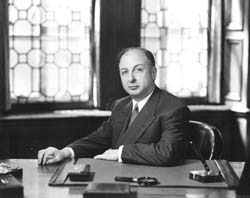
ينتمي غالبية اليهود الكنديين إلى الطبقة المتوسطة (المعرّفة بأنها ذات دخل يتراوح بين 45,000 و120,000 دولار [ 116 ] ) أو الطبقة المتوسطة العليا. ومن بين أغنى العائلات اليهودية الكندية: عائلة برونفمان [ 117 ] ، وعائلة بيلزبيرغ ، وعائلة دايموند ، وعائلة رايخمان [ 118 ] ، وعائلة شيرمان . ويشكل اليهود الكنديون ما يقارب 17% من قائمة مجلة "كنديان بيزنس" لأغنى 100 كندي. [ 119 ]
فقر
في عام 2015، بلغ متوسط دخل اليهود الكنديين الذين تزيد أعمارهم عن 15 عامًا 30,670 دولارًا، ويعيش 14.6% منهم تحت خط الفقر، ويتركز الفقر بينهم في منطقة تورنتو. [ 120 ] (بالمقارنة، تبلغ نسبة الكنديين غير اليهود الذين يعيشون تحت خط الفقر 14.8%). وتعيش النساء اليهوديات في فقر أكثر بقليل من الرجال اليهود، ويتركز الفقر بشكل أكبر بين اليهود الكنديين الذين تتراوح أعمارهم بين 15 و24 عامًا، وكذلك بين من تزيد أعمارهم عن 65 عامًا. وهناك ارتباط وثيق بين الفقر ومستوى التعليم، حيث يتركز الفقر بشكل أكبر بين اليهود الكنديين الحاصلين على التعليم الثانوي فقط، بينما تنخفض مستويات الفقر بين الحاصلين على شهادات الدراسات العليا. [ 121 ]
انظر أيضاً
مراجع
- ↑DellaPergola, Sergio (2013). Dashefsky, Arnold; Sheskin, Ira (eds.). "World Jewish Population, 2013". Current Jewish Population Reports. Storrs, Connecticut: North American Jewish Data Bank. Archived from [. https://thecjn.ca/podcasts/canadian-jewish-population/ the original] on October 26, 2022. Retrieved October 26, 2022.
{{cite web}}: Check|url=value (help) - ↑Shahar, Charles (2011). "The Jewish Population of Canada – 2016 National Household Survey". Berman Jewish Databank. Retrieved September 9, 2014.
- ↑"Basic Demographics of the Canadian Jewish Community". The Centre for Israel and Jewish Affairs. 2011. Archived from the original on December 2, 2013. Retrieved September 9, 2014.
- ↑"Jewish Population of the World". Jewish Virtual Library. 2012. Retrieved September 9, 2014.
- ↑"JEWISH POPULATION IN THE WORLD AND IN ISRAEL"(PDF). CBS. Archived from the original(PDF) on October 26, 2011. Retrieved November 22, 2011.
{{cite journal}}: Cite journal requires|journal=(help) - ↑"The Canadian Jewish Experience". Jcpa.org. October 16, 1975. Retrieved November 22, 2011.
- ↑Government of Canada, Statistics Canada (February 9, 2022). "Profile table, Census Profile, 2021 Census of Population – Canada [Country]". www12.statcan.gc.ca. Retrieved October 26, 2022.
- ↑Sheldon Godfrey and Judy Godfrey. Search Out the Land" The Jews and the Growth of Equality in British Colonial America, 1740–1867. McGill Queen's University Press. 1997. pp. 76–77;Bell, Winthrop Pickard. The "Foreign Protestants" and the Settlement of Nova Scotia:The History of a piece of arrested British Colonial Policy in the Eighteenth Century. Toronto: University of Toronto Press, 1961
- ↑"Hart, Aaron". Exposition Shalom Québec. Archived from the original on July 27, 2010. Retrieved March 25, 2009.
- ↑"Ezekiel Hart". The Canadian Encyclopedia. April 20, 2022. Retrieved December 22, 2024.
- ↑"The Oath or Solemn Affirmation of Allegiance". House of Commons of Canada. October 4, 2004. Retrieved December 23, 2024.
- ↑Weinfeld, Morton; Schnoor, Randal F.; Koffman, David S. (2012). "Overview of Canadian Jewry". American Jewish Year Book 2012. Vol. 109/112. [American Jewish Committee, Springer]. pp. 55–90. doi:10.1007/978-94-007-5204-7_2. ISBN 978-94-007-5203-0. ISSN 0065-8987. JSTOR 45373711. Retrieved December 22, 2024.
- ↑Stein, Matthew; Perry, Barbara; Levit, Irina (2024). "Punishing "Privilege": Antisemitic Hate Crime in Canada". Journal of Interpersonal Violence. 39 (17–18): 3876–3903. doi:10.1177/08862605241259996. ISSN 0886-2605. PMID 39119653.
- ↑Brandeau, EstherDictionary of Canadian Biography Online
- ↑Canada's Jews: A Social and Economic Study of Jews in Canada in the 1930s. Louis Rosenberg, Morton Weinfeld. 1993.
- ↑Arnold, Janice (May 28, 2008). "Exhibition celebrates history of Quebec City Jews – The Canadian Jewish News". Cjnews.com. Retrieved August 18, 2017.
- 12"Canada's Entrepreneurs: From The Fur Trade to the 1929 Stock Market Crash: Portraits" from the Dictionary of Canadian Biography. By Andrew Ross and Andrew Smith, 2012
- ↑Search Out the Land: The Jews and the Growth of Equality in British Colonial America, 1740–1867. Sheldon Godfrey, 1995
- ↑Denis Vaugeois, "Hart, Ezekiel", in Dictionary of Canadian Biography, vol. 7, University of Toronto/Université Laval, 2003, accessed June 9, 2013, online
- ↑Bélanger, Claude, ed. (August 23, 2000). "An Act to Grant Equal Rights and Privileges to Persons of the Jewish Religion (1832)". Marianopolis College.
- ↑ «الجالية اليهودية في مونتريال» . متحف الشعب اليهودي في بيت هتفوتسوت . مؤرشف من الأصل في 25 يونيو 2018. تم الاطلاع عليه في 25 يونيو 2018 .
- ↑ هينشلوود، نيو مكسيكو (1903). مونتريال وضواحيها: تاريخ المدينة القديمة، وسجل مصور للمدينة الحديثة، ورياضاتها وأنشطتها الترفيهية، ووصف مصور للعديد من المنتجعات الصيفية الساحرة حولها . كندا: ديسبارات وشركاه، بتكليف من مدينة مونتريال ووزارة الزراعة. ص 55. تاريخ الاطلاع: 1 يناير 2012 .
- ↑ "مكتبة كيتشنر العامة - لعلماء الأنساب" . مؤرشف من الأصل في 27 أغسطس 2006. تم الاطلاع عليه في 9 سبتمبر 2006 .مكتبة كيتشنر العامة
- ↑ إيزيدور سينغر؛ سايروس أدلر (1907). الموسوعة اليهودية: سجل وصفي لتاريخ ودين وأدب وعادات الشعب اليهودي من أقدم العصور إلى يومنا هذا . فونك وواغنالز. ص 286.
- ↑ سينغر وأدلر (1907). الموسوعة اليهودية: سجل وصفي لتاريخ ودين وأدب وعادات الشعب اليهودي من أقدم العصور إلى يومنا هذا . فونك وواغنالز. ص 286.
- 1 2 3 4 5 6 7 8 9 10 11 12 13 14 15 16 17 18 19 20 21 22 شونفيلد ، ستيوارت . " اليهود الكنديون " . الموسوعة الكندية . تم الاطلاع عليه بتاريخ 29 يونيو 2020 .
- ↑ هينشلوود، نيو مكسيكو (1903). مونتريال وضواحيها: تاريخ المدينة القديمة، وسجل مصور للمدينة الحديثة، ورياضاتها وأنشطتها الترفيهية، ووصف مصور للعديد من المنتجعات الصيفية الساحرة حولها . كندا: ديسبارات وشركاه. ص 53. ISBN 978-0-226-49407-4تم الاطلاع عليه بتاريخ 1 يناير 2012 .
{{cite book}}عدم توافق رقم ISBN / التاريخ ( مساعدة ) - ↑ "السيرة الذاتية - أوبنهايمر، ديفيد - المجلد الثاني عشر (1891-1900) - قاموس السير الذاتية الكندية" .
- ↑ "وفاة أول رئيس بلدية يهودي في كندا فجأة". صحيفة أوتاوا سيتيزن . السنة 121 (403): 15. 1 فبراير 1964.
- ↑ "إيدا سيجل مع إدموند شوير في المدرسة الزراعية اليهودية الكندية، جورج تاون" . أرشيف أونتاريو اليهودي . تم الاطلاع عليه في 1 يوليو 2014 .
- ↑ بيتوني، دانيال (9 أغسطس 2013). "إحياء ذكرى أحداث شغب كريستي بيتس في تورنتو" . صحيفة ذا غلوب آند ميل . تم الاطلاع عليه بتاريخ 18 أغسطس 2017 .
- ويلتون ، ب . ( 9 ديسمبر / كانون الأول 2003). "أيام العار، مونتريال، 1934" . مجلة الجمعية الطبية الكندية . 169 (12): 1329. PMC 280601. PMID 14662683 .
- ↑ لازاروس، ديفيد (25 نوفمبر 2010). "كان الطبيب شخصية محورية في إضراب المستشفى عام 1934" . صحيفة الأخبار اليهودية الكندية . تم الاطلاع عليه في 21 يوليو 2021 .
- ↑ "الدكتور سام رابينوفيتش وإضراب مستشفى نوتردام - مستشفى نوتردام - متحف مونتريال اليهودي" . imjm.ca. تم الاطلاع عليه بتاريخ 21 يوليو 2021 .
- ↑ ميلر، إيفيت آلت (18 يوليو 2021). "أيام العار في مونتريال: عندما أضرب 75 طبيباً حتى استقال طبيب يهودي" . aishcom . تم الاطلاع عليه في 21 يوليو 2021 .
- 1 2 3 "1: الثقافة اليديشية في غرب كندا" (ملف PDF) . مؤرشف من الأصل (ملف PDF) بتاريخ 16 يوليو 2011. تم الاطلاع عليه بتاريخ 18 مايو 2011 .
- ↑ غولدزبورو، غوردون. "معاملات جمعية مانيتوبا التاريخية: مساهمة اليهود في انفتاح الغرب وتنميته" . Mhs.mb.ca. تاريخ الاطلاع: 18 أغسطس 2017 .
- ↑ "قصة مزارعي ساسكاتشوان اليهود تُعرض في المتحف الوطني" . سي بي سي نيوز . ١٢ يوليو ٢٠١٣. تم الاطلاع عليه بتاريخ ١٨ مايو ٢٠١٦ .
- ↑ "ألبرتا" . المكتبة اليهودية الافتراضية . المؤسسة التعاونية الأمريكية الإسرائيلية (AICE) . تم الاطلاع عليه في 12 يونيو 2024 .
- ↑ "السير ويلفريد لورييه ويهود كندا" . تاريخ كندا . الجمعية الوطنية للتاريخ في كندا . تم الاطلاع عليه بتاريخ 12 يونيو 2024 .
- ↑"Canadian National Railways Settle Jews in British Columbia". Jewish Telegraphic Agency. September 21, 1926. Retrieved June 12, 2024.
- ↑Smith, p.123
- ↑Schoenfeld, Stuart (December 3, 2012). "Jewish Canadians". The Canadian Encyclopedia. Retrieved May 29, 2020.
- 12345678Waller, Harold. "Montreal, Canada". Jewish Virtual Library. Encyclopedia Judacia. Retrieved June 29, 2020.
- ↑Canada, Veterans Affairs (July 24, 2020). "Jewish Canadian service in the Second World War – Veterans Affairs Canada". www.veterans.gc.ca.
- 12Curtis, Christopher. "The Bronfman Family". The Canadian Encyclopedia. Retrieved June 30, 2020.
- ↑Usher, Peter (March 4, 2014). "Jews in the Royal Canadian Air Force, 1940–1945". Canadian Jewish Studies / Études juives canadiennes. 20: 93–114. doi:10.25071/1916-0925.36059.
- ↑Beswick, Aaron (December 15, 2013). "Canada turned away Jewish refugees". Retrieved November 24, 2016.
- 12Knowles, Valerie Strangers at Our Gates: Canadian Immigration and Immigration Policy, 1540–2006, Toronto: Dundun Press, 2007 page 149.
- ↑Ester Reiter and Roz Usiskin, "Jewish Dissent in Canada: The United Jewish People's Order", paper presented on May 30, 2004, at a forum on "Jewish Dissent in Canada", at a conference of the Association of Canadian Jewish Studies (ACJS) in Winnipeg.
- ↑Benazon, Michael (May 30, 2004). "Forum on Jewish Dissent". Vcn.bc.ca. Retrieved May 18, 2011.
- ↑Franklin Bialystok, Delayed Impact: The Holocaust and the Canadian Jewish Community (Montreal: McGill-Queen's University Press, 2000) pp 7–8
- 12Menkis, Richard. "Abraham L. Feinberg". Jewish Virtual Encyclopedia. Encyclopaedia Judaica. Retrieved June 23, 2020.
- ↑Sangster, Dorothy (October 1, 1950). "The Impulsive Crusader of Holy Blossom". MacLean's. Archived from the original on August 16, 2021. Retrieved June 23, 2020.
- ↑Feinberg, Abraham (March 1, 1945). ""Those Jews" We fight Hitler's creed overseas ... but we have a seedling of it right here at home, says this Rabbi". MacLean's. Archived from the original on June 26, 2020. Retrieved June 23, 2020.
- 12Girard, Philip Bora Laskin: Bringing Law to Life, Toronto: University of Toronto Press, 2015 page 251
- 123Levine, Allan Seeking the Fabled City: The Canadian Jewish Experience, Toronto: McClelland & Stewart, 2018 p.219
- ↑Smith, p. 215
- ↑Smith, p. 216
- ↑Smith, p. 218
- ↑Canadian Jewish News (September 2, 2014). "Archive collects stories of Southern African Jews". The Canadian Jewish News. Retrieved November 15, 2015.
- 12"Louis Rasminsky". Jewish Virtual Encyclopedia. Encyclopaedia Judaica. Retrieved June 30, 2020.
- 12Littman, Sol Pure Soldiers Or Sinister Legion: The Ukrainian 14th Waffen-SS Division, Montreal: Black Rose, 2003 p.180
- ↑Pugliese, David (May 17, 2018). "Canadian government comes to the defence of Nazi SS and Nazi collaborators but why?". Ottawa Citizen. Retrieved June 30, 2020.
- 123Tugend, Tom (February 7, 1997). "Canada admits letting in 2,000 Ukrainian SS troopers". Jewish News of Northern California. Retrieved June 29, 2020.
- ↑Meland, Matthew (June 10, 2016). "Why do Montreal Jews speak English?". National Observatory on Language Rights. Archived from the original on June 24, 2021. Retrieved November 11, 2019.
- 12"Project Details". www.environicsinstitute.org. Retrieved June 29, 2021.
- ↑"Statistics canada: 2001 Community Profiles". 2.statcan.ca. March 12, 2002. Archived from the original on December 22, 2005. Retrieved May 18, 2011.
- ↑"Microsoft Word - Canada_Part1General Demographics_Report.doc"(PDF). Jfgv.org. Retrieved May 18, 2011.
- ↑"Report on the Demographic Situation in Canada (Catalogue no. 91-209-XIE)"(PDF). Statistics Canada. 2005. Archived from the original(PDF) on October 30, 2008. Retrieved August 25, 2010.
- ↑"CanadianParliamentaryCoalitiontoCombatAntisemitism". Cpcca.ca. Archived from the original on July 6, 2011. Retrieved May 18, 2011.
- ↑McQueen, Cynthia (August 12, 2013). "Anti-Semitic vandalism in motion across GTA". Theglobeandmail.com. Retrieved August 18, 2017– via The Globe and Mail.
- ↑"Antisemitism In Canada: Swastikas In Winnipeg". Jewsnews.co.il. August 14, 2013. Archived from the original on August 21, 2016. Retrieved August 18, 2017.
- ↑Shefa, Sheri (March 2, 2015). "Sephardi delegation heads to Ottawa, meets PM – The Canadian Jewish News". Cjnews.com. Retrieved August 18, 2017.
- ↑"The destination of French Jews, Canada". I24news.fr. Archived from the original on October 6, 2016. Retrieved July 1, 2015.
- ↑The Canadian Jewish News. "Will Jews flee Belgium and France for Quebec?". Retrieved June 7, 2015.
- 12The Jewish Agency for Israel. "The Jewish Community of Canada: A History of the Canadian Jewish Community". Archived from the original on February 3, 2014. Retrieved June 7, 2015.
- ↑Jalalzai, Freshta (March 8, 2024). "The Little-Known Story of Afghanistan's Last Jew". New Lines Magazine. Retrieved April 11, 2024.
- ↑"Woman now thought to be Afghanistan's last Jew flees country". Irish Independent. October 29, 2021. Retrieved April 11, 2024.
- ↑"Woman now thought to be Afghanistan's last Jew flees country". AP News. October 29, 2021. Retrieved April 11, 2024.
- ↑Berman Jewish Databank jewishdatabank.org
- ↑"Canada 2001 Census – Jewish Populations in Geographic Areas"(PDF). Jewish Data Bank. Retrieved August 1, 2023.
- ↑"Search results". www.jewishdatabank.org. Retrieved June 29, 2019.
- ↑Troper, Harold (2017). "Review: Michael Manel, "The Jewish Hour: The Golden Age of Toronto Yiddish Radio Show and Newspaper"". Canadian Jewish Studies. 25 (1): 204–206. doi:10.25071/1916-0925.40029.
- ↑CHRISTOPHER DEWOLF, "A peek inside Yiddish Montreal", Spacing Montreal, February 23, 2008.
- ↑Spolsky, Bernard. The Languages of the Jews: A Sociolinguistic History. Cambridge University Press, March 27, 2014. ISBN 1139917145, 9781139917148. p. 227.
- ↑Spolsky, Bernard. The Languages of the Jews: A Sociolinguistic History. Cambridge University Press, March 27, 2014. ISBN 1139917145, 9781139917148. p. 226.
- 1234Felsen, Vivian (2018). "Preserving Yiddish Culture in Canada: The Remarkable Legacy of Chaim Leib Fuks". Kanade, di Goldene Medine? Perspectives on Canadian-Jewish Literature and Culture / Perspectives sur la littérature et la culture juives canadiennes. Brill | Rodopi. p. 9. ISBN 978-90-04-37941-1. Archived from the original on October 30, 2021. Retrieved February 16, 2022.
- ↑Margolis, Rebecca (2011). Jewish Roots, Canadian Soil: Yiddish Cultural Life in Montreal, 1905–1945. McGill-Queen's Press – MQUP. pp. XIX. ISBN 978-0-7735-3812-2.
- ↑Wolfe, Elizabeth (April 13, 2020). "To our readers: everything has its season. It is time". Canadian Jewish News. Retrieved October 31, 2020.
- ↑Lazarus, David (May 26, 2020). "Canada welcomes two new Jewish outlets, but COVID-19 has media on life support". Times of Israel. Retrieved October 31, 2020.
- ↑"About Us". The Canadian Jewish News. Retrieved October 31, 2020.
- 12Johnson, Pat (June 26, 2020). "Jewish media struggle, revive". The Jewish Independent. Retrieved October 31, 2020.
- ↑Beck, Atara (May 19, 2020). "Canadian Jewish media: 2 new sites vie to replace flagship weekly that folded". World Israel News. Retrieved October 31, 2020.
- ↑Cohen, Andrew (December 23, 2020). "A Note from the Publisher: The Bridge is Now Completed". The Canadian Jewish Record. Canadian Jewish Record. Archived from the original on August 31, 2021. Retrieved December 18, 2021.
- ↑"Newsletters". The Canadian Jewish News. Retrieved December 18, 2021.
- ↑"Podcasts". The Canadian Jewish News. Retrieved December 18, 2021.
- ↑"Community in Canada". World Jewish Congress. Retrieved June 12, 2024.
There are also numerous Jewish museums
- ↑"Jews of Canada". Jafi.org.il. December 2, 2008. Archived from the original on May 8, 2012. Retrieved November 22, 2011.
- 123"Top 60 Jewish Schools – Hillel". Default. Retrieved June 26, 2021.
- ↑"From Immigration To Integration – Chapter Sixteen". Bnaibrith.ca. Archived from the original on March 30, 2012. Retrieved November 20, 2011.
- ↑"The Institute for International Affairs Page". Bnaibrith.ca. Archived from the original on March 30, 2012. Retrieved November 20, 2011.
- ↑"Carleton University – Hillel: The Foundation for Jewish Campus Life". Hillel. January 8, 2008. Retrieved December 9, 2011.
- ↑"Canada's best universities by reputation: Rankings 2021". Macleans.ca. October 8, 2020. Retrieved June 29, 2021.
- ↑"Mcgill University – Hillel College Guide". June 28, 2017. Archived from the original on June 28, 2017. Retrieved June 26, 2021.
- ↑"Concordia University Sir George And Loyola Campus – Hillel College Guide". June 28, 2017. Archived from the original on June 28, 2017. Retrieved June 26, 2021.
- ↑"Economic Life | Multicultural Canada". Multiculturalcanada.ca. Archived from the original on August 13, 2011. Retrieved November 22, 2011.
- ↑Hiebert, Daniel (1993). "Jewish Immigrants and the Garment Industry of Toronto, 1901–1931: A Study of Ethnic and Class Relations". Annals of the Association of American Geographers. 83 (2): 243–271. doi:10.1111/j.1467-8306.1993.tb01934.x. JSTOR 2563495. Retrieved December 16, 2021.
- ↑Kay, Jonathan (January 23, 2019). "The story of Jewish immigrants to Canada, and how they prospered". The Canadian Jewish News. Retrieved December 16, 2021.
- ↑Godwin, Matthew (September 12, 2017). "A legacy worth fighting for: the Left and the Jewish community". PressProgress. The Broadbent Institute. Retrieved December 16, 2021.
- ↑Frager, Ruth A.; Patrias, Carmela (2015). "Ethnic, Class and Gender Dynamics among Jewish Labour Activists and Jewish Human Rights Activists". Canadian Jewish Studies / Études juives canadiennes. 21 (1): 143–160. Retrieved December 16, 2021.
- ↑Berton, Pierre. "No Jews Need Apply". Maclean's. St. Joseph Communications. Archived from the original on December 16, 2021. Retrieved December 16, 2021.
- ↑Abella, Irving (2000). "Presidential Address: Jews, Human Rights, and the Making of a New Canada". Journal of the Canadian Historical Association / Revue de la Société historique du Canada. 11 (1): 3–15. doi:10.7202/031129ar. S2CID 154741819.
- ↑Nigro, Mario; Mauro, Clare. "The Jewish Immigrant Experience and the Practice of Law in Montreal, 1830 to 1990". CanLII. Retrieved December 16, 2021.
- ↑Neuman, Keith. "2018 Survey of Jews in Canada". Environics Institute. Retrieved July 4, 2021.
- ↑Hogan, Stephanie. "Who is Canada's middle class?". CBC. CBC Radio-Canada. Retrieved September 22, 2021.
- ↑Curtis, Christopher G. "Bronfman Family". The Canadian Encyclopedia. Historica Canada. Retrieved September 22, 2021.
- ↑Niosi, Jorge. "Reichmann Family". The Canadian Encyclopedia. Historica Canada. Retrieved September 22, 2021.
- ↑"Canada's Richest People: The Complete Top 100 Ranking". Canadian Business. St. Joseph Communications. Archived from the original on October 23, 2019. Retrieved September 22, 2021.
- ↑"Community Profiles – Jewish Canada". Jewish Federations of Canada. JFC-UIA. Archived from the original on July 9, 2021. Retrieved July 4, 2021.
- ↑Shahar, Charles. "2011 National Household Survey Analysis The Jewish Population of Canada (Parts 3 and 4)"(PDF). Jewish Federations of Canada – UIA. Retrieved July 4, 2021.
Notes
Bibliography
- Brown, Michael. Jew or Juif? Jews, French Canadians, and Anglo-Canadians, 1759–1914 Jewish Publication Society, 1987
- Brym, Robert J., William Shaffir, and Morton Weinfeld. The Jews in Canada (1993)
- Davies, Alan T. Antisemitism in Canada : history and interpretation, Wilfrid Laurier University Press, (1992)
- Goldberg, David Howard. Foreign Policy and Ethnic Interest Groups: American and Canadian Jews Lobby for IsraelArchived May 27, 2012, at the Wayback Machine (1990)
- Greenstein, Michael ed. Contemporary Jewish Writing in Canada: An Anthology (2004). 233 pp. Primary sources
- Greenstein, Michael. "How They Write Us: Accepting and Excepting 'the Jew' in Canadian Fiction," Shofar: An Interdisciplinary Journal of Jewish Studies, Volume 20, Number 2, Winter 2002, pp. 5–27 looks at non-Jewish authors.
- Jedwab, Jack. Canadian Jews in the 21st Century: Identity and Demography (2010)
- Lipinsky, Jack. Imposing Their Will: An Organizational History of Jewish Toronto, 1933–1948 (McGill-Queen's University Press; 2011) 352 pages
- Martz, Fraidi. Open Your Hearts: The Story of the Jewish War Orphans in Canada (Montreal: Véhicule Press, 1996. 189 pp.)
- Rosenberg, Louis, and Morton Weinfeld. Canada's Jews: A Social and Economic Study of Jews in Canada in the 1930s (1939; reprinted 1993)
- Singer, Isidore; Cyrus Adler (1907). The Jewish Encyclopedia: A Descriptive Record of the History, Religion, Literature, and Customs of the Jewish People from the Earliest Times to the Present Day. Funk & Wagnalls.
- Srebrnik, Henry. Creating the Chupah: The Zionist Movement and the Drive for Jewish Communal Unity in Canada, 1898–1921 (2011)
- Srebrnik, Henry. Jerusalem on the Amur: Birobidzhan and the Canadian Jewish Communist Movement, 1924–1951 (2008)
- Troper, Harold. The Defining Decade: Identity, Politics, and the Canadian Jewish Community in the 1960s (2010)
- Tulchinsky, Gerald J. J. Canada's Jews: A People's Journey (2008), the standard scholarly history
- Weinfeld, Morton. "Jews" in Paul Robert Magocsi, ed. Encyclopedia of Canada's Peoples (1991), pp 860–81, the basic starting point.
- Weinfeld, Morton. W. Shaffir, and I. Cotler, eds. The Canadian Jewish Mosaic (1981), sociological studies
Primary sources
- Jacques J. Lyons and Abraham de Sola, Jewish Calendar with Introductory Essay, Montreal, 1854
- Le Bas Canada, Quebec, 1857
- People of Lower Canada, 1860
- The Star (Montreal), December 30, 1893.
Further reading
- Abella, Irving. A Coat of Many Colours. Toronto: Key Porter Books, 1990.
- Brym, Robert. (2024). “Jewish Continuity and the Canadian Census”, Canadian Jewish Studies / Études juives canadiennes, 39, pp. 14–31. Available at: https://cjs.journals.yorku.ca/index.php/cjs/article/view/40398
- Comartin, J. (2016). "Opening Closed Doors: Revisiting the Canadian Immigration Record (1933-1945)."Canadian Jewish Studies Études Juives Canadiennes, 24. https://doi.org/10.25071/1916-0925.39961
- Erwin, N. (2016). "The Holocaust, Canadian Jews, and Canada’s “Good War” Against Nazism."Canadian Jewish Studies Études Juives Canadiennes, 24. https://doi.org/10.25071/1916-0925.39962
- Grad, Kenneth. 2022. “Civil Law Alternatives in the Fight Against Hate Speech: The Case Study of the Marcus Hyman Act”. Canadian Jewish Studies Études Juives Canadiennes 33 (May):13-50. https://doi.org/10.25071/1916-0925.40263
- Godfrey, Sheldon and Godfrey, Judith. Search Out the Land. Montreal: McGill University Press, 1995.
- Jedwab, Jack. Canadian Jews in the 21st Century: Identity and Demography (2010)
- Koffman, David S. 2017. “Suffering & Sovereignty: Recent Canadian Jewish Interest in Indigenous People and Issues”. Canadian Jewish Studies Études Juives Canadiennes 25 (1). https://doi.org/10.25071/1916-0925.40013.
- Lapidus, S. (2004). "The Forgotten Hasidim: Rabbis and Rebbes in Prewar Canada."Canadian Jewish Studies Études Juives Canadiennes, 12. https://doi.org/10.25071/1916-0925.22624
- Leonoff, Cyril. Pioneers, Pedlars and Prayer Shawls: the Jewish Communities in BC and the Yukon. 1978.
- Smith, Cameron (1989). Unfinished Journey: the Lewis Family. Toronto: Summerhill Press. ISBN 0-929091-04-3.
- Schreiber. Canada. The Shengold Jewish Encyclopedia Rockland, Md.: 2001. ISBN 1-887563-66-0.
- Tulchinsky, Gerald. Taking Root. Toronto: Key Porter Books, 1992.
- Jewish Agency Report on Canada
- Glass, Joseph B. "Isolation and Alienation: Factors in the Growth of Zionism in the Canadian Prairies, 1917–1939." Canadian Jewish Studies / Études Juives Canadiennes, vol 9, 2001.
- Menkis, Richard. "Negotiating Ethnicity, Regionalism, and Historiography: Arthur A. Chiel and The Jews of Manitoba: A Social History." Canadian Jewish Studies / Études Juives Canadiennes, vol 10, 2002.
- Usher, P. (2014). "Jews in the Royal Canadian Air Force, 1940-1945."Canadian Jewish Studies Études Juives Canadiennes, 20(1). https://doi.org/10.25071/1916-0925.36059
 This article incorporates text from a publication now in the public domain: Singer, Isidore; et al., eds. (1901–1906). "Canada". The Jewish Encyclopedia. New York: Funk & Wagnalls.
External links
- Canadian Jewish News
- Canadian Jewish Congress Website
- The Jews of Winnipeg a 1973 National Film Board of Canada documentary
- Jewish Canadian history
- Jews and Judaism in Canada
- Asian diaspora in Canada
- Ethnoreligious groups in Canada
- Jewish diaspora