
قائمة الثدييات

الثدييات هي فئة من الحيوانات الفقارية . يُطلق على أفراد هذه الفئة اسم الثدييات. تضم 5907 نوعًا حيًا ، مُصنفة ضمن 163 عائلة ، مُصنفة بدورها ضمن 27 رتبة في 3 أقسام رئيسية. قد تحتوي كل رتبة على ما بين نوع واحد وآلاف الأنواع، مُصنفة ضمن أجناس ثم عائلات. تتميز الثدييات بوجود غدد ثديية تُنتج عند الإناث الحليب لإرضاع صغارها، ومنطقة القشرة المخية الحديثة في الدماغ، والفراء أو الشعر . [ 1 ] [ 2 ] [ 3 ] تنتشر الثدييات في جميع اليابسة الرئيسية والمحيطات، ويمكن العثور عليها في جميع أنحاء العالم. تعيش في كل بيئة على سطح الأرض. النمط الجسمي الأساسي للثدييات هو رباعي الأرجل ، حيث تستخدم معظم الثدييات أطرافها الأربعة للتنقل على الأرض ، ولكن في بعضها تتكيف الأطراف للعيش في البحر ، أو في الهواء ، أو على الأشجار ، أو تحت الأرض . وتتراوح أطوالها من خفاش كيتي ذي الأنف الخنزيري ، الذي يبلغ طوله 2 سم (1 بوصة) بدون ذيل، إلى الحوت الأزرق ، الذي يبلغ طوله 32.6 متر (107 قدم) ، بما في ذلك الذيل.
تنقسم الثدييات إلى ثلاثة أقسام رئيسية: تحت طائفة الجرابيات ، التي تضم الجرابيات التي تحمل صغارها في جراب؛ وتحت طائفة المشيميات ، التي تحمل أجنتها في الرحم ؛ ورتبة أحاديات المسلك ، التي تضم الأنواع التي تبيض. [ 4 ] تضم الجرابيات 333 نوعًا، بينما تضم أحاديات المسلك 5 أنواع، وتضم المشيميات الغالبية العظمى من الثدييات الموجودة حاليًا، إذ يبلغ عددها 5570 نوعًا. تتركز غالبية الثدييات، من حيث عدد الأنواع، في أكبر رتبتين: القوارض ، التي تضم 2360 نوعًا، والخفافيش ، التي تضم 1318 نوعًا. [ 5 ] [ 6 ] لم يُحسم بعدُ التصنيف الدقيق للأنواع، حيث قُدِّمت العديد من المقترحات الحديثة بناءً على التحليل الجزيئي الوراثي . إضافةً إلى الثدييات الموجودة حاليًا، انقرضت 72 نوعًا منذ عام 1500 ميلادي.
الاتفاقيات

يُذكر اسم المؤلف للنوع أو الجنس بعد الاسم العلمي؛ وتشير الأقواس المحيطة باسم المؤلف إلى أن هذا لم يكن التصنيف الأصلي. تُقدم خرائط النطاق الجغرافي كلما أمكن ذلك؛ وإذا لم تتوفر خريطة نطاق جغرافي، يُقدم وصف للنطاق الجغرافي الإجمالي للأنواع في ذلك الجنس. تستند النطاقات الجغرافية إلى القائمة الحمراء للأنواع المهددة بالانقراض الصادرة عن الاتحاد الدولي لحفظ الطبيعة (IUCN) ما لم يُذكر خلاف ذلك. جميع الأجناس أو الأنواع المنقرضة المدرجة بجانب الأنواع الموجودة انقرضت بعد عام 1500 ميلادي، ويُشار إليها برمز الخنجر " † ".
تصنيف
تضم طائفة الثدييات 5907 نوعًا حيًا، موزعة على 1295 جنسًا تنتمي إلى 163 فصيلة . ولا يشمل هذا التصنيف الأنواع الهجينة أو الأنواع المنقرضة التي عاشت في عصور ما قبل التاريخ. وتشير الدراسات الجزيئية الحديثة إلى إمكانية تصنيف هذه الفصائل الـ 163 إلى 27 رتبة ؛ وتنقسم هذه الرتب إلى ثلاث مجموعات رئيسية: الجرابيات ، وهي طائفة فرعية تضم 7 رتب من الثدييات التي تلد صغارًا غير مكتملة النمو نسبيًا، وغالبًا ما تبقى في جراب على بطن أمهاتها لفترة من الزمن؛ والمشيميات ، وهي طائفة فرعية تضم 19 رتبة من الثدييات التي تحمل أجنة داخل الرحم ؛ والثدييات أحادية المسلك ، وهي رتبة من الثدييات التي تبيض. [ 4 ] وضمن هذه المجموعات، تُنظم الرتب في فروع مُسماة ، وبعض هذه الرتب مُقسمة إلى رتب فرعية مُسماة. وقد انقرضت 72 نوعًا إضافيًا منذ عام 1500 ميلادي: 15 نوعًا في الجرابيات و57 نوعًا في المشيميات.
فئة الجرابيات
- أميريدلفيا
- رتبة ديدلفيمورفيا (الأبوسوم): عائلة واحدة، 93 نوعًا (انقرض نوع واحد)
- رتبة Paucituberculata (الأبوسوم الزبابي) : عائلة واحدة، 7 أنواع
- سوبر أوردر أستراليا
- رتبة داسيرومورفيا (الجرابيات اللاحمة الأسترالية): عائلتان، 73 نوعًا (2 منها منقرضة)
- رتبة ثنائيات الأسنان الأمامية (الكنغر والأبوسوم)
- رتبة فرعية من رتبة الكنغر (الكنغر والبوتورو): 3 عائلات، 80 نوعًا (9 منها منقرضة)
- رتبة فرعية من فصيلة الأبوسومات ( Phalangeriformes ): 6 عائلات، 64 نوعًا
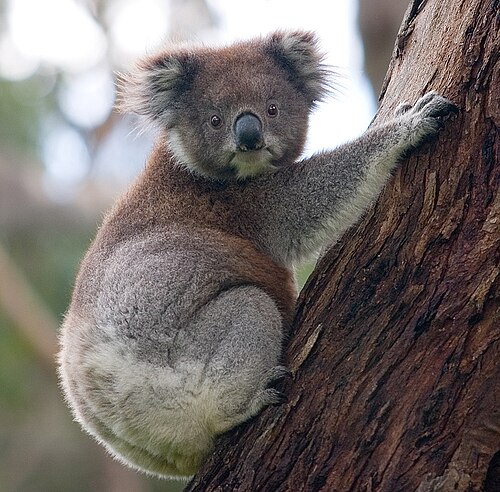
- رتبة فرعية من رتبة الومباتيات (الكوالا والومبات): عائلتان، 4 أنواع
- رتبة الميكروبيوثيريا (مونيتو ديل مونتي): عائلة واحدة، نوعان
- رتبة نوتوريكتيمورفيا (الخلد الجرابي): عائلة واحدة، نوعان
- رتبة بيراميليمورفيا (البانداكوت والبلبي): 3 عائلات، 20 نوعًا (1 منقرض)
فئة المشيمة
- رتبة فائقة من الأفروثيريا
- رتبة الأفروسوريسيدا (الخلد الذهبي والتينريك)
- الرتبة الفرعية Chrysochloridea (الخلد الذهبي): عائلة واحدة، 21 نوعًا
- الرتبة الفرعية تينريكومورفا (زبابات الماء والتينريك): عائلتان، 34 نوعًا
- رتبة الوبريات ( Hyracoidea ): عائلة واحدة، 5 أنواع
- رتبة ماكروسيليديا (زبابات الفيل): عائلة واحدة، 19 نوعًا
- رتبة الخرطوميات (الأفيال): عائلة واحدة، 3 أنواع
- رتبة الأطوميات (أبقار البحر): عائلتان، 5 أنواع (انقرض نوع واحد)
- رتبة Tubulidentata (آردفارك): عائلة واحدة، نوع واحد
- رتبة الأفروسوريسيدا (الخلد الذهبي والتينريك)
- رتبة Euarchontoglires العليا
- رتبة السكندنتيا (السناجب الشجرية): عائلتان، 23 نوعًا
- رتبة الجلديات (كولوغوس): عائلة واحدة، نوعان
- رتبة الأرانب (الأرانب البرية والبيكا): عائلتان، 93 نوعًا
- رتبة الرئيسيات (الرئيسيات)
- رتبة فرعية من هابلوريني (القرود والقردة العليا): 9 عائلات، 389 نوعًا
- الرتبة الفرعية Strepsirrhini (الليمور والجلاجو): 7 عائلات، 142 نوعًا
- رتبة القوارض (القوارض)
- الرتبة الفرعية أنومالورومورفا (السناجب ذات الذيل المتقشر والأرانب البرية): عائلتان، 9 أنواع
- الرتبة الفرعية Castorimorpha (الجرذان الغوفر وجرذان الكنغر): 3 عائلات، 101 نوع
- الرتبة الفرعية هيستريكومورفا (النيص، وفئران الخلد، وفئران نيوتروبيكال الشوكية): 18 عائلة، 301 نوع (15 منها منقرضة)
- الرتبة الفرعية ميومورفا (الفئران والجرذان): 9 عائلات، 1673 نوعًا (24 منها منقرضة)
- رتبة فرعية من السنجابيات (الزغبة والسناجب): 3 عائلات، 314 نوعًا
- رتبة لوراسياثيريا الفائقة
- رتبة مزدوجات الأصابع (ذوات الحوافر ذات الأصابع الزوجية)
- رتبة فرعية من المجترات: 6 عائلات، 227 نوعًا
- الرتبة الفرعية Suina (الخنازير والخنازير البرية): عائلتان، 20 نوعًا
- الرتبة الفرعية تايلوبودا (الإبل): عائلة واحدة، 7 أنواع
- رتبة فرعية من الحيتان وأفراس النهر ( Whippomorpha ): 15 عائلة، 99 نوعًا
- رتبة آكلات اللحوم (الذئاب والقطط)
- رتبة فرعية من الكلبيات (الذئاب، وابن عرس، والفقمات): 9 عائلات، 173 نوعًا (2 منها منقرضة)
- رتبة فرعية من السنوريات (القطط والنمس): 6 عائلات، 125 نوعًا
- رتبة الخفافيش ( Chiroptera )
- الرتبة الفرعية Yangochiroptera (الخفافيش ذات الأنف الورقي والخفافيش المسائية): 14 عائلة، 929 نوعًا (3 منها منقرضة)
- الرتبة الفرعية Yinpterochiroptera (خفافيش الفاكهة وخفافيش حدوة الحصان): 6 عائلات، 398 نوعًا (6 منها منقرضة)
- رتبة Eulipotyphla (القنافذ والزبابات): 4 عائلات، 485 نوعًا
- رتبة فرديات الأصابع (ذوات الحوافر الفردية الأصابع)
- رتبة فرعية من حيوانات السيراتومورفا (وحيد القرن والتابير): عائلتان، 9 أنواع
- رتبة فرعية هيبومورفا (الخيول): عائلة واحدة، 9 أنواع
- رتبة الفوليدوتا (البنغول): عائلة واحدة، 8 أنواع
- رتبة مزدوجات الأصابع (ذوات الحوافر ذات الأصابع الزوجية)
- رتبة زينارثرا الفائقة
- رتبة المدرعات ( Cingulata ): عائلتان، 22 نوعًا
- اطلب Pilosa (الكسلان وآكل النمل)
- الرتبة الفرعية Folivora (الكسلان): عائلتان، 6 أنواع
- رتبة فرعية من آكلات النمل ( Vermilingua ): عائلتان، 3 أنواع
رتبة أحاديات المسلك (خُلد الماء وآكل النمل الشوكي): عائلتان، 5 أنواع
الثدييات
يستند التصنيف التالي إلى التصنيف الموصوف في كتاب " أنواع الثدييات في العالم " (2005)، مع إضافة مقترحات مقبولة عمومًا تم تقديمها منذ ذلك الحين باستخدام التحليل الوراثي الجزيئي ، كما تدعمها كل من الاتحاد الدولي لحفظ الطبيعة والجمعية الأمريكية لعلم الثدييات . [ 5 ] [ 6 ]
فئة الجرابيات

الجرابيات هي إحدى التقسيمات الرئيسية الثلاثة للثدييات، وتضم 334 نوعًا حيًا. وتتميز عن المجموعتين الأخريين بأن الجرابيات تلد صغارًا غير مكتملة النمو نسبيًا، وغالبًا ما تبقى في جراب يقع على بطن أمهاتها لفترة معينة. [ 4 ] وتنقسم إلى مجموعتين: الرتبة العليا أستراليدلفيا وأميردلفيا ، التي كانت تُعتبر سابقًا رتبة عليا، ولكنها تُصنف الآن كمجموعة شبه عرقية . تضم أميردلفيا 99 نوعًا حيًا ضمن رتبتين، تحتوي كل منهما على عائلة واحدة: ديدلفيمورفيا (الأبوسوم)، وباوسيتوبركولاتا ( أبوسوم الزبابة). أما أستراليدلفيا فتضم 235 نوعًا حيًا ضمن 18 عائلة، مُصنفة في 5 رتب: داسيرومورفيا (الجرابيات اللاحمة الأسترالية)، وديبروتودونتيا (الكنغر والأبوسوم). الميكروبيوثيريا ، أو مونيتو ديل مونتيس؛ والنوتوريكتيمورفيا ، أو الخلد الجرابي؛ والبيراميليمورفيا ، أو البانديكوت والبلبي. وقد انقرضت في العصر الحديث فصيلة إضافية واحدة في أمريكا واثنا عشر فصيلة في أستراليا.
أميريدلفيا
ديدلفيمورفيا
تُعرف أفراد رتبة ديدلفيمورفيا باسم ديدلفيمورف أو الأبوسوم. وتوجد هذه الحيوانات في أمريكا الشمالية والجنوبية، وأستراليا، وجنوب شرق آسيا، وهي حيوانات قارتة تتغذى على الحشرات والفقاريات الصغيرة والنباتات. تضم رتبة ديدلفيمورفيا عائلة واحدة من 92 نوعًا حيًا ضمن 18 جنسًا. وقد انقرض نوع إضافي منها في العصر الحديث.
| اسم | السلطة والأنواع | يتراوح | الحجم والبيئة |
|---|---|---|---|
| الأبوسوم ( Didelphidae )
| غراي ، 1821 93 نوعًا (انقرض نوع واحد) ضمن 18 جنسًا
| أمريكا الشمالية وأمريكا الجنوبية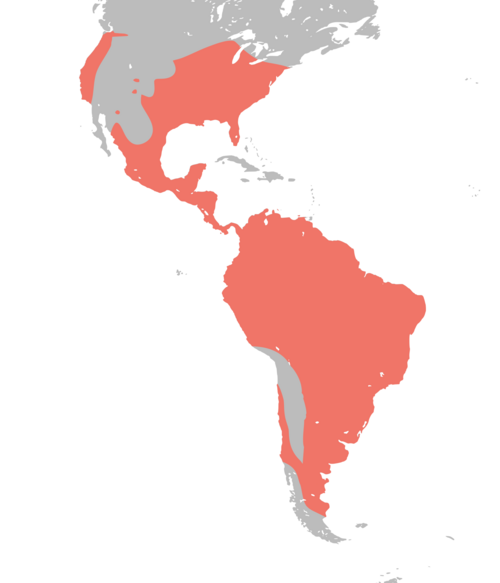 | نطاق الحجم : من 6 سم (2 بوصة) طولاً، بالإضافة إلى 3 سم (1 بوصة) طول الذيل ( الأبوسوم القزم قصير الذيل ) إلى 50 سم (20 بوصة) طولاً، بالإضافة إلى 47 سم (19 بوصة) طول الذيل ( الأبوسوم الفرجيني ) [ 8 ] الموائل : الغابات، والأراضي الشجرية ، والمراعي ، والسافانا ، والأراضي الرطبة الداخلية ، والصحاري [ 9 ] النظام الغذائي : قارت، يشمل الحشرات، واللافقاريات الأخرى، والفقاريات الصغيرة، والبيض، والبذور، والفواكه، والرحيق [ 10 ] |
Paucituberculata
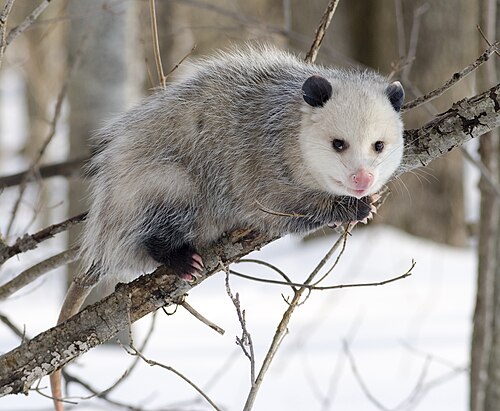
تُعرف أفراد رتبة Paucituberculata باسم الزبابة أو الأبوسوم. وتوجد هذه الحيوانات في غرب أمريكا الجنوبية، وهي قارتة، تتغذى على اليرقات والفقاريات الصغيرة والنباتات. تضم رتبة Paucituberculata عائلة واحدة من سبعة أنواع حية ضمن ثلاثة أجناس.
| اسم | السلطة والأنواع | يتراوح | الحجم والبيئة |
|---|---|---|---|
| Caenolestidae (زباب الأبوسوم)
| تروسارت ، 1898 7 أنواع في 3 أجناس
| غرب أمريكا الجنوبية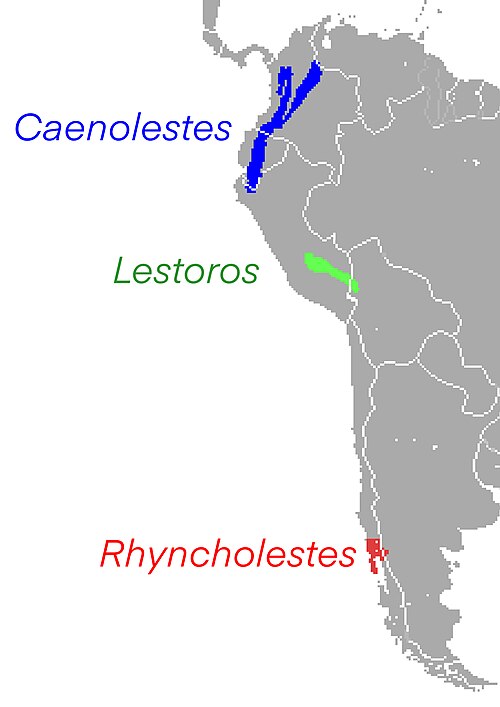 | نطاق الحجم : 9 سم (4 بوصات) طولاً، بالإضافة إلى 10 سم (4 بوصات) ذيل ( إنكان كاينوليستيد ) إلى 15 سم (6 بوصات) طولاً، بالإضافة إلى 15 سم (6 بوصات) ذيل ( نورثرن كاينوليستيد ) [ 11 ] الموائل : الغابات والأراضي الشجرية [ 12 ] الأنظمة الغذائية : يرقات اللافقاريات، والفقاريات الصغيرة، والفواكه، والنباتات [ 13 ] |

سوبر أوردر أستراليا
داسيرومورفيا
تُعرف أفراد رتبة داسيرومورفيا باسم داسيرومورف أو الجرابيات اللاحمة الأسترالية ، وتشمل الزبابة الجرابيية والنمبات . وتوجد هذه الحيوانات في أستراليا وغينيا الجديدة ، وهي لاحمة، تتغذى على مجموعة واسعة من الفقاريات واللافقاريات. تضم داسيرومورفيا عائلتين موجودتين تحتويان على 71 نوعًا حيًا ضمن 17 جنسًا. وقد انقرض نوعان آخران، أحدهما كان يشكل عائلة كاملة، في العصر الحديث.
| اسم | السلطة والأنواع | يتراوح | الحجم والبيئة |
|---|---|---|---|
| داسيريداي (الزباب الجرابي)
| غولدفس ، 1820 71 نوعًا ضمن 16 جنسًا
| أستراليا وغينيا الجديدة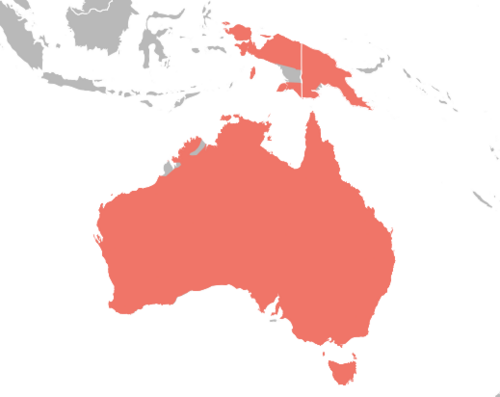 | نطاق الحجم : من 4 سم (2 بوصة) طولاً، بالإضافة إلى 9 سم (4 بوصات) طول الذيل ( النينجاوي الجنوبي ) إلى 65 سم (26 بوصة) طولاً، بالإضافة إلى 26 سم (10 بوصات) طول الذيل ( شيطان تسمانيا ) [ 14 ] الموائل : الغابات، السافانا، الأراضي الشجرية، الأراضي العشبية، الأراضي الرطبة الداخلية، المناطق الصخرية، الصحراء، والكهوف [ 15 ] الأنظمة الغذائية : مجموعة واسعة من الفقاريات واللافقاريات [ 16 ] |
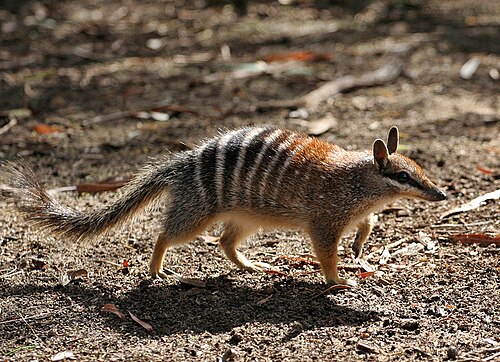
| النمبات ( Myrmecobidae )
| ووترهاوس ، 1841 نوع واحد في جنس واحد
| أستراليا المتناثرة | الحجم : 20-29 سم (8-11 بوصة) طولاً، بالإضافة إلى ذيل بطول 12-21 سم (5-8 بوصة) [ 17 ] الموائل : الغابات والسافانا والأراضي الشجرية والصحاري [ 18 ] النظام الغذائي : النمل الأبيض والنمل، بالإضافة إلى اللافقاريات الأخرى [ 19 ] |
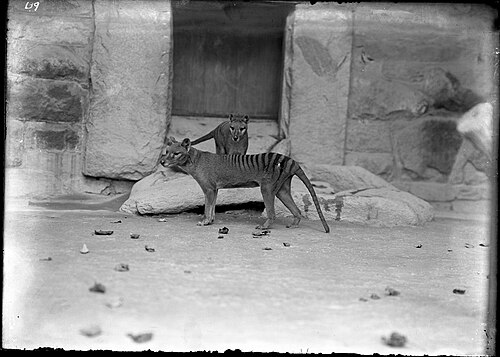
| عائلة الثايلاسينيات † (الثايلاسين)
| سي إل بونابرت ، 1838 نوع واحد منقرض في جنس واحد
| تسمانيا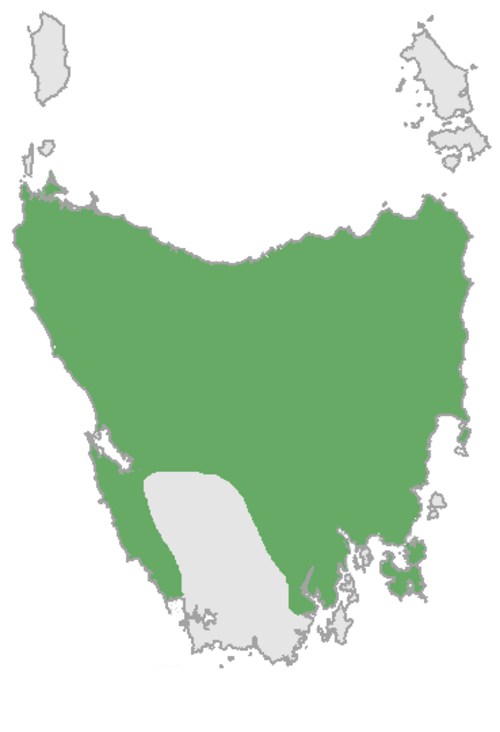 | نطاق الحجم : 123-195 سم (48-77 بوصة) طولاً، بالإضافة إلى ذيل بطول 50-66 سم (20-26 بوصة) [ 20 ] الموائل : الغابات والمراعي [ 21 ] الأنظمة الغذائية : الكنغر، والولب، والثدييات الصغيرة، والطيور [ 22 ] |

ثنائيات الأسنان الأمامية
تُعرف أفراد رتبة ثنائيات الأسنان الأمامية باسم ثنائيات الأسنان الأمامية، وتشمل الكنغر ، والولب ، والبوتورو ، والأبوسوم ، والكوالا ، والومبت . تتواجد هذه الحيوانات في أستراليا وجنوب شرق آسيا، وهي قارتة، لكنها تتغذى بشكل أساسي على مجموعة متنوعة من النباتات واللافقاريات. تضم رتبة ثنائيات الأسنان الأمامية 11 عائلة تحتوي على 139 نوعًا حيًا ضمن 39 جنسًا. وتنقسم هذه العائلات إلى ثلاث رتب فرعية: رتبة الماكروبوديفورميس ، التي تضم الكنغر والولب والبوتورو؛ ورتبة الفالانجيريفورميس، التي تضم الأبوسوم؛ ورتبة الفومباتيفورميس، التي تضم الكوالا والومبت. وقد انقرضت تسعة أنواع إضافية من الكنغر والبوتورو في العصر الحديث.
| اسم | السلطة والأنواع | يتراوح | الحجم والبيئة |
|---|---|---|---|
| Hypsiprymnodontidae (جرذ الكنغر المسكي)
| كوليت ، 1877 نوع واحد في جنس واحد
| شمال شرق أستراليا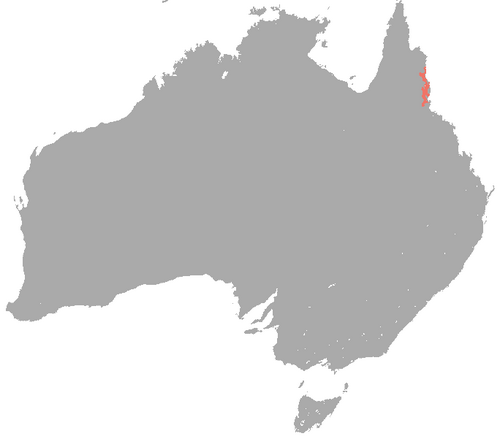 | الحجم : 15-27 سم (6-11 بوصة) طولاً، بالإضافة إلى ذيل بطول 12-16 سم (5-6 بوصة) [ 23 ] الموائل : الغابات [ 24 ] النظام الغذائي : الحشرات والديدان، بالإضافة إلى التوت والجذور [ 25 ] |
| عائلة الكنغر (الكنغر أو الولب)
| غراي ، 1821 67 نوعًا (4 منها منقرضة) ضمن 13 جنسًا
| أستراليا وغينيا الجديدة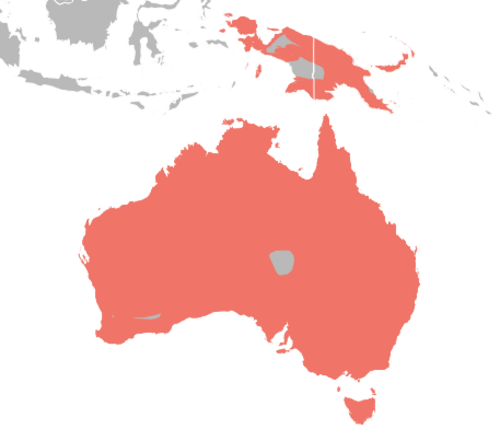 | نطاق الحجم : من 29 سم (11 بوصة) طولاً، بالإضافة إلى 22 سم (9 بوصات) طول الذيل ( الكنغر الرمادي الشرقي ) إلى 230 سم (91 بوصة) طولاً، بالإضافة إلى 109 سم (43 بوصة) طول الذيل [ 26 ] الموائل : الصحراء، والمراعي، والغابات، والأراضي الشجرية، والسافانا، والأراضي الرطبة الداخلية، والمناطق الصخرية [ 27 ] النظام الغذائي : مجموعة متنوعة من المواد النباتية [ 28 ] |
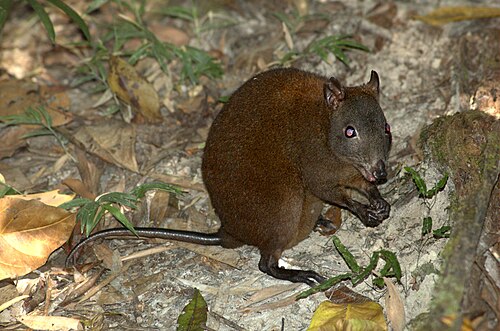
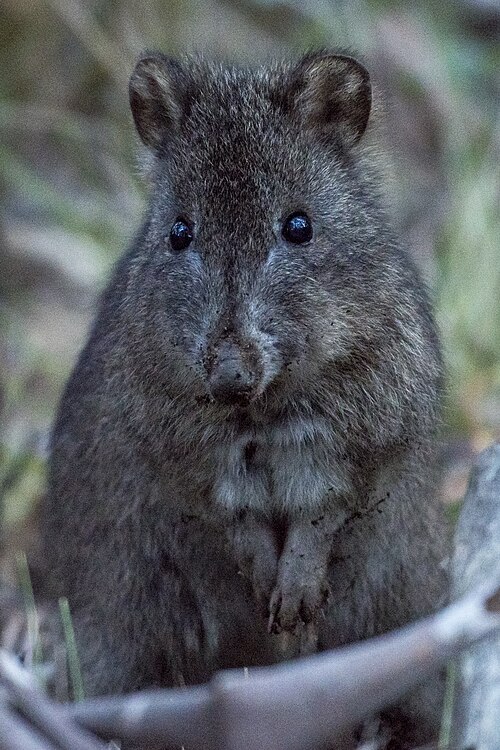
| Potoroidae (potoroo أو الفئران الكنغر)
| غراي ، 1821 12 نوعًا (4 منها منقرضة) في 3 أجناس (1 منها منقرض)
| شرق أستراليا ومناطق متفرقة جنوبها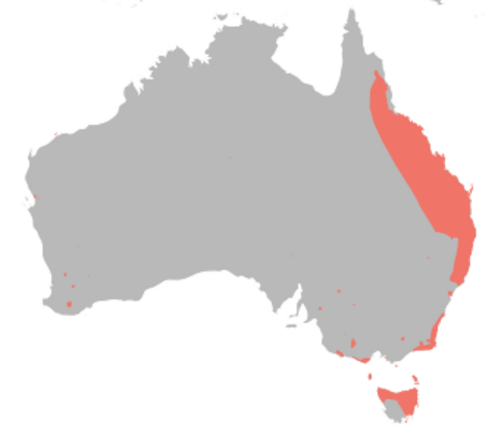 | نطاق الحجم : من 26 سم (10 بوصات) طولاً، بالإضافة إلى 18 سم (7 بوصات) طول الذيل ( الكنغر طويل الأنف ) إلى 34 سم (13 بوصة) طولاً، بالإضافة إلى 48 سم (19 بوصة) طول الذيل ( كنغر الجرذان الأحمر ) [ 29 ] الموائل : الصحراء، والغابات، والأراضي الشجرية، والسافانا، والأراضي الرطبة الداخلية [ 30 ] النظام الغذائي : قارت، وخاصة الفطريات [ 25 ] |

| اسم | السلطة والأنواع | يتراوح | الحجم والبيئة |
|---|---|---|---|
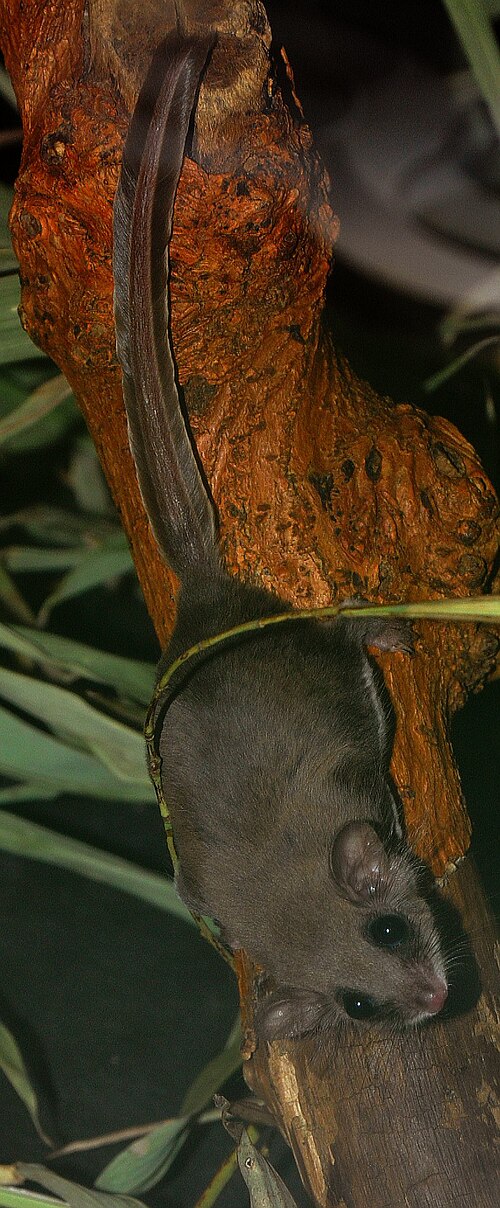
| الأكروباتيداي (الأبوسوم ذو الذيل الريشي أو السنجاب الطائر ذو الذيل الريشي)
| أبلين ، 1987 نوعان في جنسين
| شرق أستراليا وغينيا الجديدة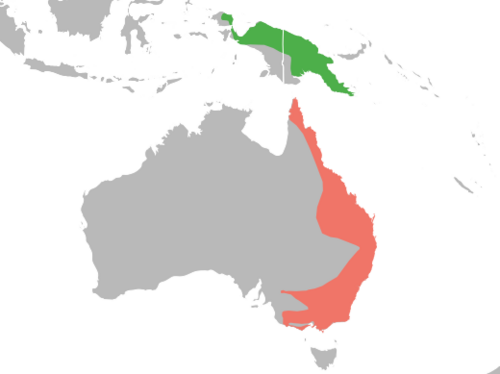 | نطاق الحجم : 5 سم (2 بوصة) طولاً، بالإضافة إلى 6 سم (2 بوصة) طول الذيل ( الزباد ذو الذيل الريشي ) إلى 11 سم (4 بوصات) طولاً، بالإضافة إلى 16 سم (6 بوصات) طول الذيل ( الأبوسوم ذو الذيل الريشي ) [ 23 ] الموائل : الغابات [ 31 ] الأنظمة الغذائية : الزهور والفواكه واللافقاريات [ 32 ] |
| البوراميات (الأبوسوم القزم)
| بروم ، 1989 5 أنواع في جنسين
| غينيا الجديدة وجنوب وشمال شرق أستراليا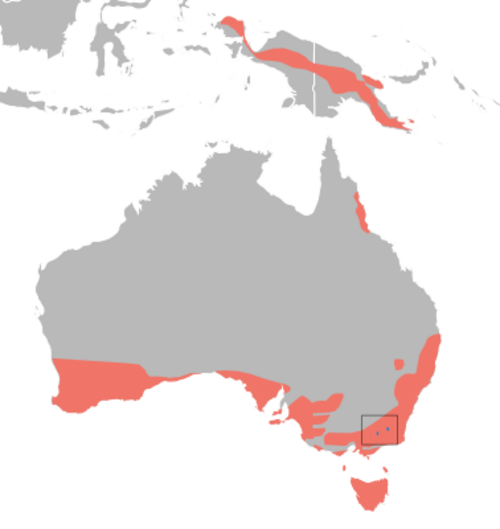 | نطاق الحجم : 5 سم (2 بوصة) طولاً، بالإضافة إلى 6 سم (2 بوصة) ذيل ( الأبوسوم القزم التسماني ) إلى 11 سم (4 بوصات) طولاً، بالإضافة إلى 14 سم (6 بوصات) ذيل ( الأبوسوم القزم الجبلي ) [ 33 ] الموائل : الأراضي الشجرية والغابات [ 34 ] الأنظمة الغذائية : اللافقاريات والنباتات [ 35 ] |
| عائلة بيتوريداي (الأبوسوم)
| سي إل بونابرت ، 1838 11 نوعًا في 3 أجناس
| غينيا الجديدة وشمال وشرق وجنوب أستراليا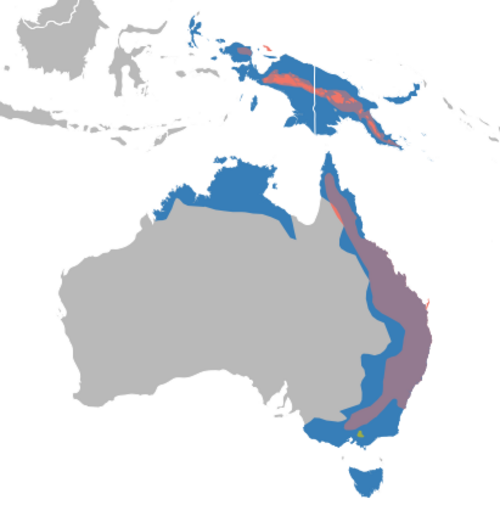 | نطاق الحجم : 15 سم (6 بوصات) طولاً، بالإضافة إلى 15 سم (6 بوصات) ذيل ( أبوسوم ليدبيتر ) إلى 31 سم (12 بوصة) طولاً، بالإضافة إلى 47 سم (19 بوصة) ذيل ( السنجاب الطائر ذو البطن الأصفر ) [ 36 ] الموائل : الغابات والسافانا [ 37 ] الأنظمة الغذائية : العصارة، والزهور، والرحيق، واللافقاريات، والفقاريات الصغيرة [ 38 ] |
| عائلة الفالانجريداي (الكسكس)
| توماس ، 1888 27 نوعًا في 6 أجناس
| غينيا الجديدة، وجزيرة سولاويزي والجزر المجاورة لها في إندونيسيا، ومناطق متفرقة في أستراليا | نطاق الحجم : من 30 سم (12 بوصة) طولاً، بالإضافة إلى 28 سم (11 بوصة) طول الذيل ( الأبوسوم ذو الذيل المتقشر ) إلى 69 سم (27 بوصة) طولاً، بالإضافة إلى 65 سم (26 بوصة) طول الذيل ( الكسكس المرقط بالأسود ) [ 39 ] الموائل : الغابات والسافانا والمناطق الصخرية [ 40 ] النظام الغذائي : الأوراق والزهور والفواكه، بالإضافة إلى الحشرات والبيض [ 41 ] |
| Pseudocheiridae (الأبوسوم ذو الذيل الحلقي)
| وينج ، 1893 18 نوعًا في 6 أجناس
| غينيا الجديدة وشمال وشرق وجنوب أستراليا | نطاق الحجم : من 17 سم (7 بوصات) طولاً، بالإضافة إلى 15 سم (6 بوصات) طول الذيل ( الأبوسوم ذو الذيل الحلقي القزم ) إلى 45 سم (18 بوصة) طولاً، بالإضافة إلى 60 سم (24 بوصة) طول الذيل ( السنجاب الطائر الجنوبي الكبير ) [ 42 ] الموائل : الغابات والسافانا والمراعي والمناطق الصخرية [ 43 ] النظام الغذائي : الأوراق والفواكه [ 44 ] |
| فصيلة التارسيبيديداي (الأبوسوم العسلي)
| جيرفيه وفيرو ، 1842 نوع واحد في جنس واحد
| جنوب غرب أستراليا | الحجم : 6-9 سم (2-4 بوصة) طولاً، بالإضافة إلى ذيل بطول 7-11 سم (3-4 بوصة) [ 45 ] الموائل : الأراضي الشجرية [ 46 ] النظام الغذائي : الرحيق وحبوب اللقاح [ 47 ] |

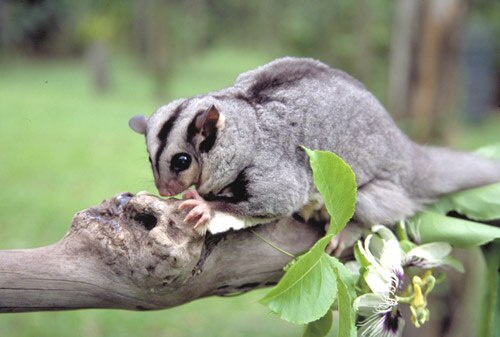

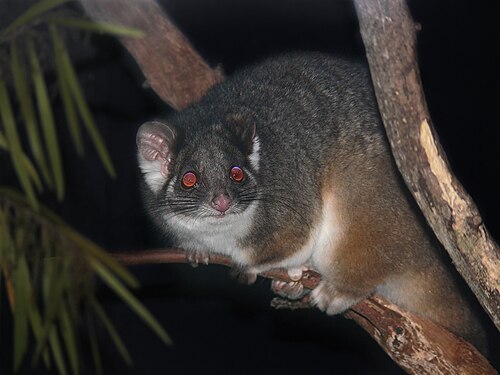

| اسم | السلطة والأنواع | يتراوح | الحجم والبيئة |
|---|---|---|---|
| عائلة الكوالا ( Phascolarctidae )
| أوين ، 1839 نوع واحد في جنس واحد
| جنوب وشرق أستراليا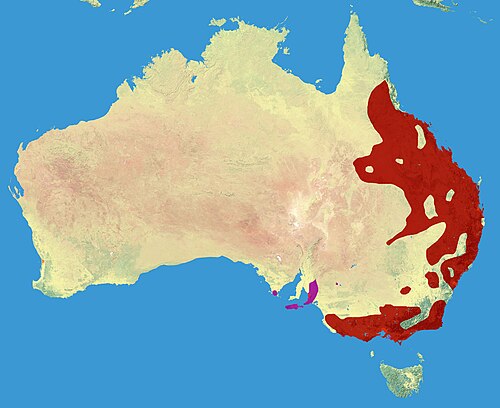 | الحجم : 67-82 سم (26-32 بوصة) طولاً [ 48 ] الموائل : الغابات والأراضي الشجرية [ 49 ] النظام الغذائي : أوراق ولحاء الكافور ، بالإضافة إلى أوراق أخرى [ 50 ] |
| الفومباتيداي (الومبات)
| بورنيت ، 1830 3 أنواع في جنسين
| جنوب وشرق أستراليا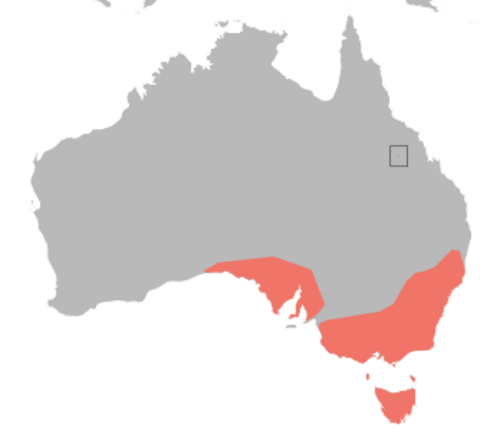 | نطاق الحجم : 84 سم (33 بوصة) طولاً، بالإضافة إلى 2 سم (1 بوصة) ذيل ( الومبات ذو الأنف المشعر الجنوبي ) إلى 115 سم (45 بوصة) طولاً، بدون ذيل ( الومبات الشائع ) [ 48 ] الموائل : الغابات والسافانا والأراضي الشجرية والمراعي [ 51 ] الأنظمة الغذائية : العشب والجذور واللحاء والفطريات [ 52 ] |

الميكروبيوثيريا
تُعرف الكائنات الحية التي تنتمي إلى رتبة الميكروبيوثيريا باسم الميكروبيوثيريات أو مونيتو ديل مونتيس. وتوجد هذه الكائنات في جنوب غرب أمريكا الجنوبية، وتتغذى على النباتات واللافقاريات. تضم الميكروبيوثيريا عائلة واحدة تحتوي على نوعين موجودين حاليًا ضمن جنس واحد.
| اسم | السلطة والأنواع | يتراوح | الحجم والبيئة |
|---|---|---|---|
| ميكروبيوثيريداي (مونيتو ديل مونتي)
| أميغينو ، 1889 نوعان في جنس واحد | جنوب غرب أمريكا الجنوبية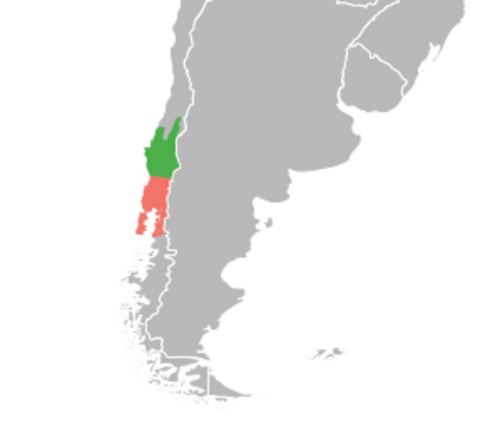 | نطاق الحجم : 8 سم (3 بوصات) طولاً، بالإضافة إلى 9 سم (4 بوصات) ذيل (مونيتو ديل مونتي الجنوبي) إلى حوالي 17 سم (7 بوصات) طولاً، بالإضافة إلى حوالي 9 سم (4 بوصات) ذيل ( مونيتو ديل مونتي بانشو ) [ 53 ] الموائل : الغابات [ 54 ] الأنظمة الغذائية : الحشرات واللافقاريات الأخرى، بالإضافة إلى المواد النباتية [ 55 ] |

نوتوريكتيمورفيا
تُعرف أفراد رتبة Notoryctemorphia باسم حيوانات الخلد الجرابي أو Notoryctemorpha. وتوجد هذه الحيوانات في وسط أستراليا وتتغذى على الحشرات والبذور. تضم رتبة Notoryctemorphia عائلة واحدة تحتوي على نوعين موجودين حاليًا ضمن جنس واحد.
| اسم | السلطة والأنواع | يتراوح | الحجم والبيئة |
|---|---|---|---|
| عائلة نوتوريكتيداي (الخلد الجرابي)
| أوغيلبي ، 1892 نوعان في جنس واحد
| وسط أستراليا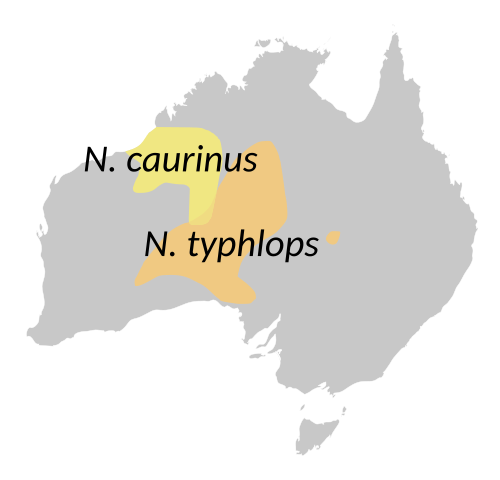 | نطاق الحجم : من 8 سم (3 بوصات) طولاً، بالإضافة إلى 1 سم (0.4 بوصة) ذيل ( الخلد الجرابي الشمالي ) إلى 14 سم (6 بوصات) طولاً، بالإضافة إلى 3 سم (1 بوصة) ذيل (الخلد الجرابي الجنوبي) [ 56 ] الموائل : الأراضي الشجرية، والأراضي العشبية، والصحاري [ 57 ] الأنظمة الغذائية : الحشرات والبذور [ 58 ] |

براميليمورفيا
تُعرف أفراد رتبة بيراميليمورفيا باسم بيراميليمورف، وتشمل حيوانات البانديكوت والبلبي . وتوجد هذه الحيوانات في أستراليا وغينيا الجديدة، وهي قارتة. تضم بيراميليمورفيا عائلتين تحتويان على 19 نوعًا حيًا ضمن 7 أجناس. وقد انقرضت ثلاثة أنواع أخرى، بما في ذلك النوع الوحيد من عائلة ثالثة، في العصر الحديث.
| اسم | السلطة والأنواع | يتراوح | الحجم والبيئة |
|---|---|---|---|
| Chaeropodidae † (البانديكوت ذو القدم الخنزيرية)
| جيل ، 1872 نوع واحد منقرض في جنس واحد
| وسط وغرب أستراليا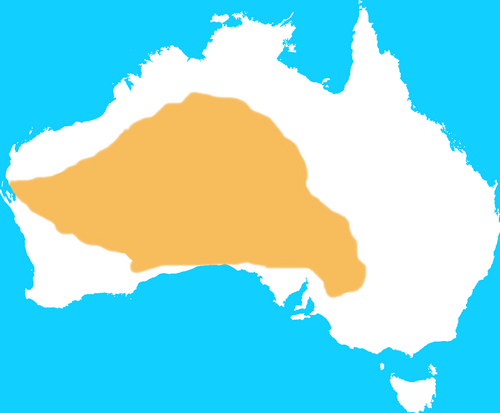 | نطاق الحجم : 23-26 سم (9-10 بوصة) طولاً، بالإضافة إلى ذيل بطول 10-14 سم (4-6 بوصة) [ 59 ] الموائل : الغابات والسافانا والأراضي الشجرية والمراعي [ 60 ] النظام الغذائي : يُعتقد أنه قارت [ 59 ] |
| عائلة البراميليات (البانداكوت)
| جيل ، 1872 19 نوعًا (انقرض نوع واحد) ضمن 6 أجناس
| أستراليا وغينيا الجديدة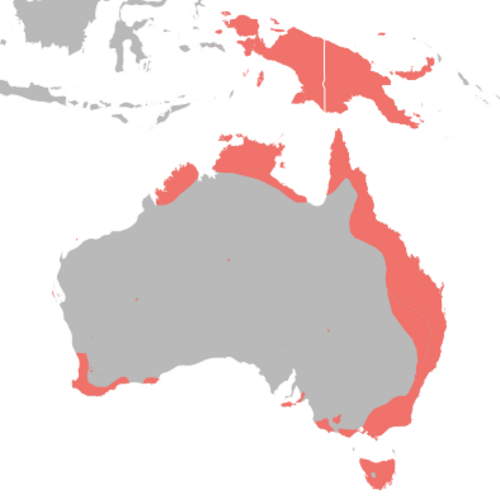 | نطاق الحجم : من 15 سم (6 بوصات) طولاً، بالإضافة إلى 10 سم (4 بوصات) طول الذيل ( البانديكوت الفأري ) إلى 44 سم (17 بوصة) طولاً، بالإضافة إلى 16 سم (6 بوصات) طول الذيل ( البانديكوت طويل الأنف ) [ 61 ] الموائل : الغابات، والأراضي الشجرية، والسافانا، والمراعي، والأراضي الرطبة الداخلية، والصحاري [ 62 ] النظام الغذائي : قارت [ 63 ] |
| ثيلاكوميداي (البيلبي)
| بينسلي ، 1903 نوعان (أحدهما منقرض) في جنس واحد
| غرب ووسط أستراليا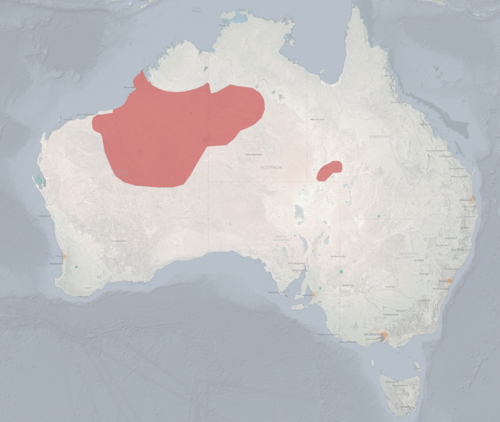 | نطاق الحجم : 33-55 سم (13-22 بوصة) طولاً، بالإضافة إلى 20-29 سم (8-11 بوصة) ذيل (البيلبي الكبير) [ 64 ] الموائل : السافانا، والأراضي الشجرية، والأراضي العشبية [ 65 ] الأنظمة الغذائية : الحشرات، بالإضافة إلى الفقاريات الصغيرة والنباتات [ 66 ]. |


فئة المشيمة
المشيميات هي إحدى التقسيمات الرئيسية الثلاثة للثدييات، وتضم الغالبية العظمى من الأنواع الموجودة حاليًا، إذ يبلغ عددها 5570 نوعًا. وتتميز عن المجموعتين الأخريين بأن أجنة الحيوانات المشيمية تُحمل داخل الرحم . [ 4 ] وتنقسم إلى أربع رتب عليا: الأفروثيريا ، واليواركونتوغليريس ، واللوراسياتريا ، والزينارثرا .
تضمّ مجموعة الأفروثيريا 87 نوعًا حيًا ضمن 9 عائلات، مُصنّفة في 6 رتب: الأفروسوريسيدا (الخلد الذهبي والتينريك)؛ والهيراكويديا (الوبر)؛ والماكروسيليديا (زباب الفيل)؛ والبروبوسيديا (الفيلة)؛ والسيرينيا (الأطوم وخراف البحر)؛ والتوبوليدينتاتا (خنزير الأرض). أما مجموعة اليواركونتوغليريس فتضمّ 2982 نوعًا حيًا ضمن 56 عائلة، مُصنّفة في 5 رتب: سكاندينتيا (زباب الشجر)؛ وديرموبتيرا (الكولوجو)؛ ولاغومورفا (الأرانب والبيكا)؛ والبريمات (القرود والقردة العليا)؛ والرودنتيا (القوارض). بينما تضمّ مجموعة لوراسياثيريا 2470 نوعًا ضمن 69 عائلة، مُصنّفة في 6 رتب: أرتيوداكتيلا (الغزلان والماشية والخنازير والحيتان). تضم رتبة آكلات اللحوم (Carnivora ) الذئاب، وثعالب الماء، والفقمات، والقطط، والنمس؛ ورتبة الخفافيش (Chiroptera )؛ ورتبة القنافذ (Eulipotyphla ) القنافذ، والزبابات، والخلد؛ ورتبة فرديات الأصابع (Perissodactyla ) الخيول، والتابير، ووحيد القرن؛ ورتبة آكلات النمل الحرشفي (Pholidota ). أما رتبة زينارثرا (Xenarthra) فتضم 31 نوعًا ضمن 6 عائلات، مصنفة في رتبتين: رتبة المدرعات ( Cingulata) ، ورتبة الكسلانات وآكلات النمل (Pilosa ). وقد انقرضت في العصر الحديث أنواع إضافية من رتبة الأفروثيريا (Afrotheria)، و38 نوعًا من رتبة اليواركونتوجليريس (Euarchontoglires)، و18 نوعًا من رتبة اللوراسياتياثيريا (Laurasiatheria).
رتبة فائقة من الأفروثيريا
أفروسوريسيدا

تُعرف أفراد رتبة الأفروسوريسيدا باسم الأفروسوريسيدات، وتشمل الخلد الذهبي، وزبابات الماء، والتنريك. وتوجد هذه الحيوانات في أفريقيا جنوب الصحراء الكبرى ، وتتغذى على اللافقاريات والأسماك والبرمائيات والسحالي والنباتات. تضم الأفروسوريسيدا ثلاث عائلات، منها 55 نوعًا حيًا ضمن 20 جنسًا. وتنقسم هذه العائلات إلى رتبتين فرعيتين: كريسوكلوريديا، أو الخلد الذهبي، وتينريكومورفا، التي تضم زبابات الماء والتنريك.
| اسم | السلطة والأنواع | يتراوح | الحجم والبيئة |
|---|---|---|---|
| عائلة الخلد الذهبي ( Chrysochloridae )
| غراي ، 1825 21 نوعًا في 10 أجناس
| أفريقيا جنوب الصحراء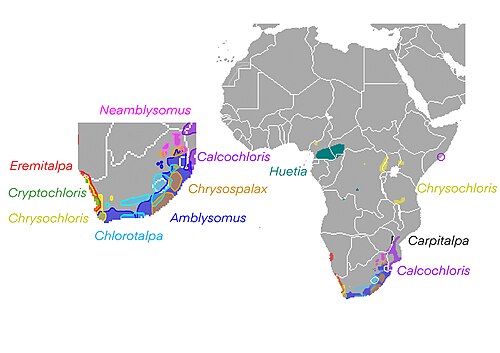 | نطاق الحجم : من 6 سم (2 بوصة) طولاً، بدون ذيل ( الخلد الذهبي لجرانت ) إلى 23 سم (9 بوصات) طولاً، بدون ذيل ( الخلد الذهبي العملاق ) [ 67 ] الموائل : الغابات، السافانا، الأراضي العشبية، الأراضي الشجرية، والصحاري [ 68 ] الأنظمة الغذائية : اللافقاريات، بالإضافة إلى السحالي [ 69 ] |

| اسم | السلطة والأنواع | يتراوح | الحجم والبيئة |
|---|---|---|---|
| بوتاموغاليداي (زباب الماء)
| ألمان ، 1865 3 أنواع في جنسين
| غرب ووسط أفريقيا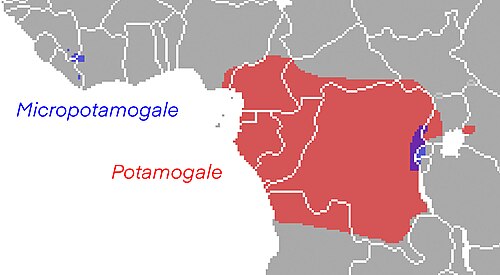 | نطاق الحجم : من 12 سم (5 بوصات) طولاً، بالإضافة إلى 9 سم (4 بوصات) ذيل ( زبابة قضاعة نيمبا ) إلى 34 سم (13 بوصة) طولاً، بالإضافة إلى 29 سم (11 بوصة) ذيل ( زبابة قضاعة عملاقة ) [ 70 ] الموائل : الغابات والأراضي الرطبة الداخلية [ 71 ] الأنظمة الغذائية : السرطانات والأسماك والبرمائيات والديدان والحشرات [ 72 ] |
| تينريكيداي (تينريك)
| غراي ، 1821 31 نوعًا في 8 أجناس
| مدغشقر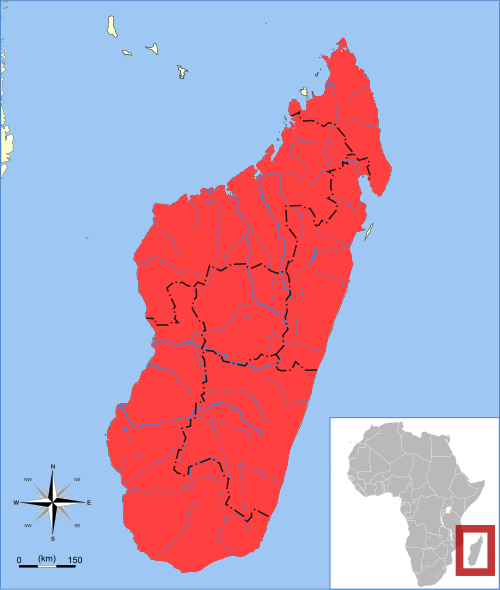 | يتراوح حجمها من 4 سم (2 بوصة) طولاً، بالإضافة إلى 4 سم (2 بوصة) ذيل ( الزباب القزم التينريك ) إلى 35 سم (14 بوصة) طولاً، بدون ذيل ( التينريك عديم الذيل ) [ 73 ] الموائل : الغابات، والأراضي الشجرية، والمراعي، والسافانا، والأراضي الرطبة الداخلية [ 74 ] الأنظمة الغذائية : اللافقاريات، بالإضافة إلى الضفادع والأسماك والروبيان والديدان والنباتات [ 75 ] |


هيراكويديا
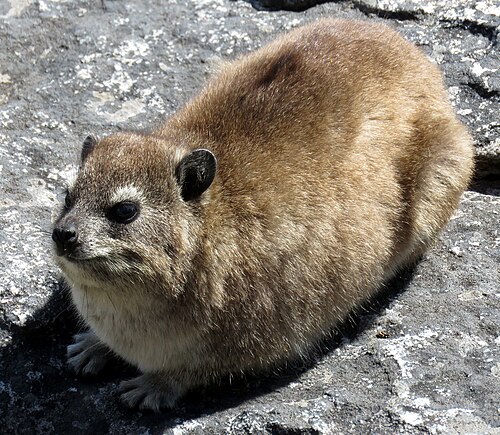
تُعرف أفراد رتبة الوبريات باسم الوبريات أو الوبريات. وتوجد هذه الحيوانات في أفريقيا والشرق الأوسط، وتتغذى على أنواع مختلفة من النباتات. تضم رتبة الوبريات عائلة واحدة من خمسة أنواع حية موزعة على ثلاثة أجناس.
| اسم | السلطة والأنواع | يتراوح | الحجم والبيئة |
|---|---|---|---|
| الوبريات (الوبريات)
| بونابرت ، 1838 5 أنواع في 3 أجناس
| أفريقيا والشرق الأوسط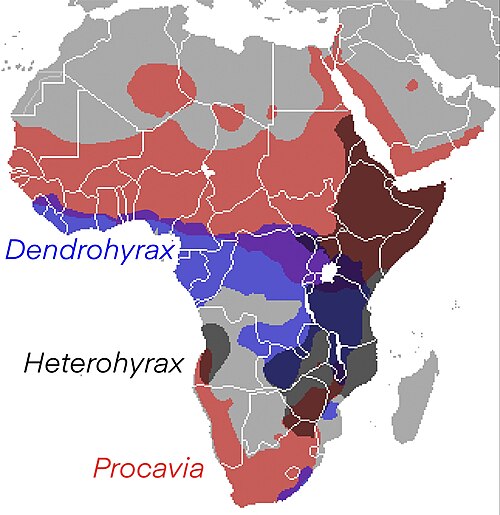 | نطاق الحجم : من 32 سم (13 بوصة) طولاً، بدون ذيل ( الوبر الصخري ذو البقع الصفراء ) إلى 60 سم (24 بوصة) طولاً، بدون ذيل ( الوبر الشجري الجنوبي ) [ 76 ] الموائل : الغابات، السافانا، المناطق الصخرية، الأراضي الشجرية، والصحاري [ 77 ] الأنظمة الغذائية : مجموعة متنوعة من النباتات [ 78 ] |
ماكروسيليديا
تُعرف أفراد رتبة الماكروسيليديا باسم الماكروسيليدات أو زبابات الفيل. وتوجد هذه الزبابات في أفريقيا وتتغذى على النمل الأبيض والنمل، بالإضافة إلى الحشرات الأخرى. تضم الماكروسيليديا عائلة واحدة من 19 نوعًا موجودًا حاليًا ضمن 6 أجناس.
| اسم | السلطة والأنواع | يتراوح | الحجم والبيئة |
|---|---|---|---|
| Macroscelididae (زباب الفيل)
| بونابرت ، 1838 19 نوعًا في 6 أجناس
| أفريقيا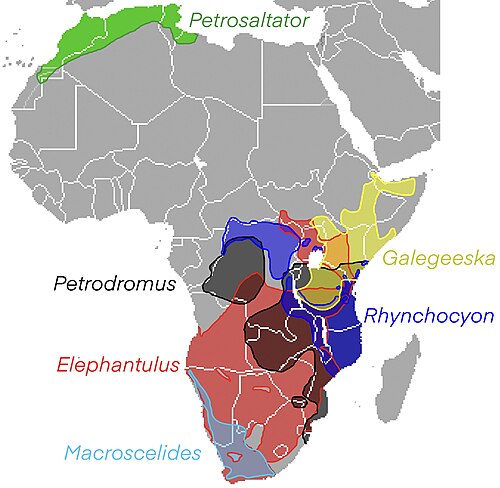 | يتراوح حجمها من 8 سم (3 بوصات) طولاً، بالإضافة إلى 8 سم (3 بوصات) طول الذيل ( زبابة الفيل ذات الأذنين المستديرتين من نوع إيتنديكا ) إلى 21 سم (8 بوصات) طولاً، بالإضافة إلى 19 سم (7 بوصات) طول الذيل ( زبابة الفيل ذات الأصابع الأربعة ) [ 79 ] الموائل : السافانا، والأراضي الشجرية، والمراعي، والمناطق الصخرية، والصحراء [ 80 ] النظام الغذائي : النمل والنمل الأبيض، بالإضافة إلى الحشرات الأخرى [ 81 ] |

الخراطيم
تُعرف أفراد رتبة الخرطوميات باسم الفيلة. وتوجد في أفريقيا جنوب الصحراء الكبرى وجنوب وجنوب شرق آسيا، وتتغذى على الأعشاب واللحاء والجذور والأوراق والشجيرات والثمار. تضم الخرطوميات عائلة واحدة من ثلاثة أنواع حية ضمن جنسين، في رتبة الفيلة الفرعية .
| اسم | السلطة والأنواع | يتراوح | الحجم والبيئة |
|---|---|---|---|
| الفيلة (Elephantidae )
| جي إي غراي ، 1821 3 أنواع في جنسين
| أفريقيا جنوب الصحراء الكبرى وجنوب وجنوب شرق آسيا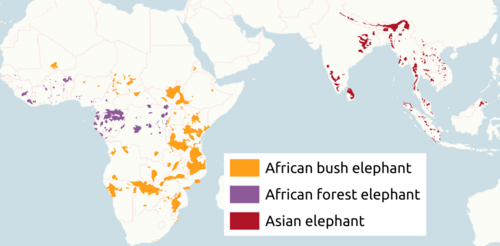 | يتراوح حجم الفيل الآسيوي من 550 سم (18 قدمًا) طولًا، بالإضافة إلى 120 سم (4 أقدام) طول الذيل ، إلى 750 سم (25 قدمًا) طولًا، بالإضافة إلى 150 سم (5 أقدام) طول الذيل [ 82 ] . الموائل : الغابات ، السافانا، الأراضي الشجرية، الأراضي العشبية، الأراضي الرطبة الداخلية، والصحاري [ 83 ]. النظام الغذائي : الأعشاب، اللحاء، الجذور، الأوراق، الشجيرات، والفاكهة [ 84 ]. |

سيرينيا

تُعرف أفراد رتبة الخيلانيات باسم الخيلانيات أو أبقار البحر، وتشمل الأطوم وخراف البحر. وتوجد هذه الحيوانات في المحيط الهندي والمحيط الهادئ وغرب المحيط الأطلسي، وفي أنهار أمريكا الجنوبية وغرب أفريقيا، وتتغذى على النباتات المائية والطحالب ، بالإضافة إلى الأسماك واللافقاريات. تضم رتبة الخيلانيات عائلتين، كل منهما تحتوي على أربعة أنواع حية ضمن جنسين. كما انقرض نوع واحد من الأطوم في العصر الحديث.
| اسم | السلطة والأنواع | يتراوح | الحجم والبيئة |
|---|---|---|---|
| عائلة الأطوم (Dugongidae )
| جي إي غراي ، 1821 نوعان (أحدهما منقرض) في جنسين (أحدهما منقرض)
| المحيط الهندي والمحيط الهادئ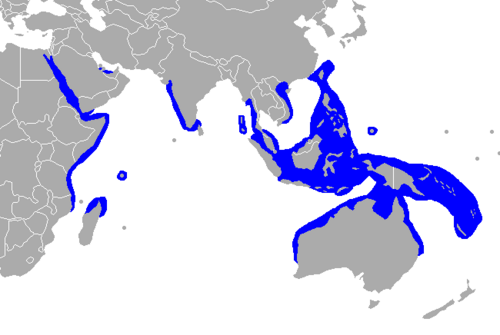 | نطاق الحجم : 200-330 سم (7-11 قدم) طولاً (الأطوم) [ 85 ] الموائل : البيئة البحرية الساحلية والبيئات البحرية المدية [ 86 ] النظام الغذائي : الأعشاب البحرية ، وعشب البحر ، والطحالب الأخرى، بالإضافة إلى السرطانات [ 87 ] |
| فصيلة خروف البحر ( Trichecidae )
| جيل ، 1872 ثلاثة أنواع في جنس واحد
| أنهار أمريكا الجنوبية وغرب أفريقيا والمحيط الأطلسي الغربي | Size range: 250 cm (98 in) long (West Indian manatee) to 390 cm (154 in) long (West Indian manatee)[8]Habitats: Inland wetlands, neritic marine, oceanic marine, intertidal marine, coastal marine[88]Diets: Aquatic vegetation, as well as fish and invertebrates[89] |


Tubulidentata
Members of the Tubulidentata order are called tubulidentatans or aardvarks. They are found in Africa and eat termites, as well as other insects and fruit. Tubulidentata is composed of a single species.
| Name | Authority and species | Range | Size and ecology |
|---|---|---|---|
| Orycteropodidae(aardvark)
| J. E. Gray, 1821 1 species in 1 genera
| Africa | Size: 94–142 cm (37–56 in) long, plus 44–63 cm (17–25 in) tail[90]Habitats: Forest, savanna, shrubland, and grassland[91]Diet: Termites, as well as other insects and fruit[92] |

Superorder Euarchontoglires
Scandentia
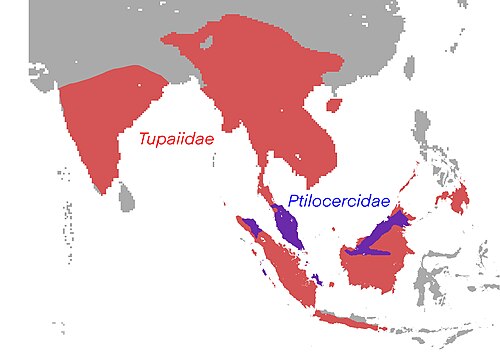
Members of the Scandentia order are called scandentians or treeshrews. They are found in India and southeastern Asia and eat insects and fruit, as well as small animals and plants. Scandentia comprises 2 families of 23 extant species in 4 genera.
| Name | Authority and species | Range | Size and ecology |
|---|---|---|---|
| Ptilocercidae(pen-tailed treeshrew)
| Lyon, 1913 1 species in 1 genera
| Southeastern Asia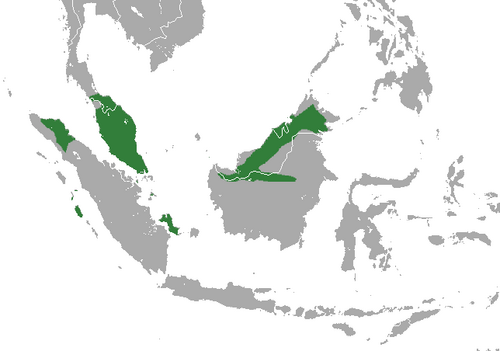 | Size: 13–15 cm (5–6 in) long, plus 16–20 cm (6–8 in) tail[93]Habitats: Forest[94]Diet: Insects, small vertebrates, and fruit[95] |
| Tupaiidae(treeshrew)
| J. E. Gray, 1825 22 species in 3 genera
| India and southeastern Asia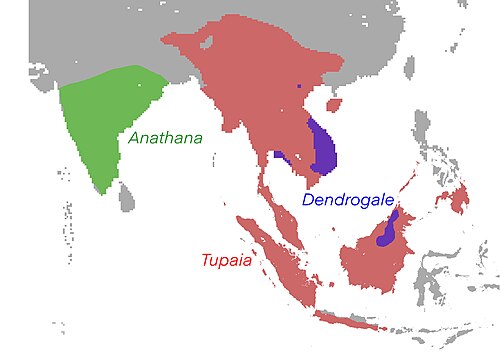 | نطاق الحجم : من 11 سم (4 بوصات) طولاً، بالإضافة إلى 11 سم (4 بوصات) للذيل ( زبابة الشجر ذات الذيل الأملس الشمالية ) إلى 22 سم (9 بوصات) طولاً، بالإضافة إلى 18 سم (7 بوصات) للذيل ( زبابة الشجر مينداناو ) [ 96 ] الموائل : الغابات والأراضي الشجرية [ 97 ] الأنظمة الغذائية : الحشرات والفواكه، بالإضافة إلى الحيوانات الصغيرة والنباتات [ 98 ] |
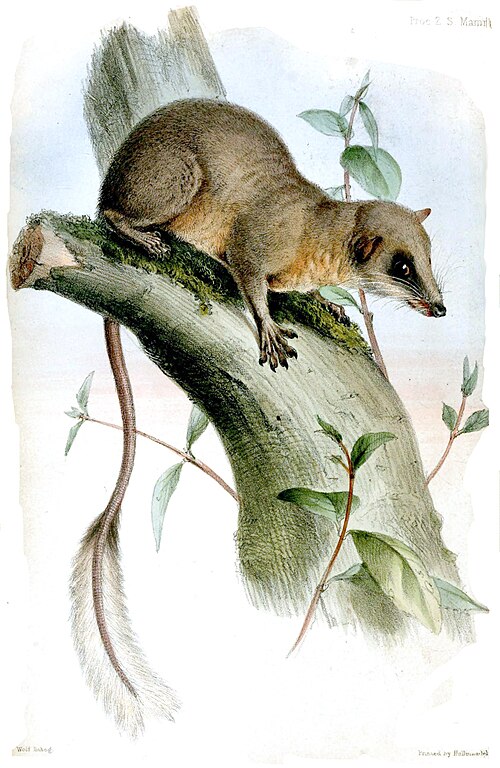

ديرموبترا
تُعرف أفراد رتبة الجلديات باسم الجلديات أو الكولوجوس. وتوجد هذه الحشرات في جنوب شرق آسيا وتتغذى على الأوراق. وتضم رتبة الجلديات عائلة واحدة من نوعين موجودين حاليًا ضمن جنسين.
| اسم | السلطة والأنواع | يتراوح | الحجم والبيئة |
|---|---|---|---|
| عائلة الكلاب الرأسية (الكولوجو)
| سيمبسون ، 1945 نوعان في جنسين
| جنوب شرق آسيا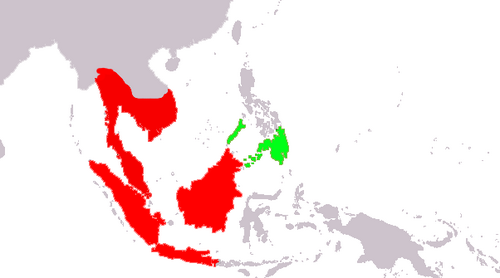 | نطاق الحجم : 34-42 سم (13-17 بوصة) طولاً، بالإضافة إلى 17-28 سم (7-11 بوصة) ذيل (كلا النوعين) [ 99 ] الموائل : الغابات [ 100 ] النظام الغذائي : الأوراق [ 101 ] |

الأرنبيات
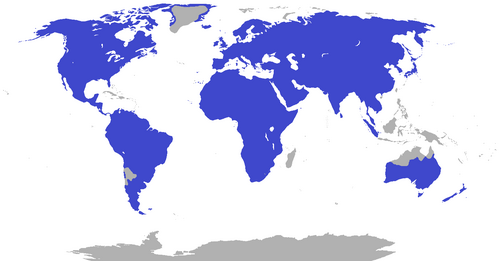
تُعرف أفراد رتبة الأرنبيات باسم الأرنبيات، وتشمل الأرانب البرية والأرانب والبيكا. وتنتشر هذه الحيوانات في جميع أنحاء العالم وتتغذى على مجموعة متنوعة من المواد النباتية. تضم رتبة الأرنبيات عائلتين و93 نوعًا حيًا ضمن 12 جنسًا.
| اسم | السلطة والأنواع | يتراوح | الحجم والبيئة |
|---|---|---|---|
| الأرانب البرية ( Leporidae )
| جي فيشر فون فالدهايم ، 1817 64 نوعًا ضمن 11 جنسًا ( القائمة الكاملة )
| في جميع أنحاء العالم | نطاق الحجم : من 23 سم (9 بوصات) طولاً، بالإضافة إلى 1 سم (0.4 بوصة) طول الذيل ( الأرنب القزم ) إلى 68 سم (27 بوصة) طولاً، بالإضافة إلى 14 سم (6 بوصات) طول الذيل ( الأرنب الأوروبي ) [ 102 ] الموائل : الصحراء، والمراعي، والأراضي الرطبة الداخلية، والغابات، والأراضي الشجرية، والمناطق الصخرية، والسافانا، والكهوف، والمناطق البحرية الساحلية، والمناطق البحرية المدية [ 103 ] النظام الغذائي : مجموعة متنوعة من المواد النباتية [ 104 ] |
| عائلة البيكا ( Ochotonidae )
| توماس ، 1897 29 نوعًا في جنس واحد ( القائمة الكاملة )
| آسيا وغرب أمريكا الشمالية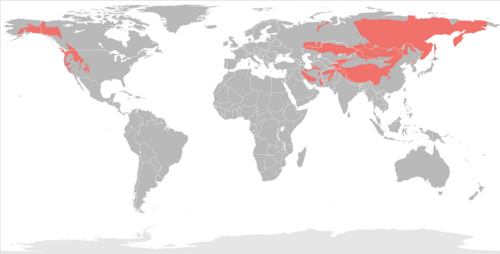 | نطاق الحجم : من 11 سم (4 بوصات) طولاً، بدون ذيل ( بيكا غانسو ) إلى 26 سم (10 بوصات) طولاً، بدون ذيل ( بيكا تركستان الأحمر ) [ 105 ] الموائل : الصحراء، والغابات، والأراضي الشجرية، والمناطق الصخرية، والمراعي [ 106 ] النظام الغذائي : مجموعة متنوعة من المواد النباتية، وخاصة الأعشاب والنباتات المائية [ 107 ] |


الرئيسيات

تُعرف أفراد رتبة الرئيسيات باسم الرئيسيات، وتشمل القرود والشمبانزي. وباستثناء البشر، توجد الرئيسيات في أمريكا الوسطى والجنوبية، وأفريقيا جنوب الصحراء الكبرى، وآسيا، وتتغذى على مجموعة متنوعة من المواد النباتية واللافقاريات والفقاريات الصغيرة. تضم الرئيسيات 16 عائلة، منها 505 أنواع حية ضمن 81 جنسًا. وتنقسم هذه العائلات إلى رتبتين فرعيتين: رتبة هابلوريني ، التي تضم الشمبانزي والجبون وقرود العالم الجديد والترسير، ورتبة ستريبسيريني ، التي تضم الليمور والجلاجو واللوريس.
| اسم | السلطة والأنواع | يتراوح | الحجم والبيئة |
|---|---|---|---|
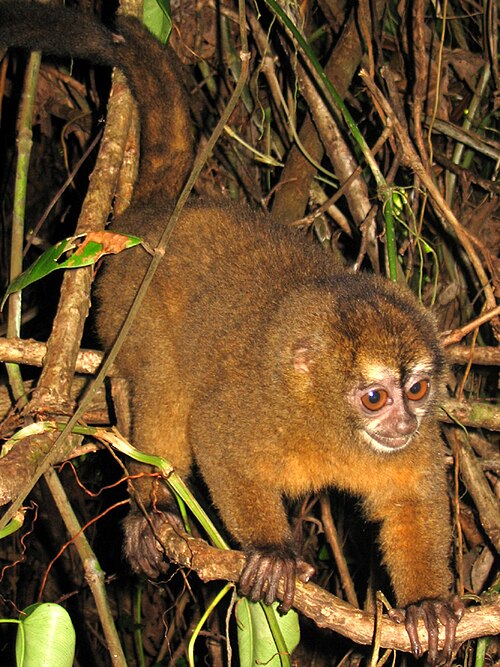
| عائلة قرود الليل ( Aotidae )
| بوش ، 1908 11 نوعًا في جنس واحد
| أمريكا الوسطى وشمال أمريكا الجنوبية وأمريكا الوسطى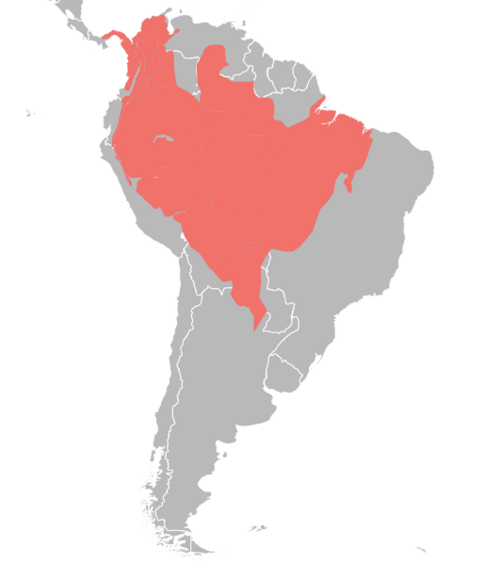 | نطاق الحجم : من 29 سم (11 بوصة) طولاً، بالإضافة إلى 35 سم (14 بوصة) طول الذيل ( قرد الليل نانسي ما ) إلى 48 سم (19 بوصة) طولاً، بالإضافة إلى 42 سم (17 بوصة) طول الذيل ( قرد الليل ذو الأيدي الرمادية ) [ 108 ] الموائل : الغابات والسافانا [ 109 ] الأنظمة الغذائية : الفاكهة، والمكسرات، والأوراق، واللحاء، والزهور، والصمغ، والحشرات، والفقاريات الصغيرة [ 110 ] |
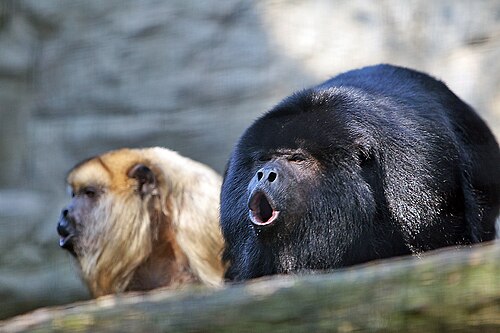
| عائلة القرود الصوفية (العواء، العنكبوت، أو القرد الصوفي)
| جي إي غراي ، 1825 23 نوعًا في 4 أجناس
| أمريكا الجنوبية وأمريكا الوسطى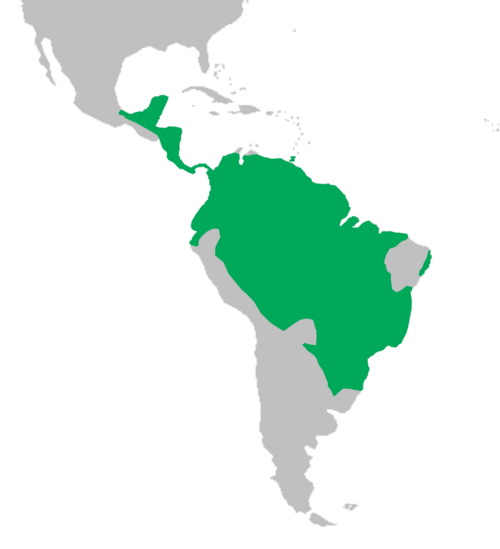 | نطاق الحجم : من 30 سم (12 بوصة) طولاً، بالإضافة إلى 66 سم (26 بوصة) طول الذيل ( قرد العنكبوت ذو الرأس الأسود ) إلى 71 سم (28 بوصة) طولاً، بالإضافة إلى 60 سم (24 بوصة) طول الذيل ( قرد العواء الأحمر البوليفي ) [ 111 ] الموائل : الغابات والسافانا [ 112 ] الأنظمة الغذائية : الفاكهة، الأوراق، البذور، الحشرات، المكسرات، العناكب، الرحيق، الأزهار، والبيض [ 113 ] |
| عائلة كاليتريشيداي (المرموسيت أو التامارين)
| توماس ، 1903 43 نوعًا ضمن 7 أجناس
| أمريكا الجنوبية وأمريكا الوسطى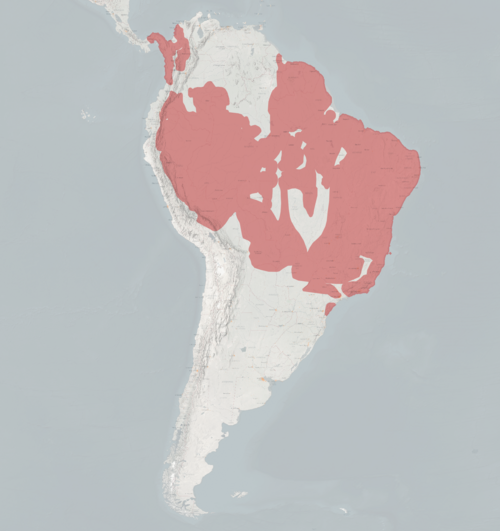 | نطاق الحجم : من 12 سم (5 بوصات) طولاً، بالإضافة إلى 17 سم (7 بوصات) طول الذيل ( قرد المرموسيت القزم الغربي ) إلى 34 سم (13 بوصة) طولاً، بالإضافة إلى 40 سم (16 بوصة) طول الذيل ( قرد التمر الهندي الأسد سوبرأغوي ) [ 114 ] الموائل : الغابات والأراضي الشجرية والسافانا [ 115 ] الأنظمة الغذائية : الحشرات والفواكه والرحيق والصمغ [ 116 ] |
| عائلة القرود السنجابية (قرد الكابوشين أو قرد السنجاب)
| بونابرت ، 1831 18 نوعًا في 3 أجناس
| أمريكا الجنوبية وجنوب أمريكا الوسطى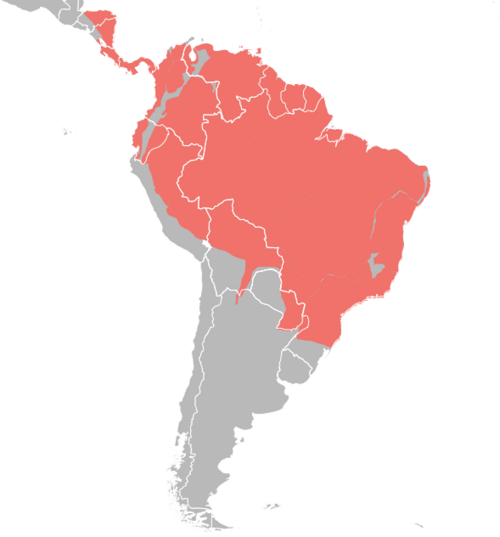 | نطاق الحجم : من 22 سم (9 بوصات) طولاً، بالإضافة إلى 35 سم (14 بوصة) طول الذيل ( قرد السنجاب الأسود ) إلى 56 سم (22 بوصة) طولاً، بالإضافة إلى 56 سم (22 بوصة) طول الذيل ( قرد الكابوشين الأسود ) [ 117 ] الموائل : الغابات والأراضي الشجرية والسافانا [ 118 ] الأنظمة الغذائية : الفاكهة والمكسرات والبذور والزهور والبراعم واللحاء والصمغ والبيض واللافقاريات والفقاريات الصغيرة [ 119 ] |
| قرود العالم القديم ( Cercopithecidae )
| جي إي غراي ، 1821 158 نوعًا في 23 جنسًا
| أفريقيا جنوب الصحراء الكبرى وجنوب وجنوب شرق وشرق آسيا | يتراوح حجمها بين 26 سم (10 بوصات) طولاً، بالإضافة إلى 53 سم (21 بوصة) طول الذيل ( قرد التالابوين الأنغولي ) إلى 100 سم (39 بوصة) طولاً، بالإضافة إلى 84 سم (33 بوصة) طول الذيل ( قرد البابون تشاكما ) [ 120 ] الموائل : الأراضي الرطبة الداخلية، والمناطق الصخرية، والأراضي الشجرية، والسافانا، والمراعي، والغابات، والمناطق البحرية المدية، والكهوف [ 121 ] النظام الغذائي : الفاكهة، والأوراق، ومجموعة متنوعة من النباتات، واللافقاريات، والفطر، والبيض، والفقاريات الصغيرة [ 122 ] |
| القردة العليا ( Hominidae )
| جي إي غراي ، 1825 | غرب ووسط أفريقيا وجنوب شرق آسيا، بالإضافة إلى البشر في جميع أنحاء العالم | نطاق الحجم : من 60 سم (24 بوصة) طولاً، بدون ذيل ( بونوبو ) إلى 120 سم (47 بوصة) طولاً، بدون ذيل ( غوريلا شرقية ) [ 123 ] الموائل : الغابات والسافانا (باستثناء البشر) [ 124 ] الأنظمة الغذائية : الفاكهة والأوراق، بالإضافة إلى النباتات الأخرى والحشرات والفقاريات الصغيرة (باستثناء البشر) [ 125 ] |
| عائلة الجيبون ( Hylobatidae )
| جي إي غراي ، 1870 29 نوعًا في 4 أجناس
| جنوب شرق آسيا | نطاق الحجم : من 41 سم (16 بوصة) طولاً، بدون ذيل ( قرد لار جيبون ) إلى 90 سم (35 بوصة) طولاً، بدون ذيل ( قرد سيامانغ ) [ 126 ] الموائل : الغابات [ 127 ] الأنظمة الغذائية : الأوراق والفواكه، بالإضافة إلى الزهور والحشرات والفقاريات الصغيرة [ 128 ] |
| Pitheciidae (قرد تيتي أو ساكي)
| ميفارت ، 1865 58 نوعًا في 6 أجناس
| أمريكا الشمالية والوسطى الجنوبية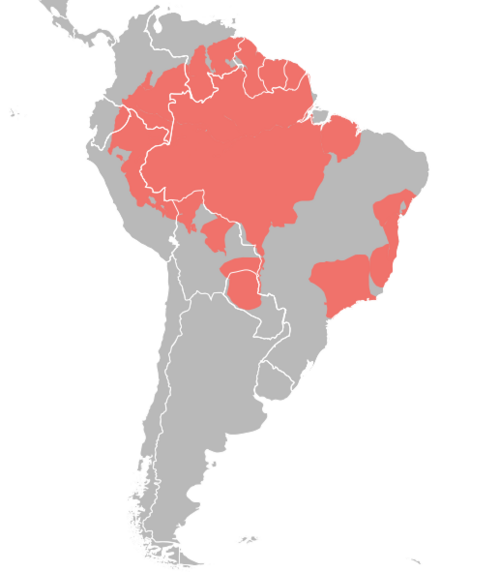 | نطاق الحجم : من 23 سم (9 بوصات) طولاً، بالإضافة إلى 42 سم (17 بوصة) طول الذيل ( قرد تيتي ذو الأيدي السوداء الكولومبي ) إلى 57 سم (22 بوصة) طولاً، بالإضافة إلى 19 سم (7 بوصات) طول الذيل ( قرد أواكاري الأصلع ) [ 129 ] الموائل : الغابات والأراضي الشجرية والسافانا [ 130 ] الأنظمة الغذائية : الفاكهة والعسل والأوراق والزهور واللافقاريات والفقاريات الصغيرة [ 131 ] |
| التارسيات (الترسير)
| جي إي غراي ، 1825 14 نوعًا في 3 أجناس
| جنوب شرق آسيا | نطاق الحجم : من 9 سم (4 بوصات) طولاً، بالإضافة إلى 20 سم (8 بوصات) طول الذيل ( الترسير القزم ) إلى 15 سم (6 بوصات) طولاً، بالإضافة إلى 31 سم (12 بوصة) طول الذيل ( الترسير سانجيه ) [ 132 ] الموائل : الأراضي الرطبة الداخلية والغابات والكهوف [ 133 ] الأنظمة الغذائية : الحشرات، بالإضافة إلى الفقاريات الصغيرة [ 134 ] |


| اسم | السلطة والأنواع | يتراوح | الحجم والبيئة |
|---|---|---|---|
| Cheirogaleidae (ليمور قزم أو فأر)
| جي إي غراي ، 1873 41 نوعًا في 5 أجناس
| مدغشقر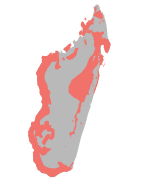 | نطاق الحجم : من 8 سم (3 بوصات) طولاً، بالإضافة إلى 14 سم (6 بوصات) طول الذيل ( ليمور الفأر جيرب ) إلى 29 سم (11 بوصة) طولاً، بالإضافة إلى 37 سم (15 بوصة) طول الذيل ( ليمور ذو علامات شوكة شاحبة ) [ 135 ] الموائل : الغابات والأراضي الشجرية [ 136 ] الأنظمة الغذائية : الحشرات، والعناكب، والفواكه، والزهور، والرحيق، والصمغ ، والراتنجات ، والأوراق، والضفادع، والسحالي، والطيور، والبيض [ 137 ] |
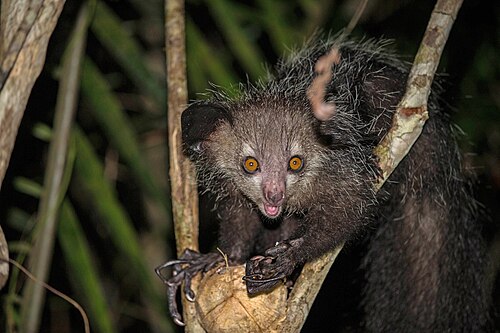
| عائلة الدوبنتونيات (آي-آي)
| جي إي غراي ، 1863 نوع واحد في جنس واحد
| غرب وشرق مدغشقر | الحجم : 30-37 سم (12-15 بوصة) طولاً، بالإضافة إلى ذيل بطول 44-53 سم (17-21 بوصة) [ 138 ] الموائل : الغابات والأراضي الشجرية [ 139 ] النظام الغذائي : الحشرات وجوز الهند والصمغ [ 140 ] |
| عائلة الجالاجو (Galagidae)
| جي إي غراي ، 1825 19 نوعًا في 6 أجناس
| أفريقيا جنوب الصحراء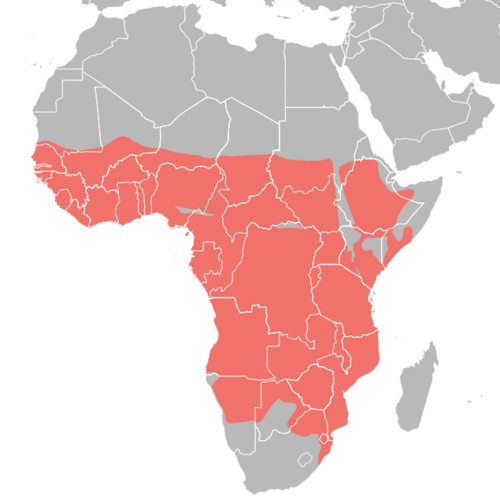 | نطاق الحجم : 9 سم (4 بوصات) طولاً، بالإضافة إلى 16 سم (6 بوصات) ذيل ( غالاجو روندو القزم ) إلى 40 سم (16 بوصة) طولاً، بالإضافة إلى 50 سم (20 بوصة) ذيل ( غالاجو البني الكبير ) [ 141 ] الموائل : الغابات والأراضي الشجرية والسافانا [ 142 ] الأنظمة الغذائية : الصمغ والحشرات والفواكه [ 143 ] |
| إندريداي (الليمور الصوفي)
| بورنيت ، 1828 19 نوعًا في 3 أجناس
| مدغشقر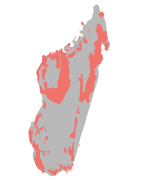 | نطاق الحجم : من 23 سم (9 بوصات) طولاً، بالإضافة إلى 26 سم (10 بوصات) طول الذيل ( ليمور سامبيرانو الصوفي ) إلى 72 سم (28 بوصة) طولاً، بالإضافة إلى 5 سم (2 بوصة) طول الذيل ( إندري ) [ 144 ] الموائل : الغابات والأراضي الشجرية والسافانا [ 145 ] الأنظمة الغذائية : الأوراق والبراعم والفواكه والمكسرات واللحاء والزهور [ 146 ] |
| الليموريات (الليمور الحقيقي)
| جي إي غراي ، 1821 | مدغشقر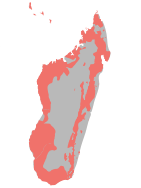 | نطاق الحجم : من 27 سم (11 بوصة) طولاً، بالإضافة إلى 36 سم (14 بوصة) طول الذيل ( ليمور الخيزران الغربي الصغير ) إلى 55 سم (22 بوصة) طولاً، بالإضافة إلى 65 سم (26 بوصة) طول الذيل ( ليمور أحمر الرقبة ) [ 147 ] الموائل : الغابات، والأراضي الشجرية، والمناطق الصخرية، والأراضي الرطبة الداخلية، والكهوف [ 148 ] النظام الغذائي : الفاكهة، والأوراق، والنباتات الأخرى، والحشرات، بالإضافة إلى اللحاء والرحيق [ 149 ] |
| ليبيليموريداي (الليمور الرياضي)
| جي إي غراي ، 1870 25 نوعًا في جنس واحد
| مدغشقر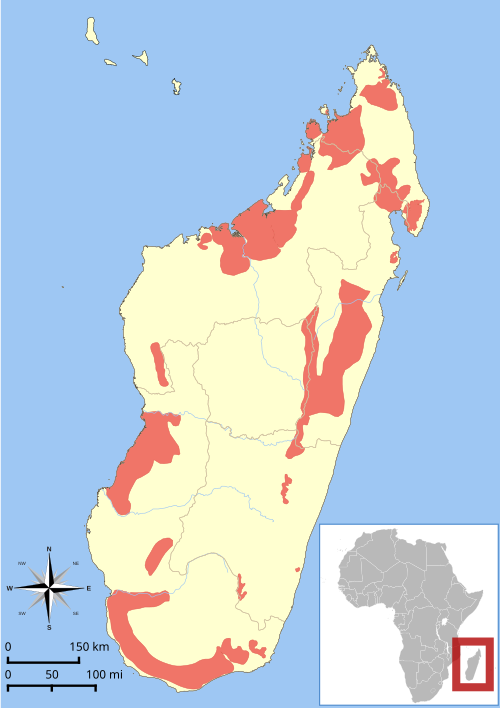 | نطاق الحجم : من 18 سم (7 بوصات) طولاً، بالإضافة إلى 25 سم (10 بوصات) طول الذيل ( ليمور رياضي شمالي ) إلى 34 سم (13 بوصة) طولاً، بالإضافة إلى 29 سم (11 بوصة) طول الذيل ( ليمور رياضي هولندي ) [ 150 ] الموائل : الغابات [ 151 ] الأنظمة الغذائية : الأوراق والزهور [ 152 ] |
| اللوريسيات (اللوريس أو البوتو)
| جي إي غراي ، 1821 16 نوعًا في 5 أجناس
| غرب ووسط أفريقيا وجنوب وجنوب شرق آسيا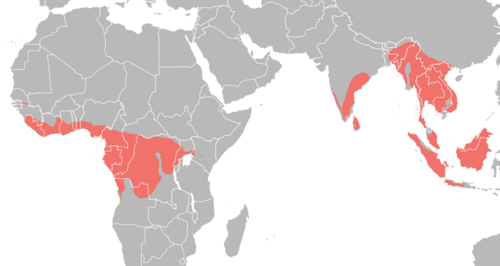 | نطاق الحجم : من 18 سم (7 بوصات) طولاً، بالإضافة إلى ذيل ضامر (اللوريس النحيل الأحمر) إلى 40 سم (16 بوصة) طولاً، بالإضافة إلى ذيل بطول 10 سم (4 بوصات) ( البوتو الأفريقي الأوسط ) [ 153 ] الموائل : الغابات [ 154 ] الأنظمة الغذائية : الحشرات والفواكه، بالإضافة إلى البراعم والأوراق والبيض والرخويات والفقاريات الصغيرة [ 155 ] |



القوارض
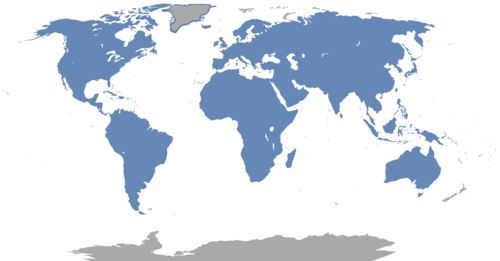
تُعرف القوارض، وهي من رتبة القوارض ، بانتشارها في جميع أنحاء العالم، وتتغذى على مجموعة واسعة من المواد النباتية واللافقاريات، بينما تتغذى بعض الأنواع على الفقاريات الصغيرة أو الجيف. تضم رتبة القوارض 35 عائلة، تشمل 2360 نوعًا حيًا - أي ما يقارب 40% من جميع أنواع الثدييات - موزعة على 511 جنسًا. تُصنف هذه العائلات إلى خمس رتب فرعية: رتبة أنومالورومورفا ، التي تضم السناجب ذات الذيل الحرشفي والأرانب البرية؛ ورتبة كاستوريمورفا ، التي تضم حيوانات البريفر والجوفر وجرذان الكنغر؛ ورتبة هيستريكومورفا ، التي تضم جرذان الخلد والخنازير الغينية والثعالب والأغوطي وجرذان العالم الجديد الشوكية والنيص؛ ورتبة ميومورفا ، التي تضم مجموعة متنوعة من الفئران والجرذان؛ ورتبة سكيورومورفا ، التي تضم الفئران النائمة والسناجب. بالإضافة إلى ذلك، انقرضت 38 نوعًا في العصر الحديث.
| اسم | السلطة والأنواع | يتراوح | الحجم والبيئة |
|---|---|---|---|
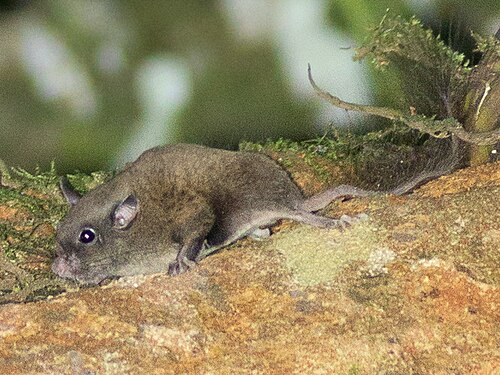
| السنجاب ذو الذيل المتقشر ( Anomaluridae )
| جيرفيه ، 1849 7 أنواع في 3 أجناس
| أفريقيا جنوب الصحراء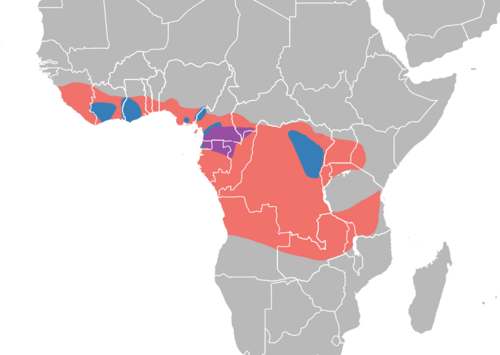 | نطاق الحجم : 6 سم (2 بوصة) طولاً، بالإضافة إلى 7 سم (3 بوصات) ذيل ( السنجاب الطائر القزم ذو الذيل المتقشر ) إلى 46 سم (18 بوصة) طولاً، بالإضافة إلى 45 سم (18 بوصة) ذيل ( سنجاب اللورد ديربي ذو الذيل المتقشر ) [ 56 ] الموائل : الغابات والسافانا [ 156 ] الأنظمة الغذائية : الفاكهة واللحاء، بالإضافة إلى الزهور والأوراق والمكسرات والحشرات [ 157 ] |
| فصيلة الأرانب الربيعية ( Pedetidae )
| جي إي غراي ، 1825 نوعان في جنس واحد
| جنوب وشرق أفريقيا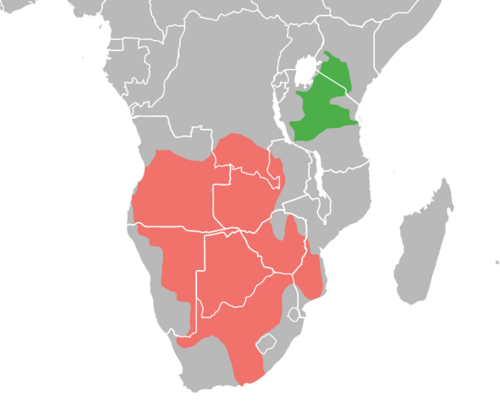 | نطاق الحجم : 34-46 سم (13-18 بوصة) طولاً، بالإضافة إلى 39-48 سم (15-19 بوصة) ذيل (كلا النوعين) [ 158 ] الموائل : السافانا، والأراضي الشجرية، والأراضي العشبية [ 159 ] الأنظمة الغذائية : البصيلات والجذور، بالإضافة إلى السيقان والحبوب والحشرات [ 160 ] |

| اسم | السلطة والأنواع | يتراوح | الحجم والبيئة |
|---|---|---|---|
| القندس ( Castoridae )
| هيمبريتش ، 1820 نوعان في جنس واحد
| أمريكا الشمالية وأوروبا وآسيا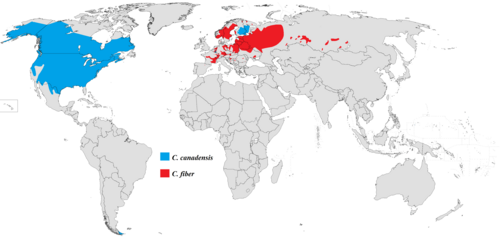 | نطاق الحجم : 80-90 سم (31-35 بوصة) طولاً، بالإضافة إلى 20-30 سم (8-12 بوصة) ذيل (كلا النوعين) [ 161 ] الموائل : الغابات والأراضي الشجرية والأراضي الرطبة الداخلية [ 162 ] النظام الغذائي : لحاء الأشجار والشجيرات والكامبيوم والأغصان والأوراق والجذور [ 163 ] |
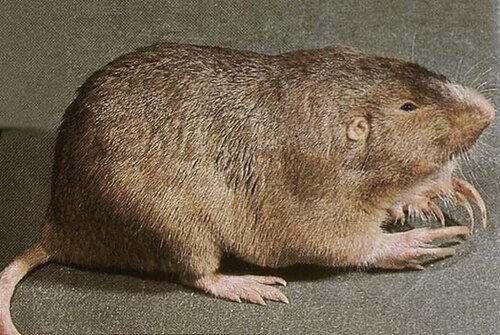
| عائلة الجيوميداي (الجرذان)
| بونابرت ، 1845 36 نوعًا ضمن 7 أجناس ( القائمة الكاملة )
| أمريكا الشمالية وأمريكا الوسطى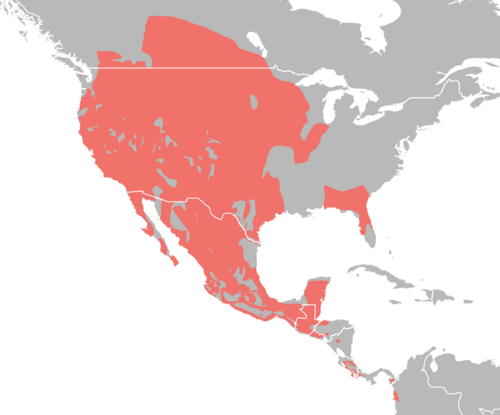 | نطاق الحجم : 8 سم (3 بوصات) طولاً، بالإضافة إلى 5 سم (2 بوصة) ذيل ( جرذ الجيب بوتا ) إلى 30 سم (12 بوصة) طولاً، بالإضافة إلى 14 سم (6 بوصات) ذيل ( جرذ الجيب العملاق ) [ 164 ] الموائل : الأراضي الرطبة الداخلية، والمراعي، والأراضي الشجرية، والسافانا، والغابات، والمناطق البحرية المدية، والصحاري [ 165 ] النظام الغذائي : الجذور والدرنات والسيقان [ 166 ] |
| Heteromyidae (جرذ الكنغر أو فأر الجيب)
| جي إي غراي ، 1868 63 نوعًا ضمن 5 أجناس ( القائمة الكاملة )
| أمريكا الشمالية، وأمريكا الوسطى، وشمال أمريكا الجنوبية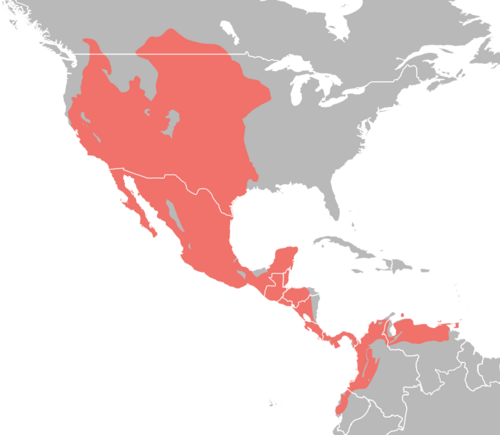 | نطاق الحجم : من 5 سم (2 بوصة) طولاً، بالإضافة إلى 4 سم (2 بوصة) طول الذيل ( فأر الجيب ميريام ) إلى 17 سم (7 بوصات) طولاً، بالإضافة إلى 20 سم (8 بوصات) طول الذيل ( فأر الجيب الشوكي نيلسون ) [ 167 ] الموائل : المناطق الصخرية، والأراضي الشجرية، والسافانا، والمراعي، والمناطق البحرية الساحلية، والصحاري، والغابات [ 168 ] النظام الغذائي : البذور والنباتات، بالإضافة إلى الحشرات واللافقاريات الأخرى [ 169 ] |


| اسم | السلطة والأنواع | يتراوح | الحجم والبيئة |
|---|---|---|---|
| أبروكوميداي (جرذ الشنشيلة)
| ميلر وجيدلي ، 1918 10 أنواع في جنسين
| غرب أمريكا الجنوبية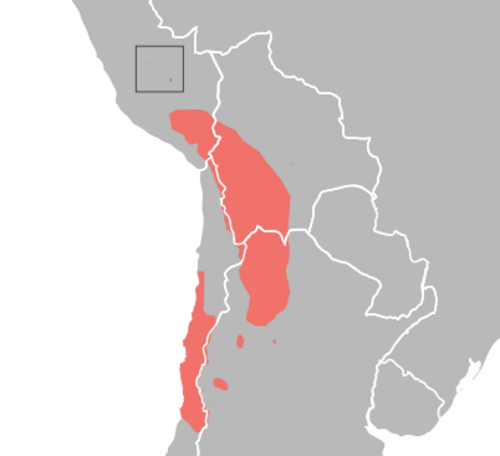 | نطاق الحجم : من 15 سم (6 بوصات) طولاً، بالإضافة إلى 5 سم (2 بوصة) طول الذيل ( جرذ الشنشيلة الرمادي ) إلى 35 سم (14 بوصة) طولاً، بالإضافة إلى 26 سم (10 بوصات) طول الذيل ( جرذ الشنشيلة الشجري من نوع أشانينكا ) [ 170 ] الموائل : الأراضي الشجرية، والأراضي الرطبة الداخلية، والغابات، والمناطق الصخرية، والمراعي، والسافانا [ 171 ] النظام الغذائي : مجموعة متنوعة من النباتات [ 172 ] |
| باثيرجيداي (جرذ الخلد)
| ووترهاوس ، 1841 21 نوعًا ضمن 5 أجناس ( القائمة الكاملة )
| أفريقيا جنوب الصحراء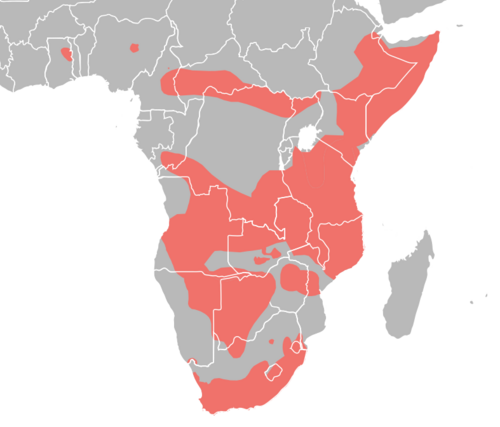 | يتراوح حجمها من 8 سم (3 بوصات) طولاً، بالإضافة إلى 1 سم (0.4 بوصة) طول الذيل ( جرذ الخلد كارولين ) إلى 35 سم (14 بوصة) طولاً، بالإضافة إلى 4 سم (2 بوصة) طول الذيل ( جرذ الخلد الكثبان الرملية في كيب ) [ 173 ] الموائل : الأراضي العشبية، والسافانا، والغابات، والأراضي الشجرية، والكهوف، والصحاري [ 174 ] النظام الغذائي : الدرنات، والجذور، والأبصال، وأوراق الصبار ، بالإضافة إلى الحشرات [ 175 ] |
| عائلة كابروميداي (هوتيا)
| ووترهاوس ، 1841 18 نوعًا (8 منها منقرضة) ضمن 9 أجناس (4 منها منقرضة) ( القائمة الكاملة )
| منطقة البحر الكاريبي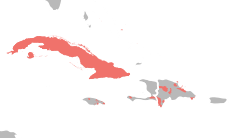 | نطاق الحجم : من 20 سم (8 بوصات) طولاً، بالإضافة إلى 17 سم (7 بوصات) طولاً للذيل ( هوتيا القزم ) إلى 62 سم (24 بوصة) طولاً، بالإضافة إلى 31 سم (12 بوصة) طولاً للذيل ( هوتيا ديسماريه ) [ 176 ] الموائل : الأراضي الشجرية، والمناطق البحرية المدية، والغابات، والأراضي الرطبة الداخلية، والكهوف، والمناطق الصخرية [ 177 ] النظام الغذائي : النباتات والحيوانات الصغيرة [ 178 ] |
| الكافيات (خنزير غينيا أو الكافي)
| فيشر فون فالدهايم ، 1818 21 نوعًا ضمن 6 أجناس ( القائمة الكاملة )
| بنما وأمريكا الجنوبية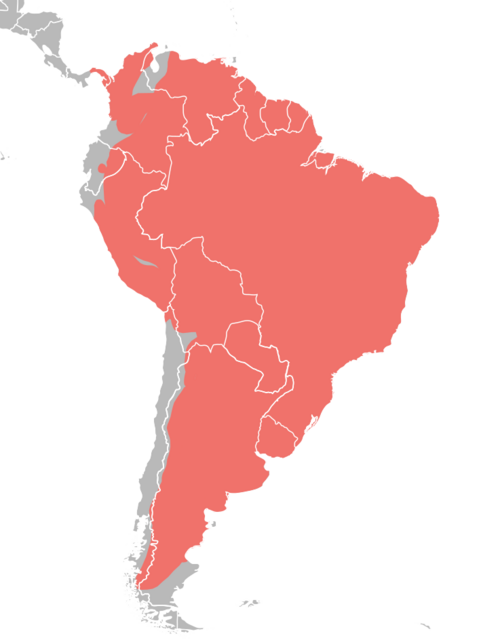 | نطاق الحجم : من 19 سم (7 بوصات) طولاً، بدون ذيل ( خنزير جبل شيبتون ) إلى 134 سم (53 بوصة) طولاً، بالإضافة إلى ذيل بطول 2 سم (1 بوصة) ( الكابيبارا ) [ 179 ] الموائل : الأراضي العشبية، والغابات، والمناطق الصخرية، والسافانا، والأراضي الشجرية، والصحاري، والأراضي الرطبة الداخلية [ 180 ] النظام الغذائي : مجموعة متنوعة من المواد النباتية [ 181 ] |
| عائلة الشنشيلات (الشنشيلة أو الفيسكاشا)
| بينيت ، 1833 سبعة أنواع (انقرض نوع واحد) ضمن ثلاثة أجناس
| غرب وجنوب أمريكا الجنوبية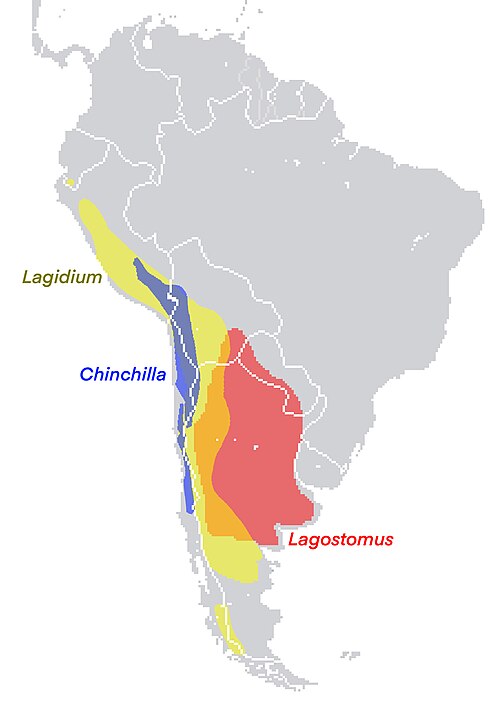 | نطاق الحجم : من 22 سم (9 بوصات) طولاً، بالإضافة إلى 14 سم (6 بوصات) طول الذيل ( الشنشيلة طويلة الذيل ) إلى 61 سم (24 بوصة) طولاً، بالإضافة إلى 20 سم (8 بوصات) طول الذيل ( فيسكاتشا السهول ) [ 182 ] الموائل : الأراضي العشبية، والأراضي الشجرية، والسافانا، والمناطق الصخرية [ 183 ] النظام الغذائي : الأعشاب، والبذور، والأشنات ، والطحالب، بالإضافة إلى أنواع أخرى من النباتات [ 184 ] |
| عائلة Ctenodactylidae (gundi)
| جيرفيه ، 1853 5 أنواع في 4 أجناس
| شمال وشرق أفريقيا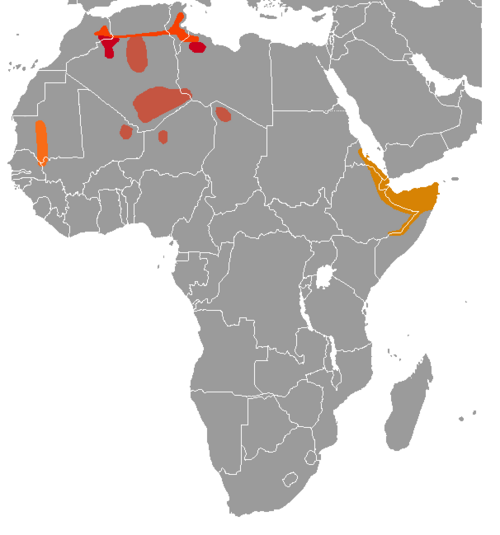 | نطاق الحجم : من 12 سم (5 بوصات) طولاً، بالإضافة إلى 2 سم (1 بوصة) ذيل ( فالسحلية غوندي ) إلى 23 سم (9 بوصات) طولاً، بالإضافة إلى 5 سم (2 بوصة) ذيل (السحلية غوندي الشائعة) [ 185 ] الموائل : السافانا، والأراضي الشجرية، والمراعي، والمناطق الصخرية [ 186 ] النظام الغذائي : الأوراق، والسيقان، والبذور، والزهور [ 187 ] |
| عائلة Ctenomyidae (توكو-توكو)
| درس ، 1842 59 نوعًا في جنس واحد ( القائمة الكاملة )
| جنوب أمريكا الجنوبية | نطاق الحجم : من 11 سم (4 بوصات) طولاً، بالإضافة إلى 7 سم (3 بوصات) طول الذيل ( توكو توكو ذو الأسنان البيضاء ) إلى 33 سم (13 بوصة) طولاً، بالإضافة إلى 11 سم (4 بوصات) طول الذيل ( توكو توكو كونفر ) [ 188 ] الموائل : الغابات، والصحاري، والمراعي، والأراضي الرطبة الداخلية، والمناطق البحرية الساحلية، والأراضي الشجرية، والسافانا [ 189 ] النظام الغذائي : الأعشاب، والجذور، والسيقان، والنباتات الأخرى [ 190 ] |
| عائلة الكونيكوليداي (الباكا)
| ميلر وجيدلي ، 1918 نوعان في جنس واحد | المكسيك، كوبا، أمريكا الوسطى، وأمريكا الجنوبية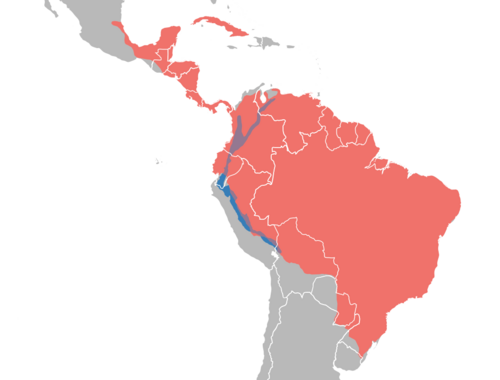 | نطاق الحجم : 50 سم (20 بوصة) طولاً، بالإضافة إلى 1 سم (0.4 بوصة) ذيل ( باكا الأراضي المنخفضة ) إلى 80 سم (31 بوصة) طولاً، بالإضافة إلى 3 سم (1 بوصة) ذيل ( باكا الجبال ) [ 191 ] الموائل : الغابات والأراضي الرطبة الداخلية [ 192 ] الأنظمة الغذائية : الأوراق والسيقان والجذور والبذور والثمار [ 193 ] |
| عائلة داسيبروكتيداي (أغوتي أو أكوشي)
| جي إي غراي ، 1825 15 نوعًا في جنسين ( القائمة الكاملة )
| المكسيك، كوبا، أمريكا الوسطى، وأمريكا الجنوبية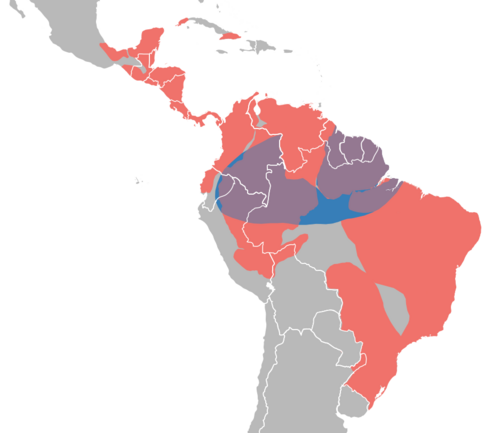 | نطاق الحجم : من 30 سم (12 بوصة) طولاً، بالإضافة إلى 4 سم (2 بوصة) ذيل ( أكوشي الأخضر ) إلى 76 سم (30 بوصة) طولاً، بالإضافة إلى 4 سم (2 بوصة) ذيل ( أغوطي الأسود ) [ 194 ] الموائل : السافانا والغابات [ 195 ] الأنظمة الغذائية : الفاكهة والبذور، بالإضافة إلى السرطانات [ 196 ] |
| فصيلة دياتوميداي (جرذ الصخور اللاوسي)
| مين وجينسبيرغ ، 1997 نوع واحد في جنس واحد
| لاوس وفيتنام | الحجم : 21-30 سم (8-12 بوصة) طولاً، بالإضافة إلى ذيل بطول 12-17 سم (5-7 بوصة) [ 185 ] الموائل : الغابات والمناطق الصخرية [ 197 ] النظام الغذائي : الأوراق والأعشاب والبذور [ 198 ] |
| عائلة الدينوميداي (باكارانا)
| بيترز ، 1873 | شمال غرب أمريكا الجنوبية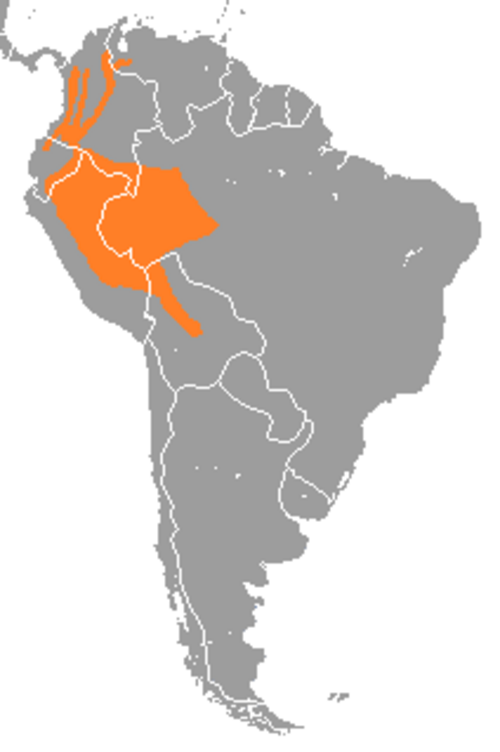 | الحجم : 73-79 سم (29-31 بوصة) طولاً، بالإضافة إلى 14-23 سم (6-9 بوصة) ذيل ( فيسكاتشا السهول ) [ 170 ] الموائل : الغابات والمراعي [ 199 ] النظام الغذائي : الفاكهة والأوراق والسيقان [ 181 ] |
| إيكيميداي (جرذ شوكي استوائي جديد)
| بيترز ، 1873 94 نوعًا (6 منها منقرضة) ضمن 26 جنسًا (3 منها منقرضة) ( القائمة الكاملة )
| أمريكا الجنوبية وأمريكا الوسطى (تم إدخالها في أمريكا الشمالية وأوروبا واليابان)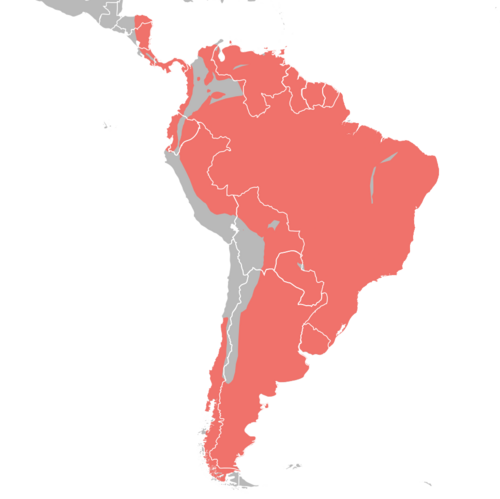 | يتراوح حجمها من 12 سم (5 بوصات) طولاً، بالإضافة إلى 13 سم (5 بوصات) طول الذيل ( ساو لورينسو بوناري ) إلى 57 سم (22 بوصة) طولاً، بالإضافة إلى 40 سم (16 بوصة) طول الذيل ( النيوتريا ) [ 200 ] الموائل : الغابات، والمراعي، والسافانا، والأراضي الشجرية، والأراضي الرطبة الداخلية، والمناطق الصخرية [ 201 ] الأنظمة الغذائية : العشب، وقصب السكر ، والفواكه، والمكسرات [ 202 ] |
| عائلة القنافذ ( Erethizontidae )
| بونابرت ، 1845 18 نوعًا في 3 أجناس ( القائمة الكاملة )
| أمريكا الشمالية وأمريكا الجنوبية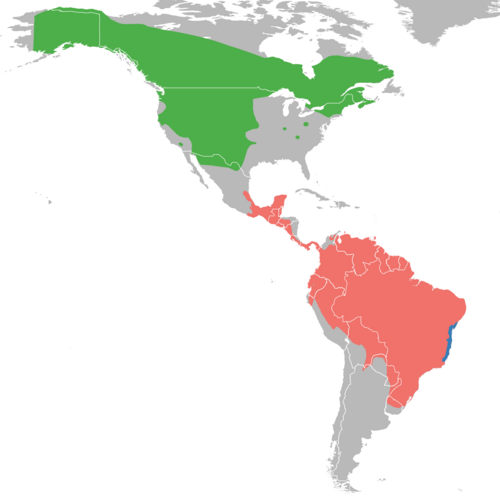 | نطاق الحجم : من 24 سم (9 بوصات) طولاً، بالإضافة إلى 9 سم (4 بوصات) طول الذيل ( النيص القزم المشعر الباراغواياني ) إلى 130 سم (51 بوصة) طولاً، بالإضافة إلى 25 سم (10 بوصات) طول الذيل ( النيص الأمريكي ) [ 203 ] الموائل : الغابات، والأراضي الشجرية، والسافانا، والمراعي [ 204 ] النظام الغذائي : الأوراق، والسيقان، والثمار، والأزهار، والجذور، والبذور، والمكسرات، وغيرها من النباتات [ 205 ] |
| Heterocephalidae (جرذ الخلد العاري)
| لاندري ، 1957 نوع واحد في جنس واحد
| شرق أفريقيا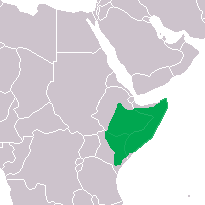 | الحجم : 7-11 سم (3-4 بوصة) طولاً، بالإضافة إلى ذيل بطول 3-5 سم (1-2 بوصة) [ 206 ] الموائل : السافانا، والأراضي الشجرية، والمراعي، والكهوف [ 207 ] النظام الغذائي : الدرنات والجذور والأكرومات [ 208 ] |
| هيستريسيداي (النيص في العالم القديم)
| فيشر فون فالدهايم ، 1817 11 نوعًا في 3 أجناس ( القائمة الكاملة )
| أفريقيا وإيطاليا وآسيا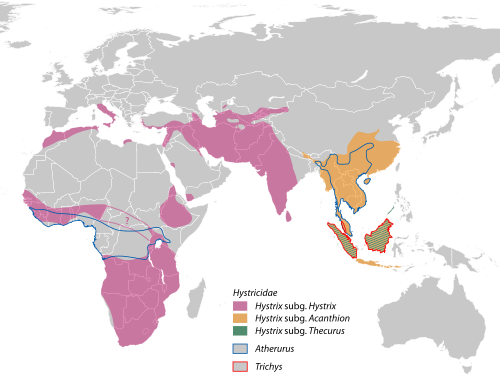 | نطاق الحجم : من 35 سم (14 بوصة) طولاً، بالإضافة إلى 17 سم (7 بوصات) طول الذيل ( النيص طويل الذيل ) إلى 93 سم (37 بوصة) طولاً، بالإضافة إلى 17 سم (7 بوصات) طول الذيل (متعدد في جنس هيستريكس ) [ 209 ] الموائل : الغابات، والمراعي، والأراضي الشجرية، والمناطق الصخرية، والسافانا [ 210 ] النظام الغذائي : النباتات، وكذلك الجيف [ 211 ] |
| Octodontidae (فئران ديجو أو فيسكاشا)
| ووترهاوس ، 1839 14 نوعًا ضمن 7 أجناس ( القائمة الكاملة )
| جنوب أمريكا الجنوبية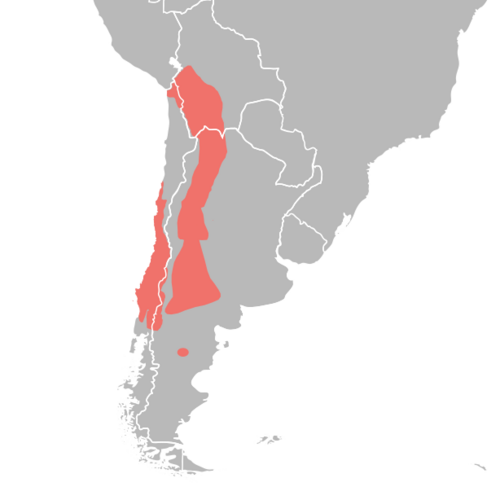 | نطاق الحجم : من 11 سم (4 بوصات) طولاً، بالإضافة إلى 4 سم (2 بوصة) طول الذيل ( كورورو ) إلى 33 سم (13 بوصة) طولاً، بالإضافة إلى 18 سم (7 بوصات) طول الذيل ( جرذ فيسكاشا الجبلي ) [ 212 ] الموائل : الغابات، والمراعي، والأراضي الشجرية، والمناطق الصخرية، والأراضي الرطبة الداخلية [ 213 ] النظام الغذائي : الأبصال، والدرنات، واللحاء، والصبار [ 214 ] |
| فصيلة الجرذان الترابية (جرذان داسي)
| تولبيرغ ، 1899 | جنوب غرب أفريقيا | الحجم : 13-22 سم (5-9 بوصة) طولاً، بالإضافة إلى ذيل بطول 11-18 سم (4-7 بوصة) [ 215 ] الموائل : الأراضي الشجرية والمناطق الصخرية [ 216 ] النظام الغذائي : مجموعة متنوعة من المواد النباتية الخضراء والبذور والتوت [ 217 ] |
| فصيلة الجرذان القصبية ( Thryonomyidae )
| بوكوك ، 1922 نوعان في جنس واحد
| أفريقيا جنوب الصحراء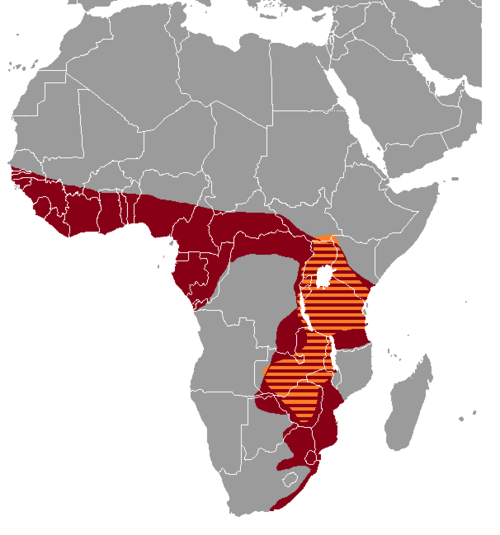 | نطاق الحجم : من 41 سم (16 بوصة) طولاً، بالإضافة إلى 11 سم (4 بوصات) طول الذيل ( جرذ القصب الصغير ) إلى 77 سم (30 بوصة) طولاً، بالإضافة إلى 20 سم (8 بوصات) طول الذيل (جرذ القصب الكبير) [ 215 ] الموائل : الأراضي الشجرية، والأراضي العشبية، والأراضي الرطبة الداخلية، والغابات [ 218 ] النظام الغذائي : العشب والقصب ، بالإضافة إلى اللحاء والمكسرات والفواكه والمحاصيل [ 219 ] |
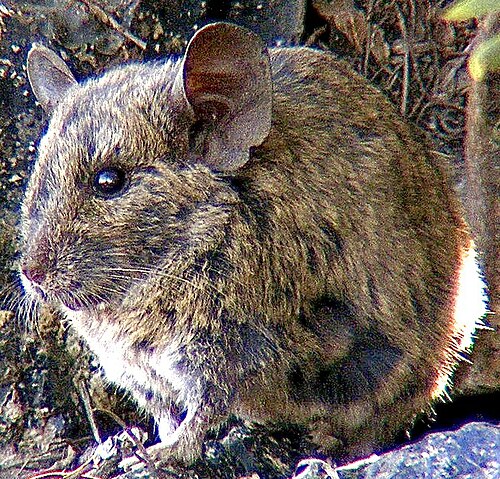

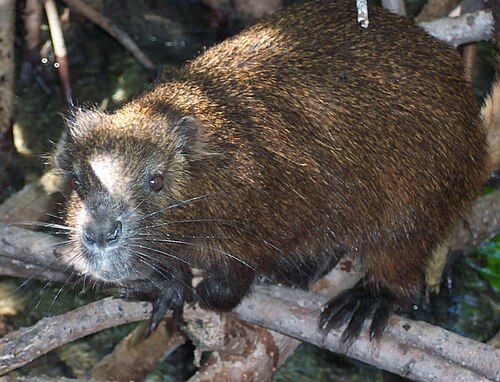


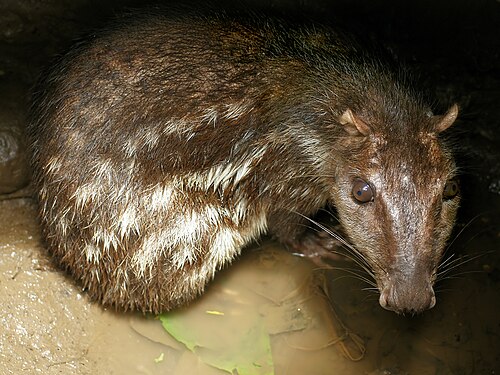


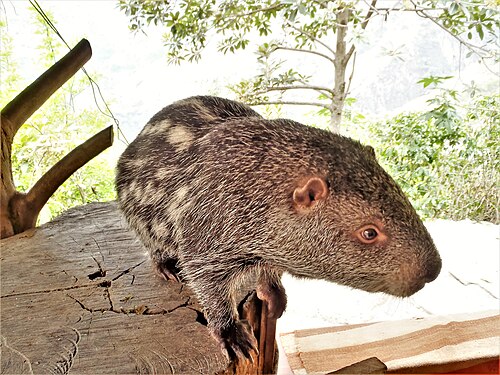


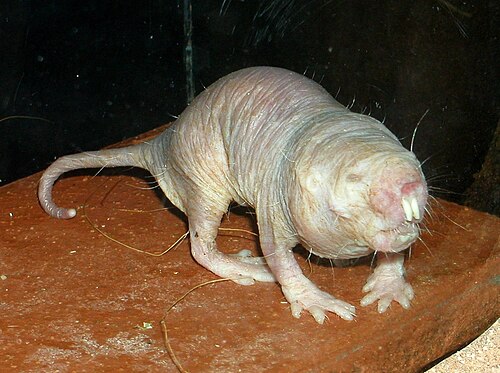


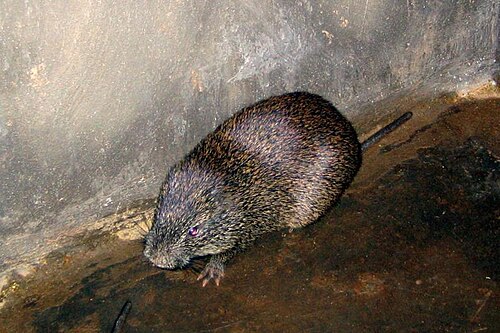
| اسم | السلطة والأنواع | يتراوح | الحجم والبيئة |
|---|---|---|---|
| Calomyscidae (الهامستر الشبيه بالفأر)
| فورونتسوف وبوتابوفا ، 1979 ثمانية أنواع في جنس واحد
| آسيا الوسطى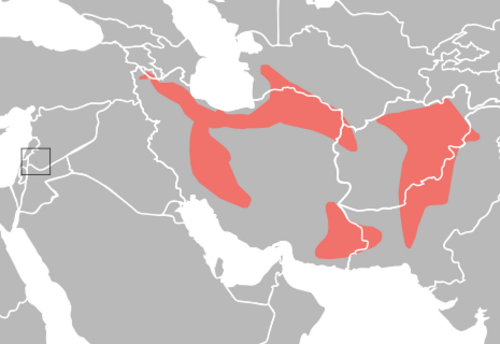 | نطاق الحجم : من 6 سم (2 بوصة) طولاً، بالإضافة إلى 5 سم (2 بوصة) طول الذيل ( هامستر تسولوف الشبيه بالفأر ) إلى 10 سم (4 بوصات) طولاً، بالإضافة إلى 11 سم (4 بوصات) طول الذيل ( هامستر بالخان الكبير الشبيه بالفأر ) [ 220 ] الموائل : الأراضي الشجرية والمراعي والمناطق الصخرية [ 221 ] الأنظمة الغذائية : البذور والزهور والأوراق، بالإضافة إلى المواد الحيوانية [ 222 ] |
| فصيلة الجرذان (الجرذان أو الفئران في العالم الجديد)
| فيشر فون فالدهايم ، 1817 705 نوعاً (11 نوعاً منقرضاً) ضمن 144 جنساً (3 أجناس منقرضة) ( القوائم الكاملة )
| أمريكا الشمالية، أمريكا الجنوبية، أوروبا، آسيا، وشمال شرق أفريقيا | يتراوح حجمها من 5 سم (2 بوصة) طولاً، بالإضافة إلى 3 سم (1 بوصة) طول الذيل ( فأر القزم الشمالي ) إلى 32 سم (13 بوصة) طولاً، بالإضافة إلى 7 سم (3 بوصات) طول الذيل ( الهامستر الأوروبي ) [ 223 ] الموائل : الغابات، والأراضي الشجرية، والأراضي الرطبة الداخلية، والصحاري، والمناطق الصخرية، والمراعي، والسافانا، والكهوف، والمناطق البحرية المدية، والمناطق البحرية الساحلية [ 224 ] النظام الغذائي : المواد النباتية واللافقاريات؛ بعض الأنواع تتغذى بشكل أساسي على الأسماك والفقاريات الصغيرة الأخرى [ 225 ] |
| فصيلة اليربوع ( Dipodidae )
| فيشر فون فالدهايم ، 1817 33 نوعًا ضمن 13 جنسًا ( القائمة الكاملة )
| آسيا وشمال أفريقيا وشرق أوروبا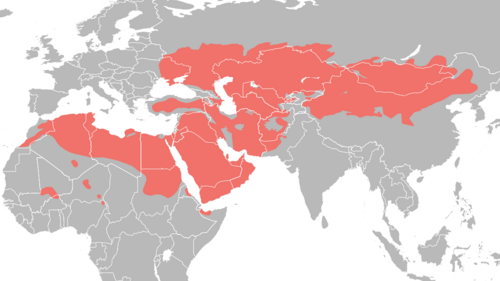 | يتراوح حجمها من 4 سم (2 بوصة) طولاً، بالإضافة إلى 7 سم (3 بوصات) طولاً للذيل ( اليربوع القزم البلوشي ) إلى 23 سم (9 بوصات) طولاً، بالإضافة إلى 30 سم (12 بوصة) طولاً للذيل ( اليربوع الكبير ) [ 226 ] الموائل : الصحراء، والمناطق البحرية الساحلية، والأراضي الشجرية، والمراعي، والمناطق الصخرية، والغابات [ 227 ] النظام الغذائي : البذور والنباتات والحشرات [ 228 ] |
| الفأريات (فئران أو جرذان العالم القديم)
| إيليجر ، 1811 814 نوعًا (13 نوعًا منقرضًا) ضمن 156 جنسًا ( القوائم الكاملة )
| في جميع أنحاء العالم باستثناء القارة القطبية الجنوبية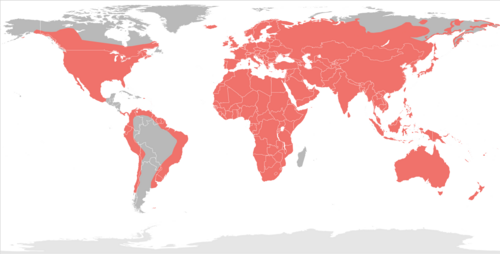 | يتراوح حجمها من 4 سم (2 بوصة) طولاً، بالإضافة إلى 2 سم (1 بوصة) طول الذيل ( فأر القزم الأفريقي ) إلى 47 سم (19 بوصة) طولاً، بالإضافة إلى 37 سم (15 بوصة) طول الذيل ( جرذ الصوف الألبي ) [ 229 ] الموائل : السافانا، والغابات، والأراضي الشجرية، والمراعي، والصحاري، والأراضي الرطبة الداخلية، والمناطق البحرية الساحلية، والمناطق الصخرية [ 230 ] الأنظمة الغذائية : المواد النباتية واللافقاريات؛ بعض الأنواع تتغذى بشكل أساسي على الأسماك والفقاريات الصغيرة الأخرى [ 225 ] |
| Nesomyidae (الجرذ أو الفأر الأفريقي أو الملغاشي)
| الرائد ، 1897 67 نوعًا ضمن 21 جنسًا ( القائمة الكاملة )
| Sub-Saharan Africa | Size range: 4 cm (2 in) long, plus 5 cm (2 in) tail (Monard's African climbing mouse) to 41 cm (16 in) long, plus 45 cm (18 in) tail (southern giant pouched rat)[231]Habitats: Shrubland, forest, savanna, desert, grassland, inland wetlands, and rocky areas[232]Diets: Plant material and invertebrates[225] |
| Platacanthomyidae(Oriental dormouse)
| Alston, 1876 2 species in 2 genera
| Southern and eastern Asia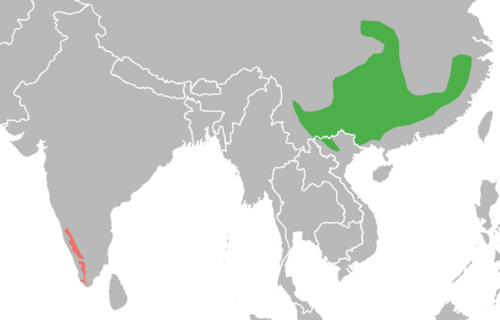 | Size range: 7 cm (3 in) long, plus 9 cm (4 in) tail (Chinese pygmy dormouse) to 14 cm (6 in) long, plus 11 cm (4 in) tail (Malabar spiny dormouse)[233]Habitats: Forest[234]Diets: Fruit, seeds, grain, and roots[235] |
| Sminthidae(birch mouse)
| Brandt, 1855 16 species in 1 genus (full list)
| Asia and Europe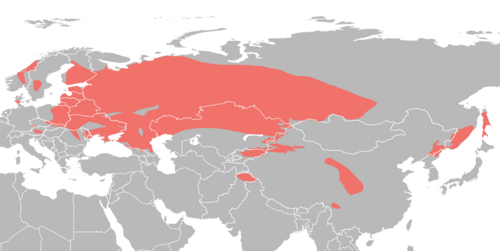 | Size range: 4–8 cm (2–3 in) long, plus 6–12 cm (2–5 in) tail (multiple)[236]Habitats: Inland wetlands, shrubland, forest, and grassland[237]Diets: Seeds, berries, and insects[238] |
| Spalacidae(mole-rat)
| J. E. Gray, 1821 23 species in 7 genera (full list)
| Eastern Europe, eastern Africa, and Asia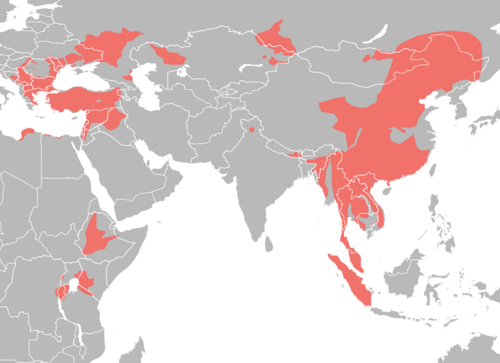 | Size range: 13 cm (5 in) long, with no tail (Middle East blind mole-rat) to 48 cm (19 in) long, plus 20 cm (8 in) tail (large bamboo rat)[239]Habitats: Shrubland, grassland, forest, savanna, and desert[240]Diets: Roots, bulbs, tubers, acorns, stems, and grain[241] |
| Zapodidae(jumping mouse)
| Coues, 1875 5 species in 3 genera
| North America and China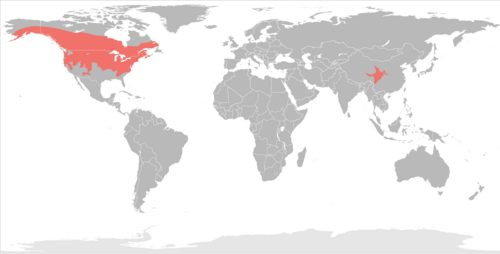 | Size range: 7 cm (3 in) long, plus 11 cm (4 in) tail (Chinese jumping mouse) to 11 cm (4 in) long, plus 16 cm (6 in) tail (Pacific jumping mouse)[242]Habitats: Forest, shrubland, grassland, and inland wetlands[227]Diets: Seeds, fungi, and insects, as well as nuts, berries, and fruit[243] |


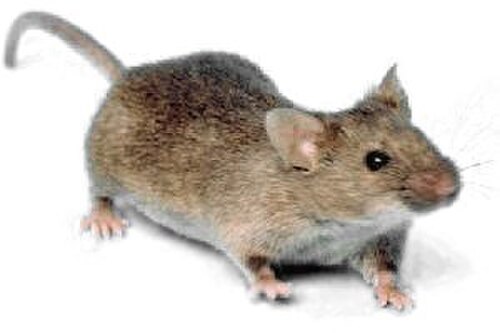


| Name | Authority and species | Range | Size and ecology |
|---|---|---|---|
| Aplodontiidae(mountain beaver)
| Brandt, 1855 1 species in 1 genus
| Western United States and southwestern Canada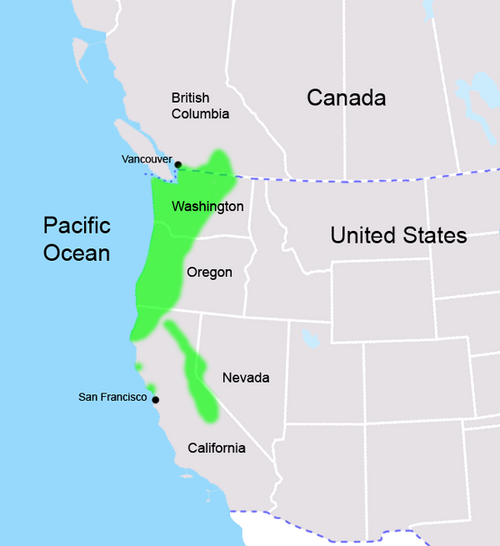 | Size: 23–43 cm (9–17 in) long, plus 2–6 cm (1–2 in) tail[244]Habitats: Forest, shrubland, and inland wetlands[245]Diet: Variety of plant material[246] |
| Gliridae(dormouse)
| Muirhead, 1819 29 species in 9 genera (full list)
| Europe, Africa, and Asia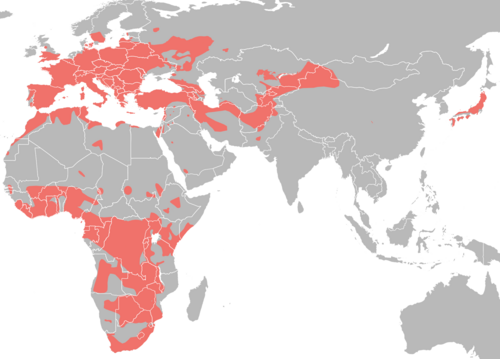 | Size range: 6 cm (2 in) long, plus 6 cm (2 in) tail (Setzer's mouse-tailed dormouse) to 19 cm (7 in) long, plus 18 cm (7 in) tail (European edible dormouse)[247]Habitats: Grassland, inland wetlands, rocky areas, savanna, shrubland, forest, desert, and coastal marine[248]Diets: Fruit, nuts, insects, eggs, and small vertebrates[249] |
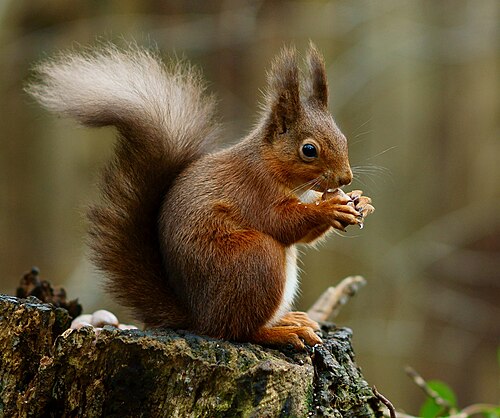
| Sciuridae(squirrel, chipmunk, or marmot)
| Fischer von Waldheim, 1817 284 species in 60 genera (full list)
| Europe, Africa, Asia, North America, and South America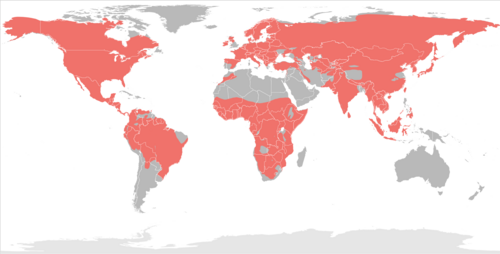 | Size range: 6 cm (2 in) long, plus 6 cm (2 in) tail (lesser pygmy flying squirrel) to 75 cm (30 in) long, plus 24 cm (9 in) tail (Olympic marmot)[250]Habitats: Forest, shrubland, grassland, inland wetlands, savanna, desert, rocky areas, and coastal marine[251]Diets: Nuts, seeds, and other plant material; some species predominately insects[252] |


Superorder Laurasiatheria
Artiodactyla
Members of the Artiodactyla order are called artiodactyls or even-toed ungulates, and include deer, cattle, pigs, camels, whales, and dolphins. They are found worldwide on land and in oceans, and eat a wide variety of plant material, fish, and other marine animals. Artiodactyla comprises 24 families of 349 extant species in 133 genera. These families are grouped into four suborders: Ruminantia, containing deer, cattle, goats, a giraffes; Suina, containing pigs and peccaries; Tylopoda, containing camels and llamas; and Whippomorpha, containing whales, dolphins, and hippopotomuses. Three additional species have been driven to extinction in modern times.
| Name | Authority and species | Range | Size and ecology |
|---|---|---|---|
| Antilocapridae(pronghorn)
| J. E. Gray, 1866 1 species in 1 genus
| Western North America (former range in yellow)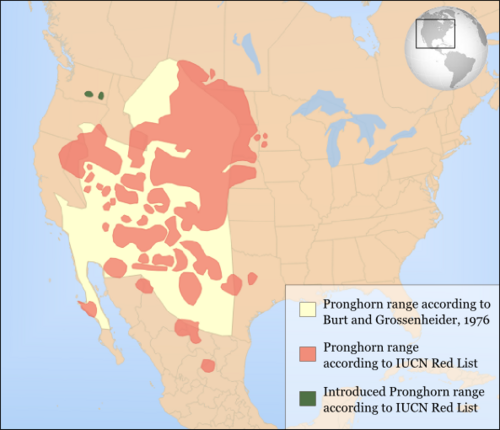 | Size: 130–140 cm (51–55 in) long, plus 9–11 cm (4–4 in) tail[253]Habitats: Shrubland, grassland, and desert[254]Diet: Shrubs, forbs, grass, cacti, and other plants[255] |
| Bovidae(cattle, antelope, or goat)
| J. E. Gray, 1821 148 species (2 extinct) in 53 genera (full list)
| Africa, Asia, Europe, and North America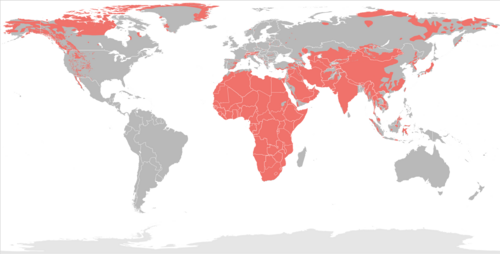 | Size range: 38 cm (15 in) long, plus 5 cm (2 in) tail (royal antelope) to 380 cm (150 in) long, plus 100 cm (39 in) tail (wild yak)[256]Habitats: Forest, savanna, shrubland, grassland, desert, inland wetlands, and rocky areas, and coastal marine[257]Diets: Grass, stems, and leaves[258] |
| Cervidae(deer)
| Goldfuss, 1820 56 species (1 extinct) in 19 genera (full list)
| North and South America, Europe, and Asia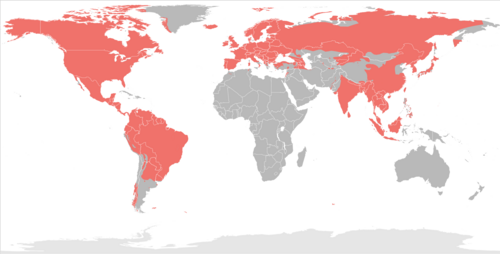 | Size range: 70 cm (28 in) long, with no tail (dwarf brocket) to 300 cm (118 in) long, plus 16 cm (6 in) tail (moose)[259]Habitats: Forest, shrubland, savanna, grassland, rocky areas, inland wetlands, neritic marine, intertidal marine, and intertidal marine[260]Diets: Grass, bark, twigs, and shoots[261] |
| Giraffidae(giraffe or okapi)
| J. E. Gray, 1821 5 species in 2 genera
| Scattered Sub-Saharan Africa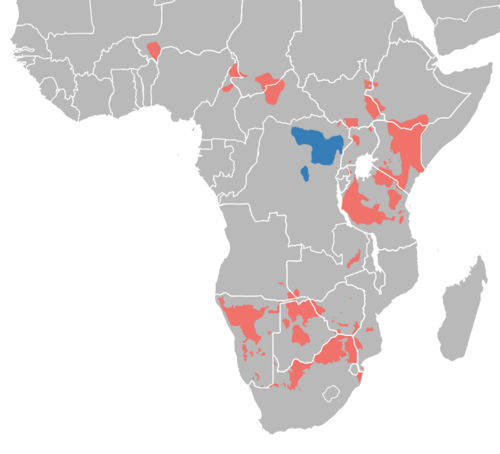 | Size range: 200 cm (79 in) long, plus 30 cm (12 in) tail (okapi) to 470 cm (185 in) long, plus 100 cm (39 in) tail (Masai giraffe)[262]Habitats: Forest, shrubland, savanna, grassland, and rocky areas[263]Diets: Leaves, as well as other vegetation and fruit[264] |
| Moschidae(musk deer)
| J. E. Gray, 1821 7 species in 1 genus
| Asia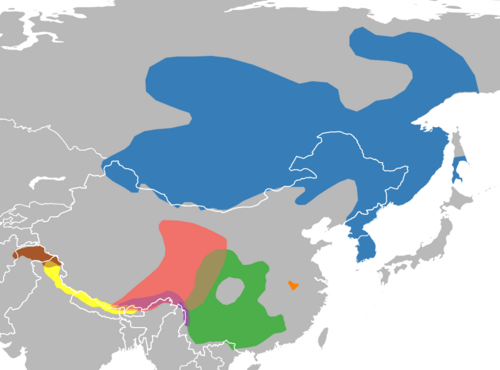 | Size range: 65 cm (26 in) long, plus 4 cm (2 in) tail (Siberian musk deer) to 100 cm (39 in) long, plus 6 cm (2 in) tail (white-bellied musk deer)[265]Habitats: Forest, shrubland, grassland, and rocky areas[266]Diets: Grass, moss, shoots, twigs, buds, and lichen[267] |
| Tragulidae(chevrotain)
| H. Milne-Edwards, 1864 10 species in 3 genera
| Central and western Africa and southern and southeastern Asia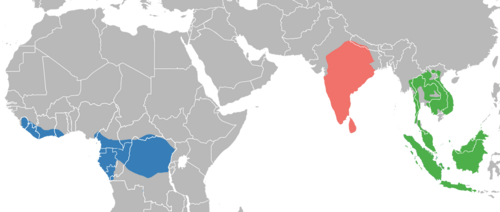 | Size range: 35 cm (14 in) long, plus 6 cm (2 in) tail (lesser mouse-deer) to 102 cm (40 in) long, plus 11 cm (4 in) tail (water chevrotain)[268]Habitats: Forest, savanna, shrubland, grassland, inland wetlands, and marine[269]Diets: Fruit, leaves, buds, and grass[270] |


| Name | Authority and species | Range | Size and ecology |
|---|---|---|---|
| Suidae(pig)
| J. E. Gray, 1821 17 species in 6 genera
| Asia, Europe, and Africa; introduced worldwide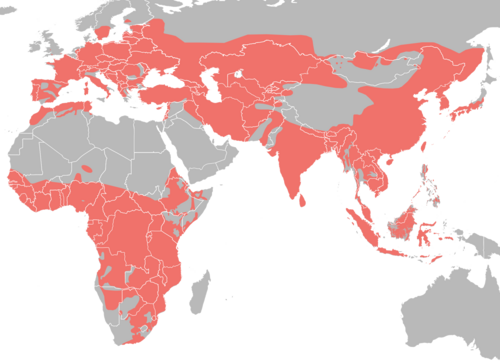 | Size range: 55 cm (22 in) long, plus 3 cm (1 in) tail (pygmy hog) to 210 cm (83 in) long, plus 45 cm (18 in) tail (giant forest hog)[271]Habitats: Forest, savanna, shrubland, grassland, inland wetlands, desert, neritic marine, intertidal marine[272]Diets: Omnivorous, including fungi, leaves, roots, bulbs, tubers, fruit, snails, worms, reptiles, birds, eggs, rodents, and carrion[273] |
| Tayassuidae(peccary)
| Palmer, 1897 3 species in 3 genera
| North and South America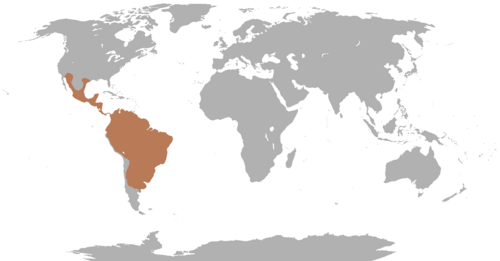 | Size range: 84 cm (33 in) long, plus 1 cm (0.4 in) tail (collared peccary) to 139 cm (55 in) long, plus 7 cm (3 in) tail (white-lipped peccary)[274]Habitats: Forest, savanna, shrubland, grassland, and desert[275]Diets: Fruit, seeds, and roots, as well as invertebrates, small vertebrates, and carrion[276] |


| Name | Authority and species | Range | Size and ecology |
|---|---|---|---|
| Camelidae(camel)
| J. E. Gray, 1821 | South America, Africa, Asia, and Australia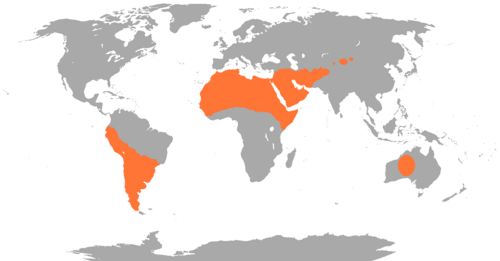 | Size range: 124 cm (49 in) long, plus 15 cm (6 in) tail (vicuña) to 350 cm (138 in) long, plus 64 cm (25 in) tail (wild Bactrian camel)[277]Habitats: Shrubland, grassland, inland wetlands, and desert[278]Diets: Grass, as well as other vegetation[279] |

| Name | Authority and species | Range | Size and ecology |
|---|---|---|---|
| Balaenidae(right whale)
| J. E. Gray, 1821 4 species in 2 genera
| Temperate and polar Pacific and Atlantic Oceans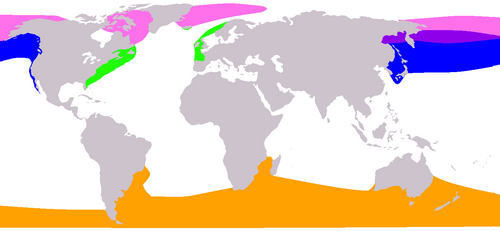 | Size range: 13.4–20.0 m (44–66 ft) long (bowhead whale)[280]Habitats: Neritic marine and oceanic marine[281]Diets: Krill, as well as other crustaceans and mollusks[282] |
| Balaenopteridae(rorqual)
| J. E. Gray, 1864 10 species in 2 genera
| Worldwide oceans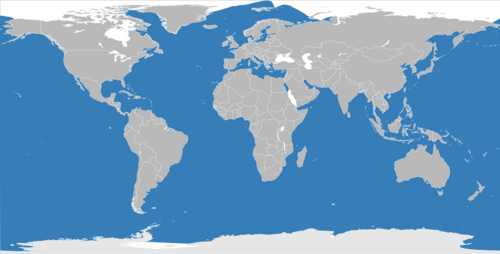 | Size range: 6.5 m (21 ft) long (common minke whale) to 32.6 m (107 ft) long (blue whale)[283]Habitats: Neritic marine and oceanic marine[284]Diets: Krill and other crustaceans, as well as fish[285] |
| Cetotheriidae(pygmy right whale)
| Brandt, 1872 1 species in 1 genus
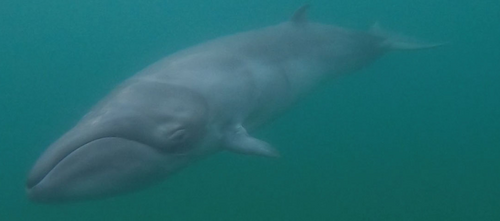
| Sub-Antarctic oceans | Size: 5.9–6.5 m (19–21 ft) long[280]Habitats: Neritic marine and oceanic marine[286]Diet: Crustaceans[287] |
| Delphinidae(oceanic dolphin)
| Gray, 1821 37 species in 19 genera
| Worldwide oceans and seas, and rivers in South America and southern and southeastern Asia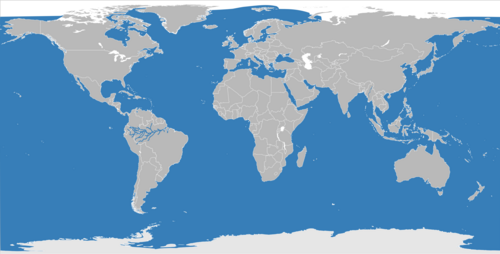 | Size range: 1.2 m (4 ft) long (spinner dolphin) to 9.8 m (32 ft) long (orca)[288]Habitats: Neritic marine, oceanic marine, coastal marine, intertidal marine, and inland wetlands[289]Diets: Fish, cephalopods, shrimp, and crustaceans[290] |
| Eschrichtiidae(gray whale)
| Ellerman & Morrison-Scott, 1951 1 species in 1 genus
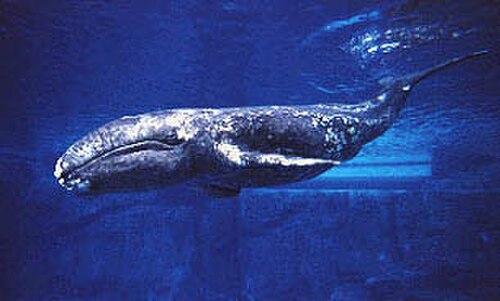
| Northern Pacific Ocean | Size: 13.0–14.2 m (43–47 ft) long[291]Habitats: Neritic marine and oceanic marine[292]Diet: Small crustaceans, as well as fish, molluscs, and other crustaceans[293] |
| Hippopotamidae(hippopotamus)
| J. E. Gray, 1821 2 species in 2 genera
| Scattered Sub-Saharan Africa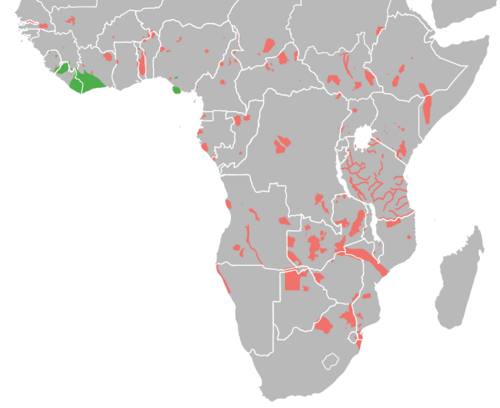 | Size range: 1.5 m (5 ft) long (pygmy hippopotamus) to 5.1 m (17 ft) long (hippopotamus)[294]Habitats: Forest, savanna, shrubland, grassland, inland wetlands, neritic marine, coastal marine[295]Diets: Grass, water plants, shoots, leaves, and fruit[296] |
| Iniidae(South American river dolphin)
| J. E. Gray, 1846 4 species in 1 genus
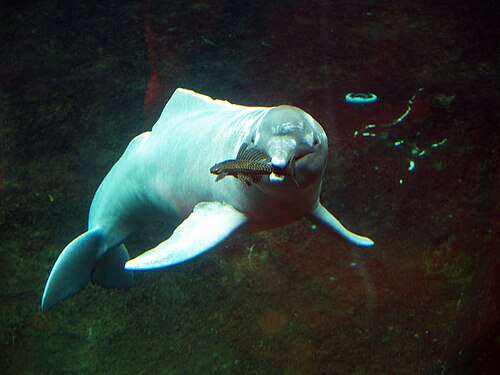
| South American rivers | Size range: 1.7 m (6 ft) long (Amazon river dolphin) to 2.6 m (9 ft) long (Araguaian river dolphin)[297]Habitats: Inland wetlands[298]Diets: Fish[299] |
| Kogiidae(pygmy sperm whale)
| Gill, 1871 2 species in 1 genus
| Worldwide tropical and temperate oceans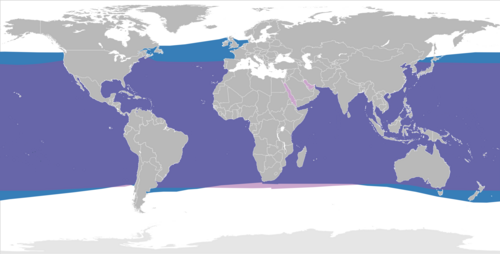 | Size range: 2.0 m (7 ft) long (dwarf sperm whale) to 4.2 m (14 ft) long (pygmy sperm whale)[300]Habitats: Oceanic marine[301]Diets: Cephalopods, fish, and crustaceans[302] |
| Lipotidae(baiji) | Zhou, Qian, Li, 1978 | Yangtze river in China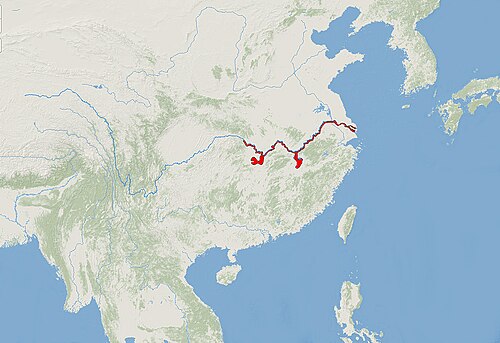 | Size: 1.8–2.6 m (6–9 ft) long[297]Habitats: Inland wetlands[303]Diet: Fish[304] |
| Monodontidae(narwhal or beluga whale)
| J. E. Gray, 1821 2 species in 2 genera
| Arctic and subarctic oceans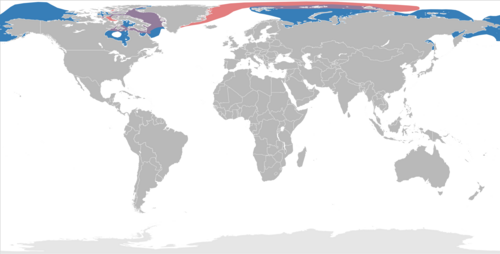 | Size range: 3.0 m (10 ft) long (beluga) to 5.0 m (16 ft) long (narwhal)[305]Habitats: Neritic marine and oceanic marine[306]Diets: Fish, cephalopods, and crustaceans[307] |
| Phocoenidae(porpoise)
| J. E. Gray, 1825 8 species in 3 genera
| North Atlantic, North Pacific, and Antarctic oceans, Black Sea, and South American and Asian coasts | Size range: 1.2 m (4 ft) long (vaquita) to 2.4 m (8 ft) long (Dall's porpoise)[308]Habitats: Inland wetlands, neritic marine, oceanic marine, intertidal marine, and coastal marine[309]Diets: Squid and fish[310] |
| Physeteridae(sperm whale)
| Rafinesque, 1815 1 species in 1 genus
| Worldwide oceans (concentrations in black) | Size: 10.4–19.2 m (34–63 ft) long[300]Habitats: Neritic marine and oceanic marine[311]Diet: Squid, as well as sharks and fish[312] |
| Platanistidae(South Asian river dolphin)
| J. E. Gray, 1846 2 species in 1 genus
| Rivers of the Ganges Basin (orange) and the Indus Basin (blue) | Size range: 2.0 m (7 ft) long (Indus river dolphin) to 4.0 m (13 ft) long (Ganges river dolphin)[313]Habitats: Neritic marine and inland wetlands[314]Diets: Fish and shrimp[315] |
| Pontoporiidae(La Plata dolphin)
| J. E. Gray, 1870 1 species in 1 genus
| Southeastern South American coast | Size: 1.1–1.7 m (4–6 ft) long[297]Habitats: Neritic marine and oceanic marine[316]Diet: Fish, squid, and shrimp[317] |
| Ziphiidae(beaked whale)
| J. E. Gray, 1865 23 species in 6 genera
| Worldwide oceans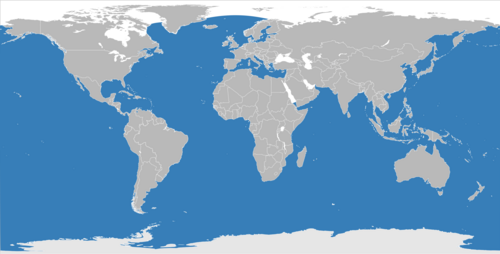 | Size range: 3.7 m (12 ft) long (pygmy beaked whale) to 12.0 m (39 ft) long (Baird's beaked whale)[318]Habitats: Oceanic marine[319]Diets: Squid, as well as octopuses, crustaceans, and fish[320] |






Carnivora
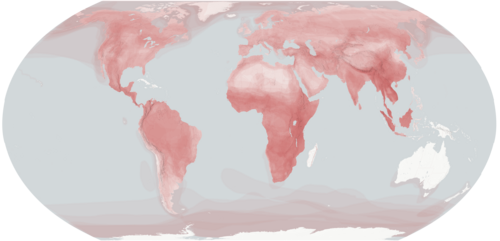
Members of the Carnivora order are called carnivorans, and include dogs, bears, raccoons, weasels, seals, cats, hyenas, and mongooses. They are found worldwide on land an in oceans, and are omnivorous, with some species predominately eating plant material or aquatic animals. Carnivora comprises 16 families of 291 extant species in 131 genera. These families are grouped into two suborders: Caniformia, containing dogs, foxes, bears, raccoons, skunks, weasels, and seals, and Feliformia, containing cats, hyenas, mongooses, and civets. Six additional species have been driven to extinction in modern times.
| Name | Authority and species | Range | Size and ecology |
|---|---|---|---|
| Ailuridae(red panda)
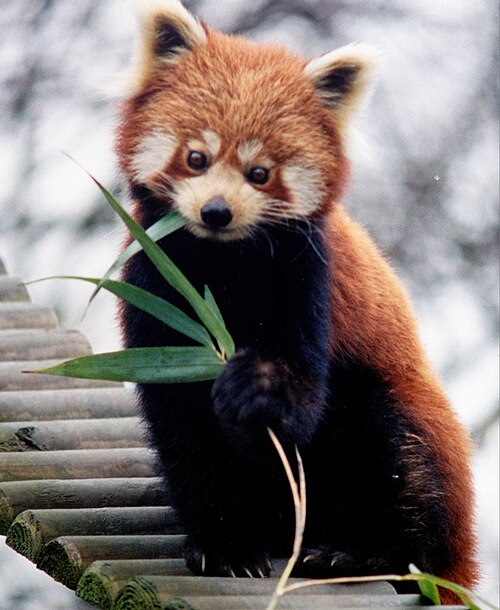
| Gray, 1843 | Eastern Himalayas and southwestern China | Size: 57–79 cm (22–31 in) long, plus 36–50 cm (14–20 in) tail[321]Habitats: Forest and shrubland[322]Diet: Bamboo sprouts, grass, roots, fruit, and nuts, as well as insects, eggs, and small vertebrates[323] |
| Canidae(wolf or fox)
| Waldheim, 1817 39 species (2 extinct) in 15 genera (1 extinct) (full list)
| Worldwide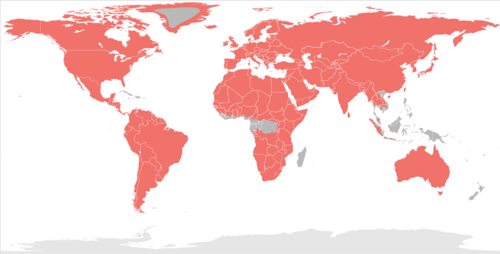 | Size range: 33 cm (13 in) long, plus 12 cm (5 in) tail (fennec fox) to 130 cm (51 in) long, plus 52 cm (20 in) tail (grey wolf)[324]Habitats: Shrubland, grassland, inland wetlands, forest, desert, rocky areas, savanna, desert, and coastal marine[325]Diets: Omnivorous, including a variety of vertebrates, crabs, insects, fruit, and carrion[326] |
| Mephitidae(skunk or stink badger)
| É. Geoffroy & Cuvier, 1795 | North America, South America, Southeast Asia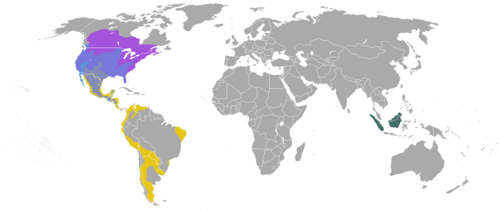 | Size range: 17 cm (7 in) long, plus 15 cm (6 in) tail (striped skunk) to 52 cm (20 in) long, plus 8 cm (3 in) tail (Sunda stink badger)[327]Habitats: Desert, shrubland, rocky areas, grassland, savanna, forest, inland wetlands, and coastal marine[328]Diets: Omnivorous, particularly insects and fruit[329] |
| Mustelidae(marten, polecat, otter, or badger)
| É. Geoffroy and Cuvier, 1795 63 species in 23 genera (full list)
| All continents except Antarctica and Australia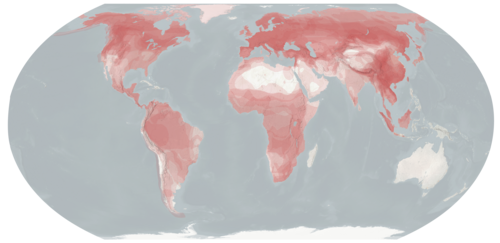 | Size range: 11 cm (4 in) long, plus 7 cm (3 in) tail (least weasel) to 130 cm (51 in) long, plus 65 cm (26 in) tail (giant otter)[330]Habitats: Forest, grassland, rocky areas, shrubland, savanna, inland wetlands, desert, neritic marine, oceanic marine, coastal marine, and intertidal marine[331]Diets: Omnivorous; some species predominately plant material or aquatic animals[332] |
| Odobenidae(walrus)
| Allen, 1880 | Arctic Ocean and subarctic seas | Size: 260–315 cm (102–124 in) long[333]Habitats: Neritic marine, oceanic marine, intertidal marine, and coastal marine[334]Diet: Bivalve molluscs, as well as other invertebrates, fish, and seals[335] |
| Otariidae(eared seal)
| J. E. Gray, 1825 16 species in 7 genera (full list)
| Antarctic Ocean, southern seas, and coasts of South America, Australia, Pacific Asia and Pacific North America | Size range: 110 cm (43 in) long (Galápagos fur seal) to 330 cm (130 in) long (Steller sea lion)[336]Habitats: Forest, shrubland, inland wetlands, neritic marine, oceanic marine, intertidal marine, and coastal marine[337]Diets: Fish, as well as cephalopods and crustaceans[338] |
| Phocidae(earless seal)
| J. E. Gray, 1821 19 species in 14 genera (full list)
| Antarctic Ocean, Arctic Ocean, Northern Hemisphere coastlines, Caspian Sea, and Lake Baikal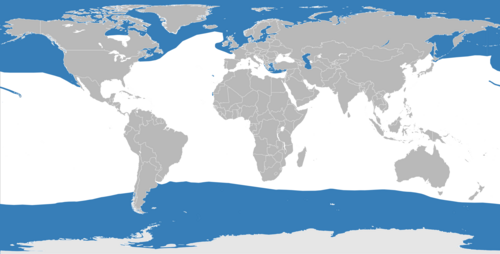 | Size range: 150 cm (59 in) long (ribbon seal) to 500 cm (197 in) long (southern elephant seal)[339]Habitats: Neritic marine, oceanic marine, intertidal marine, coastal marine, and inland wetlands[340]Diets: Fish, shellfish, and cephalopods, as well as penguins and seals[341] |
| Procyonidae(raccoon or ring-tailed cat)
| J. E. Gray, 1825 14 species in 6 genera (full list)
| North and South America (common raccoon introduced to Europe, western Asia, and Japan)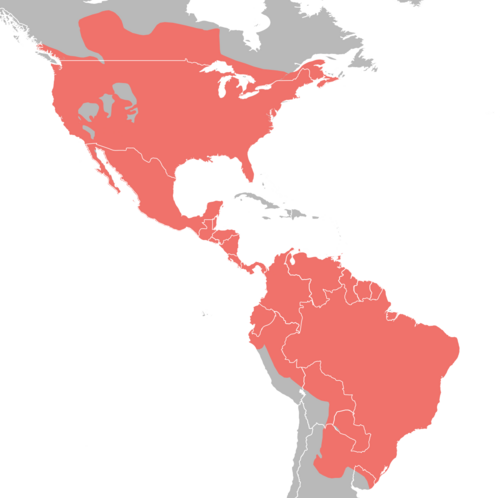 | Size range: 30 cm (12 in) long, plus 31 cm (12 in) tail (ringtail) to 76 cm (30 in) long, plus 57 cm (22 in) tail (kinkajou)[342]Habitats: Shrubland, forest, rocky areas, desert, grassland, and inland wetlands[343]Diets: Omnivorous; some species predominately bamboo or fruit[344] |
| Ursidae(bear)
| G. Fischer von Waldheim, 1817 8 species in 5 genera (full list)
| North and South America, Europe, Asia, and northern Africa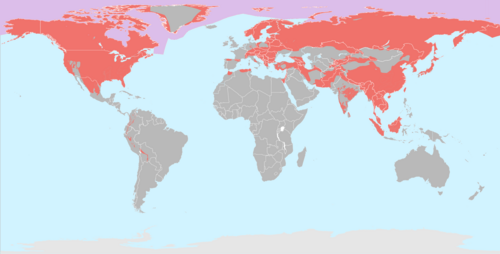 | Size range: 100 cm (39 in) long, plus 3 cm (1 in) tail (sun bear) to 280 cm (110 in) long, plus 21 cm (8 in) tail (brown bear)[345]Habitats: Shrubland, grassland, forest, savanna, inland wetlands, desert, oceanic marine, coastal marine, and intertidal marine[346]Diets: Omnivorous; some species predominately bamboo or fish and seals[347] |


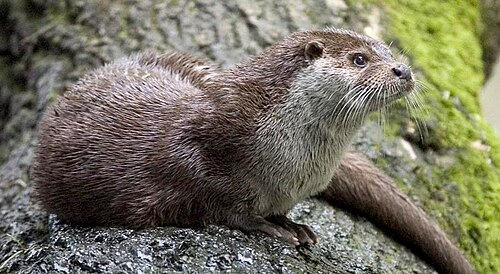


| Name | Authority and species | Range | Size and ecology |
|---|---|---|---|
| Eupleridae(Malagasy carnivoran)
| Chenu, 1850 10 species in 7 genera
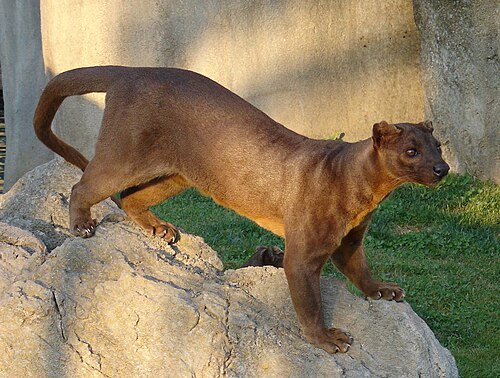
| Madagascar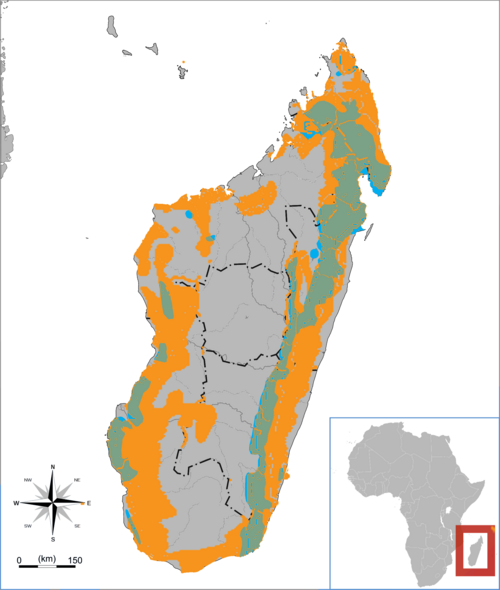 | Size range: 26 cm (10 in) long, plus 19 cm (7 in) tail (narrow-striped mongoose) to 80 cm (31 in) long, plus 70 cm (28 in) tail (fossa)[348]Habitats: Forest, shrubland, and inland wetlands[349]Diets: Small mammals, birds, eggs, worms, insects, and fruit, as well as reptiles, frogs, and other invertebrates[350] |
| Felidae(cat)
| G. Fischer von Waldheim, 1817 41 species in 14 genera (full list)
| Worldwide (Felinae (excluding the domestic cat) in blue, Pantherinae in green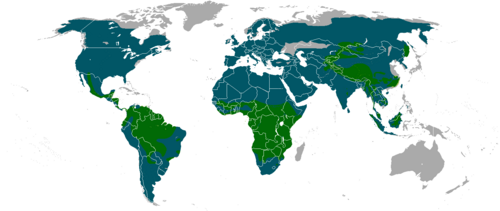 | Size range: 35 cm (14 in) long, plus 15 cm (6 in) tail (rusty-spotted cat) to 290 cm (114 in) long, plus 109 cm (43 in) tail (tiger)[351]Habitats: Forest, desert, shrubland, savanna, grassland, rocky areas, and inland wetlands[352]Diets: Mammals and birds, as well as fish and reptiles[353] |
| Herpestidae(mongoose)
| Bonaparte, 1845 34 species in 14 genera (full list)
| Southern Europe, Africa, and Asia | Size range: 16 cm (6 in) long, plus 14 cm (6 in) tail (common dwarf mongoose) to 69 cm (27 in) long, plus 48 cm (19 in) tail (white-tailed mongoose)[354]Habitats: Shrubland, forest, rocky areas, inland wetlands, savanna, grassland, desert, neritic marine, and coastal marine[355]Diets: Small vertebrates, invertebrates, eggs, fruit, crabs, and fish, as well as other vegetation[356] |
| Hyaenidae(hyena)
| J. E. Gray, 1821 4 species in 4 genera
| Africa and southern Asia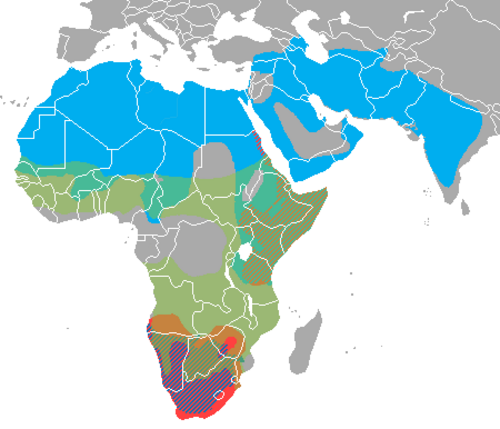 | Size range: 55 cm (22 in) long, plus 20 cm (8 in) tail (aardwolf) to 160 cm (63 in) long, plus 27 cm (11 in) tail (spotted hyena)[357]Habitats: Forest, savanna, shrubland, grassland, inland wetlands, rocky areas, desert, intertidal marine, and coastal marine[358]Diets: Variety of mammals, carrion, and insects[359] |
| Nandiniidae(African palm civet)
| Pocock, 1929 1 species in 1 genus
| Sub-Saharan Africa | Size: 37–62 cm (15–24 in) long, plus 34–76 cm (13–30 in) tail[360]Habitats: Forest, savanna, and shrubland[361]Diet: Fruit, as well as rodents, eggs, and insects[362] |
| Prionodontidae(Asiatic linsang)
| J. E. Gray, 1864 2 species in 1 genus
| Southeastern Asia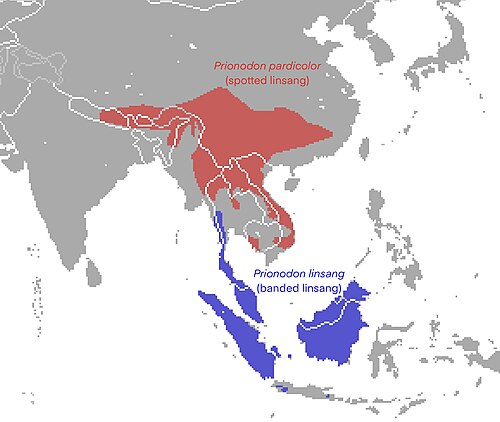 | Size range: 31 cm (12 in) long, plus 30 cm (12 in) tail (spotted linsang) to 38 cm (15 in) long, plus 33 cm (13 in) tail (banded linsang)[360]Habitats: Forest, shrubland, and grassland[363]Diets: Small mammals, birds, eggs, and insects[364] |
| Viverridae(civet or genet)
| J. E. Gray, 1821 33 species in 14 genera (full list)
| Africa and southern and southeastern Asia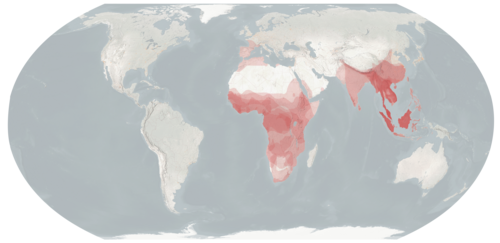 | Size range: 30 cm (12 in) long, plus 35 cm (14 in) tail (West African oyan) to 96 cm (38 in) long, plus 84 cm (33 in) tail (binturong)[365]Habitats: Forest, savanna, shrubland, grassland, inland wetlands, and rocky areas[366]Diets: Small vertebrates and invertebrates, as well as fruit, bulbs, and nuts[367] |


Chiroptera
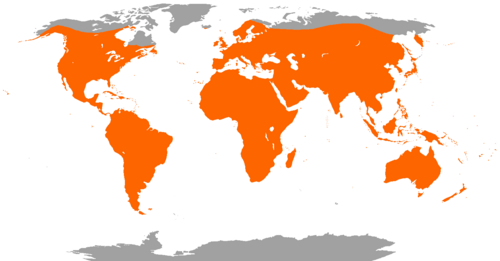
Members of the Chiroptera order are called chiropterans or bats. They are found worldwide, and predominately eat insects, with some species also eating fruit or fish. Chiroptera comprises 21 families of 1,318 extant species—about 20% of all mammal species—in 226 genera. These families are grouped into two suborders: Yangochiroptera, containing sheath-tailed, leaf-nosed, free-tailed, and vesper bats, and Yinpterochiroptera, containing Old World leaf-nosed, fruit, and horseshoe bats. Nine additional species have been driven to extinction in modern times.
| Name | Authority and species | Range | Size and ecology |
|---|---|---|---|
| Cistugidae(wing-gland bat)
| Lack, Roehrs, Stanley Jr., Ruedi, & Van Den Bussche, 2010 2 species in 1 genus
| Southern Africa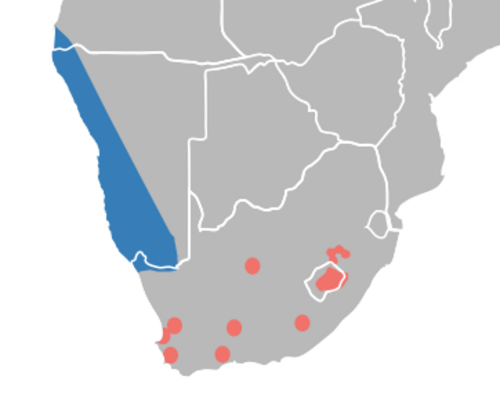 | Size range: 4 cm (2 in) long, plus 3 cm (1 in) (Angolan hairy bat) to 6 cm (2 in) long, plus 4 cm (2 in) tail (Lesueur's hairy bat)[368]Habitats: Rocky areas, shrubland, grassland, and desert[369]Diets: Insects[370] |
| Emballonuridae(sheath-tailed bat)
| Gervais, 1855 54 species in 14 genera (full list)
| Mexico, Central America, South America, Africa, Australia, and Asia | Size range: 3 cm (1 in) long, plus 1 cm (0.4 in) tail (Amazonian sac-winged bat) to 14 cm (6 in) long, plus 4 cm (2 in) tail (Pel's pouched bat)[371]Habitats: Shrubland, forest, caves, savanna, inland wetlands, and desert[372]Diets: Insects, as well as fruit[373] |
| Furipteridae(smoky or thumbless bat)
| J. E. Gray, 1866 2 species in 2 genera
| Central America and South America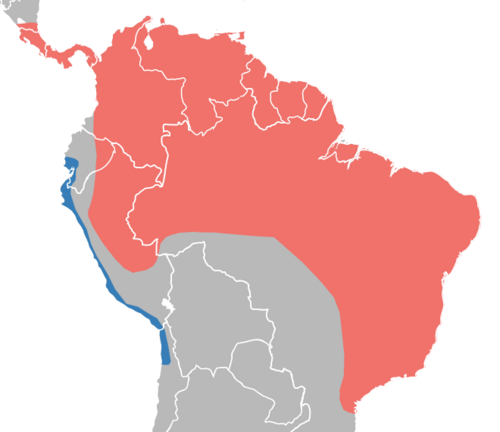 | Size range: 3 cm (1 in) long, plus 2 cm (1 in) (thumbless bat) to 5 cm (2 in) long, plus 4 cm (2 in) tail (smoky bat)[374]Habitats: Forest and caves[375]Diets: Insects[376] |
| Miniopteridae(bent-winged or long-fingered bat)
| Dobson, 1875 31 species in 1 genus (full list)
| Europe, Africa, and western, southeastern, and eastern Asia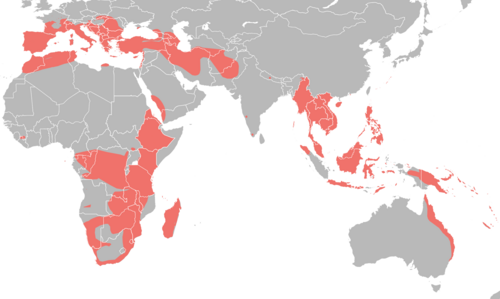 | Size range: 3 cm (1 in) long, plus 3 cm (1 in) tail (Shortridge's long-fingered bat) to 8 cm (3 in) long, plus 7 cm (3 in) tail (great bent-winged bat)[377]Habitats: Shrubland, forest, grassland, rocky areas, caves, savanna, inland wetlands, and desert[378]Diets: Insects[379] |
| Molossidae(free-tailed bat)
| Gervais, 1855 120 species in 19 genera (full list)
| Worldwide except Antarctica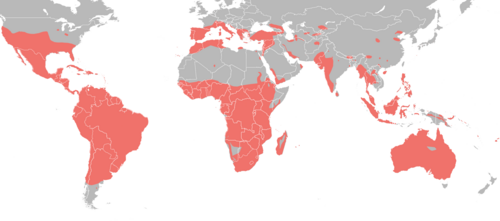 | Size range: 3 cm (1 in) long, plus 2 cm (1 in) tail (blunt-eared bat) to 18 cm (7 in) long, plus 8 cm (3 in) tail (hairless bat)[380]Habitats: Forest, coastal marine, rocky areas, savanna, shrubland, grassland, caves, inland wetlands, and desert[381]Diets: Insects[382] |
| Mormoopidae(ghost-faced or mustached bat)
| Saussure, 1860 11 species in 2 genera (full list)
| Southern North America, Central America, and northern and central South America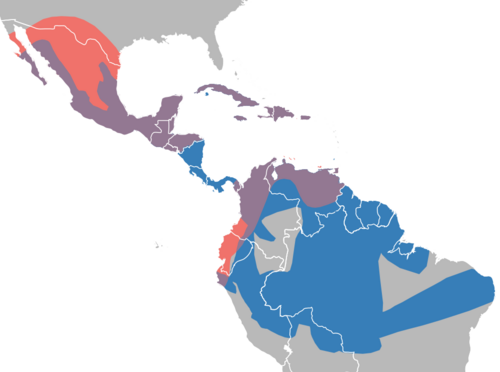 | Size range: 4 cm (2 in) long, plus 1 cm (0.4 in) tail (sooty mustached bat) to 8 cm (3 in) long, plus 4 cm (2 in) tail (ghost-faced bat)[383]Habitats: Savanna, caves, and forest[384]Diets: Insects[385] |
| Mystacinidae(New Zealand short-tailed bat)
| Dobson, 1875 2 species in 1 genus
| New Zealand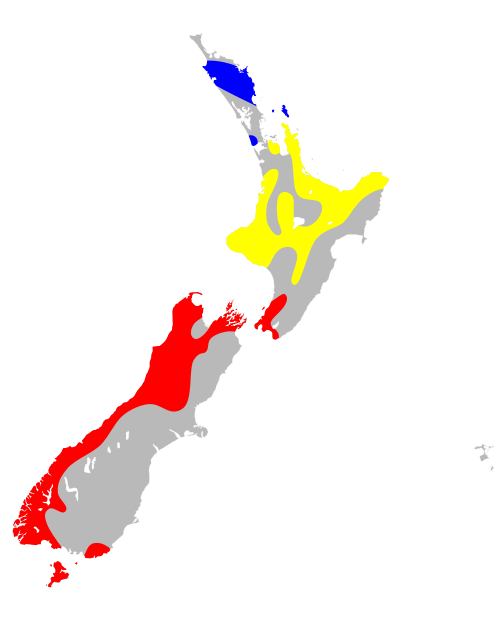 | Size range: 6 cm (2 in) long, plus 0.5 cm (0.2 in) (New Zealand lesser short-tailed bat) to 9 cm (4 in) long, plus 2 cm (1 in) tail (New Zealand greater short-tailed bat)[386]Habitats: Forest[387]Diets: Invertebrates, fruit, nectar, and pollen[388] |
| Myzopodidae(sucker-footed bat)
| H. Milne-Edwards & A. Grandidier, 1878 2 species in 1 genus
| Madagascar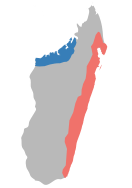 | Size range: 4 cm (2 in) long, plus 4 cm (2 in) (western sucker-footed bat) to 7 cm (3 in) long, plus 6 cm (2 in) tail (Madagascar sucker-footed bat)[386]Habitats: Forest, inland wetlands, and caves[389]Diets: Insects[390] |
| Natalidae(funnel-eared bat)
| J. E. Gray, 1866 11 species in 3 genera (full list)
| Central America, South America, and Caribbean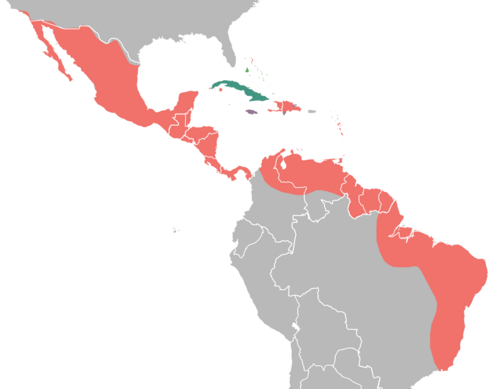 | Size range: 3 cm (1 in) long, plus 4 cm (2 in) tail (Mexican greater funnel-eared bat) to 6 cm (2 in) long, plus 6 cm (2 in) tail (Jamaican greater funnel-eared bat)[391]Habitats: Caves and forest[392]Diets: Insects[393] |
| Noctilionidae(bulldog bat)
| J. E. Gray, 1821 2 species in 1 genus
| Mexico, Caribbean, Central America, and South America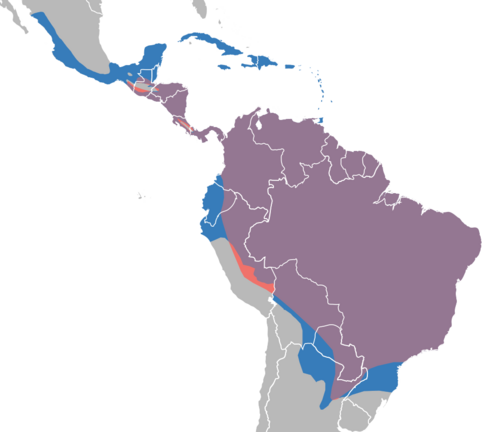 | Size range: 6 cm (2 in) long, plus 1 cm (0.4 in) (lesser bulldog bat) to 10 cm (4 in) long, plus 3 cm (1 in) tail (greater bulldog bat)[374]Habitats: Forest, savanna, shrubland, and caves[394]Diets: Insects, other invertebrates, and fish[395] |
| Nycteridae(slit-faced bat)
| Hoeven, 1855 16 species in 1 genus (full list)
| Africa, western Arabian Peninsula, and southeastern Asia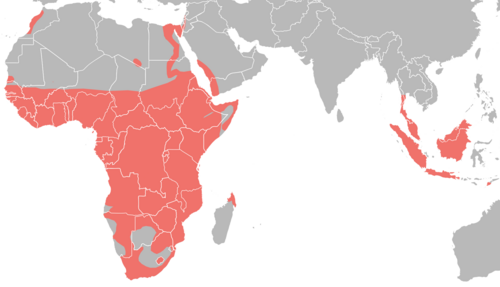 | Size range: 3 cm (1 in) long, plus 3 cm (1 in) tail (dwarf slit-faced bat) to 9 cm (4 in) long, plus 9 cm (4 in) tail (large slit-faced bat)[396]Habitats: Shrubland, forest, grassland, rocky areas, savanna, caves, and desert[397]Diets: Insects and other invertebrates, as well as fish, frogs, birds, and bats[398] |
| Phyllostomidae(leaf-nosed bat)
| J. E. Gray, 1825 203 species in 60 genera (full list)
| South America, Central America, Caribbean, and southern North America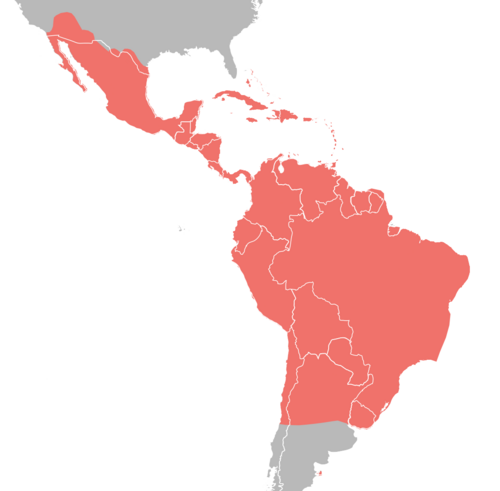 | Size range: 3 cm (1 in) long, with no tail (little white-shouldered bat) to 13 cm (5 in) long, plus 4 cm (2 in) tail (greater spear-nosed bat)[399]Habitats: Caves, savanna, forest, rocky areas, grassland, inland wetlands, shrubland, and desert[400]Diets: Insects, fruit, nectar, and pollen, as well as small animals and blood[401] |
| Thyropteridae(disk-winged bat)
| Miller, 1907 5 species in 1 genus
| Central America and South America | Size range: 3 cm (1 in) long, plus 2 cm (1 in) (De Vivo's disk-winged bat) to 6 cm (2 in) long, plus 4 cm (2 in) tail (LaVal's disk-winged bat)[402]Habitats: Forest and savanna[403]Diets: Insects[390] |
| Vespertilionidae(vesper bat)
| J. E. Gray, 1821 464 species (3 extinct) in 53 genera (full lists)
| Worldwide except for Antarctica | Size range: 2 cm (1 in) long, plus 2 cm (1 in) tail (pygmy bamboo bat) to 13 cm (5 in) long, plus 10 cm (4 in) tail (Schreber's yellow bat)[404]Habitats: Savanna, forest, caves, grassland, shrubland, desert, neritic marine, coastal marine, rocky areas, and inland wetlands[405]Diets: Insects, as well as fish[406] |


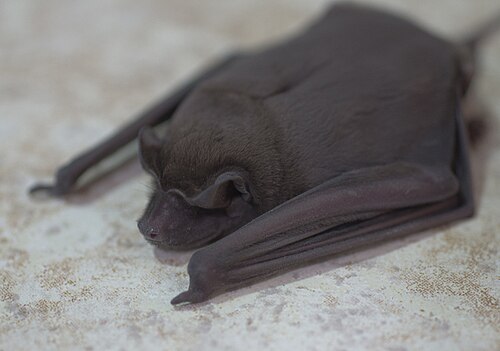


| Name | Authority and species | Range | Size and ecology |
|---|---|---|---|
| Craseonycteridae(Kitti's hog-nosed bat)
| Hill, 1974 1 species in 1 genus
| Thailand and Myanmar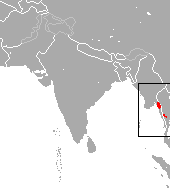 | Size: 2–4 cm (1–2 in) long, with no tail[407]Habitats: Forest and caves[408]Diet: Insects[409] |
| Hipposideridae(Old World leaf-nosed bat)
| Lydekker, 1891 86 species in 7 genera (full list)
| Africa, Asia, and northern Australia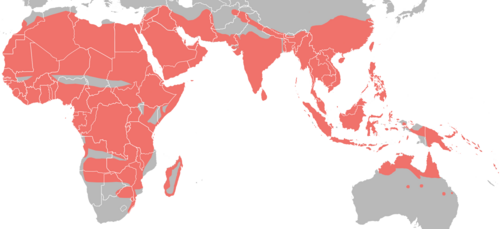 | Size range: 3 cm (1 in) long, with no tail (Malayan tailless leaf-nosed bat) to 13 cm (5 in) long, plus 4 cm (2 in) tail (striped leaf-nosed bat)[410]Habitats: Shrubland, forest, grassland, savanna, caves, desert, rocky areas, and inland wetlands[411]Diets: Insects[412] |
| Megadermatidae(false vampire bat)
| H. Allen, 1864 6 species in 6 genera
| Sub-Saharan Africa, southern and southeastern Asia, and northern Australia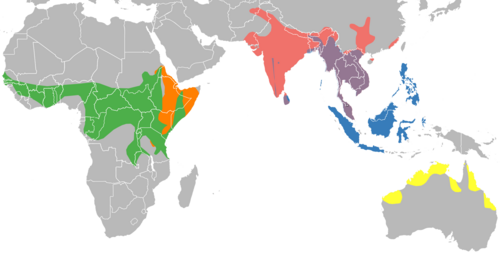 | Size range: 5 cm (2 in) long, with no tail (lesser false vampire bat) to 13 cm (5 in) long, with no tail (ghost bat)[413]Habitats: Savanna, shrubland, forest, caves, desert, grassland, rocky areas, and inland wetlands[414]Diets: Insects and small vertebrates[415] |
| Pteropodidae(fruit bat or megabat)
| J. E. Gray, 1821 199 species (6 extinct) in 46 genera (full list)
| Africa, Asia, and Australia | Size range: 4 cm (2 in) long, plus a minute tail (long-tongued nectar bat) to 37 cm (15 in) long, with no tail (great flying fox)[416]Habitats: Forest, caves, rocky areas, savanna, inland wetlands, grassland, and shrubland[417]Diets: Fruit, as well as flowers, pollen, and nectar[418] |
| Rhinolophidae(horseshoe bat)
| J. E. Gray, 1825 92 species in 1 genus (full list)
| Europe, Africa, Asia, and Australia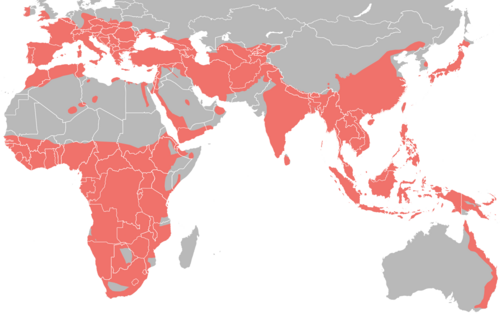 | Size range: 3 cm (1 in) long, plus 1 cm (0.4 in) tail (Thai horseshoe bat) to 10 cm (4 in) long, plus 5 cm (2 in) tail (Maclaud's horseshoe bat)[419]Habitats: Savanna, shrubland, forest, caves, desert, grassland, rocky areas, and inland wetlands[420]Diets: Insects[421] |
| Rhinonycteridae(trident bat)
| J. E. Gray, 1866 9 species in 4 genera
| Africa, western Asia, and northern Australia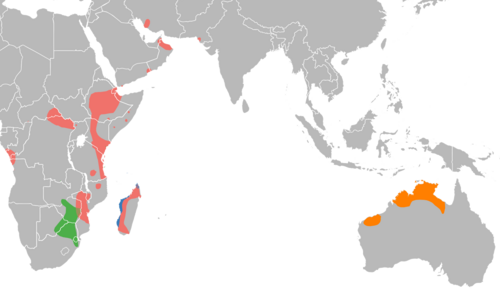 | Size range: 3 cm (1 in) long, plus 3 cm (1 in) (Percival's trident bat) to 8 cm (3 in) long, plus 4 cm (2 in) tail (African trident bat)[422]Habitats: Forest, savanna, shrubland, caves, and rocky areas[423]Diets: Insects[424] |
| Rhinopomatidae(mouse-tailed bat)
| Bonaparte, 1838 6 species in 1 genus
| Northern and eastern Africa and western and southern Asia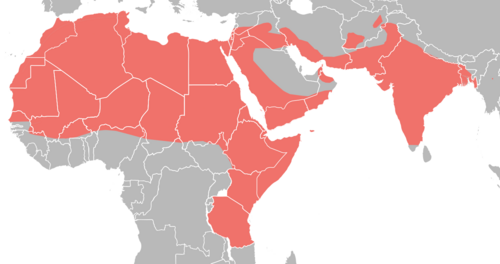 | Size range: 5 cm (2 in) long, plus 5 cm (2 in) tail (Egyptian mouse-tailed bat) to 9 cm (4 in) long, plus 9 cm (4 in) tail (greater mouse-tailed bat)[407]Habitats: Grassland, shrubland, rocky areas, caves, forest, and desert[425]Diets: Insects[426] |


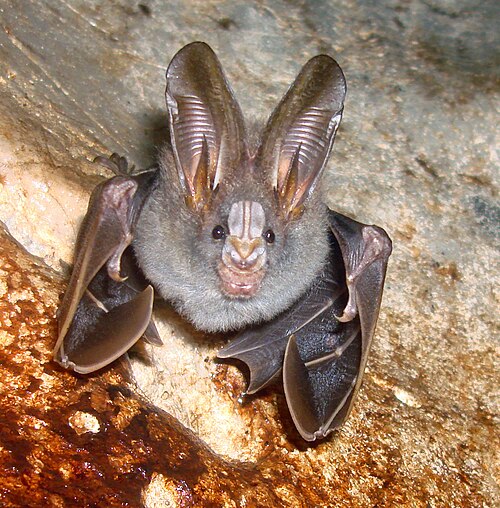

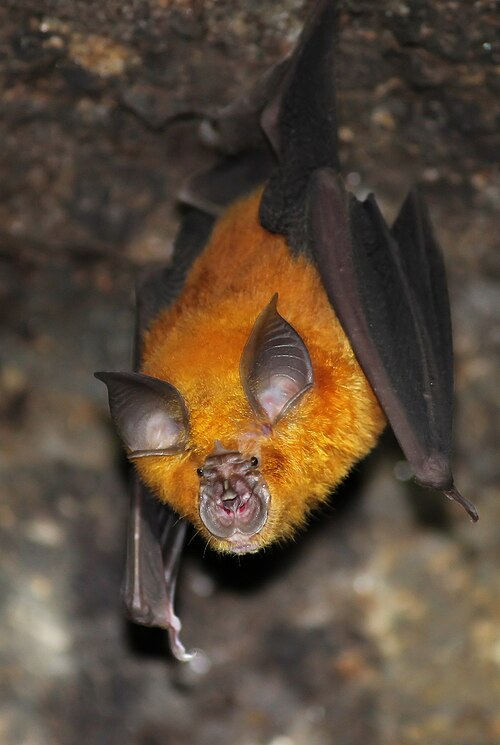

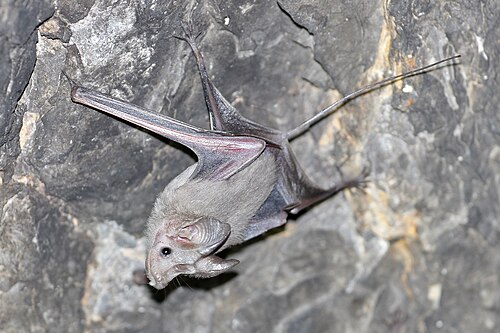
Eulipotyphla
Members of the Eulipotyphla order are called eulipotyphlans and include hedgehogs, shrews, and moles. They are found worldwide, and predominately eat insects, small vertebrates, and vegetation. Eulipotyphla comprises 4 families of 485 extant species in 53 genera. One additional species has been driven to extinction in modern times.
| Name | Authority and species | Range | Size and ecology |
|---|---|---|---|
| Erinaceidae(hedgehog)
| G. Fischer, 1814 24 species in 10 genera (full list)
| Europe, Asia, and Africa, plus introduced to New Zealand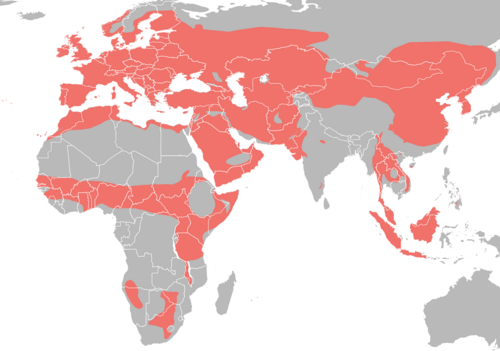 | Size range: 9 cm (4 in) long, plus 1 cm (0.4 in) tail (short-tailed gymnure) to 31 cm (12 in) long, plus 4 cm (2 in) tail (northern white-breasted hedgehog)[427]Habitats: Shrubland, desert, forest, grassland, inland wetlands, savanna, rocky areas, and caves[428]Diets: Insects, other invertebrates, a wide range of vertebrates, and carrion, as well as vegetation[429] |
| Solenodontidae(solenodon)
| Gill, 1872 2 species in 2 genera
| Cuba and Hispaniola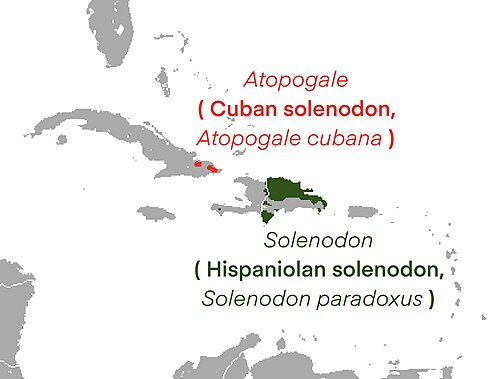 | Size range: 20 cm (8 in) long, plus 13 cm (5 in) tail (Cuban solenodon) to 49 cm (19 in) long, plus 25 cm (10 in) tail (Hispaniolan solenodon)[430]Habitats: Forest and caves[431]Diets: Invertebrates, reptiles, fruit, vegetables, and birds[432] |
| Soricidae(shrew)
| G. Fischer, 1814 418 species in 25 genera (full lists)
| Worldwide except for Australia and Antarctica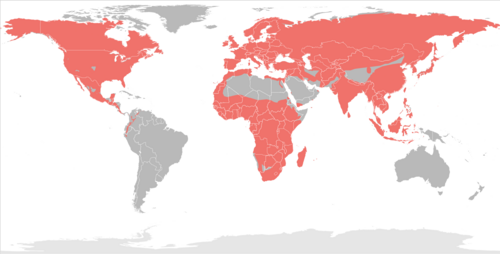 | Size range: 3 cm (1 in) long, plus 2 cm (0.8 in) tail (Etruscan shrew) to 18 cm (7 in) long, plus 14 cm (6 in) tail (goliath shrew)[433]Habitats: Shrubland, desert, coastal marine, rocky areas, forest, intertidal marine, grassland, inland wetlands, savanna, and caves[434]Diets: Insects and small vertebrates, as well as seeds and other plant material[435] |
| Talpidae(mole)
| G. Fischer, 1814 24 species in 17 genera (full list)
| North America, Europe, and Asia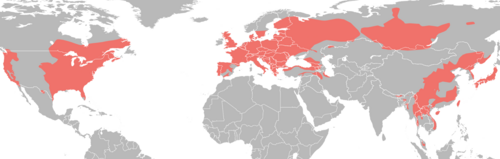 | Size range: 6 cm (2 in) long, plus 5 cm (2 in) tail (Chinese shrew mole) to 24 cm (9 in) long, plus 21 cm (8 in) tail (Russian desman)[436]Habitats: Forest, shrubland, inland wetlands, grassland, and coastal marine[437]Diets: Small animals and plants[438] |


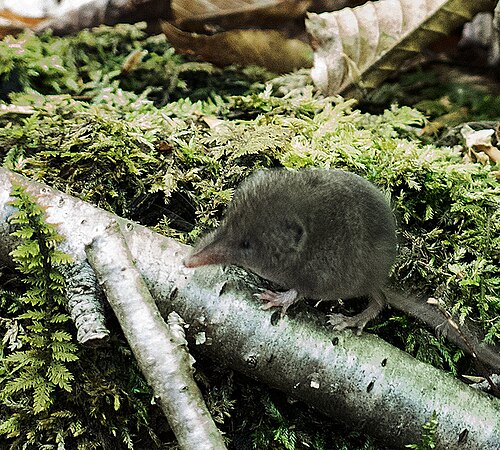

Perissodactyla
Members of the Perissodactyla order are called perissodactyls or odd-toed ungulates, and include rhinoceroses, tapirs, and horses. They are found worldwide, and eat a variety of vegetation. Perissodactyla comprises 3 families of 18 extant species in 6 genera. These families are grouped into two suborders: Ceratomorpha, containing rhinoceroses and tapirs, and Hippomorpha, or horses.
| Name | Authority and species | Range | Size and ecology |
|---|---|---|---|
| Rhinocerotidae(rhinoceros)
| J. E. Gray, 1821 5 species in 4 genera
| Sub-Saharan Africa, northern India, Southeastern Asia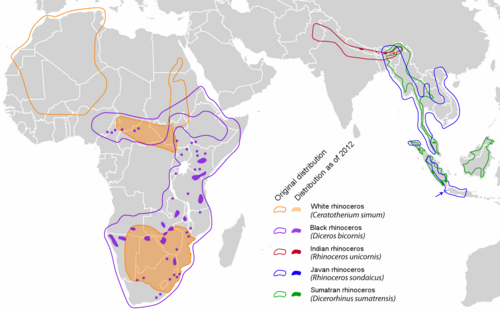 | Size range: 236 cm (93 in) long, plus tail (Sumatran rhinoceros) to 420 cm (165 in) long, plus 70 cm (28 in) tail (white rhinoceros)[439]Habitats: Savanna, shrubland, grassland, forest, desert, and inland wetlands[440]Diets: Succulent plants, as well as a variety of other vegetation[441] |
| Tapiridae(tapir)
| J. E. Gray, 1821 4 species in 1 genus
| South America, Central America, and scattered southeastern Asia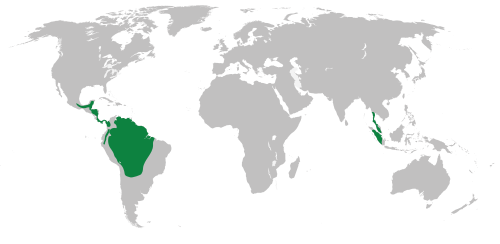 | Size range: 180 cm (71 in) long, plus 10 cm (4 in) tail (mountain tapir) to 300 cm (118 in) long, plus 10 cm (4 in) tail (Malayan tapir)[442]Habitats: Forest, shrubland, grassland, savanna, and inland wetlands[443]Diets: Shoots, aquatic vegetation, leaves, buds, twigs, and fruit[444] |


| Name | Authority and species | Range | Size and ecology |
|---|---|---|---|
| Equidae(horse or donkey)
| J. E. Gray, 1821 | Africa and Asia, plus worldwide distribution of domesticated horse and donkey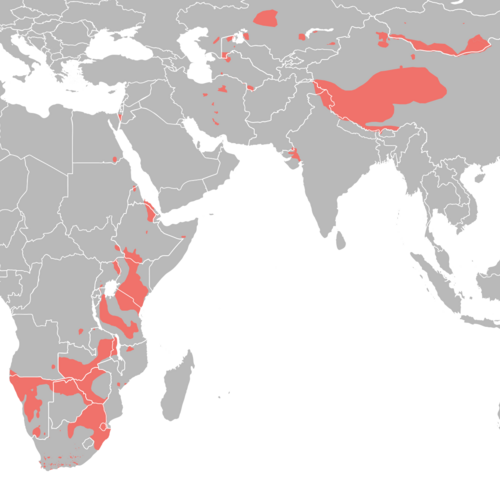 | Size range: 182 cm (72 in) long, plus 32 cm (13 in) tail (kiang) to 280 cm (110 in) long, plus 111 cm (44 in) tail (wild horse)[445]Habitats: Shrubland, grassland, savanna, inland wetlands, and desert[446]Diets: Grass and shrubs[447] |

Pholidota
Members of the Pholidota order are called pholidotans or pangolins. They are found in Sub-Saharan Africa and southern and southeastern Asia, and eat ants and termites, as well as other insects. Pholidota comprises a single family of eight extant species in three genera.
| Name | Authority and species | Range | Size and ecology |
|---|---|---|---|
| Manidae(pangolin)
| J. E. Gray, 1821 8 species in 3 genera
| Sub-Saharan Africa and southern and southeastern Asia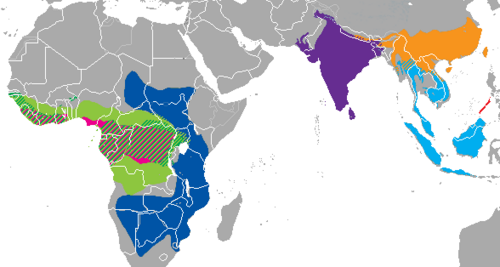 | Size range: 25 cm (10 in) long, plus 35 cm (14 in) tail (white-bellied pangolin) to 81 cm (32 in) long, plus 68 cm (27 in) tail (giant pangolin)[448]Habitats: Savanna, forest, grassland, and shrubland[449]Diets: Ants and termites, as well as other insects[450] |

Superorder Xenarthra
Cingulata
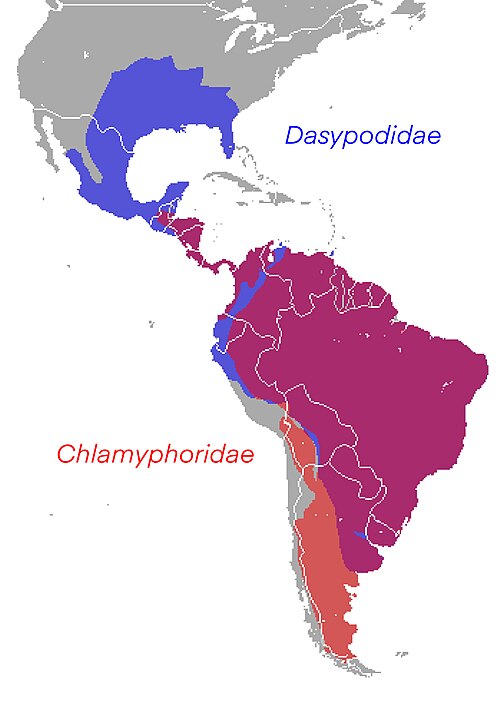
Members of the Cingulata order are called cingulates or armadillos. They are found in South America and North America, and eat insects, other invertebrates, small reptiles, amphibians, and carrion. Cingulata comprises 2 families of 22 extant species in 9 genera.
| Name | Authority and species | Range | Size and ecology |
|---|---|---|---|
| Dasypodidae(long-nosed armadillo)
| Gray, 1821 9 species in 1 genus
| South America, and central, southern, and eastern North America | Size range: 24 cm (9 in) long, plus 12 cm (5 in) tail (seven-banded armadillo) to 90 cm (35 in) long, plus 43 cm (17 in) tail (hairy long-nosed armadillo)[451]Habitats: Forest, savanna, shrubland, and grassland[452]Diets: Insects, other invertebrates, small reptiles, and amphibians[453] |
| Chlamyphoridae(armadillo)
| Bonaparte, 1850 13 species in 8 genera
| South America and Central America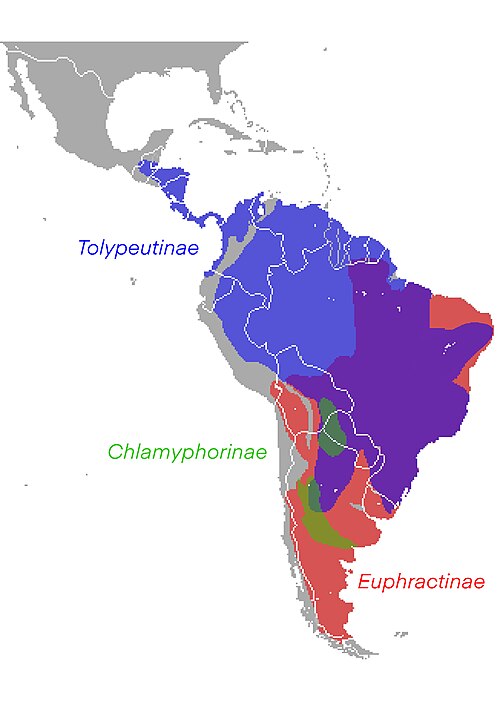 | Size range: 11 cm (4 in) long, plus 2 cm (1 in) tail (pink fairy armadillo) to 100 cm (39 in) long, plus 50 cm (20 in) tail (giant armadillo)[454]Habitats: Forest, savanna, shrubland, grassland, and desert[455]Diets: Insects, spiders, worms, rodents, lizards, snakes, other small vertebrates, and carrion[456] |
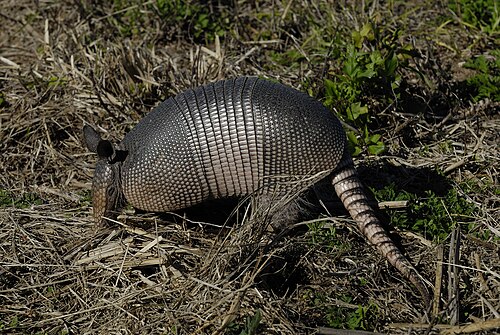

Pilosa
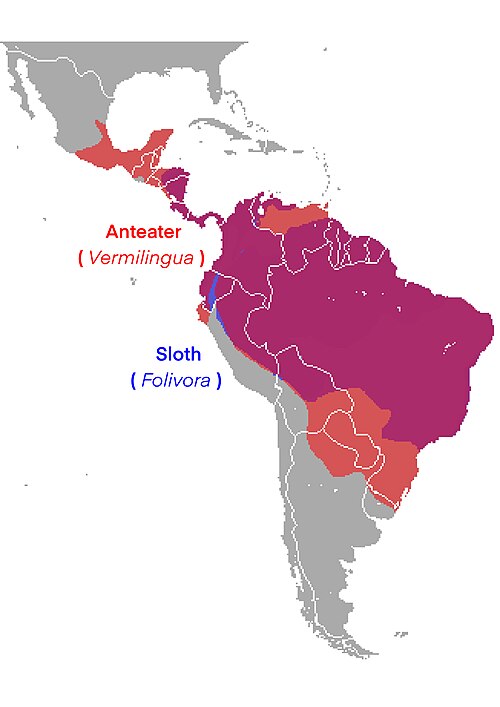
Members of the Pilosa order are called pilosans and include sloths and anteaters. They are found in Mexico, Central America, and South America, and the sloths eat leaves, twigs, and fruit, while the anteaters eat ants, termites, and other insects. Cingulata comprises thee families of nine extant species in four genera. These families are grouped into two suborders: Folivora, or sloths, and Vermilingua, or anteaters.
| Name | Authority and species | Range | Size and ecology |
|---|---|---|---|
| Bradypodidae(three-toed sloth)
| Gray, 1821 4 species in 1 genus
| Central America and northern South America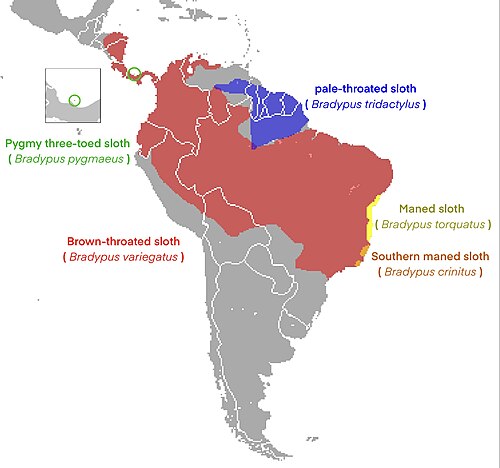 | Size range: 45–75 cm (18–30 in) long, plus 2–11 cm (1–4 in) tail (pale-throated sloth)[457]Habitats: Forest[458]Diets: Leaves, twigs, and buds[459] |
| Choloepodidae(two-toed sloth)
| Gray, 1871 2 species in 1 genus
| Central America and northern South America | Size range: 50 cm (20 in) long, plus 1 cm (0 in) tail (Hoffmann's two-toed sloth) to 88 cm (35 in) long, plus 4 cm (2 in) tail (Linnaeus's two-toed sloth)[457]Habitats: Forest, shrubland, and grassland[460]Diets: Leaves, twigs, and fruit[461] |

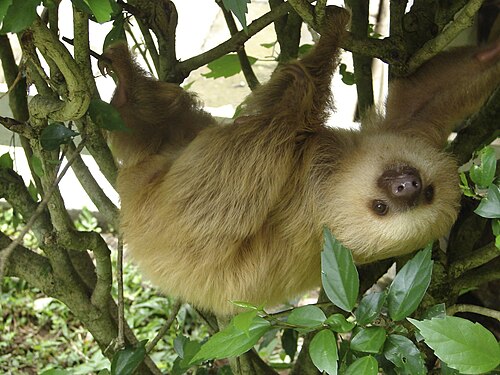
| Name | Authority and species | Range | Size and ecology |
|---|---|---|---|
| Cyclopedidae(silky anteater)
| Pocock, 1924 1 species in 1 genus
| Central America and northern and eastern South America | Size: About 20 cm (8 in) long, plus 16–29 cm (6–11 in) tail[462]Habitats: Forest[463]Diet: Termites and other insects[464] |
| Myrmecophagidae(anteater)
| Gray, 1825 2 species in 1 genus
| Mexico, Central America, and South America | Size range: 47 cm (19 in) long, plus 40 cm (16 in) tail (southern tamandua) to 140 cm (55 in) long, plus 90 cm (35 in) tail (giant anteater)[465]Habitats: Forest, savanna, shrubland, and grassland[466]Diets: Ants, termites, and other insects[467] |

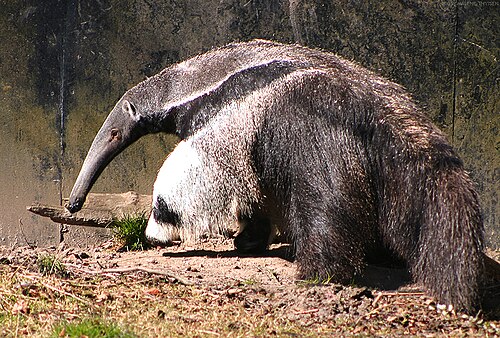
Monotremata
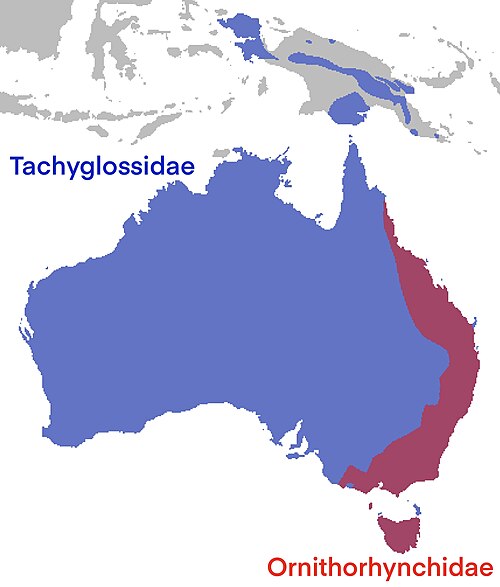
Monotremata is the smallest of the three main divisions of mammals, containing only five extant species. It is distinguished from other mammals in that the monotremes are egg-laying rather than bearing live young, but, like all mammals, the female monotremes nurse their young with milk.[4] Unlike the other two divisions, it is considered an order rather than an infraclass, and in turn contains two families of extant species grouped together in the superfamily Ornithorhynchoidea: Ornithorhynchidae, containing only the platypus, and Tachyglossidae, containing four species of echidna in two genera. Monotremes are found in Australia and New Guinea and are carnivorous, eating insects, worms, shrimp, tadpoles, and small fish.
| Name | Authority and species | Range | Size and ecology |
|---|---|---|---|
| Ornithorhynchidae(platypus)
| Gray, 1825 1 species in 1 genus
| Eastern Australia | Size: 37–63 cm (15–25 in) long, plus tail[468]Habitats: Inland wetlands[469]Diet: Crayfish, shrimp, water insect larvae, snails, tadpoles, worms, and small fish[470] |
| Tachyglossidae(echidna)
| Gill, 1872 4 species in 2 genera
| Australia and New Guinea | Size range: 30 cm (12 in) long (short-beaked echidna) to 63 cm (25 in) long (eastern long-beaked echidna)[468]Habitats: Forest, savanna, shrubland, grassland, and desert[471]Diets: Termites, ants, other insects, and worms[472] |


References
- ↑Oftedal, O. T. (2002). "The mammary gland and its origin during synapsid evolution". Journal of Mammary Gland Biology and Neoplasia. 7 (3): 225–252. doi:10.1023/a:1022896515287. PMID 12751889. S2CID 25806501.
- ↑Lui, J. H.; Hansen, D. V.; Kriegstein, A. R. (2011). "Development and evolution of the human neocortex". Cell. 146 (1): 18–36. doi:10.1016/j.cell.2011.06.030. PMC 3610574. PMID 21729779.
- ↑Feldhamer; Drickamer; Vessey; Merritt; Krajewski, p. 97
- 12345Power; Schulkin, pp. 1890–1891
- 12Wilson; Reeder, pp. vii–xvi
- 12"Explore Taxonomy". The Mammal Diversity Database. American Society of Mammalogists. Archived from the original on March 31, 2025. Retrieved April 22, 2025.
- ↑Álvarez-Carretero, S.; Tamuri, A. U.; Battini, M.; Nascimento, F. F.; Carlisle, E.; Asher, R. J.; Yang, Z.; Donoghue, P. C. J.; dos Reis, M. (2022). "A species-level timeline of mammal evolution integrating phylogenomic data". Nature. 602 (7896): 263–267. Bibcode:2022Natur.602..263A. doi:10.1038/s41586-021-04341-1. hdl:1983/de841853-d57b-40d9-876f-9bfcf7253f12. PMID 34937052. S2CID 245438816.
- 12Chernasky; Motis; Burgin, pp. 31–41
- ↑"Didelphidae - Family". IUCN Red List of Threatened Species. International Union for Conservation of Nature. Retrieved March 2, 2026.
- ↑Nowak 1990 vol. 1, pp. 17–30
- ↑Chernasky; Motis; Burgin, pp. 41–42
- ↑"Caenolestidae - Family". IUCN Red List of Threatened Species. International Union for Conservation of Nature. Retrieved March 2, 2026.
- ↑Nowak 1990 vol. 1, pp. 36–37
- ↑Chernasky; Motis; Burgin, pp. 43–49
- ↑"Dasyuridae - Family". IUCN Red List of Threatened Species. International Union for Conservation of Nature. Retrieved March 2, 2026.
- ↑Nowak 1990 vol. 1, p. 42
- ↑Chernasky; Motis; Burgin, p. 43
- ↑"Myrmecobiidae - Family". IUCN Red List of Threatened Species. International Union for Conservation of Nature. Retrieved March 2, 2026.
- ↑Nowak 1990 vol. 1, p. 66
- ↑Treu, Paul (2013). "Thylacinus cynocephalus". Animal Diversity Web. University of Michigan. Retrieved November 25, 2022.
- ↑"Thylacinidae - Family". IUCN Red List of Threatened Species. International Union for Conservation of Nature. Retrieved March 2, 2026.
- ↑Nowak 1990 vol. 1, p. 68
- 12Chernasky; Motis; Burgin, p. 61
- ↑"Hypsiprymnodontidae - Family". IUCN Red List of Threatened Species. International Union for Conservation of Nature. Retrieved March 2, 2026.
- 12Nowak 1990 vol. 1, p. 98
- ↑Chernasky; Motis; Burgin, pp. 62–69
- ↑"Macropodidae - Family". IUCN Red List of Threatened Species. International Union for Conservation of Nature. Retrieved March 2, 2026.
- ↑Nowak 1990 vol. 1, p. 105
- ↑Chernasky; Motis; Burgin, pp. 61–62
- ↑"Potoroidae - Family". IUCN Red List of Threatened Species. International Union for Conservation of Nature. Retrieved March 2, 2026.
- ↑"Acrobatidae - Family". IUCN Red List of Threatened Species. International Union for Conservation of Nature. Retrieved March 2, 2026.
- ↑Nowak 1990 vol. 1, p. 145
- ↑Chernasky; Motis; Burgin, p. 53
- ↑"Burramyidae - Family". IUCN Red List of Threatened Species. International Union for Conservation of Nature. Retrieved March 2, 2026.
- ↑Nowak 1990 vol. 1, p. 130
- ↑Chernasky; Motis; Burgin, pp. 59–60
- ↑"Petauridae - Family". IUCN Red List of Threatened Species. International Union for Conservation of Nature. Retrieved March 2, 2026.
- ↑Nowak 1990 vol. 1, p. 139
- ↑Chernasky; Motis; Burgin, pp. 53–57
- ↑"Phalangeridae - Family". IUCN Red List of Threatened Species. International Union for Conservation of Nature. Retrieved March 2, 2026.
- ↑Nowak 1990 vol. 1, pp. 89–97
- ↑Chernasky; Motis; Burgin, pp. 57–59
- ↑"Pseudocheiridae - Family". IUCN Red List of Threatened Species. International Union for Conservation of Nature. Retrieved March 2, 2026.
- ↑Nowak 1990 vol. 1, p. 132
- ↑Chernasky; Motis; Burgin, p. 60
- ↑"Tarsipedidae - Family". IUCN Red List of Threatened Species. International Union for Conservation of Nature. Retrieved March 2, 2026.
- ↑Nowak 1990 vol. 1, p. 143
- 12Chernasky; Motis; Burgin, p. 52
- ↑"Phascolarctidae - Family". IUCN Red List of Threatened Species. International Union for Conservation of Nature. Retrieved March 2, 2026.
- ↑Nowak 1990 vol. 1, p. 85
- ↑"Vombatidae - Family". IUCN Red List of Threatened Species. International Union for Conservation of Nature. Retrieved March 2, 2026.
- ↑Nowak 1990 vol. 1, p. 86
- ↑Chernasky; Motis; Burgin, p. 42
- ↑"Microbiotheriidae - Family". IUCN Red List of Threatened Species. International Union for Conservation of Nature. Retrieved March 2, 2026.
- ↑Nowak 1990 vol. 1, p. 40
- 12Chernasky; Motis; Burgin, pp. 202–203
- ↑"Notoryctidae - Family". IUCN Red List of Threatened Species. International Union for Conservation of Nature. Retrieved March 2, 2026.
- ↑Nowak 1990 vol. 1, p. 83
- 12Nowak 2005, p. 124
- ↑"Chaeropodidae - Family". IUCN Red List of Threatened Species. International Union for Conservation of Nature. Retrieved March 2, 2026.
- ↑Chernasky; Motis; Burgin, pp. 50–51
- ↑"Peramelidae - Family". IUCN Red List of Threatened Species. International Union for Conservation of Nature. Retrieved March 2, 2026.
- ↑Nowak 1990 vol. 1, p. 69
- ↑Chernasky; Motis; Burgin, p. 49
- ↑"Thylacomyidae - Family". IUCN Red List of Threatened Species. International Union for Conservation of Nature. Retrieved March 2, 2026.
- ↑Nowak 1990 vol. 1, p. 72
- ↑Chernasky; Motis; Burgin, pp. 72–73
- ↑"Chrysochloridae - Family". IUCN Red List of Threatened Species. International Union for Conservation of Nature. Retrieved March 2, 2026.
- ↑Nowak 1990 vol. 1, p. 180
- ↑Chernasky; Motis; Burgin, p. 72
- ↑"Potamogalidae - Family". IUCN Red List of Threatened Species. International Union for Conservation of Nature. Retrieved March 2, 2026.
- ↑Nowak 1990 vol. 1, pp. 177–188
- ↑Chernasky; Motis; Burgin, pp. 69–71
- ↑"Tenrecidae - Family". IUCN Red List of Threatened Species. International Union for Conservation of Nature. Retrieved March 2, 2026.
- ↑Nowak 1990 vol. 1, pp. 189–198
- ↑Chernasky; Motis; Burgin, p. 76
- ↑"Procaviidae - Family". IUCN Red List of Threatened Species. International Union for Conservation of Nature. Retrieved March 2, 2026.
- ↑Nowak 1990 vol. 2, p. 1043
- ↑Chernasky; Motis; Burgin, pp. 74–75
- ↑"Macroscelididae - Family". IUCN Red List of Threatened Species. International Union for Conservation of Nature. Retrieved March 2, 2026.
- ↑Nowak 1990 vol. 2, p. 1740
- ↑Chernasky; Motis; Burgin, p. 77
- ↑"Elephantidae - Family". IUCN Red List of Threatened Species. International Union for Conservation of Nature. Retrieved March 2, 2026.
- ↑Nowak 1990 vol. 2, pp. 996–999
- ↑Chernasky; Motis; Burgin, p. 78
- ↑"Dugongidae - Family". IUCN Red List of Threatened Species. International Union for Conservation of Nature. Retrieved March 2, 2026.
- ↑Nowak 1990 vol. 2, pp. 984–987
- ↑"Trichechidae - Family". IUCN Red List of Threatened Species. International Union for Conservation of Nature. Retrieved March 2, 2026.
- ↑Nowak 1990 vol. 2, pp. 989–992
- ↑Chernasky; Motis; Burgin, p. 75
- ↑"Orycteropodidae - Family". IUCN Red List of Threatened Species. International Union for Conservation of Nature. Retrieved March 2, 2026.
- ↑Nowak 1990 vol. 2, p. 1049
- ↑Chernasky; Motis; Burgin, p. 84
- ↑"Ptilocercidae - Family". IUCN Red List of Threatened Species. International Union for Conservation of Nature. Retrieved March 2, 2026.
- ↑Nowak 1990 vol. 1, p. 249
- ↑Chernasky; Motis; Burgin, pp. 84–85
- ↑"Tupaiidae - Family". IUCN Red List of Threatened Species. International Union for Conservation of Nature. Retrieved March 2, 2026.
- ↑Nowak 1990 vol. 1, p. 244
- ↑Chernasky; Motis; Burgin, p. 85
- ↑"Cynocephalidae - Family". IUCN Red List of Threatened Species. International Union for Conservation of Nature. Retrieved March 2, 2026.
- ↑Nowak 1990 vol. 1, p. 252
- ↑Chernasky; Motis; Burgin, pp. 184–191
- ↑"Leporidae - Family". IUCN Red List of Threatened Species. International Union for Conservation of Nature. Retrieved March 2, 2026.
- ↑Nowak 1990 vol. 2, p. 1720
- ↑Chernasky; Motis; Burgin, pp. 180–183
- ↑"Ochotonidae - Family". IUCN Red List of Threatened Species. International Union for Conservation of Nature. Retrieved March 2, 2026.
- ↑Nowak 1990 vol. 2, p. 1718
- ↑Chernasky; Motis; Burgin, pp. 118–119
- ↑"Aotidae - Family". IUCN Red List of Threatened Species. International Union for Conservation of Nature. Retrieved March 2, 2026.
- ↑Nowak 1990 vol. 1, p. 552
- ↑Chernasky; Motis; Burgin, pp. 137–142
- ↑"Atelidae - Family". IUCN Red List of Threatened Species. International Union for Conservation of Nature. Retrieved March 2, 2026.
- ↑Nowak 1990 vol. 1, pp. 539–543
- ↑Chernasky; Motis; Burgin, pp. 111–118
- ↑"Callitrichidae - Family". IUCN Red List of Threatened Species. International Union for Conservation of Nature. Retrieved March 2, 2026.
- ↑Nowak 1990 vol. 1, p. 558
- ↑Chernasky; Motis; Burgin, pp. 120–124
- ↑"Cebidae - Family". IUCN Red List of Threatened Species. International Union for Conservation of Nature. Retrieved March 2, 2026.
- ↑Nowak 1990 vol. 1, pp. 553–556
- ↑Chernasky; Motis; Burgin, pp. 143–172
- ↑"Cercopithecidae - Family". IUCN Red List of Threatened Species. International Union for Conservation of Nature. Retrieved March 2, 2026.
- ↑Nowak 1990 vol. 1, pp. 570–608
- ↑Chernasky; Motis; Burgin, pp. 178–180
- ↑"Hominidae - Family". IUCN Red List of Threatened Species. International Union for Conservation of Nature. Retrieved March 2, 2026.
- ↑Nowak 1990 vol. 1, pp. 615–623
- ↑Chernasky; Motis; Burgin, pp. 173–177
- ↑"Hylobatidae - Family". IUCN Red List of Threatened Species. International Union for Conservation of Nature. Retrieved March 2, 2026.
- ↑Nowak 1990 vol. 1, p. 611
- ↑Chernasky; Motis; Burgin, pp. 125–137
- ↑"Pitheciidae - Family". IUCN Red List of Threatened Species. International Union for Conservation of Nature. Retrieved March 2, 2026.
- ↑Nowak 1990 vol. 1, pp. 545–551
- ↑Chernasky; Motis; Burgin, pp. 109–111
- ↑"Tarsiidae - Family". IUCN Red List of Threatened Species. International Union for Conservation of Nature. Retrieved March 2, 2026.
- ↑Nowak 1990 vol. 1, p. 535
- ↑Chernasky; Motis; Burgin, pp. 86–90
- ↑"Cheirogaleidae - Family". IUCN Red List of Threatened Species. International Union for Conservation of Nature. Retrieved March 2, 2026.
- ↑Nowak 1990 vol. 1, pp. 506–510
- ↑Chernasky; Motis; Burgin, p. 102
- ↑"Daubentoniidae - Family". IUCN Red List of Threatened Species. International Union for Conservation of Nature. Retrieved March 2, 2026.
- ↑Nowak 1990 vol. 1, p. 534
- ↑Chernasky; Motis; Burgin, pp. 102–106
- ↑"Galagidae - Family". IUCN Red List of Threatened Species. International Union for Conservation of Nature. Retrieved March 2, 2026.
- ↑Nowak 1990 vol. 1, pp. 500–505
- ↑Chernasky; Motis; Burgin, pp. 98–101
- ↑"Indriidae - Family". IUCN Red List of Threatened Species. International Union for Conservation of Nature. Retrieved March 2, 2026.
- ↑Nowak 1990 vol. 1, p. 524
- ↑Chernasky; Motis; Burgin, pp. 94–98
- ↑"Lemuridae - Family". IUCN Red List of Threatened Species. International Union for Conservation of Nature. Retrieved March 2, 2026.
- ↑Nowak 1990 vol. 1, pp. 512–519
- ↑Chernasky; Motis; Burgin, pp. 90–93
- ↑"Lepilemuridae - Family". IUCN Red List of Threatened Species. International Union for Conservation of Nature. Retrieved March 2, 2026.
- ↑Nowak 1990 vol. 1, p. 522
- ↑Chernasky; Motis; Burgin, pp. 106–109
- ↑"Lorisidae - Family". IUCN Red List of Threatened Species. International Union for Conservation of Nature. Retrieved March 2, 2026.
- ↑Nowak 1990 vol. 1, pp. 495–499
- ↑"Anomaluridae - Family". IUCN Red List of Threatened Species. International Union for Conservation of Nature. Retrieved March 2, 2026.
- ↑Nowak 1990 vol. 2, pp. 1619–1620
- ↑Chernasky; Motis; Burgin, p. 203
- ↑"Pedetidae - Family". IUCN Red List of Threatened Species. International Union for Conservation of Nature. Retrieved March 2, 2026.
- ↑Nowak 1990 vol. 2, p. 1621
- ↑Chernasky; Motis; Burgin, p. 191
- ↑"Castoridae - Family". IUCN Red List of Threatened Species. International Union for Conservation of Nature. Retrieved March 2, 2026.
- ↑Nowak 1990 vol. 2, p. 1307
- ↑Chernasky; Motis; Burgin, pp. 198–202
- ↑"Geomyidae - Family". IUCN Red List of Threatened Species. International Union for Conservation of Nature. Retrieved March 2, 2026.
- ↑Nowak 1990 vol. 2, p. 1310
- ↑Chernasky; Motis; Burgin, pp. 192–198
- ↑"Heteromyidae - Family". IUCN Red List of Threatened Species. International Union for Conservation of Nature. Retrieved March 2, 2026.
- ↑Nowak 1990 vol. 2, p. 1319
- 12Chernasky; Motis; Burgin, p. 359
- ↑"Abrocomidae - Family". IUCN Red List of Threatened Species. International Union for Conservation of Nature. Retrieved March 2, 2026.
- ↑Nowak 1990 vol. 2, p. 1687
- ↑Chernasky; Motis; Burgin, pp. 351–353
- ↑"Bathyergidae - Family". IUCN Red List of Threatened Species. International Union for Conservation of Nature. Retrieved March 2, 2026.
- ↑Nowak 1990 vol. 2, pp. 1637–1641
- ↑Chernasky; Motis; Burgin, pp. 366–367
- ↑"Capromyidae - Family". IUCN Red List of Threatened Species. International Union for Conservation of Nature. Retrieved March 2, 2026.
- ↑Nowak 1990 vol. 2, p. 1703
- ↑Chernasky; Motis; Burgin, pp. 355–356
- ↑"Caviidae - Family". IUCN Red List of Threatened Species. International Union for Conservation of Nature. Retrieved March 2, 2026.
- 12Nowak 1990 vol. 2, p. 1664
- ↑Chernasky; Motis; Burgin, p. 358
- ↑"Chinchillidae - Family". IUCN Red List of Threatened Species. International Union for Conservation of Nature. Retrieved March 2, 2026.
- ↑Nowak 1990 vol. 2, pp. 1660–1662
- 12Chernasky; Motis; Burgin, p. 349
- ↑"Ctenodactylidae - Family". IUCN Red List of Threatened Species. International Union for Conservation of Nature. Retrieved March 2, 2026.
- ↑Nowak 1990 vol. 2, p. 1622
- ↑Chernasky; Motis; Burgin, pp. 360–364
- ↑"Ctenomyidae - Family". IUCN Red List of Threatened Species. International Union for Conservation of Nature. Retrieved March 2, 2026.
- ↑Nowak 1990 vol. 2, p. 1680
- ↑Chernasky; Motis; Burgin, p. 355
- ↑"Cuniculidae - Family". IUCN Red List of Threatened Species. International Union for Conservation of Nature. Retrieved March 2, 2026.
- ↑Nowak 1990 vol. 2, p. 1678
- ↑Chernasky; Motis; Burgin, pp. 357–358
- ↑"Dasyproctidae - Family". IUCN Red List of Threatened Species. International Union for Conservation of Nature. Retrieved March 2, 2026.
- ↑Nowak 1990 vol. 2, pp. 1675–1676
- ↑"Diatomyidae - Family". IUCN Red List of Threatened Species. International Union for Conservation of Nature. Retrieved March 2, 2026.
- ↑Jenkins, P. D.; Kilpatrick, C. W.; Robinson, M. F.; Timmins, R. J. (2005). "Morphological and molecular investigations of a new family, genus and species of rodent (Mammalia: Rodentia: Hystricognatha) from Lao PDR". Systematics and Biodiversity. 2 (4): 419–454. Bibcode:2005SyBio...2..419J. doi:10.1017/S1477200004001549. S2CID 86411689.
- ↑"Dinomyidae - Family". IUCN Red List of Threatened Species. International Union for Conservation of Nature. Retrieved March 2, 2026.
- ↑Chernasky; Motis; Burgin, pp. 367–374
- ↑"Echimyidae - Family". IUCN Red List of Threatened Species. International Union for Conservation of Nature. Retrieved March 2, 2026.
- ↑Nowak 1990 vol. 2, p. 1688
- ↑Chernasky; Motis; Burgin, pp. 353–354
- ↑"Erethizontidae - Family". IUCN Red List of Threatened Species. International Union for Conservation of Nature. Retrieved March 2, 2026.
- ↑Nowak 1990 vol. 2, pp. 1652–1658
- ↑Chernasky; Motis; Burgin, p. 351
- ↑"Heterocephalidae - Family". IUCN Red List of Threatened Species. International Union for Conservation of Nature. Retrieved March 2, 2026.
- ↑Nowak 1990 vol. 2, p. 1642
- ↑Chernasky; Motis; Burgin, pp. 349–350
- ↑"Hystricidae - Family". IUCN Red List of Threatened Species. International Union for Conservation of Nature. Retrieved March 2, 2026.
- ↑Nowak 1990 vol. 2, p. 1644
- ↑Chernasky; Motis; Burgin, pp. 365–366
- ↑"Octodontidae - Family". IUCN Red List of Threatened Species. International Union for Conservation of Nature. Retrieved March 2, 2026.
- ↑Nowak 1990 vol. 2, p. 1681
- 12Chernasky; Motis; Burgin, p. 350
- ↑"Petromuridae - Family". IUCN Red List of Threatened Species. International Union for Conservation of Nature. Retrieved March 2, 2026.
- ↑Nowak 1990 vol. 2, p. 1650
- ↑"Thryonomyidae - Family". IUCN Red List of Threatened Species. International Union for Conservation of Nature. Retrieved March 2, 2026.
- ↑Nowak 1990 vol. 2, p. 1651
- ↑Chernasky; Motis; Burgin, p. 213
- ↑"Calomyscidae - Family". IUCN Red List of Threatened Species. International Union for Conservation of Nature. Retrieved March 2, 2026.
- ↑Nowak 1990 vol. 2, p. 1418
- ↑Chernasky; Motis; Burgin, pp. 220–280
- ↑"Cricetidae - Family". IUCN Red List of Threatened Species. International Union for Conservation of Nature. Retrieved March 2, 2026.
- 123Nowak 1990 vol. 2, p. 1346
- ↑Chernasky; Motis; Burgin, pp. 206–209
- 12"Dipodidae - Family". IUCN Red List of Threatened Species. International Union for Conservation of Nature. Retrieved March 2, 2026.
- ↑Nowak 1990 vol. 2, p. 1329
- ↑Chernasky; Motis; Burgin, pp. 281–348
- ↑"Muridae - Family". IUCN Red List of Threatened Species. International Union for Conservation of Nature. Retrieved March 2, 2026.
- ↑Chernasky; Motis; Burgin, pp. 214–219
- ↑"Nesomyidae - Family". IUCN Red List of Threatened Species. International Union for Conservation of Nature. Retrieved March 2, 2026.
- ↑Chernasky; Motis; Burgin, p. 209
- ↑"Platacanthomyidae - Family". IUCN Red List of Threatened Species. International Union for Conservation of Nature. Retrieved March 2, 2026.
- ↑Nowak 1990 vol. 2, p. 1432
- ↑Chernasky; Motis; Burgin, pp. 204–205
- ↑"Sminthidae - Family". IUCN Red List of Threatened Species. International Union for Conservation of Nature. Retrieved March 2, 2026.
- ↑Nowak 1990 vol. 2, p. 1330
- ↑Chernasky; Motis; Burgin, pp. 210–213
- ↑"Spalacidae - Family". IUCN Red List of Threatened Species. International Union for Conservation of Nature. Retrieved March 2, 2026.
- ↑Nowak 1990 vol. 2, pp. 1427–1429
- ↑Chernasky; Motis; Burgin, pp. 205–206
- ↑Nowak 1990 vol. 2, pp. 1331–1333
- ↑Chernasky; Motis; Burgin, p. 374
- ↑"Aplodontiidae - Family". IUCN Red List of Threatened Species. International Union for Conservation of Nature. Retrieved March 2, 2026.
- ↑Nowak 1990 vol. 2, p. 1245
- ↑Chernasky; Motis; Burgin, pp. 402–403
- ↑"Gliridae - Family". IUCN Red List of Threatened Species. International Union for Conservation of Nature. Retrieved March 2, 2026.
- ↑Nowak 1990 vol. 2, p. 1626
- ↑Chernasky; Motis; Burgin, pp. 375–401
- ↑"Sciuridae - Family". IUCN Red List of Threatened Species. International Union for Conservation of Nature. Retrieved March 2, 2026.
- ↑Nowak 1990 vol. 2, p. 1246
- ↑Chernasky; Motis; Burgin, p. 586
- ↑"Antilocapridae - Family". IUCN Red List of Threatened Species. International Union for Conservation of Nature. Retrieved March 2, 2026.
- ↑Nowak 1990 vol. 2, p. 1134
- ↑Chernasky; Motis; Burgin, pp. 598–629
- ↑"Bovidae - Family". IUCN Red List of Threatened Species. International Union for Conservation of Nature. Retrieved March 2, 2026.
- ↑Nowak 1990 vol. 2, p. 1135
- ↑Chernasky; Motis; Burgin, pp. 588–596
- ↑"Cervidae - Family". IUCN Red List of Threatened Species. International Union for Conservation of Nature. Retrieved March 2, 2026.
- ↑Nowak 1990 vol. 2, p. 1092
- ↑Chernasky; Motis; Burgin, p. 587
- ↑"Giraffidae - Family". IUCN Red List of Threatened Species. International Union for Conservation of Nature. Retrieved March 2, 2026.
- ↑Nowak 1990 vol. 2, pp. 1085–1086
- ↑Chernasky; Motis; Burgin, p. 597
- ↑"Moschidae - Family". IUCN Red List of Threatened Species. International Union for Conservation of Nature. Retrieved March 2, 2026.
- ↑Nowak 1990 vol. 2, p. 1090
- ↑Chernasky; Motis; Burgin, pp. 585–586
- ↑"Tragulidae - Family". IUCN Red List of Threatened Species. International Union for Conservation of Nature. Retrieved March 2, 2026.
- ↑Nowak 1990 vol. 2, pp. 1081–1084
- ↑Chernasky; Motis; Burgin, pp. 630–633
- ↑"Suidae - Family". IUCN Red List of Threatened Species. International Union for Conservation of Nature. Retrieved March 2, 2026.
- ↑Nowak 1990 vol. 2, p. 1054
- ↑Chernasky; Motis; Burgin, p. 633
- ↑"Tayassuidae - Family". IUCN Red List of Threatened Species. International Union for Conservation of Nature. Retrieved March 2, 2026.
- ↑Nowak 1990 vol. 2, pp. 1065–1067
- ↑Chernasky; Motis; Burgin, p. 644
- ↑"Camelidae - Family". IUCN Red List of Threatened Species. International Union for Conservation of Nature. Retrieved March 2, 2026.
- ↑Nowak 1990 vol. 2, p. 1072
- 12Chernasky; Motis; Burgin, p. 566
- ↑"Balaenidae - Family". IUCN Red List of Threatened Species. International Union for Conservation of Nature. Retrieved March 2, 2026.
- ↑Nowak 1990 vol. 2, p. 964
- ↑Chernasky; Motis; Burgin, pp. 567–569
- ↑"Balaenopteridae - Family". IUCN Red List of Threatened Species. International Union for Conservation of Nature. Retrieved March 2, 2026.
- ↑Nowak 1990 vol. 2, p. 972
- ↑"Cetotheriidae - Family". IUCN Red List of Threatened Species. International Union for Conservation of Nature. Retrieved March 2, 2026.
- ↑Nowak 1990 vol. 2, p. 962
- ↑Chernasky; Motis; Burgin, pp. 576–583
- ↑"Delphinidae - Family". IUCN Red List of Threatened Species. International Union for Conservation of Nature. Retrieved March 2, 2026.
- ↑Nowak 1990 vol. 2, pp. 919–945
- ↑Chernasky; Motis; Burgin, p. 567
- ↑"Eschrichtiidae - Family". IUCN Red List of Threatened Species. International Union for Conservation of Nature. Retrieved March 2, 2026.
- ↑Nowak 1990 vol. 2, p. 961
- ↑Chernasky; Motis; Burgin, p. 585
- ↑"Hippopotamidae - Family". IUCN Red List of Threatened Species. International Union for Conservation of Nature. Retrieved March 2, 2026.
- ↑Nowak 1990 vol. 2, pp. 1069–1071
- 123Chernasky; Motis; Burgin, p. 575
- ↑"Iniidae - Family". IUCN Red List of Threatened Species. International Union for Conservation of Nature. Retrieved March 2, 2026.
- ↑Nowak 1990 vol. 2, p. 906
- 12Chernasky; Motis; Burgin, p. 570
- ↑"Kogiidae - Family". IUCN Red List of Threatened Species. International Union for Conservation of Nature. Retrieved March 2, 2026.
- ↑Nowak 1990 vol. 2, p. 953
- ↑"Lipotidae - Family". IUCN Red List of Threatened Species. International Union for Conservation of Nature. Retrieved March 2, 2026.
- ↑Nowak 1990 vol. 2, p. 902
- ↑Chernasky; Motis; Burgin, p. 576
- ↑"Monodontidae - Family". IUCN Red List of Threatened Species. International Union for Conservation of Nature. Retrieved March 2, 2026.
- ↑Nowak 1990 vol. 2, p. 907
- ↑Chernasky; Motis; Burgin, pp. 583–584
- ↑"Phocoenidae - Family". IUCN Red List of Threatened Species. International Union for Conservation of Nature. Retrieved March 2, 2026.
- ↑Nowak 1990 vol. 2, p. 911
- ↑"Physeteridae - Family". IUCN Red List of Threatened Species. International Union for Conservation of Nature. Retrieved March 2, 2026.
- ↑Nowak 1990 vol. 2, p. 956
- ↑Chernasky; Motis; Burgin, p. 574
- ↑"Platanistidae - Family". IUCN Red List of Threatened Species. International Union for Conservation of Nature. Retrieved March 2, 2026.
- ↑Nowak 1990 vol. 2, p. 901
- ↑"Pontoporiidae - Family". IUCN Red List of Threatened Species. International Union for Conservation of Nature. Retrieved March 2, 2026.
- ↑Nowak 1990 vol. 2, p. 903
- ↑Chernasky; Motis; Burgin, pp. 570–574
- ↑"Ziphiidae - Family". IUCN Red List of Threatened Species. International Union for Conservation of Nature. Retrieved March 2, 2026.
- ↑Nowak 1990 vol. 2, p. 946
- ↑Chernasky; Motis; Burgin, p. 681
- ↑"Ailuridae - Family". IUCN Red List of Threatened Species. International Union for Conservation of Nature. Retrieved March 2, 2026.
- ↑Nowak 1990 vol. 1, p. 696
- ↑Chernasky; Motis; Burgin, pp. 663–669
- ↑"Canidae - Family". IUCN Red List of Threatened Species. International Union for Conservation of Nature. Retrieved March 2, 2026.
- ↑Nowak 1990 vol. 1, pp. 638–677
- ↑Chernasky; Motis; Burgin, pp. 681–683
- ↑"Mephitidae - Family". IUCN Red List of Threatened Species. International Union for Conservation of Nature. Retrieved March 2, 2026.
- ↑Nowak 1990 vol. 1, pp. 734–736
- ↑Chernasky; Motis; Burgin, pp. 683–691
- ↑"Mustelidae - Family". IUCN Red List of Threatened Species. International Union for Conservation of Nature. Retrieved March 2, 2026.
- ↑Nowak 1990 vol. 1, p. 705
- ↑Chernasky; Motis; Burgin, p. 676
- ↑"Odobenidae - Family". IUCN Red List of Threatened Species. International Union for Conservation of Nature. Retrieved March 2, 2026.
- ↑Nowak 1990 vol. 2, p. 865
- ↑Chernasky; Motis; Burgin, pp. 673–676
- ↑"Otariidae - Family". IUCN Red List of Threatened Species. International Union for Conservation of Nature. Retrieved March 2, 2026.
- ↑Nowak 1990 vol. 2, p. 840
- ↑Chernasky; Motis; Burgin, pp. 677–680
- ↑"Phocidae - Family". IUCN Red List of Threatened Species. International Union for Conservation of Nature. Retrieved March 2, 2026.
- ↑Nowak 1990 vol. 2, p. 867
- ↑Chernasky; Motis; Burgin, pp. 692–693
- ↑"Procyonidae - Family". IUCN Red List of Threatened Species. International Union for Conservation of Nature. Retrieved March 2, 2026.
- ↑Nowak 1990 vol. 1, p. 695
- ↑Chernasky; Motis; Burgin, pp. 670–672
- ↑"Ursidae - Family". IUCN Red List of Threatened Species. International Union for Conservation of Nature. Retrieved March 2, 2026.
- ↑Nowak 1990 vol. 1, p. 678
- ↑Chernasky; Motis; Burgin, pp. 661–662
- ↑"Eupleridae - Family". IUCN Red List of Threatened Species. International Union for Conservation of Nature. Retrieved March 2, 2026.
- ↑Nowak 1990 vol. 1, pp. 766–771, 785
- ↑Chernasky; Motis; Burgin, pp. 640–650
- ↑"Felidae - Family". IUCN Red List of Threatened Species. International Union for Conservation of Nature. Retrieved March 2, 2026.
- ↑Nowak 1990 vol. 1, p. 794
- ↑Chernasky; Motis; Burgin, pp. 656–660
- ↑"Herpestidae - Family". IUCN Red List of Threatened Species. International Union for Conservation of Nature. Retrieved March 2, 2026.
- ↑Nowak 1990 vol. 1, pp. 769–785
- ↑Chernasky; Motis; Burgin, pp. 662–663
- ↑"Hyaenidae - Family". IUCN Red List of Threatened Species. International Union for Conservation of Nature. Retrieved March 2, 2026.
- ↑Nowak 1990 vol. 1, p. 786
- 12Chernasky; Motis; Burgin, p. 640
- ↑"Nandiniidae - Family". IUCN Red List of Threatened Species. International Union for Conservation of Nature. Retrieved March 2, 2026.
- ↑Nowak 1990 vol. 1, p. 757
- ↑"Prionodontidae - Family". IUCN Red List of Threatened Species. International Union for Conservation of Nature. Retrieved March 2, 2026.
- ↑Nowak 1990 vol. 1, p. 756
- ↑Chernasky; Motis; Burgin, pp. 650–655
- ↑"Viverridae - Family". IUCN Red List of Threatened Species. International Union for Conservation of Nature. Retrieved March 2, 2026.
- ↑Nowak 1990 vol. 1, p. 749
- ↑Chernasky; Motis; Burgin, p. 528
- ↑"Cistugidae - Family". IUCN Red List of Threatened Species. International Union for Conservation of Nature. Retrieved March 2, 2026.
- ↑Nowak 1990 vol. 1, p. 418
- ↑Chernasky; Motis; Burgin, pp. 484–488
- ↑"Emballonuridae - Family". IUCN Red List of Threatened Species. International Union for Conservation of Nature. Retrieved March 2, 2026.
- ↑Nowak 1990 vol. 1, p. 307
- 12Chernasky; Motis; Burgin, p. 491
- ↑"Furipteridae - Family". IUCN Red List of Threatened Species. International Union for Conservation of Nature. Retrieved March 2, 2026.
- ↑Nowak 1990 vol. 1, p. 410
- ↑Chernasky; Motis; Burgin, pp. 525–528
- ↑"Miniopteridae - Family". IUCN Red List of Threatened Species. International Union for Conservation of Nature. Retrieved March 2, 2026.
- ↑Nowak 1990 vol. 1, p. 463
- ↑Chernasky; Motis; Burgin, pp. 515–525
- ↑"Molossidae - Family". IUCN Red List of Threatened Species. International Union for Conservation of Nature. Retrieved March 2, 2026.
- ↑Nowak 1990 vol. 1, p. 472
- ↑Chernasky; Motis; Burgin, pp. 492–493
- ↑"Mormoopidae - Family". IUCN Red List of Threatened Species. International Union for Conservation of Nature. Retrieved March 2, 2026.
- ↑Nowak 1990 vol. 1, p. 343
- 12Chernasky; Motis; Burgin, p. 490
- ↑"Mystacinidae - Family". IUCN Red List of Threatened Species. International Union for Conservation of Nature. Retrieved March 2, 2026.
- ↑Nowak 1990 vol. 1, p. 408
- ↑"Myzopodidae - Family". IUCN Red List of Threatened Species. International Union for Conservation of Nature. Retrieved March 2, 2026.
- 12Nowak 1990 vol. 1, p. 414
- ↑Chernasky; Motis; Burgin, p. 514
- ↑"Natalidae - Family". IUCN Red List of Threatened Species. International Union for Conservation of Nature. Retrieved March 2, 2026.
- ↑Nowak 1990 vol. 1, p. 409
- ↑"Noctilionidae - Family". IUCN Red List of Threatened Species. International Union for Conservation of Nature. Retrieved March 2, 2026.
- ↑Nowak 1990 vol. 1, p. 349
- ↑Chernasky; Motis; Burgin, pp. 489–490
- ↑"Nycteridae - Family". IUCN Red List of Threatened Species. International Union for Conservation of Nature. Retrieved March 2, 2026.
- ↑Nowak 1990 vol. 1, p. 323
- ↑Chernasky; Motis; Burgin, pp. 494–513
- ↑"Phyllostomidae - Family". IUCN Red List of Threatened Species. International Union for Conservation of Nature. Retrieved March 2, 2026.
- ↑Nowak 1990 vol. 1, p. 353
- ↑Chernasky; Motis; Burgin, pp. 491–492
- ↑"Thyropteridae - Family". IUCN Red List of Threatened Species. International Union for Conservation of Nature. Retrieved March 2, 2026.
- ↑Chernasky; Motis; Burgin, pp. 528–565
- ↑"Vespertilionidae - Family". IUCN Red List of Threatened Species. International Union for Conservation of Nature. Retrieved March 2, 2026.
- ↑Nowak 1990 vol. 1, p. 417
- 12Chernasky; Motis; Burgin, p. 465
- ↑"Craseonycteridae - Family". IUCN Red List of Threatened Species. International Union for Conservation of Nature. Retrieved March 2, 2026.
- ↑Nowak 1990 vol. 1, p. 322
- ↑Chernasky; Motis; Burgin, pp. 467–475
- ↑"Hipposideridae - Family". IUCN Red List of Threatened Species. International Union for Conservation of Nature. Retrieved March 2, 2026.
- ↑Nowak 1990 vol. 1, p. 333
- ↑Chernasky; Motis; Burgin, p. 466
- ↑"Megadermatidae - Family". IUCN Red List of Threatened Species. International Union for Conservation of Nature. Retrieved March 2, 2026.
- ↑Nowak 1990 vol. 1, p. 324
- ↑Chernasky; Motis; Burgin, pp. 448–465
- ↑"Pteropodidae - Family". IUCN Red List of Threatened Species. International Union for Conservation of Nature. Retrieved March 2, 2026.
- ↑Nowak 1990 vol. 1, p. 260
- ↑Chernasky; Motis; Burgin, pp. 475–483
- ↑"Rhinolophidae - Family". IUCN Red List of Threatened Species. International Union for Conservation of Nature. Retrieved March 2, 2026.
- ↑Nowak 1990 vol. 1, p. 332
- ↑Chernasky; Motis; Burgin, pp. 466–467
- ↑"Rhinonycteridae - Family". IUCN Red List of Threatened Species. International Union for Conservation of Nature. Retrieved March 2, 2026.
- ↑Nowak 1990 vol. 1, pp. 339–342
- ↑"Rhinopomatidae - Family". IUCN Red List of Threatened Species. International Union for Conservation of Nature. Retrieved March 2, 2026.
- ↑Nowak 1990 vol. 1, p. 306
- ↑Chernasky; Motis; Burgin, pp. 404–406
- ↑"Erinaceidae - Family". IUCN Red List of Threatened Species. International Union for Conservation of Nature. Retrieved March 2, 2026.
- ↑Nowak 1990 vol. 1, p. 170
- ↑Chernasky; Motis; Burgin, p. 447
- ↑"Solenodontidae - Family". IUCN Red List of Threatened Species. International Union for Conservation of Nature. Retrieved March 2, 2026.
- ↑Nowak 1990 vol. 1, p. 201
- ↑Chernasky; Motis; Burgin, pp. 406–441
- ↑"Soricidae - Family". IUCN Red List of Threatened Species. International Union for Conservation of Nature. Retrieved March 2, 2026.
- ↑Nowak 1990 vol. 1, p. 203
- ↑Chernasky; Motis; Burgin, pp. 442–447
- ↑"Talpidae - Family". IUCN Red List of Threatened Species. International Union for Conservation of Nature. Retrieved March 2, 2026.
- ↑Nowak 1990 vol. 1, p. 229
- ↑Chernasky; Motis; Burgin, pp. 636–637
- ↑"Rhinocerotidae - Family". IUCN Red List of Threatened Species. International Union for Conservation of Nature. Retrieved March 2, 2026.
- ↑Nowak 1990 vol. 2, p. 1029
- ↑Chernasky; Motis; Burgin, p. 636
- ↑"Tapiridae - Family". IUCN Red List of Threatened Species. International Union for Conservation of Nature. Retrieved March 2, 2026.
- ↑Nowak 1990 vol. 2, p. 1026
- ↑Chernasky; Motis; Burgin, pp. 634–635
- ↑"Equidae - Family". IUCN Red List of Threatened Species. International Union for Conservation of Nature. Retrieved March 2, 2026.
- ↑Nowak 1990 vol. 2, p. 1010
- ↑Chernasky; Motis; Burgin, pp. 638–639
- ↑"Manidae - Family". IUCN Red List of Threatened Species. International Union for Conservation of Nature. Retrieved March 2, 2026.
- ↑Nowak 1990 vol. 2, p. 1241
- ↑Chernasky; Motis; Burgin, p. 79
- ↑"Dasypodidae - Family". IUCN Red List of Threatened Species. International Union for Conservation of Nature. Retrieved March 2, 2026.
- ↑Nowak 1990 vol. 1, p. 166
- ↑Chernasky; Motis; Burgin, pp. 79–81
- ↑"Chlamyphoridae - Family". IUCN Red List of Threatened Species. International Union for Conservation of Nature. Retrieved March 2, 2026.
- ↑Nowak 1990 vol. 1, pp. 159–163
- 12Chernasky; Motis; Burgin, p. 83
- ↑"Bradypodidae - Family". IUCN Red List of Threatened Species. International Union for Conservation of Nature. Retrieved March 2, 2026.
- ↑Nowak 1990 vol. 1, p. 153
- ↑"Choloepodidae - Family". IUCN Red List of Threatened Species. International Union for Conservation of Nature. Retrieved March 2, 2026.
- ↑Nowak 1990 vol. 1, p. 151
- ↑Chernasky; Motis; Burgin, p. 82
- ↑"Cyclopedidae - Family". IUCN Red List of Threatened Species. International Union for Conservation of Nature. Retrieved March 2, 2026.
- ↑Nowak 1990 vol. 1, p. 157
- ↑Chernasky; Motis; Burgin, p. 81
- ↑"Myrmecophagidae - Family". IUCN Red List of Threatened Species. International Union for Conservation of Nature. Retrieved March 2, 2026.
- ↑Nowak 1990 vol. 1, p. 154
- 12Chernasky; Motis; Burgin, p. 30
- ↑"Ornithorhynchidae - Family". IUCN Red List of Threatened Species. International Union for Conservation of Nature. Retrieved March 2, 2026.
- ↑Nowak 1990 vol. 1, p. 13
- ↑"Tachyglossidae - Family". IUCN Red List of Threatened Species. International Union for Conservation of Nature. Retrieved March 2, 2026.
- ↑Nowak 1990 vol. 1, p. 8
Sources
- Chernasky, Amy; Motis, Anna; Burgin, Connor, eds. (2023). All the Mammals of the World. Lynx Nature Books. ISBN 978-84-16728-66-4.
- Feldhamer, G. A.; Drickamer, L. C.; Vessey, S. H.; Merritt, J. F.; Krajewski, C. (2007). Mammalogy: Adaptation, Diversity, Ecology (3rd ed.). Johns Hopkins University Press. ISBN 978-0-8018-8695-9. OCLC 124031907.
- Nowak, Ronald M. (1999). Walker's Mammals of the World. Vol. 1 (6th ed.). Johns Hopkins University Press. ISBN 978-0-8018-5789-8.
- Nowak, Ronald M. (1999). Walker's Mammals of the World. Vol. 2 (6th ed.). Johns Hopkins University Press. ISBN 978-0-8018-5789-8.
- Nowak, Ronald M. (2005). Walker's Marsupials of the World. Johns Hopkins University Press. ISBN 978-0-8018-8222-7.
- Power, M. L.; Schulkin, J. (2013). The Evolution of the Human Placenta. Johns Hopkins University Press. ISBN 978-1-4214-0643-5. OCLC 940749490.
- ويلسون، دون إي .؛ ريدر، ديان إم. ، محرران. (2005). أنواع الثدييات في العالم . المجلد 1 ( الطبعة الثالثة). مطبعة جامعة جونز هوبكنز . ISBN 978-0-8018-8221-0.
- قوائم الثدييات
- القوائم التصنيفية (الأجناس، التصنيفية)
- قوائم الفقاريات